Your Amazing Day At Glacier National Park 1 Day Itinerary
If you’re visiting Glacier National Park, you’re in for an unforgettable day. Our Glacier National Park 1-day itinerary is designed to help you hit the park’s iconic viewpoints, short must-do hikes, and a scenic drive without feeling rushed. So pack your layers and get ready for a day you’ll remember for a lifetime.
In our experience, starting early matters. We’ve found that the Logan Pass area can get crowded by late morning, so we aim to be at the Hidden Lake Overlook trailhead before 7:30–8:00 AM during peak season. This plan includes precise stops, practical pacing, and insider tips—like checking the Going-to-the-Sun Road status with the NPS and having a backup option if weather closes higher elevations. What we’ve found works best is a mix of short, family-friendly walks and one standout viewpoint that you’ll still be talking about at dinner.
Is One Day Enough To See Glacier National Park?

Glacier National Park is a place that rewards time—and one day just isn’t enough to truly experience its scale. In our experience, we plan a full 5–7 days to circle the core highlights, plus side trails and a couple of quiet mornings. If your schedule only allows a day, you can still taste the magic, but manage expectations: you’ll hit a concentrated, high-impact sampling rather than the full glacier orchestra.
If you only have 24 hours, our approach is to maximize iconic viewpoints early and leave room for a mellow finish. We recommend starting before dawn to catch sunrise at a major overlook along Going-to-the-Sun Road, then loop through a couple of essential stops like Logan Pass and the Hidden Lake area (watch for wildlife in the meadows). Bring layers, rain gear, and bear spray where required, and check the latest NPS road status—the road is seasonal and weather-dependent. In our experience, arriving at the Logan Pass lot around 5:30–6:00 am helps you park, hike the short Hidden Lake Trail segments, and still have the afternoon for a scenic drive with fewer crowds. We’ve found that a flexible plan with two short hikes, plus a scenic drive, yields the best “glacier vibes” in one day.
When Does Glacier National Park Open?
Glacier National Park’s access changes with the seasons. Current as of February 2026, the park remains open to visitors year-round in a general sense, but the Going-to-the-Sun Road and many facilities operate on a seasonal schedule. We recommend you check the official NPS status pages before you plan your trip to confirm road status and closures.
In our experience, most visitor centers run roughly 8:00 AM–5:00 PM during the summer, with winter hours limited or closed. The Going-to-the-Sun Road typically opens in late spring and is often fully accessible by June, while it can close for the season after the first heavy snowfall, usually by October. For exact opening dates, road status, and seasonal closures, see the NPS Glacier plan-your-visit status pages linked here: Glacier National Park Road Status and Basic Information pages. We’ve found that having a flexible itinerary helps when construction or weather pushes road openings later than expected.
Glacier National Park 1 Day Itinerary
- Enter Glacier National Park through West Glacier at 5:45 AM — in our experience, this early start helps you beat the crowds and catch wildlife on the free glacier-viewing drive. Prepare to stop at the Essential Parking Lot near the West Entrance if you’re self-driving, and keep a headlamp handy for a smooth start.
- Drive Going-to-the-Sun Road (5:50 AM) — we recommend using the first pullouts for sunrise photos and to avoid the midday traffic that can back up around the Logan Pass area. Allow extra time for occasional delays in construction zones and bear activity near the road shoulder.
- Watch the sunrise on Lake McDonald (6:00 AM) — a serene moment before the day gets busy. If you’re up for it, take a quick swim in the lake’s calmer morning hours only in permitted zones and with proper gear; otherwise, a short shoreline stroll is plenty rewarding.
- Visit McDonald Falls (8:00 AM) — parking at the McDonald Falls Trailhead is limited, so we’ve found the best chance of finding a spot early, then a short, stroller-friendly walk to the falls. Wear sturdy shoes for the creek crossings if you plan to scramble downstream safely.
- Hike Trail of the Cedars (9:00 AM – 10:00 AM) — this accessible loop is great for a cool, shaded break. In our experience the boardwalk weave and cedar scent make this one of the park’s most iconic, family-friendly Glacier NP hikes; allow extra time for photo stops along thetis riverbank overlook.
- Visit Weeping Wall (10:30 AM) — check weather: the wall becomes a dramatic cascade after rain. We recommend a quick look from the pullout and then continuing toward Logan Pass for their famous overlooks.
- Visit Haystack Creek Falls (11:00 AM) — a short, easy stroll from the pullout with still-water pool basins; ideal for a quick snack break if you’re chasing a tight schedule on our Glacier NP one-day itinerary.
- Visit Logan Pass (Noon) — a must-see overlook hub. In our experience, the popular Hidden Lake Trailhead parking fills fast; arrive early or late afternoon to snag a spot and savor sweeping alpine views from various overlooks.
- Eat Lunch (12:30 PM-1:00 PM) — pack a picnic to enjoy at the Logan Pass or Lake McDonald shoreline. We’ve found that eating at a designated pullout with a view minimizes crowding and keeps you moving on the big loop of Glacier NP in one day.
- Hike Hidden Lake Overlook (1:00 PM-4:00 PM) — this is Glacier National Park’s quintessential overlook hike. We recommend starting from Logan Pass early to beat crowds, and bring layers—it can be breezy at elevation. Keep an eye on posted wildlife guidelines and stay on designated trails.
- Visit Jackson Glacier Overlook (4:30 PM) — easy parking and a flat boardwalk-style overlook makes for a great late-afternoon photo session. In our experience, light is best here during golden hour, so plan a quick stop if you’re chasing the perfect shot.
- Visit St. Mary Lake (5:00 PM) — a classic sunset backdrop with Mount Gould in the distance. We’ve found the best photo angles along the east shore near the Lake McDonald–St. Mary road junction; stay on designated viewpoints for safety and preservation rules.
- Hike to see Virginia Falls and St. Mary Falls (5:30 PM-7:00 PM) — a combined mini-tour of two iconic cascades. We recommend Virginia Falls first for a longer, scenic route, then loop to St. Mary Falls for a sunset snapshot before heading back to property gates or lodging. Note that footing can be slick near the creek crossings; wear sturdy footwear and keep kids close.
- Stargaze (As long as you want) — Glacier NP skies are incredible, but watch for wildlife movement after dark. We recommend checking the park’s current advisories on stargazing prospects and aurora forecasts; sometimes they show up as faint mountain silhouettes, sometimes as a full display. What we’ve found: a clear night after late September leaves the best visibility, with minimal light pollution in the St. Mary area.
Tips For Achieving Your Glacier National Park 1 Day Itinerary
- Hook your day with a plan that respects Glacier’s notorious crowds and stunning light. In our experience, getting gas and a quick bite before the sun climbs over Logan Pass saves you hours of slow-park waits and gives you prime pullouts for photography along Going-to-the-Sun Road.
- Pack a lunch and snacks that travel well at altitude (nuts, jerky, fruit, and energy bars). We’ve found a compact cooler bag in the car makes a big difference for a long, scenic drive, especially if weather shifts or a late lunch becomes necessary.
- Get gas before entering the park and fill up at the St. Mary or West Glacier stations. In our experience, fuel lines inside the park can back up on busy days, and a full tank lets you explore more without scouting a pump mid-ride.
- Make a reservation for Going-to-the-Sun Road where required and check NPS updates for closures. We recommend starting at sunrise and timing your drive so you reach Jackson Glacier Overlook or Logan Pass before the crowds arrive.
- Have your phone charged and offline maps downloaded. We rely on a lightweight power bank and a printed map as backups when cell service dips along the interior corridors of the park.
- Plan out how long you have to spend at can’t-miss overlooks, pullouts, and short hikes. Our pace is steady—one or two quick walks with a few photo stops—so you don’t feel rushed while savoring the scenery.
- Wake up Early. In our experience, the East Glacier corridor and the Going-to-the-Sun Road take on magical light at first light, and the road traffic eases before the mid-morning rush.
- Entry to Going-to-the-Sun Road is free before 6 AM, making dawn a practical window for your first scenic stop.
- Bear awareness: store food in approved bear boxes or canisters when available, never in your vehicle, and never leave food unattended at overlooks or trails. Follow the park’s food-storage guidelines and keep a clean campsite routine.
- Hydration and sun: altitude can sap hydration quickly—carry at least 2–3 liters per person and wear a wide-brim hat and sunscreen on high exposures like Logan Pass and the aprons along Going-to-the-Sun Road.
- Water and safety: use filtered or treated water from streams only if you know the source is safe; otherwise rely on bottled water or your purifier. Do not drink water from uncertain streams without purification.
- Altitude awareness: elevations around 6,000–7,500+ feet can trigger fatigue or headaches. Take it easy early, pace yourself, and consider a slower start if you’re not acclimated.
- Weather shifts: even in summer, temperatures can drop quickly. Bring a light, packable layer and a windbreaker for sudden gusts near the Whitefish and St. Mary viewpoints.
Entering The Park
The moment you step toward the park boundary, the scenery starts shouting. Our first stop today is the West Glacier entrance, the most popular starting point for a big, action-packed day. From the moment you drive in, you’ll hear the river and feel the pine-scented breeze that signals a day full of short hikes, stunning overlooks, and wildlife potential.
Arriving early helps us beat the crowds. We recommend aiming to arrive before 7:30 a.m. to park in the West Glacier trailhead area and avoid the first wave of congested entry lanes. In our experience, a quick parking scout right at the trailhead lot saves you minutes that add up fast later in the day.
To enter, a 7-day pass is required for private vehicles. You can purchase the pass at the entrance or complete the brief form and pay on site if lines aren’t long yet. If you’re visiting with a longer itinerary, the park’s pass options (including the Interagency Annual Pass) cover multiple trips across national parks, which we’ve found to be a smart splash-making move for frequent explorers.
Based on available NPS data, keep in mind seasonal fluctuations: peak crowds typically surge in July and August, with shoulder months offering quieter mornings and easier parking. Our experience shows that a mid-morning entry blocks a lot of the rush, leaving you free to start with the Hidden Lake Trail or a quick ride into the Logan Pass area later in the day.
Drive Going-to-the-Sun Road
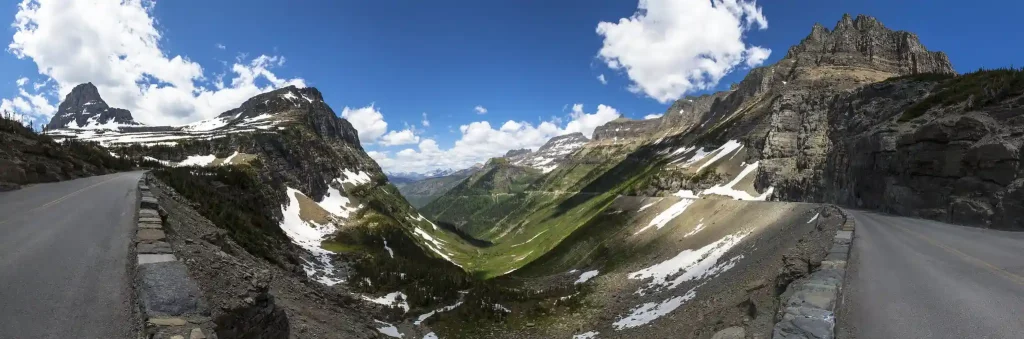
Hooked on Glacier’s drama? Our experience confirms that going early on Going-to-the-Sun Road pays off in light, parking, and crowd levels. Entry can be free before 6:00 AM, which not only saves money but gives you a head start on photo stops and wildlife viewing. We recommend aiming to reach the Logan Pass area by 6:00–6:30 AM if possible to maximize quiet roads and iconic overlooks.
As you drive, plan 2–3 must-stop photo moments and use official pullouts for quick stops rather than lingering in transit lanes. In our experience, the most reliable light for the Garden Wall and Bird Woman Falls viewpoints is in the early morning, before the crowds arrive. We’ve found the Logan Pass area—the higher elevation overlooks and the Trail of the Cedars—offers the best balance of dramatic scenery and parking access, especially for a one-day itinerary along Going-to-the-Sun Road.
Watch The Sunrise On Lake McDonald
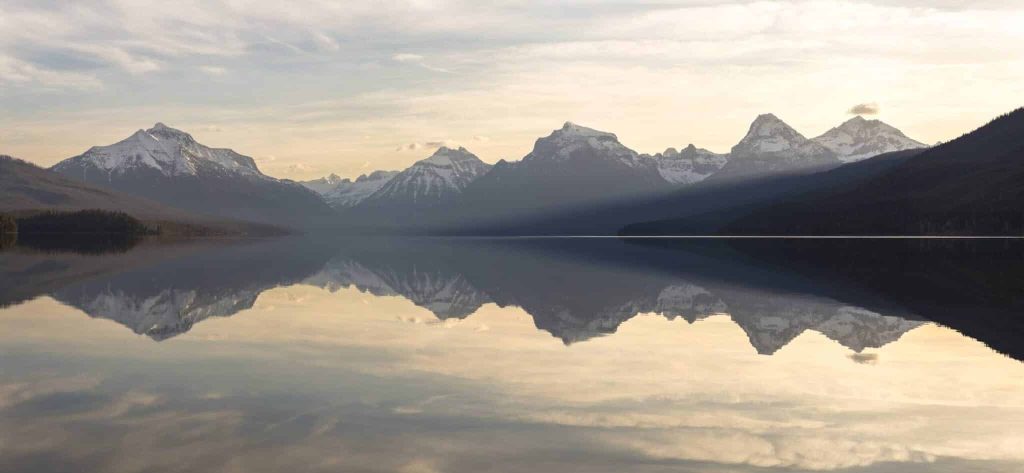
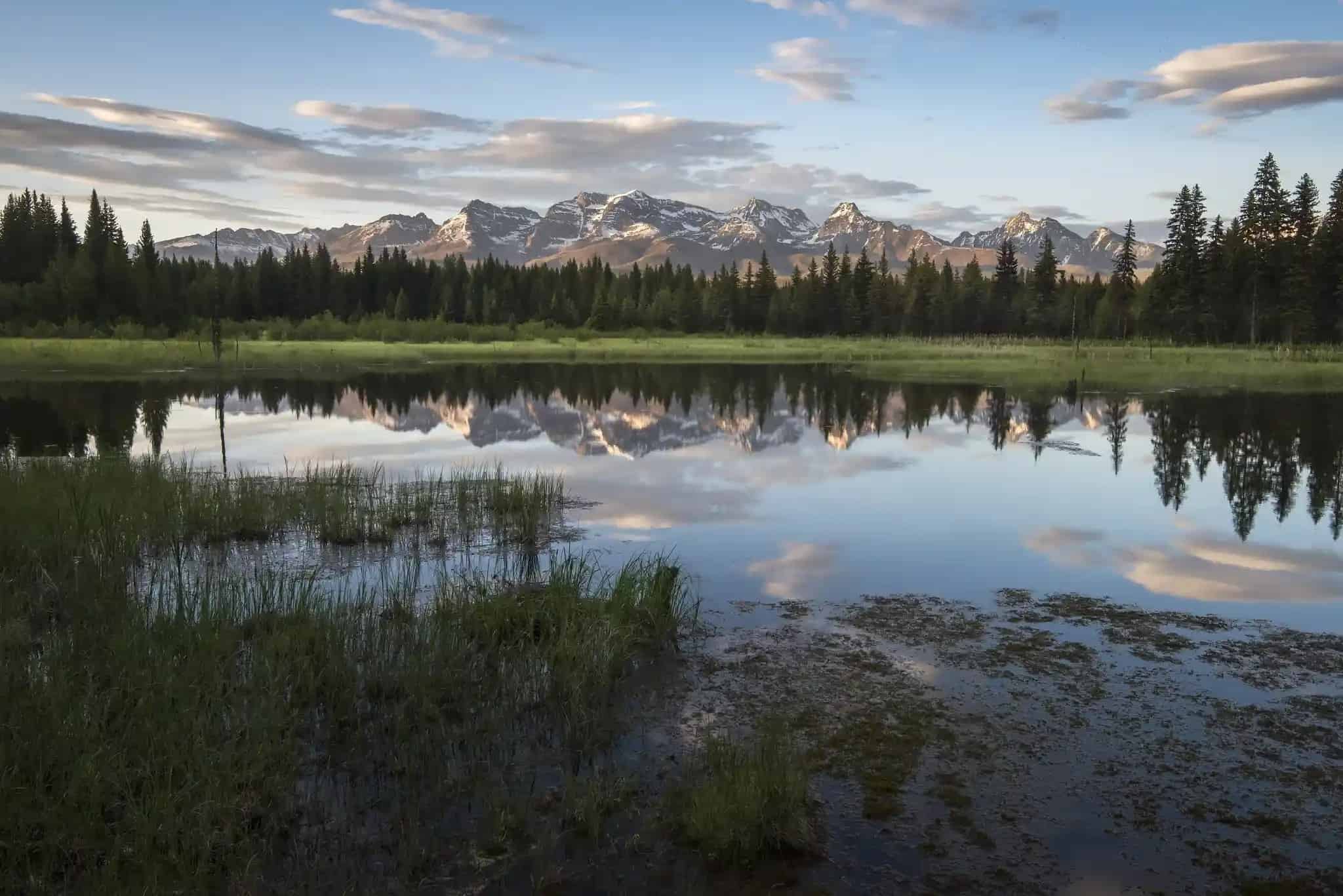
Rise before dawn and claim a front-row view of Lake McDonald’s sunrise. We recommend parking at the Lake McDonald Lodge lot or the nearby boat-launch area by 5:30–6:00 am to beat the early crowds. Bring a warm layer, a small tripod, and a compact chair for a comfy wait.
A calm morning with just a few clouds often yields the most dramatic colors. In our experience, the blaze-orange clouds and pink-tipped peaks mirror across the glassy water, creating a fiery reflection you won’t forget. Leave yourself 20–30 minutes to soak in the alpenglow before it fades.
Rainbow rocks line the shoreline, making the color pop in every direction you look. We’ve found the best vantage points are along the shoreline boardwalk near the lodge or the pull-off just east of the fire ring at McDonald Falls trailhead—both give you wide, unobstructed views without fighting for a spot. It’s a sunrise worth planning around, not rushing through.
It’s a stunning sight that deserves a dedicated moment in your day. Our top pick: stake out a spot near the water’s edge at least 15 minutes before sunrise and stay after the sun climbs for a peaceful moment of stillness before the day begins.
McDonald Creek Falls
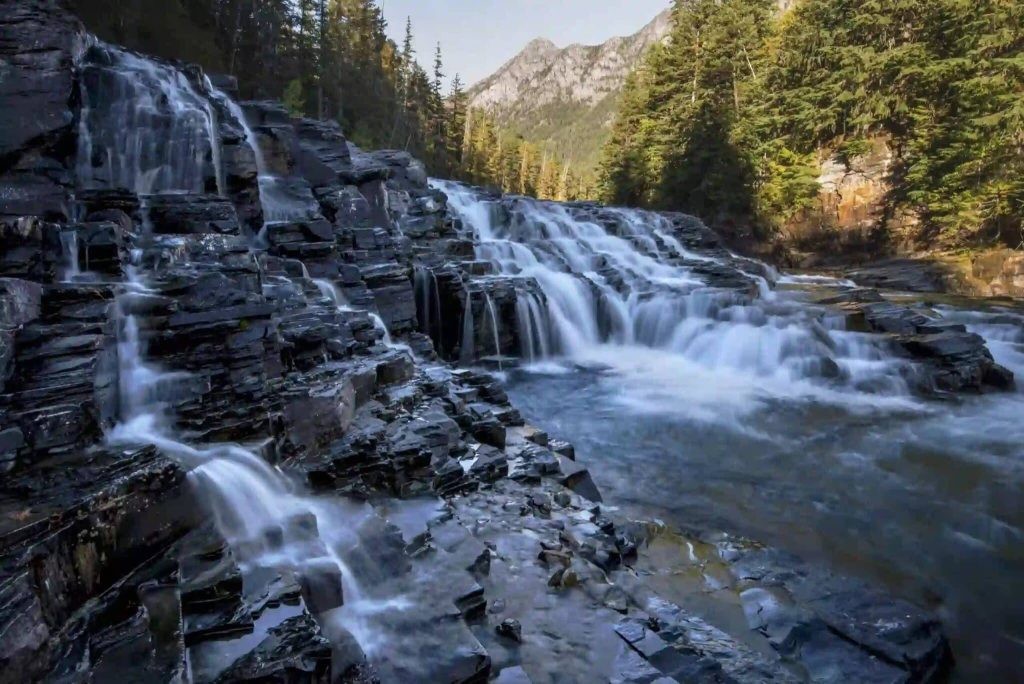
This stop is all about a quick payoff: forest smell, lake views, and a cascade that snaps into frame with minimal effort. We love how the pull-offs along McDonald Creek give you options without a long detour.
The falls themselves are best enjoyed from the bridge-side shoulder where you can catch the creek, the forest, and the cascading water in one shot. In our experience, the light is friendliest mid-morning when the glare isn’t bouncing off the highway glass, making for stronger photos without needing a tripod.
We recommend staying a few minutes for a couple of photos, then continuing your drive. If you’re here on a busy day, we’ve found the quietest moments are early in the day before the big tour buses roll in, which helps keep crowds down and your selfies cleaner.
Hike Trail Of The Cedars
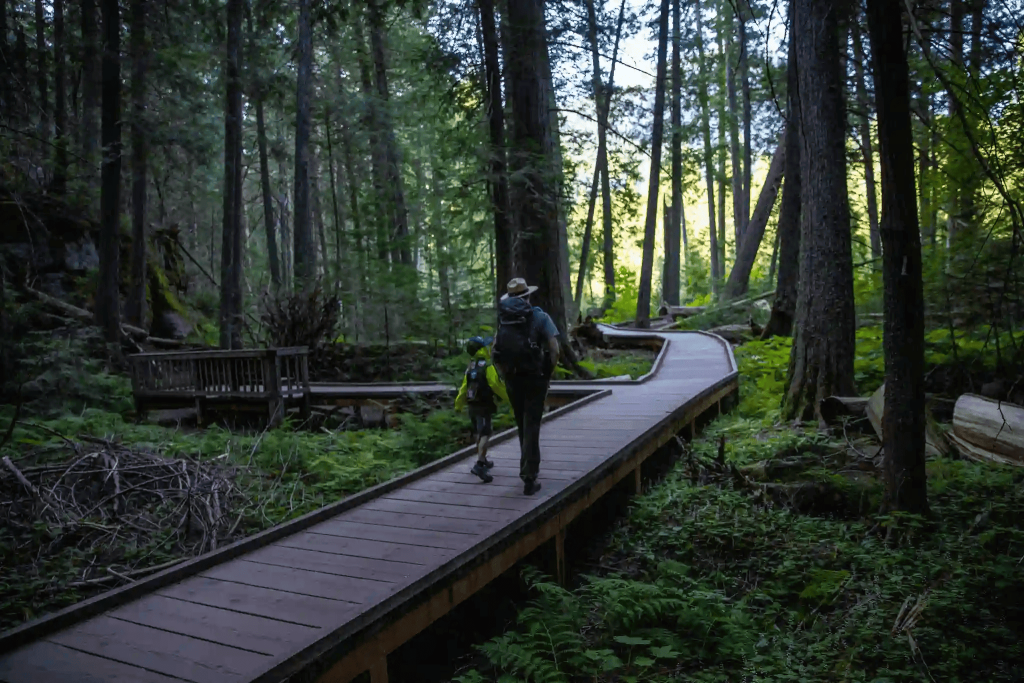
If you’re craving shade and a sense of ancient forest magic, Trail of the Cedars is your answer. We keep coming back for the towering 10-foot‑across cedars and the cool, mossy air that feels like a true glacier-wrapped whisper of the past.
The loop is a short, easy boardwalk through a pristine cedar forest—perfect for families or a quick nature fix between longer hikes. In our experience, the cedars reach impressive heights (some trees are about 100 feet tall), and the understory thrives with ferns and moss. Start early to catch gentler light and fewer crowds, then take a moment to study the bark patterns and the giant root systems along the trunks.
We recommend parking at the Trail of the Cedars pullout off Going-to-the-Sun Road and planning this as a light, restorative pause between Avalanche Creek and McDonald Creek explorations. If you’re visiting Glacier National Park on a busy day, this short stroll can feel crowded by midday—so fit it in first thing or late in the afternoon for quieter moments and better wildlife glimpses.
See Weeping Wall
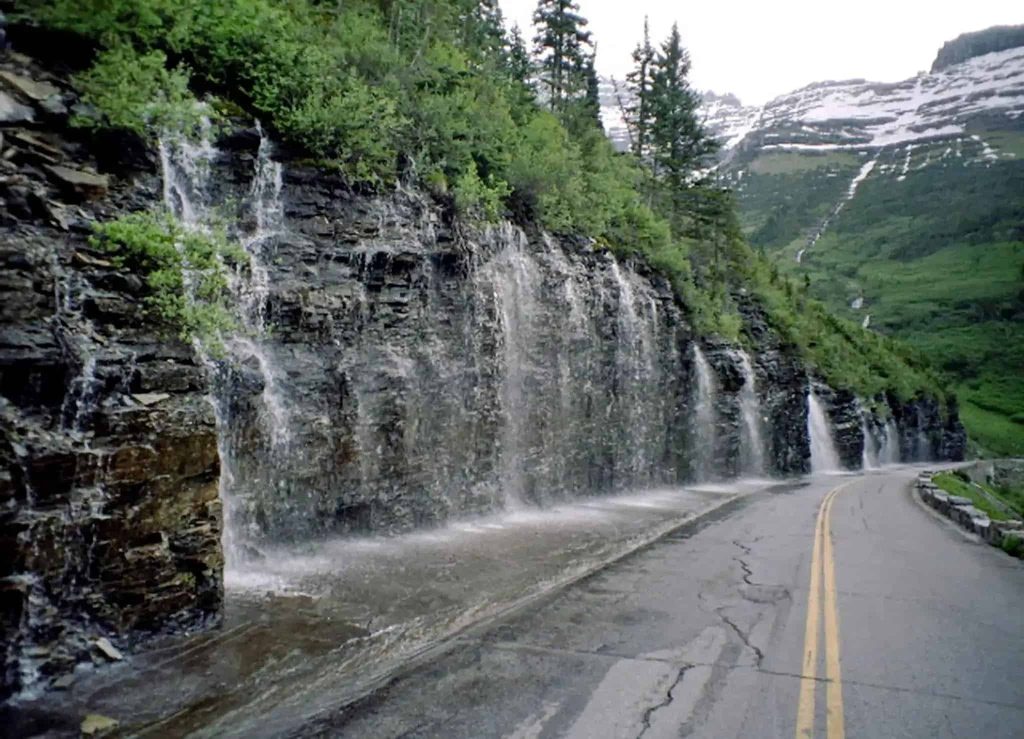
If you’re chasing a dramatic moment on Going-to-the-Sun Road, the Weeping Wall delivers when the spring runnel is flowing. We recommend aiming for early morning light for softer spray and fewer cars in the pullout.
Parking is typically a curbside pullout just below the rock face. In our experience, give yourself about 10 minutes to snap photos, scout the best angle, and still stay safely off the road. Bring a wide lens and a quick-dry microfiber for mist on your lens.
We’ve found that conditions change quickly with weather. If rockfall or heavy rain is in the forecast, postpone your stop and check the latest NPS trail and road alerts before you go—this section can close temporarily. On sunny days, the wall looks spectacular against bright blue skies and adds a memorable, photogenic moment to the day’s drive along Glacier’s iconic route.
Experience Haystack Creek Falls
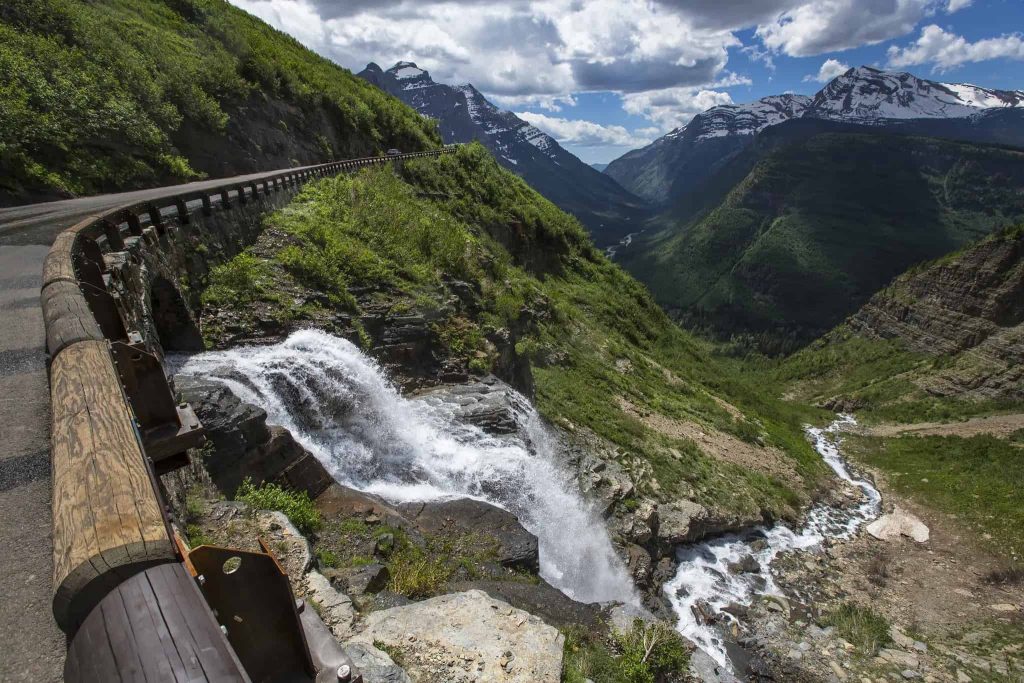
We always look forward to Haystack Creek Falls on our Going-to-the-Sun Road days, because the viewpoint and overlook offer a perspective you can’t get from the road alone. In our experience, the short, 1.5-mile round-trip hike starts at a modest grade and sections of stairs near the falls keep it interesting without being strenuous.
Parking is limited along Going-to-the-Sun Road, with a narrow pullout where hikers typically start the trail. We recommend arriving early to snag a spot, especially in peak season. Plan for roughly 45–60 minutes total for the round trip, depending on crowding and how often you pause to soak in the views.
What we’ve found most rewarding is the sequence: look up to the source of the falls from the ridge, then compare that view with the cascade feeding Haystack Creek below. It’s a humbling perspective that pairs nicely with a longer day along the central corridor. If you’re visiting during berry season, you might even catch a glimpse of wildlife along the upper meadows as you start or finish your walk.
From our experience, Haystack Creek Falls rewards a proactive, early-start plan and a relaxed pace. We recommend pairing it with a short sit at the Logan Pass area afterward if you still want to maximize your day on Going-to-the-Sun Road.
Visit Logan Pass
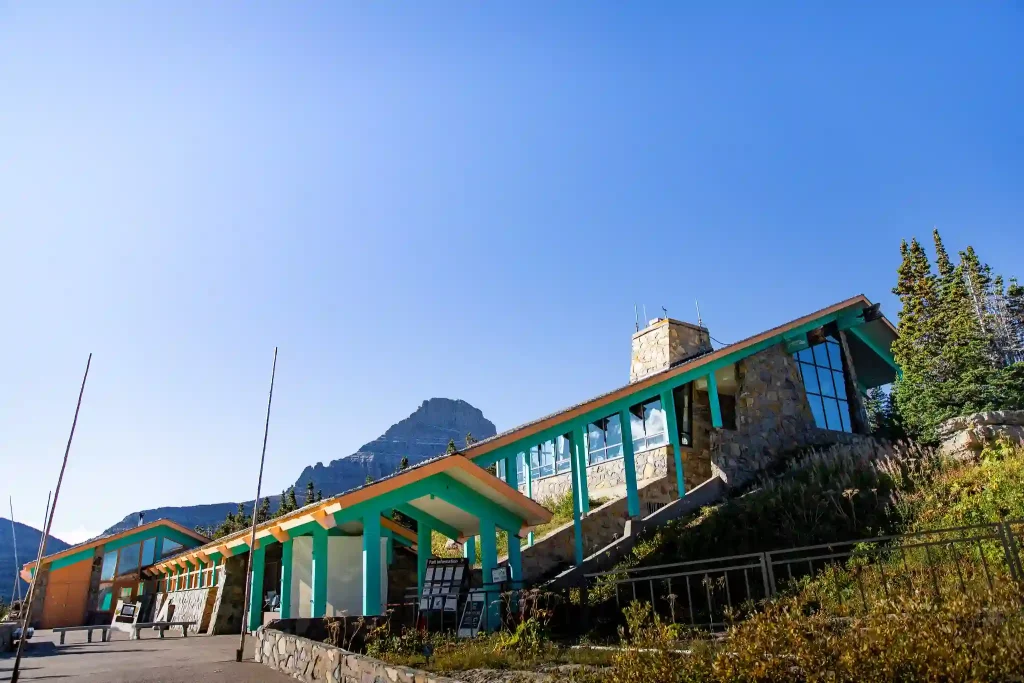
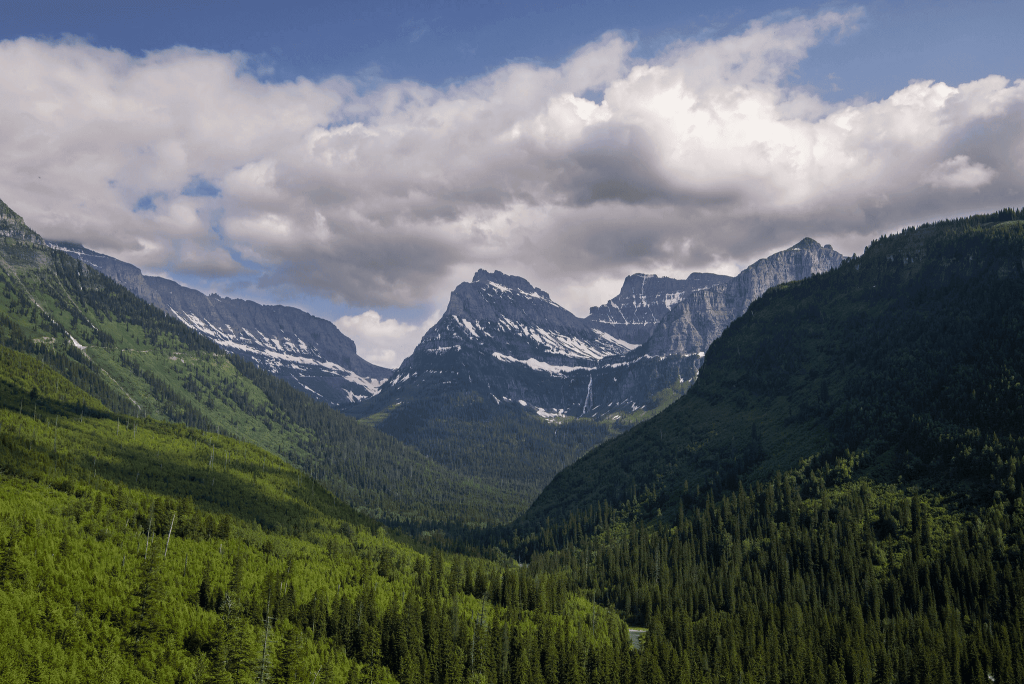
Congratulations! You’ve reached Logan Pass—the moment when Going-to-the-Sun Road reveals its grand, alpine views. In our experience, take a slow, breath-catching moment here: the panorama northeast toward the St. Mary Valley and the cirque below is worth a long gaze from the porch of the Logan Pass Visitor Center.
Plan your four hours with intention: the visitor center explores mountaineering history and geology displays, but the real draw is the trail access. We recommend starting early enough to beat the mid-morning crowds and using the Logan Pass lot sparingly—arrive before 8:30 a.m. if you can, or ready yourself for a shuttle or a short walk from the gate. Note from the park: pets are not permitted on trails above the Visitor Center, and weather can shift quickly here. In our experience, a light rain shell and sturdy tread are musts, as snow patches linger well into late summer. We’ve found the best pace is steady, with a coffee break at the overlook before you head into Hidden Lake or St. Mary Falls.
Lunch Time
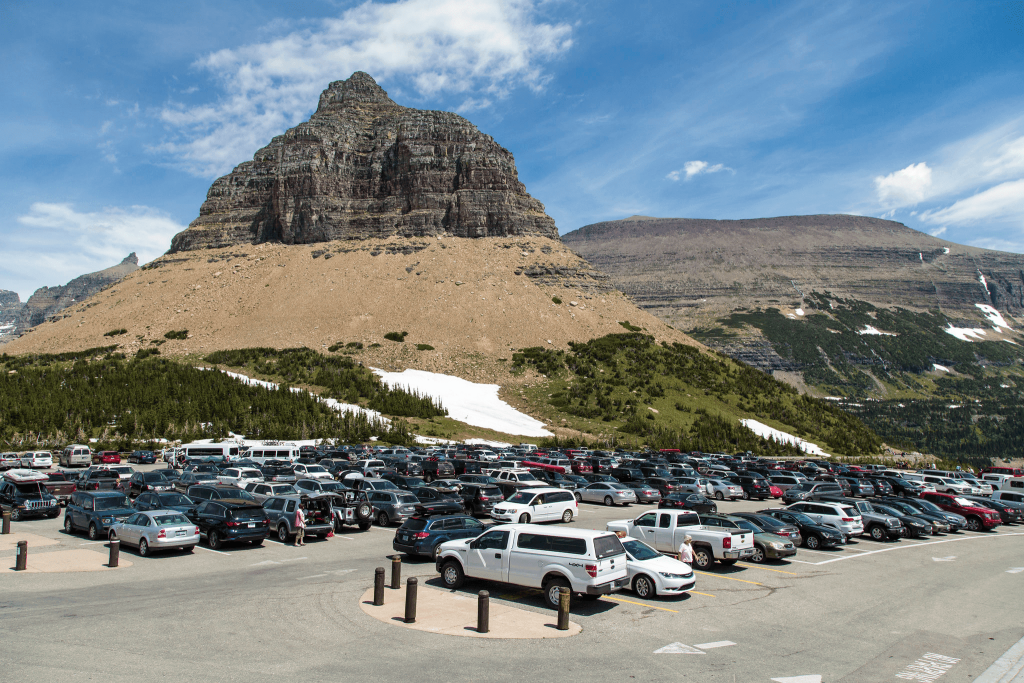
Lunch break time! In our experience, Logan Pass is a fantastic place to refuel, but plan ahead. We recommend packing a bear-safe lunch in a dedicated cooler and using a canister if you’ll be near the many exposed overlooks. There are several shaded picnic spots in the Logan Pass parking area with sturdy tables and easy access to the trail junctions for a short post-meal stroll.
If you didn’t bring food, there are in-park options along Going-to-the-Sun Road—Lake McDonald Lodge and the nearby cafe at Many Glacier areas offer grab-and-go sandwiches and drinks (hours vary by season; call ahead). We’ve found that grabbing a quick bite there before continuing helps avoid the midday crowds. For a simple, no-fuss lunch, choose a grassy pullout near the Logan Pass lot and enjoy views of the alpine tundra while you eat.
What we’ve found works best: eat at a designated picnic area, keep food secured in a bear-safe container, and save high-elevation snacking for the next overlook. A short, optional stroll to Hidden Lake Overlook afterward is a great way to stretch your legs without losing your momentum.
Hike Hidden Lake Overlook
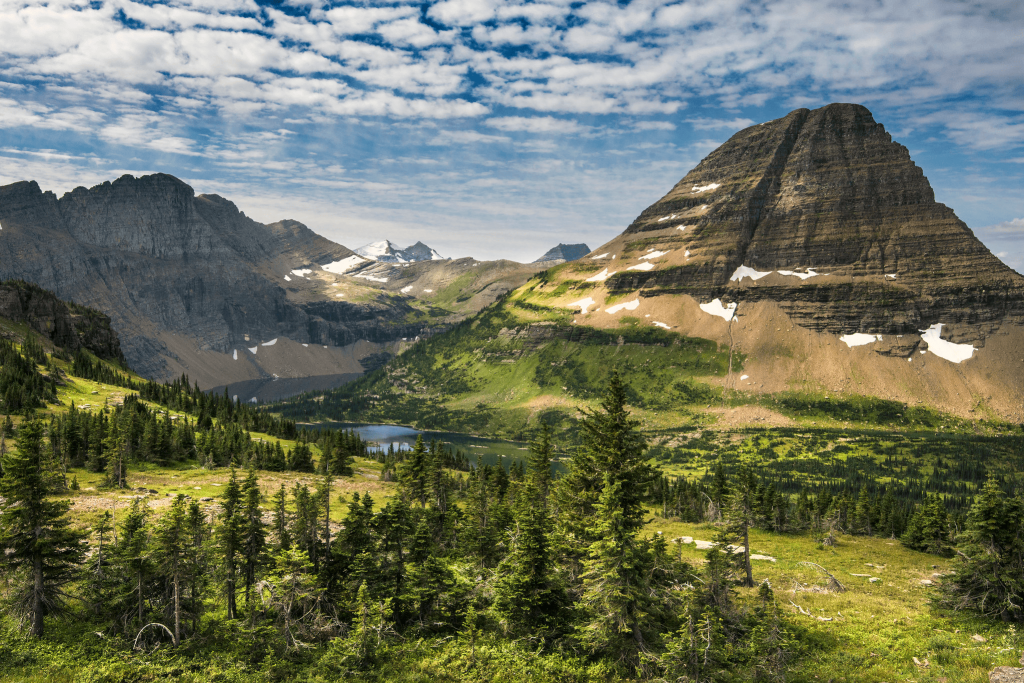
If there’s one moment you’ll remember from our Glacier day, it’s the Hidden Lake Overlook hike. We typically start from the Logan Pass area, aiming for the boardwalk before the crowds surge in late morning. Arrive at or before 7:30 am in peak season to snag closer parking and a quieter trailhead experience.
Chances of seeing wildlife like mountain goats and bighorn sheep are high. In our experience, keep your eyes on the alpine meadows and listen for goat bells near the upper switchbacks; wildlife can be more active in early afternoon as well. A wide variety of wildflowers also bursts into life along the trail from late June through August, making a photo-worthy backdrop.
Once at Hidden Lake Overlook, the views of Hidden Lake and Bearhat Mountain are everything you came for. The emerald lake surrounded by glacial-fed ice-blue water is especially striking on clear mornings. We’ve found the overlook offers the best balance of scenery and accessibility, with a well-marked path and sturdy boardwalks that make it doable for most visitors.
Don’t miss this hike—it’s one of the park’s most popular routes for a reason, and it’s a perfect centerpiece for our Glacier National Park 1-Day Itinerary. We recommend timing your visit around late afternoon to catch softer light on the mountains and a quieter return trek.
Visit Jackson Glacier Overlook
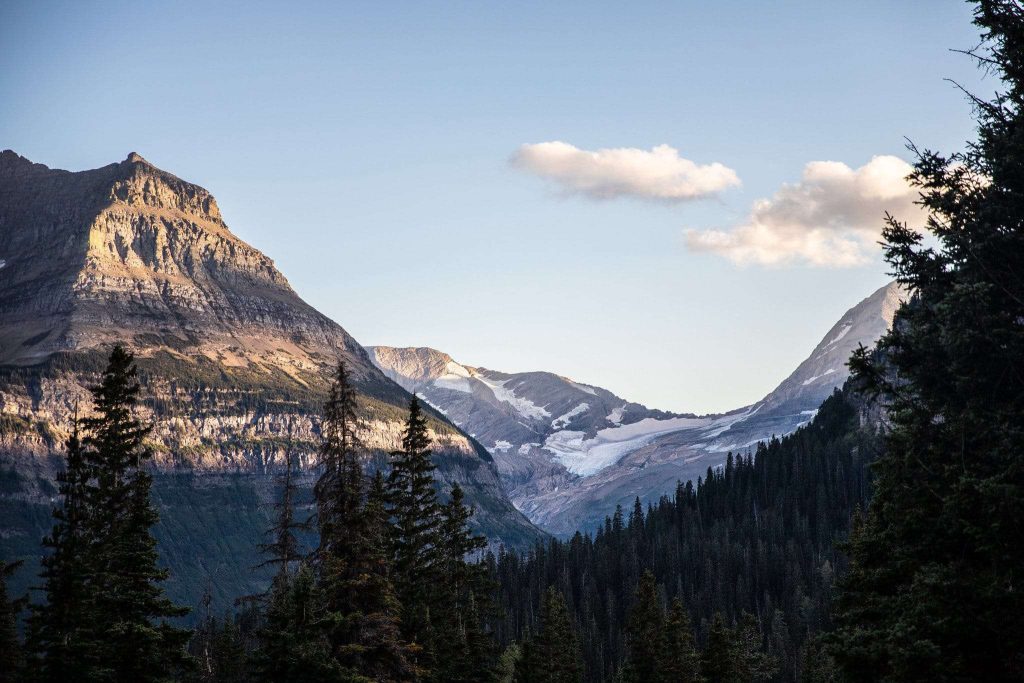
One of Glacier National Park’s most accessible glacier viewpoints is right along Going-to-the-Sun Road—but timing matters. In our experience, peak-day crowds come from late May through September, and Logan Pass parking is typically timed or fills up quickly during those hours.
During our last trip, we found the Jackson Glacier Overlook slick with morning light and quieter in the early hours before the big buses arrive. We recommend planning this stop as a quick, early-morning pullout near Logan Pass; if the main lot is full, use nearby pullouts and the short, signed path from the road shoulder to the overlook.
What we’ve learned: arrive before 9 a.m. or after 4 p.m. for the best chance at a peaceful view, and check the NPS-published Going-to-the-Sun road status before you go, since closures and timed parking are common in spring and fall. If you’re visiting in shoulder season, you’ll likely find the turnout less crowded and still get a solid glacier view from this same overlook.
We’ve found this stop worth the short detour, especially when paired with nearby vistas like Haystack Butte and the Garden Wall viewpoints. In our experience, it’s a quick, high-value moment that helps anchor a Glacier day with a clear sense of scale and seasonal change.
See St. Mary Lake
 saint mary lake">
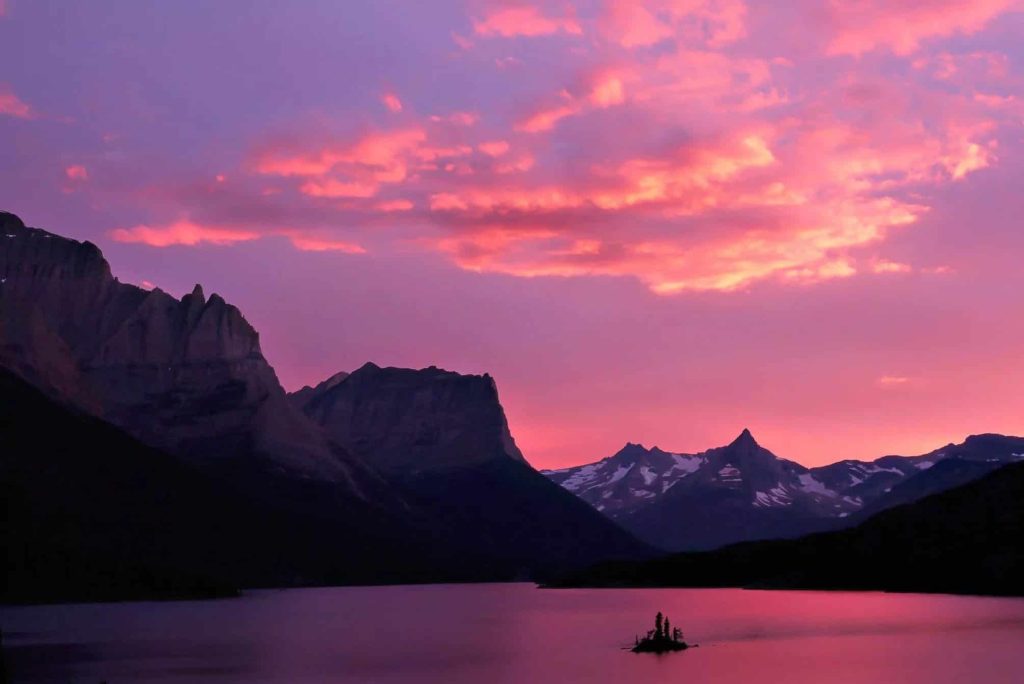
Few moments in our adventures feel as magical as sunset on Saint Mary Lake, the park’s second-largest lake. The surrounding peaks rise like guardians, and the glow on the water is immediately catchy for the camera and the soul.
From our experience, the best light hits the east shore first, then paints the west shore as the sun sinks. We recommend parking at the Saint Mary Lake pullout along Going-to-the-Sun Road and walking the short, level overlook path for unobstructed views and a quick escape if needed.
We’ve found that crowds taper after 7:30–8:00 pm in shoulder seasons, making late-evening photography or a quiet moment by the water especially rewarding. If you’re chasing a classic frame, plan for at least 60–90 minutes here and consider a quick detour to the nearby Wild Goose Island viewpoint for a dramatic silhouette among the pines.
Hike Virginia and St Mary Falls Trail

What better way to cap a spectacular day in Glacier than stepping up to the park’s most iconic waterfalls? Virginia Falls and St. Mary Falls are a must-do, and the short pull to both makes them perfect for a late-afternoon detour.
From the trailhead in Saint Mary, the Virginia Falls segment is a 1.5-mile round trip that we’ve found to be pleasantly doable with kids or a light daypack. The overlook at the Virginia Creek crossing gives a dramatic close-up of the spray and the canyon walls.
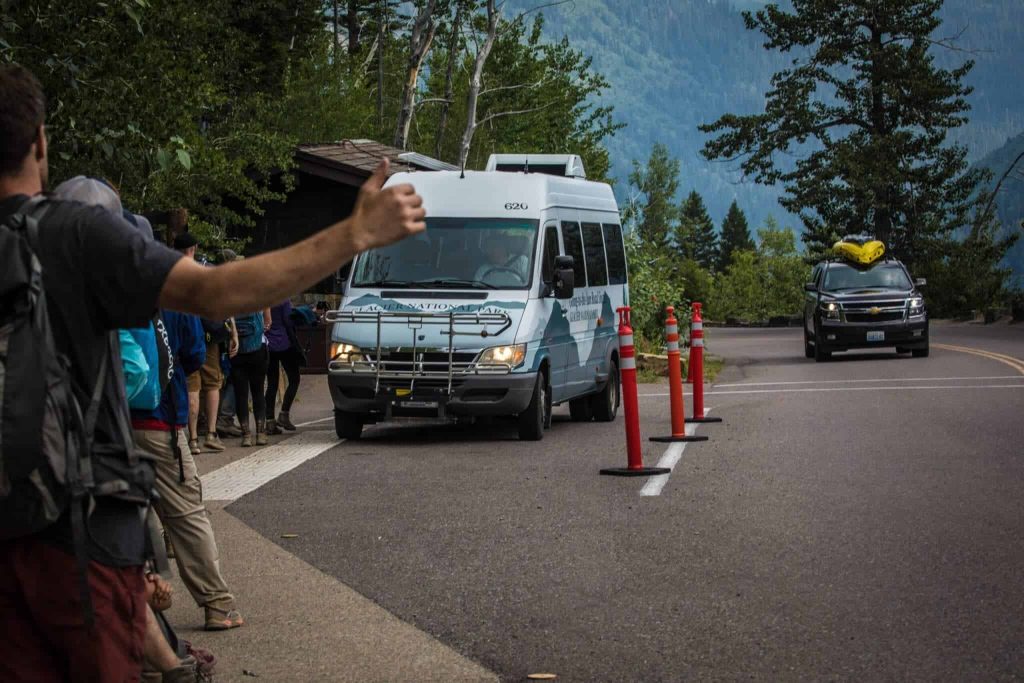
Our tips: arrive early to snag a parking spot near the St. Mary Canyon trailhead, especially in peak season. If parking fills, consider using the park shuttle or walk a few minutes from the gate to the trailhead; the effort pays off with fewer crowds at the falls.
As you wander, keep an eye out for basalt cliffs and evergreen silhouettes reflected in the rushing water. The combination of creek rapids and cliff edges provides a fresh perspective on the falls that we’ve found elevates the whole experience.
Virginia Falls and St. Mary Falls are well worth the stop if time allows; in our experience, the late afternoon light can make the spray sparkle. We recommend pairing this with a quick push to the nearby viewpoints if you have the energy.
Stargazing And Look For Northern Lights
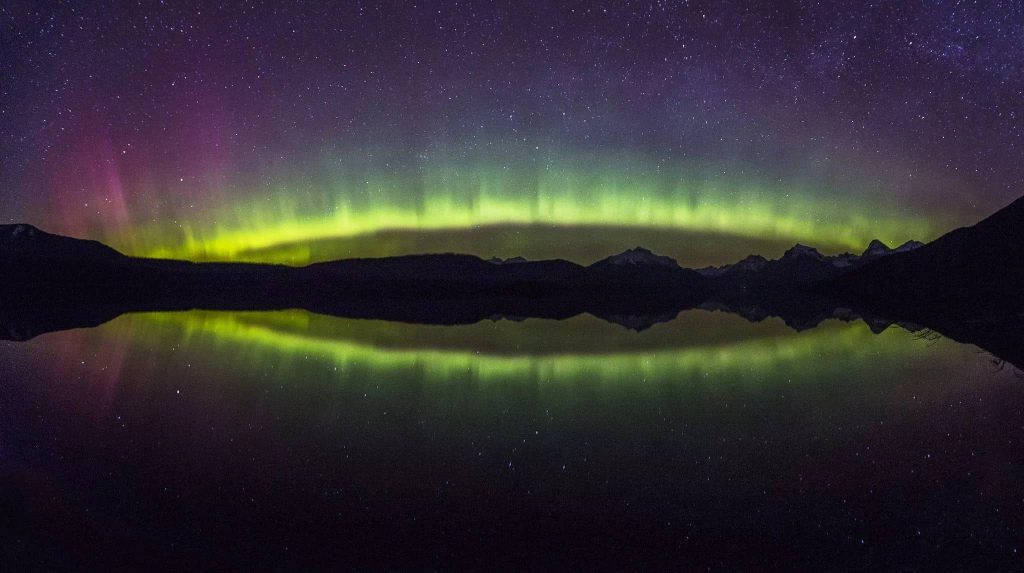
On a clear night, the stars put on a show that makes Glacier feel infinite. In our experience, the best stargazing spots are away from the busiest shorelines and campground lights—think open shoreline viewpoints or pull-offs along Going-to-the-Sun Road after moonrise.
The aurora borealis is possible here, but it’s seasonal and weather dependent. NOAA-space weather forecasts and the NPS aurora guidance suggest that major auroral displays are relatively uncommon in Glacier, with higher odds during deep winter and during strong geomagnetic activity. We recommend checking an aurora forecast (Kp index of 3–5+ increases chances) and pairing it with a clear, dark night, preferably between midnight and 3 a.m.
What we’ve found works best: plan for a two- to three-hour block of darkness, choose a spot with minimal light pollution, and arrive early enough to set up a comfortable viewing stance before mid‑night. Bring a warm layers, headlamps on red mode, and a small tripod for night photography. We’ve had luck at Lake McDonald’s shores near Apgar, and at Logan Pass parking areas when conditions cooperate—and we’ve learned the hard way that wind can significantly drop visibility, so check wind forecasts before you commit to a long wait.
If aurora watching isn’t in the cards, the Milky Way and a vivid meteor shower can still make the night memorable. We recommend using the NPS night-sky tips: turn off vehicle lights, give your eyes 15–20 minutes to adapt, and minimize phone screen use. The sky over Glacier is rewarding even without dancing lights, and a quiet, star-filled hike back to your car can be just as magical as any aurora moment.
When Is The Best Time To Visit Glacier National Park?
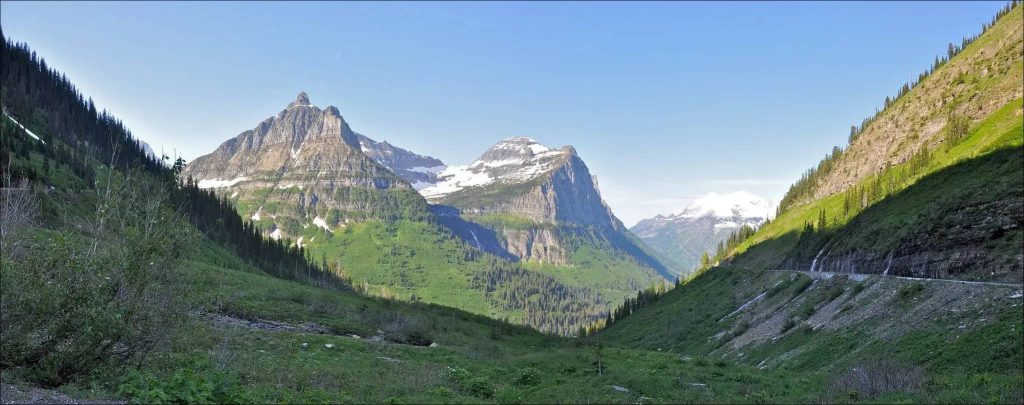
We’ve found the best narrative for Glacier is to plan around the Going-to-the-Sun Road (GTSR) weather window. The best time to visit for a calmer experience is typically late spring or early fall when crowds thin and wildlife are more active, but road access can be limited by snow. According to NPS data, Going-to-the-Sun Road is usually open from late June through mid-October, weather permitting.
In our experience, if you’re aiming for peak scenery with fewer people, target dawn visits and consider staying on the west side (Lake McDonald area) when the Sun Road is not fully operational. When the road is closed or limited, we recommend exploring the west-side trails, Lake McDonald Lodge grounds, and Apgar Center area, or using boat access on Lake McDonald for both views and fewer crowds. We’ve found parking can be tight at popular pullouts, so plan a 20–30 minute early arrival window and have a backup plan for where to start if you can’t find a spot. If you’re set on Glacier highlights, be ready to adjust your day to the GTSR status and savor the quieter, shoulder-season moments.