Wolverines in Glacier National Park: Habitat, Sightings & Conservation
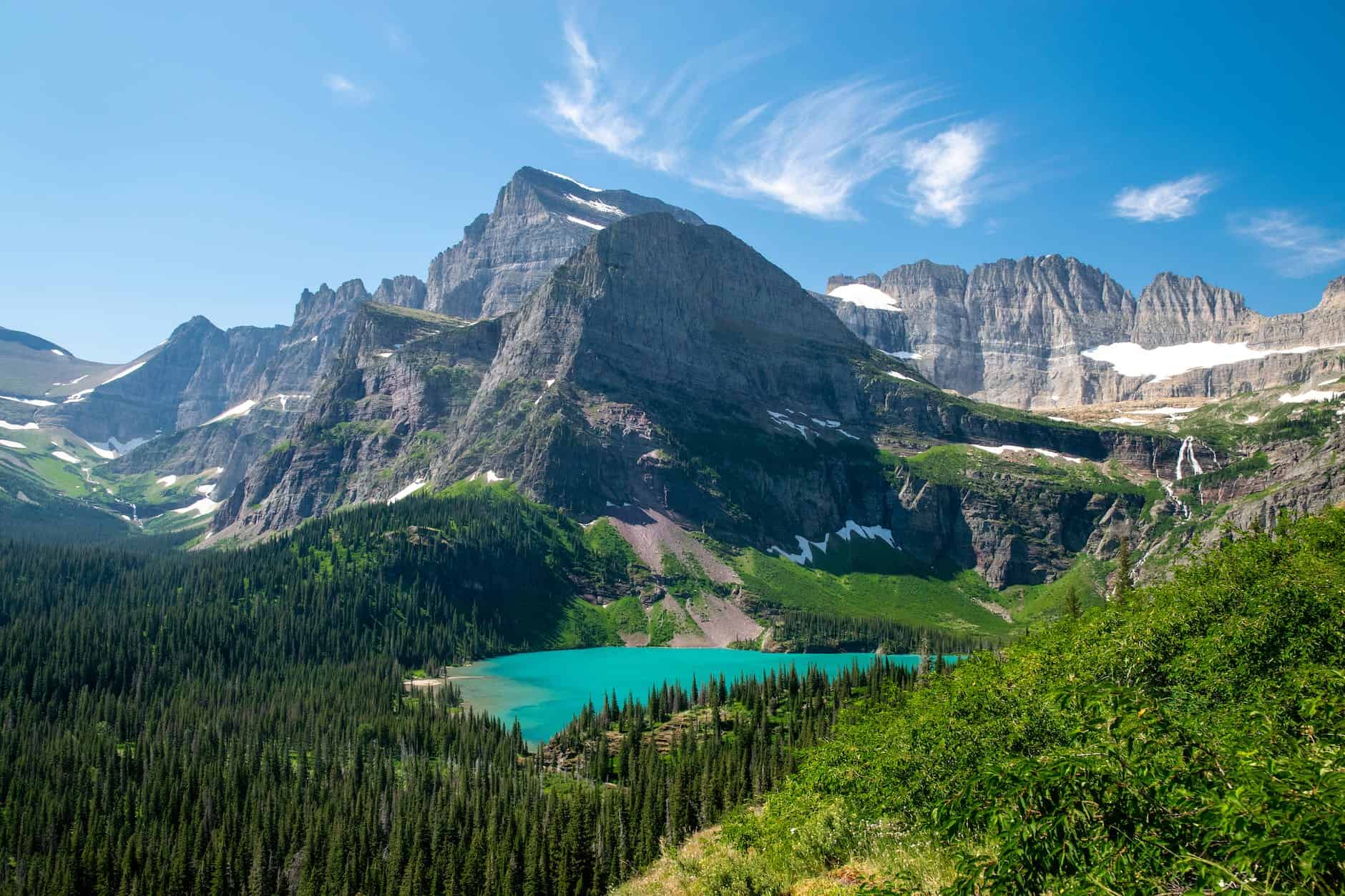
Glacier National Park harbors approximately 40 wolverines — the largest reproducing population of wolverines in the contiguous United States, per NPS.gov. These elusive animals occupy the park’s remote high-alpine terrain year-round, demanding persistence, patience, and no small amount of luck to glimpse. Even park rangers can go decades without a single sighting.
Listed as threatened under the Endangered Species Act as of January 2, 2024, wolverines are the subject of active conservation research in Glacier — research that has shaped what scientists know about this species across North America.
- Glacier hosts ~40 wolverines — the largest reproducing population in the lower 48 states.
- Wolverines were listed as threatened under the ESA effective January 2, 2024, primarily due to climate-driven snowpack loss.
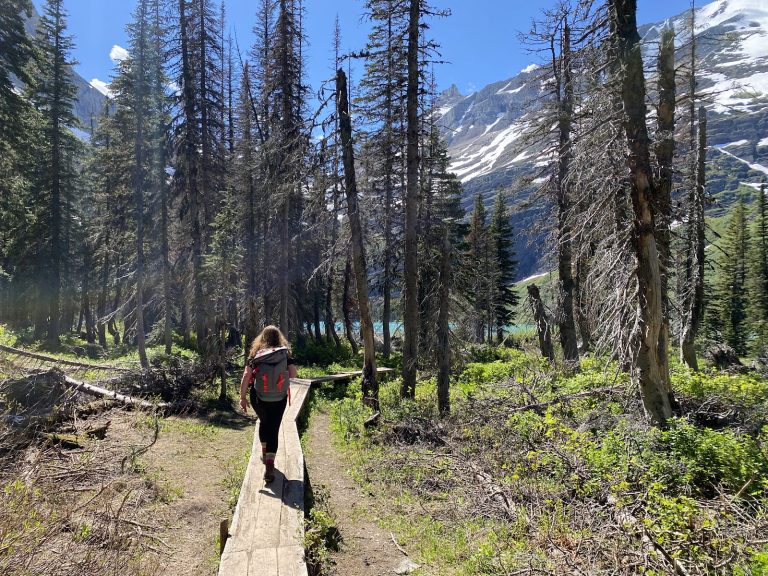
- Best habitat: high alpine zones above Logan Pass — Highline Trail, Many Glacier, Grinnell Glacier, and Swiftcurrent Pass areas.
- Sightings are genuinely rare; some rangers report going 20+ years without one. A December 2024 ranger sighting made national news.
- Wolverines require persistent snowpack (20+ inches through May) for denning — a resource directly threatened by warming temperatures.
- The Glacier Wolverine Project (2002–2008) discovered more than half of all known wolverine dens in the lower 48 states.
- If you see one: maintain distance, stay quiet, and report the sighting to a park ranger — it’s valuable scientific data.
Can You See a Wolverine in Glacier National Park?
Yes — but set your expectations honestly. Wolverine sightings in Glacier are rare enough that a December 2024 encounter by a park ranger on a scree field was reported as “ultra rare” footage by outdoor media. Some veteran rangers and wildlife biologists who have spent careers in the park report going more than 20 years without seeing one in the wild.
That said, Glacier gives you the best odds anywhere in the lower 48. The park holds the densest wolverine population outside of Canada. Biologist John Waller, Glacier‘s supervisory wildlife biologist who has studied wolverines for over 20 years, estimates around 30 individuals from hair-snare DNA data; other researchers put the figure closer to 40–50.
Your realistic odds improve substantially if you hike high-elevation backcountry terrain — particularly in the Many Glacier and Logan Pass areas — and spend time scanning boulder fields and snowfields rather than sticking to valley floors. Wildlife photographers and naturalists who have spotted wolverines in Glacier typically report doing so while already searching for other alpine species like mountain goats or pikas.
Where Do Wolverines Live in Glacier?
Some links below are affiliate links.
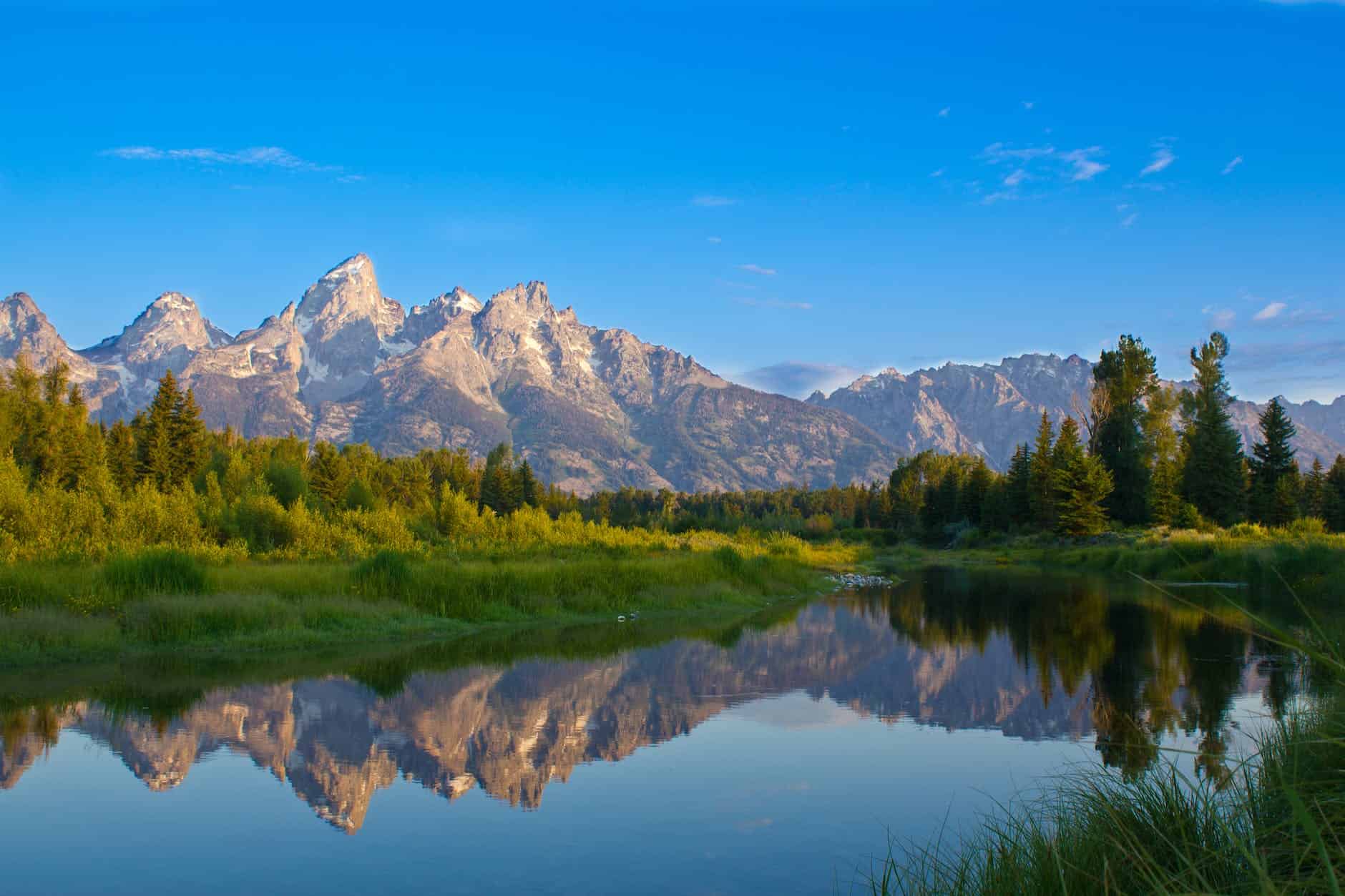

Wolverines in Glacier occupy the upper subalpine and alpine zones, requiring remote high-elevation terrain with persistent deep snowpack. They are found throughout the park’s backcountry, but certain areas have been documented as particularly productive by researchers.
| Location | Why It Matters for Wolverines |
|---|---|
| Highline Trail (above Logan Pass) | Continuous prime subalpine habitat along the Continental Divide; single best access point for human-wolverine encounters |
| Many Glacier Valley | Home territory of “Big Daddy” (M1), the first radio-tagged wolverine in Glacier; Swiftcurrent drainage is core research area |
| Grinnell Glacier Area | Documented wolverine terrain; high-elevation scree fields and permanent snowfields |
| Piegan, Siyeh, and Swiftcurrent Passes | High-elevation passes with documented wolverine movement corridors |
| Kintla, Marias Pass, Belly River drainage | Remote camera monitoring stations placed by Waller’s research program |
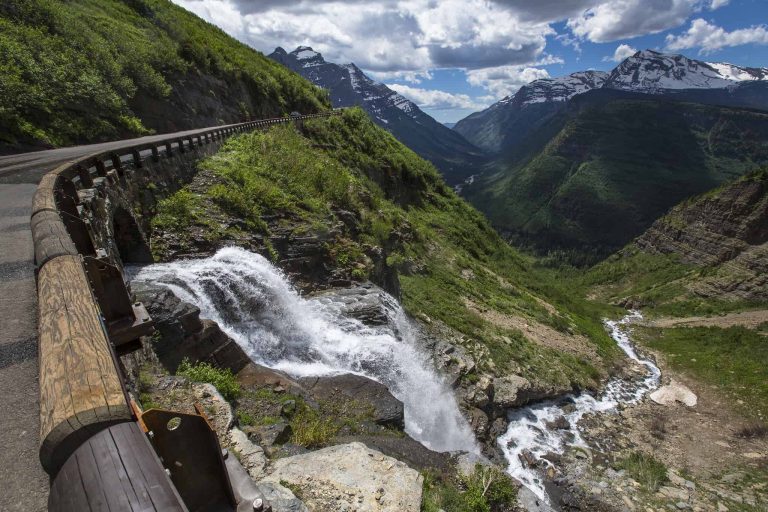
Males maintain enormous territories — up to 200–260 square miles — that overlap with 2–6 resident females. A single male’s range can span from the Many Glacier valley across the Continental Divide into Canada. Wolverines are true wilderness animals: they avoid roads, developed areas, and human activity, which is why backcountry travel dramatically increases the odds of an encounter compared to driving Going-to-the-Sun Road.
If you plan to access Many Glacier specifically, the Many Glacier Road scenic drive guide covers access details and road conditions.
What Does a Wolverine Look Like?
The wolverine (Gulo gulo, Latin for “glutton glutton”) is the largest land-dwelling member of the weasel family (Mustelidae). Despite being a weasel, it looks more like a small bear than anything else — stocky, broad-shouldered, and low-slung with a lumbering, pigeon-toed gait.
| Physical Feature | Measurement / Description |
|---|---|
| Body length | 26–41 inches (65–104 cm), plus bushy tail |
| Weight | 18–40 lbs typical; males significantly larger than females |
| Fur color | Dark brown with pale yellow or buff stripe along each flank from shoulder to tail base |
| Paw size | Proportional to a 120-lb wolf — acts as a natural snowshoe |
| Claws | 2 inches long, semi-retractable |
| Scent glands | Prominent musk-producing anal glands (nicknamed “skunk bear”) |
The fur is remarkably dense, oily, and hydrophobic — it does not collect ice from condensed breath, which made it historically prized for parka hood linings by Indigenous peoples, Arctic explorers, and NASA astronauts. No other fur shares this property. The distinctive pale flank stripe makes an adult wolverine identifiable in photos or through a spotting scope.
What Do Wolverines Eat?
Wolverines are opportunistic omnivores with an extraordinary sense of smell — they can detect prey buried under 20 feet of snow. Their diet varies dramatically by season and availability.
Primary food source: avalanche carrion. Ungulates (elk, deer, mountain goats, bighorn sheep) killed in winter avalanches represent the most critical food supply for wolverines in Glacier. When deep snow and frequent avalanche cycles create abundant carrion, wolverines thrive. This dependence on avalanche debris is one reason climate change — and its effect on snowpack and avalanche frequency — poses such a direct threat.
Beyond carrion, wolverines actively hunt: marmots, porcupines, ground squirrels, snowshoe hares, and voles. In summer, berries, roots, and insects supplement the diet. Despite weighing 18–40 lbs, wolverines have been documented killing prey much larger than themselves — including deer, mountain goats, and caribou — using ambush and ferocious tenacity.
Their “glutton” reputation is earned: wolverines cache food extensively, burying surplus in snow and rock crevices for later retrieval. A wolverine will drag a carcass many times its own weight across alpine terrain to conceal it from competitors.
Why Is Glacier National Park Critical for Wolverine Survival?
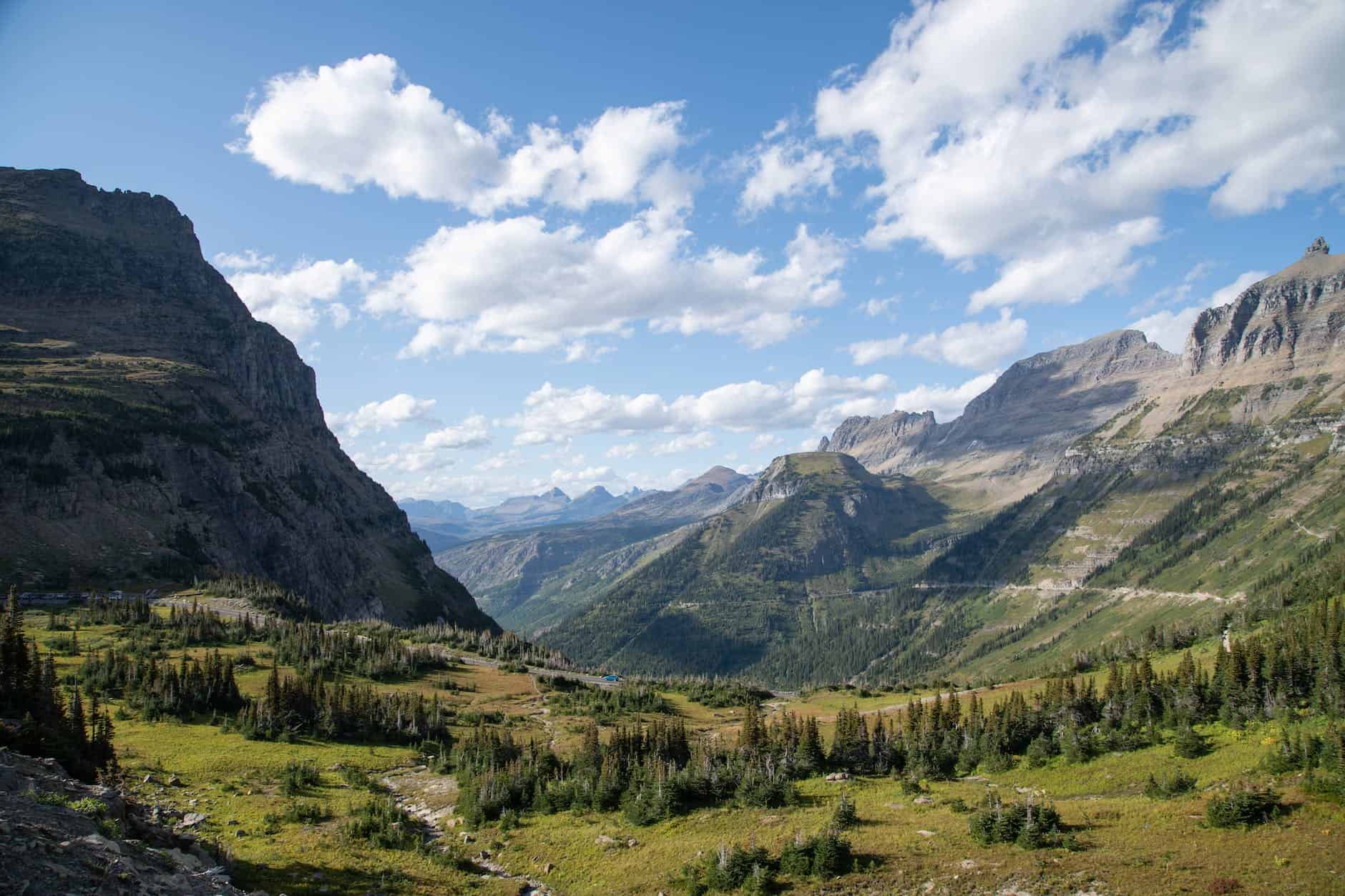

The contiguous United States holds fewer than 300 wolverines total — and Glacier National Park harbors roughly 13–17% of that entire population within a single protected area. This makes Glacier not merely important, but irreplaceable for wolverine conservation in the lower 48.
Several factors combine to make Glacier uniquely critical:
- High elevation, persistent snowpack: Glacier’s alpine terrain provides the deep, stable snowpack that female wolverines require for denning. Females excavate dens under 20+ inches of snow in February and remain buried with kits through May.
- Connectivity to Canada: Glacier borders Waterton Lakes National Park in Alberta. The combined Crown of the Continent ecosystem allows wolverine gene flow between U.S. and Canadian populations — essential for long-term genetic health.
- Remote backcountry: Glacier’s more than one million acres of wilderness limit the human disturbance that wolverines cannot tolerate. Development fragments habitat throughout the Rockies elsewhere.
- Abundant prey base: Glacier’s healthy populations of mountain goats, elk, mule deer, and bighorn sheep — combined with active avalanche terrain — support year-round wolverine foraging.
Per NPS.gov, Glacier’s wolverine population is the stronghold from which any recovery of the species in the American Rockies must radiate. Without Glacier, wolverine conservation in the lower 48 has no anchor.
How Climate Change Threatens Glacier’s Wolverines
Climate change is the primary reason wolverines received federal threatened status. The USFWS listed the contiguous U.S. distinct population segment as threatened under the ESA, with the rule effective January 2, 2024, per the Federal Register. The listing was driven almost entirely by projected snowpack loss.
The mechanism is direct: wolverine reproduction depends on snowpack. Females need at least 20–40 inches of continuous snow through April and May to safely den and raise kits. Snow provides insulation against cold, a physical barrier against predators, and a stable den structure that kits require through their first months of life. No adequate snow means no successful reproduction.
NOAA researchers used Glacier National Park as a primary study site to model future snowpack persistence at wolverine denning elevations, publishing findings in 2020. Their conclusions: snowpack will likely persist on north- and east-facing slopes at upper denning elevations through approximately 2050, even in moderate warming scenarios. After 2050, under high-emissions scenarios, even these refugia lose reliable snow.
Glacier has already lost more than 80% of its named glaciers since 1850. The park is one of the fastest-warming locations in the U.S. Rockies. The same warming that is eliminating glaciers is also eliminating wolverine denning habitat — one ecosystem consequence compounding another in real time.
The Science: Wolverine Research in Glacier National Park
Glacier has been the site of more wolverine research than any other location in the lower 48, producing foundational science that shapes how the species is managed across North America.
The Glacier Wolverine Project (2002–2008) was led by biologist Jeff Copeland of the Rocky Mountain Research Station and wildlife biologist Rick Yates. Using log-cabin traps, abdominal radio implants, and early GPS technology, the team accumulated 30,000–50,000+ location waypoints from Glacier wolverines. Most significantly: the project discovered more than half of all known wolverine dens in the contiguous United States — an extraordinary concentration confirming Glacier’s singular importance as denning habitat.
The most documented individual was a male designated M1, nicknamed “Big Daddy” by researchers, whose territory centered on the Many Glacier valley and straddled the Continental Divide. M1 bred with at least three different females across multiple seasons, providing the first systematic data on wolverine mating systems in the U.S. Rockies. One GPS-tagged wolverine from this study summited Mount Cleveland — Glacier’s highest point at 10,466 feet — by gaining 5,000 vertical feet in just 90 minutes.
Writer Doug Chadwick embedded with the research team from 2002–2006 and published The Wolverine Way (Patagonia Books, 2010), the most widely read account of wolverine natural history ever written.
John Waller’s ongoing monitoring program (2011–present) uses 30+ remote camera stations with automated scent-lure dispensers and wire hair snares to collect DNA samples for individual identification. Over 50 volunteers assist with sample retrieval. This program has been tracking wolverine population trends in Glacier for more than 15 years.
A 2016–2017 baseline survey placed 34 monitoring stations in a systematic grid across the park — covering Kintla Lake, Marias Pass, and the Belly River drainage — funded by the National Park Foundation and Glacier Park Conservancy. The five-year repeat design allows detection of population changes over time.
If you’re planning wildlife photography during your backcountry visit, review the photography permit and drone rules guide for Glacier before heading out.
Are Wolverines Dangerous to Humans?
No documented wolverine attack on a human being has ever been recorded. Their fearsome reputation — wolverines are documented fighting off grizzly bears to defend food caches — applies to inter-species competition over prey and carrion, not to interactions with people. Around humans, wolverines are typically evasive and stressed, not aggressive.
That said, they are powerful wild animals with 2-inch semi-retractable claws and a bite force capable of crushing frozen bone. The appropriate response to a wolverine encounter is not to test this reputation.
If you see a wolverine in Glacier National Park:
- Do not approach. Maintain a respectful distance and observe from where you are.
- Do not feed. Federal law prohibits feeding any wildlife in national parks.
- Stay quiet and still. Give the animal time to move away on its own terms.
- Use binoculars or a telephoto lens — this is a rare wildlife photography moment, not a selfie opportunity.
- Report the sighting to a park ranger with GPS coordinates, time, and any photos. Wolverine sightings are rare enough to constitute genuine scientific data. Your observation may directly inform population monitoring.
For general backcountry preparedness in Glacier — including bear spray protocols and safe wildlife viewing distances — see the 15 mistakes to avoid in Glacier National Park guide.
Frequently Asked Questions
How many wolverines live in Glacier National Park?
What is the best place to see wolverines in Glacier National Park?
Are wolverines endangered in 2026?
What time of year are wolverines most active in Glacier?
How far do wolverines travel in Glacier National Park?
How We Researched This Guide
- NPS.gov Glacier National Park wolverine page and official wildlife information
- USFWS Federal Register final rule — threatened status for North American wolverine (Nov. 30, 2023)
- NOAA high-resolution snow projections for wolverine conservation (2020)
- Glacier Wolverine Project published findings (Copeland, Yates, 2002–2008)
- Glacier National Park Conservancy — wolverine research program reporting
- Defenders of Wildlife wolverine species profile
- Unofficial Networks — December 2024 ranger wolverine sighting report
Wolverine population estimates are inherently uncertain due to the species’ low density, vast territories, and remote habitat. Figures cited reflect best available research estimates, not precise census counts. Sighting conditions and trail access vary by season.
Planning a wildlife-focused trip to Glacier? Our complete trip planning guides cover when to visit, which trails reach the best wildlife habitat,…