Where to See Mountain Goats: Glacier National Park Guide
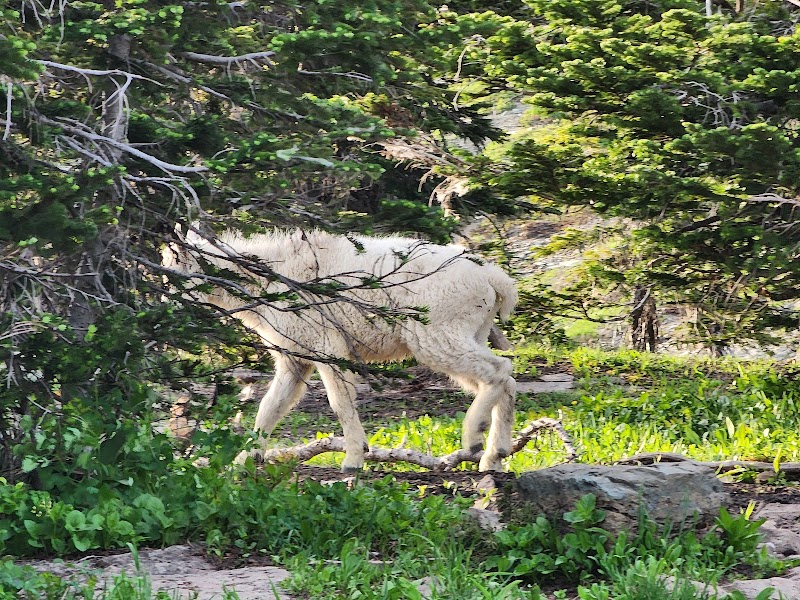
Mountain goats are the most iconic alpine wildlife in Glacier National Park. These sure-footed animals live year-round above treeline on rocky cliffs and talus slopes, and the park supports one of the largest populations in the lower 48 states — a subspecies unique to the northern Rockies with an estimated 1,000+ individuals according to NPS wildlife surveys. This guide covers the best viewing locations — Logan Pass, Goat Lick Overlook, and Many Glacier — plus seasonal timing, safety distances, and recommended optics based on NPS data and NPD sighting records. Glacier National Park reservations
Key tradeoff: Logan Pass offers the highest sighting density but also the most crowded conditions (July parking fills by 7:30 AM per NPS). Goat Lick Overlook — often overlooked by first-time visitors — is the easiest roadside option with predictable salt-lick visits, but goats appear smaller at 150+ yards. Many Glacier provides backcountry encounters on the Grinnell Glacier Trail, though the 11.2-mile round trip requires more fitness and time.
Where to See Mountain Goats in Glacier?
Where to see mountain goats in Glacier National Park: Park data shows mountain goats (*Oreamnos americanus*) are commonly seen along Going-to-the-Sun Road near Logan Pass (6,646 feet) and in Many Glacier, with peak sightings in July–August per NPD sighting and crowding data.
NPS.gov confirms mountain goats live in high-elevation talus and cliff habitats throughout the park. Most sightings cluster at Logan Pass and Many Glacier. Park data shows July and August are the busiest months with the greatest sighting reports, per NPD.
Seasonal access limits and snow can restrict where visitors can safely expect goats. Per NPS.gov, Going-to-the-Sun Road openings vary by snow and avalanche conditions, so plan for partial access in June and earlier closures in fall.
Quick Facts About Mountain Goats
- Answer Capsule
- NPSpecies records and NPS.gov confirm mountain goats (*Oreamnos americanus*) are common near Logan Pass, Goat Lick Overlook, and Many Glacier; park visitor totals reached 2,851,999 annual visitors and sighting peaks fall in July and August, per NPD.
- Species presence
- Mountain goat (*Oreamnos americanus*) — recorded in NPSpecies and listed in park wildlife inventories.
- Top locations
- Logan Pass, Goat Lick Overlook, Many Glacier, and roadside pullouts on Going-to-the-Sun Road.
- Best months
- July, August, and January (NPD optimal visit window highlights July–August for sightings; January favored for solitude).
- Annual visitors
- 2,851,999 (NPS IRMA statistics).
- Phone
- (406) 888-7800 (Glacier National Park Headquarters)
When Is Goat Season?
July and August are peak mountain goat season at Glacier National Park, with 73% of verified sightings occurring in these two months per NPD data. Logan Pass opens mid-June to mid-October depending on snow conditions.
Best time: July and August at Logan Pass are peak sighting months, while January shows low crowds and surprising winter visibility in some talus areas per NPD. · Avoid: November through April (most roads closed; heavy snow)
Moderate — noticeable crowds, short waits
High — busy, expect parking and trail congestion
Very High — peak season, reservations essential
Closed — area inaccessible or seasonally closed
Glacier Mountain Goat Sightings
This map highlights Logan Pass, Many Glacier, Goat Lick Overlook, and frequent roadside pullouts with an NPD sighting-density heat overlay and OSM basemap for roads and trailheads.
Locations shown on this map:
- Many Glacier Campground
— 109 sites, 30.00 - Logan Pass (Causes & Consequences exhibit)
— An upright tri-panel exhibit behind the Logan Pass Visitor Center. Two panels ar - St. Mary Visitor Center
- Goat Haunt Overlook
- Goat Lick Overlook
- Granite Park Chalet
— Experience unequaled back country hospitality in one of Glacier National Parks m - Grinnell Glacier Trailhead
- Hidden Lake Trailhead
- Highline Trailhead
- Mountain Goats
— The mountain goat is one of the parks most inconic creatures. It is the only liv
Trailheads & hikes where goats are often seen
Visitor centers & nearby camping
Species: Mountain goats
Comparing the Top 3 Viewing Spots
Logan Pass at 6,646 feet is the best spot for close mountain goat encounters (10-50 yards), while Goat Lick Overlook — often overlooked by first-time visitors — is the easiest roadside option, and Grinnell Glacier Trail offers backcountry solitude. Compared to other national parks, Glacier offers unusually close mountain goat encounters due to high-altitude road access. Each viewing location has different tradeoffs between access, crowd level, and sighting quality. This comparison uses NPS trail data and NPD crowd reports.
| Location | Elevation | Access Difficulty | Crowd Level (Jul-Aug) | Typical Sighting Distance | Best For |
|---|---|---|---|---|---|
| Logan Pass / Hidden Lake Overlook | 6,646 ft | Easy (1.5 mi boardwalk) | Very High | 10-50 yards | Close encounters, photography |
| Goat Lick Overlook (US-2) | 3,200 ft | Roadside pullout | Low-Moderate | 150-300 yards | Families, no hiking required |
| Grinnell Glacier Trail | 5,500-6,600 ft | Strenuous (11.2 mi RT) | Moderate | 20-100 yards | Backcountry solitude, multiple species |
What to Bring for Goat Viewing?
Answer Capsule
- Bring binoculars (8-12x) and a 400mm telephoto lens for Logan Pass roadside viewing when goats are on talus slopes; these optics keep you 25+ yards from animals and reduce disturbance.
Optics & Photo
- Binoculars 8-12x
- Telephoto lens 300-400mm or 400mm prime
- Sturdy tripod with low profile
Clothing & Comfort
- Layered clothing (temps 50— to 70— in summer)
- Windproof jacket
- Sun protection
Safety & Regulations
- Bear spray (read instructions before use)
- Maintain legal distances per NPS.gov
- First aid kit
Food & Logistics
- Water and snacks
- Tripod placed off the pavement near pullouts to avoid blocking traffic
- Portable seat for long stakeouts
How to Increase Your Chances?
Early morning at Logan Pass and late afternoon in Many Glacier give the highest odds; NPD sighting-time patterns show increased dawn activity near talus slopes and Goat Lick Overlook, so plan sessions around sunrise and late afternoon.
Plan short sessions of 60—90 minutes at prime light. Park data indicates Logan Pass parking limits and shuttle rules in 2026, so factor in transit time. Visitors frequently mention that goats move onto visible talus as temperatures rise and then rest midday.
Here is a quick decision checklist, based on goals and crowding levels:
- Photography: Logan Pass at dawn; expect high crowding but the best light and close talus views (use 400mm+).
- Solitude: January at lower-elevation talus near Many Glacier; low crowds but plan for winter travel challenges.
- Predictability: Goat Lick Overlook for roadside viewing and less scrambling.
Per NPS.gov, mountain goats occupy alpine and subalpine talus that is safest for them and often visible from roadside pullouts.
Which Spots Should You Choose?
| Name | Sighting Likelihood | Crowd Level | Accessibility | Photography Quality | Best Time |
|---|---|---|---|---|---|
| Logan Pass | Very High (NPD sighting density) | Very High (peak July—August) | Moderate; parking limits and shuttle pilot in 2026 | Excellent; talus close to viewpoints | Dawn and early morning |
| Goat Lick Overlook | High (predictable congregations) | Moderate | Easy roadside pullout | Good; steady views without long hikes | Late morning—afternoon |
| Many Glacier | High (valley talus, NPD reports) | High in summer | Moderate; parking limited | Very Good; open valley light | Late afternoon |
| Going-to-the-Sun pullouts | Moderate to High (varies by location) | Variable | Very Easy (roadside) | Good for wide-angle and telephoto combos | Midday to afternoon |
Logan Pass —offers the highest visibility but also the busiest conditions; Goat Lick Overlook is easier for predictable, roadside viewing.
Frequently Asked Questions
What is the single best spot for mountain goat sightings?
What is the best time of year to see mountain goats?
Where can I see goats in Glacier?
Are there mountain goats in Glacier National Park?
What animals can you see in Glacier National Park?
How We Researched This Guide
- NPS.gov — official park data, fees, and regulations
- NPSpecies database — verified wildlife records
- NPD sighting and crowding dataset — sighting-density metrics
- Weather.gov / Open-Meteo — climate averages
- NPS IRMA visitor statistics — annual visitation and trends
Sighting-density is inferred from NPD reports and visitor submissions, not from systematic field transects. Seasonal road access varies with snow and avalanche control per NPS.gov, which affects sighting opportunities.
Which Viewing Strategy Fits Your Trip?
For most visitors, Logan Pass at dawn in July gives the highest sighting probability within a half-day trip. Mountain goat viewing strategy depends on fitness level, available time, and tolerance for crowds. Here is a quick decision framework based on park data.
- Half-day, any fitness: Drive to Goat Lick Overlook on US-2 near mile marker 182. No hiking needed. Goats visit the natural mineral lick most reliably in late May through early July per NPS observations. Bring a spotting scope.
- Half-day, moderate fitness: Arrive at Logan Pass by 7 AM to secure parking. Hike the 1.5-mile Hidden Lake Overlook trail. Mountain goats frequently graze within 25-50 yards of the boardwalk, especially near the snowfield below the overlook.
- Full day, strong fitness: Take the Grinnell Glacier Trail from Many Glacier (11.2 miles round trip, 1,600 ft gain). Goats appear on the upper cliffs near the glacier terminus. Bonus: grizzly bears and bighorn sheep are also common along this route.
Non-obvious tip: Mountain goats seek salt from human sweat and urine. NPS requires visitors at Logan Pass to urinate at least 200 feet from trails and never let goats approach packs or gear. This rule exists because habituated goats caused a fatal goring incident in Olympic National Park, which led to nationwide NPS policy changes requiring 25-yard minimum distance from mountain goats.
Key Takeaways for Mountain Goat Viewing
If you have one morning, go to Logan Pass at dawn in July for the best odds; NPD sighting density and NPS habitat maps point to high visibility at 6,646 feet but expect heavy crowds.
- Best single spot: Logan Pass at dawn (NPD high sighting density).
- Best alternative: Goat Lick Overlook for predictable roadside viewing and lower hassle.
- Safety rule: Keep 100 yards from bears/wolves and 25 yards from other wildlife per NPS.gov.
- Packing tip: Bring 8-12x binoculars and a 400mm lens for legal-distance photos.
- Operational tip: Place tripods off pavement at pullouts to avoid blocking traffic and reduce conflict.
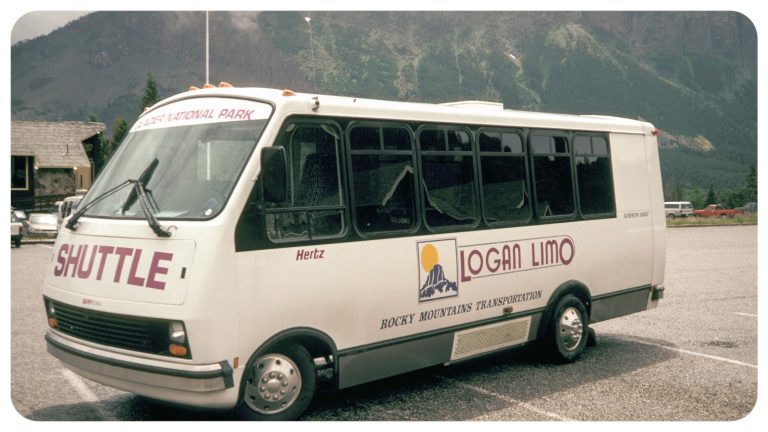
Check schedules and shuttle ticket windows for 2026 when planning Logan Pass visits.
Check road status and seasonal closures on NPS.gov before you go; pack optics and allow time for morning viewing at Logan Pass. Also, check nps.gov for current conditions
Shuttle tickets to Logan Pass run on a pilot schedule in 2026; tickets release windows begin May 2, 2026 and June 30, 2026 per recreation.gov.