Visiting Logan Pass: Glacier NP Guide & Planning Tips
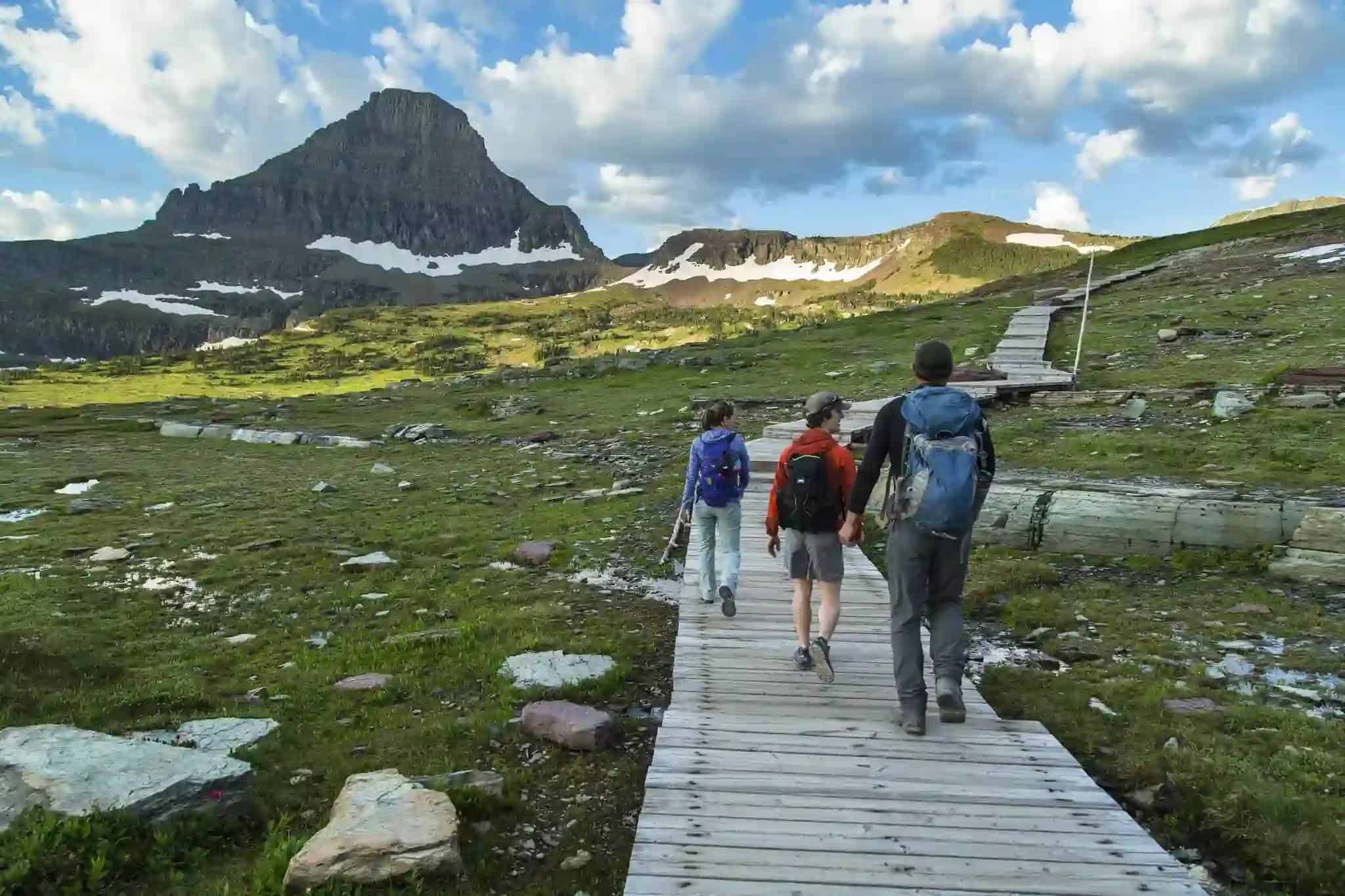
Visiting Logan Pass is the highlight of any Glacier National Park trip. At 6,646 feet on the Continental Divide, Logan Pass is the highest point on the Going-to-the-Sun Road and one of the most visited alpine destinations in the Northern Rockies. With 2,893,996 annual visitors per the latest NPS data, the parking lot fills between 6:30 AM and 4:00 PM on peak days. Two premier trails start here — the 2.6-mile Hidden Lake Overlook and the 11.8-mile Highline Trail — both offering close encounters with mountain goats, bighorn sheep, and wildflower meadows that bloom from mid-July through August.
This guide covers 2026 shuttle tickets, the new three-hour parking limit effective July 1, entrance fees including the $100 non-resident surcharge, packing essentials for alpine weather, and wildlife safety protocols. Whether you are planning a first visit to Glacier or returning for the Highline, the data below will help you avoid the crowds and arrive prepared.
Quick Answer: Is Logan Pass Worth It?
Logan Pass is worth visiting for its alpine trails, mountain goat sightings, and Continental Divide panoramas at 6,646 feet — but the 2,893,996 annual visitors per the latest NPS data mean parking fills by 6:30 AM on peak days, so planning ahead is essential.
Yes — Logan Pass is worth a visit for its alpine views, accessible trails, and wildlife viewing. The Hidden Lake Overlook and the Highline Trail start here. The Logan Pass Visitor Center provides restrooms and drinking water during the season.
According to NPS.gov, the Going-to-the-Sun Road reaches Logan Pass and opens seasonally, usually mid-June through mid-October. Park data shows the Logan Pass parking lot often fills early, commonly between 6:30 AM and 4:00 PM on busy days.
For route status and park advisories see NPS.gov for the latest seasonal openings and visitor notices.
We recommend planning around shuttle tickets, arriving very early, or scheduling hikes that do not depend on a full day of parking. Visitors aiming for the Highline Trail should check shuttle tickets and the three-hour parking limit effective July 1, 2026.
Logan Pass Snapshot
- Answer Capsule
- Per NPS.gov, Logan Pass sits at 6,646 feet on the Continental Divide; park crowding data rates Glacier at a Crowding Index of 2855.9 visitors/1k acres, so expect very high demand.
- Elevation
- 6,646 ft (2,025–,026 m)
- Location
- Highest point on the Going-to-the-Sun Road; on the Continental Divide
- Popularity / Crowds
- Parking lot often fills early; typical full range 6:30 AM – 4:00 PM
- Visitor Center
- Logan Pass Visitor Center – restrooms and drinking water during season
- Key Trails
- Hidden Lake Overlook Trail (round-trip 2.6 miles), Highline Trail (long alpine traverse)
- Wildlife
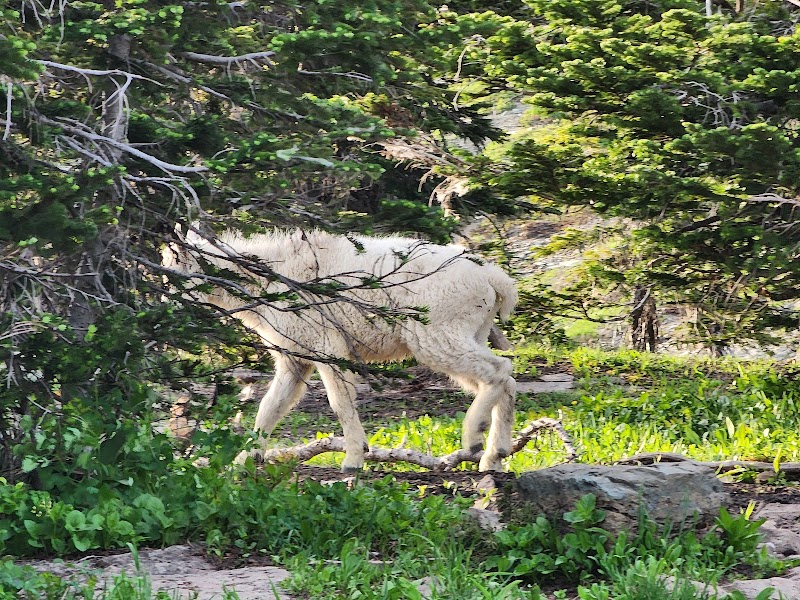
- Mountain goats and bighorn sheep commonly seen
- Shuttle Service
- Ticketed shuttle to Logan Pass available July through September; Recreation.gov processing fee $1 per ticket
- Seasonality
- Going-to-the-Sun Road and Logan Pass open seasonally, generally mid-June – mid-October (weather-dependent)
- Parking Rules (2026)
- Three-hour parking limit at Logan Pass effective July 1, 2026; overnight parking prohibited except permitted backcountry users
When to Visit?
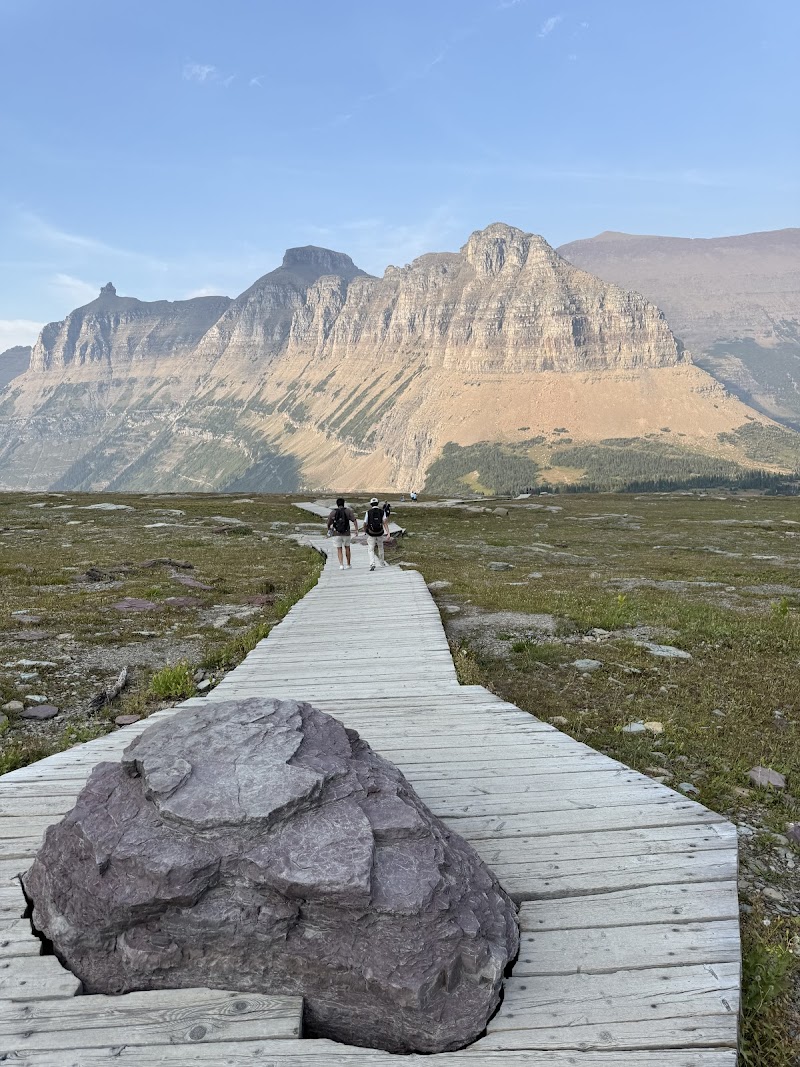
Best time: Per NPS.gov and weather.gov, the Going-to-the-Sun Road usually opens mid-June; July averages 67°F highs and draws over 400,000 visitors monthly, with full shuttle and trail access. · Avoid: November – April (most alpine access closed)
What Should We Pack?
Quick Answer
- Per NPS.gov and weather.gov, bring bear spray, layered clothing, and traction devices; Logan Pass sits at 6,646 feet where winds and alpine storms can drop temps quickly.
Hiking Essentials
- Bear spray (accessible on your belt; know how to deploy it)
- Daypack (20–30L) with hydration system
- Trail map and compass or downloaded offline map
- Trekking poles for steep or exposed sections
- Headlamp and spare batteries
Footwear & Traction
- Sturdy hiking boots with ankle support
- Microspikes or traction devices (spring/fall and after storms)
- Camp shoes or sandals for evenings
Clothing
- Moisture-wicking base layers
- Insulating midlayer (fleece or puffy)
- Windproof shell (packable)
- Warm hat and gloves for alpine weather
- Sun hat and UV protection
Safety & Navigation
- First aid kit and blister care
- Whistle and emergency blanket
- Personal locator beacon or satellite communicator if going off-trail
- Permit or shuttle ticket printout or screenshot
Current Fees & Costs?
- 7-Day Vehicle Pass (summer rate)
- $35.00
- Motorcycle (7-day)
- $30.00
- Per person (on foot/bike, 7-day)
- $20.00
- Non-U.S. Resident Surcharge (age 16+)
- $100.00
- America the Beautiful (US residents, annual)
- $80.00
- America the Beautiful Non-Resident Annual Pass
- $250.00
- Glacier NP Annual Pass (park-specific)
- $70.00
- Going-to-the-Sun Road shuttle processing fee
- $1.00 per ticket (Recreation.gov)
Per NPS.gov, the 7-day private vehicle entrance fee is $35.00 as of 2026. Non-U.S. residents aged 16+ must pay an additional $100.00 surcharge unless they hold a qualifying annual pass.
Who Is Exempt From Fees?
Per NPS.gov, several groups qualify for fee exemptions or discounts; examples include fourth-grade participants with the Every Kid Outdoors pass, Access Pass holders, and honored military passes.
Senior lifetime passes and Access Passes require documentation at entrance stations or visitor centers. The 4th Grade (Every Kid) pass admits eligible U.S. fourth graders at no charge when the pass is valid.
Important: the 2026 non-U.S. resident surcharge of $100.00 for visitors aged 16 and over is not covered by most domestic exemptions. Per NPS.gov, non-resident visitors must still pay the surcharge unless admitted with a qualifying Non-Resident Annual Pass.
Check required ID and pass rules on NPS.gov before travel to confirm acceptance and documentation.
We recommend digital copies of qualifying passes and a physical ID at entry. For groups or commercial tours, check commercial vehicle fees and how the surcharge applies per passenger on NPS.gov.

Parking vs. Shuttle: Key Tradeoffs
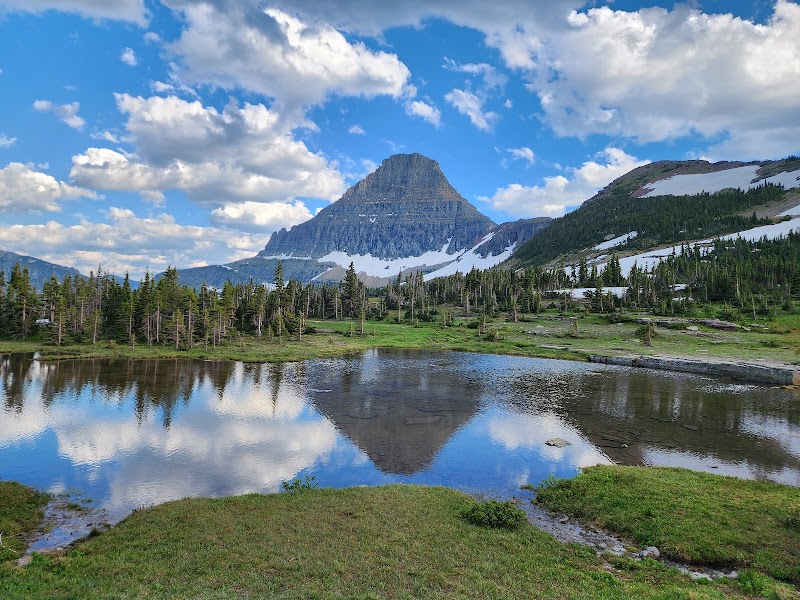
Choosing between driving and the shuttle to Logan Pass involves tradeoffs in flexibility, cost, and crowd avoidance — each option suits different trip styles.
Driving your own vehicle offers flexibility to stop at pullouts along the Going-to-the-Sun Road, but the three-hour parking limit (effective July 1, 2026) constrains longer hikes like the full Highline Trail (11.8 miles, 6–8 hours). Arriving before 6:30 AM is the only reliable strategy for securing a spot during July and August. NPS data shows the lot reaches capacity within 2 hours of sunrise on peak weekdays.
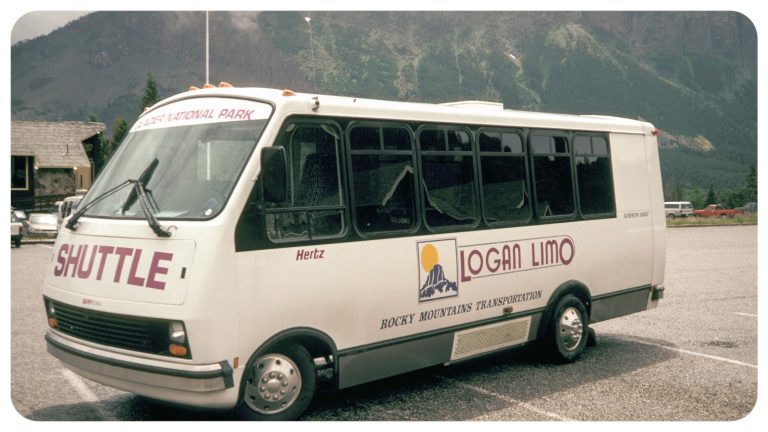
The shuttle system eliminates parking stress and costs only a Recreation.gov processing fee per ticket, but requires advance booking — the 60-day window opens May 2, 2026, and popular morning slots sell out within hours. Shuttle riders gain unlimited time at the pass but lose the ability to stop freely along the road.
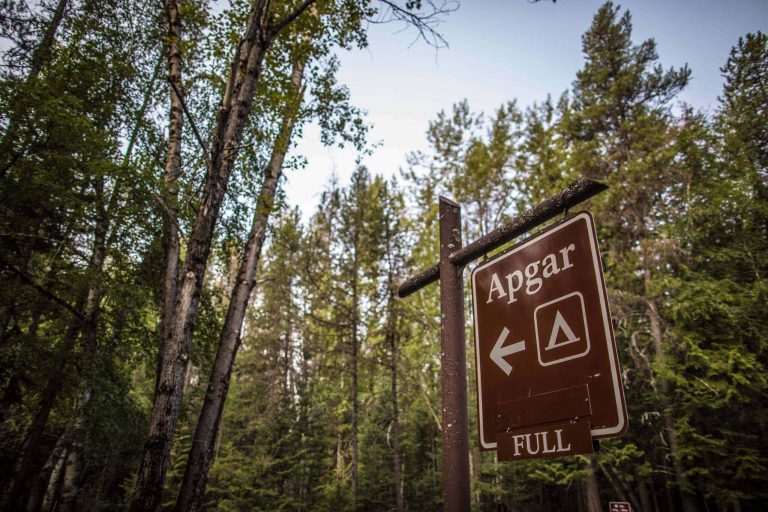
The hybrid approach: Drive to Apgar Transit Center or the St. Mary Visitor Center, park there (no time limit), and shuttle to Logan Pass. This avoids the three-hour constraint while still letting you explore the road on the drive in or out. Per park guidance, the Apgar lot rarely fills before 9 AM even in peak season.
Logan Pass FAQ
How long can we park at Logan Pass?
Do we need a shuttle ticket?
Are receipts valid for re-entry?
Can non-U.S. residents use the America the Beautiful pass?
How We Researched This Guide
- NPS.gov – official park pages for Glacier National Park (fees, visitor centers, alerts)
- NPS IRMA and park visitation datasets – visitor counts and campground records
- Weather.gov – 7-day and historical climate data
- NPSpecies / NPS biological records – species lists and nomenclature
- Recreation.gov – shuttle ticketing and campground reservations
- NPD crowding and unique insights dataset – crowding index and computed scores
Seasonal road openings and shuttle rules may change with weather or management decisions. Fees and shuttle schedules should be confirmed on NPS.gov and Recreation.gov before travel.
Key Takeaways for Logan Pass
Plan arrival times carefully: park data shows Logan Pass fills early, often between 6:30 AM and 4:00 PM during peak season, so aim for shuttle tickets or very early starts.
Buy the right pass: per NPS.gov, a 7-day vehicle pass is $35.00 as of 2026. Consider the America the Beautiful pass ($80.00) if visiting multiple sites, or the non-resident annual pass ($250.00) to avoid repeated surcharges.
Pack for alpine weather and wildlife: bring bear spray, traction devices, and a windproof shell for conditions at 6,646 feet. Per NPS.gov and weather.gov, afternoon storms are common in summer.
Reserve logistics: shuttle tickets are required for the Going-to-the-Sun Road shuttle and cost a $1 processing fee per ticket on Recreation.gov. We recommend booking the 60-day window beginning May 2, 2026, for peak-season access.
Plan Your Glacier Visit
Logan Pass connects to several key destinations and planning topics across Glacier National Park. Use these guides for a complete trip plan:
- Glacier National Park Hub — overview, fees, access, and all planning links
- Best Time to Visit Glacier National Park — month-by-month crowds, weather, and road openings
- 2026 Shuttle Reservation Guide — ticket windows, booking strategy, and alternative access
- Where to Stay in Glacier — lodges, cabins, and campgrounds near Logan Pass
- Mountain Goats at Glacier — where and when to spot goats near Logan Pass and Hidden Lake
- Glacier Wildlife Guide — seasonal wildlife viewing, bear safety, and distance rules
- How to Prepare for Glacier — gear, permits, and logistics for first-time visitors
Reserve shuttle tickets or check fees now; per NPS.gov, the Logan Pass Visitor Center operates during the Going-to-the-Sun Road season and shuttle tickets release 60 days ahead. Check nps.gov for current conditions.
Shuttle tickets have a $1 Recreation.gov processing fee per passenger.