

Utah’s Mighty 5 -The Best Utah Has To Offer
Utah’s Mighty 5 is more than a checklist—it’s a multi-park epic that rewards careful planning and smart timing. In our experience, starting with a detailed park-by-park plan helps you balance crowd flow, light, and weather across Zion, Bryce Canyon, Capitol Reef, Arches, and Canyonlands.
Last updated 2026, we recommend booking any required permits or timed entries online early, especially for Zion’s Angels Landing and Bryce Canyon viewpoints at sunrise. In our experience, the best light for Zion’s canyon walls is before 9 a.m. or after 4 p.m.; if you can, use the park shuttle windows to minimize driving and maximize hike time on the rim trails.
For Zion, we’ve found that starting at the Grotto Trailhead or Weeping Rock parking areas often yields quicker access to the main canyon without the early-morning scramble. Bryce Canyon shines at dawn—arrive before 6 a.m. during peak season to secure a parking spot near Sunrise or Sunset Point and catch the hoodoos glow as the sun rises. In Canyonlands, Island in the Sky’s Mesa Arch makes a memorable golden-hour stop, but plan for wind and cooler temps at elevation; bring layers and a thermos for a long photo session.
Each park has hidden gems and seasonal nuances—In our experience, spring and fall offer the most comfortable hiking weather, while summer requires early starts and frequent water resupply. Always check current conditions and trail statuses before heading out, and carry enough water and sun protection for desert hikes. Utah’s Mighty 5 promises awe-inspiring landscapes for every traveler, especially when you tailor your days to light, crowds, and park regulations.
From our perspective, the best strategy is to pick two signature viewpoints per park and three backcountry alternates with mileage you know you can handle. We recommend prioritizing Zion’s Angels Landing overlook, Bryce’s Navajo/Queens Garden loop, and Canyonlands’ Island in the Sky overlooks, then weaving in Arches and Capitol Reef as time allows. What we’ve found works best is a flexible itinerary with buffer days for weather and time-of-day parking shifts.
Utah’s Mighty 5 #1 – Zion National Park
In our experience, Zion is a bucket-list starter that delivers from the moment you lay eyes on those towering sandstone walls. The park’s four distinct areas—The Front, The Narrows, The Subway, and Kolob Canyons—each offer a different kind of wonder, so we plan at least two days to do it right. We recommend starting with a full canyon day and saving The Narrows for a cooler, calmer morning if possible.
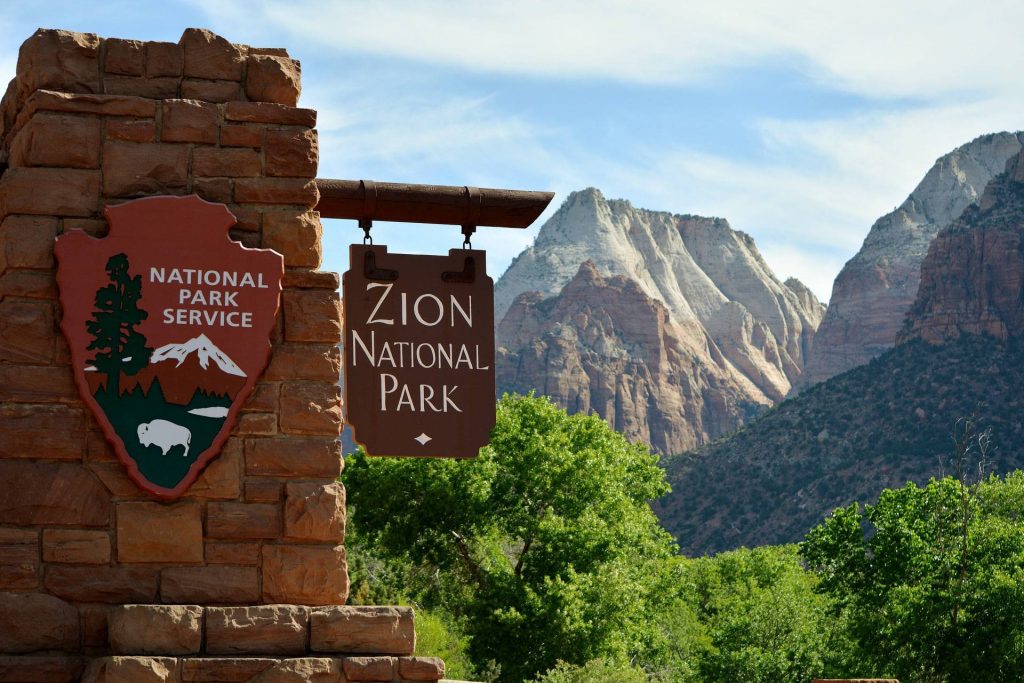
We’ve found that early starts pay off—we like pulling into the canyon trailhead parking before 7:00 am to beat the crowds around popular routes like Angels Landing and the main Zion Canyon hikes. If you’re chasing The Narrows, check current water levels and flash-flood warnings in the NPS alerts; drysuit or neoprene boot rental can turn a soggy day into a memorable adventure. For the best view of Angels Landing, plan the final ascent for sunrise or blue-hour, when the light is gentler on the canyon walls.
What is Zion National Park known for?
Zion National Park grabs you by looking up—the canyon walls seem to tower endlessly overhead, which makes your gaze swing from sandstone fins to the sky as if you’re in a cathedral. In our experience, the best way to get that awe-inspiring perspective is to start with a rim view early—Canyon Overlook Trail offers a stunning payoff with relatively quick access from the East Entrance, and it’s worth the parking rush before 9 a.m.
Zion is home to remarkable wildlife, including desert-adapted species like the desert bighorn sheep and, on our last visit, distant condor sightings along the upper mesas. We recommend pairing wildlife chances with good viewpoints: Watchman Trail provides a manageable climb with horizon-wide views, and later you can savor iconic scenes from the Court of the Patriarchs or the Riverside Walk along the Virgin River. In our experience, the light at sunrise or late afternoon makes the red-rock walls glow, and even short strolls frequently yield unforgettable glimpses of Zion’s living landscape.
If you have only one day…
One day in Zion can still be incredibly rewarding if you plan with laser focus. In our experience, the sweet spot is a quick Highway 9 drive paired with a single, iconic hike that delivers canyon views and a sense of accomplishment.
Highway 9
This is the main artery into Zion National Park, and we’ve learned the best approach is to drive it all the way through the park to access the first vistas and trailheads efficiently. It’s about a 14-mile stretch from the park entrance to Kolob Canyons, but you’ll pass the most dramatic viewpoints along the Virgin River corridor. Plan a timed stop at the Court of the Patriarchs or Big Bend for quick photo moments without losing precious hiking time.
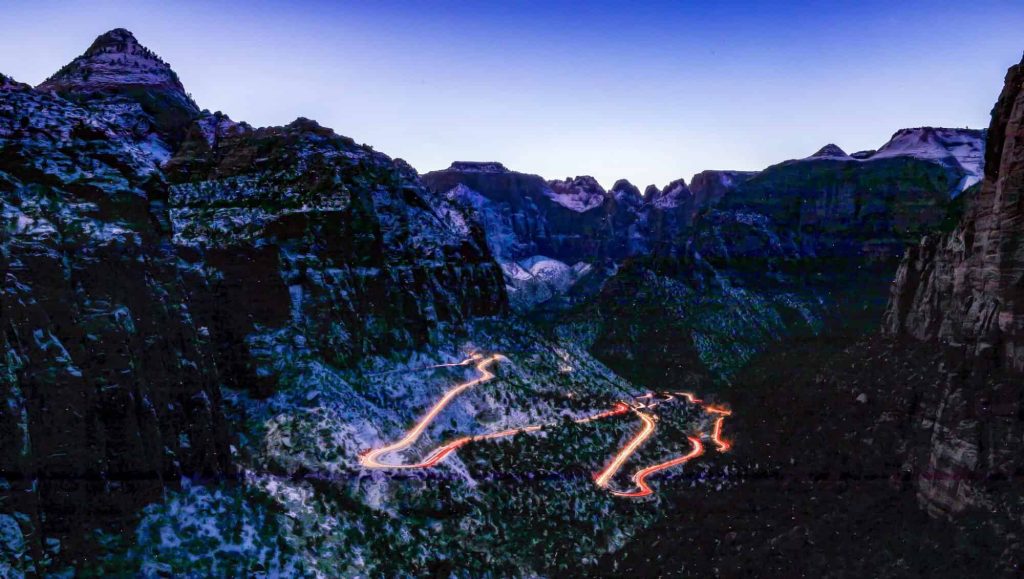
Angels Landing – Most popular Hike of Utah’s Mighty 5
Angels Landing is our must-do for a one-day Zion visit. It’s a 2.5-mile round trip with about 1,500 ft of elevation gain, and the final stretch uses chains along a narrow spine for the last 0.5 miles. In our experience, the payoff from the viewpoints at Scout Lookout and the summit is worth the effort, especially on calm mornings with little wind.
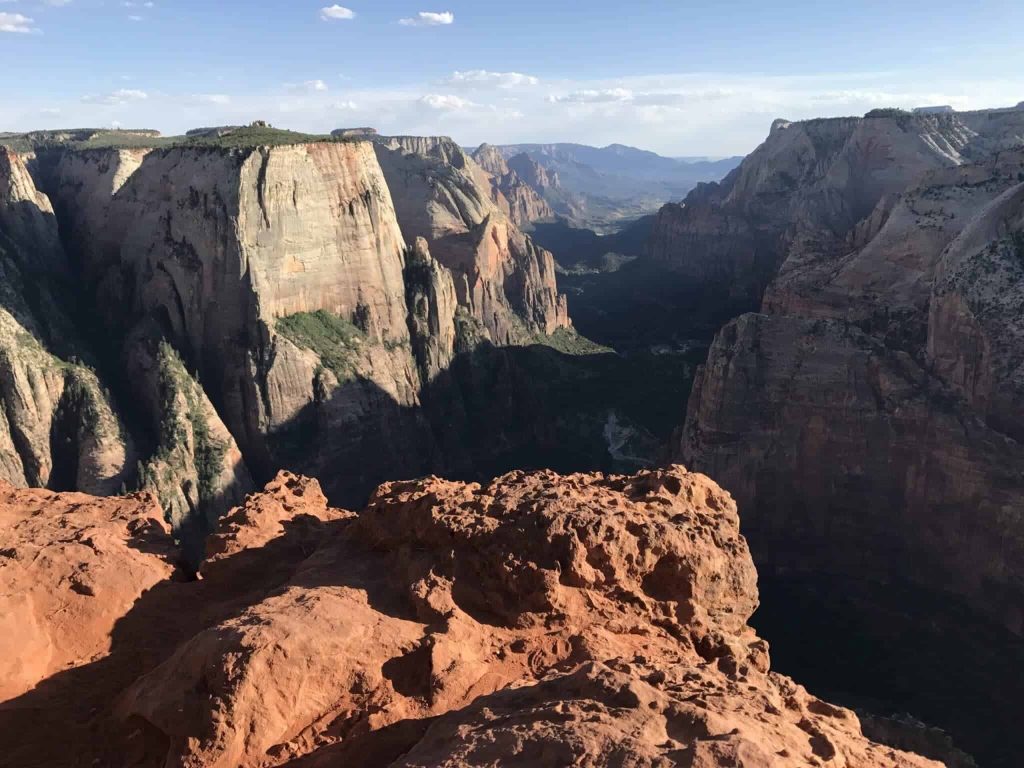
What we’ve found is that timing is everything. Start before 6:30 am from the Zion Canyon Trailhead to beat crowds, keep an eye on the weather, and plan to be off the trail by mid-morning. Parking fills fast at the Trailhead lot, so carpool or arrive early and be prepared to use the shuttle if private vehicles are restricted on your visit date. Check the current shuttle status and any permit requirements on the official NPS Zion page before you go.
If you have multiple days
With multiple days in Zion, you’ll unlock a fuller, more intimate canyon experience that single-day trips simply can’t deliver. In our experience, pairing The Narrows, Observation Point, and Watchman Trail with a few quieter mornings makes the park feel completely different.
The Narrows
We’ve found that planning The Narrows as a two-part adventure pays off: start with the Riverside Walk to access the slot canyon, then decide how far you want to go in depending on water levels and heat. Bring sturdy river shoes (neoprene socks help) and a lightweight dry bag for essentials.
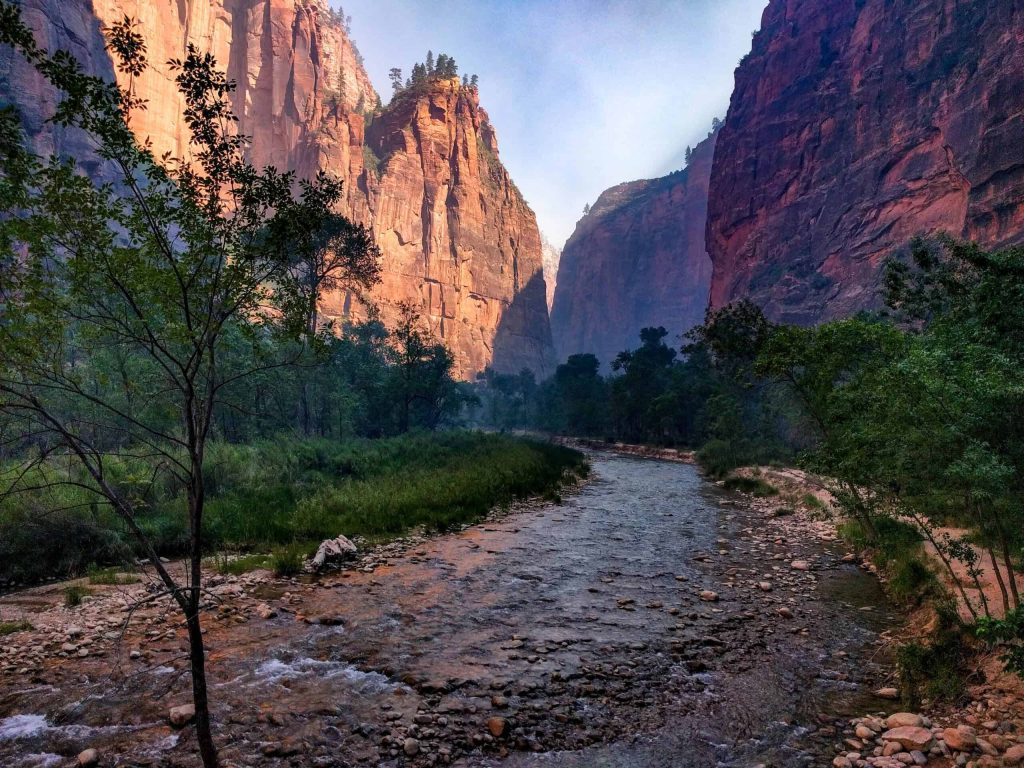
In our experience, check current water levels from the NPS and arrange a shuttle well in advance if you plan to hike upstream. If you only have one day, consider the Riverside Walk to Canyon Junction for a shorter but iconic perspective.
Observation Point
Observation Point rewards the effort with sweeping canyon views. It is a 7-mile round trip with about 700 ft of elevation gain, so we recommend an early start and plenty of water to stay cool.

We recommend checking the summit visibility first thing in the morning; clear skies dramatically change the experience. If you’re short on time, consider the Riverside alternatives or hike partway to give your legs a rest for later adventures.
Watchman Trail
Watchman Trail delivers three standout viewpoints within roughly 3 miles, offering vistas of Watchman, Temples and Towers, lower Zion Canyon, and Springdale below. It’s a moderate pace that works well after a full day of exploring.
In our experience, the trail is best started in the early morning to avoid heat and crowds, and the final viewpoints are worth the extra pause for photos. If you’re after quieter routes, combine Watchman with an easy stroll along the Grotto Trail for a lighter finish.
Utah’s Mighty 5 #2 Bryce Canyon National Park
Bryce Canyon National Park rewards early birds with some of the most dramatic color and light in Utah. The park covers 35,835 acres and is famous for its hoodoos—tall, thin spires sculpted by frost and erosion. In our experience, the best time to visit Bryce Canyon is at sunrise or during golden hour at sunset when the amphitheater glows and the air is cooler, and crowds are thinner.
For practical Bryce Canyon National Park tips, come prepared with 2–3 liters of water per person and sturdy trail shoes. We recommend parking at Sunrise Point or Bryce Canyon Lodge to minimize crowds and make key short walks easy. From there, consider the Queen’s Garden–Navajo Loop combo for iconic views, or go for a longer but equally rewarding hike on the Navajo Loop. If you’re after the classic overlook shots, aim for Queens Garden–Navajo Loop in the early morning sun.
What is Bryce Canyon National Park known for?
Bryce Canyon National Park isn’t a single canyon at all—it’s a surreal red-rock forest of hoodoos that somehow glow at sunrise and sunset. In our experience, the best way to grasp the scope is to start at Sunrise Point or Bryce Point and loop the Navajo/Queens Garden trails for a compact, jaw-dropping intro to the rock spires.
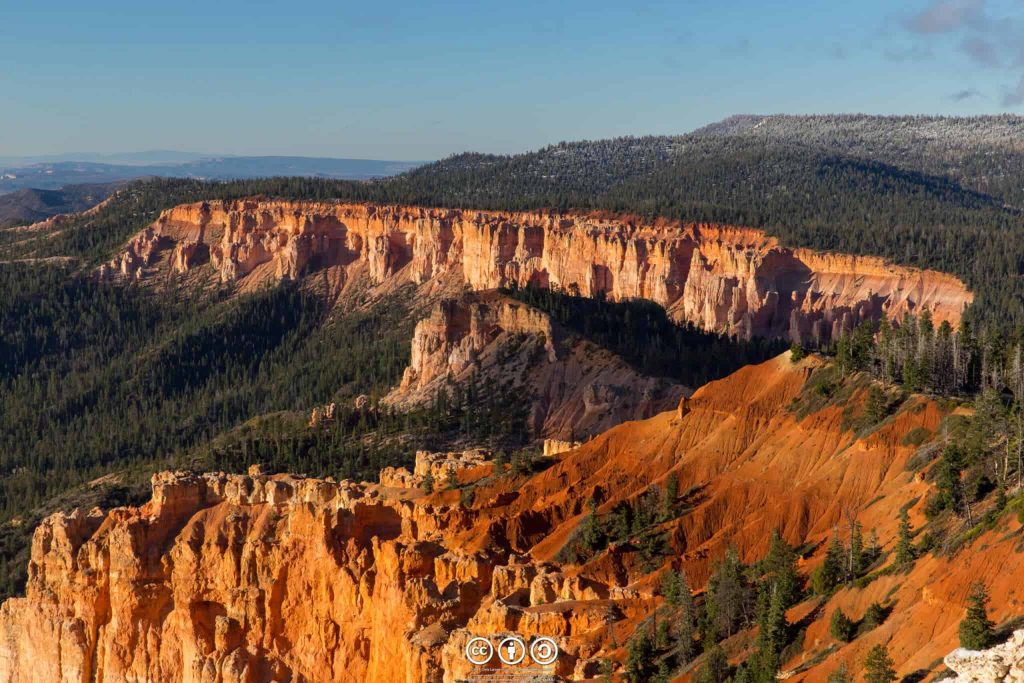
What Bryce Canyon is known for—its otherworldly hoodoos—can be best appreciated from the rim viewpoints along the Bryce Canyon Grandview, Inspiration, and Sunset perspectives. For crowds and comfort, we recommend catching sunset at Inspiration Point and then staying for the night-sky clarity, which is exceptional in this park. If you’re chasing the iconic “rock forest” photos, plan a dawn shoot at Bryce Point; the soft light makes the hoodoos glow.
Tips from our experience: arrive early (before 7:30 a.m. in peak season) to snag parking near the trails, and bring a light, day-use pack with layers and 1–2 liters of water per person. The loop trails are generally well-marked, but temperatures swing dramatically—especially in shoulder seasons—so we always pack a windbreaker and thermo layers. For planning, according to NPS data, Bryce Canyon National Park charges an entrance fee with annual passes available; be sure to check current hours and any seasonal road closures before your visit.
The Best place to spend a single day in Utah’s Mighty 5
A single day at Bryce Canyon is a memory you’ll carry home—dramatic hoodoos, airy viewpoints, and a sense of vastness that sticks with you. The Main Park Road delivers this in a compact, accessible loop that requires no strenuous hiking to feel the park’s magic.
Main Park Road
Along the plateau-crest Road, you’ll pass 14 standout outlooks, each offering a fresh angle on Bryce’s iconic spires. In our experience, the best plan is to start early at Sunrise Point and loop clockwise, stopping every couple of pullouts to stretch and take photos. If you’re short on time, prioritize Bryce Point, Inspiration Point, and Sunset Point for iconic views within a 30–45 minute digest.
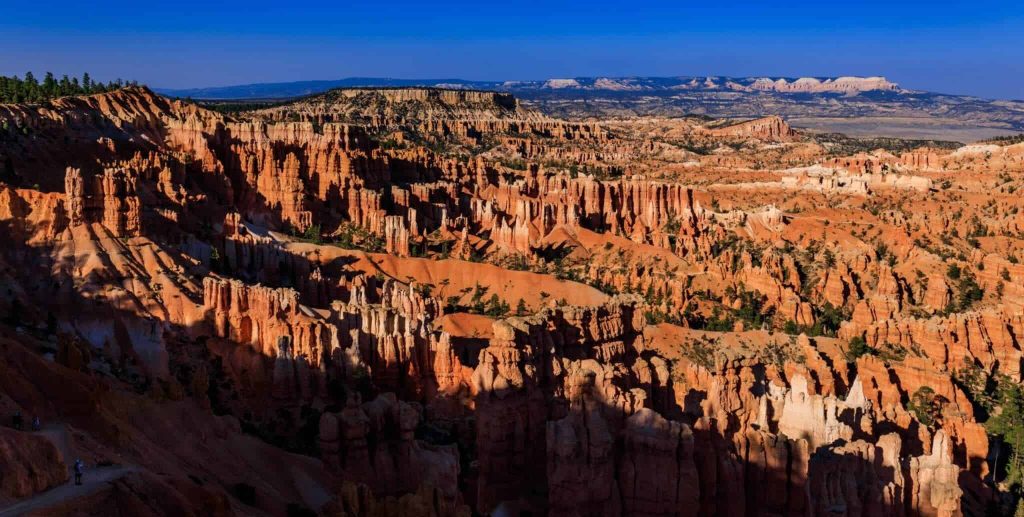
Mossy Cave
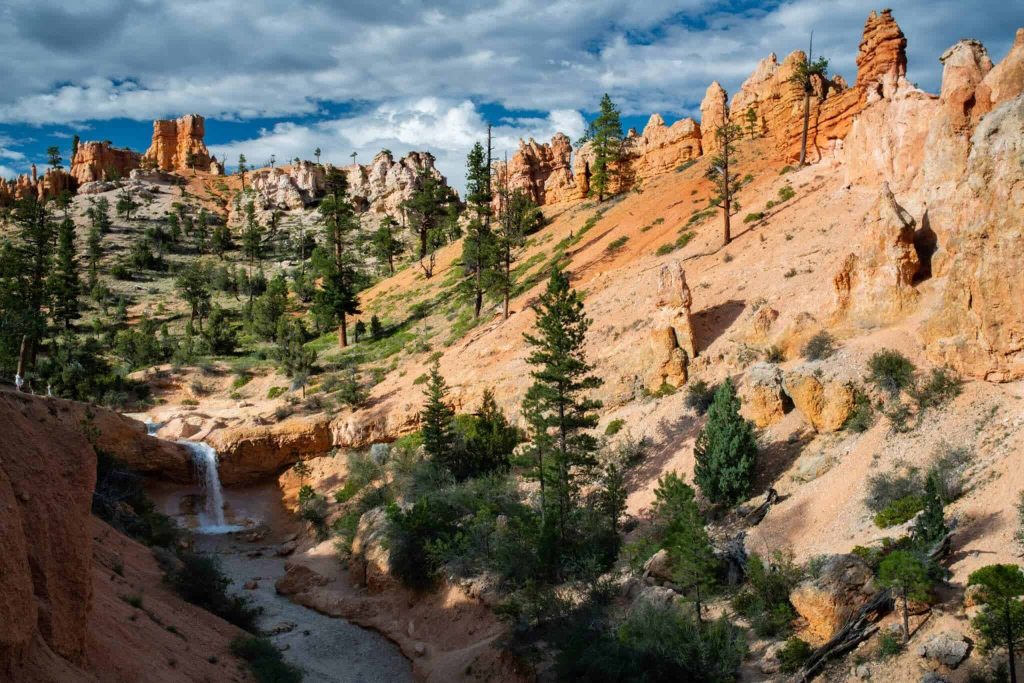
We’ve found Mossy Cave is a short, refreshing counterpoint to the amphitheater-scale views: a 0.8-mile loop that tracks a desert wash to a tiny waterfall and a sheltered cove where moss glistens after rain. The best time to catch the moss and waterfall is spring or autumn after a bit of rainfall, when the stream is freer-flowing and crowds are lighter.
If you have multiple days
Bryce Canyon rewards a thoughtful, multi-day visit just as much as a single-day slam of viewpoints. In our experience, a 2- to 3-day loop lets you slow down for long hikes, catch sunrise from a quieter overlook, and still have time for stargazing after dark.
Hiking Trails
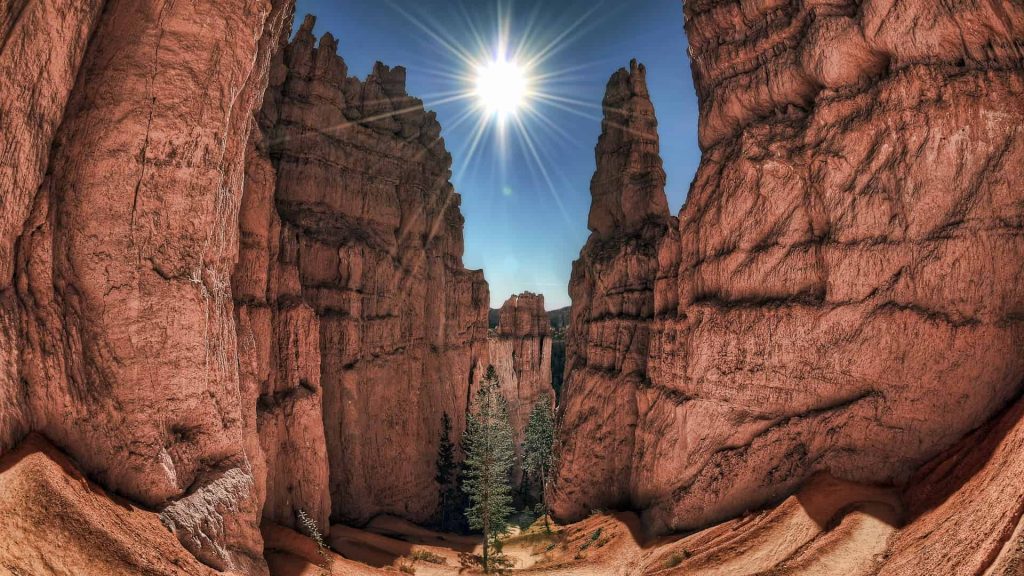
With Bryce Canyon’s labyrinth of hoodoos, you’ll want to anchor a few classics in your plan: Queen’s Garden, Navajo Loop, and Tower Bridge. We recommend starting with Queen’s Garden from Sunrise Point for a mellow ascent into the amphitheater, then loop onto Navajo to feel the full canyon walls close in around you. If you have extra time, the ascent to Tower Bridge provides dramatic arches and fewer crowds.
Stargazing
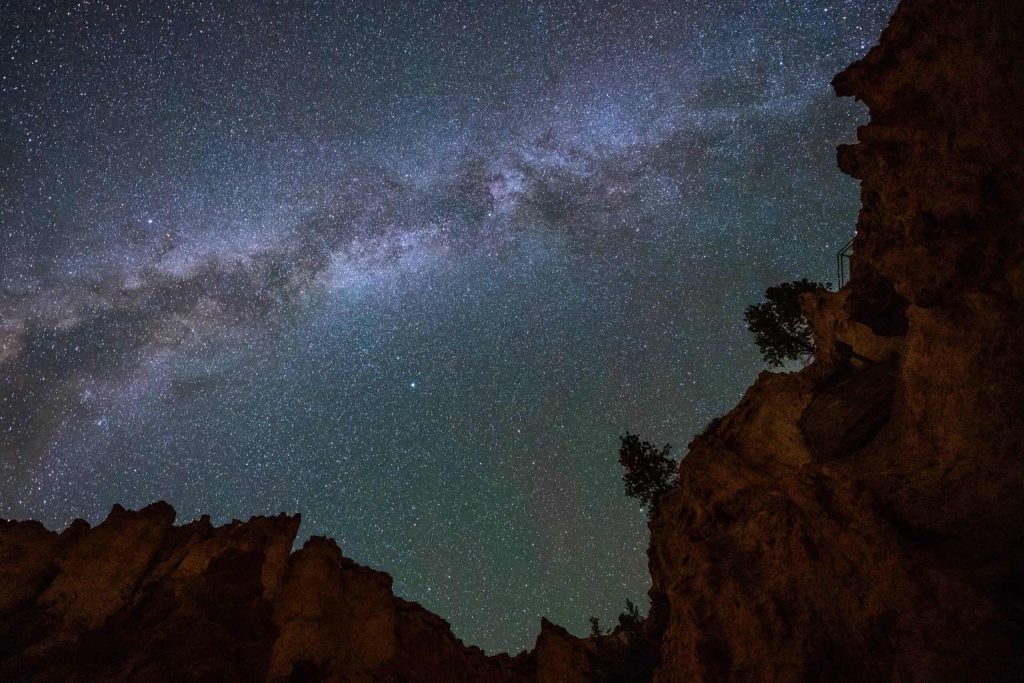
Bryce’s high-desert darkness makes for spectacular stargazing. In our experience, the Milky Way pops on clear nights, especially away from the main overlooks. If you’re camping, set up a hammock or a lightweight tarp with a clear south-facing view for a star-filled show. On your non-camping nights, the meadow near Sunset Point can offer a surprisingly peaceful sky-watching spot after the crowds thin out.
Utah’s Mighty 5 #3 Capitol Reef National Park
Capitol Reef National Park often flies under the radar, but in our experience it’s Utah’s best-kept secret for dramatic geology and soulful, easy access. The Capitol Reef Scenic Byway delivers showpiece views from the moment you pull in, with viewpoints like Panorama Point and Sunset Point offering instant photo ops and a sense of the park’s layered history.
For a classic, crowd-pleasing hike, we recommend the Hickman Bridge Trail. It’s a comfortable 2.0 miles round trip with a gentle grade and a jaw-dropping arch that never fails to impress. Start from the Hickman Bridge Trailhead near Fruita, then loop back via the easier of the two route options to keep the day relaxed. In our trips, we’ve found that early morning light on the arch makes for the best photography and fewer hikers on the trail.
Late summer through fall is prime time to catch Fruita’s orchards in full swing, with some trees offering self-serve fruit stands along the road into the historic district. We’ve seen ripe apples and pears right after monsoon season storms, which also helps keep the surroundings green and the colors richer. Insider tip: arrive early or aim for late afternoon to dodge the most popular viewpoints and to capture the park’s dramatic lighting. If you’re chasing solitude, plan a sunset stroll along the Capitol Reef Scenic Byway’s quieter pullouts after 5 p.m.—you’ll often have the overlook benches to yourself.
Capitol Reef is ideal for both outdoor lovers and history fans. In our experience, the Fruita orchard era adds a gentler, human-sized scale to the canyon walls that makes the park feel approachable. Remember to carry plenty of water, wear supportive hiking shoes, and bring a camera—this landscape rewards slow, deliberate observation as much as speed.
What is Capitol Reef National Park known for?
Capitol Reef National Park is geology on fast-forward—colorful cliffs, towering fins, and a dramatic wrinkle in the earth called the Waterpocket Fold that spans nearly 100 miles. In our experience, this park rewards slow exploration and stops for the views as much as for the trails themselves.
Hickman Bridge is a must-do in a lot of our itineraries—a scenic 2-mile round-trip hike that lands you beneath a striking arch. We also love the park’s horizon-to-valley viewpoints along the Capitol Reef Scenic Byway, plus the hidden canyons and petroglyph sites that reveal thousands of years of Native American history. A practical tip: park near the Hickman Bridge Trailhead in Fruita early to beat the crowds and secure a closer spot to the trailhead.
For the best experience, we recommend visiting in spring or fall when temperatures are milder and crowds are thinner. In our experience, a short ranger-led program near Fruita adds rich context to the geologic wonders, and pairing a hike with the scenic drive helps you stitch together Capitol Reef’s story. Our top pick: base yourself in the Fruita area and spend a day combining the Hickman Bridge loop with a sunset drive along the scenic byway; you’ll leave with a deeper appreciation for this geologic wonderland.
If you have only one day…
Capitol Reef rewards careful planning, and even with just one day, you can walk away with a sense of its otherworldly beauty. In our experience, a focused half-day can deliver the drama of Cathedral Valley and a sunset view you’ll remember for years.
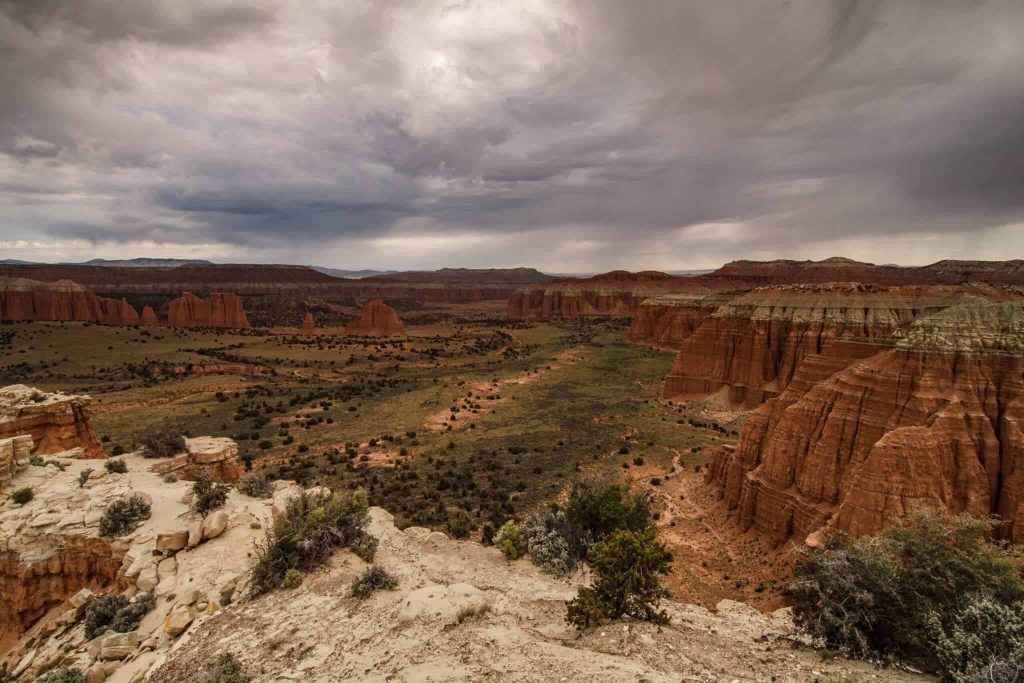
Drive Cathedral Valley
Cathedral Valley is the park’s otherworldly landscape, reached by a 58-mile dirt loop that many visitors underestimate. The round trip takes about 6 to 8 hours, depending on road conditions and stops for photos. We recommend starting early and budgeting extra time for the unearthly rock formations and potential lineups at the primitive spots along the way.
Sunset Point
Sunset Point is our go-to for Capitol Reef’s best light show. It’s a quick, accessible overlook with parking right at the Sunset Point Trailhead. If you’re chasing a two-for-one experience, Goosenecks Trailhead sits just across the road, offering a complementary view that pairs perfectly with a late-day stroll.
If you have multiple days
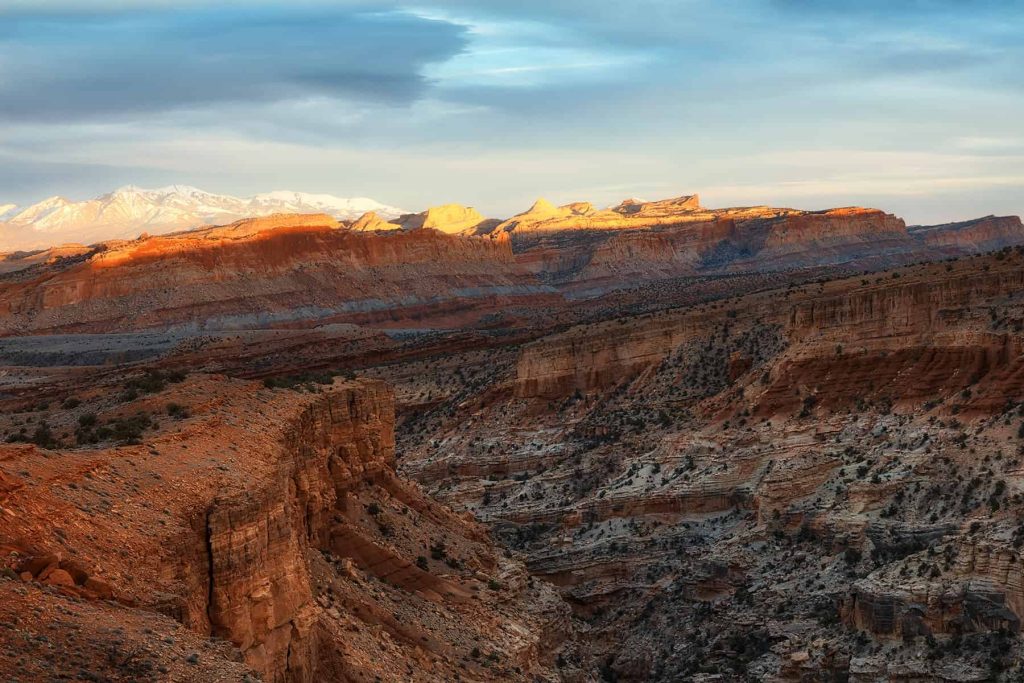
Now here comes the good stuff. Multiple days is best for experiencing Capitol Reef National Park. Given the scenic drives and hiking trails, a single day is not enough to get the full experience of this park.
Loop the Fold – The Best Drive of Utah’s Mighty 5
Meandering around the outskirts of Capitol Reef is Loop the Fold. Accordingly, there are so many things to see on this drive that it’s too much to list here but a few notable locations include Norton Road Twin Rocks, Surprise Canyon, and Long Canyon. Dedicate roughly 5-hours to Loop the Fold
Visit Fruita
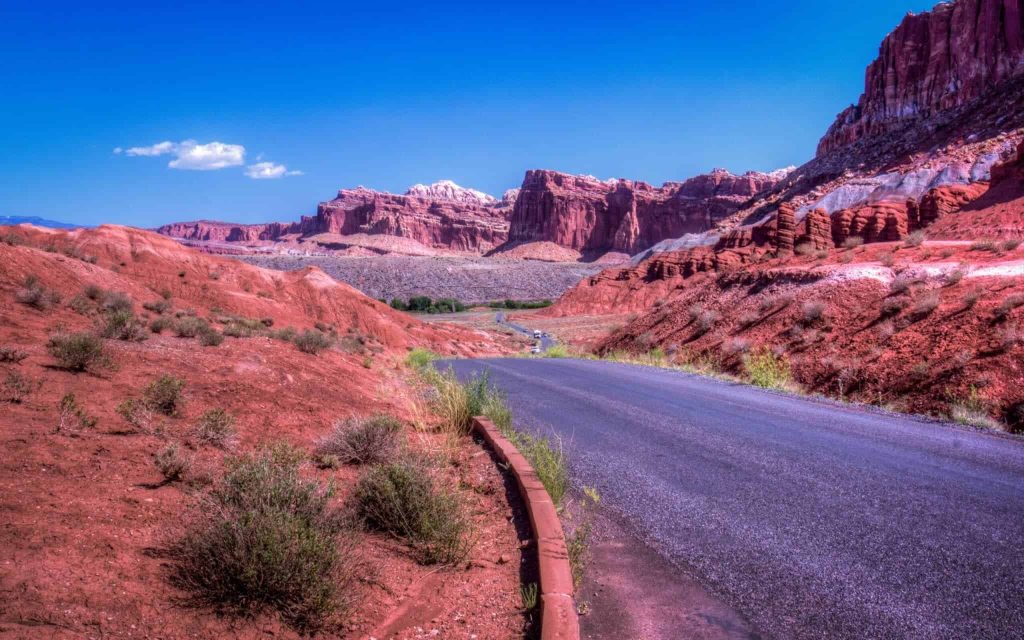
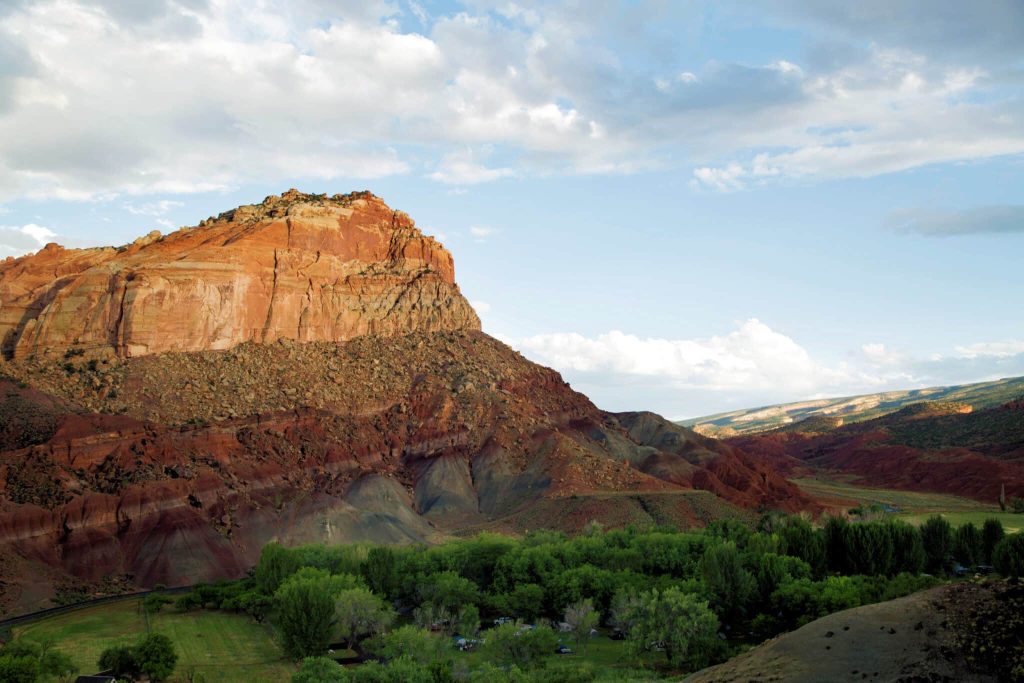
The ghost town of Fruita is located directly inside Capitol Reef National Park. Not many buildings exist there anymore. However, the scenery of this canyon is unbelievable. The valley floor is covered with lush green making it a little desert paradise. Markedly, this is also the base of operations for the NPS.
Hiking trails
Capitol Reef offers sweeping views of the surrounding landscape. Hiking is by far the best way to see these views. A few trails that you have to hike include Rim Overlook Trail, Hickman Bridge, and Great Wash. A lifetime of memories awaits you on these hikes!

Utah’s Mighty 5 #4 Canyonlands National Park
This vast landscape rewards those willing to slow down—Canyonlands isn’t just canyons; it’s three distinct districts clustered around Moab, each with its own character. We’ve found that Island in the Sky offers the most accessible viewpoints, while The Needles rewards longer backpacking trips and dramatic rock formations. What we’ve learned from our trips: you’ll get the most stunning panoramas by planning a couple of short walks for sunrise or sunset and saving longer passes for a separate day.
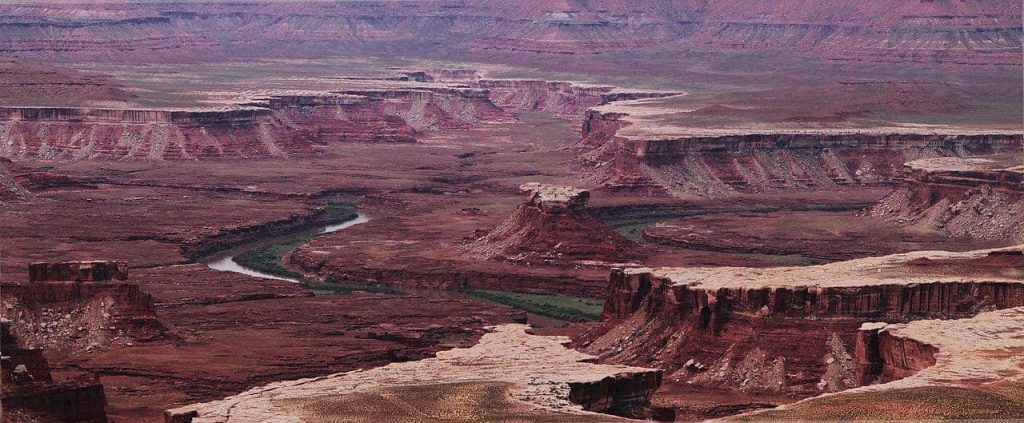
From our experience, the most reliable way to experience Canyonlands is to pick a base near Moab and split your day between a short, iconic overlook hike and a scenic drive to a quieter vista. We recommend starting with Mesa Arch at first light in Island in the Sky, then looping over to Grand View Point for expansive desert scenery that stretches to the horizon.
What is Canyonlands National Park known for?
At first glance, Canyonlands seems all about dramatic canyons, but in our experience it’s a vast, living puzzle of sculpted mesas, secret arches, and two mighty rivers—the Colorado and the Green—that braid through three distinct districts: Island in the Sky, The Needles, and The Maze. The park’s name nails it, yet what really stands out is the sense of scale and solitude you can still find here on a quiet day.
We’ve found the stargazing to be world-class—clear desert skies and minimal light pollution make for unforgettable Milky Way views after sunset. If you’re planning to camp, Willow Flat Campground in Island in the Sky is our go-to for rim-side access and quick sunrise overlooks; it’s especially nice when the wind dies down in late fall or spring.
From our experience, a smart plan is to pair a rim view with a backcountry permit if you want to push deeper into The Needles or The Maze; the park service requires permits for overnight stays in backcountry areas. Check current conditions and allocations on Recreation.gov and the NPS Canyonlands page before you go, because closures and road statuses can change with weather.
If you have only one day…
If you’ve got only one day in Canyonlands, this route captures the drama of Island in the Sky—our go-to for a tight, high-impact itinerary. We start with Grand View Point Road to get a sense of the entire landscape from above, then finish with the iconic Mesa Arch Trail for a close-up of that dramatic canyon window.

Grand View Point Road
Grand View Point Rd is the main road that climbs into Island in the Sky, delivering dramatic views across the sun-scorched spires and canyons. In our experience, the Grand View Point Overlook is best early or late in the day when shadows emphasize the textures, and you can see for miles. Parking at the Grand View Point Trailhead makes the short hike optional if you’re pressed for time.
Pro tip: plan a brief stop at the Grand View Point Overlook around dawn or dusk for calmer photography and fewer crowds. We recommend starting your walk on the Boardwalk Trail for a quick, accessible warm-up before you head to Mesa Arch.
Mesa Arch Trail
This 0.7-mile round-trip trail is a must for one-day visitors. The payoff is peering through the arch into the canyon below, an image that’s even more striking at sunrise when the sun hits the arch’s underside. In our experience, the best time to visit Mesa Arch is right at opening, when the area isn’t packed and the light is soft across the rock ledges.
Beat the crowds by parking at the Mesa Arch trailhead by daybreak and aiming for the small pullout near the Arch’s east side. If you’re visiting in shoulder season, you’ll still find steady but manageable traffic; in peak season we’ve found the parking lot fills by 8:30–9:00 a.m.
If you have multiple days
It doesn’t take long to see most of what Canyonlands has to offer. The low visitor count makes it easy to get where you’re going promptly. In our experience, giving Canyonlands a couple of days lets you connect with the dramatic overlooks and sunrise light without rushing.
Hiking
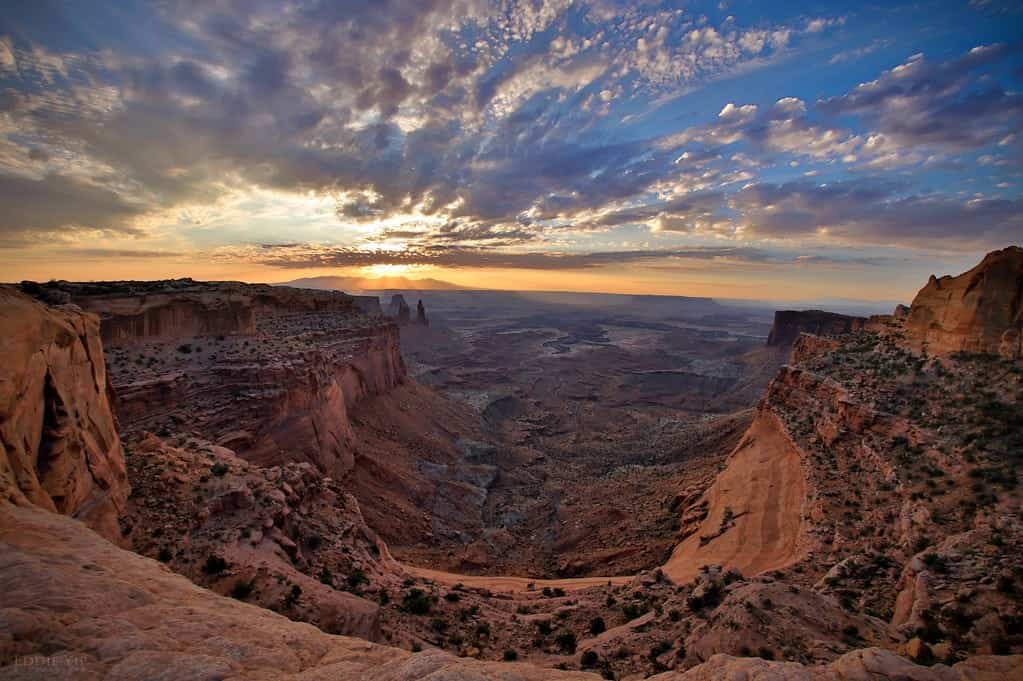
There are plenty of trails to hike in Canyonlands including Maze Overlook Trail, Grand View Point Trail, and Devil’s Pocket Loop. Take your pick and be on your way! Be sure to bring plenty of water and sunblock out on these adventures. The heat can get brutal during the day.
From our experience, start early or plan shade breaks, and consider a short detour to Mesa Arch for a sunrise photo if you stay in the Island in the Sky district. We recommend packing a lightweight jacket for canyon breeze after sundown.
Stargazing – The Best place to spend the night in Utah’s Mighty 5
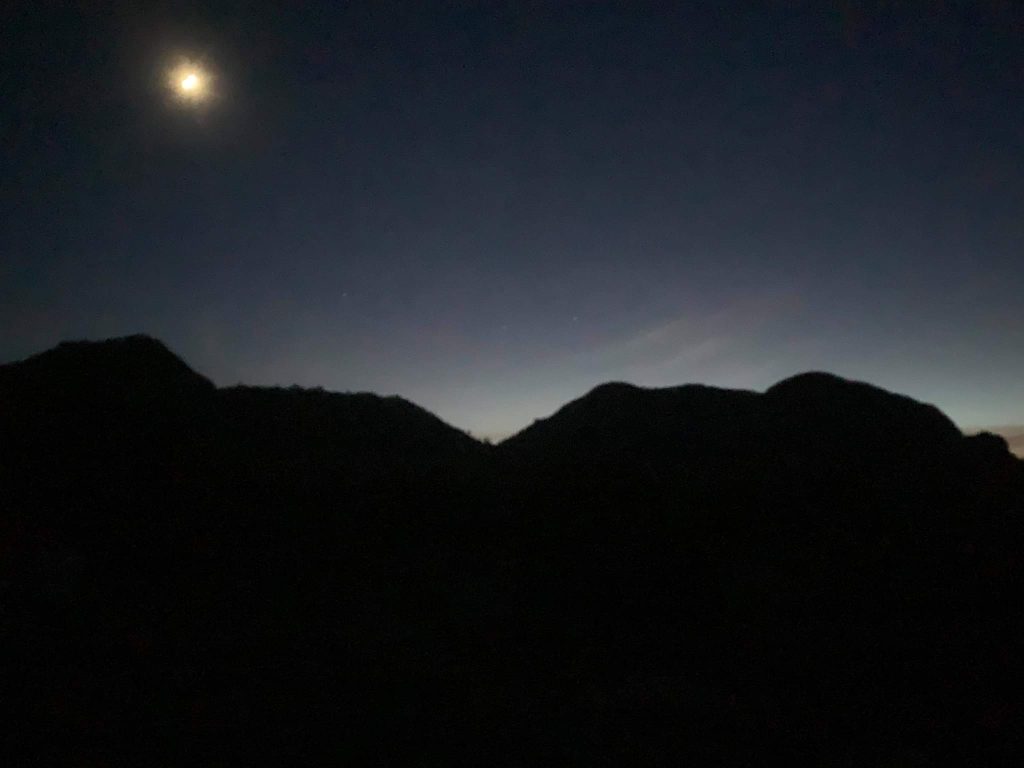
A must-do while in the park for more than a day is stargazing. Canyonlands has consistently clear skies with very low levels of light pollution making it a great place to stargaze.
In our experience, camping inside the park really elevates the night sky moment. The air is drier here, so the Milky Way streaks across an almost white canvas of stars. If you can snag a site in the park, you’ll maximize those astronomical views.
Scenic roads
Close by to Canyonlands is U-128 or River Road. It is a 44-mile-long, winding road that follows the Colorado River. This scenic byway has tons of parks and pull-offs to enjoy the scenery. Traveling the full length. Being highly recommended there is so much beauty this road has to offer.
Utah’s Mighty 5 #5 Arches National Park
Arches National Park feels like a natural cathedral—red fins rising above you as wind-carved arches frame the sky. In our experience, the scale is almost overwhelming from the Canyon View overlook to the distant North Window; it’s a reminder that erosion has shaped this place for millions of years.
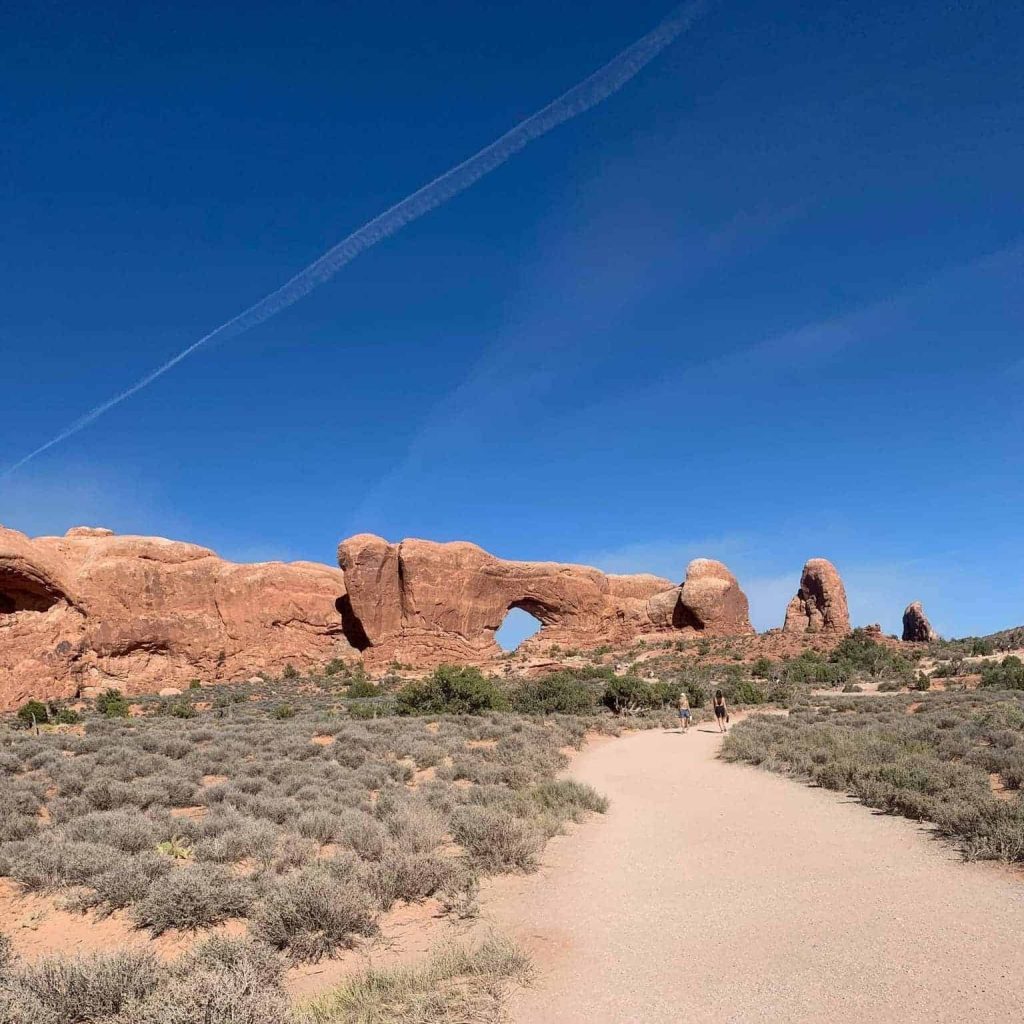
To make the most of your visit, start at the Park Avenue viewpoint parking lot early and circle back via the Devil’s Garden area after 1 p.m.—the light hits the arches differently, and crowds thin out a bit. We’ve found that a midday shuttle ride from the visitor center can free up time for a slower, photo-rich stroll along the new viewpoints without fighting park traffic.
What is Arches National Park known for?
Arches National Park is a living sculpture gallery in stone. In our experience, there are more than 2,000 arches here, with Delicate Arch drawing the crowds, but the park rewards you with so much more—giant balanced rocks, dramatic fins, and soaring pinnacles. We’ve found that the best photos come at sunrise from the Windows Section or along the Park Avenue viewpoint, and we recommend planning a ranger-led visit or permit for the Fiery Furnace area, since access is regulated.
If you have only one day…
Delicate Arch is the most popular attraction of Utah’s Mighty 5
Delicate Arch draws the crowds, but in our experience the real story is the way the hike fits into a perfect desert morning. The 3-mile out-and-back trail climbs steadily from the Wolfe Ranch Trailhead, and the pay-off—Delicate Arch glowing at sunrise or sunset—is worth the early alarm. We recommend planning to start before 7:00 am in peak season, or after 5:00 pm to avoid the strongest heat and crowds.
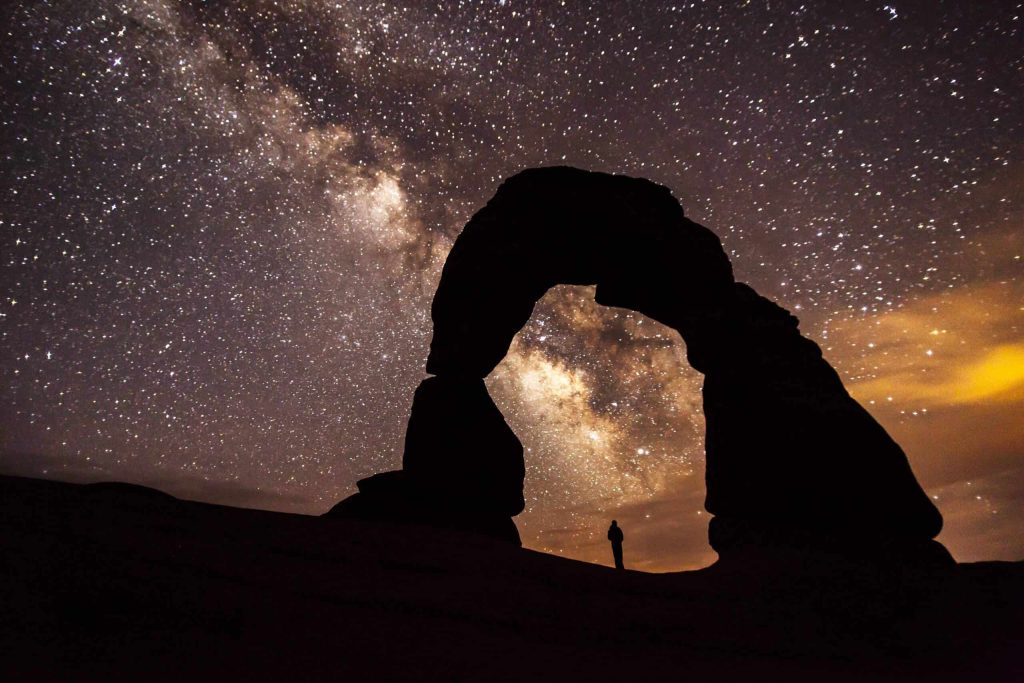
Arches Scenic Drive
The road that takes you into the heart of the park is Arches Scenic Drive, and it’s our go-to for an efficient overview when time is tight. From the drive, you can spot Sand Dune Arch, Salt Valley Overlook, Fiery Furnace Viewpoint, Panorama Point, and Balanced Rock, among other standout spots. In our experience, pairing a sunrise Delicate Arch visit with a midday drive-stop completes a satisfying day without chasing long hikes in the heat.

The best (2) places to spend multiple days of Utah’s Mighty 5
Arches shines brightest when you give it a multi-day rhythm—our experience is to base in Moab for 2–3 nights and use Arches as the anchor paired with Canyonlands for a longer, more varied visit. In our experience, Moab makes a great launchpad for sunrise viewpoints and easy evening strolls after the heat dies down. We recommend using Arches as a two-day core, then weaving in Canyonlands on a separate day or two for a fuller Utah-park loop.
Hiking
Arches offers a compact toolkit of must-do hikes that deliver dramatic geology without long approaches. In our experience, start with Devil’s Garden for serious scenery and varied distance, then hit Double Arch Trail and Landscape Arch Trail for iconic formations in short, crowd-filtered stretches. Delicate Arch remains a crown jewel, and we’ve found catching the arch at sunset or sunrise provides the best lighting and crowds are a bit thinner during those hours.
Moab
Moab is the gateway we love, where town vibes meet red-rock adventures just beyond Arches and Canyonlands. In our experience, staying in Moab gives you the best balance of gear shops, quick trailheads, and après-sport rentals—just map your days to sunrise sessions and shaded mid-day breaks.
Our must-see Arches tips: arrive before opening to snag parking near Delicate Arch viewpoints, and consider the 1-2 mile loop to the sandstone viewpoints instead of the crowded main arch overlook. For Delicate Arch itself, we recommend starting from the Wolfe Ranch Trailhead at first light and bringing layers—the heat hits fast once the sun climbs. In Canyonlands, the Needles District Viewpoints offer dramatic overlooks with shorter hikes, while Island in the Sky rewards patient scenic drives with widely spaced pullouts for photo stops. We’ve found the Mornings in the park tend to be quieter and glow-y for photography.
For canyoning and backcountry access, plan ahead: the Fiery Furnace requires a permit (same-day in-season walk-up not guaranteed) and many prime canyoneering routes around Moab require a backcountry permit. We recommend booking guided slots for Fiery Furnace or a half-day canyoneering trip to learn the ropes safely. We’ve had great success pairing a sunrise Arches hike with an afternoon private guide for hidden arches and routes you might miss on your own.
Moab’s local scene adds value to your trip: the Moab Museum provides context between hikes, and the Colorado River drives are best at golden hour. We always factor in a couple of gear-shop stops for water bladders and sun protection, plus a hearty dinner to cap off long days. Staying in Moab keeps you close to the trails and the best little food spots we’ve found after long desert days.
Whether you’re into epic hikes, biking the Slickrock Trail, or scenic river views, Moab’s compact-town convenience paired with epic red-rock scenery makes it a standout anchor for our Utah road trips. In our experience, timing, permits, and a balanced itinerary make all the difference for a smooth, unforgettable visit.

Utah’s stunning national parks, including Arches and Canyonlands, draw millions each year for their breathtaking scenery. Planning your visit around sunrise or sunset can give you spectacular photo opportunities that few tourists get to see.
For insider tips, consider booking a guided tour—many companies offer sunset hikes or off-road experiences that reveal hidden gems. Don’t forget to pack plenty of water, sunscreen, and a camera, as Moab’s landscape is truly picture-perfect.
Whether you’re into hiking, biking, or simply soaking in the views, Moab’s vibrant local scene and proximity to Utah’s natural wonders make it a must-visit destination on your Utah national parks adventure.


