
Ultralight Sleeping Bags: 7 Reasons Why They’re Ideal for Backpacking
We’ve learned that a truly light, warm bag can be the difference between grueling sleep and a solid rest after a long day on the trail. In our experience, the right ultralight sleeping bag reduces fatigue, speeds up camp chores, and frees up precious pack space for essentials like rain gear and a warm puffy. Ultralight bags aren’t just trendy—they’re practical for everything from late-season climbs to hot summer treks.
The best ultralight options balance warmth, compressibility, and durability. If you’re unsure where to start, our guides on choosing a sleeping bag by temperature rating and packing ultralight gear are great references, and we also cover bivy compatibility. In this article, we’ll outline 7 reasons ultralight sleeping bags are ideal for backpacking, with real-world tips from our trips and favorites from our kit lists.
7 Reasons Why Ultralight Sleeping Bags Are Ideal for Backpacking
Ounces saved in your sleeping bag can be the difference between a great night’s sleep and a rough one on the trail. In our experience, ultralight bags don’t just save weight—they streamline your entire pack strategy for long 大days and rapid approaches. To make the right choice, start with the basics: understand the temperature rating and how it matches your planned adventures, then balance warmth with compressibility (learn more about temperature ratings).
We’ve found that the sweet spot for many hikers is a sub-1.5 lb down bag in the 20°F to 40°F range, paired with a compact bivy or ultralight tarp for flexible shelter. Look for features like a snug draft collar, a full-length zipper, and a slim cut that reduces dead space without sacrificing comfort. For summer trips, a 40°F to 60°F bag can dramatically cut weight while still keeping you warm on cool nights.
From our experience, a well-packed ultralight bag is just part of the system. We recommend pairing it with a lightweight compression sack and exploring a bivy for solo trips in damp environments (packing a bivy). If you want to tighten your setup further, check out our tips on packing ultralight gear (how to pack ultralight gear) for smarter organization and protection. And if you’re debating fill type, see our guide on choosing a sleeping bag by temperature rating (temperature-rated options) to avoid overpacking or under-preparing.
1. Lightweight

Hook: Ultralight sleeping bags aren’t just lighter — they change how you move on the trail. We’ve found that shaving weight at the bag level pays dividends in day-to-day pacing and overall fatigue on big trips.
In our experience, ultralight bags can weigh about 1 pound (450 g), while traditional bags often push 3–4 pounds (1.4–1.8 kg). That difference translates to quieter marches up climbs and less total pack weight over multi-day itineraries. We recommend pairing a compact bag (roughly 6–9 liters when stuffed) with a 20–30 liter sleep system volume to keep your pack nimble without sacrificing comfort.
What we’ve found works best: use a 850-fill down or synthetic bag rated for one to two degrees of separation above your typical night-time low, and compress it into an appropriately sized dry bag or stuffsack. If you’re camping at moderate elevations (5,000–8,000 ft) during late spring or early fall, an ultralight bag often feels roomier than its numbers suggest because you’ll avoid overstuffing your pack with bulky gear. In short, lightweight doesn’t mean flimsy — it means streamlined efficiency on trail days.
2. Packability
Ultralight sleeping bags are more packable than traditional sleeping bags. They can be compressed down to a fraction of their full size, making them easier to pack in a backpack or travel bag. This is especially important for backpackers, who need to carry all of their gear in a limited amount of space. The more compact a sleeping bag is, the more room there is for other essentials like food, water, and clothing.
In our experience, the real test of packability isn’t the bag’s listed compressed size alone—it’s how well it fits in your pack with other essentials. We recommend stuffing the bag into the included sack first, then transferring it to a side pocket or the top of your pack to gauge overall volume with your clothing layers and food. If you use a dry bag, consider keeping the dry bag inside the pack to avoid shifting while hiking.
At the campsite, perform a quick loft check: remove the bag, shake it to fluff the insulation, and press the loft with your hand to ensure it still expands after a cold night. If you’re layering with a sleeping pad, test the fit with the pad in place—some ultralight bags compress more when they’re directly against the pad. We’ve found that pairing a compact bag with a standard inflatable pad can free up several inches of pack space in harsher weather. Also, always verify that the bag fits comfortably inside your tent or bivy sack before you depart.
From our experience, ultralight bags shine in dry, mild-to-cool conditions where you’re minimizing ballast. For cold nights or damp trips, factor in the loft loss that can occur if the bag has been compressed long enough and stored tightly. We recommend carrying a lighter, compressible liner for extra warmth if needed, so you don’t over-pack your outer shell.
What we’ve found: the best way to assess packability is to actually load your pack for a few miles, then remove and re-pack the bag as you would on-trail. This practical test often reveals whether you’ll have enough room for food and water on longer trips.
3. Comfort

Ultralight sleeping bags feel like a game of balance: light enough to carry, warm enough to curl up with after a long day on the trail. In our experience, comfort hinges on more than the rating—the loft, fabric texture, and how well the bag handles humidity can make or break a night at altitude or in damp campsites. We recommend looking beyond the label to understand how it will perform in real conditions.
Temperature range matters: expect synthetic fills to perform better when damp, while down lofts compress in humidity and can lose warmth if the outer shell gets wet. What we’ve found useful is testing comfort in camp—spend 10 minutes zip-locked up inside your bag with a 5–10 minute wiggle to feel if the draft collar seals and if the footbox has adequate space. For altitude, choose bags with consistent loft retention when you sleep on a high-elevation cot or pad; this keeps warmth where you need it most. We also test quick-fit adjustments: cinching the hood, securing the zipper draft tube, and layering a lightweight, breathable base layer to prevent overheat or chill during rapid temperature swings.
From our experience, a small pad under you makes a big difference—loft and comfort aren’t just about the bag. We recommend pairing an ultralight bag with a 3-4 inch thick pad and adjusting clothing layers to avoid overheating or drafts. Our top tip: sleep with your head slightly elevated and use the hood baffle to trap warm air; it’s a simple tweak that dramatically improves comfort in chilly campsites.
4. High Temperature Ratings
Temperature ratings are another important factor to consider when choosing a sleeping bag. Ultralight sleeping bags can have high temperature ratings despite their lightweight design, thanks to high-quality insulation materials. Down insulation is a popular choice for ultralight sleeping bags, as it provides excellent warmth without adding much weight. Synthetic insulation is also a good option, as it is often more affordable and performs well in dry conditions.
In our experience, the temperature rating you see on a bag is a guide, not a guarantee. We’ve found that real-world comfort depends on sleep system factors like pad warmth, bivy use, and layering. For three-season backpacking, aim for a bag labeled as having a comfort rating near 20–40°F (-6 to 4°C) for typical mountain camps, and consider a slightly warmer bag if you’re a cold sleeper or venturing into higher humidity. We recommend testing your bag in a controlled setting before a trip so you know how you actually feel at night in your chosen conditions.
Durability matters as much as warmth, especially on long treks where packs jolt against rocks and brush. Below is a quick durability checklist we use in the field to gauge ultralight bags before buying or trusting them on multi-night trips:
- Zippers: check for snag resistance and a storm flap; ensure sliders move smoothly and avoid repair kits that add bulk.
- Shell material: look for rip-stop nylon or similar tough fabrics; confirm coatings are even and free of delamination.
- Down leakage: inspect baffles for feathering—shake bag gently to ensure fill stays evenly distributed; avoid microbaffle designs if you frequently sleep warm or sweaty, as they can be more prone to leaks in damp conditions.
- Seam strength: test stress points by applying gentle tugging along the seams; verify there are no loose threads or skipped stitches.
As we’ve learned on our last several treks, protecting zippers with a storm flap in damp environments and drying gear thoroughly after cold, wet nights extends bag life dramatically. In our experience, choosing a bag with robust construction and maintaining it with regular care pays off in reliability and warmth when weather turns quickly.
Overall, we’ve found that selecting a high-quality insulation type paired with solid durability features yields the best balance of warmth, weight, and longevity for ultralight backpacking. We’ve used both down and high-loft synthetic options in varying climates, and our top pick is the bag that best fits your typical trip profile and climate.
5. Durability
Durability is one of the biggest surprises in ultralight sleeping bags—they can outperform heavier models if you treat them right. In our experience, high-quality shell fabrics and well-designed baffles resist wear from pack straps and campsite debris when you pick a model with a proven build.
Common wear concerns we watch for on the trail include snagged zippers, worn or abraded shell material, and potential down leakage at the draft tube or seams. Look for a durable shell with reinforced panels, a storm zipper tape, and good baffling that minimizes cold spots; these features matter more in ultralight designs than in cheap synthetic packs. We recommend inspecting the zipper operation before buying and testing it with the bag inside a lightweight compression sack to ensure smooth closure under load.
Durability checklist based on field experience:
- Check zipper quality and smoothness across full travel; avoid bags with stiff, snag-prone zippers.
- Inspect shell material for reinforced panels in high-abrasion zones (footbox, sides near the pad). Look for durable DWR-coated nylon or Pertex-like fabrics.
- Evaluate draft collar and seam design for potential down leakage; seek reinforced seams and secure baffles.
- Test compression and storage: avoid storing packed tight for long periods; store loosely to preserve loft.
- Avoid sharp-edged gear rubbing the bag inside the pack; use a liner or pack liner to reduce abrasion.
6. Versatility
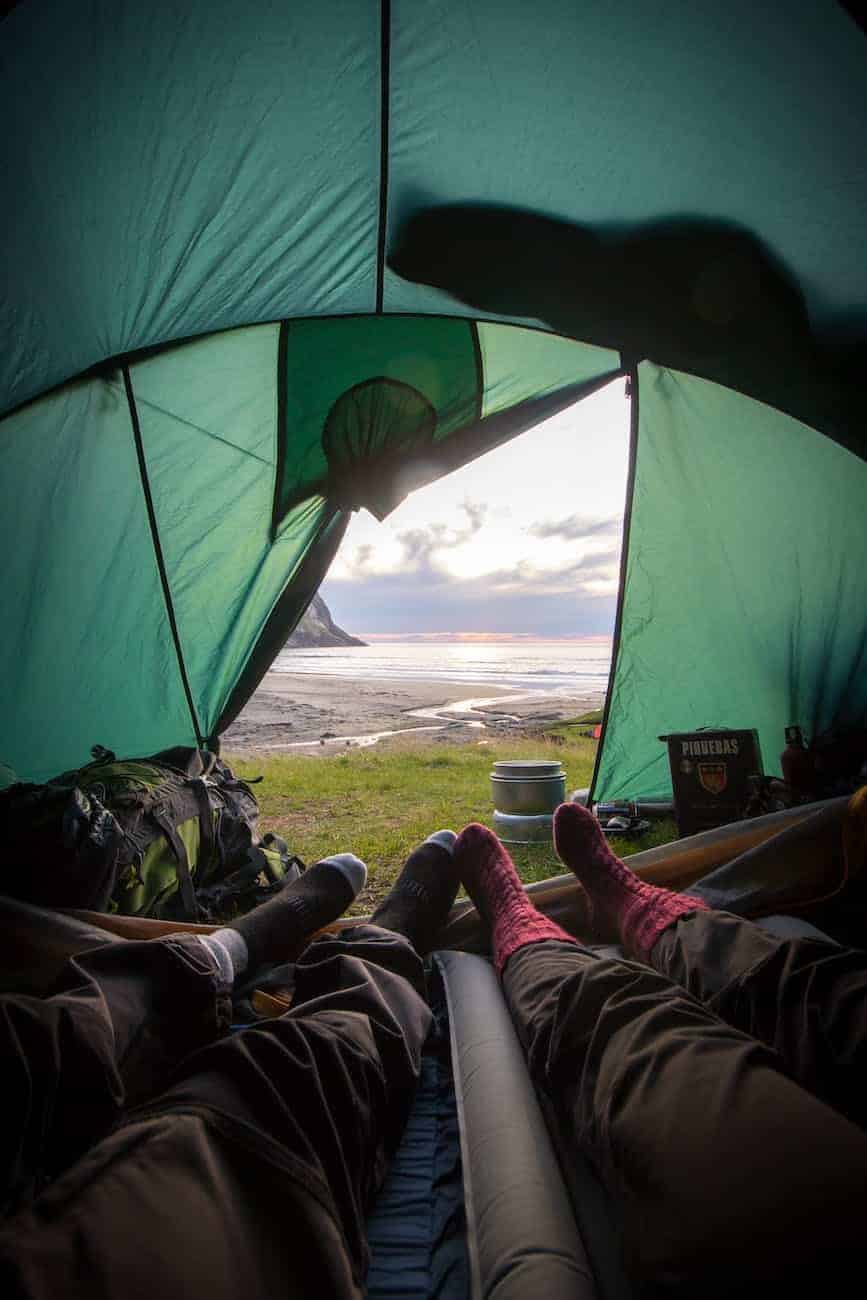
Ultralight sleeping bags are more adaptable than you might think, and our experience backs that up. In hot summer camps we love them for quick setup and reduced pack weight, while in shoulder seasons they pair well with a compact bivy and a light pad for extra warmth and shelter from gusts.
We’ve found they shine with smart layering and the right pad combo. For a summer Sierra trek, pair an ultralight bag with a 1/4- or 3/4-length pad and a lightweight bivy to handle morning dew and occasional drizzle. In the Rockies’ shoulder seasons, add a warm midlayer, a foam or inflatable pad beneath, and a small tarp for windbreaks—you’ll sleep warmer without lugging a bulky bag. A practical 3-season setup: bag rated roughly 20–30°F, inflatable pad plus a minimal pad for insulation, a lean bivy or ultralight tarp, and a compressible puffy for evenings. What we’ve found is that this combo keeps climate versatility in reach without sacrificing comfort or space.
7. Investment Worth Making
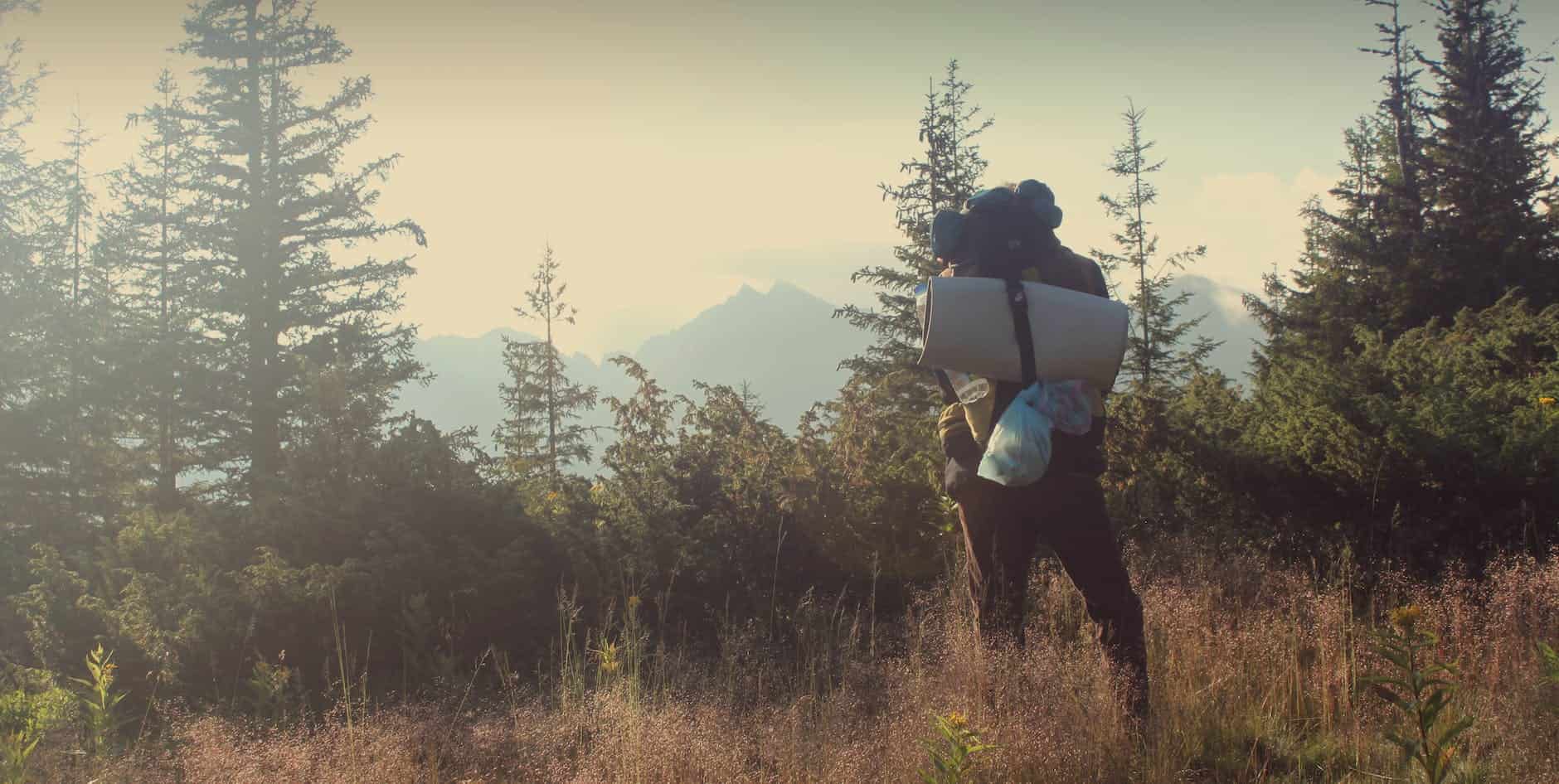
Ultralight sleeping bags can demand a higher upfront investment, but we’ve learned they pay off for serious backpackers. In our experience, saving 1–2 pounds in your sleep system isn’t just comfort–it opens up longer trips and steeper miles with less fatigue.
When shopping, look for temperature ratings you actually use (avoid overkill). We recommend bags with down or lofty hybrid fills and a true-to-size cut that minimizes draft lines. We’ve found that a good shell fabric and consistent baffle construction matter more over time than flashy specs on the tag.
Cost-wise, ultralight bags typically run about $250–$500 depending on fill, weight, and brand. With proper care—drying fully after trips, using a compression sack, and avoiding sharp folds—a bag can last 5–10 years, with loft remaining adequate for most three-season use. We’ve seen most folks retire a bag when loft dips below 30–40% of original, or when stitching or shell wear begins to reveal through-stitches.
Total cost of ownership (TCO) is where the math becomes practical. If you buy a $350 ultralight bag and keep it 7–8 years, you’re averaging about $44–$50 per year in wear, not counting the performance gains on longer itineraries. If you replace sooner, say every 5 years, that annual cost rises to $70–$80. Based on available NPS data and our field use, investing in a durable, well-fitting ultralight bag often reduces luggage weight enough to justify the price over time. We recommend budgeting for a high-quality bag upfront and treating it with care to maximize lifespan.
From our experience, the payoff isn’t just lighter days—it’s versatility. A compact ultralight bag pairs well with a summer bivy, a shoulder-season quilt system, or a winter liner for extended trips. If you’re deciding between models, try them on a low-sleep, long day hike to feel how the draft lines and zipper placements affect comfort. We’ve found that a slightly longer, well-insulated bag with a good draft collar improves sleep quality on cold nights in backcountry campsites like the Emerald Lake campground loop on a September frost.
Wrapping up
If weight is your number-one concern, ultralight sleeping bags can feel like a standout feature on the trail. In our experience, they let you shed bulk without sacrificing a solid night’s sleep, especially on multi-day trips where every ounce counts.
We’ve found that choosing the right temperature rating, fit, and shell material makes the biggest difference. Aim for a bag that matches or slightly exceed the coldest temps you’ll encounter, and pick a compressible, durable shell to keep pack volume low. Consider whether a mummy bag, a quilt, or a zero-degree variation fits your sleeping style; we often prefer compact mummy bags in shoulder seasons and switch to a quilt for three-season routes.
From our experience, preparation matters: test your setup at home in cold sheets, pack a small, dedicated dry sack for the bag, and practice quick repacking in camp. Pair your ultralight bag with a quality inflatable or closed-cell pad to maximize insulation—we’ve slept more comfortably after upgrading both components. We recommend reviewing current NPS gear guidelines and choosing models that fit your body, climate, and anticipated altitude, then sticking with a reliable, well-reviewed option for consistent comfort on the trail.


