


+2 more
1 / 5
Avalanche Peak Trailhead 5N2
Last Updated: January 2026
Overview
About This Trail
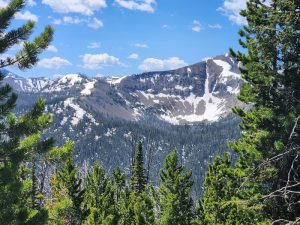
Avalanche Peak Trailhead is a strenuous out-and-back climb around 4.5 miles with roughly 2,100 ft of gain. The surface is packed dirt and rocky scree, with upper slopes that are loose and exposed. The trail is dry for most of the route, and above treeline you’ll face sun and wind with limited shade. Start early to beat the crowds, but be ready for a physical test and a big summit payoff.
Highlights
Difficulty Level
Strenuous to Difficult
Trail Highlights
360-degree summit panorama over Yellowstone Lake and surrounding ranges; alpine meadows and wildlife along the ridgeline
Insider Tips
• Stay on the established trail; avoid a false trail to the right near the summit. • Start early to beat thunderstorms; be below treeline by midday. • Pack layers, rain gear, and sun protection; bring bear spray and travel with a buddy. • Microspikes may be needed in early summer; expect loose scree and rapid weather shifts.
Best Season to Hike
Mid-July through September
Hiking Tips
- Carry at least 3L water; this trail is dry for most of the way.
- Bear spray recommended; travel with others and make noise to avoid surprises.
- Start early to avoid afternoon thunderstorms; be below treeline by midday.
- Sturdy boots, layered clothing, and rain gear; microspikes may be necessary in early summer.
- Stay on the established trail; beware of a false trail near the summit.
- High sun exposure above treeline—bring sun protection and a hat.
Family Info
Not recommended for young children due to steepness, exposure, and hazards
ℹ️ Data Sources
nps.gov thejourneyest2016.com wanderlog.com sunlightsports.com backpacker.com annestravels.net hikingproject.com noahlangphotography.com youtube.com reddit.com backcountrypost.com Google Reviews National Park Service YourNPGuide Editorial
Information is compiled from official sources, verified traveler reviews, and editorial research. Learn how YourNPGuide works →