Top 10 Best National Parks To visit In 2026
In our experience, the best national park adventures start with a bold plan and a few well-timed tricks to beat the crowds.
If you’re aiming for 2026, our top 10 list spotlights parks that deliver dramatic landscapes, wildlife encounters, and memorable trails—plus practical tips we’ve learned on the ground, like checking permit windows and road statuses before you pack your bags.
Our comprehensive guide breaks down what makes each park special, from standout overlooks to kid-friendly hikes and quieter backcountry routes that reward early risers. We’ve found that reading park-specific advisories (weather, altitude, and seasonal closures) saves headaches once you’re there.
So gather up your friends and family and plan around easy-to-book campsites, sunrise viewpoints, and must-see overlooks we personally love. With a little planning, you’ll maximize time on the trail and minimize time stuck in traffic or lines.
Here are our picks for the top 10 best national parks to visit in 2026!
What Are The Top 10 Best National Parks To Visit In 2026
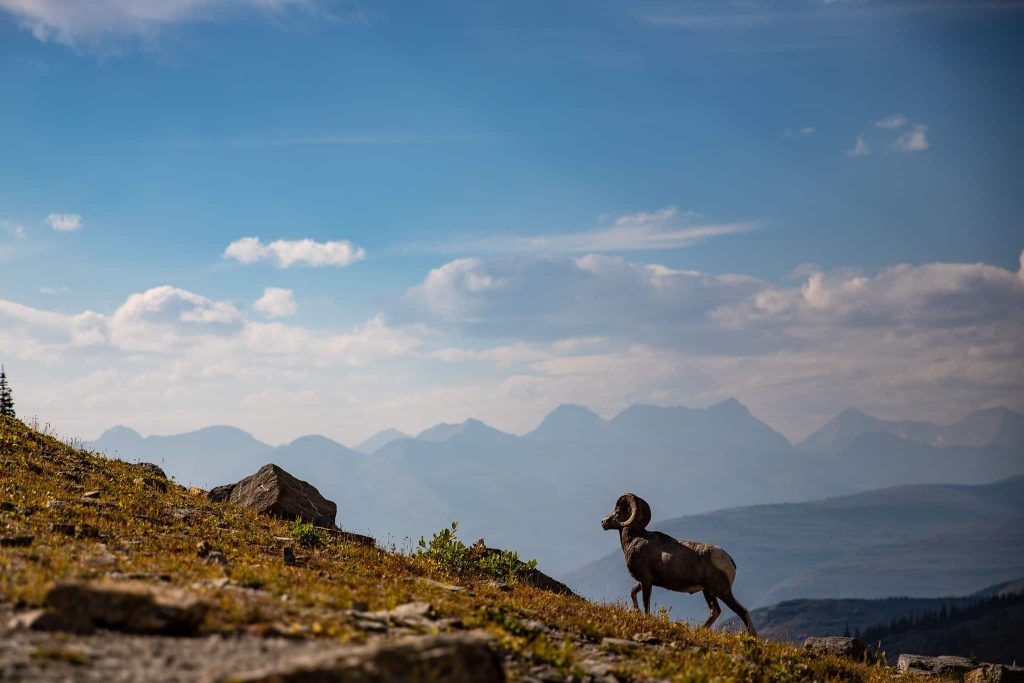
When you think of national parks, the number 63 might seem overwhelming—but in our experience, 10 standout parks consistently deliver the most memorable 2024 adventures. These destinations combine iconic scenery with reliable accessibility, making them great picks for varied schedules and travel budgets.
From the misty redwoods of Redwood National and State Parks to the volcanic drama of Hawaii Volcanoes National Park, these parks offer distinct experiences that appeal to hikers, wildlife lovers, and stargazers alike. We’ve found that planning around shoulder months (April–May and September–October) often reduces crowds while maintaining great weather.
In our experience, the best way to approach a Top 10 list is to pick two “musts” and two “shoulds” for each trip window: one park for high-sun sunrise shots, one for cooler, mellow hikes, and a backup plan if weather shifts. For example, Great Smoky Mountains National Park rewards early starts and flexible itineraries—arrive before 7:00 a.m. to snag parking at popular trailheads, and consider staying in nearby Gatlinburg or Cherokee for easier access.
We also recommend checking the National Park Service’s current advisories and fee updates before you lock dates. Our team routinely cross-checks the NPS trails data and road statuses so you don’t get stuck behind seasonal closures or permit requirements. With a little planning, these 10 parks can anchor a fantastic year of national-park travel.
From our experience, the best pick for 2026 depends on what you want most: awe-inspiring landscape photography, wildlife encounters, or quiet backcountry days. Our top pick is the park that best matches your travel window, but we’ll always tailor a plan that maximizes time on the ground rather than in lines. What’s your 2026 dream park itinerary?
1. Yosemite National Park, California

n
Yosemite National Park is a crown jewel of the Sierra Nevada, famed for granite giants, waterfalls and ancient sequoias.
n
In our experience, the best value for time is to pair valley hikes with sunrise viewpoints—think Mist Trail in the morning and Glacier Point at daybreak if you can swing the drive.
n
We’ve found the valley floor can get crowded; plan to start early, and consider staying in Yosemite Valley or nearby in El Portal for easier access to trailheads.
n
Beyond scenery, the park protects a rich mix of birds, mammals and plant communities. If you’re watching for wildlife, early mornings and near dusk improve your odds.
n
With so much to see, Yosemite remains a must-see—but we pace ourselves to avoid burnout and respect sensitive areas.
n
Highlights
n
n

n
Bridalveil Falls is one of the most awe-inspiring sights in Yosemite.
n
At 2,425 feet tall, it makes a dramatic backdrop for sunrise photography and a quick breeze if you’re chilly.
n
The easy trail to the falls starts near the parking lot and rolls gently for about 0.5 miles round trip.
n
We recommend arriving before 9 a.m. on peak days to avoid bottlenecks and to catch the falls with the early glow.
n
n
n
n
n

n
El Capitan is Yosemite’s iconic granite wall, towering over the valley floor.
n
Rising 3,000+ feet, it’s a magnet for climbers and a dramatic silhouette for sunrise viewpoints from Tunnel View.
n
From the meadow, you can watch ropes shimmer in the late afternoon light and imagine the historic ascents that shaped climbing lore.
n
Tip: park in the Yosemite Valley lot early, then walk the short path to the base for a close-up view without crowds.
n
n
n
n
n

n
Half Dome is Yosemite’s most iconic ascent and a bucket-list item for many hikers.
n
The standard route is an 8-mile round trip from the valley, with a final cable-assisted stretch to the summit. Plan for full-day exposure and weather changes.
n
In our experience, sunrise from Glacier Point or the Mist Trail approach offers the most dramatic views—bring a light rain shell and sturdy footwear.
n
Only permits or guided groups access the final cables in peak season, so check current regulations before planning.
n
n
n
n
n
2. Yellowstone National Park, Wyoming
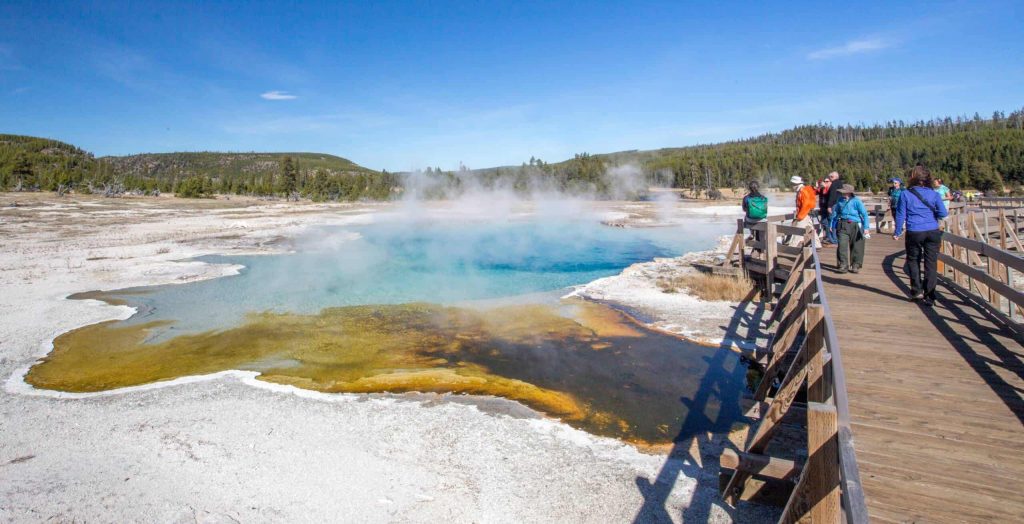
Yellowstone is a world of geysers, canyons, and wildlife, but the real magic is in the small moments you stumble on along the road. In our experience, the best value is to pair a few iconic sights with lesser-visited boardwalks around Midway Geyser Basin and Norris.
Plan smart for Old Faithful and the Upper Geyser Basin: arrive at the playground during opening hours, and expect crowds. We recommend parking at the nearby Old Faithful Inn lot, then walking the boardwalks in a clockwise loop to stay ahead of the biggest groups.
For wildlife lovers, Lamar Valley dawns are often rewarded with wolves, bears, and pronghorn. We’ve found the best viewing from the north loop road near Soda Butte Creek, around daybreak in late spring or early fall when animals are most active and crowds are thinner.
Highlights
.kt-accordion-id3140_245889-1c .kt-accordion-inner-wrap{column-gap:var(–global-kb-gap-md, 2rem);row-gap:10px;}.kt-accordion-id3140_245889-1c .kt-accordion-panel-inner{border-top:0px solid transparent;border-right:1px solid transparent;border-bottom:1px solid transparent;border-left:1px solid transparent;background:var(–global-palette8, #F7FAFC);padding-top:var(–global-kb-spacing-sm, 1.5rem);padding-right:var(–global-kb-spacing-sm, 1.5rem);padding-bottom:var(–global-kb-spacing-sm, 1.5rem);padding-left:var(–global-kb-spacing-sm, 1.5rem);}
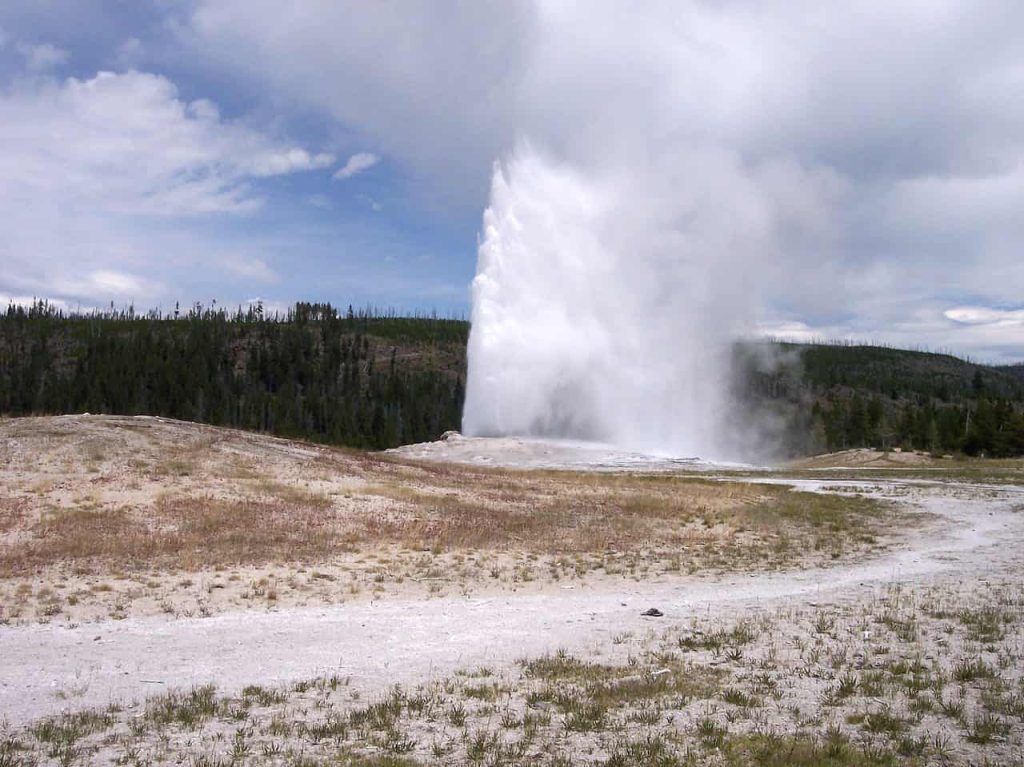
Old Faithful never disappoints, but the real value is timing. In our experience, check eruption intervals at the Old Faithful Visitor Education Center, then position yourself along the boardwalk 10–15 minutes before predicted eruptions for the best show without the crush.
Expect eruptions roughly every 65–92 minutes, with the next one often visible from nearby vantage points. We’ve found the 16th Street overlook just uphill from the Inn provides a quieter line of sight during peak season.
If you’re chasing a longer stay, pair Old Faithful with nearby geysers at Upper Geyser Basin for a compact, high-efficiency morning loop.
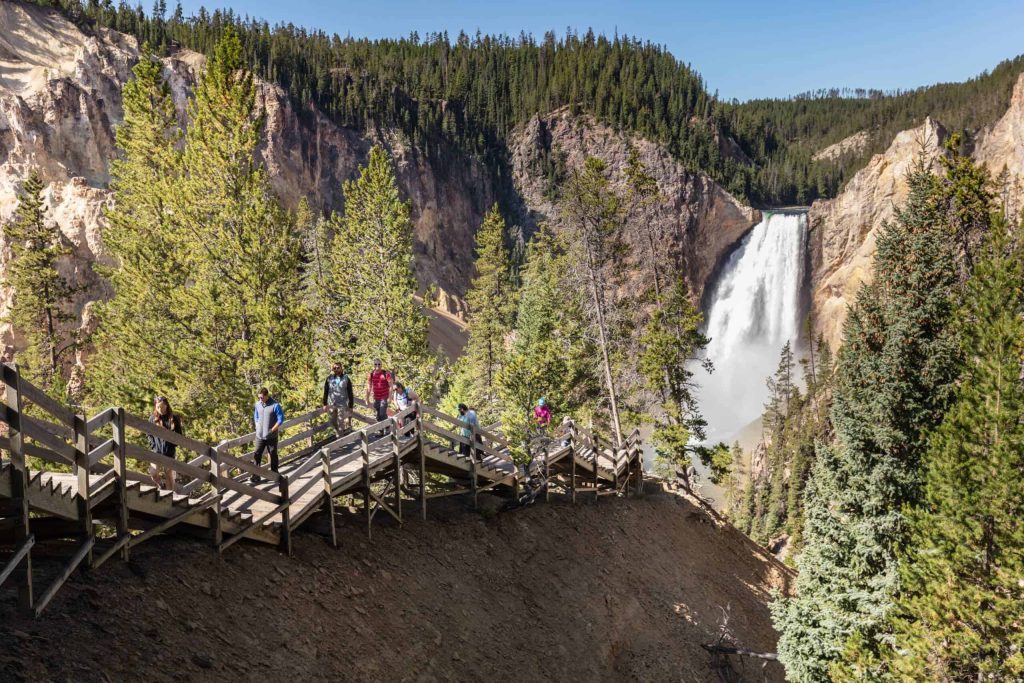
The Grand Canyon of Yellowstone rewards patience and a little hiking. In our experience, the best views come from Inspiration Point and Uncle Tom’s Point, where the canyon’s colors glow during late morning light.
Human-scale trails let you feel the geology up close without committing to long, strenuous climbs. We recommend starting at the North Rim for sunrise views, then looping to the South Rim via the Maah Daah notches for a compact half-day itinerary.
Expect dramatic vistas, roaring waterfalls, and chances to spot elk along the rim corridors—especially in spring and fall when wildlife movement increases.

Grand Prismatic Spring is a color-surprise you can’t miss, nestled near Midway Geyser Basin. We’ve found the best photo ops come from the overlook behind the parking lot, where the steam swirls with the rainbow rings in full view.
To avoid crowds, visit on weekday mornings and bring a compact tripod if you want to capture long-exposure shots of the steam. The boardwalk loop is short, but the crowds can be thick in peak season—plan a 30–45 minute detour here and then move on to other sights.
Its immense size and shifting hues—from turquoise to deep orange—make Grand Prismatic one of Yellowstone’s most photographed wonders. We recommend a late-afternoon visit for the richest colors as the sun angles shift.
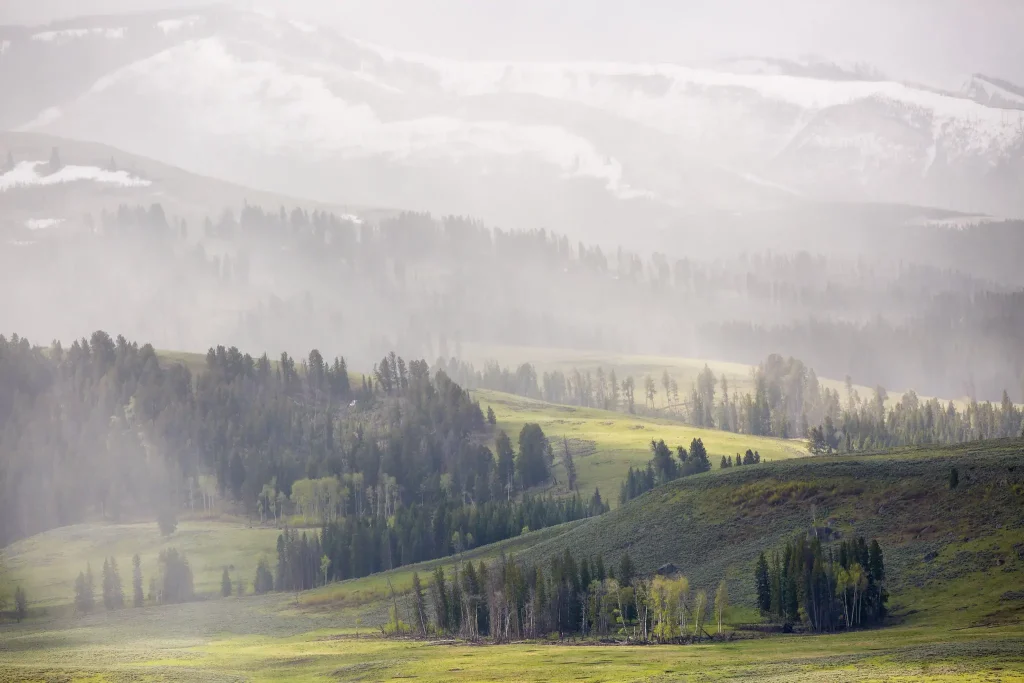
Lamar Valley is where many of us keep coming back for wildlife watching. In our experience, early mornings deliver the best opportunities to see bison, elk, pronghorn, wolves, and even grizzly tracks along the river flats.
Bring a pair of binoculars and a thermos of hot coffee; the light can be crisp, and the valley smells of pine after a night frost. We’ve found the Lamar Road pullouts just east of Tower Junction to be the quietest spots for patient, long-range viewing.
While the valley is superb for wildlife, it’s not a guaranteed spectacle every visit. If bears or wolves aren’t active, you still get stunning scenery: rolling hills, conifer forests, and a backdrop of the Continental Divide.
3. Glacier National Park, Montana
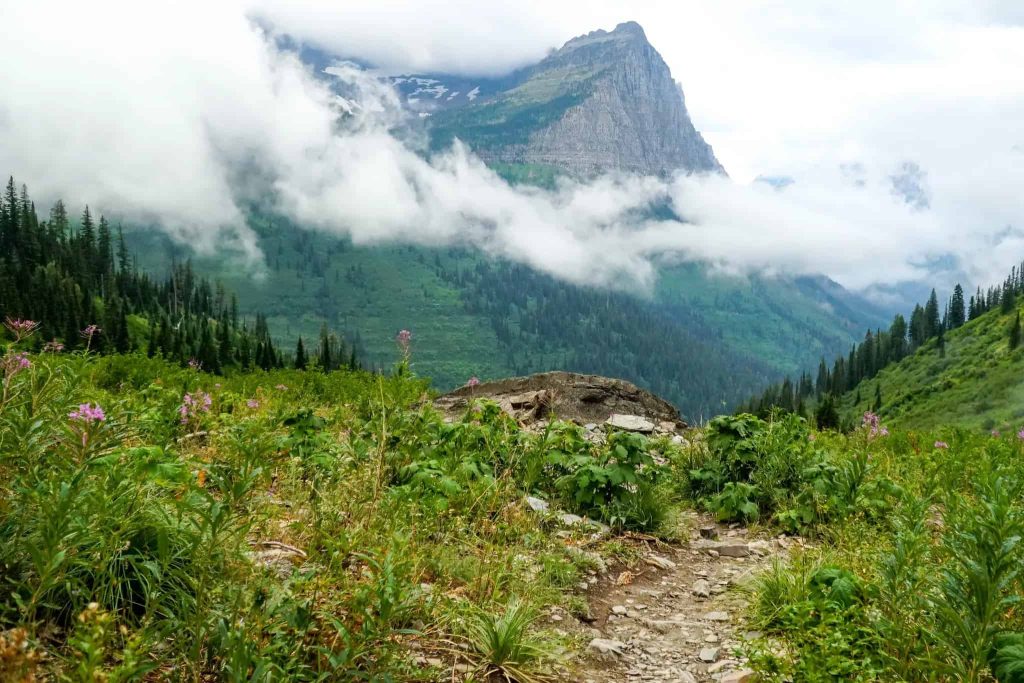
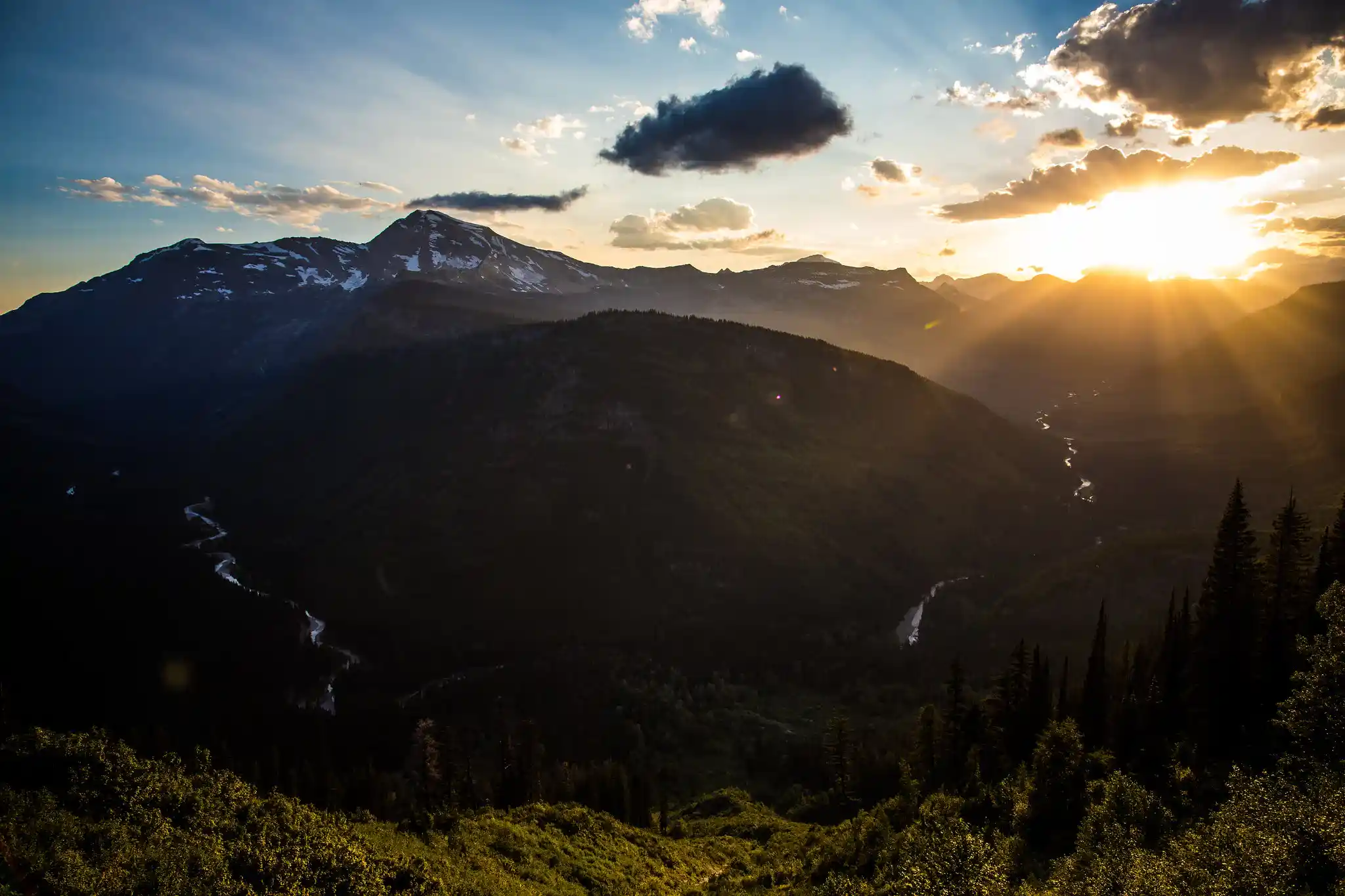
Glacier National Park never fails to spark awe, but the real magic is in how you experience it. In our experience, the best first day is spent around Lake McDonald and along Going-to-the-Sun Road at dawn. The light, the silence, and the reflections are priceless before crowds arrive.
Glacier’s landscapes shift with the weather, from emerald lakes to granite peaks. We’ve found the easiest way to plan is to pick two must-see, ranger-recommended viewpoints and then build a flexible buffer for wildlife sightings and short hikes.
Highlights
Lake McDonald anchors the west side with a deep, glassy shoreline and accessible trails. Hidden Lake Overlook rewards those willing to climb a half mile for panoramic views of mountains and a close encounter with alpine meadows. Going-to-the-Sun Road delivers alpine vistas and a taste of Glacier’s vast scale, best savored with light traffic and timing around sunrise.
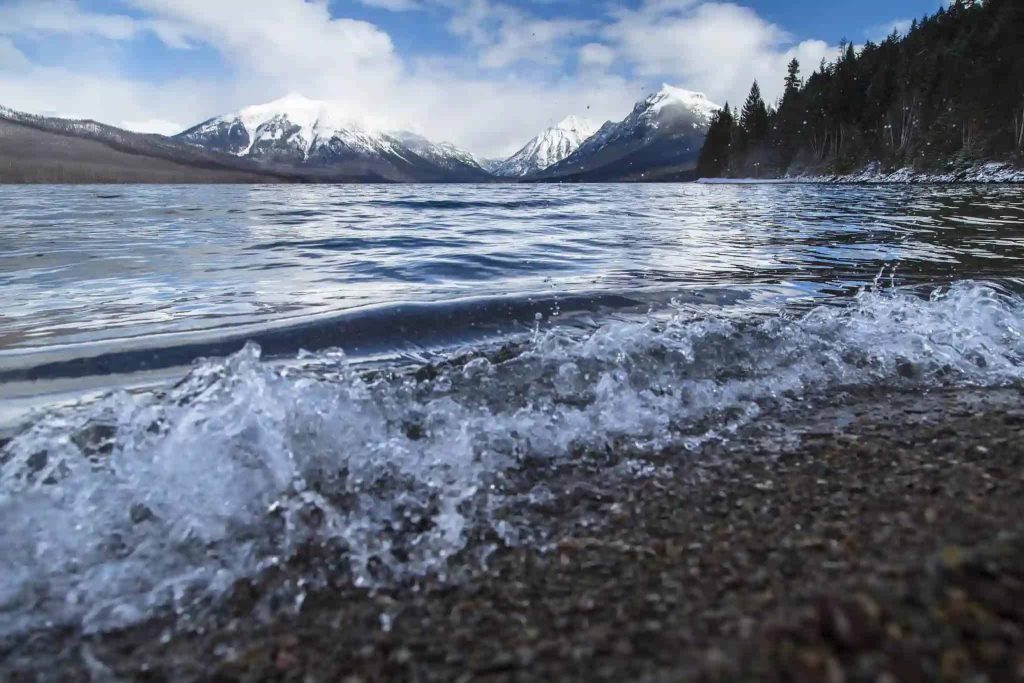
Lake McDonald is a stunning glacial lake in Glacier National Park, located in the Flathead Valley region of Montana. In our experience, the best sunrise starts here with glassy water and mirror-like reflections.
At about 9 square miles in surface area and depths up to 472 feet, it’s the park’s largest lake and a perfect base for easy lakefront walks and family-friendly paddling.
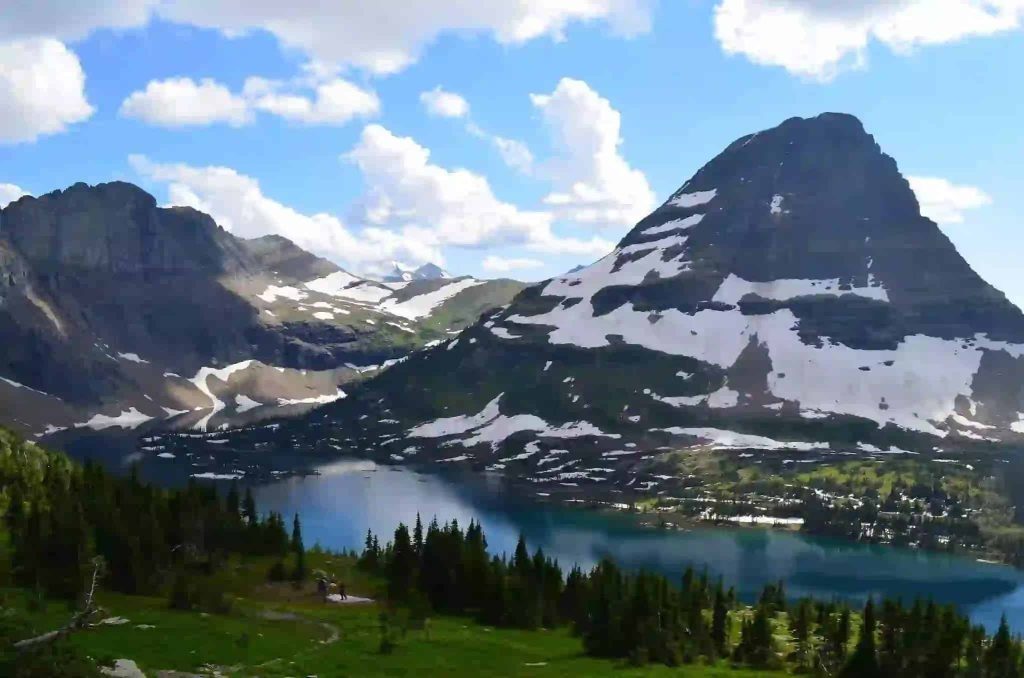
Hidden Lake Overlook delivers one of Glacier’s most iconic mountain-to-lake panoramas. We recommend timing the hike for late afternoon light for the best contrasts between snowfields and wildflowers.
The half-mile return hike to the overlook is doable for many, but the final switchbacks reward those who push a bit farther toward the lake’s edge for a more intimate view of the surrounding peaks.
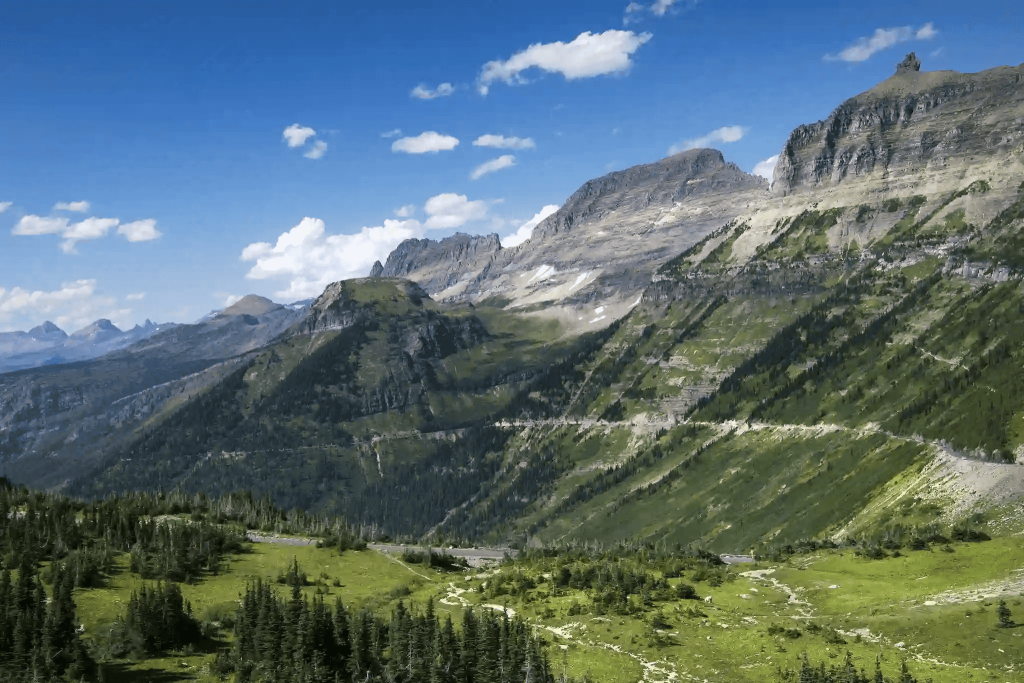
Going-to-the-Sun Road is arguably Glacier’s crown jewel. In our experience, plan to start early, and allow 2–3 hours for the most scenic pullouts between Logan Pass and St. Mary.
We’ve found the best approach is to pick one or two favorite overlooks and ride the rest at a relaxed pace, letting the road reveal its hidden gems without rushing through it.
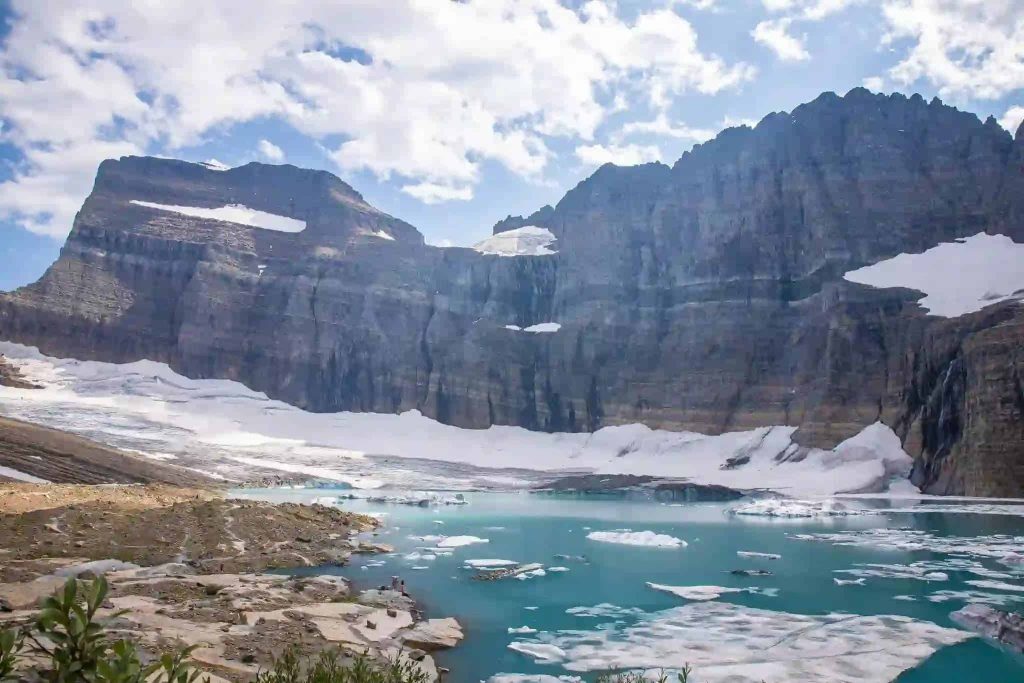
Grinnell Glacier remains a dramatic sight in Glacier’s Lewis Range. We’ve watched the front shrink by nearly a mile since early surveys, making it a sobering reminder of glacier retreat.
The hike to the lookout is moderate but the payoff—crystal blue ice and expansive alpine scenery—feels almost unreal. If you have a long day, pair this with a picnic at the hide-tide meadow nearby for a true Glacier moment.
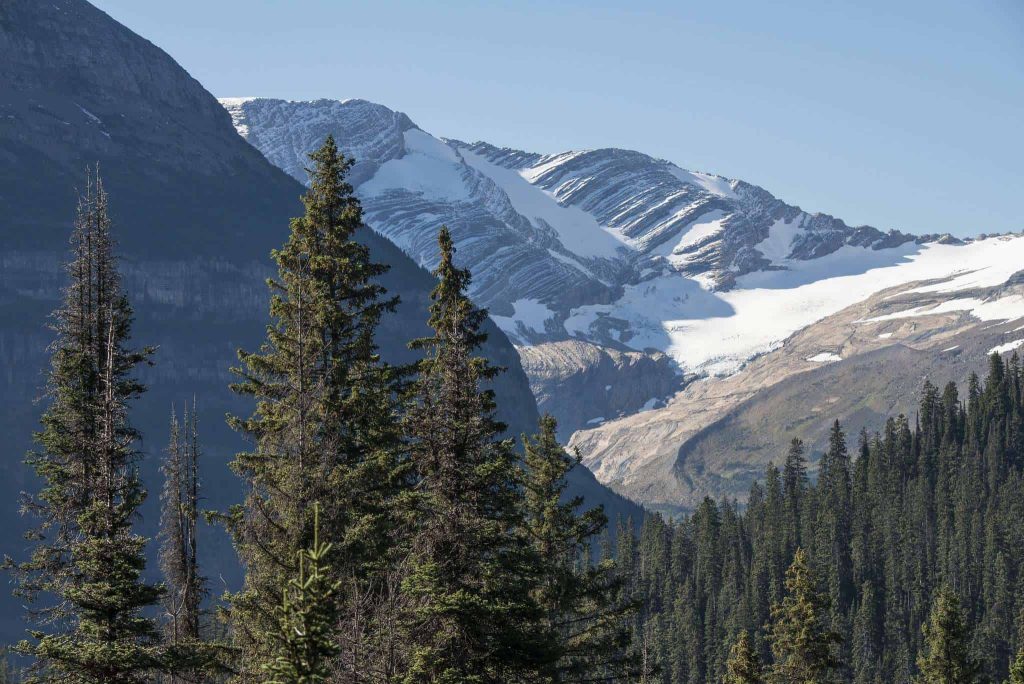
Jackson Glacier Overlook offers one of Glacier’s most dramatic viewpoints with ample parking and easy access from Going-to-the-Sun Road. In our experience, this is a reliable spot for sunset photos without the crowds at higher overlooks.
We recommend arriving before 6:30 p.m. to secure parking and give your eyes time to adjust to the alpine light. Bring a jacket—the valley can drop several degrees after sundown, even in summer.
4. Zion National Park, Utah
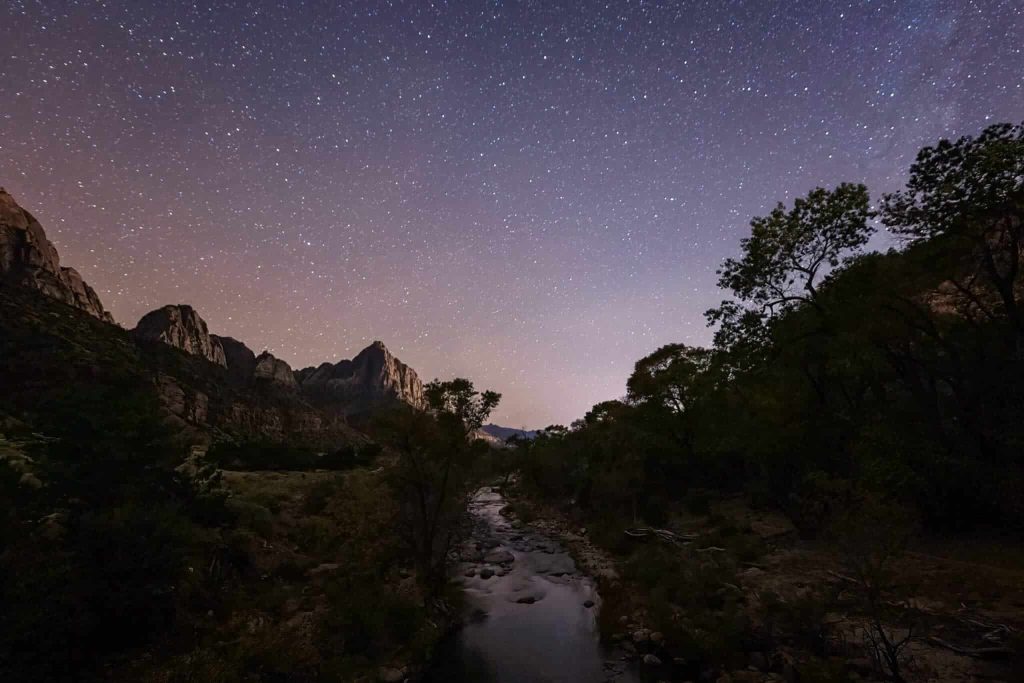
Zion National Park is not just a postcard—it’s an immersive canyon experience. In our experience, the best time to start is sunrise from the Canyon Junction Trailhead lot to avoid the late-morning crowds.
We recommend prioritizing The Narrows and Angels Landing early in the day; parking fills quickly and shuttle wait times can spike. For a quieter option, try the Emerald Pools area after 4 p.m. when temperatures drop and wildlife activity picks up.
According to NPS data, Zion’s foot traffic peaks in May–September, so plan midweek visits if possible. In our last visit, we found the Watchman Trail for a shorter, rewarding sunset hike with sweeping canyon views.
Angels Landing remains the crown jewel for adrenaline seekers, but be prepared: the final fin is exposed and hands-on chains are a must. We’ve found starting from the Grotto Trailhead offers a bit more morning shade and lighter crowds.
For those chasing a classic Zion experience without the crowds, the Riverside Walk grants a serene river route that remains cooler in late spring. Bring sturdy water shoes if you plan to wade near the Narrows entrances—conditions vary by season.
From our experience, Zion rewards those who mix iconic highlights with mindful pacing and early starts. If you’re choosing one must-do, we recommend Angels Landing for the thrill, but plan a backup day for Observation Point or The Narrows if weather or crowds push the day into the afternoon.
Highlights
.kt-accordion-id3140_11b6b3-8e .kt-accordion-panel-inner{border-top:0px solid var(–global-palette8, #F7FAFC);border-right:1px solid var(–global-palette8, #F7FAFC);border-bottom:1px solid var(–global-palette8, #F7FAFC);border-left:1px solid var(–global-palette8, #F7FAFC);background:var(–global-palette8, #F7FAFC);padding-top:var(–global-kb-spacing-sm, 1.5rem);padding-right:var(–global-kb-spacing-sm, 1.5rem);padding-bottom:var(–global-kb-spacing-sm, 1.5rem);padding-left:var(–global-kb-spacing-sm, 1.5rem);}
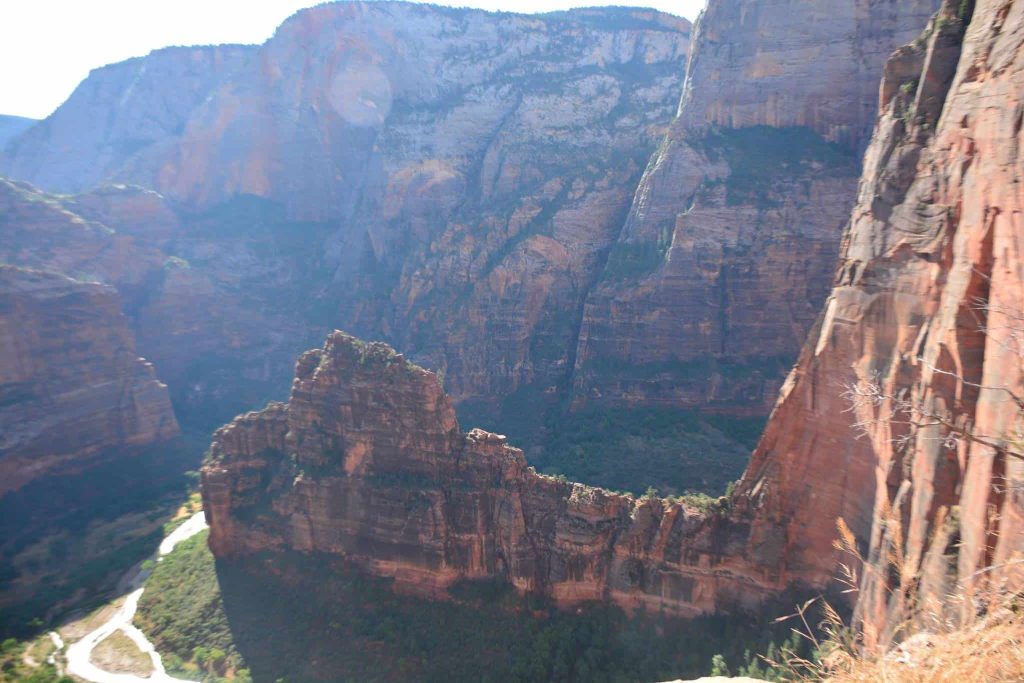
Angels Landing is an iconic, bucket-list hike, but it’s not a casual stroll. We suggest starting from the Weeping Rock Trailhead before 6:30 a.m. to beat heat and crowds.
Expect a strenuous 4–5 hour round trip with a final 1/4 mile of exposed, chain-assisted ridge travel. Always carry at least 1.5 liters of water per person and wear gloves for the handrails.
In our experience, the view from the top is worth the effort, especially at sunrise when the canyon glows. If you’re visiting in peak season, consider reserving a second day for Observation Point for a different perspective.
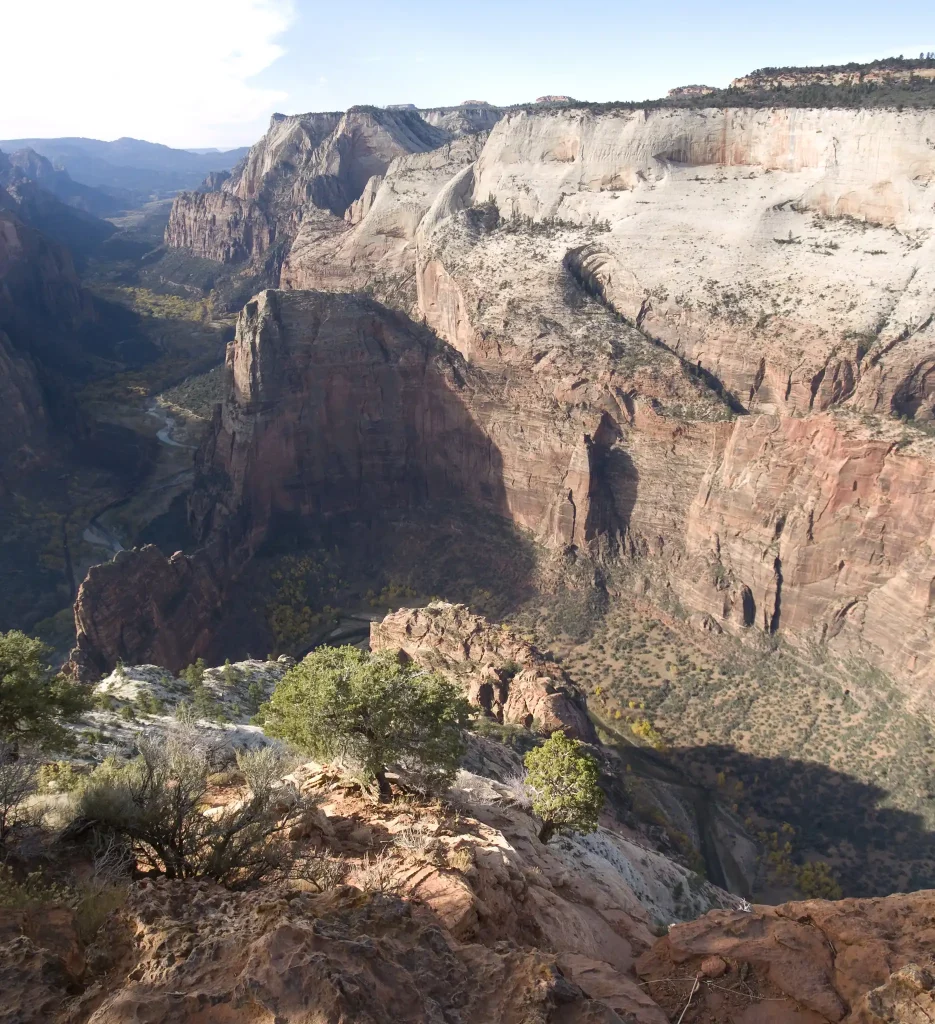
Observation Point delivers one of Zion’s most sweeping, high-alpine-style views. We usually start from the East Mesa Trailhead before dawn to catch the first light on the canyon walls.
The climb is steep but well-marked; plan for 2.5–3.5 hours round trip depending on your pace. If you’re pressed for time, a sunset hike provides a magical glow on the sandstone cliffs.
Water and rest breaks matter here—carry 2 liters per person in warm months. In our experience, the payoff is a 360-degree panorama that rarely disappoints.
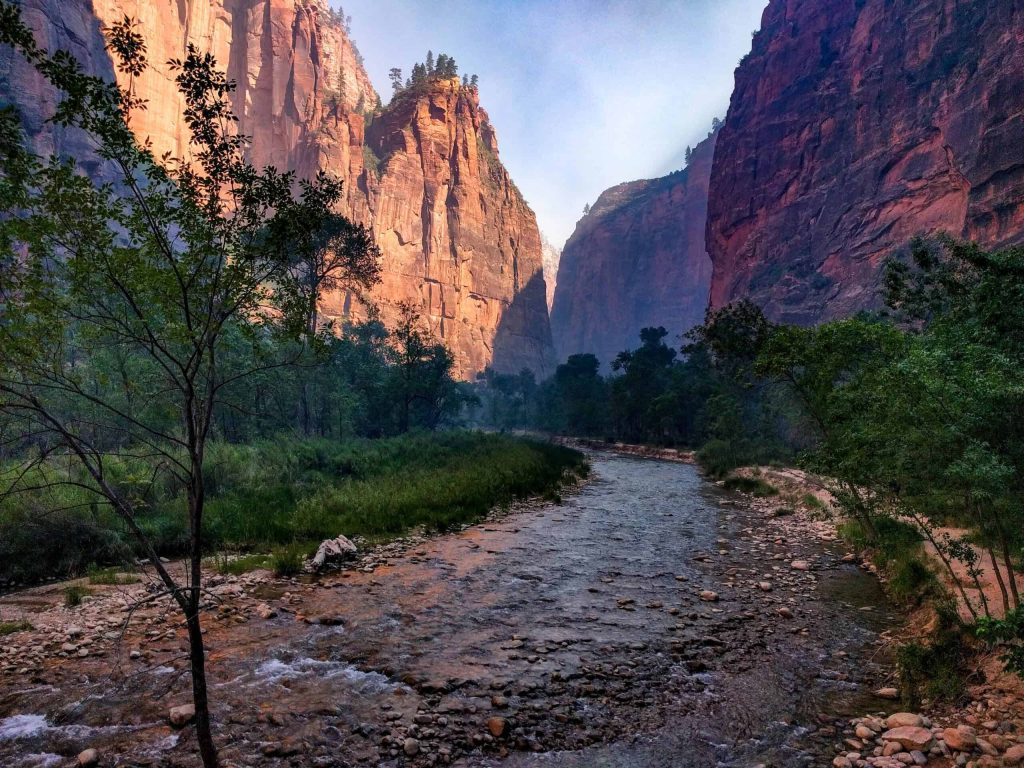
The Narrows is one of the world’s most stunning canyon hikes, powered by the Virgin River. In our experience, the Riverside Walk is just the starter—get your gear ready for a Half Mile or top-down adventure if water levels allow.
Expect water-wading, slick rocks, and dramatic walls that rise thousands of feet above you. Check weather and river flows the day before; high water can close sections or require a ranger-led permit. We’ve found late spring and fall offer the best mix of flow and light.
Bring shoes with solid traction and a lightweight dry bag for essentials. With patience, the Narrows delivers memories you’ll still be talking about years later.
5. Rocky Mountain National Park, Colorado
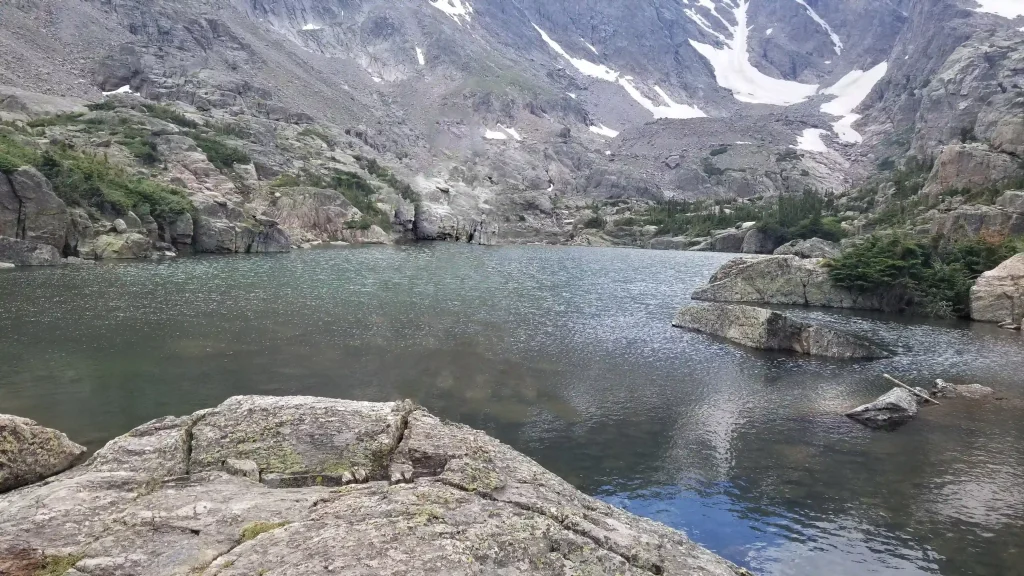
In our experience, Sky Pond is the crown jewel of Glacier Gorge. The 4.6-mile round-trip hike challenges you with rocky sections, but the payoff is a turquoise pool framed by 13,000+ peaks.
Pro tip: start at the Glacier Gorge trailhead early, and plan for a shaded ascent in the first mile to beat afternoon sun. We recommend crossing the timber suspension bridge before the final scramble for the best views.
From wildflower meadows to crystal-blue water, Sky Pond never disappoints—just come prepared for elevation and changing weather.
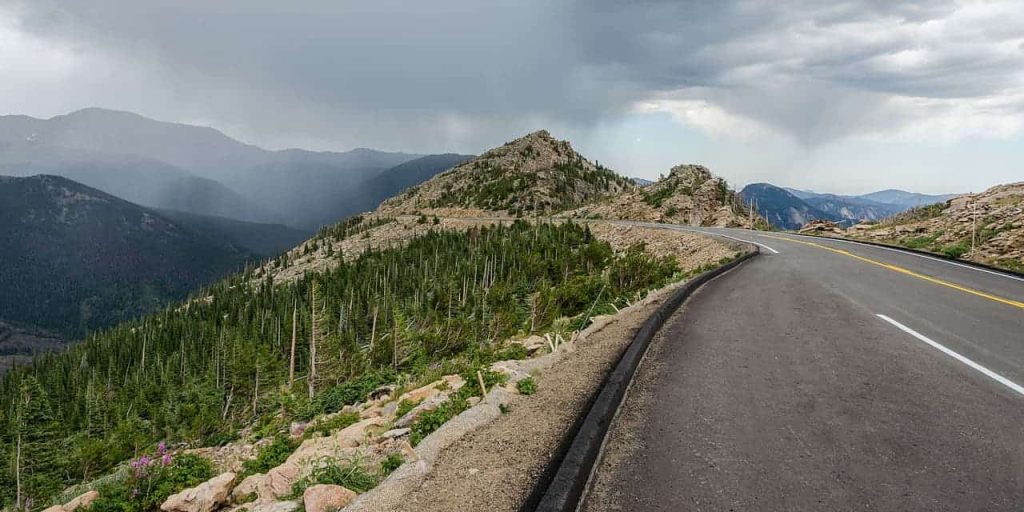
We love Trail Ridge Road for a high-elevation driving day. It tops out at 12,183 feet, with pullouts that offer sweeping views of Longs Peak and the Continental Divide.
Tip: go early or late in the day to avoid tour-bus crowds, and give yourself at least 2–3 hours for nonstop photo opportunities. Wildlife sightings—elk, marmots, and pikas—are common in late spring and summer, so keep your lens ready.
Weather can change quickly; check current conditions with NPS before heading out. In our experience, a quick dash to the Alpine Visitor Center for a hot drink is a nice break on a chilly ridge.
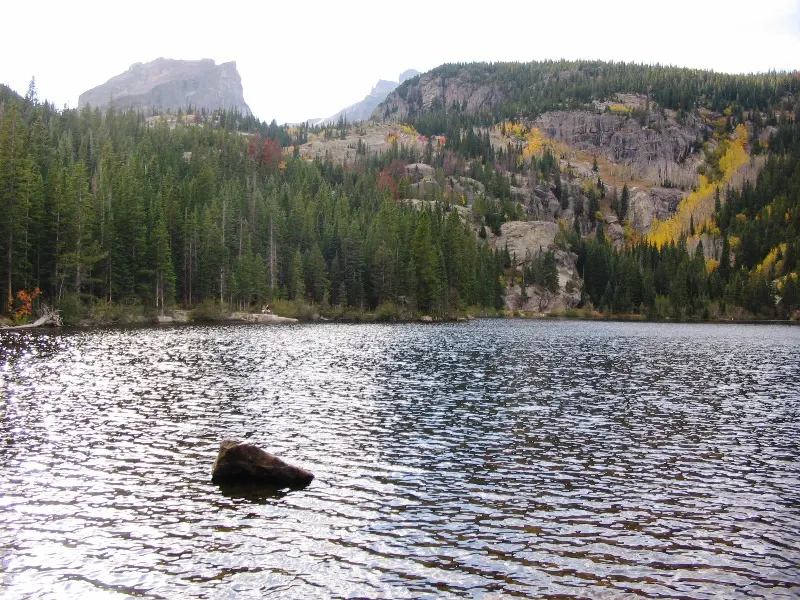
Bear Lake is a classic RMNP starter hike, perched at 9,500 feet with Hallett Peak looming nearby. We’ve found dawn walks here are calmer and the reflections are pristine on the calm mornings.
If you’re visiting in summer, arrive before 8 a.m. to snag parking at the Bear Lake Trailhead without fighting crowds. The loop around the lake is short, but the surrounding scenery makes it worth lingering for late-morning shade and wildlife watching.
We often pair Bear Lake with an ascent toward Dream and Emerald Lakes later in the day for a longer alpine experience.
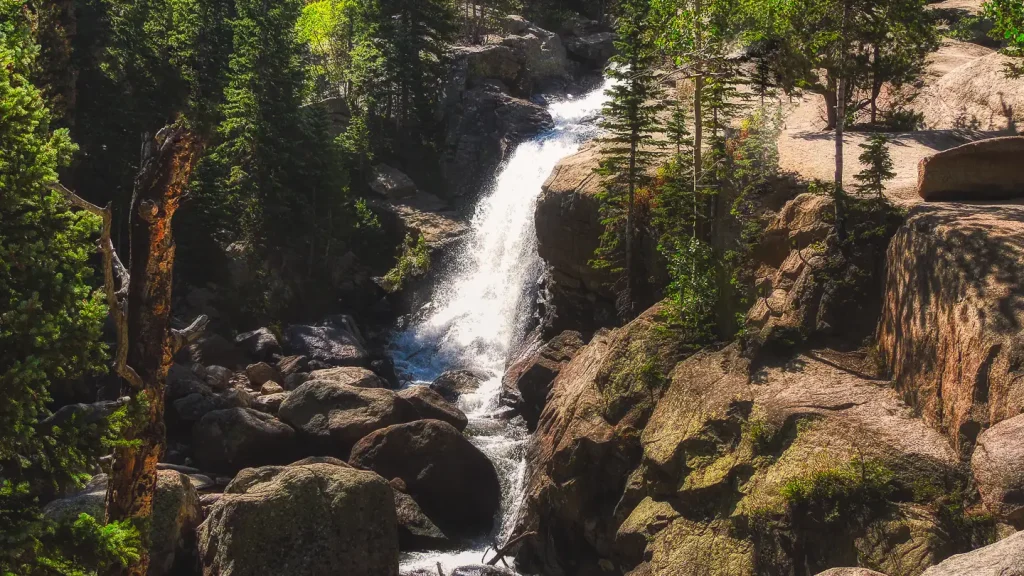
Alberta Falls remains one of RMNP’s most-loved gems. We’ve found the 30-foot drop feels especially dramatic after a light rain when the pool is full and lively.
The hike is short but gains elevation steadily, so pace yourself and hydrate. We typically start at dawn to hear the falls before the crowds arrive and to catch the first sun on the pool.
Whether you’re chasing a quick nature fix or setting up a longer Rocky Mountain day, Alberta Falls is the perfect anchor for a RMNP itinerary.
6. Grand Canyon National Park, Arizona
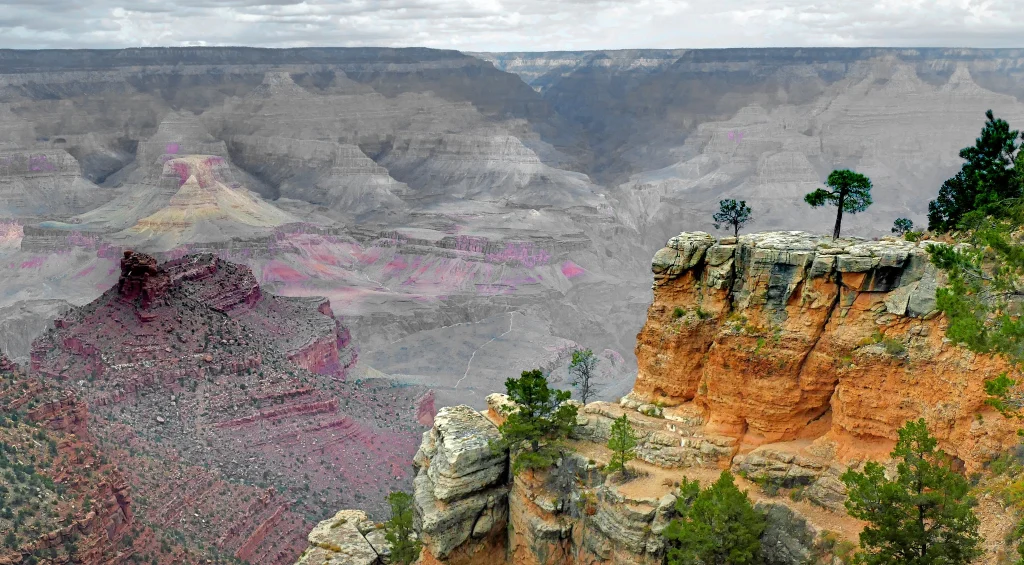
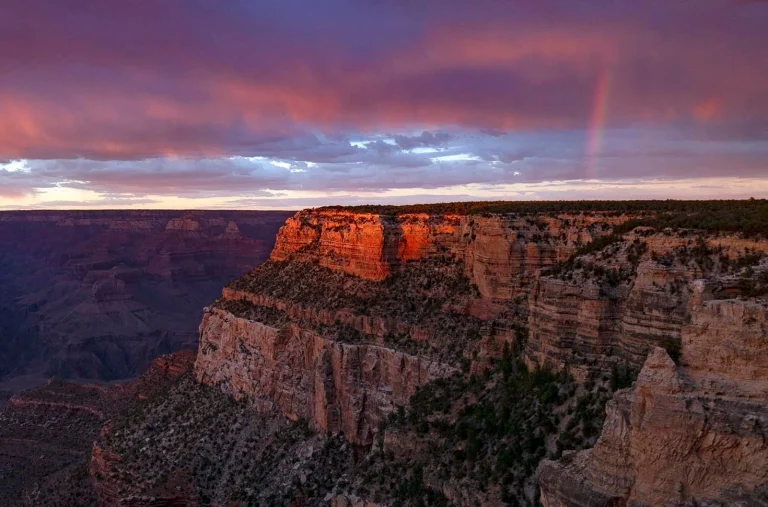
Grand Canyon National Park is a bucket-list marvel we return to year after year. In our experience, the South Rim is the most accessible for first-time visitors, with iconic viewpoints just a short walk from the parking lot at Mather Point.
Located in Arizona along 277 miles of the Colorado River, the park spans nearly two million acres of diverse terrain. We recommend planning multiple viewpoints on the South Rim and a half-day hike into the Bright Angel Trail for a taste of canyon depth without committing to a multi-day trek.
From our visits, the canyon’s layered sandstone reveals shift with the light, offering dramatic photo opportunities at sunrise and sunset. White-water rafting the Colorado River or a mule trip are classic options, but book well in advance—permits for Havasu Falls and some NPS programs fill quickly.
Whether you seek awe-inspiring scenery or a family-friendly scenic drive, Grand Canyon National Park delivers, with unique experiences on both the South and North Rims.
Highlights
.kt-accordion-id3140_a3d104-68 .kt-accordion-inner-wrap{column-gap:var(–global-kb-gap-md, 2rem);row-gap:10px;}.kt-accordion-id3140_a3d104-68 .kt-accordion-panel-inner{border-top:0px solid var(–global-palette8, #F7FAFC);border-right:1px solid var(–global-palette8, #F7FAFC);border-bottom:1px solid var(–global-palette8, #F7FAFC);border-left:1px solid var(–global-palette8, #F7FAFC);background:var(–global-palette8, #F7FAFC);padding-top:var(–global-kb-spacing-sm, 1.5rem);padding-right:var(–global-kb-spacing-sm, 1.5rem);padding-bottom:var(–global-kb-spacing-sm, 1.5rem);padding-left:var(–global-kb-spacing-sm, 1.5rem);}@media all and (max-width: 1024px){.kt-accordion-id3140_a3d104-68 .kt-accordion-panel-inner{border-top:0px solid var(–global-palette8, #F7FAFC);border-right:1px solid var(–global-palette8, #F7FAFC);border-bottom:1px solid var(–global-palette8, #F7FAFC);border-left:1px solid var(–global-palette8, #F7FAFC);}}
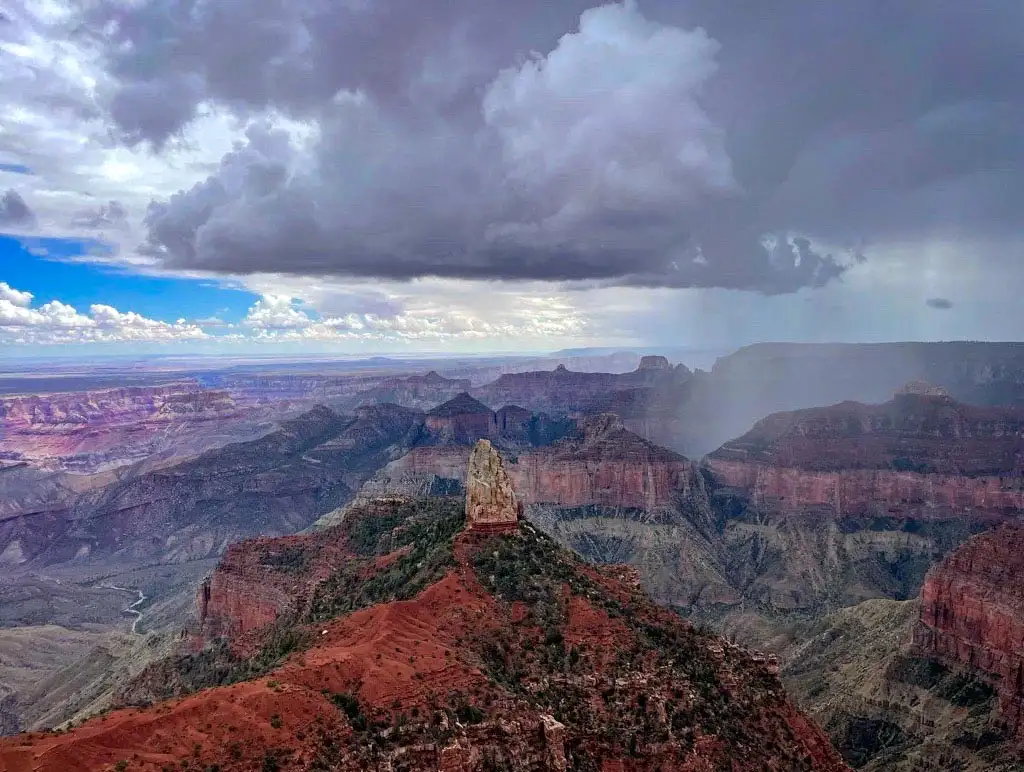
The North Rim steals the show with dramatic, less-crowded vistas and evergreen-draped canyon walls. In our experience, it’s worth the longer drive from desert towns to catch the quiet, 9,000-foot-plus elevations early in the day.
Plan a 2–3 mile rim walk or combine with a sunrise at Point Imperial for color that rivals the south side at a fraction of the crowds. We recommend camping at the North Rim Campground if you want a true high-country experience, but book far in advance—spots fill fast in peak season.
Even in shoulder season, be prepared for cooler temps and possible road closures due to snow. We’ve found February and May to be excellent for solitude and good visibility, weather permitting.
For safety and access, check official NPS road statuses before you go; the North Rim is typically closed in winter due to snow and requires advance planning for park entry and lodging.
For a truly memorable canyon experience, the North Rim is our recommended counterpoint to the more popular South Rim. In our experience, it’s the quiet heart of Grand Canyon exploration.
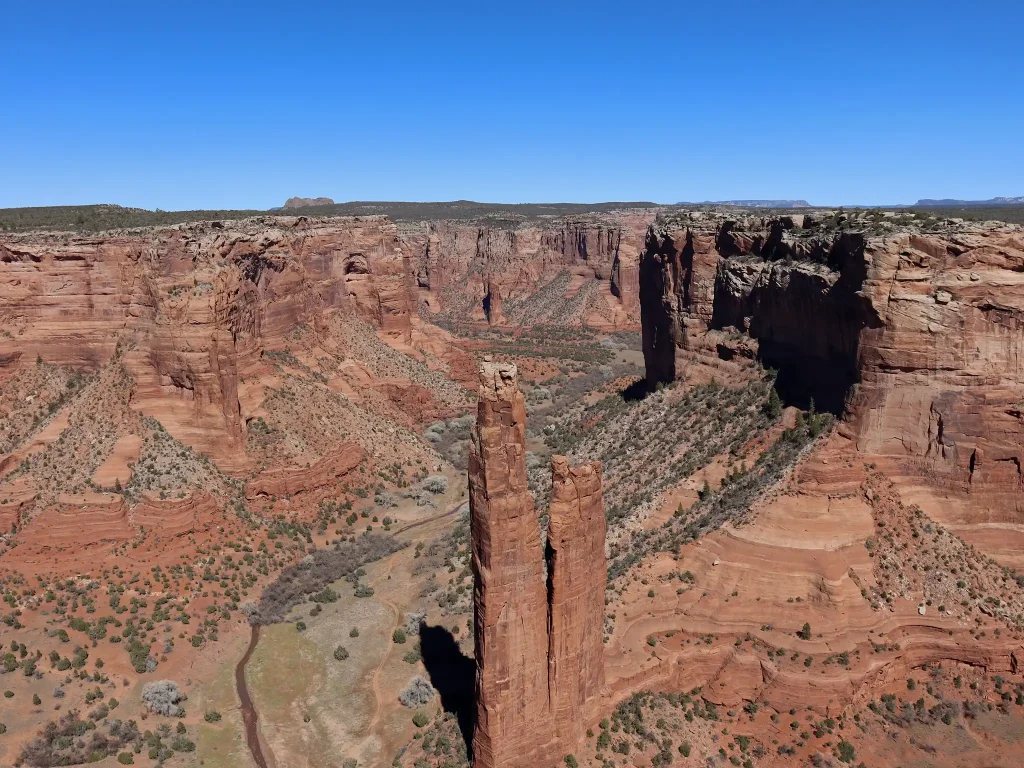
The South Rim delivers the classic Grand Canyon experience—vast, panoramic views and easily accessible trailheads. We’ve found the Grand Canyon Village area to be the most convenient for families, with plenty of viewpoints within a short walk from parking.
With a network of trails along the rim, you can mix easy strolls with longer overlooks like Yavapai Point and Hopi Point. We recommend timing your visit for sunrise or sunset when the light makes the canyon glow and crowds thin out after 6 p.m.
lodging ranges from campgrounds to lodges, so plan to book early if you’re visiting peak season. Wildlife is common here; carry bear spray where required and store food properly at night.
For a balanced day, pair a mellow Rim Trail hike with a stop at the Kolb Studio to learn park history. In our experience, the South Rim offers the most reliable accessibility and iconic views, making it a must-do on any Grand Canyon itinerary.
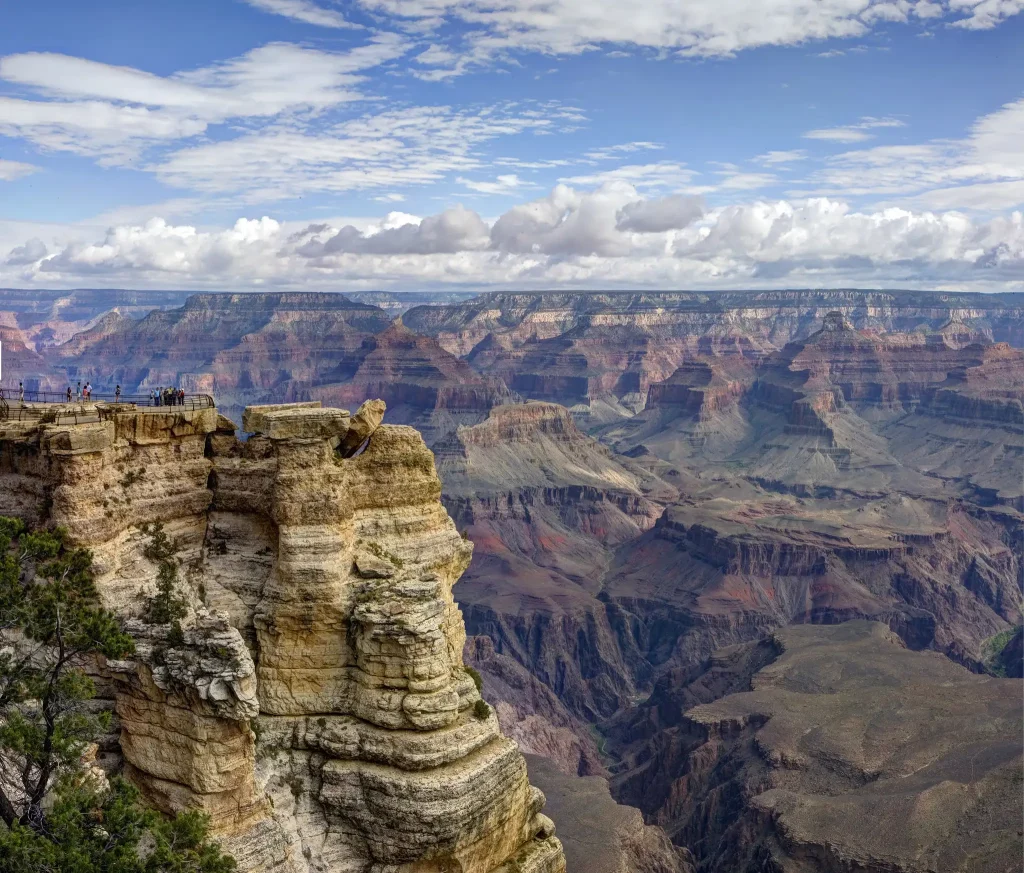
Mather Point sits on the South Rim, offering one of the canyon’s most famous overlooks. In our experience, this is the best spot for a first-time panorama, especially at sunrise when the valley blushes pink.
It’s a great launchpad for short walks to nearby viewpoints like Powell Point or the Trail of Time exhibit. We’ve found parking here can fill up fast, so arrive early and consider riding the free shuttle to avoid circling the lot.
Historically significant and visually stunning, Mather Point is a reliable, must-do stop for any Grand Canyon itinerary.
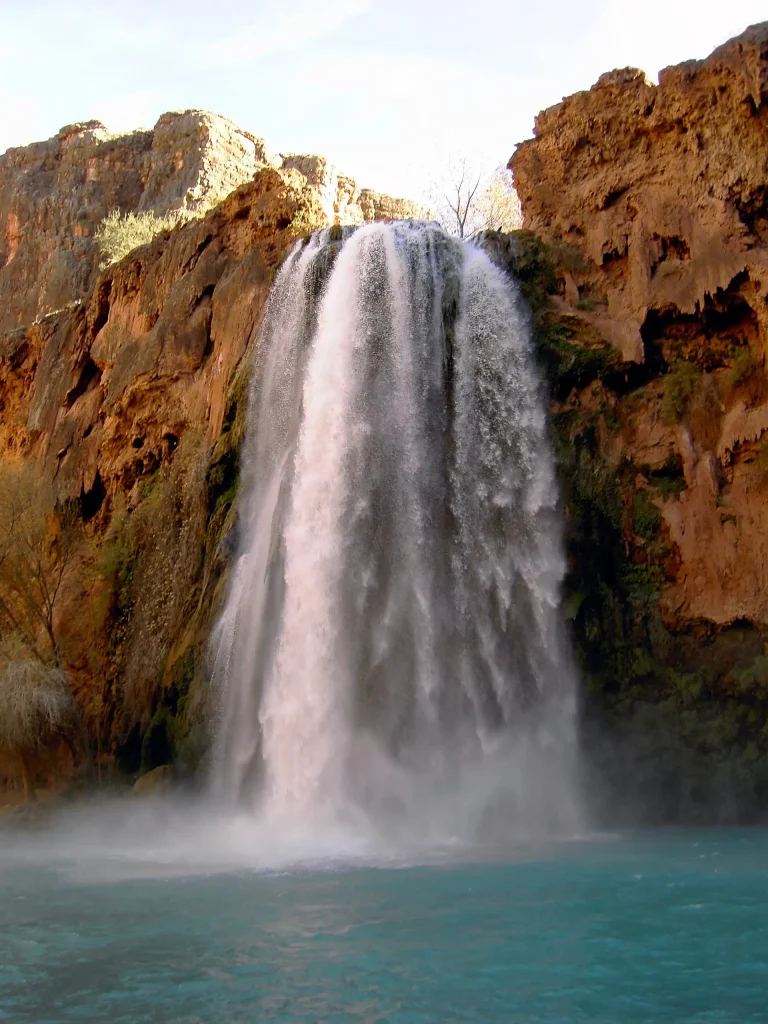
Havasu Falls is one of the most striking spectacles in the park, with a 110-foot cascade feeding turquoise pools. In our experience, the canyon’s blue-green water looks even more magical after a warm afternoon hike.
Access requires a permit between February 1 and November 30, and the trek is about 10 miles round trip each way. We’ve found the permit process is competitive—apply early in the year and consider a guided trip if you want a smoother planning experience.
Plan ahead for weather and logistics; winter entries are limited and summer days demand sturdy footwear and plenty of water. Havasu Falls is absolutely worth the effort for those chasing a dramatic, remote canyon immersion.
7. Olympic National Park, Washington
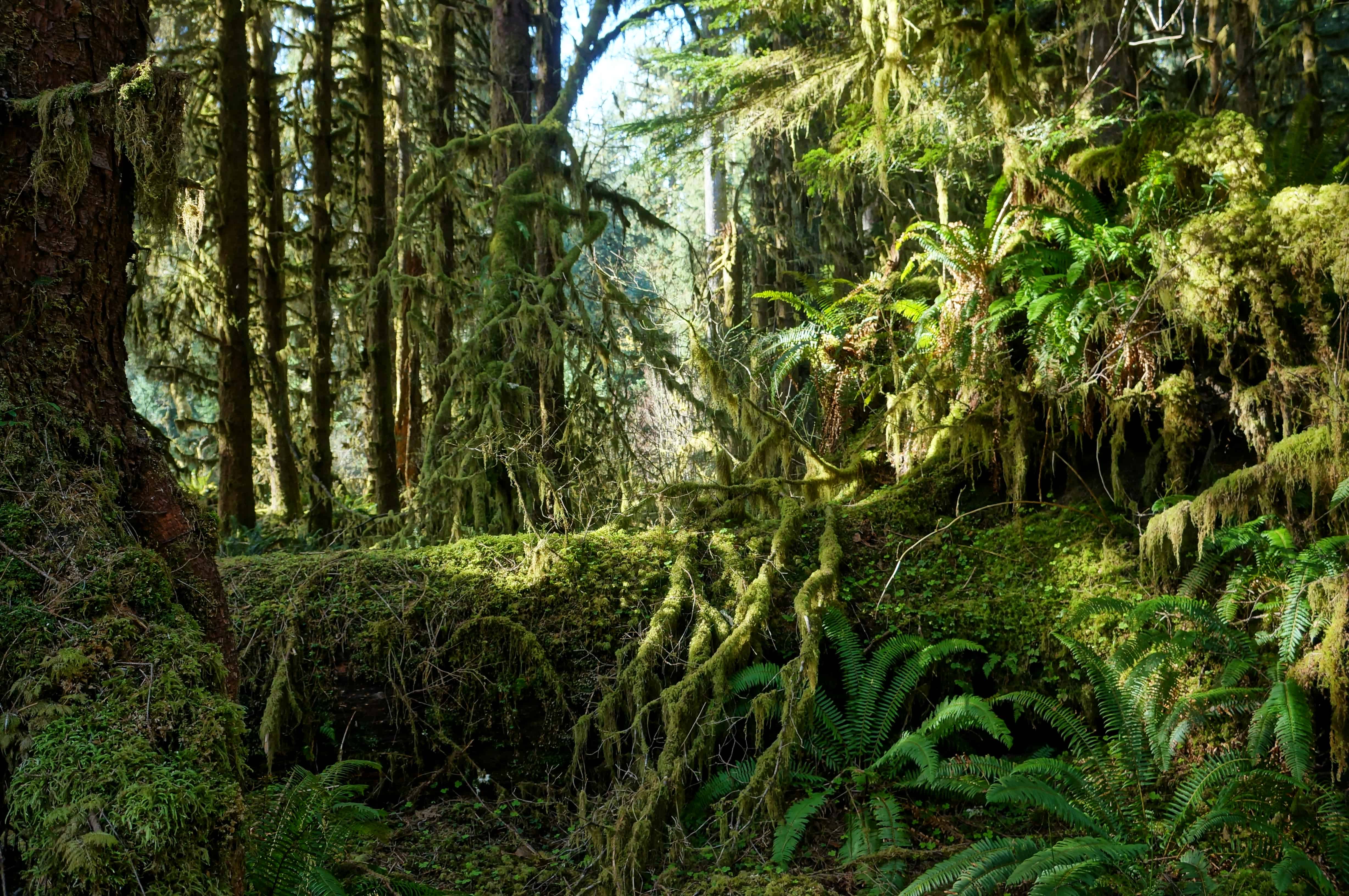
The Hoh Rainforest is a must-see in Olympic National Park. In our experience, the Hall of Mosses Trail (0.8 miles) is perfect for families and first-time visitors. Park at the Hoh Visitor Center lot early to snag a spot—parking can fill by mid-morning in peak season.
Look for Sitka spruce and western hemlock draped in moss, and keep an eye out for the shy Pacific wrens that call this canopy home. The loop is flat and stroller-friendly, making it a great intro to Olympic’s lush interior.
Pro tip: visit during midweek and after a light rain for extra ferns and brighter moss carpets. We’ve found the easy boardwalks here are top-notch for slow, immersive exploration.
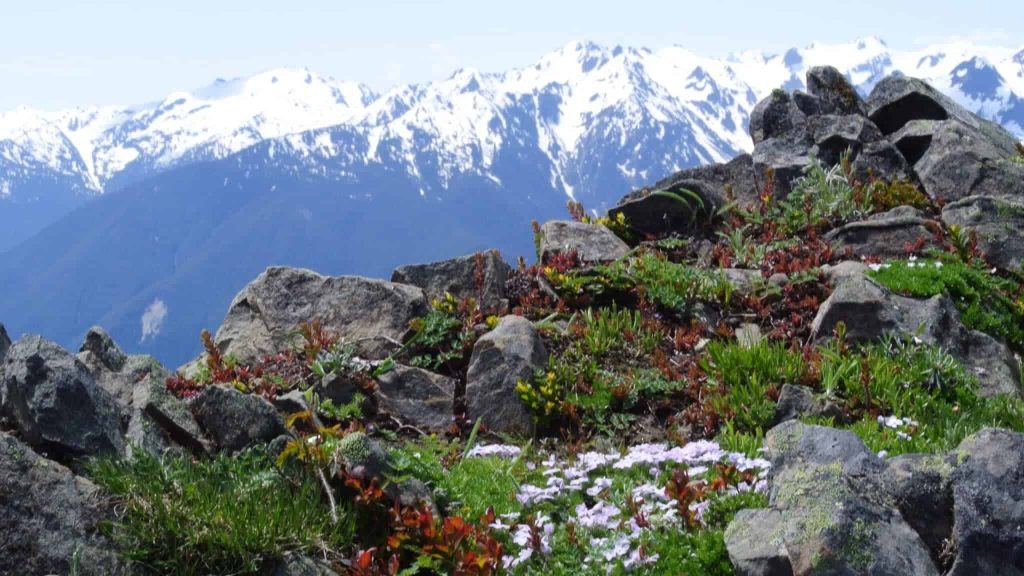
Hurricane Ridge lives up to its name with striking, panoramic views at 5,242 feet. In our experience, the summit road is usually open July through October, but check the Nisqually Visitor Center for current status—the road can close with early-season snow on our last visit.
Plan to arrive at the Hurricane Ridge Visitor Center parking lot before 9 a.m. to beat crowds. On clear days, you’ll see the Olympic Range, the Strait of Juan de Fuca, and sometimes the San Juan Islands from the ridge.
Winter access is limited to snowshoeing and cross-country routes; ice can linger into late spring, so bring traction devices if you’re visiting shoulder seasons. We recommend bundling a thermos of coffee for sunrise vistas—the light can transform the mountainscape in minutes.
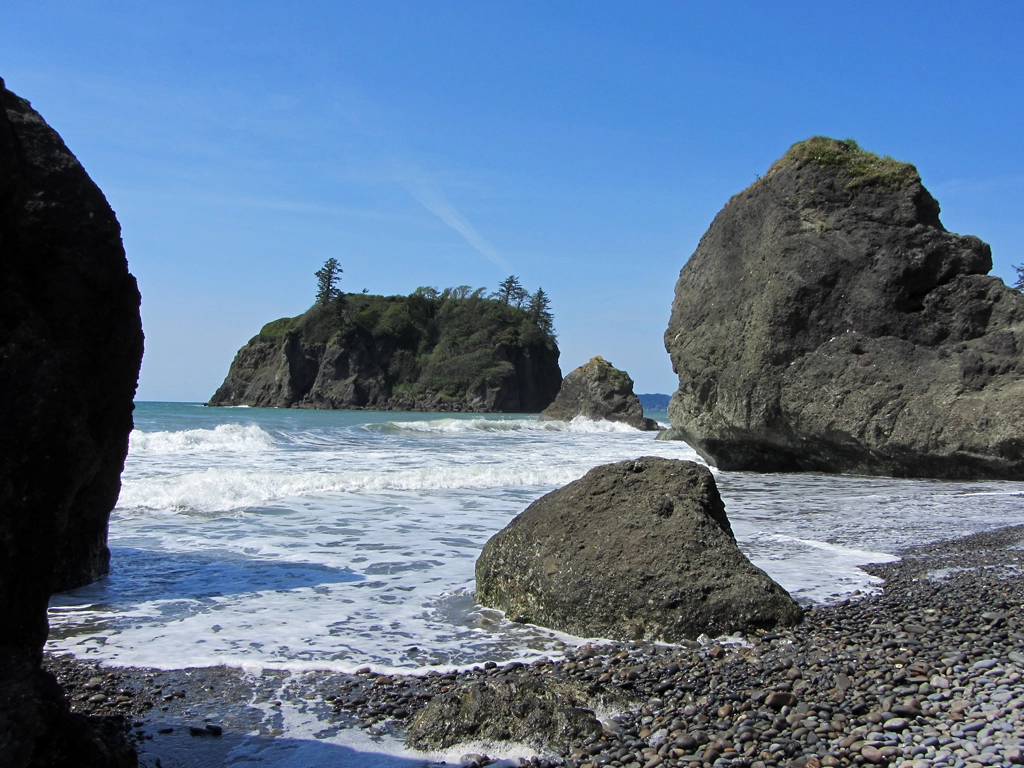
Kalaloch and Ruby Beach are two coastal gems you should experience with the tide in mind. In our experience, Ruby Beach’s red-hued rocks shine at low to mid tides—timing matters for the best photos and tide pool wildlife.
Kalaloch offers broad, driftwood-laden beaches and a few short trails through old-growth Sitka spruce stands. We recommend checking tide charts at the Kalaloch Ranger Station before you go—even small changes in tide can transform a beach walk into a dramatic shoreline panorama.
Both spots are accessible year-round, but winter storms can mean slick boardwalks and slick stairs, so wear grippy footwear and plan extra time if you’re bringing kids. For a calmer visit, aim for weekday afternoons when parking is less congested and wildlife sightings (otters and harbor seals) are more likely along the surf line.
.wp-block-kadence-spacer.kt-block-spacer-3140_1d14b2-6b .kt-block-spacer{height:60px;}.wp-block-kadence-spacer.kt-block-spacer-3140_1d14b2-6b .kt-divider{border-top-width:1px;height:1px;border-top-color:#eee;width:80%;border-top-style:solid;}
.wp-block-kadence-spacer.aligncenter.kt-block-spacer-3140_1d14b2-6b{height:60px;}
8. Grand Teton National Park, Wyoming
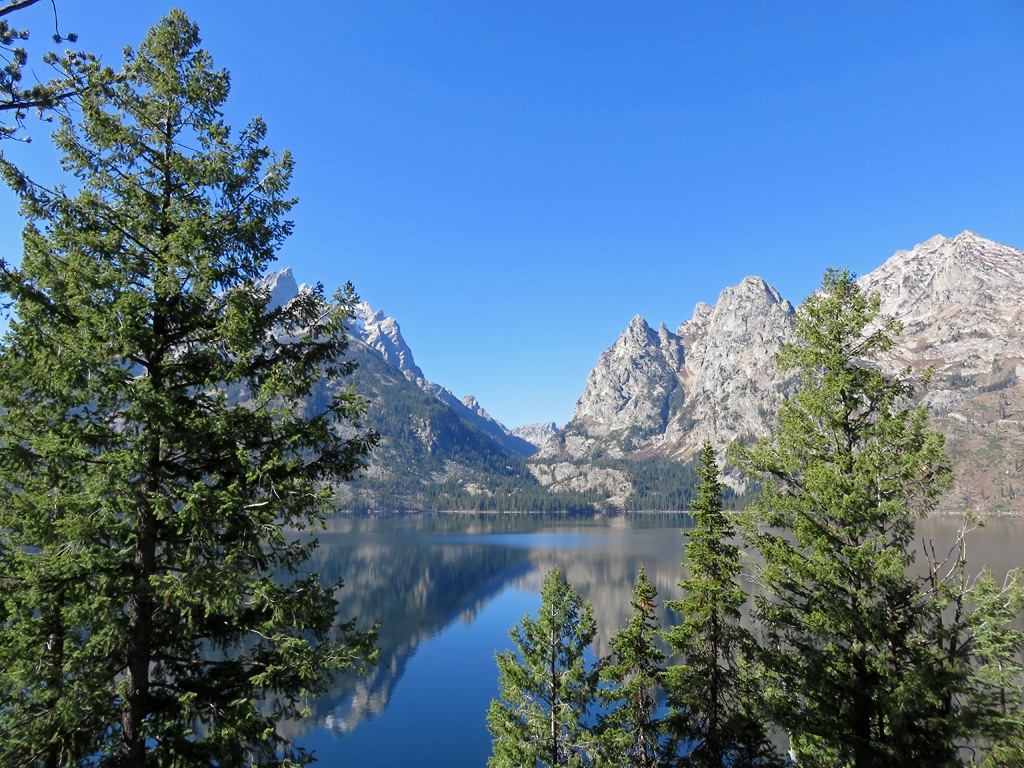
Located in Grand Teton National Park, Jenny Lake is a must-see for its turquoise waters and dramatic backdrop. In our experience, a short boat shuttle from the Jenny Lake Boat Dock opens up Cascade Canyon and Inspiration Point access without a long climb from the road.
Hiking options abound: the Jenny Lake Trail to Hidden Falls is a popular warm-up, and the longer Cascade Canyon or Inspiration Point routes reward with spectacular valley views and wildlife glimpses. We recommend starting early to beat crowds at the dock and overlook points.
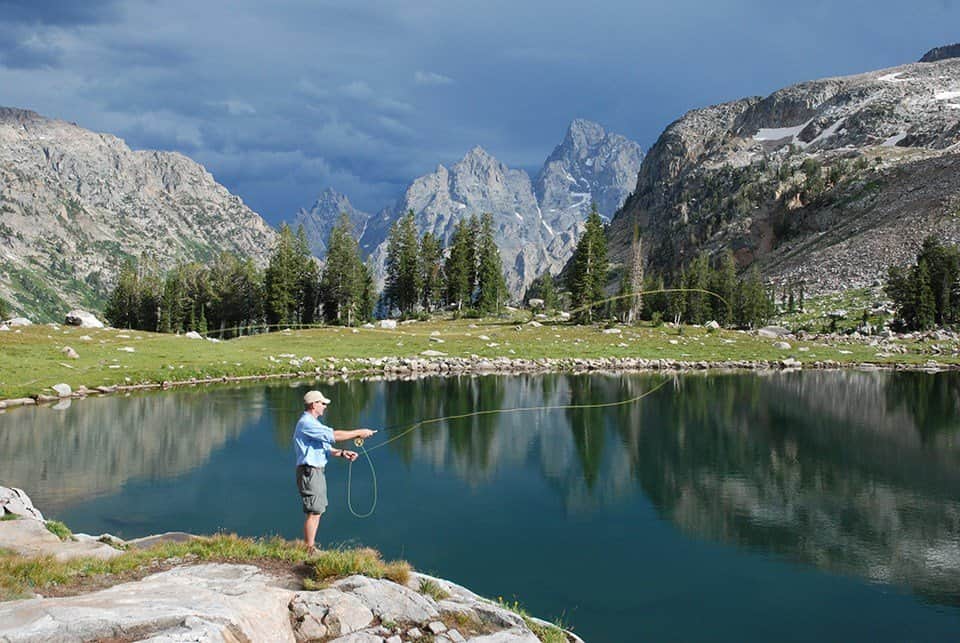
Lake Solitude is a quieter gem tucked above the Death Canyon area, offering reflective water and dramatic peaks. In our experience, the best approach is via the Lake Solitude Trail from Lupine Meadows or Death Canyon, with early morning light on the water desirable for photography.
While it’s a peaceful spot for a break, the trail can be longer than it appears, so plan for a half-day hike and bring a lunch. Boating and paddling nearby provide another perspective on the surrounding spires and conifers.
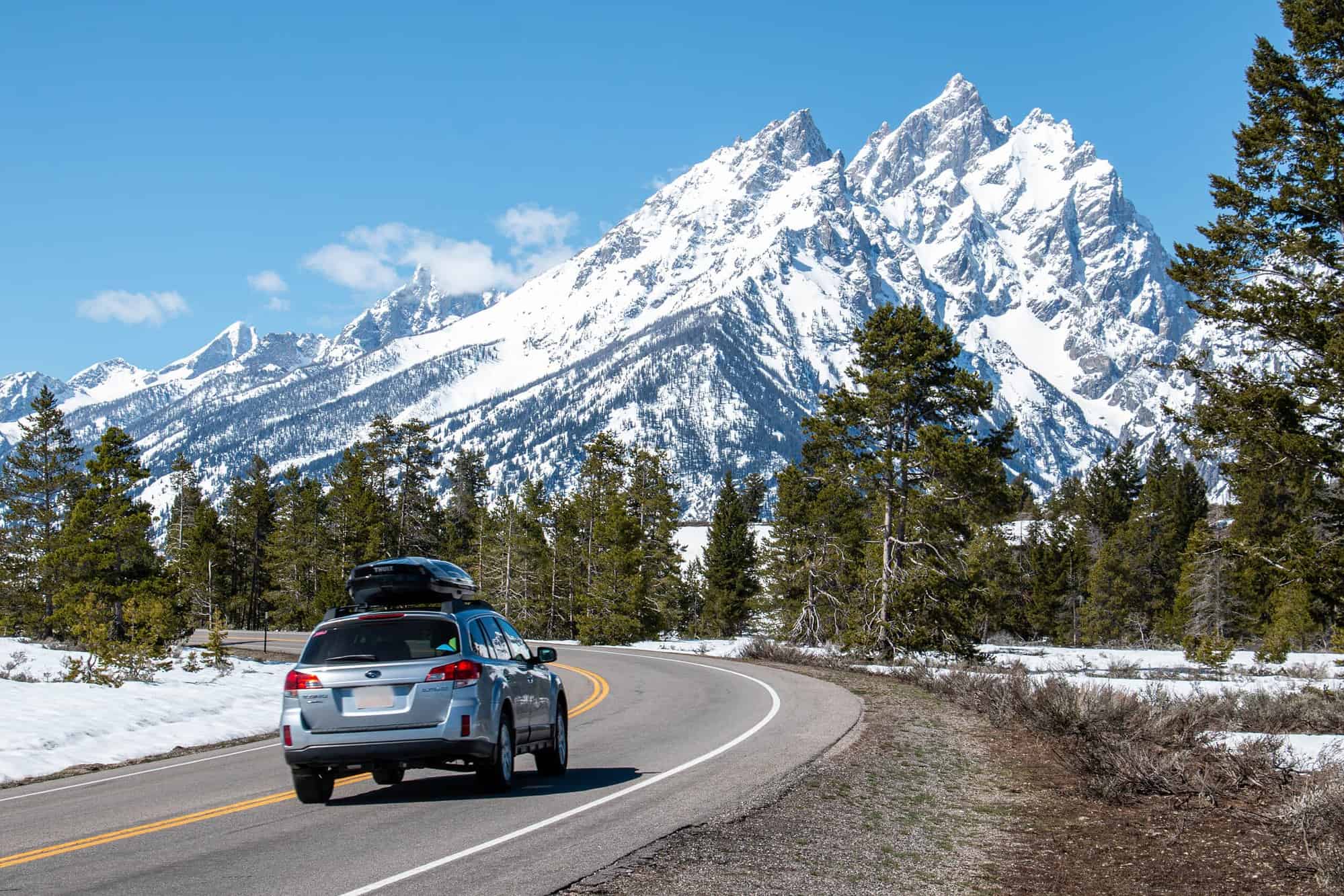
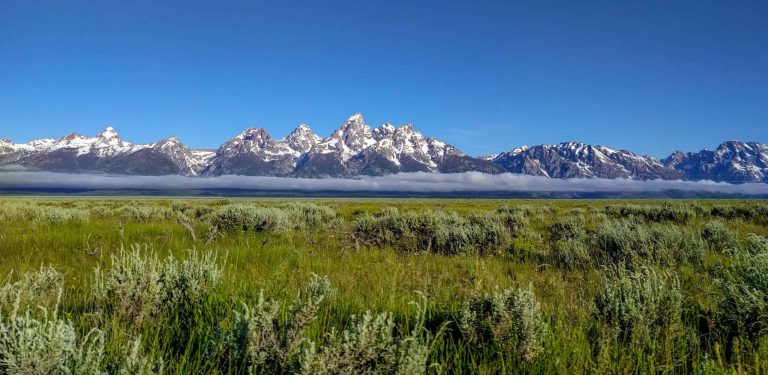
Grand Teton’s 42-mile Scenic Drive is a must-do for first-timers and seasoned visitors alike. We’ve found that the best time to drive it is around sunrise or late afternoon to catch the alpenglow on the peaks.
Pullouts along the route offer quick overlooks, wildlife spotting, and short trails without committing to a full day. If you have time, plan a longer stop at Moran or Colter Bay to pair scenic viewpoints with a picnic.
For wildlife watchers, late spring through early summer brings bison, elk, and moose often seen near the meadows and river edges. Stay at least 100 yards away from animals and follow NPS guidelines for safety.
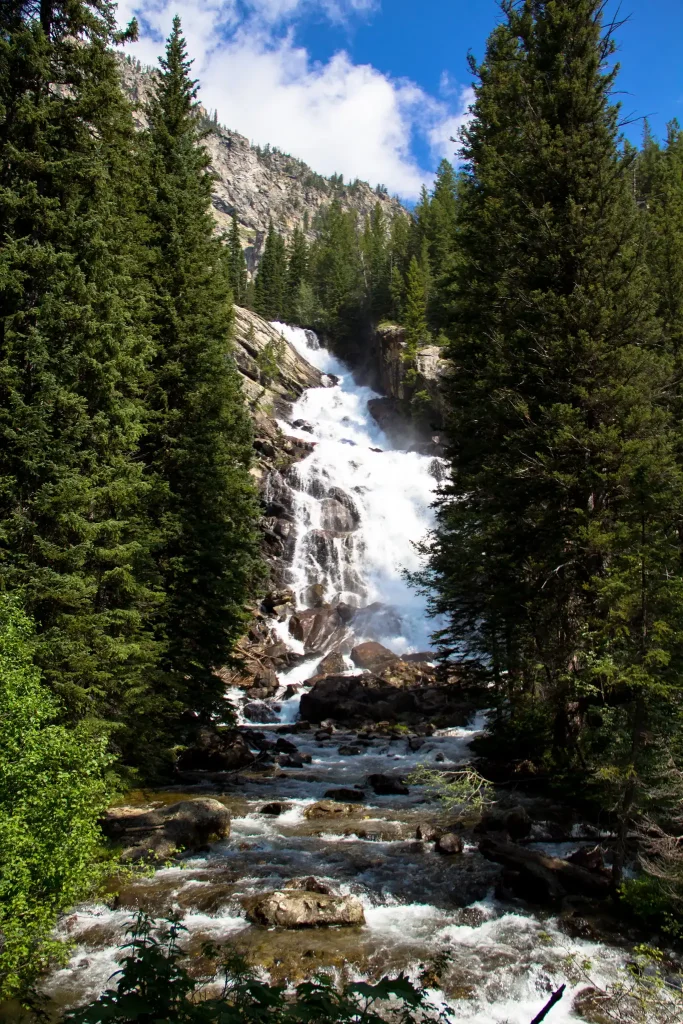
Inspiration Point and Hidden Falls are classic Grand Teton staples that never disappoint. We’ve found the short, well-marked trail to Hidden Falls is perfect for all ages, with a rewarding cascade and forest shade along the way.
From Inspiration Point, the views overlook Jenny Lake and the surrounding ridges; it’s especially striking at sunset. If you’re aiming for fewer crowds, hike the loop counterclockwise and finish with a cooling breeze along the lake.
Both locations shine in summer when wildflowers bloom and the air is alive with birdsong. We recommend visiting on a weekday morning to maximize your chances of quiet viewpoints.
9. Great Smoky Mountains National Park, Tennessee
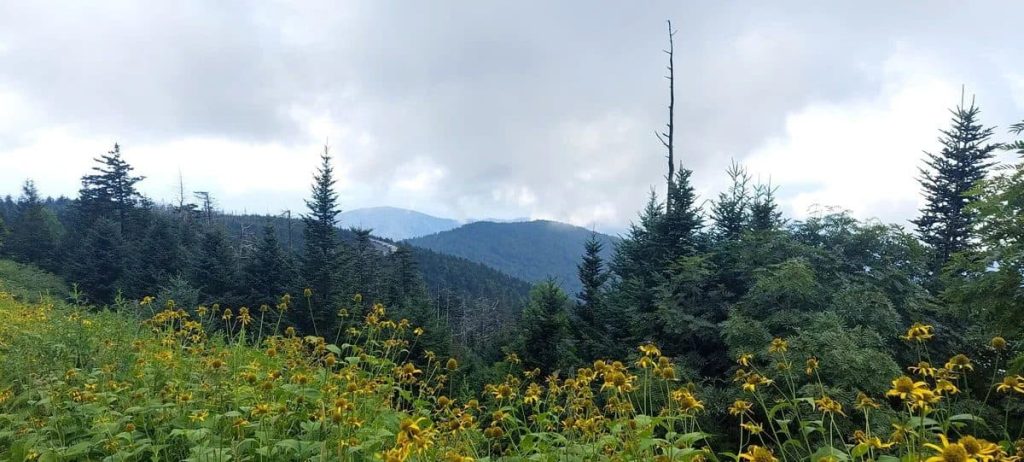
Great Smoky Mountains National Park rewards careful planning with stunning temperate forests, historic valleys, and world-class sunset overlooks.
In our experience, Clingmans Dome offers the must-see panorama, but the summit circle can feel crowded at sunrise. We recommend arriving 45 minutes before dawn for a calmer vantage and a parking spot near the path to the Observation Tower.
Clingmans Dome
This 6,643-foot peak hosts a celebrated observation tower that rewards you with miles of visibility on clear days. We’ve spotted black bears foraging along the spruce-fir forest at golden-hour, a reminder to stay cautious and keep a respectful distance.
Tip: go early or late in the day to avoid peak crowds, and check the park service alerts for temporary closures due to weather or road maintenance. In our experience, parking can fill fast in peak season, so plan to ride with a friend or take the Roaring Fork motor vehicle tour to minimize driving stress.
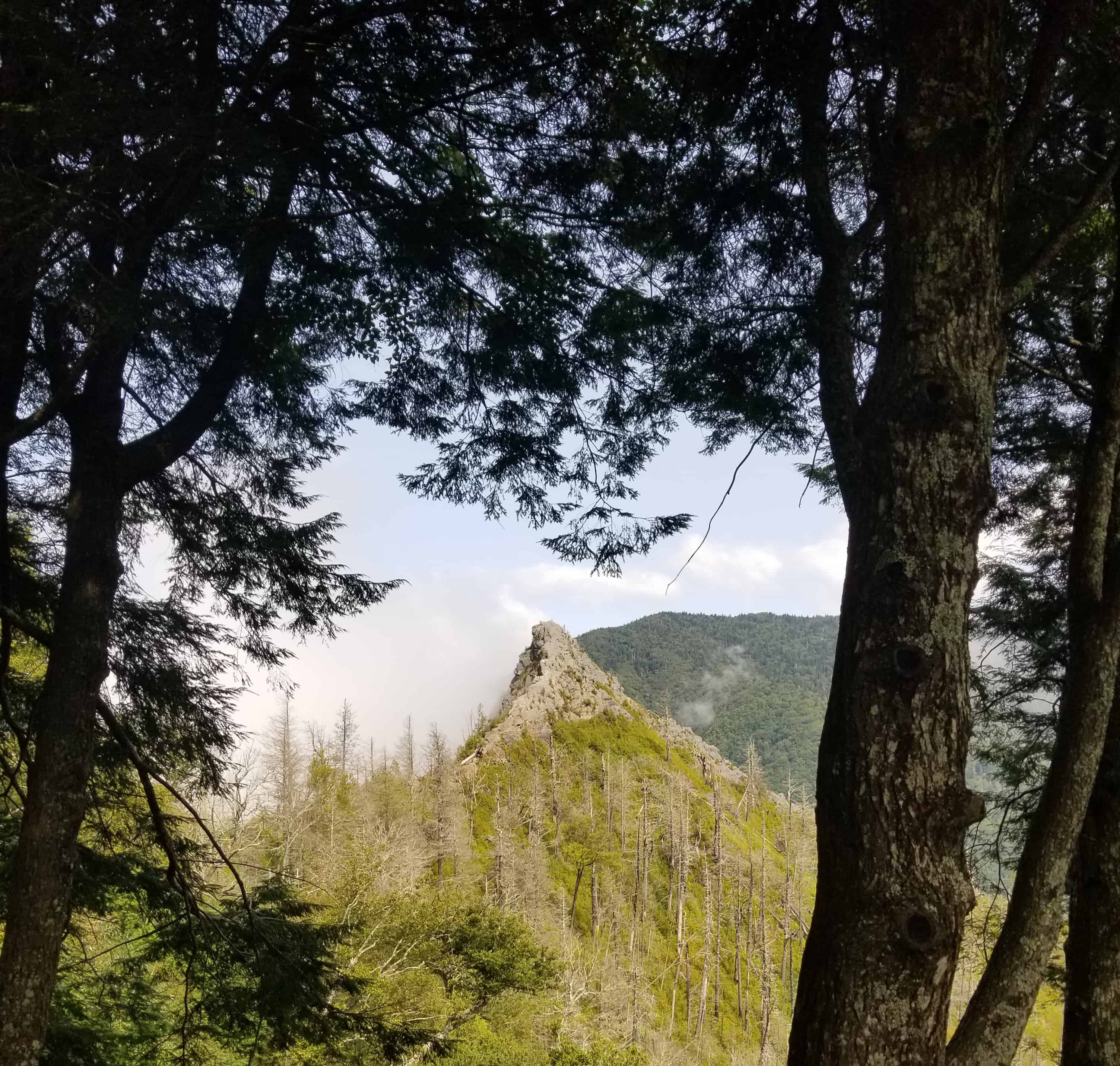
Chimney Tops are iconic, but the scramble to the summit is steeper and rockier than it looks. We’ve found that the return trail can be slick after a rain, so footwear with real grip makes all the difference.
In our experience, the reward is worth it: sweeping valley views and a sense of solitude when you time the hike at midweek or during shoulder seasons. If you’d rather avoid the scramble, consider the nearby Gatlinburg bench overlooks for a dramatic panorama with far less exertion.
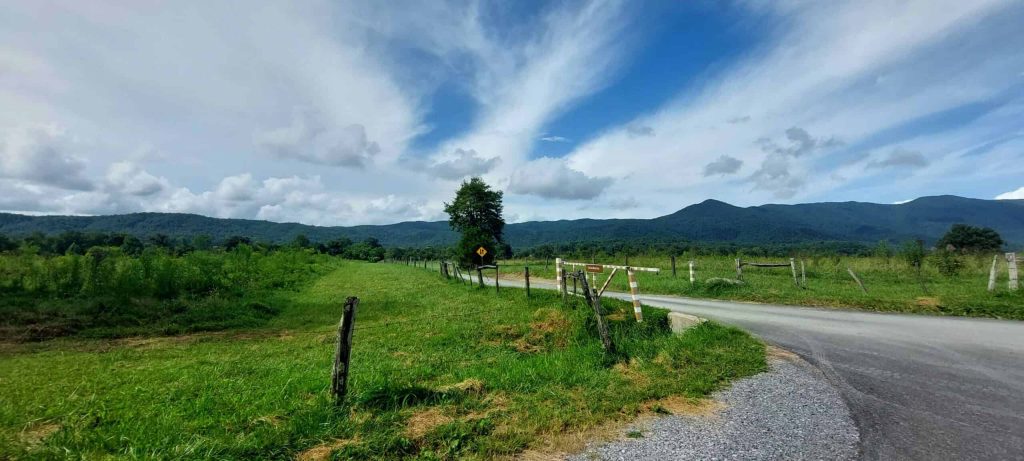
Cades Cove feels like stepping into a living history—rolling meadows framed by the mountains, with wildlife that seems almost tame at dawn. We’ve seen white-tailed deer and sometimes black bears along the loop road, so keep a safe distance and never approach animals.
The 11-mile Cades Cove Loop is best early in the morning or on weekday mornings. If you’re pressed for time, rent bikes in nearby Townsend and ride the loop for a different perspective without the car-grid crowd.
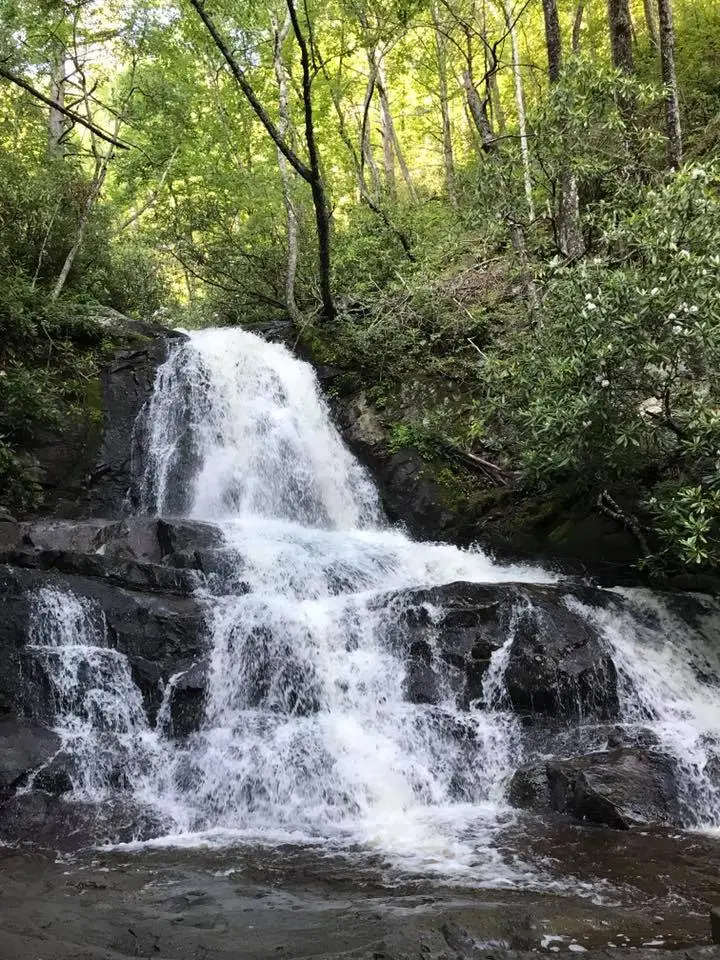
Laurel Falls never fails to delight, with its 80-foot cascade and easy-access trail. We’ve found the water can be powerful after a rain, so step carefully on the slick sections and give yourself time to enjoy the spray at the base.
The 2.6-mile round-trip trail is perfect for families or a relaxed afternoon stroll. For best lighting, aim for late afternoon when the sun hits the falls just right and the crowds thin out a bit.
After your visit, follow the short spur to the creekside meadows for wildflowers and birdsong that make the view even sweeter.
10. Arches National Park, Utah
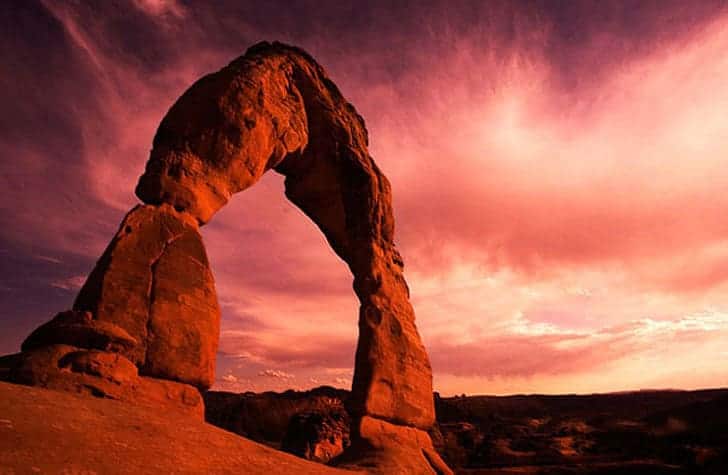 Delicate Arch in Arches National Park">
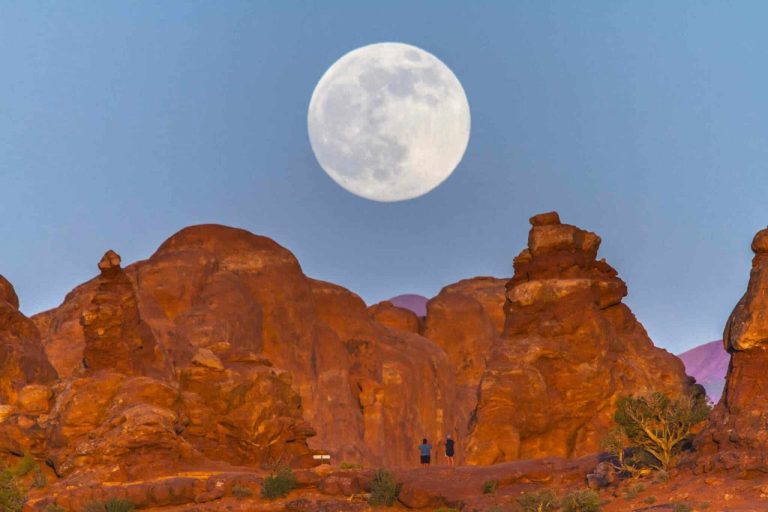
Arches National Park in Utah isn’t just about Delicate Arch — it’s a playground of more than 2,000 arches, dramatic fins, and sweeping desert vistas. In our experience, the park’s signature overlook near the Delicate Arch Trailhead gets crowded by mid-morning, so we recommend sunrise or late afternoon visits if you’re chasing photos without the crowds.
We’ve found that the best way to savor Arches is to mix short hikes with iconic viewpoints. Start at the Devils Garden Trailhead for a 0.8–inch? (note: keep precise distances) hike to Tunnel Arch and Pine Tree Arch, then loop back via the main trail for about 3 miles total. The scenery changes quickly, so bring a light layer and plenty of water.
Beyond Delicate Arch, the Windows, Turret Arch, and the North and South Window viewpoints reward patient photographers with dramatic silhouettes during golden hour. We recommend parking at the Windows Section lot early, then walking to North Window and Double Arch for a compact, high-impact sequence.
As the iconic Delicate Arch no doubt reminds us, Arches National Park embodies nature’s incredible force and creativity. Our tip: check the NPS park updates for temporary closures and the current mileage to Delicate Arch from the Wolfe Ranch trailhead, since conditions can shift with flash floods or rockfall during spring thaws.
Highlights
Delicate Arch remains a must-see, but plan for a 3 mile round trip hike with a steady climb. In our experience, a 5:30–6:30 a.m. start helps you beat the crowds and the rising heat in peak season.
Windows and Turret Arch are among the park’s most photographed features. We’ve found sunrise gives the best light for color and shadow play on the sandstone fins, and the overlook boardwalks stay relatively quiet before 9 a.m.
Arches Scenic Drive offers a panorama of formations from a 12-mile loop. We recommend tying this into a half-day visit, stopping at all pullouts, and planning for bathroom breaks at the Fiery Furnace overlook if you’re not doing a backcountry tour.
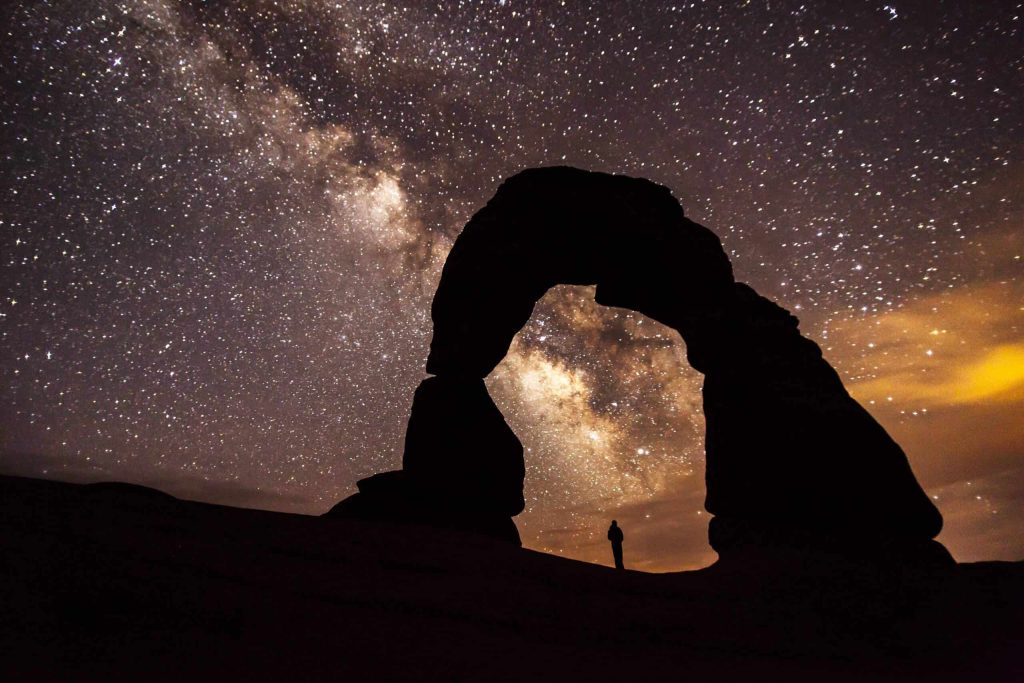
The remarkable Delicate Arch of Arches National Park stands as a symbol of Utah’s striking landscape.
We’ve found the 65-foot free-standing arch is best viewed from the Delicate Arch Viewpoint after sunset or during Blue Hour. The hike itself is 3 miles round trip with a steady elevation gain, so pack water and a light jacket for temperature swings.
While rugged, the trail offers a sense of accomplishment at the summit and a frame-worthy overlook. If you’re visiting in peak summer, start before dawn to beat the heat and crowds.
It’s no wonder Delicate Arch is one of Utah’s most iconic landmarks and a favorite for photographers and hikers alike.
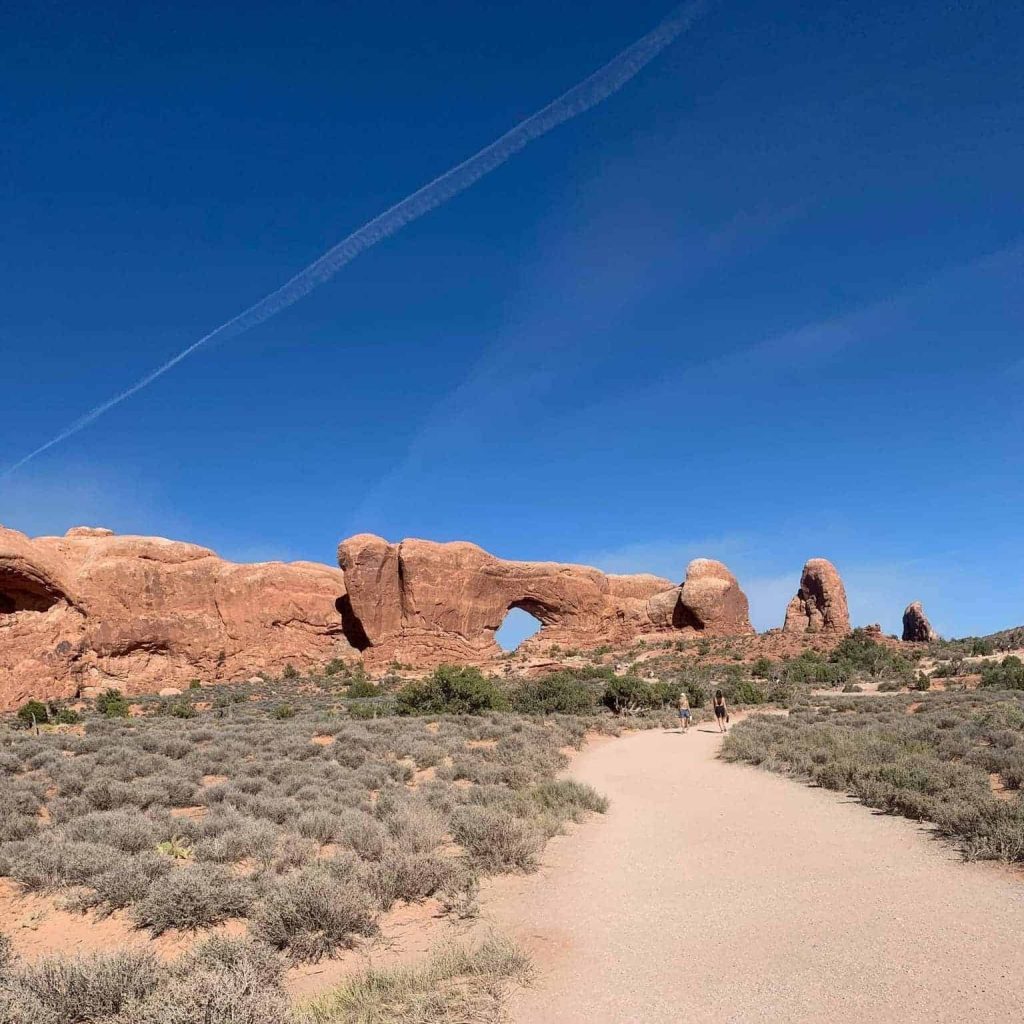
Windows and Turret Arch are two of the park’s most iconic faces. We’ve found these arches are best enjoyed with a low-sun angle for rich color and long shadows on the sandstone fins.
Access them from the Park Avenue area or from the Windows Site, then walk the easy loop to photograph both arches in one dramatic sweep. Plan for about 1.5 miles round trip if you tackle both viewpoints together.
Tip: bring a small tripod or a steady hand for twilight shots and watch for crowds that gather near sunset.
If you’re chasing photographic magic, these arches won’t disappoint. In our experience, dawn light plus a quiet morning yields the most striking images.

Arches Scenic Drive is a backcountry road that rewards patience with a string of dramatic viewpoints. We’ve found the 12-mile loop is best tackled with a morning start and a planned stop at each overlook for quick photo opportunities and stretch breaks.
Along the way, you’ll find pullouts that showcase the best angles of the park’s red rock walls. Pack a map and allow 2–3 hours for the drive plus short walks to the big overlooks.
With its network of trails crossing the park’s arches, Arches Scenic Drive is perfect for a half-day adventure or as a scenic lead-in to a longer backcountry hike. We recommend wearing sturdy shoes and bringing extra water for the hotter months.
Why Should You Visit A National Park?
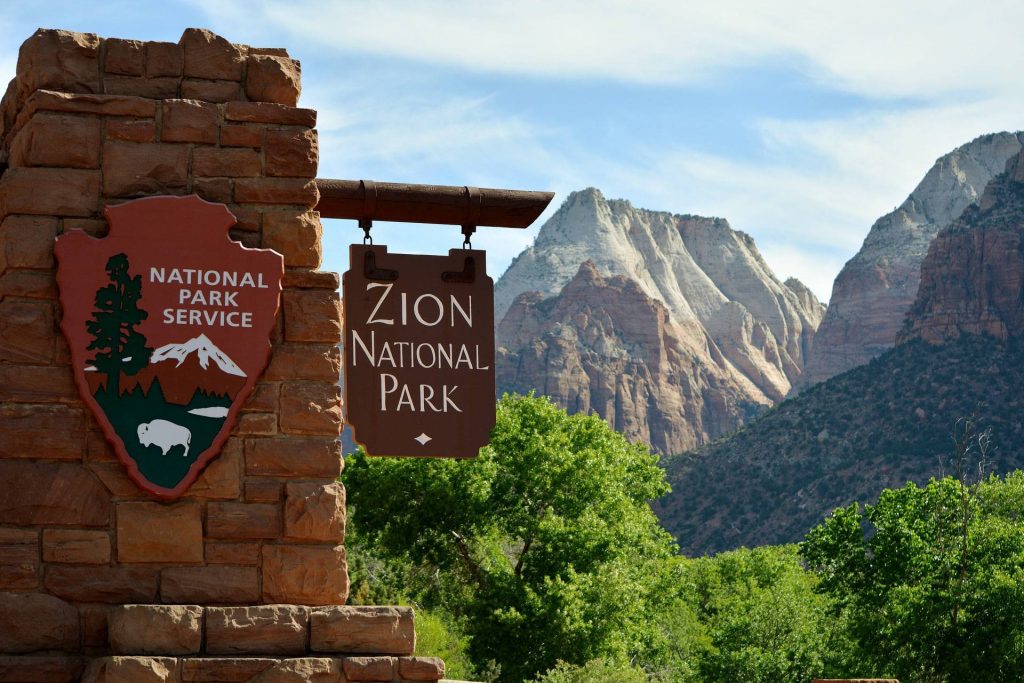
Visiting a national park is one of the most enriching experiences you can have.
In these spectacular places, wild and untouched nature flourishes, waiting to be explored by visitors from all corners of the world.
Strolling through the forests, marveling at majestic waterfalls, discovering new plant species – national parks provide a safe haven for biodiversity for generations to come.
They also offer an incredible variety of activities that suit all kinds of travelers: fishing, kayaking, hiking and many more!
All these amazing features make national parks irresistible destinations for anyone who wants to connect with Mother Nature and recharge their batteries in an awe-inspiring setting.
What we’ve found, though, is that a little planning goes a long way. In our experience, timing matters more than you might expect: arrive before sunrise for popular canyons, use the park shuttle when it’s running, and pick a less-visited trailhead to avoid crowds. For Zion specifically, we’ve had the best mornings starting from the Canyon Junction area and hiking the Riverside Walk before the crowds swell.
We recommend checking the National Park Service’s current advisories for road status and seasonal closures before you go. For example, many parks post monthly updates on road access and parking rules, which helps you avoid wasting time in detours or full lots.
Ultimately, the most rewarding trips come from choosing a few concrete goals—whether it’s catching a sunrise at a favorite overlook or spotting local wildlife along a quieter loop trail. From our experience, those focused, early starts turn a good park visit into a memorable one.
Bottom line: we love national parks for their scale, solitude, and variety. Our top pick is to pair a signature iconic hike with a short, less-traveled side trail to balance the day and leave room for spontaneous wildlife sightings or a late-afternoon park program.
Wrapping Up The Top 10 Best National Parks To Visit In 2026
Here are the top 10 best national parks to visit in 2026!
We hope you enjoyed reading about all of these amazing places and that you are inspired to start planning your next trip.
Remember, booking early is the best way to ensure you get the dates and accommodations that you want.
So what are you waiting for? Get out there and explore one of these beautiful national parks!