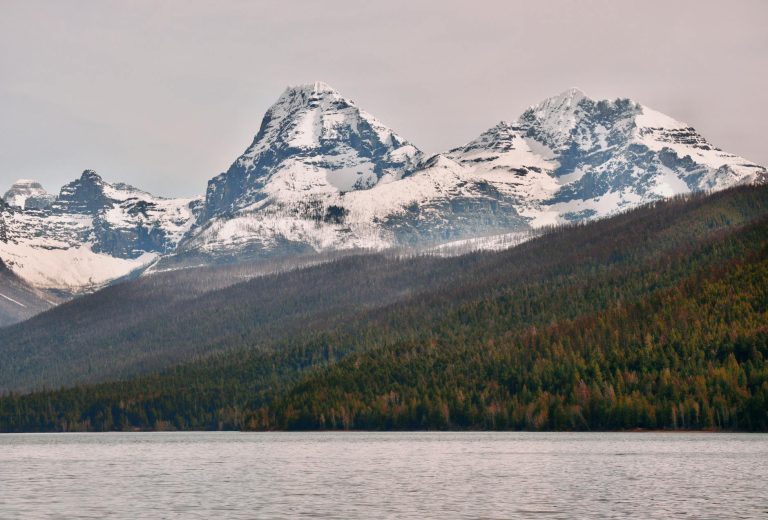
Things to Do in Glacier National Park When Going-to-the-Sun Road Is Closed
Going-to-the-Sun Road closes to vehicles from mid-October through mid-to-late June each year, yet Glacier National Park stays open 365 days a year. The west entrance never closes, Lake McDonald is always accessible, and areas like Many Glacier, Two Medicine, and the North Fork run on their own road schedules independent of GTSR.
Here are the best activities available when the road is closed, grouped by season. No vehicle reservation is required in 2026, per NPS.gov. Entrance fee: $35 per vehicle, $20 per person on foot or bicycle.
- GTSR typically closes mid-October and reopens mid-June to early July; the park itself stays open year-round, per NPS.gov.
- The West Glacier entrance, Apgar Village, and the road to Lake McDonald Lodge (11 miles) are accessible to vehicles all year, weather permitting.
- Free ranger-led snowshoe walks run Saturdays and Sundays, January through late March, from Apgar Visitor Center.
- Highway 2 traces Glacier’s entire 56-mile southern boundary and never closes, providing year-round access to Goat Lick Overlook, Marias Pass, and Middle Fork fly-fishing.
- Many Glacier Road typically plows out by mid-April — weeks before GTSR opens. No construction closures are planned for 2026.
- No vehicle reservations are required anywhere in Glacier in 2026. Starting July 1, Logan Pass parking is limited to 3 hours with a ticketed shuttle pilot.
Winter Activities (November – March)
Glacier transforms into one of the quietest national parks in the Lower 48 once snow settles in. The unplowed section of Going-to-the-Sun Road becomes a 40-mile ski and snowshoe corridor, and ranger programs keep the Apgar area lively on weekends.
Some links below are affiliate links.
Ranger-Led Snowshoe Walks
Family-friendly
No gear needed
Families
First-time snowshoers
Wildlife viewing
Rangers lead 2-hour snowshoe treks every Saturday and Sunday at 10:30 AM and 2 PM from the Apgar Visitor Center, January through late March. The walks cover wildlife tracking, winter survival strategies of local plants and animals, and snow science. No registration required — just show up, per NPS.gov.
Cross-Country Skiing on the Unplowed GTSR
No trail markers
Map required
Experienced skiers
Solitude seekers
From Lake McDonald Lodge (the winter road terminus), you can ski up the unplowed GTSR as far as conditions allow. Common turnaround points are McDonald Falls (4 miles round trip), Sacred Dancing Cascade (5.3 miles), or Avalanche Picnic Area (11.6 miles). The road is wide and the grade is gentle, making it ideal for Nordic skiing. No rentals are available inside the park — gear up in Whitefish or Columbia Falls, per NPS.gov.
Snowshoeing at Marias Pass
5,222 ft elevation
Year-round highway access
Intermediate snowshoers
History buffs
The Autumn Creek Trail starts from the Marias Pass parking area on Highway 2, roughly 12 miles from East Glacier. The 6-mile round trip traverses meadows and forest along Glacier’s southern boundary with wide-open views of the peaks. Avalanche terrain exists along steeper sections, so check conditions before heading out. The trailhead is always plowed since Highway 2 never closes.
Winter Wildlife Viewing
Photographers
Nature enthusiasts
The unplowed GTSR beyond Lake McDonald Lodge is one of the best places in the park for wolf track spotting in fresh snow. Bighorn sheep descend to lower elevations along Highway 2, and mountain goats frequent the Goat Lick Overlook near Essex. Lake McDonald itself offers extraordinary photography when the water is still and mountain reflections are sharp. Bring binoculars and dress in layers — you may be standing still for extended periods.
Shoulder Season Activities (April – Mid-June, October)
The shoulder seasons offer the best of both worlds: trails start opening, wildlife is active, and crowds are minimal. Many Glacier and Two Medicine roads typically plow out weeks before GTSR opens to cars.
Many Glacier Valley Hiking
Grizzly country
339 parking spaces
Serious hikers
Glacier viewing
Wildlife
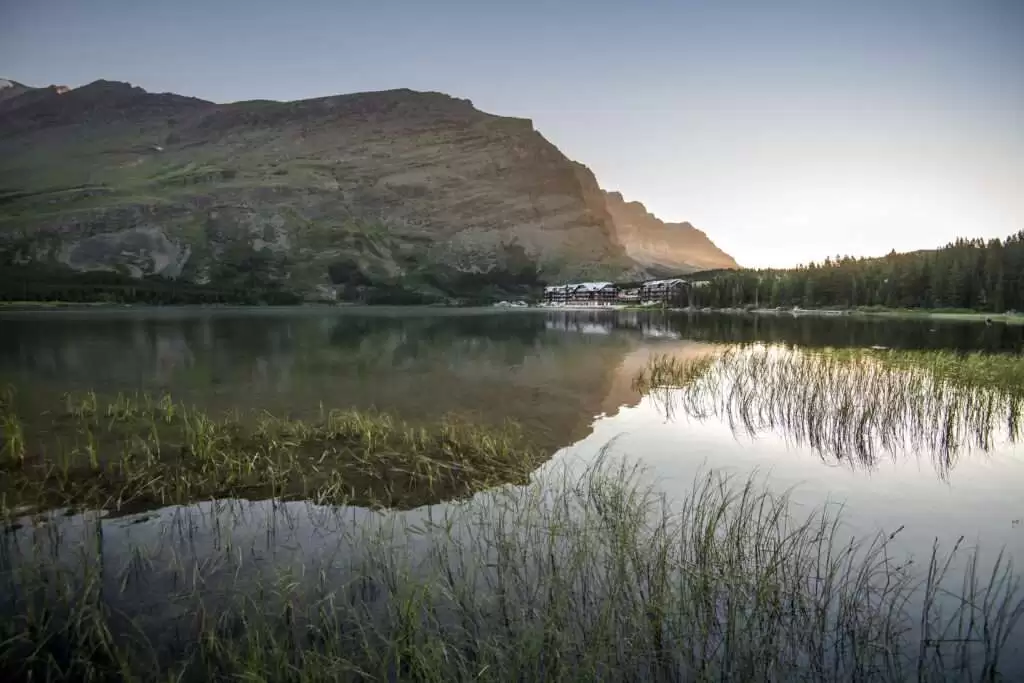
Many Glacier is accessed via its own road off Highway 89 — completely independent of GTSR. From the west, drive US-2 east to Browning, then Highway 89 north to the turnoff (about 2 hours from West Glacier). Trails like Grinnell Glacier (11 miles RT), Iceberg Lake (9.6 miles RT), and Cracker Lake (12 miles RT) are among the most iconic in the park. Higher trails may still have snow into June, per NPS.gov.

Two Medicine Valley Trails
Low crowds
East side
Families
Solitude
Waterfalls
Access Two Medicine from East Glacier Park via Highway 49. Top trails include Running Eagle Falls (0.6 mi, easy, paved), Aster Falls/Upper Two Medicine Lake (9 mi, moderate), and Scenic Point (9.6 mi, 2,300+ ft gain, one of the park’s best panoramas). Boat tours and the camp store operate May 29 through September 7 in 2026. The campground is closed all of 2026 for water system replacement, per NPS.gov.
Biking and Hiking the Lower GTSR
Opens before cars
Bikes allowed
Cyclists
Runners
Car-free experience
Snow removal crews clear nearly 40 avalanche paths starting in early April. As sections are cleared, bicyclists and hikers can access the road before vehicle traffic is allowed — typically by April or May depending on conditions. The ride from Apgar to Avalanche Creek covers roughly 11 miles one-way with gentle elevation gain through old-growth cedar-hemlock forest along Lake McDonald.
North Fork / Polebridge Exploration
4WD recommended
No services
Solitude seekers
Backcountry enthusiasts
Access the North Fork via County Road 486 from Columbia Falls — a dirt road that is infrequently plowed in winter (high-clearance vehicle recommended in shoulder season). Bowman Lake Trail (12 miles RT) passes through the 1988 burn zone with panoramic mountain views. Covey Meadow (3-mile loop) and Logging Lake Trail (7 miles RT) are easier options. The Polebridge Mercantile and Bakery open seasonally just outside the park.

Year-Round Activities
These activities are available regardless of when GTSR opens or closes. Highway 2 along the southern boundary never closes, and the Apgar/Lake McDonald area stays accessible all year.
Highway 2 Scenic Corridor
Goat Lick Overlook
Marias Pass
Fly-fishing
Scenic driving
Wildlife viewing
Fishing
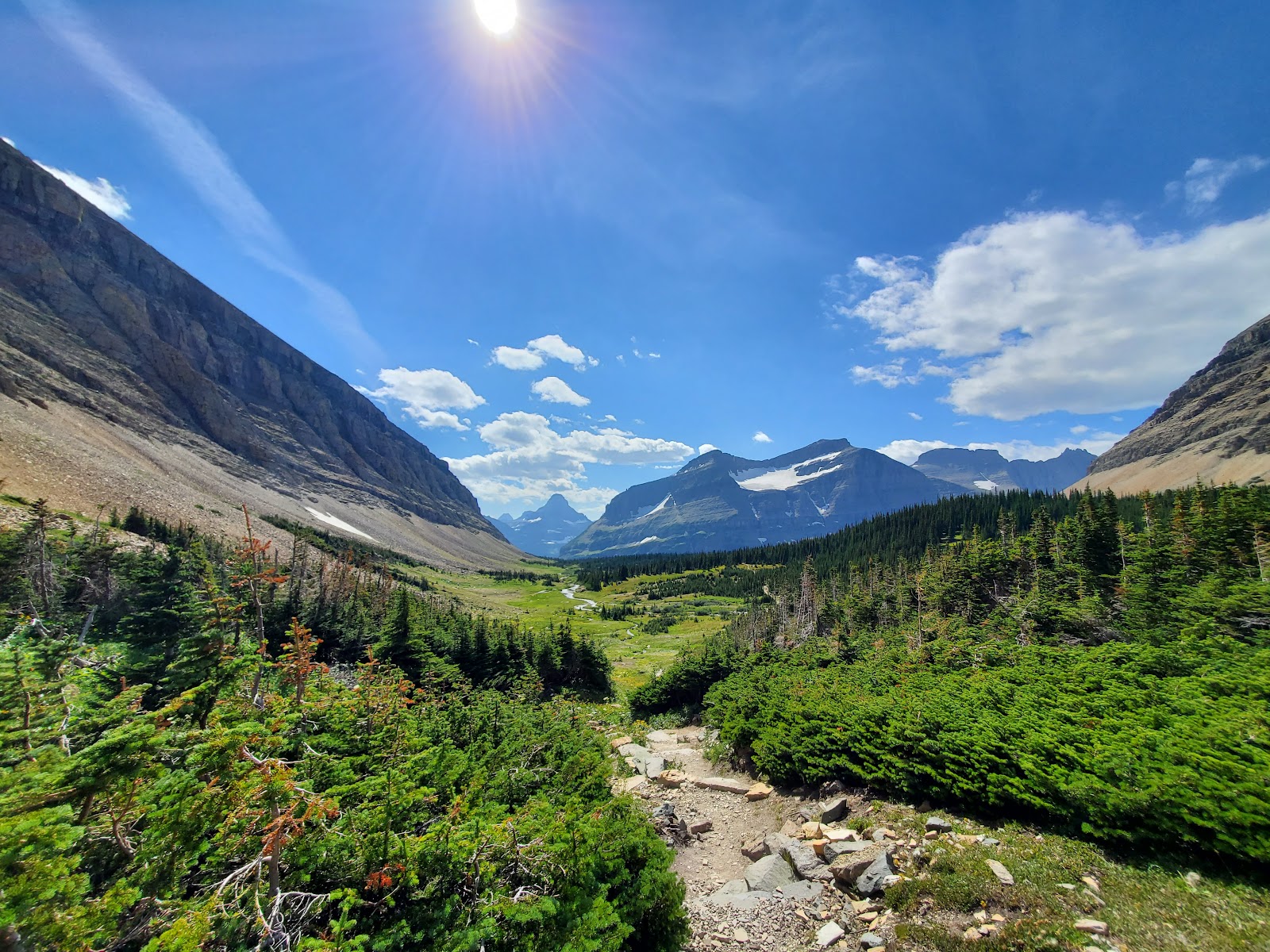
The 56-mile drive from West Glacier to East Glacier follows the Middle Fork of the Flathead River through dramatic mountain scenery. Key stops include Goat Lick Overlook near Essex (mountain goats descend to lick mineral deposits in the cliffs), Marias Pass at 5,222 feet (lowest Continental Divide crossing in the US Rockies), and multiple river access points for fly-fishing and rafting. Several outfitters in West Glacier and Essex offer guided trips during spring and summer runoff.
Lake McDonald and Apgar Village
Visitor center
10-mile lake
Photography
All visitors
Photographers
Families
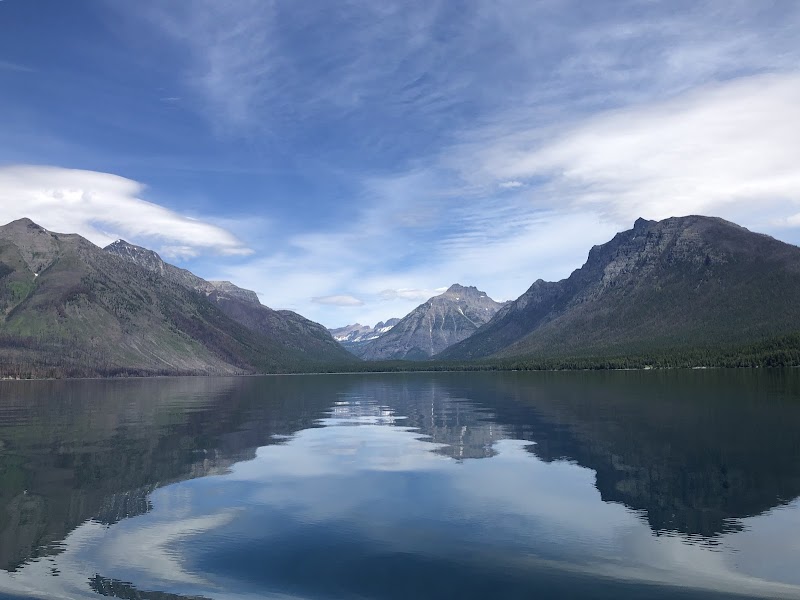
The West Glacier entrance opens to Lake McDonald Lodge (11 miles) year-round, weather permitting. Apgar Visitor Center operates on limited winter hours and serves as the anchor for all off-season activities including snowshoe rentals. The village sits at the southwestern tip of Lake McDonald. Short trails nearby include Lower McDonald Creek (2–3 miles, easy), Beaver Pond Loop (3 miles), and Rocky Point (6 miles RT with lake views).
Goat Lick Overlook Wildlife Viewing
Paved path
Wheelchair accessible
Right off Highway 2
Wildlife viewing
Quick stops
All abilities
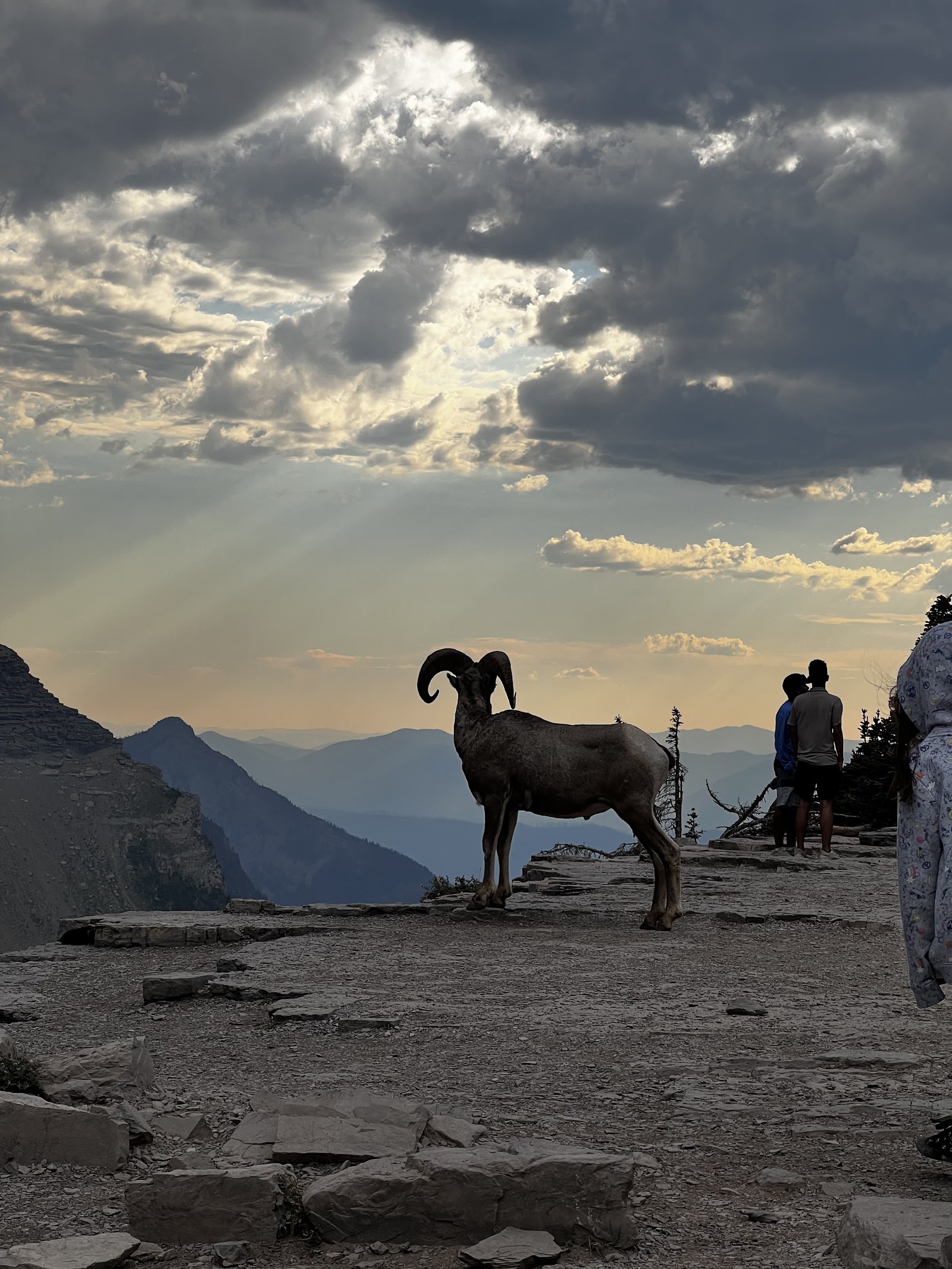
Goat Lick Overlook sits on Highway 2 near Essex. Mountain goats visit the exposed mineral deposits on the cliff face, and sightings are most frequent from late spring through fall. The viewing platform is a short, paved walk from the parking area and is accessible to visitors of all abilities. Even without goat sightings, the cliff face and river views are worth the stop.
Middle Fork Flathead River Fishing and Rafting
Cutthroat trout
Guided trips available
Anglers
Whitewater enthusiasts
Families (scenic floats)
Multiple pullouts along Highway 2 provide access to fly-fishing pools, whitewater kayaking put-ins, and scenic float launch points. Guided raft trips operate from West Glacier and Essex during spring and summer runoff season (May through September). A Montana fishing license is required — available at sporting goods stores in Whitefish and Columbia Falls or online at Montana Fish, Wildlife & Parks.
FAQ
Is Glacier National Park open when Going-to-the-Sun Road is closed?
When does Going-to-the-Sun Road reopen in 2026?
Do I need a vehicle reservation at Glacier in 2026?
What is closed at Glacier in 2026 due to construction?
Can I rent snowshoes inside Glacier National Park?
How We Researched This
- NPS.gov Glacier National Park: GTSR seasonal closure info, cross-country skiing and snowshoeing guide, guided winter activities, directions and road access, trail status reports, fees, 2026 construction updates, visiting Glacier in 2026
- Flathead Avalanche Center (flatheadavalanche.org): current avalanche conditions for backcountry travel
- Glacier National Park Conservancy: winter recreation programming
- Visit Western Montana’s Glacier Country: winter activities and seasonal access guides
Road opening dates, trail closures, and facility availability at Glacier change seasonally and year to year. Always verify current conditions at NPS.gov or by calling the Apgar Visitor Center at (406) 888-7800 before your visit. Construction timelines reflect official NPS announcements current as of March 2026.
Ready to visit Glacier without waiting for Logan Pass to open? Get current road conditions, trail status, and park alerts directly from the source.