The Best Reasons To See Yellowstone For Yourself
Yellowstone National Park dazzles from the moment you enter, offering jaw-dropping geology, wildlife viewing, and endless trail options. In our experience, the best reasons to see Yellowstone for yourself come into sharper focus when you move with curiosity and caution—staying on boardwalks and designated trails, giving wildlife ample space, and respecting park rules that protect both visitors and the landscape. According to NPS guidance, keep a safe distance from bears, never approach geothermal features, and use designated viewing areas; we’ve found these practices lead to calmer days and more reliable wildlife sightings.
1. What’s Yellowstone National Park All About?
1st National Park
Yellowstone is the first national park in the world, established on March 1, 1872. This year marks the park’s 150th anniversary, a milestone highlighted by the National Park Service as a celebration of its enduring legacy. According to NPS data, Yellowstone covers about 2,219,791 acres (3,472 square miles), offering a staggering range of geology, wildlife, and scenery in one epic landscape.
In our experience, the anniversary buzz brings crowds to the iconic overlooks and boardwalks. We recommend early starts at Old Faithful and the Grand Prismatic Spring area, plus exploring less crowded corners like Black Sand Basin or Artist Point at sunrise to experience the park with fewer cars and more space. While the dramatic features draw visitors, we’ve found the quieter hikes and backcountry viewpoints—when conditions allow—to deliver a truer sense of Yellowstone’s wild scale.
Super volcano
The Yellowstone Caldera isn’t just a map label—it’s a living giant that reshapes the landscape before your eyes. In our experience, the scale hits you hardest when you’re standing above Artist Point, where the canyon reveals the caldera’s vast footprint amid rushing waterfalls and pastel steam.
According to NPS data, the last major eruption occurred roughly 70,000 years ago, yet the ground beneath Yellowstone is still geothermically active. We recommend morning visits for softer light and thinner crowds; stay on the boardwalks and heed warnings from park rangers. From our perspective, pairing the caldera viewpoint with a short stroll to Lookout Point gives you a true sense of the caldera’s size and the park’s dynamic geothermal presence.
2. Why You Need To See Yellowstone For Yourself
With so much to experience, Yellowstone rewards you when you commit to seeing it through your own eyes—the park truly comes alive the moment you step onto the boardwalk at dawn. In our experience, the early light reveals subtle colors and quiet sounds that crowds miss, making every overlook feel like a private moment in the wilderness.
We’ve found that wildlife viewing starts best in Lamar Valley, where the early pullouts along the road give you space for binoculars, a long lens, and patient observation. We recommend parking at the main Lamar Valley pullouts before 6:30 am, then taking a short walk to open meadows for bison, wolves, and elk silhouettes against the valley light. If you’re chasing bears or coyotes, plan a second early session near Soda Butte Creek; dawn hours tend to be the quietest and most reliable for group sightings.
For easy access and fewer crowds, we suggest starting at the Mammoth Hot Springs area and looping through the north-central corridor when the day warms up. We’ve found that the Mammoth area offers accessible boardwalks with fewer bottlenecks, while the Grand Prismatic Overlook can be gloriously hush-filled before mid-morning crowds arrive. Pro tips: keep bear spray on your belt, know how to deploy it quickly, and photograph wildlife with a telephoto lens (200–400mm) to stay safe and respectful from a proper distance.
From our experience, Yellowstone truly excels when you plan for both iconic sights and quieter moments. We recommend building a flexible itinerary that mixes famous boardwalks with quieter overlooks and early-morning wildlife sessions. If you’re wondering where to start, we’ll point you to specific overlooks and parking spots you can rely on—because seeing Yellowstone for yourself starts with smart, practiced steps, not just a list of must-see spots.
Wildlife
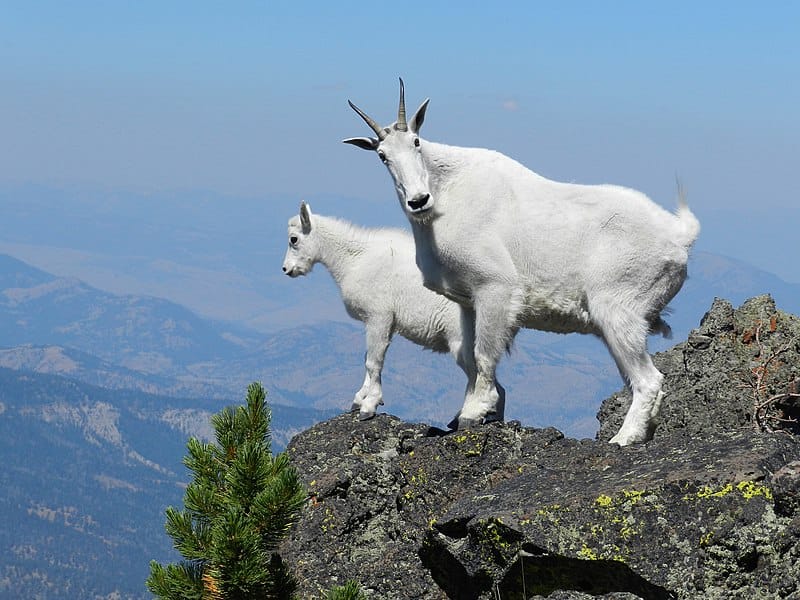
Yellowstone is the crown jewel for wildlife viewing in the lower 48. In our experience, the park hosts a diverse lineup of big mammals—from bison and elk to grizzlies and wolves—so plan ahead and pick a focused wildlife loop. The best concentrations often show up in dawn light along Lamar Valley and the Hayden Valley corridor.
Easy access
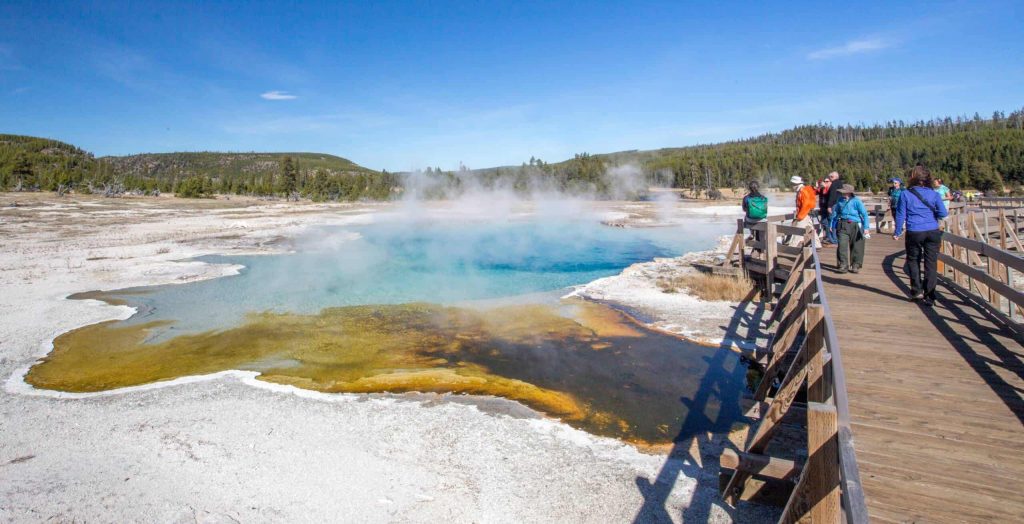
The park is filled with boardwalks and roads for ease of access. If you want to see it, most likely you will get to it. Be sure to look up and n plan out where you want to go beforehand to avoid any disappointment.
Geological Features of Yellowstone
Yellowstone is full of natural beauty. Because of this, There is so much to see. Here are a few of the geological features worth seeing.
Grand Prismatic Springs

Coming in at the 3rd largest boiling lake in the world, Grand Prismatic Spring is a sight worth seeing. The colors here look unreal. However, it is very real and very colorful.
Old Faithful
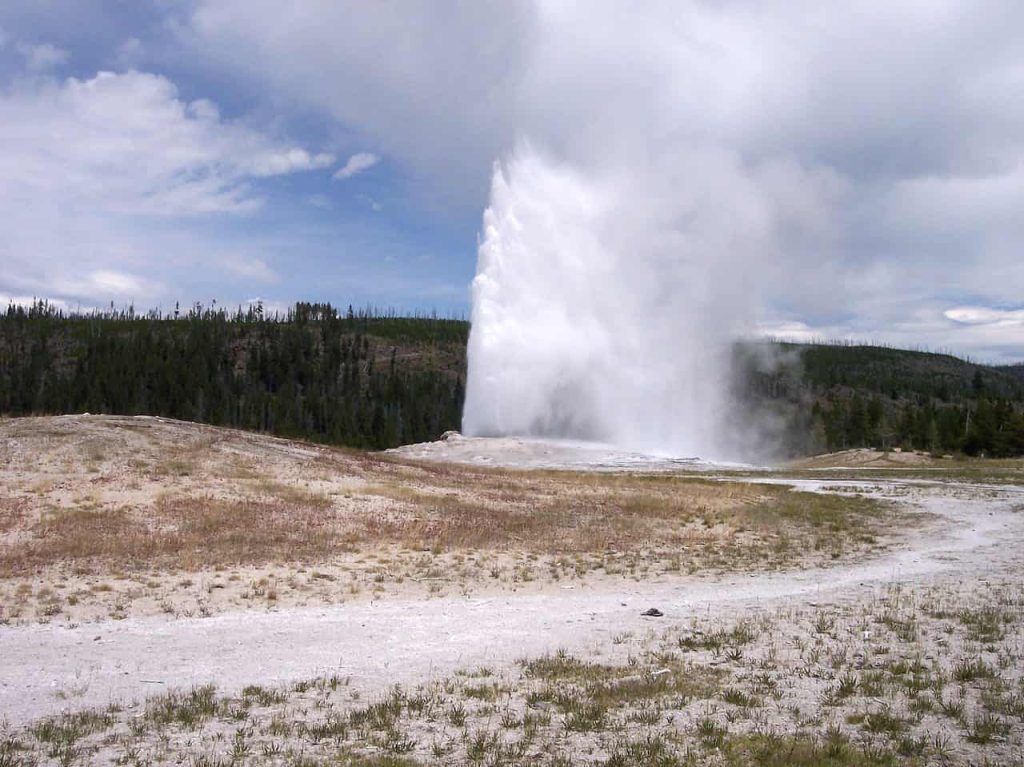
Going off every 35 mins – 2 hrs., Old Faithful is easy and a must-see in the park. Usually, you can tell when the geyser is about to go off by the number of people that have gathered. The longer it’s been the more people that gather.
Grand Canyon of Yellowstone

This exquisite sight is not to be missed. Come in the early morning or late evening to beat the crowds. A beautiful waterfall drains down into the canyon with a rush of power. Definitely add this one to your list.
Hayden Valley
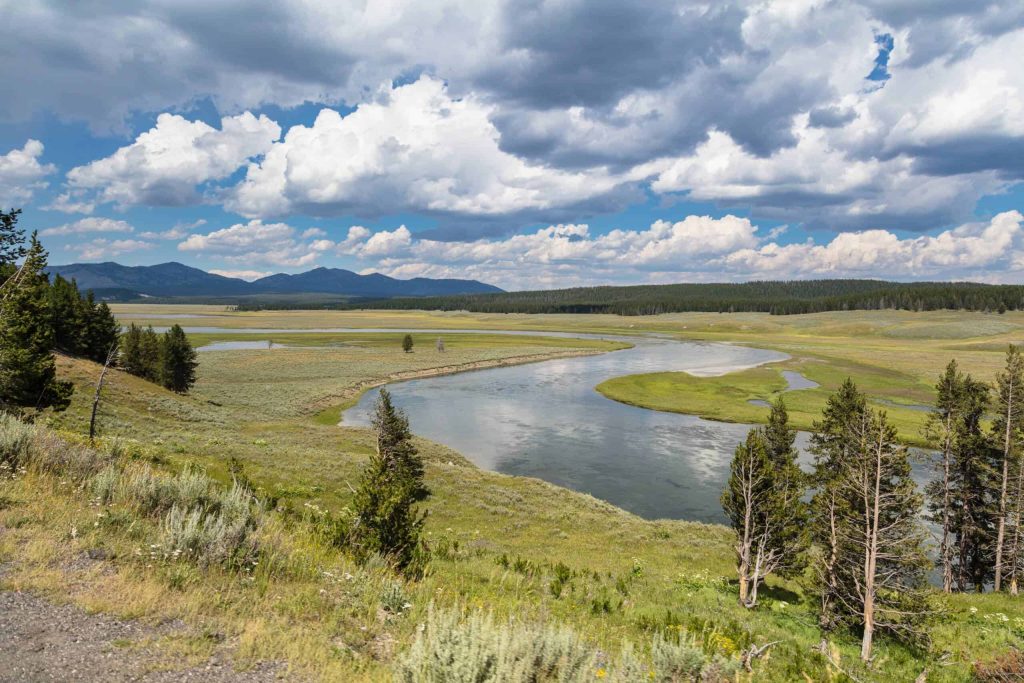
This is where the Bison roam. The line through Hayden Valley is often long only because the bison’s favorite spot to chill is on the road. This makes for some killer pictures though!
Mammoth Hot Springs
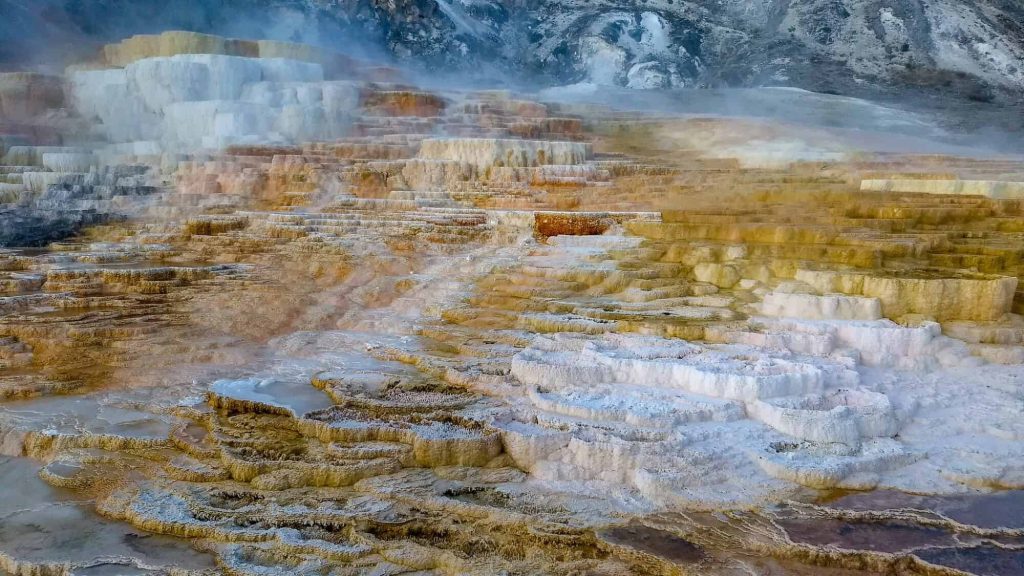
A boardwalk surrounding Mammoth Hot Springs is a great little hike to take to explore this region of the park. formed by soft limestone, the features are ever-changing and are otherworldly.
3. What Things Are There To Do?
Hiking
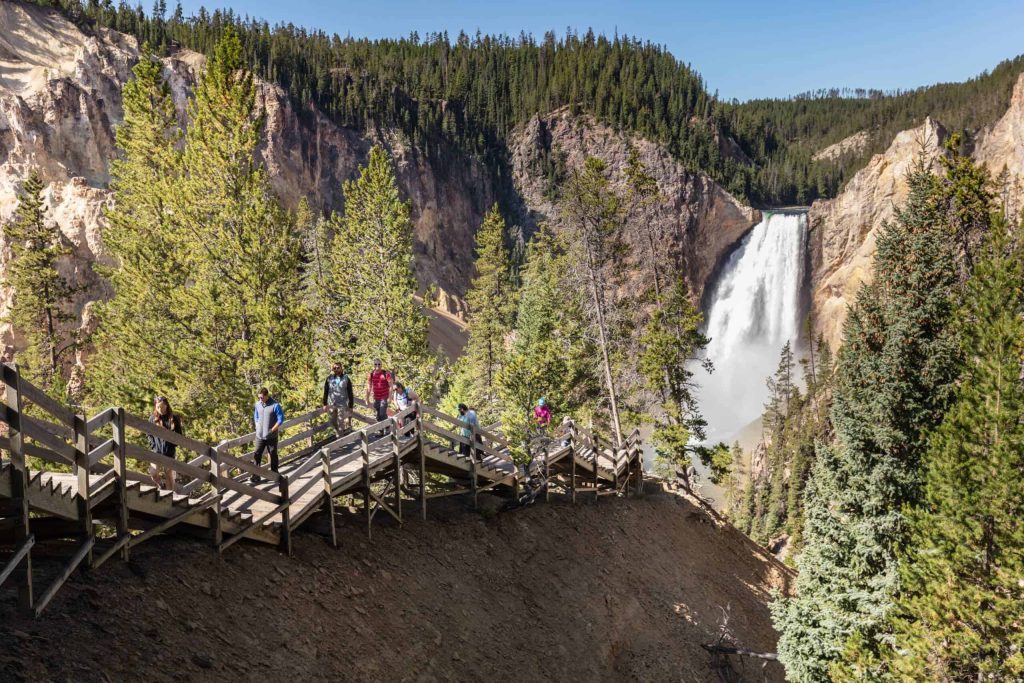
Yellowstone rewards hikers with sweeping canyons, alpine meadows, and iconic viewpoints. In our experience, the best trails balance scenery with doable mileage, so you’re not spent before sunset. We’ve found Fairy Falls Trail (about 5.4 miles round trip) delivers lush forest, a roaring waterfall, and fewer crowds than the main geyser routes.
For a stronger workout and big payoff, consider Mount Washburn Trail from the Dunraven/Chittenden corridor (roughly 6 miles round trip with substantial elevation gain). We recommend starting early and parking at the Mount Washburn Trailhead before 7:30 a.m. in peak season to secure a spot and beat the mid-morning heat.
Another solid option is the Yellowstone Canyon rim routes near Grand Canyon of the Yellowstone—watching the Lower Falls from the North Rim viewpoints and the trails down toward the canyon floor gives you a different perspective on the park’s geology. In our experience, pace yourself on steeper sections and carry extra water in late spring and summer, as temperatures rise quickly on exposed sections.
From our perspective, these hikes showcase Yellowstone’s contrasts—quiet forest corridors, thunderous waterfalls, and panoramic overlooks—without requiring a full backpacking trip. We recommend pairing a shorter, shaded hike with a late-afternoon finish at a hot spring or historic lodge for a complete day on foot.
Fishing In Yellowstone
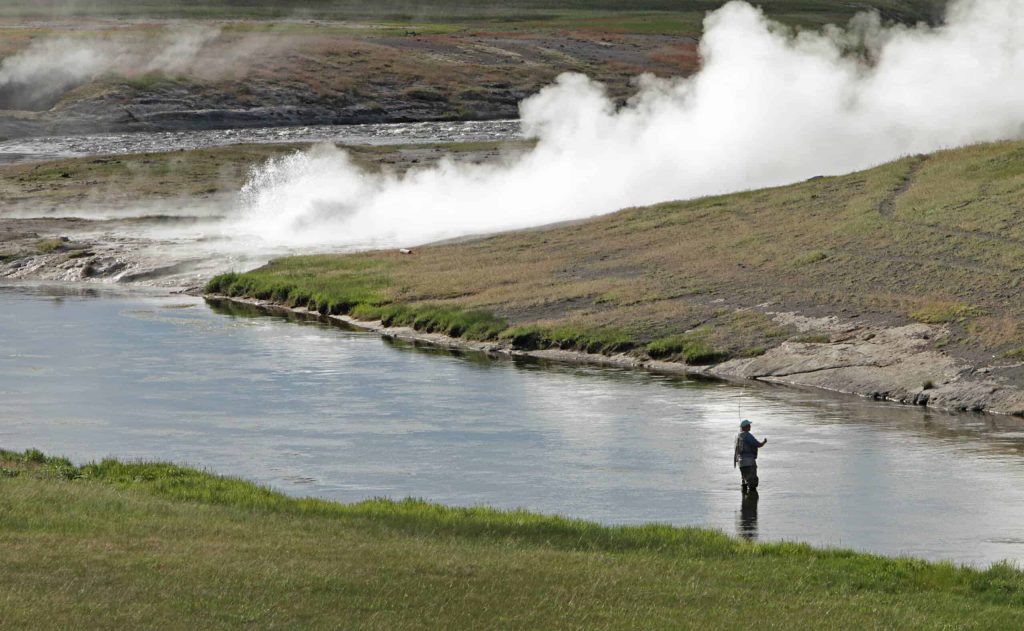
Anglers can enjoy a day on the water here in Yellowstone. However, permits are required and regulations are in place to protect the local ecology. Follow all the rules and enjoy what might be the most peaceful place on earth to catch a fish.
Horseback Riding
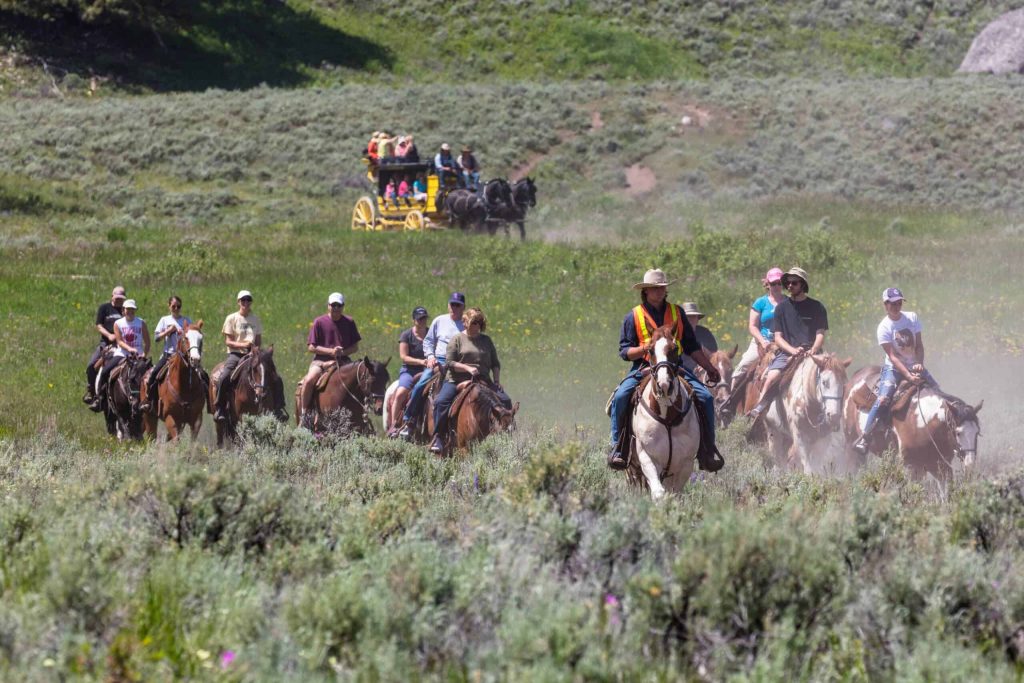
A ride through Yellowstone’s backcountry feels like stepping into a living postcard. In our experience, guided horseback trips range from 1–2 hours to full-day adventures, with departures from common gateways like Gardiner, West Yellowstone, and the Cody area. This is one of those Yellowstone experiences that honors the park’s rugged horizons while keeping you safely in the saddle.
What to bring? closed-toe boots, long pants, a lightweight rain layer, and sunscreen. Helmets are typically provided by the outfitter, and you’ll want to dress in layers for the morning chill. We’ve found that early departures often offer quieter trails and better wildlife viewing.
From our experience, book in advance through official concessionaires and arrive 15–30 minutes before your ride for paperwork and gear fitting. Stay on designated trails, listen to your guide, and keep a respectful distance from wildlife and other riders—Yellowstone’s horses and ecosystems deserve careful stewardship.
Boating
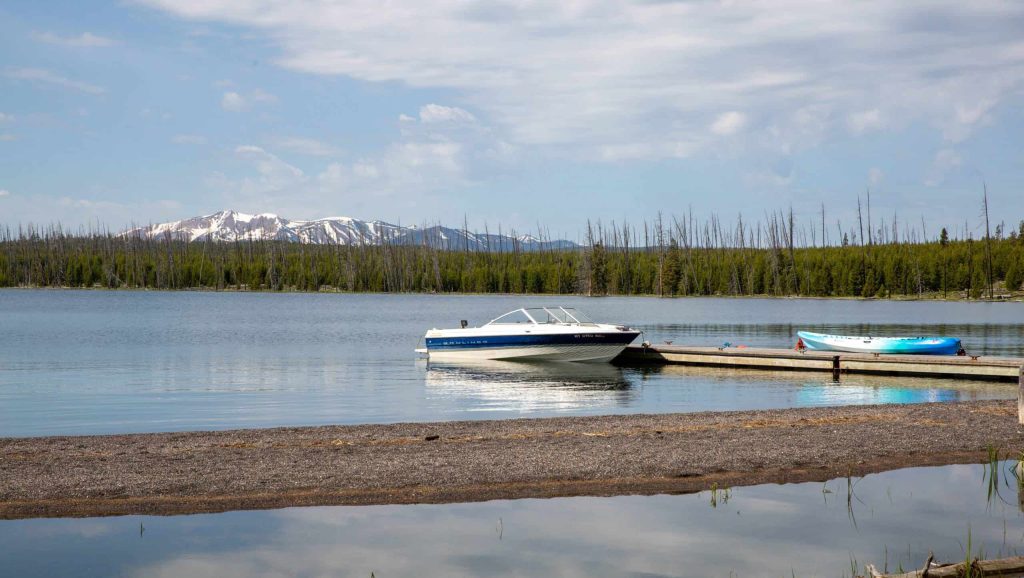
On our last visit, seeing Yellowstone from the water gave us a fresh perspective—calm coves, steaming shores, and wildlife that hardly shows up from the shore. Before you launch, get your boat inspected at the park’s official station to prevent invasive species spread; this inspection is required for all watercraft entering the park. We recommend planning that inspection early in your day to keep the itinerary on track.
We’ve found Eagle Bay and Bridge Bay to be solid launch points for Yellowstone Lake, offering relatively smooth access and milder crowds than some pullouts along the Madison. For intimate scenery, paddle along the shoreline toward Glen Creek or venture toward Pelican Valley, but stay mindful of sudden lake gusts and keep a marine radio or waterproof phone case handy.
From our experience, the Eagle Bay dock is convenient for quick breaks and gear swaps, though it can fill up on weekends. Pack layered clothing, bear spray, and a waterproof cooler, since shoreline areas in summer are popular with wildlife. Please pack out trash and follow speed and wake regulations to protect the lake and its fragile shoreline.
4. What Towns Are Nearby Yellowstone?
Gardiner, Montana
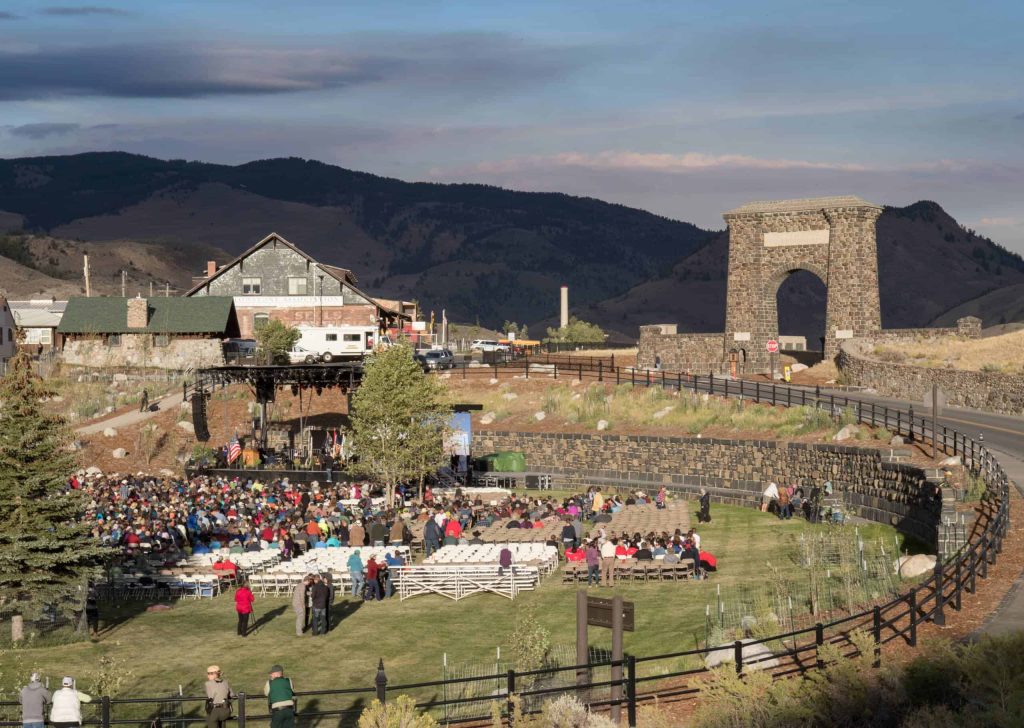
Gardiner is more than just a gateway town – it’s the pulse of Yellowstone’s northern entrance, and we’ve found the mornings are magical here. In our experience, arrive early to snag parking near the Roosevelt Arch and grab a quick coffee before driving into the park, when the crowds are still waking up.
With a year-round opening, Gardiner offers practical access points, gas, and gear shops close to the corridor, plus riverfront options for a post-park readjustment. We recommend checking the latest NPS entry data and road status before you go, as conditions can shift with winter snows and spring melt. This stop pairs best with a sunrise in Yellowstone’s Lamar Valley or a late-afternoon stroll along the Gardner River boardwalk for wildlife viewing.
Jackson Hole, Wyoming
Jackson Hole isn’t just a town—it’s your gateway to Yellowstone’s South Entrance and the dramatic Teton scenery. In our experience, it serves as the most convenient base for exploring the southern routes while still delivering big-town amenities and easy dining options.
We recommend staying in Jackson for access to gear shops, groceries, and reliable lodging, then day-tripping into Yellowstone or Grand Teton. If you’re heading into Yellowstone early, plan a sunrise drive from Jackson to the South Entrance (about 60 miles via US-89) to beat some road congestion and catch wildlife along the Snake River flats. We’ve found that three to four nights here strike a good balance between town time and park adventures.
West Yellowstone, Montana
Just outside Yellowstone’s West Entrance, West Yellowstone, Montana, is our practical gateway for daily park adventures. In our experience, the town leans toward tourism and dining, but it also offers a reliable main grocery store and a few well-stocked gear shops that staff can point you to for bear spray, maps, and trail snacks. We recommend arriving early to restock and to grab updated park conditions at the visitor center before you head into the park.
5. Where Can I Stay?
Yellowstone is full of places to stay, from historic lodges to family-friendly campgrounds. As the NPS notes, you’ll find hotels, lodges, and campgrounds scattered throughout the park, with most options concentrated near the major geyser basins and along the Grand Loop Road. In our experience, early planning is essential to snag the best spots.
We’ve had great stays at Mammoth Hot Springs Hotel & Cabins, Lake Yellowstone Hotel, and Old Faithful Inn—each offers a different vibe and convenient access to nearby trails. For campers, Madison Campground and Fishing Bridge RV Park are reliable choices, and Canyon Village often has quieter evenings than Old Faithful. A pro tip: reserve as far in advance as possible, and keep a backup option in mind for peak summer weeks. Remember to pack bear spray and use the bear boxes where provided, per NPS guidelines, and check the current seasonal closures before you go—everything shifts with weather and road access. In our experience, staying inside or close to the central loop reduces drive time on busy days and frees up more time for sunrise photography or late-evening wildlife viewing.
Hotels
Old Faithful Inn
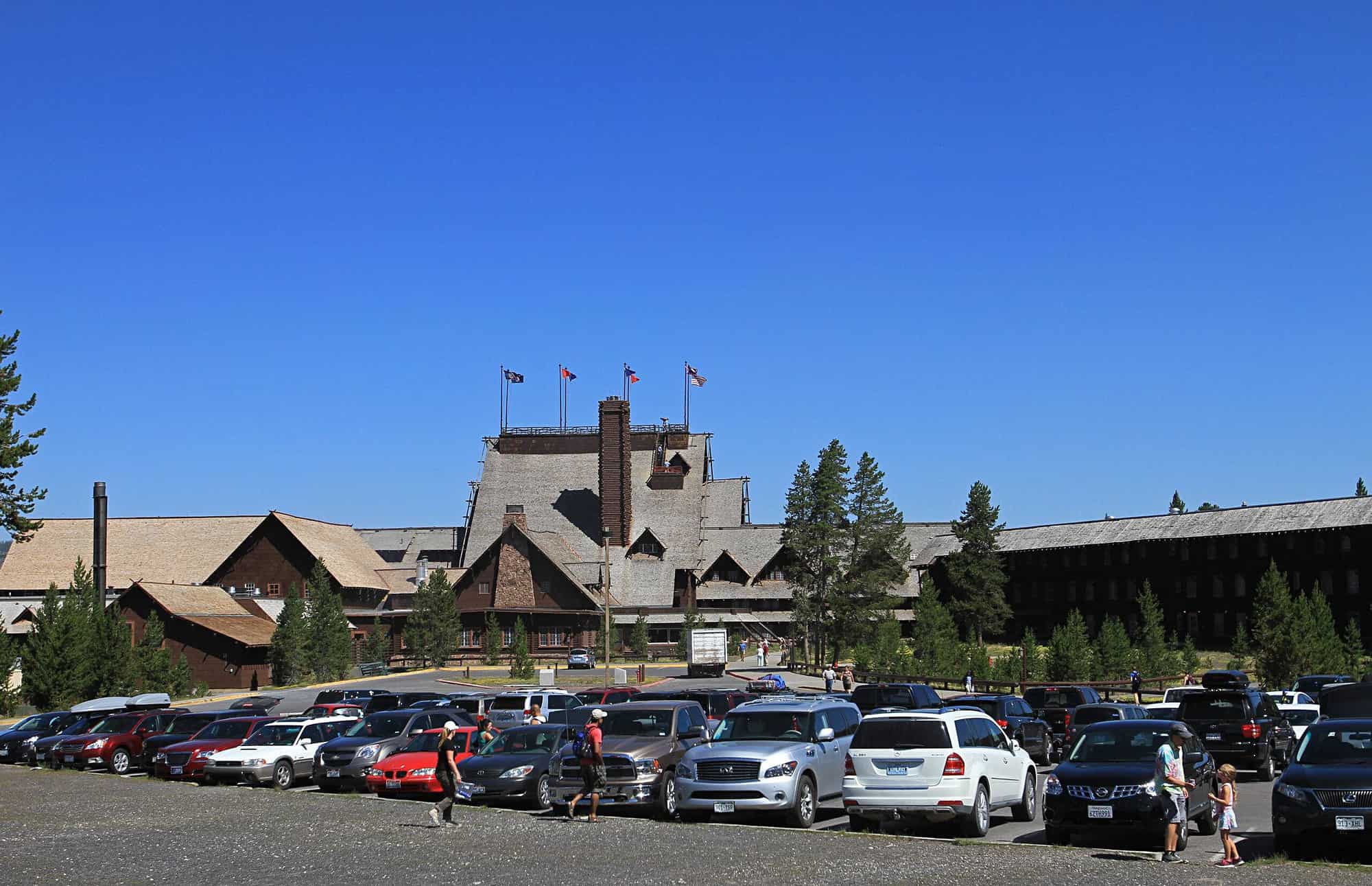
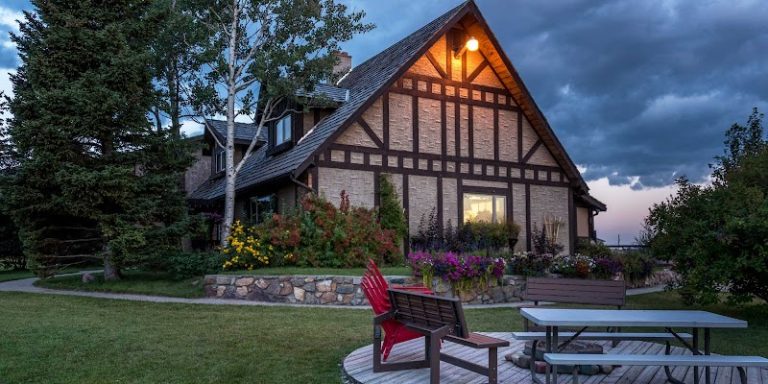
Located near the south entrance of the park, Old Faithful Inn is the largest log structure in the world. The inn was built out of local materials in 1904 directly next to Old Faithful Geyser. This is the most popular lodging in the park so make sure to book early!
Canyon Lodge and Cabins
On the east side of the park lies the Grand Canyon of Yellowstone. Near that is Canyon Lodge and Cabins. This is a magnificent place to come and spend your evenings. The lodge is open from June through October.
Campgrounds
Fishing Bridge RV Park
From our experience, Fishing Bridge feels like Yellowstone on a bear-smart rhythm—an RV-friendly hub where safety and convenience come first. This is an RV-only campground due to the frequent bear activity in the area, but that shouldn’t deter you; it’s still one of the most practical bases for a Yellowstone trip with wheels. We recommend arriving early to secure one of the larger sites with electric hookups, and packing a bear-safe storage box for your food and ice chests, since bear activity is common in the vicinity.
Fishing Bridge is adjacent to the Fishing Bridge Visitor Center area, and while you’ll want to stick to the designated bear-handling guidelines, we’ve found the campground’s proximity to the east and south entrances makes day trips smooth. For what you’ll be paying, you get solid RV amenities, accessible restrooms, and easy access to popular loops without fighting for parking in peak season. Check the official page for current rules and seasonal advisories before you go: Fishing Bridge
Canyon Campground
Having its own store, hot showers and flushable toilets, Canyon Campground is a treat to stay at for an easier, more comfortable Yellowstone experience. In our experience, its location near the east entrance makes early-morning drives to the Grand Canyon of the Yellowstone and Uncle Tom’s Trail a breeze. We’ve also enjoyed trails nearby like Cascade Lake, Canyon Rim Trail, and Mount Washburn—these are solid options if you want a mix of short strolls and longer overlooks during your stay.
We recommend booking Canyon Campground well in advance, since it fills quickly in peak months. Note that the Canyon area can see afternoon wind shifts and occasional dust from nearby trails, so pack a light shelter if you’re sensitive to exposure. The campground store and flush toilets are a welcome convenience after long days on the trails, and the proximity to washes and overlooks gives you flexible options for sunrise and sunset photography. For more details on amenities and current conditions, you can visit the lodge link provided by the park.
Yellowstone has so much to offer. If it is your first time going to a national park or you are a seasoned traveler, Yellowstone has it all. Come and enjoy beautiful Yellowstone National Park!