


+2 more
1 / 5
Roaring Mountain
Last Updated: January 2026
Overview
About This Attraction
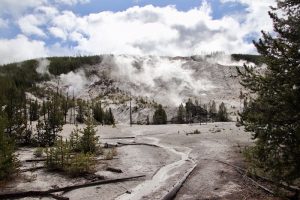
White-gray slopes spill along the Norris–Mammoth corridor, steaming softly beside the road. The pale surface is the product of hydrothermal alteration—hot, acidic groundwater dissolves darker minerals, leaving light-colored clays and sulfates, while wind and water sculpt the hillside. The result is a living record of chemical weathering in a volcanic setting, punctuated by the distant roar of venting gases.
Best Time to Visit
Summer (late May–October). Morning light highlights the pale slopes; avoid the harsh noonday glare; July–August bring the heaviest crowds.
Visitor Tips
- Pullouts along the Grand Loop Road offer the best vantage; expect limited parking during peak season.
- Stay on pavement; ground around vent areas can be unstable.
- Watch for steam plumes and color contrasts between altered rock and fresh rock.
- Water is not available at the pullouts; carry hydration.
- Bear spray and situational awareness are advisable; cell service is spotty, so plan accordingly.
- For photography, use early morning or late afternoon light to minimize glare.
ℹ️ Data Sources
usgs.gov nps.gov buckrail.com kiddle.co wikipedia.org yellowstone.co wanderlog.com justsimplywander.com aroundus.com yellowstoneexplored.com expedia.com.hk nationalparked.com youtube.com nationalparkstraveler.org wereintherockies.com Google Reviews YourNPGuide Editorial
Information is compiled from official sources, verified traveler reviews, and editorial research. Learn how YourNPGuide works →