
McDonald Creek Overlook
Upper McDonald Creek rushes past this overlook—part of Glacier's 25-mile longest creek system.
Open to everything · Saved in this browser
A FEW CHOICES. A TRIP THAT FEELS LIKE YOU.
What could your Glacier trip look like?
Choose what excites you. We’ll use it to filter your Glacier ideas—not rewrite the guide you came to read.
What draws you here?
Choose as many as you like—or leave it open to see everything.
When might you go—and for how long?
We’ll point you to the matching trip length. Season choices add access reminders; they do not confirm anything is open.
Have you chosen a side to stay on?
We’ll flag ideas that need a transfer from your chosen side. This is a preference, not a hotel booking.
Choices save automatically in this browser only. No account. Your answers are not sent to our servers.
Ideas for your Glacier trip
Showing all Glacier experiences. Your saved places and essential access information are never filtered.
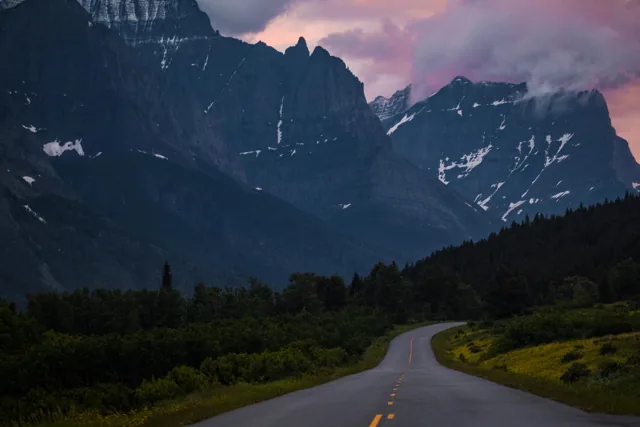
An idea to explore—not a must-do.
The full road crossing depends on seasonal access—even in summer.
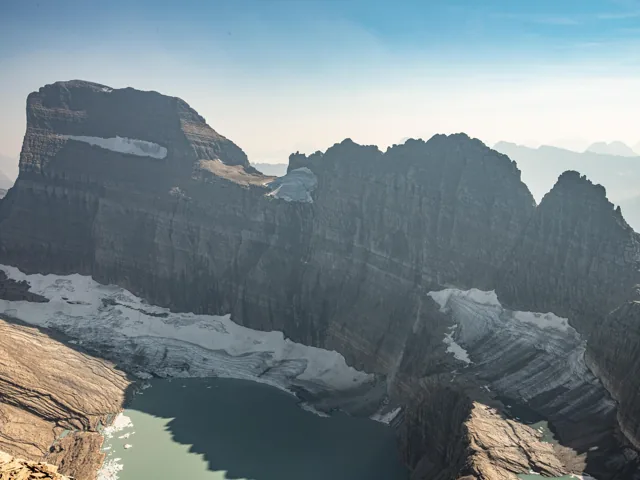
An idea to explore—not a must-do.
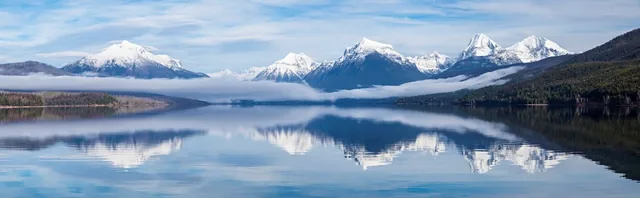
An idea to explore—not a must-do.
Natural Attraction
Upper McDonald Creek rushes past the observation platform, its current swift and cold like Glacier's other mountain streams. This stretch is part of the park's longest creek system, running roughly 25 miles down to Apgar. NPS designates the platform as a scenic photo stop with a clear line of sight to the water below. It's a quick, easy stop for anyone tracing the creek through the valley.
MAKE ROOM FOR A MEMORABLE STOP
Is this stop worth your time?
Why go
- What Youll See
- Upper McDonald Creek flowing past the observation platform, with a clear view down to the water.
- Unique Characteristics
- Upper McDonald Creek here is part of Glacier's longest creek system, running roughly 25 miles down to Apgar.
When to go
- Best Time To Visit
- Any time the Going-to-the-Sun Road corridor is open; the creek runs highest in early summer snowmelt, so expect the loudest water then and calmer, clearer water by late summer. Check current road status before you go.
- Seasonal Access
- Year-round access if the access road is open. West-side roads may close seasonally due to heavy snow—check NPS website for current status.
Getting there and doing it
- Nearby Facilities
- Apgar Visitor Center and village nearby with restrooms, ranger assistance, food options, and lodging
- Accessibility
- Observation platform accessible by vehicle pullout. Check with Apgar Visitor Center for specific accessibility features (ramps, railings, surface type).
Getting there & parking
- GPS Coordinates
- 48.6558987437,-113.840125139
When to go
- Best Visit Times
- Early morning before afternoon crowds arrive; late afternoon for warm light on flowing water
- Best Season
- Late spring through early summer (May-July) for peak water flow and visual drama
- Weather Patterns
- Spring snowmelt peaks late May–July, dramatically swelling creek flow. Summer afternoon thunderstorms are common. Lower water levels in late summer. Morning fog clears by late morning most days.
What you will experience
- Attraction Type
- Erosional Feature - Creek System
- Main Features
- Observation platform over Upper McDonald Creek; part of the longest creek system in Glacier at around 25 miles.
- Photo Opportunities
- The observation platform gives a direct line of sight down to Upper McDonald Creek; shoot from the platform rail rather than the bank, and try both ends of the platform for different angles on the water.
- Best Viewpoints
- Observation platform directly above Upper McDonald Creek offers the primary viewing angle
- Scientific Interest
- Upper McDonald Creek exemplifies fluvial erosion and is Glacier's longest creek system (25 miles). The visible glacial flour sediment load demonstrates active bedrock grinding via water transport. Creek continues sculpting the valley in real time.
Facilities, fees & access
- Entry Fees
- $35 per private vehicle (7-day pass)
- Permits Required
- No
- Restrooms Available
- No
- Picnic Areas
- No
- Accessibility Level
- Drive-up observation platform
- Nearby Services
- Apgar Village (food, lodging, visitor services nearby)
- Family Friendly Notes
- Suitable for families. Supervise children carefully near platform edges and water. Keep children away from the water's edge—water is very cold and current is swift, posing serious hazard. Hold hands near railings.
Safety
- Safety Considerations
- Swift creek current is dangerous, especially during high water. Water stays extremely cold even in summer, making immersion dangerous. Stay on the observation platform and away from the water's edge. Rocks near the water can be slippery. Do not enter the water under any circumstances.
Nearby
- Nearby Attractions
- Apgar Village, Apgar Visitor Center, Avalanche Creek area
Planning advice
- Insider Tips
- Upper and lower McDonald Creek together make up the longest creek system in Glacier, about 25 miles, with the lower section running past Apgar.
- Creek water stays extremely cold even in summer and currents run swift; view from the platform only.
- Stay off wet rocks and logs near the water.
More details
- Visitor Center Present
- No
- Review Summary
- McDonald Creek Overlook offers a clear, easy view of Upper McDonald Creek from the observation platform, part of Glacier's 25-mile longest creek system. Visitors appreciate the direct sightline to the water and the quick, low-effort stop it offers along the route.
Location
Frequently asked questions
When is the best time to see Upper McDonald Creek at its most powerful?
Exact peak-flow dates for this stretch aren't documented. Check current conditions with the park before your visit.
Can I swim or wade in the creek?
No. Glacier's creeks and streams stay extremely cold even in summer, and currents can be swift and dangerous. Stay on the observation platform.
Is it worth a stop if I'm on a tight schedule?
Yes. It's a quick observation point showing one of Glacier's longest creek systems.
Do I need a separate permit to visit the overlook?
No. Entry is included with standard Glacier park admission.
Is the platform accessible for people with mobility challenges?
Ask at Apgar Visitor Center for current accessibility information about railings, surface type, and parking proximity.
Is it safe for young children?
Supervise children closely near the platform edge and water. Currents are swift and the water stays extremely cold even in summer—keep children back from the edge.
More at Glacier National Park

Pyramid Peak
Peak sharpened by glacial ice above Mokowanis Lake; an off-trail scramble deep in the Belly River backcountry.

Grace Lake
Grace Lake: glacial cirque lake at 3,966 ft, reached via the Logging Lake Trail.

Rising Sun Picnic Area
A practical east-side pause where Glacier’s mountains meet the prairies.

Two Medicine Picnic Area
Two Medicine’s lake and peaks reward a future picnic; road access is closed as of September 8, 2026.

Monument Falls
A partly hidden waterfall above Avalanche Lake, distinct from the taller headwall cascades. Plan for lake-and-basin views, not a waterfall-base visit.

Lake McDonald
A west-side lakeshore pause: choose Apgar or Lake McDonald Lodge, then leave room for a separate walk or boat outing.
Recommended gear for Glacier National Park
Some booking links below are affiliate links, which may support YourNPGuide at no extra cost to you. Affiliate disclosure.


Sources
- National Park Service
- YourNPGuide Editorial
Editorial review: YourNPGuide Editorial Team. Information is compiled from official sources, verified traveler reviews, and editorial research; no firsthand visit is implied unless explicitly documented. Learn how YourNPGuide works.
Last updated July 2026. Report an issue.