


+2 more
1 / 5
Matahpi Peak
Last Updated: December 2025
Overview
About This Attraction
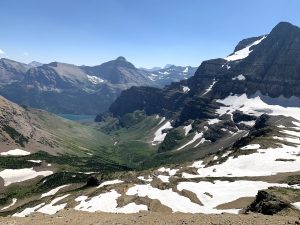
Matahpi Peak crowns Glacier NP with a jagged granite silhouette, its eastern walls dropping 2,000–3,000 ft into the valley. Sunrise light throws color across the summit as you approach from Siyeh Bend toward the saddle west of Piegan Pass. The forcing sequence is tectonic uplift followed by powerful glacial carving that sculpted this cirque-embossed sentinel.
Best Time to Visit
Going-to-the-Sun Road is typically open from late June through mid-October; sunrise and sunset illuminate Matahpi’s alpine profile, with the best light in the early morning or late evening.
Visitor Tips
- Arrive before 7 am to mitigate parking bottlenecks at Logan Pass; use the park shuttle when possible.
- The final ascent is rugged—wear solid boots and bring traction devices for snow/ice.
- Carry bear spray, hike in groups, and make noise to deter wildlife.
- Weather changes rapidly at altitude—pack layers and extra water.
ℹ️ Data Sources
kiddle.co peakvisor.com wikipedia.org nps.gov countrywalkers.com enjoyyourparks.com hike734.com anugara.net reddit.com glacierguides.com adventureswithgoatboy.com glacier.org npshistory.com glacierhikesandbikes.com readingismysuperpower.org bchmt.org opengeology.org usgs.gov wanderlog.com Google Reviews YourNPGuide Editorial
Information is compiled from official sources, verified traveler reviews, and editorial research. Learn how YourNPGuide works →