
Maksskitsi (Mountain Ash)
Mountain ash shrubs with red berries—a Native medicinal plant with deep ethnobotanical heritage.
Open to everything · Saved in this browser
A FEW CHOICES. A TRIP THAT FEELS LIKE YOU.
What could your Glacier trip look like?
Choose what excites you. We’ll use it to filter your Glacier ideas—not rewrite the guide you came to read.
What draws you here?
Choose as many as you like—or leave it open to see everything.
When might you go—and for how long?
We’ll point you to the matching trip length. Season choices add access reminders; they do not confirm anything is open.
Have you chosen a side to stay on?
We’ll flag ideas that need a transfer from your chosen side. This is a preference, not a hotel booking.
Choices save automatically in this browser only. No account. Your answers are not sent to our servers.
Ideas for your Glacier trip
Showing all Glacier experiences. Your saved places and essential access information are never filtered.
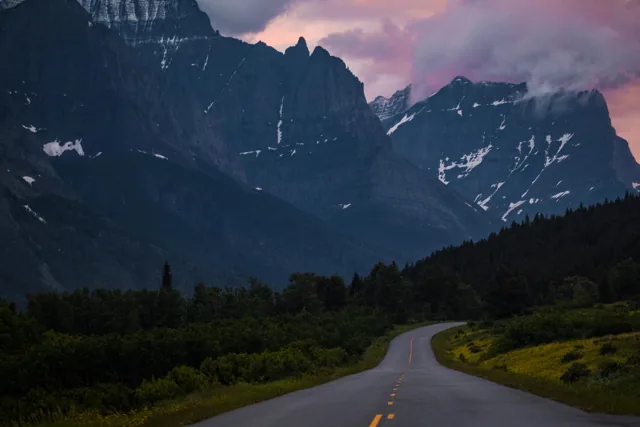
An idea to explore—not a must-do.
The full road crossing depends on seasonal access—even in summer.
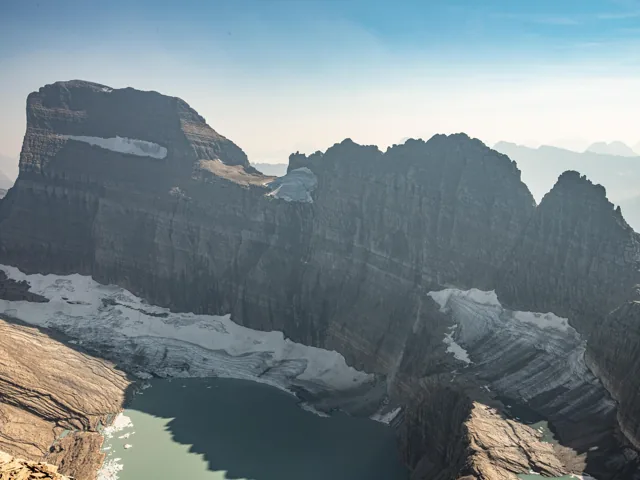
An idea to explore—not a must-do.
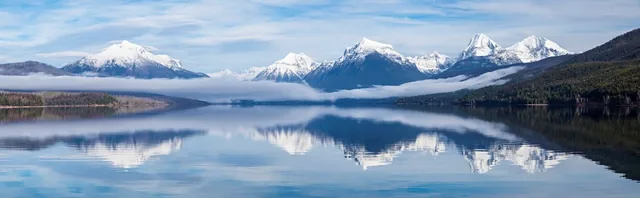
An idea to explore—not a must-do.
Natural Attraction
Mountain ash shrubs are recognized by their distinctive compound leaves and clusters of bright red berries visible throughout Glacier's accessible areas, peaking in ripeness late summer through fall. Native peoples—including the Blackfeet and other Northern tribes—harvested the peeled branches and inner bark to prepare decoctions and medicinal teas for treating back pain, colds, headaches, and chest ailments. Branches were also boiled to create steam for inhalation to relieve respiratory conditions and sore chests. This ethnobotanical site represents the sophisticated Indigenous botanical knowledge applied to local plant medicine.
MAKE ROOM FOR A MEMORABLE STOP
Is this stop worth your time?
Why go
- What Youll See
- Mountain ash shrub with distinctive compound leaves and bright red berry clusters; distinctive appearance makes identification reliable, especially during peak ripeness late summer through fall
- Main Features
- Distinctive compound leaves with serrated margins and bright red berry clusters; significant Indigenous ethnobotanical heritage and traditional medicinal use documented by Blackfeet and other Northern tribes
When to go
- Seasonal Access
- Accessible year-round; visitors can enter the park at any time
- Best Season
- Late summer through fall (August–October) when red berries reach peak ripeness and visibility
Getting there and doing it
- How To Get There
- Located within Glacier National Park. Open to public access at any time. Consult the official NPS Places page (nps.gov/places/maksskitsi-mountain-ash.htm) for specific trail access and seasonal considerations.
Getting there & parking
- GPS Coordinates
- 48.495595, -113.3491
When to go
What you will experience
- Attraction Type
- Ethnobotanical Resource
Facilities, fees & access
- Entry Fees
- $35 per private vehicle (7-day pass) required for park entrance; covers access to all park areas including this location
- Interpretive Signs
- Yes
- Accessibility Level
- Open to public access
- Family Friendly Notes
- Suitable for all ages. Excellent opportunity to teach children about Indigenous plant knowledge and ethnobotanical history. Keep young children close near any steep terrain; standard park wildlife safety applies.
Safety
Planning advice
- Insider Tips
- The bark, leaves, and berries each served distinct medicinal purposes—bark and branches for decoctions, steam inhalation for respiratory relief
- Vitamin C and tannins in mountain ash supported traditional use for colds, coughs, and immune health
- Berries are most vibrant August through October—photography conditions peak during mid-to-late September
- Mountain ash grows throughout the park; this location is specifically noted for ethnobotanical and cultural significance
- Tips Advice
- Look for the distinctive compound leaves arranged alternately along branches—mountain ash is readily identifiable among Glacier's native shrubs
- Red berries peak August through October; plan visits accordingly for best visibility and photography
- Maintain wildlife safety: 100 yards from bears, 25 yards from other animals per park policy
- This location honors the ethnobotanical knowledge Indigenous peoples applied to local plants for medicine
More details
- Park Area
- Lake McDonald area
- Visitor Center Present
- No
Location
Frequently asked questions
What makes mountain ash worth visiting?
The site represents centuries of Indigenous ethnobotanical knowledge—every part of the plant (bark, leaves, berries) was used medicinally by the Blackfeet and other Northern tribes. Visitors interested in Native American botanical history and traditional ecological knowledge find it significant.
Is this just a regular shrub?
No. Mountain ash is distinctive with compound leaves and red berry clusters, but more importantly, it has deep ethnomedicinal significance. The Blackfeet used it to treat colds, headaches, chest ailments, and internal bleeding through decoctions and steam inhalation.
Can I harvest berries or branches?
No. Harvesting any vegetation in Glacier National Park is strictly prohibited. The site is protected for research, education, and cultural preservation.
When should I visit to see the red berries?
Late summer through fall (August–October) when berries ripen to bright red and are most visible and vibrant—this is the optimal window for identification, observation, and photography.
Is the site accessible if I'm not an experienced hiker?
Yes. Maksskitsi is located in Glacier's accessible areas. Consult the NPS Places page and park staff for specific trail options matching your fitness level.
Why is mountain ash important beyond being pretty?
Mountain ash connects visitors to Indigenous botanical science and medical knowledge developed over centuries. It demonstrates how local peoples understood plant chemistry—the bioactive compounds (vitamin C, tannins) align with documented traditional uses.
More at Glacier National Park

Pyramid Peak
Peak sharpened by glacial ice above Mokowanis Lake; an off-trail scramble deep in the Belly River backcountry.

Grace Lake
Grace Lake: glacial cirque lake at 3,966 ft, reached via the Logging Lake Trail.

Rising Sun Picnic Area
A practical east-side pause where Glacier’s mountains meet the prairies.

Two Medicine Picnic Area
Two Medicine’s lake and peaks reward a future picnic; road access is closed as of September 8, 2026.

Monument Falls
A partly hidden waterfall above Avalanche Lake, distinct from the taller headwall cascades. Plan for lake-and-basin views, not a waterfall-base visit.

Lake McDonald
A west-side lakeshore pause: choose Apgar or Lake McDonald Lodge, then leave room for a separate walk or boat outing.
Sources
- National Park Service
- YourNPGuide Editorial
Editorial review: YourNPGuide Editorial Team. Information is compiled from official sources, verified traveler reviews, and editorial research; no firsthand visit is implied unless explicitly documented. Learn how YourNPGuide works.
Last updated July 2026. Report an issue.