


+2 more
1 / 5
Madison River
Last Updated: January 2026
Overview
About This Attraction
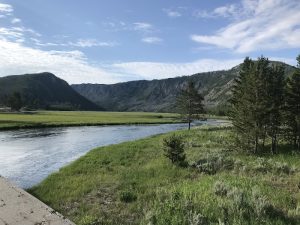
Rushing water threads the Madison River through Madison Valley, its banks edged by sage and pines. The river bears Yellowstone’s volcanic and seismic history, including the 1959 Hebgen Lake earthquake that redirected flows and birthed Quake Lake. Mineral-rich currents from geothermal zones sustain a vibrant aquatic life along this stretch.
Best Time to Visit
Spring and fall are best for fishing and wildlife viewing; mornings and evenings offer softer light and more activity.
Visitor Tips
- Look for mineral-stained water where geothermal inputs tint the flow.
- Stay back from riverbanks; edges can crumble and sudden drop-offs occur.
- Bear spray recommended in bear country; keep a respectful distance from wildlife.
- Cell service is spotty to non-existent; download offline maps and share plans with a friend.
ℹ️ Data Sources
nps.gov wikipedia.org westernrivers.org montanaangler.com wereintherockies.com yellowstoneexplored.com outsideonline.com npshistory.com southwestmt.com usgs.gov yellowstone.co americanwesttravel.com yellowstoneparknet.com youtube.com yellowstonenationalpark.com eastidahonews.com destinationyellowstone.com reddit.com distinctlymontana.com eos.org livewyldmag.com wcu.edu yellowstonenationalparklodges.com britannica.com scirp.org geomorphologyresearch.com Current time information in Madison County, US. Google Reviews YourNPGuide Editorial
Information is compiled from official sources, verified traveler reviews, and editorial research. Learn how YourNPGuide works →