


+2 more
1 / 5
Liberty Cap
Last Updated: January 2026
Overview
About This Attraction
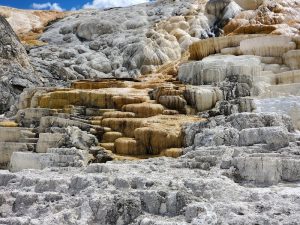
A white travertine cone rises 37 feet above the Lower Terraces, its mineral crust catching light as water once pushed calcium carbonate into a towering mound. This growth marks about 2,500 years of deposition from a spring that stayed active in one spot, building the cone over centuries. It stands as a tangible record of Yellowstone's shifting geothermal system.
Best Time to Visit
Spring melt in May and fall sunrise offer the best light for Liberty Cap; midday glare and crowds peak in summer.
Visitor Tips
- Stay on boardwalks; thermal crusts are fragile.
- Wear traction cleats in winter; boardwalks can be icy.
- Bear spray is commonly recommended in Yellowstone; keep distance from wildlife.
- Arrive early to beat crowds; parking near Liberty Cap can fill by afternoon.
- Use interpretive signs to understand travertine growth patterns.
ℹ️ Data Sources
fotospot.com ebay.com nationalparked.com yellowstoneinsider.com nps.gov npshistory.com locationscout.net yellowstonepark.com yellowstonenationalpark.com uwyo.edu usgs.gov youtube.com wanderlog.com mtmemory.org Google Reviews National Park Service YourNPGuide Editorial
Information is compiled from official sources, verified traveler reviews, and editorial research. Learn how YourNPGuide works →