
Apikuni Falls
~170‑ft cascade over Precambrian Altyn limestone; base-view hike in Many Glacier.
Open to everything · Saved in this browser
A FEW CHOICES. A TRIP THAT FEELS LIKE YOU.
What could your Glacier trip look like?
Choose what excites you. We’ll use it to filter your Glacier ideas—not rewrite the guide you came to read.
What draws you here?
Choose as many as you like—or leave it open to see everything.
When might you go—and for how long?
We’ll point you to the matching trip length. Season choices add access reminders; they do not confirm anything is open.
Have you chosen a side to stay on?
We’ll flag ideas that need a transfer from your chosen side. This is a preference, not a hotel booking.
Choices save automatically in this browser only. No account. Your answers are not sent to our servers.
Ideas for your Glacier trip
Showing all Glacier experiences. Your saved places and essential access information are never filtered.
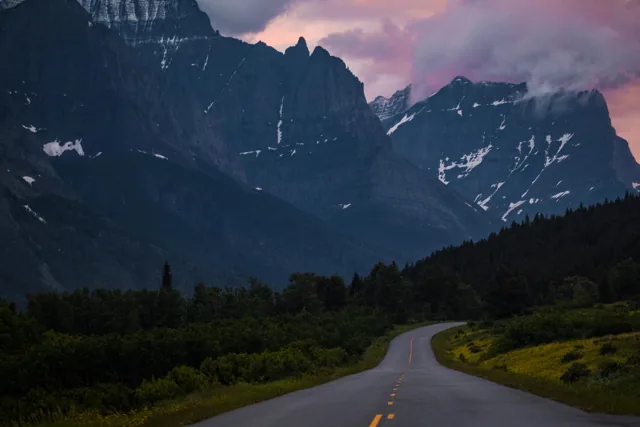
An idea to explore—not a must-do.
The full road crossing depends on seasonal access—even in summer.
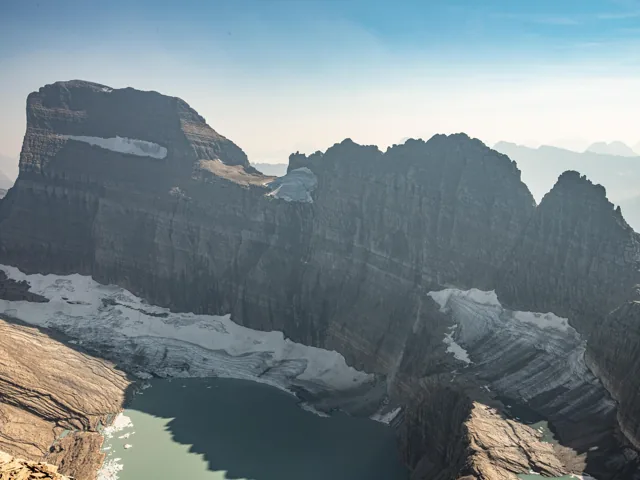
An idea to explore—not a must-do.
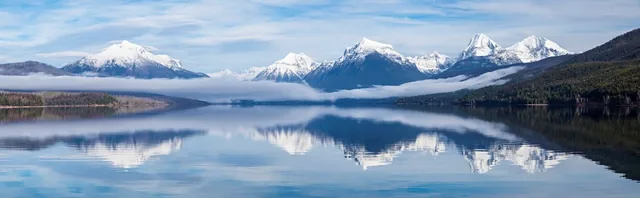
An idea to explore—not a must-do.
Start early to beat parking crowd
Bring bear spray and make noise on ascent
Alpenglow on surrounding peaks at sunset
Final approach is steep and rocky; loose rock near the falls increases slip risk. Bears are common; carry bear spray and make noise. Weather can change quickly…
Natural Attraction
A white plume of water leaps about 170 feet into a rocky pool, set against jagged argillite walls. Meltwater from the surrounding cirque flows through the gorge, and relentless erosion shapes the dramatic cascade as caprock resists the softer stone. The scene sits amid alpine peaks at about 5,721 feet, with a rugged, rocky path leading to the base viewing area.
MAKE ROOM FOR A MEMORABLE STOP
Is this stop worth your time?
Why go
- What Youll See
- A tall waterfall dropping over layered Altyn limestone, alpine peaks and cirque walls, a rocky trail leading to a base viewing area
- Unique Characteristics
- Oldest exposed rock in the area (Precambrian Altyn limestone ~1.5 Ga); set in a glacial cirque; linked to the Lewis thrust fault system; named for Blackfeet author James Willard Schultz (Apikuni)
When to go
- Best Visit Times
- Early morning or late afternoon for best light and fewer crowds
- Peak Fill Times
- Parking fills early during peak season
Getting there and doing it
- How To Get There
- From the Many Glacier area, follow Apikuni Falls/Poia Lake Trailhead. The trail is about 1 mile to the base, with a rocky, exposed approach.
- Parking Availability
- Limited; ~12–14 spaces at the joint Apikuni Falls/Poia Lake Trailhead. Parking fills very early in peak season.
Getting there & parking
- Distance From Entrance
- 0.8 mile one-way
- Road Type
- Paved (Many Glacier Road to trailhead area)
- GPS Coordinates
- 48.80539, -113.63447
When to go
- Best Time To Visit
- Late May–early October. Early morning or late afternoon offer softer light and alpenglow on surrounding peaks; mid-day sun can create glare, and afternoon thunderstorms are common in summer.
- Sunrise Sunset Quality
- Alpenglow on surrounding peaks at sunset
- Best Season
- Late May–early October
- Busiest Season
- Summer (June–August)
- Seasonal Access
- Late May–early October
- Road Opening Dates
- Late May (seasonal) open; closes with snow in fall
- Snow Lingering
- May–early June
- Winter Access
- Limited; snowshoeing possible with proper gear
- Weather Patterns
- Afternoon thunderstorms common in warmer months; snowmelt drives peak flow in late spring
- Wildflower Peak
- July–August
- Fall Colors Peak
- Late September–early October
What you will experience
- Attraction Type
- Geological Formation
- Main Features
- ~170-foot cascade; Precambrian argillite cliffs; glacial cirque; Lewis thrust fault exposure
- Photo Opportunities
- Early light on the cascade; mist with alpine backdrop; dramatic rock faces and surrounding peaks
- Photography Spots
- Base viewing area; along the trail with framing views of Many Glacier Valley and surrounding peaks
- Best Viewpoints
- Base viewing area at the Apikuni Falls/Poia Lake Trailhead; vantage along the rocky approach with views up the cascade
- Common Wildlife
- Grizzly bears, black bears, bighorn sheep, mule deer, pikas, chipmunks, squirrels, weasels
- Best Wildlife Times
- Spring through fall; bears most active in early morning and late afternoon
- Geological Formation Type
- Cirque; Precambrian argillite exposure; Lewis thrust fault context
- Scientific Interest
- 1.5-billion-year-old Altyn limestone; glacial cirque development; thrust fault relationships in the Lewis system
- Stargazing Quality
- Good; dark skies away from park lights
Facilities, fees & access
- Entry Fees
- Varies; Glacier National Park entrance fee applies
- Permits Required
- No
- Restrooms Available
- No
- Restroom Type
- Not available at trailhead
- Picnic Areas
- No
- Water Available
- No
- Cell Service
- Unreliable in remote areas
- Interpretive Signs
- No
- Accessibility
- Steep, rocky final approach; not wheelchair-accessible
- Accessibility Level
- Hike required; steep final approach; not wheelchair-friendly
- Nearby Services
- Many Glacier Hotel facilities; Poia Lake Trailhead amenities
- Nearby Facilities
- Many Glacier Hotel restrooms; Poia Lake Trailhead access facilities
- Family Friendly Notes
- Steep trail; hold hands for younger children; watch footing on rocky sections
Safety
Nearby
- Nearby Attractions
- Many Glacier Valley views; Altyn Peak; Mount Gould; Garden Wall; Salamander Glacier; Allen Mountain; Grinnell Point; Lake Sherburne
- Connecting Trails
- Poia Lake Trail; Apikuni Falls Trail; Many Glacier area trails
- Trailheads Here
- Apikuni Falls/Poia Lake Trailhead
Planning advice
- Insider Tips
- Start early to beat parking crowd
- Bring bear spray and make noise on ascent
- Wear grippy shoes; micro-spikes helpful in shoulder seasons
- Check road status; Many Glacier Road is seasonal
- Tips Advice
- Parking is limited; in peak season arrive early.
- The final approach is steep and rocky; wear grippy shoes.
- Bear spray is highly recommended; make noise on ascent.
- Trekking poles help; micro-spikes may be needed in early season.
- No restrooms at the trailhead; Many Glacier Hotel has facilities.
- Stay on the trail; loose rock and bear activity demand caution.
More details
- Park Area
- Many Glacier, Glacier National Park
- Recent Updates
- No new updates have been reported. The listed access details remain: the Apikuni Falls Trailhead parking accommodates about 12–14 vehicles; the hike is roughly 0.8 miles one way; and the final approach to the base is steep and rocky.
- Elevation Feet
- 5721
- Visitor Center Present
- No
- Guided Tours Available
- No
- Waterfall Height
- 170 ft
- Waterfall Flow Rate
- Variable; peak during snowmelt
- Lake Size
- Varies
- Fishing Species
- No documented fishing species information for Apikuni Falls; the area is primarily a hiking destination.
- Fishing Nearby
- No
- Swimming Allowed
- No
- Boating Allowed
- No
- Climbing Areas
- No
- Review Summary
- Rating 4.9/5 from 28 reviews reflects the dramatic 170-foot cascade and the cirque setting. The hike to the base is moderate but demanding in places, with limited parking and notable bear presence. Visitors consistently remark on the scale and geology, not just the view.
Location
Photos


Frequently asked questions
Do I really need to arrive early to get parking?
Yes. Parking at the Apikuni Falls/Poia Lake Trailhead is limited and fills very early in peak season.
Is the 1-mile hike to the falls worth it?
Yes. The 170-foot cascade framed by a glacial cirque delivers a dramatic, geology-rich viewpoint from a dependable base.
Can I bring my dog on this hike?
Dogs are not recommended on this trail due to steep, rocky terrain and wildlife presence; check current park rules before visiting.
Will my 65-year-old mother be able to reach the base viewing area?
The final approach is steep and rocky with uneven footing; it may be challenging for those with limited mobility, but the base is accessible to fit hikers who pace themselves and take breaks.
Is there a restroom at the trailhead?
No restrooms at the trailhead. The closest facilities are at the Many Glacier Hotel.
More at Glacier National Park

Pyramid Peak
Peak sharpened by glacial ice above Mokowanis Lake; an off-trail scramble deep in the Belly River backcountry.

Grace Lake
Grace Lake: glacial cirque lake at 3,966 ft, reached via the Logging Lake Trail.

Rising Sun Picnic Area
A practical east-side pause where Glacier’s mountains meet the prairies.

Two Medicine Picnic Area
Two Medicine’s lake and peaks reward a future picnic; road access is closed as of September 8, 2026.

Monument Falls
A partly hidden waterfall above Avalanche Lake, distinct from the taller headwall cascades. Plan for lake-and-basin views, not a waterfall-base visit.

Lake McDonald
A west-side lakeshore pause: choose Apgar or Lake McDonald Lodge, then leave room for a separate walk or boat outing.
Sources
- roamingbearmedia.com
- enjoyyourparks.com
- utahsadventurefamily.com
- noahlangphotography.com
- visitmt.com
- northwestwaterfalls.com
- hikinginglacier.com
- glacierguides.com
- trekkingwild.com
- hikingproject.com
- mmrvpark.com
- usgs.gov
- wikipedia.org
- nps.gov
- world-of-waterfalls.com
- curiouscat.com
- Google Reviews
- YourNPGuide Editorial
Editorial review: YourNPGuide Editorial Team. Information is compiled from official sources, verified traveler reviews, and editorial research; no firsthand visit is implied unless explicitly documented. Learn how YourNPGuide works.
Last updated December 2025. Report an issue.