


+2 more
1 / 5
Virgin Islands National Park
Last Updated: March 2026
Overview
About This Park
Park is open. There is no entrance fee. Main Rule: Parking can be limited at Trunk Bay and Cinnamon Bay; arrive early. Drones are prohibited; pets must be on a 6‑foot leash, and backcountry permits are required for designated areas.
Why Visit
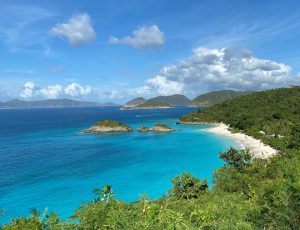
The park spans coastal and marine environments around Saint John, protecting critical coral reefs, beaches, and cultural landscapes on a compact island system. It is a place where land and sea interlock, offering a field laboratory for understanding Caribbean ecosystems and their human history. The scale of preserved shorelines, wetlands, and archaeological sites on a single island makes careful planning essential. WiFi is limited and not guaranteed, so come prepared to rely on maps and offline resources, and respect the rules that keep these resources intact.
Highlights
Top Things to Do
• Trunk Bay snorkeling trail • Maho Bay kayaking and turtle watching • Annaberg Plantation ruins • Reef Bay Trail to petroglyphs and a waterfall
Family Friendly
Calm bays like Maho Bay are suitable for families; many beaches offer gentle swims and snorkeling for older children; plan for limited facilities in remote areas
Accessibility
Not available
Photography Tips
Shoot beach scenes in early morning light; avoid blocking traffic on main roads; underwater photography around reef zones
Best Time to Visit
December–April
Nearby Services
Cruz Bay offers restaurants, shops, and rental agencies; access via ferry from St. Thomas
Tips & Advice
- No entrance fee; parking fills early
- Shuttles are not mandatory; have a car or taxi plan
- Drones prohibited
- Keep distances from wildlife; secure food
Park Strategy
The 3-Day Plan
Day 1: Cruz Bay gateway anchor; Day 2: Trunk Bay and Cinnamon Bay; Day 3: Reef Bay Trail and Annaberg
Traffic Beater
Not applicable; no entry gate; arrive early to secure parking; rely on Cruz Bay for services
Where to Sleep
WEST SIDE: Cinnamon Bay area offers camping and beach access; EAST SIDE: Cruz Bay area provides more services and dining; split stay if possible
The Timing
Peak crowds December–April; shoulder May–June and September–November; hurricane season June–November brings heavier rains
ℹ️ Data Sources
Information is compiled from official sources, verified traveler reviews, and editorial research. Learn how YourNPGuide works →