Park is open 24/7. Fees apply. Road closures can occur after weather events; verify conditions at the visitor centers. Follow posted rules and park regulations.
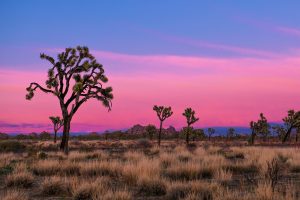
Joshua Tree National Park sits at the interface of two deserts, where stark rock formations rise from a landscape of yucca and cactus. Its scale is defined by vast, rugged terrain that compels deliberate pacing: long views, wide skies, and a quiet that invites contemplation. This is a study in contrast—ancient granite stacks juxtaposed with the pliant desert floor—and a reminder of the endurance required to traverse a landscape shaped by wind, fire, and drought. The experience is about navigating a desert environment on human terms: water discipline, early starts, and respect for the climate and terrain.
Ryan Mountain Trail, Hidden Valley, Barker Dam, Keys View, Arch Rock; Geology Tour Road for a quick view of diverse formations
Junior Ranger activities available; plan short, stroller-friendly routes near facilities
ADA access varies by trail and facility; visitor centers are accessible; some trails may be uneven or rugged
Plan for golden hour light; stay clear of traffic lanes when stopping for photos; use pullouts for safety
Avoid extreme heat with shoulder seasons; Oct–May reduce risk of heat-related issues and heavy crowds
Limited services inside park; towns like Joshua Tree and Twentynine Palms offer groceries, gas, and medical facilities
Day 1: West Entrance loop; Day 2: Explorer routes toward Twentynine Palms; Day 3: Eastern zones and Cholla Garden
Enter early; parking fills quickly on weekends; if main lot is full, consider approaching from alternate entrances and using parking pullouts
WEST SIDE: Proximity to Joshua Tree Town; more dining and services; EAST SIDE: Higher elevations; quieter, longer drives; base on your priorities
October–May busy; weekends and holidays peak; plan weekdays if possible
October–May
Late spring and early fall
Cool to mild days with chilly nights; some facilities and roads may have limited hours or conditions
Roads generally open, but can close after storms (e.g., Pinto Basin Road, Geology Tour Road, Big Horn Pass). Check current conditions before travel
Palm Springs International Airport (PSP) is the closest major airport
From Palm Springs: ~1 hour drive; From Los Angeles: roughly 2.5–3 hours depending on route; From San Diego: roughly 3–4 hours
West Entrance near Joshua Tree Town; North Entrance near Twentynine Palms; Cottonwood Entrance; South Entrance near Cottonwood
No park-wide shuttle; vehicle access is standard; unpaved roads may require high-clearance or 4WD
Camping: reservations required for most campgrounds via Recreation.gov; some first-come sites exist; 14-night maximum stay
Parking lots can fill, especially weekends; arrive early; weekend parking can be full by mid-morning
In-park lodging mainly via campgrounds; check Recreation.gov for site availability and reservation windows
Most campgrounds require reservations; limited first-come sites available; 14-night maximum; book early
Joshua Tree Town, Twentynine Palms, Yucca Valley, nearby Palm Desert offer services and lodging
Desert tortoise is a threatened species; slow down on paved roads and watch for wildlife; keep distance and do not approach
Desert heat can exceed 100°F (38°C); carry ample water (about 1 gallon per person per day); hike in cooler morning hours; flash floods possible during monsoon
Elevation ranges from roughly 2,000 to 4,000+ feet; conditions vary with altitude
Pack out trash; stay on designated trails; minimize impact on the delicate desert environment
Backcountry permits are mandatory for backcountry travel beyond designated areas
Desert tortoise is a key wildlife concern; other desert-adapted species present
Watch road edges for tortoises; seek wildlife viewing from safe, designated areas
Slow down in wildlife areas; maintain distance; do not feed animals
Bear spray rentals are available at select locations; check with visitor centers for availability
Arid climate with very hot summers and mild winters; average highs exceed 90°F in peak summer
Low annual precipitation; monsoon season can bring sudden storm activity and flash floods
Water (1 gallon per person per day), hat, sunscreen, map offline, sturdy boots, layered clothing
No cotton; prefer wool/synthetic layers; moisture-wicking fabrics
Joshua Trees, granite outcrops, boulder fields, long sightlines
Lower elevations, sparser vegetation, cholla cactus scattered across washes
Access points near Joshua Tree Town and Twentynine Palms; visitor services in town
Rock spires, arches, and slot canyons exposed to sun and wind
Based on 22177 Google reviews
Showing 1 of 22177 reviews
Entry is not timed; parking can be tight during peak season. Reservations are required for most campgrounds via Recreation.gov; plan ahead for backcountry permits if venturing beyond designated areas.
Early mornings on weekdays outside peak periods tend to be quieter; October–May sees higher visitation, especially on weekends and holidays.
General roads are passable for most RVs, but some unpaved routes require high clearance or 4WD; parking lots fill quickly on weekends, so plan for alternative parking and shuttle if needed.
Pets are allowed on roads, picnic areas, and campgrounds only; they cannot go on hiking trails.
Drones are typically not allowed in U.S. National Parks; operate only in permitted locations and follow park regulations.
Information is compiled from official sources, verified traveler reviews, and editorial research. Learn how YourNPGuide works →