


+2 more
1 / 5
Hawaiʻi Volcanoes National Park
Last Updated: March 2026
Overview
About This Park
Park is open 24/7, but expect construction delays at the Kīlauea summit and possible fire-related closures. Main Rule: No timed-entry; digital passes preferred; obey posted closures; large vehicles restricted on certain routes; pets only in parking areas; backcountry camping requires permits.
Why Visit
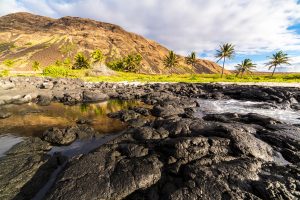
The park preserves a living laboratory of volcanic processes. You’ll observe ongoing magma activity and geothermal features from designated viewpoints and boardwalks, while learning how lava flows reshape landscapes over time. The landscape transitions from rainforests at the coast to desert-like lava fields and alpine microclimates near the summit, offering a grounded understanding of geological and ecological change. Native Hawaiian cultural landscapes and traditional connections to the land are woven into the place, making it a site where science, culture, and natural history intersect. The park’s scale and active geology provide a concrete context for studying earth systems, climate interactions, and resilience in dynamic environments.
Highlights
Top Things to Do
Kīlauea summit Rim views; Nāhuku (Thurston Lava Tube); Kīlauea Iki Trail (conditions permitting); Kulanaokuaiki Backcountry access; Nāmakanipaio and Volcano area campgrounds
Family Friendly
Junior Ranger programs and family-oriented nature discussions are available at select units; check current schedules
Accessibility
Facilities include restrooms and some accessible amenities; verify specific trail accessibility at the Kahuku Unit and along Crater Rim Drive
Photography Tips
Arrive early for clear light on the crater rims; don’t stop traffic for shots; protect equipment from heat and ash
Best Time to Visit
Plan for low crowds in shoulder seasons; use pre-dawn parking windows when possible
Nearby Services
Gas, groceries, and medical services available in nearby Volcano Village and Hilo
Tips & Advice
- Buy digital pass online
- Parking fills by 10am
- No shuttle mandate
- Backcountry permits required for dispersed camping
- Don’t feed wildlife
Park Strategy
The 3-Day Plan
Day 1: Kīlauea summit loop; Day 2: Kahuku Unit; Day 3: Backcountry access or alternate crater views
Traffic Beater
Gate is near Highway 11; Kahuku Unit is Thu–Sun 8am–4pm; plan sunrise arrivals to beat the crowds; if parking is full, drive to the ball field near the temporary Welcome Center
Where to Sleep
WEST SIDE: Closer access to the Kīlauea summit; higher likelihood of rain; more lodging options. EAST SIDE: Coastal visibility with windier conditions; dining options may be more limited
The Timing
July experiences higher visitation and humidity; September tends to be quieter; winter holidays boost total arrivals; plan around forecasted crowds and local weather
ℹ️ Data Sources
nps.gov gohawaii.com fhvnp.org bigislandvideonews.com kwxx.com travelweekly.com volcanovisitorcenter.com recreation.gov nationalparkstraveler.org bigislandguide.com volcanogallery.com hipcamp.com usgs.gov publicparks.org sfgate.com hawaii.gov youtube.com Google Reviews National Park Service YourNPGuide Editorial
Information is compiled from official sources, verified traveler reviews, and editorial research. Learn how YourNPGuide works →