National Park

Glacier National Park

National Park★ 4.8
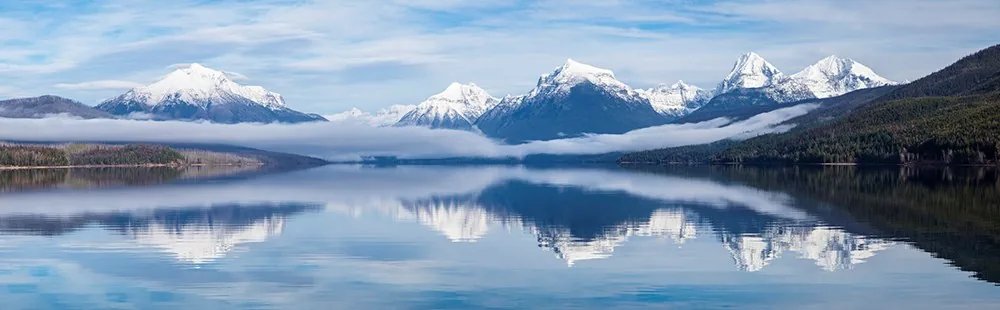
Sunlit valley with a lake, evergreen trees, and towering glacier-carved peaks in Glacier National Park

A showcase of melting glaciers, alpine meadows, carved valleys, and spectacular lakes. With over 700 miles of trails, Glacier is a paradise for adventurous visitors seeking a landscape steeped in human culture. Relive the days of old through historic chalets, lodges, and the famous Going-to-the-Sun Road.

Glacier trip planning

Start here

The essential decisions, firsthand context, and booking shortcuts for a first Glacier trip.

Quick facts

Size Acres
1,013,322 acres (4,101 km2)
Established Date
1910-05-11

Plan your visit

Best time for a first visit
For a first visit, plan for July through early September, when the alpine stretch of Going-to-the-Sun Road and most visitor services are most likely to be available. Late June and later September can be quieter, but snow, weather, and seasonal closures make access less predictable. Compare Glacier month by month
How much time to allow
Allow at least three full days: one for the Going-to-the-Sun Road corridor, one for Many Glacier or the east side, and one for another park area such as Two Medicine or the North Fork. Five days gives you more flexibility for weather, hiking, and parking delays. See the five-day itinerary
2026 entry and Logan Pass
No vehicle reservation is required anywhere in Glacier in 2026. From July 1 through September 7, private-vehicle parking at Logan Pass is limited to three hours; the ticketed Logan Pass Shuttle is the better choice for a longer visit there. Read the official 2026 access rules
Fees and passes
A seven-day pass is $35 per private vehicle, $30 per motorcycle, or $20 per person entering on foot or bicycle. Glacier is cashless; non-US residents age 16 and older also owe a $100 per-person fee unless admitted with a qualifying Annual or America the Beautiful Pass. Check official fees and passes
Check before you drive
Going-to-the-Sun Road's alpine section is seasonal and can close temporarily for weather or incidents. Check official road, trail, and alert status before leaving your lodging, especially when moving between the west and east sides. Check current park conditions

Field-tested guidance ? August 2024

Field-tested advice for a better first Glacier trip

4-day visitApgar baseWest and east sides

A four-day August route can connect the west side, Going-to-the-Sun Road, Logan Pass, and Many Glacier without turning the entire visit into a race. The recommendations below reflect real conditions and trail experiences from that route.

Make Going-to-the-Sun Road non-negotiable

Reserve a full day and start early because parking and crowds build quickly. When road conditions and the itinerary allow, US 2 creates a practical return to West Glacier without immediately retracing the park road.

Keep walking at Avalanche Lake

The first shoreline attracts most of the crowd. Continuing along the lake leads to smaller clearings with more breathing room and a better opportunity to appreciate the waterfall backdrop.

Choose hikes for the right payoff

Cracker Lake is a destination hike: the blue is even more intense than photographs suggest, but much of the approach is wooded. Hidden Lake provides broad, open scenery and possible mountain-goat sightings, though it becomes easier to skip when time is limited.

A few blunt recommendations

  • Rent a boat on Lake McDonald. A boat rental is a relaxing way to experience the lake away from shoreline crowds, with a chance of spotting a bald eagle or two.
  • Do not dismiss Trail of the Cedars. The trail is lush, unexpected, and feels more like Oregon than the surrounding Montana landscape.
  • Use Many Glacier as a counterpoint to the main road. The area can feel more manageable than the busiest Going-to-the-Sun Road stops.
  • Pair St. Mary Falls with Virginia Falls. Virginia Falls is pleasant rather than spectacular, making the combined outing a better use of trail time.
  • Carry a food backup. Restaurant quality around Apgar can be uneven, so recent reviews are worth checking before making one stop central to the day's plan.

One final reality check: the lakes are extremely cold, parking can be frustrating, and wildlife?including bears, eagles, and mountain goats?needs plenty of space. Those factors belong in the plan from the beginning.

Plan and book

Turn the Glacier outline into a real trip

Use these shortcuts for the decisions most likely to need advance planning. The full activity and gear selections remain visible farther down the page.

Choose a base

Where to stay around Glacier

Compare park areas, gateway towns, lodging, and campgrounds before committing to one side of the park.

Compare places to stay

The activity and gear buttons above are affiliate links, which may support YourNPGuide at no additional cost to you. Affiliate disclosure.

Glacier trip planning

Explore Glacier

Choose the roads, valleys, trails, lakes, and experiences that deserve space in your itinerary.

Highlights

For a first Glacier trip, start with these four experiences. Together they cover the park’s signature drive, alpine scenery, wildlife-rich valleys, iconic lakes, and a hike that can be tailored to your ability.

Reviewed against current NPS guidance August 6, 2026

Best overall experience

Going-to-the-Sun Road & Logan Pass

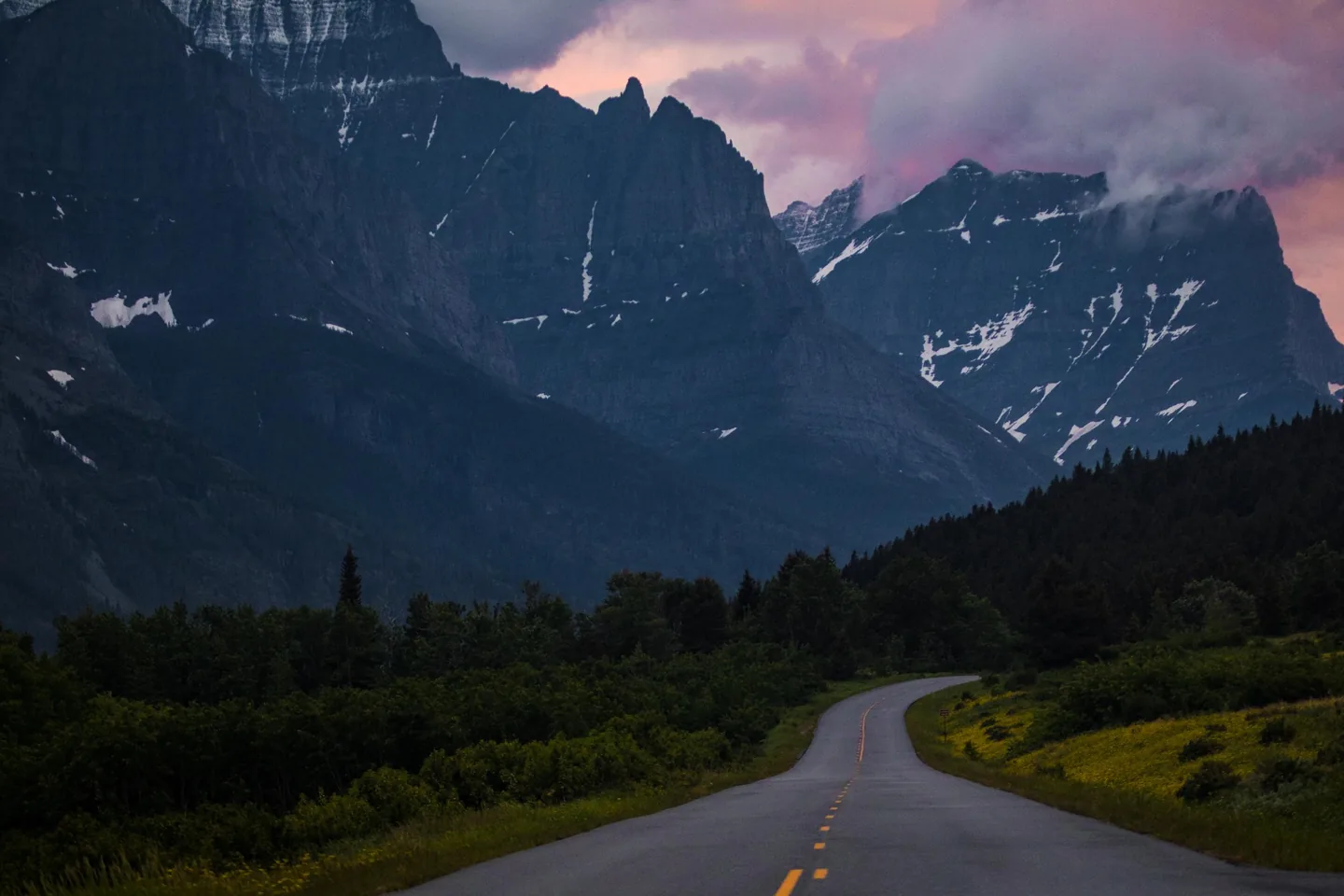
Drive Glacier’s signature 50-mile route across the Continental Divide, stop at Logan Pass for alpine views, then descend past Saint Mary Lake and Wild Goose Island.

Know before you go: The alpine road is seasonal. In 2026, Logan Pass parking is limited to three hours July 1–September 7; use the ticketed shuttle for a longer visit.

Plan the drive

Best for hiking & wildlife

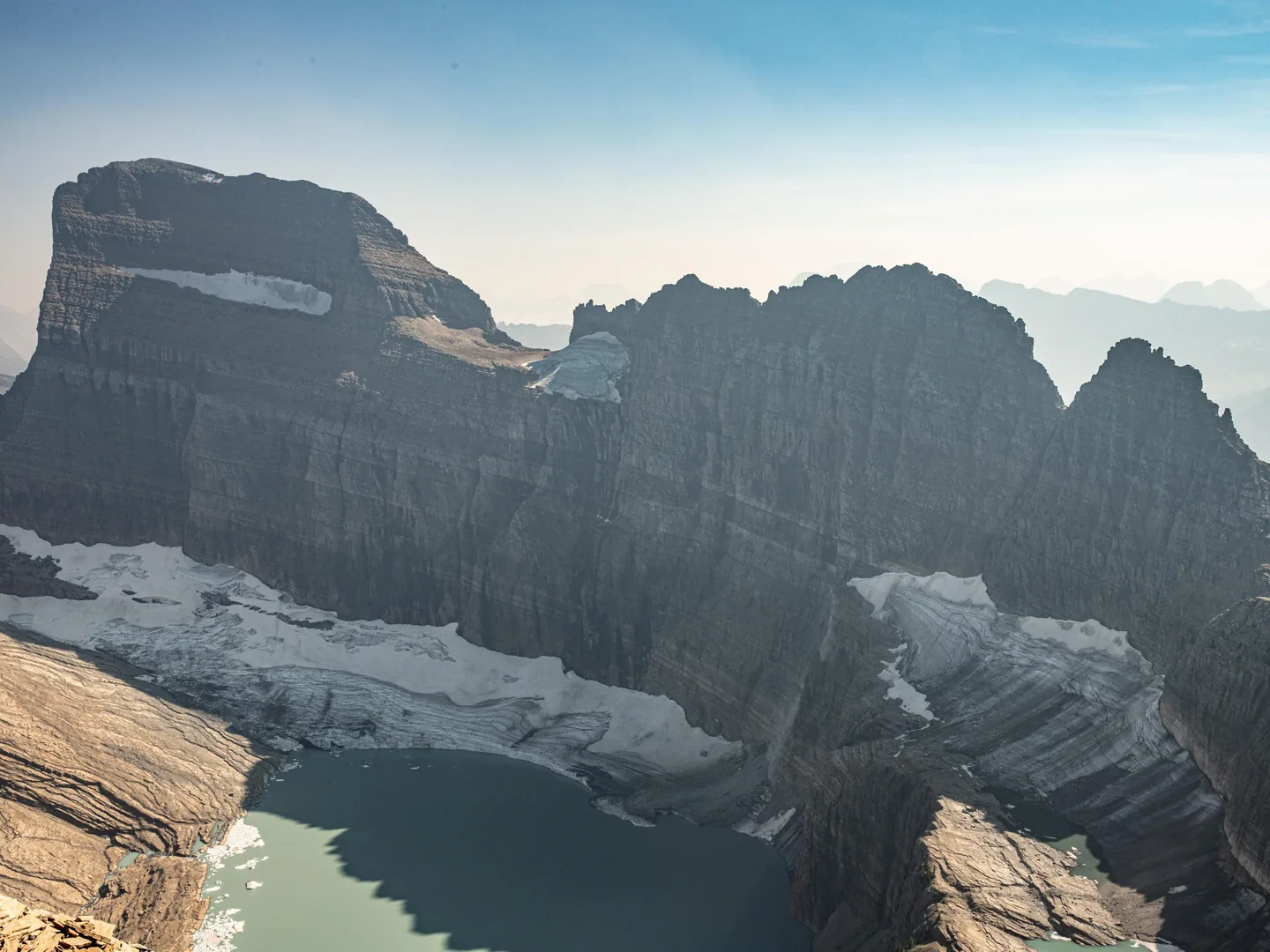
Many Glacier & Grinnell Glacier

Many Glacier pairs Swiftcurrent Lake, the historic hotel, wildlife viewing, and trail access to Grinnell Glacier in one spectacular valley.

Know before you go: You do not need to complete the strenuous Grinnell Glacier hike to make this area worthwhile. Arrive early and check current road and trail conditions.

Explore Many Glacier

Best easy scenic stop

Lake McDonald & Apgar

Glacier’s largest lake is an iconic landscape almost anyone can enjoy: walk the shore at Apgar, visit Lake McDonald Lodge, or take a seasonal boat trip.

Know before you go: This is an especially useful choice when the alpine section of Going-to-the-Sun Road is closed.

Visit Lake McDonald

Best flexible hike

Trail of the Cedars & Avalanche Lake

Walk the accessible 0.9-mile Trail of the Cedars boardwalk, or continue toward Avalanche Lake for a longer waterfall-and-alpine-lake hike.

Know before you go: In 2026, the park shuttle does not stop at Avalanche or Trail of the Cedars; plan to drive and expect limited parking.

Choose your hike

Ways to spend a day beyond the rafting trip above, chosen to cover genuinely different experiences, followed by free and self-guided options. Each card links to our full guide; booking links go to the operator.

Some booking links below are affiliate links, which may support YourNPGuide at no extra cost to you. Affiliate disclosure.

West Glacier - calm water - families

Half Day Scenic Float on the Middle Fork of the Flathead River

★ 4.9 (789 reviews) · 150 minutes

The same Middle Fork corridor run as a restful float instead of whitewater. Some paddling, but nothing strenuous, and children from age 2 can join. Book this when the group cannot agree on rapids.

Check availability for Half Day Scenic Float on the Middle Fork of the Flathead River, opens in a new tab Read our full guide to Half Day Scenic Float on the Middle Fork of the Flathead River

Free and self-guided

Apgar - self-guided

Apgar Beach on Lake McDonald

Paddle, picnic, or take in Lake McDonald from the west side. Treat the water as cold and conditions as changeable.

Inside the park - educational

Glacier Institute

Small-group hikes and field programs for visitors who want natural-history depth rather than a sightseeing-only tour.

See allAll

Where to go in Glacier

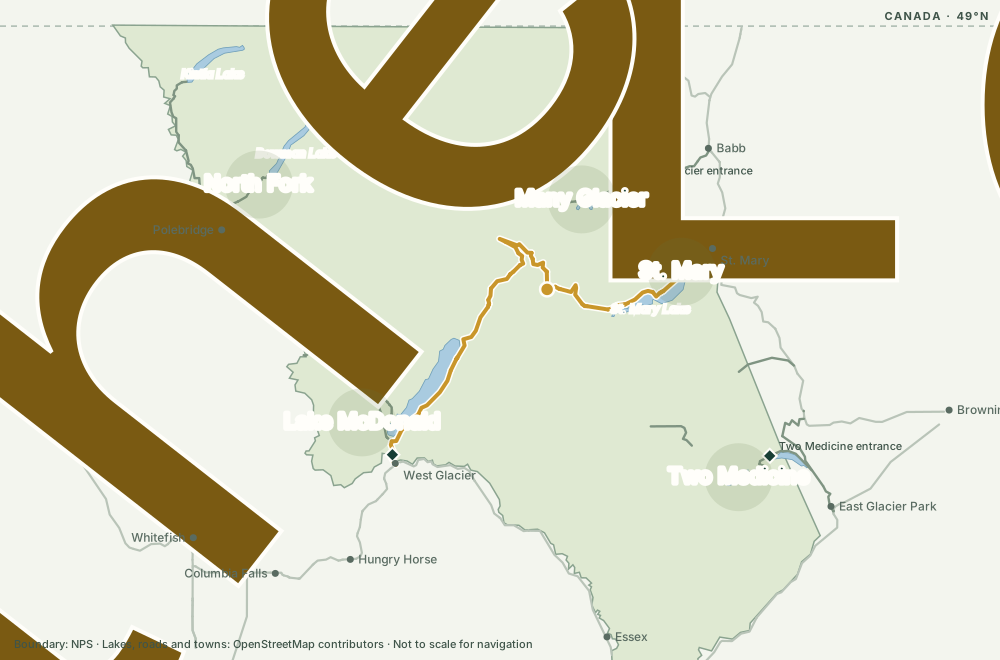
Glacier National Park is divided into distinct areas, each reached by a different road and suited to a different kind of day. Use these five areas to decide which side to stay on and how to group your itinerary.

The planning rule: Choose one major area per day and avoid unnecessary backtracking. NPS estimates about 2½ hours from West Glacier to Many Glacier, compared with roughly 40 minutes from St. Mary.

Area access and drive-time guidance reviewed August 6, 2026

Best first-time base

Lake McDonald & West Glacier

The west side combines Apgar, Lake McDonald, the western Going-to-the-Sun Road, and the closest access to Trail of the Cedars and Avalanche Lake.

Allow: Half to one full dayBase near: West Glacier, Apgar or Lake McDonald

Plan around: This is Glacier’s busiest and most convenient side, but it is a poor base for repeatedly visiting Many Glacier.

Explore the west side

Best east-side base

St. Mary & East Glacier

Base here for Saint Mary Lake, Sun Point, east-side waterfalls, and the eastern half of Going-to-the-Sun Road.

Allow: One full dayBase near: St. Mary

Plan around: St. Mary is much closer to Many Glacier than West Glacier, but lodging, dining, and other services are highly seasonal.

Explore the east side

Best hiking & wildlife

Many Glacier

Many Glacier brings together Swiftcurrent Lake, the historic hotel, wildlife viewing, and trailheads for Grinnell Glacier, Iceberg Lake, and easier lake walks.

Allow: At least one full dayBase near: Many Glacier, Babb or St. Mary

Plan around: Many Glacier uses a separate entrance near Babb; it is not a roadside stop on Going-to-the-Sun Road.

Plan a Many Glacier day

Best quieter alternative

Two Medicine

This southeastern valley offers mountain-and-lake scenery, waterfalls, seasonal boat trips, and hikes ranging from short walks to demanding passes.

Allow: Half to one full dayBase near: East Glacier Park

Plan around: Two Medicine has its own entrance and makes a strong alternative when the alpine Going-to-the-Sun Road is unavailable or crowded.

Compare Two Medicine

Best remote day

North Fork & Polebridge

Choose the North Fork for Polebridge, Bowman Lake, Kintla Lake, and a quieter, less-developed side of Glacier far from the main park corridor.

Allow: One full dayBase near: Polebridge or the west side

Plan around: Expect slow, partly unpaved roads, limited services, and little or no cell coverage. Check road conditions before committing to the drive.

Explore the North Fork

Glacier trip planning

Build your trip

Put the transportation, lodging, safety, itinerary, and packing pieces together.

Getting to Glacier and around the park

The best route to Glacier depends on which side you plan to sleep on. The west and east sides use different airports and approach roads, and no park-wide transit system connects every major area.

Plan this first: Choose your lodging base before booking flights or a rental car. West Glacier is easiest from FCA; St. Mary, Many Glacier and Two Medicine may be more direct from Great Falls.

Transportation guidance reviewed August 6, 2026 Sources: NPS directions and transportation, NPS 2026 shuttle service, NPS visiting Logan Pass in 2026

Closest airport to Glacier

Glacier Park International (FCA)

About 30 miles to the West Entrance

FCA near Kalispell is the simplest airport for West Glacier, Lake McDonald and North Fork itineraries. Rental cars are available at the airport, and most visitors still need one.

Keep in mind: It is not the closest airport for an east-side-only itinerary.

Check official airport details

Best for the east side

Great Falls International (GTF)

About 130-165 miles to eastern entrances

GTF can reduce backtracking when your trip centers on St. Mary, Many Glacier or Two Medicine. The drive approaches the park through Browning and US 89.

Keep in mind: Drive distance varies by entrance; compare total flight and rental-car cost, not airfare alone.

Check official airport details

Scenic alternative

Arrive on Amtrak's Empire Builder

Year-round: West Glacier and Essex; seasonal: East Glacier Park

Glacier is one of the few national parks with train stops near multiple entrances. Arrange your lodging transfer or rental car before arrival; onward transportation is seasonal and limited.

Keep in mind: A train ticket alone does not provide transportation among Glacier's major areas.

Check official train details

Driving to Glacier

Use the entrance that matches your itinerary

US 2 serves the west and south; US 89 serves the east

West Glacier leads to Lake McDonald and western Going-to-the-Sun Road; St. Mary accesses the eastern road; Many Glacier and Two Medicine use separate approach roads.

Keep in mind: Going-to-the-Sun Road is seasonal and should not be treated as a year-round cross-park shortcut.

Plan Going-to-the-Sun Road

Where to stay in and near Glacier National Park

Glacier is too large for one base to work equally well for every itinerary. Choose the west side for Lake McDonald and easier arrival logistics; choose St. Mary or Many Glacier for east-side hiking.

The simplest way to choose: For a trip of four nights or longer that includes both Lake McDonald and Many Glacier, split your stay between the west and east sides rather than commuting across the park every day.

Lodging and campground guidance reviewed August 6, 2026 Sources: NPS lodging and services, NPS reservation campgrounds

Best in-park lodge for a first trip

Lake McDonald Lodge

This historic lakefront lodge puts you inside the park near Lake McDonald and the western Going-to-the-Sun Road corridor. It is the strongest all-around in-park choice for a first west-side stay.

Tradeoff: It is seasonal and rustic rather than luxurious, and it is not a practical base for repeated Many Glacier hiking days.

See the Lake McDonald Lodge guide

Best campground for first-time visitors

Apgar Campground

Apgar is the most practical introduction to Glacier camping: it is near Lake McDonald and Apgar Village, with convenient access to the west side of Going-to-the-Sun Road.

Tradeoff: It is busy, has no RV hookups, and leaves you a long way from Many Glacier.

See the Apgar Campground guide

Best campground for hikers

Many Glacier Campground

Stay here when Many Glacier trails are the priority. The location avoids a long early-morning commute and puts major trailheads and wildlife-viewing country close to camp.

Tradeoff: Reservations are extremely competitive, services and connectivity are limited, and current conditions should be checked before travel.

See the Many Glacier Campground guide

Best stay outside the west entrance

West Glacier Village

This is the best fit for travelers who want to reach the west entrance quickly without staying inside the park. Cabins and rooms provide more flexibility than a historic in-park lodge.

Tradeoff: The setting is convenient rather than quiet or luxurious, and train noise can be noticeable.

See the West Glacier Village guide

Best east-side base

St. Mary Village

Choose St. Mary for the eastern Going-to-the-Sun Road, St. Mary Lake, and easier access to east-side trailheads. It is far more practical than commuting from Whitefish for east-side plans.

Tradeoff: It is seasonal, surrounding services are limited, and Many Glacier still requires a separate drive.

See the St. Mary Village guide

Stay safe in Glacier National Park

Glacier is wild country. Carry the right equipment, give animals space, and check conditions again on the day of your visit.

Safety guidance reviewed August 7, 2026 Official sources: NPS Bear Safety, NPS Water Safety, NPS Have Fun and Stay Safe, NPS Current Conditions

Bear country

  • Carry bear spray where it is immediately accessible, and know how to use it.
  • Hike in groups and make noise; bear bells are not considered effective.
  • Never run from a bear.
  • Store food, garbage, and scented items correctly.
Read Glacier's official bear-safety guidance

Wildlife viewing

  • Stay at least 100 yards from bears and wolves, and at least 25 yards from other wildlife.
  • If an animal changes its behavior, you are too close.
  • Never feed or approach wildlife.
  • Do not stop beside roadside bears; continue at least 100 yards before safely pulling over.
Review Glacier's official wildlife-distance rules

Cold water

  • Water is the leading cause of fatalities in Glacier National Park.
  • Avoid swift crossings, slippery rocks, logs, and waterfall edges.
  • Wear a personal flotation device while boating.
  • Boil or use an approved filter for water taken from lakes and streams.
Read Glacier's official water-safety guidance

Weather and trail preparation

  • Conditions can change sharply with elevation.
  • Carry layers, rain protection, food, water, and offline navigation.
  • Check current trail and road conditions before setting out.
  • Do not rely on cell service.
Check Glacier trail, road, and weather conditions

Choose your Glacier National Park itinerary

Start with this rule: Plan one major park area per day and keep a nearby backup for full parking lots, closures, weather, or wildlife activity.

Itinerary guidance reviewed August 7, 2026 Official sources: NPS Current Conditions

Glacier National Park visitor essentials

A little advance preparation matters in Glacier because terrain, connectivity, and services vary widely by area.

Visitor guidance reviewed August 7, 2026 Official sources: NPS Accessibility, NPS Cell and Wi-Fi Connectivity, NPS App for Glacier, NPS Goods and Services, NPS Pets

Cell service and offline planning

  • Service is limited around Apgar and West Glacier and in St. Mary.
  • Do not expect reception in Many Glacier, Two Medicine, Logan Pass, the North Fork, or the backcountry.
  • Download the NPS app and save Glacier maps for offline use before entering the park.
Review Glacier cell and Wi-Fi coverage

Food, fuel, and medical planning

  • There is no gasoline inside Glacier; fuel before entering.
  • In-park food and retail services are seasonal and vary by area.
  • Plan groceries, fuel, and medical needs in gateway communities, which provide broader services than the park.
Check current in-park goods and services

Families and pets

  • Pets are allowed in designated developed areas, but not on park trails, undeveloped lakeshores, in the backcountry, or inside buildings.
  • Pets must be restrained on a leash no longer than six feet.
  • Do not leave pets in a closed vehicle.
  • Use visitor-center and Junior Ranger information for family planning, and verify current schedules when you arrive.
Read Glacier's current pet rules

A short, conditions-based selection for bear country, rocky trails, and cold-water activities - not a generic packing-list dump.

Some booking links below are affiliate links, which may support YourNPGuide at no extra cost to you. Affiliate disclosure.

See allAll

Glacier trip planning

More Glacier resources

Use the map, photos, FAQs, place recommendations, complete guide library, and sources for deeper research.

Location

Frequently asked questions

Do I need a vehicle reservation for Going-to-the-Sun Road?

No — Glacier eliminated vehicle reservations for 2026; Going-to-the-Sun Road and the North Fork are open access. Plan around Logan Pass instead: a 3-hour parking limit runs July 1–September 7, 2026, and the Logan Pass Shuttle requires a per-person ticket from Recreation.gov.

Are pets allowed on trails?

Pets are allowed only in developed areas such as campgrounds, picnic areas, along roads, and in parking lots; not permitted on park trails or in backcountry; leash must be no longer than 6 feet; clean up after pets.

Landmarks & signature places

Start with the places that shape a Glacier National Park trip, then open a complete guide for access, timing and current planning details.

Essential Glacier National Park guides

Use these first for the decisions that affect the whole trip. Every guide is part of this park's planning library.

When to visit

Best Time to Visit Glacier National Park

Plan your Glacier National Park trip month by month. July–August peak season, September crowds drop, winter closures, wildflowers, larch color—everything you ne

These frontcountry campgrounds cover the park's main trip-planning areas. Availability and services change seasonally, so confirm current details before booking.

West side - inside the park

Apgar Campground

Glacier's largest campground and the most convenient west-side base for Lake McDonald, Apgar Village, and the Going-to-the-Sun Road corridor.

Many Glacier - inside the park

Many Glacier Campground

The strongest camping base for visitors prioritizing Many Glacier hikes. Reserve ahead and check current access and trail conditions.

East side - inside the park

St. Mary Campground

Large east-side campground near St. Mary Visitor Center, with practical access to the eastern Going-to-the-Sun Road corridor.

West side - inside the park

Fish Creek

Wooded west-side campground near Lake McDonald, about 2.5 miles from Apgar Village.

See allAll

Choose lodging by the entrance and park area you plan to visit, not by star rating alone. These picks match the main west-side, east-side, and full-service-town strategies.

Lake McDonald - inside the park

Lake McDonald Lodge

Historic lakefront lodge that minimizes driving for the Lake McDonald corridor. Choose it for location and atmosphere rather than modern in-room amenities.

West entrance - gateway lodging

West Glacier Village

Practical cabins and rooms at the west entrance, close to Apgar and the Going-to-the-Sun Road corridor.

St. Mary - east-side gateway

St. Mary Village

Convenient east-side base just outside the St. Mary entrance for early access to the park's eastern corridor.

Whitefish - full-service town

Good Medicine Lodge

Small Whitefish bed-and-breakfast for travelers who value restaurants and town services and accept a longer drive to the park.

See allAll

This balanced shortlist ranges from an approachable cedar-forest walk to strenuous alpine classics. Always check the official trail-status page before leaving your lodging.

Many Glacier - strenuous

Grinnell Glacier Trailhead

Classic Many Glacier day hike with lake and glacier views. Seasonal snow, wildlife activity, and temporary closures can change access.

Logan Pass - strenuous

Highline Trail Trailhead

Iconic alpine route with exposed ledges and complicated point-to-point transportation. Plan the return trip before starting.

Logan Pass - moderate

Hidden Lake Overlook

High-reward overlook hike through alpine terrain, with wildlife, weather, and parking constraints to consider.

See allAll

These are gateway-area stops, not a promise of in-park dining. Confirm seasonal schedules and plan meals around the side of the park you are visiting.

West Glacier - dinner

Belton Chalet Dining Room

Historic gateway dining near the west entrance; a practical choice for a planned dinner after a west-side park day.

West Glacier - casual

Glacier Highland Restaurant

Casual gateway restaurant useful before or after entering the west side, with Montana standards and huckleberry desserts.

Polebridge - bakery

Polebridge Mercantile & Bakery

North Fork bakery stop known for huckleberry pastries. Plan it only when your route already includes Polebridge.

Columbia Falls - dinner

Three Forks Grille

Full-service dinner option in Columbia Falls for visitors staying outside the west entrance.

See allAll

These are recognizable park places that fit naturally into a first visit and represent the west side, east side, Avalanche, and Many Glacier areas.

West side - roadside access

Lake McDonald

The park's largest lake and the visual anchor of the west side, with viewpoints and shoreline access near Apgar and Lake McDonald Lodge.

East side - scenic drive

Saint Mary Lake

Long glacial lake beside the eastern Going-to-the-Sun Road, best known for mountain views and Wild Goose Island overlooks.

Avalanche area - hike required

Avalanche Lake

Forest-framed alpine lake reached from Trail of the Cedars; arrive with a parking or shuttle plan and check trail status.

Many Glacier - lakeshore access

Swiftcurrent Lake

Classic Many Glacier lake below the surrounding peaks, with lakeshore views near Many Glacier Hotel and trail connections.

See allAll

The best base depends on which entrance you will use. These choices cover close west-side access, Many Glacier access, practical services, and a larger resort-town experience.

Closest to the west entrance

West Glacier

Best for minimizing the west-side commute, with immediate access to Apgar and the Going-to-the-Sun Road corridor.

Best for Many Glacier access

Babb

Small east-side community on the approach to Many Glacier; services are limited, so arrive fueled and supplied.

Practical west-side base

Columbia Falls

Useful balance of groceries, dining, lodging, and a shorter park drive than Whitefish or Kalispell.

Most dining and town atmosphere

Whitefish

Strong choice for restaurants and a fuller town experience, with a longer daily drive to Glacier's west entrance.

See allAll

Use the visitor center that matches your route for current conditions, ranger guidance, and trip logistics.

West side - Apgar

Apgar Visitor Center

Primary west-side orientation stop near Apgar, with ranger information and transportation guidance.

Continental Divide - Logan Pass

Logan Pass Visitor Center

Alpine information stop at Logan Pass with direct access to Hidden Lake and the Highline Trail area; parking is highly constrained.

East side - St. Mary

St. Mary Visitor Center

Primary east-side orientation stop for current conditions, trip planning, and the Going-to-the-Sun Road corridor.

See allAll

All Glacier National Park guides 103 published

Browse the complete planning library, grouped by the decision you are making.

Landmarks & signature places

Park strategy

When to visit

Getting there

Where to stay

Trails & hiking

Activities

Wildlife

Safety

Photography & scenery

Food & dining

Sources

Last updated July 2026. Report an issue.