


+2 more
1 / 5
Gates Of The Arctic National Park & Preserve
Last Updated: March 2026
Overview
About This Park
Morning Briefing: The park is open year‑round with no roads or trails inside. It is the most remote, roadless refuge in Alaska; travel is by air or on foot, with seasonal visitor centers and backcountry orientations. Main Rule: no road access means you must be self‑reliant, carry satellite communication, use bear‑safe food containers, and camp with Leave No Trace principles.
Why Visit
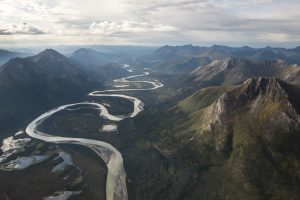
The vast, unpopulated Arctic landscape challenges you to plan, endure, and reflect in a wilderness where human presence is minimal. This is not a playground or a backdrop—it is a living, evolving frontier where float trips along six major rivers define the experience and solitude is the norm. The value is in scale, resilience, and the unfiltered Arctic ecosystem that remains largely untouched by infrastructure.
Highlights
Top Things to Do
Float trips on six Wild and Scenic Rivers (Alatna, John, Kobuk, Noatak, North Fork Koyukuk, Tinayguk); backcountry travel; remote wildlife viewing
Family Friendly
Not a typical family destination; remote, self‑reliant travel required; consider guided itineraries for safety
Accessibility
Wilderness park; limited accessibility; few formal facilities or trails; plan for self‑sufficiency
Photography Tips
Capture wide Arctic vistas from river vantage points; keep safety a priority; avoid blocking air access or disturbance to wildlife
Best Time to Visit
June–September for access and daylight; mosquito avoidance in peak months; September offers quieter conditions and potential Northern Lights
Nearby Services
Limited basic services within gateway towns; medical services in Fairbanks; emergency response requires air evacuation
Tips & Advice
- There are no entrance lines
- Shuttles don't exist inside the park
- Bring satellite comms
- BRFCs are provided at centers; plan for long, self‑reliant trips
- Expect extreme remoteness and minimal services
Park Strategy
The 3-Day Plan
Day 1: Fly into Bettles/Anaktuvuk Pass, orient, set camp; Day 2: River float or tundra trek; Day 3: Return to airstrip for departure
Traffic Beater
Not applicable; no road entry; coordinate with air taxi operators and visitor centers for backcountry access; no typical gate times or queues
Where to Sleep
No in-park lodging; stay in gateway towns (Fairbanks, Bettles, Anaktuvuk Pass) and arrange river-based base camps via air travel
The Timing
July brings peak mosquitoes; September offers reduced crowds and potential aurora; June through August is the window for major access; winter access is limited
ℹ️ Data Sources
nps.gov nationalparkstraveler.org travelalaska.com wikipedia.org archives.gov ebsco.com tripsavvy.com upgradedpoints.com outdoorsy.com youtube.com indigoalpineguides.com alaska.org travelandleisure.com reddit.com discoverourparks.com reneeroaming.com alaska.gov thetravel.com Google Reviews National Park Service YourNPGuide Editorial
Information is compiled from official sources, verified traveler reviews, and editorial research. Learn how YourNPGuide works →