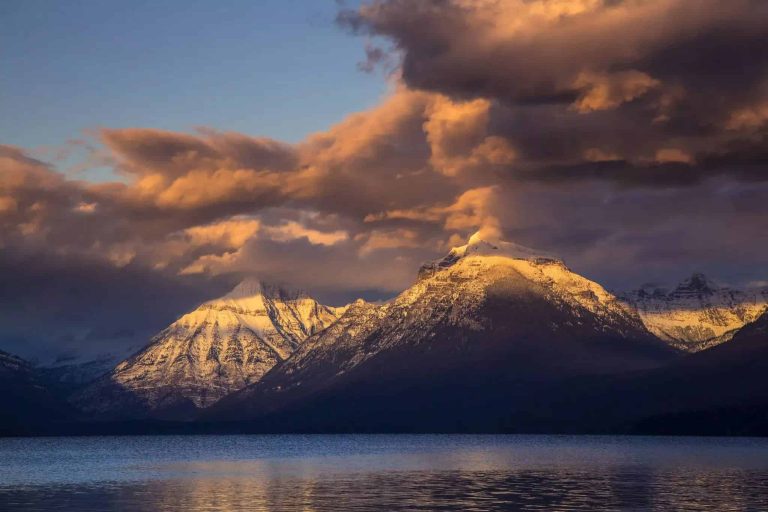
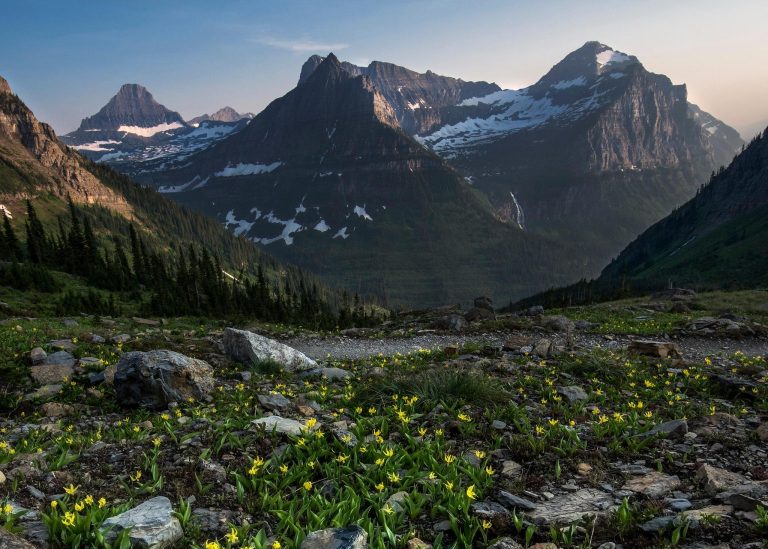
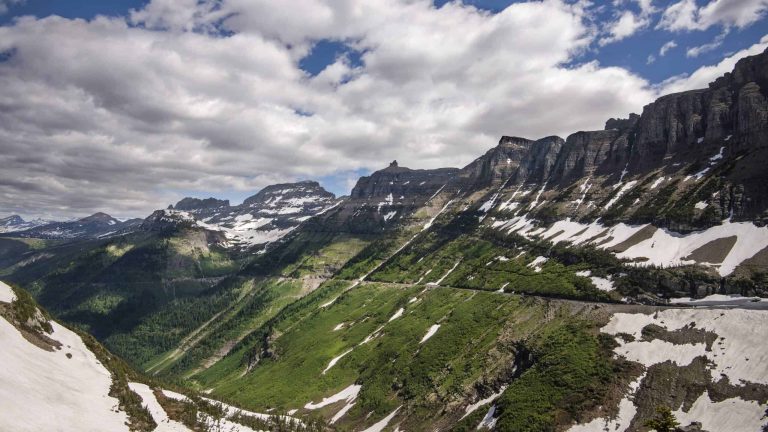
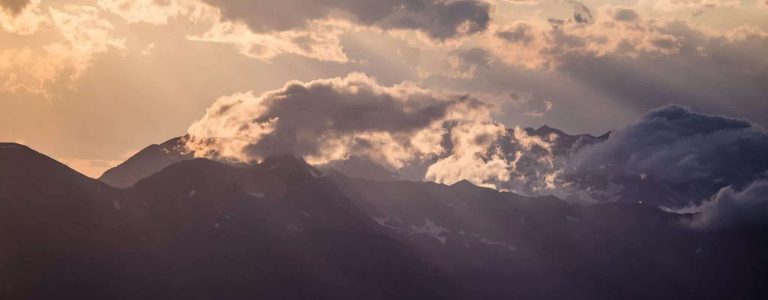
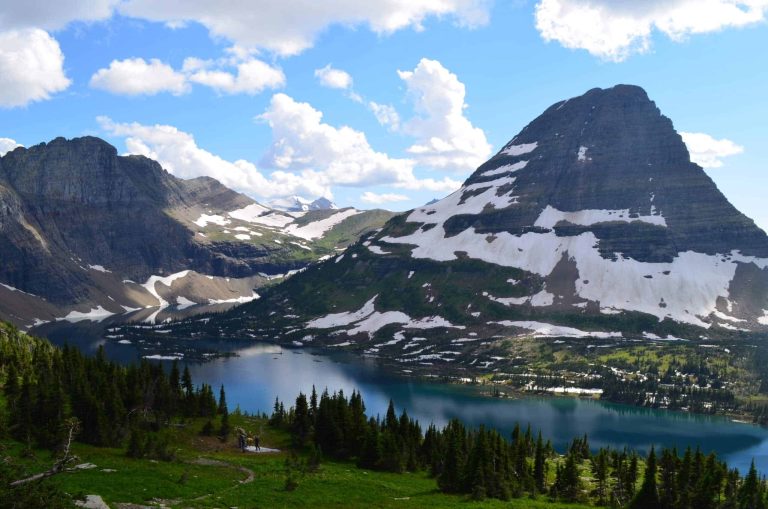
Grinnell Glacier Trailhead hikers navigate rocky ledges beside a waterfall along Glacier National Park’s Grinnell area.
| | | | | | | | | | | | | | | |

National Park Packing List 2026: What to Bring by Season
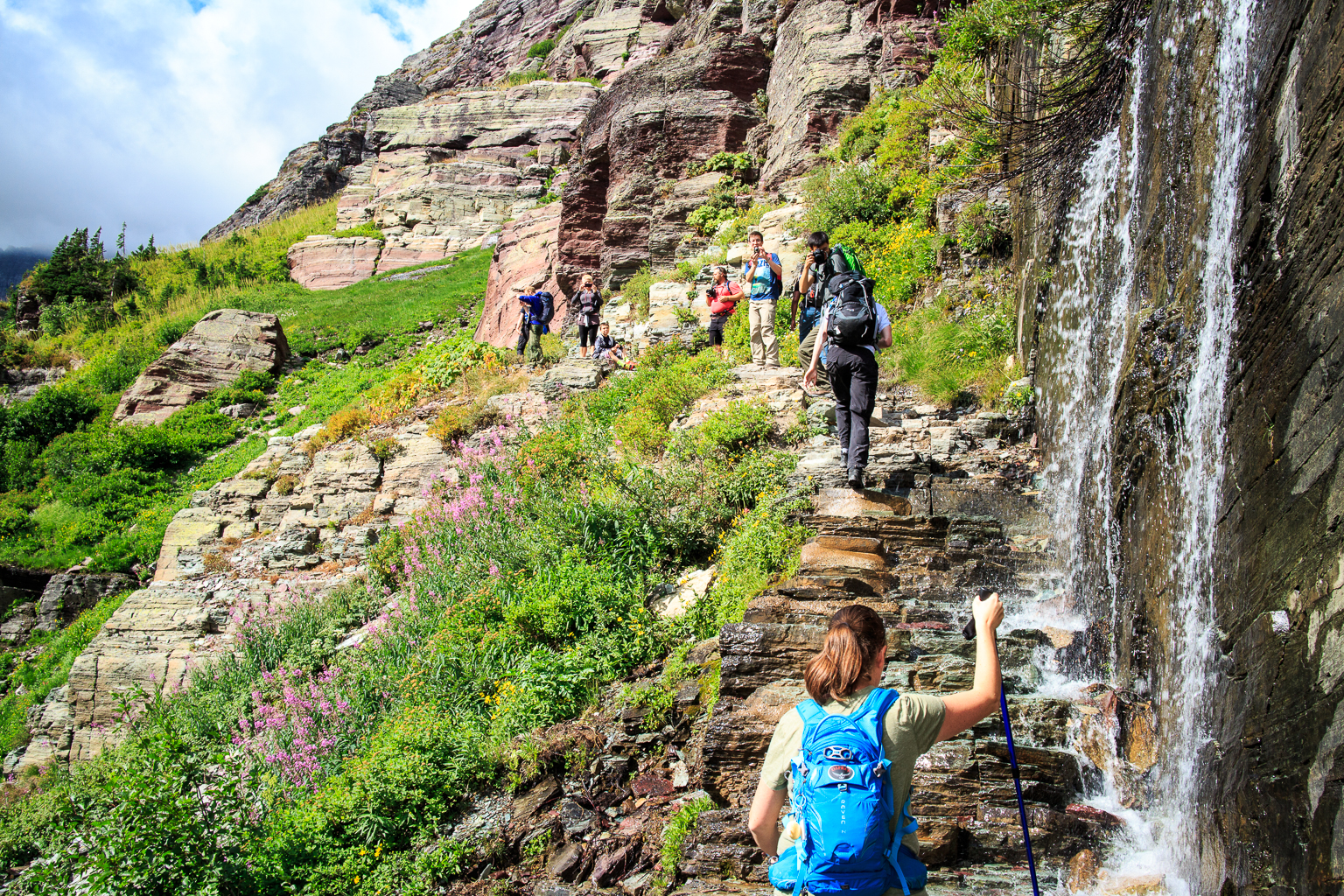
Hikers on a rocky trail at Grinnell Glacier Trailhead in Glacier National Park, carrying full daypacks
Hikers on the Grinnell Glacier Trail in Glacier National Park. The right gear turns a good trip into a great one.

The 10 items you absolutely cannot leave home without: navigation, sun protection, insulation, illumination, first aid, fire, repair tools, food, water, and emergency shelter. This list covers all 12 essentials per NPS.gov — plus season-specific additions and bear safety gear for Glacier, Yellowstone, and the Smokies.

Key Takeaways
  • America the Beautiful Annual Pass: $80/year — pays for itself at 3 parks (most charge $35/vehicle)
  • NPS recommends 0.5–1 liter of water per hour of active hiking
  • Bear spray is illegal in Great Smoky Mountains — do NOT bring it there
  • Download NPS app offline maps BEFORE you arrive — cell service is unreliable in most parks
  • Timed entry permits required for Angels Landing, Half Dome, and The Wave — apply months ahead
#1
Most Important

Navigation & Communication

Essential

Free–$350cost range
All parkswhere needed
Year-roundseason

Day hikingBackpackingAll visits
Why it’s essential: Cell service is absent in most backcountry areas and unreliable on many popular trails. Getting lost is a real risk without offline navigation. For day hikes, the free NPS App with downloaded offline maps covers you. For backcountry, a satellite communicator adds two-way SOS when it matters most.

Start with the free NPS App — it has offline trail maps for every park, works without signal after download, and includes ranger alerts and permit info. For backcountry trips, the Garmin inReach Mini 2 ($350 + $15/month plan) adds two-way satellite messaging and a distress beacon. Also carry a paper topo map and compass as backup per NPS.gov.

Insider tip: Download NPS App offline maps before you leave your hotel — campground WiFi is slow and parks have zero signal.

#2
Foundation of Every Kit

Hiking Boots

$150–$240price
1.8–2.4 lbsweight/pair
All parkswhere needed

Day hikingBackpacking
Why it’s essential: Trail surfaces in national parks range from loose desert sand to icy alpine rock to root-laden rainforest. Ankle support prevents the sprains that end trips early. Waterproofing keeps feet dry when stream crossings and snowmelt are unavoidable — especially in spring at Glacier or Rocky Mountain.

The Merrell Moab 3 Mid (~$150) is the best all-rounder — proven across desert and alpine terrain, available in waterproof. For technical terrain like Glacier’s backcountry or the Grand Canyon Kaibab Trail, the Salomon Quest 5 (~$240) adds added stability on technical descents. Whatever you choose, break them in on 2–3 local walks before the park.

Insider tip: Pack moleskin — apply it at the first sign of a hot spot, before a blister forms. One blister can end a multi-day trip.

#3
Carry It All

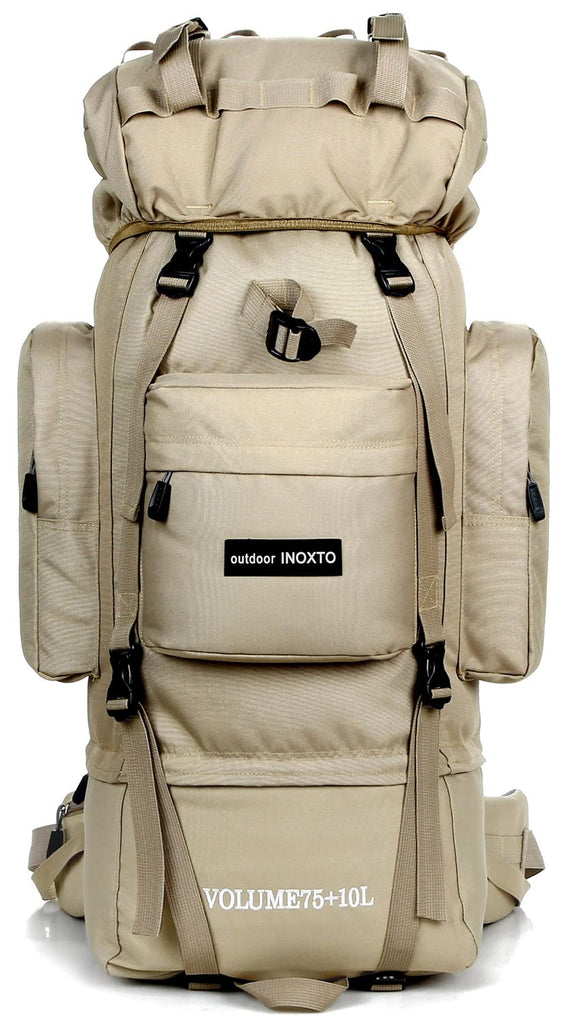
Daypack (20–34L)

$150–$225price
2.2 lbsempty weight
Day hikesbest for

Day hikingHalf-day
Why it’s essential: A properly sized pack keeps weight balanced on your spine, not your shoulders. A 20–34L pack holds all 10 essentials plus a layer, snacks, and 3L water for a full day. Packs with ventilated back panels reduce sweat and fatigue on long climbs.

The Osprey Talon 24L (men’s, ~$160) and Sirrus 24L (women’s, ~$160) are the benchmark for day hiking packs — ventilated mesh back panels, hydration bladder sleeve, and a hip-belt that transfers weight off your shoulders. For longer days or carrying extra layers in variable weather, the 34L version gives breathing room without going oversized.
Insider tip: Most Osprey packs include a rain cover. Your rain jacket keeps you dry — your pack cover keeps dry food and electronics dry.

#4
Non-Negotiable
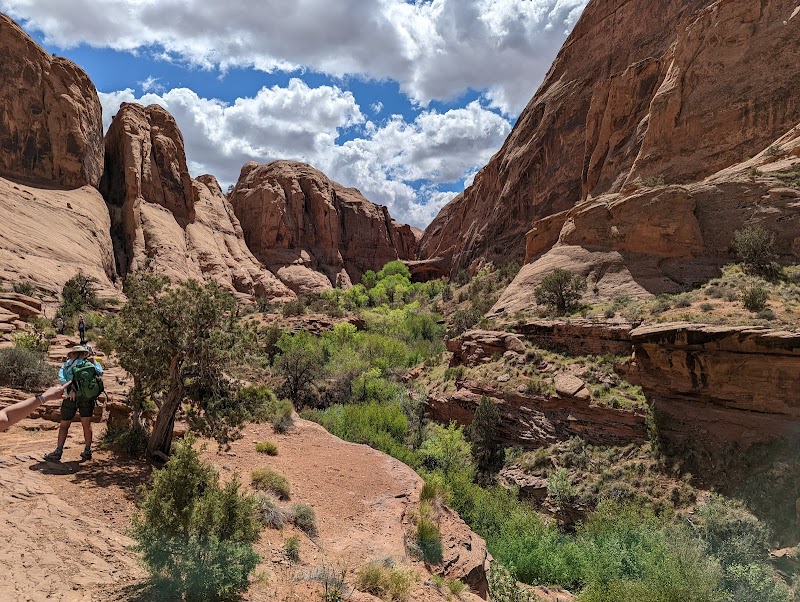
Hikers with daypacks walk a dusty desert canyon trail in a national park

Water Filter & Hydration

$35–$65price
3 ozfilter weight
All parkswhere needed

BackpackingLong day hikes
Why it’s essential: NPS recommends 0.5–1 liter per hour of active hiking, and 2+ liters per day for general visits per NPS.gov. In desert parks in summer, 4–6 liters per person per day is the correct amount. A filter lets you refill from any stream rather than carrying all your water from the trailhead.

The Sawyer Squeeze (~$35) filters to 0.1 micron, weighs 3 oz, and lasts 100,000 gallons — the best value-per-use filter available. Pair it with a 2L collapsible reservoir. Always carry Aquatabs purification tablets (~$10) as a backup — when your filter freezes in cold temps, tablets keep you hydrated.
Insider tip: Add an electrolyte packet (LMNT, Liquid IV, or Nuun) to every other bottle on hot summer days. Drinking large amounts of plain water without sodium causes hyponatremia — a real ER risk on desert hikes.

#5
Always Pack It
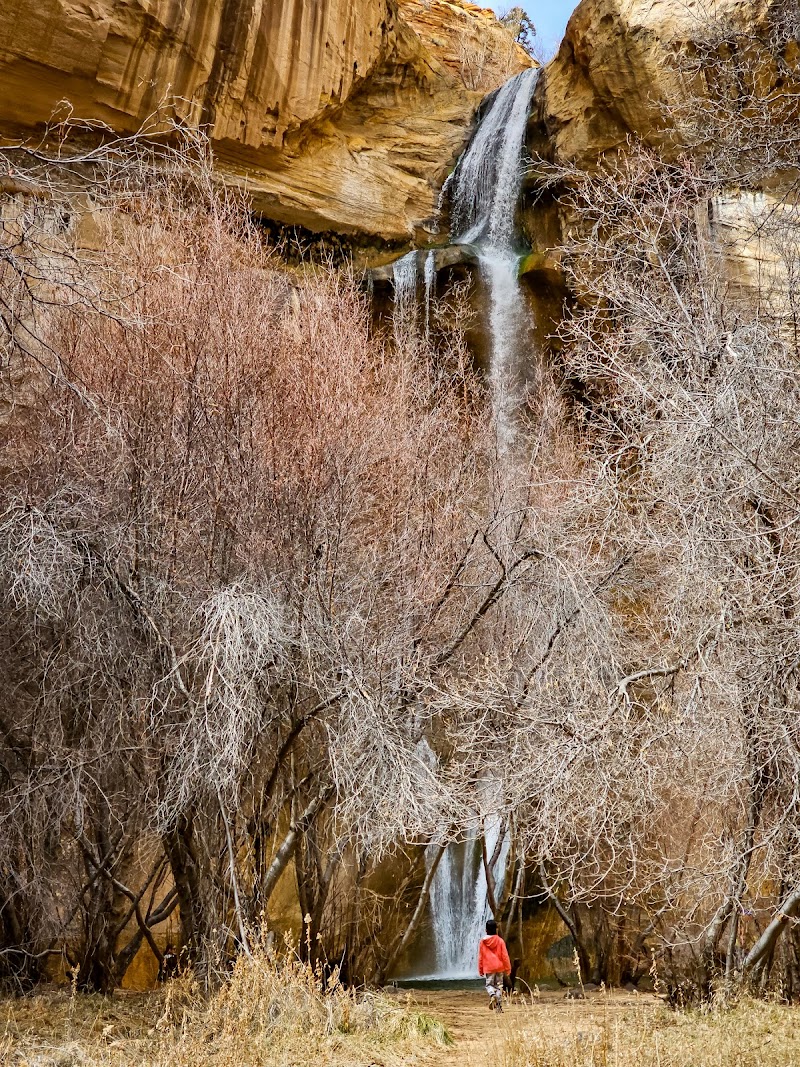
Hiker in a red rain jacket stands before a tall waterfall in a slot canyon national park

Rain Jacket (Waterproof/Breathable)

$100–$200price
12–18 ozpacked weight
Year-roundseason

Day hikingBackpackingAll visits
Why it’s essential: Afternoon thunderstorms are the #1 weather hazard at alpine parks (Glacier, RMNP, Yellowstone) and desert parks face July–August monsoon season. Lightning kills more park visitors than any other natural hazard. Getting soaked without a shell drops core temperature fast — hypothermia risk is real above 7,000 ft even in summer.

Look for a 2.5-layer or 3-layer waterproof/breathable shell — Gore-Tex or equivalent membrane, fully taped seams, and a hood that cinches over a hat. A solid mid-range option runs $120–$150 from Marmot, REI Co-op, or Outdoor Research. Pack it every day — if you don’t need it, great. If you do, you’ll be very glad it’s there.

Insider tip: Also carry a waterproof pack cover — your jacket keeps you dry, but your electronics and spare clothing need their own protection.

#6
Night Safety

Headlamp

$35–$80price
2.6 ozweight
All parkswhere needed

Day hikingBackpackingCamping
Why it’s essential: Trips run long, especially in fall when days shorten by 3 minutes per day. Returning to the trailhead after sunset on an unmarked trail without a light is how rescues happen. A headlamp is hands-free, weighs almost nothing, and is one of the official 10 Essentials per NPS.gov.

The Black Diamond Spot 400-R (~$80) is the top pick — 400 lumens, USB-C rechargeable, IPX8 waterproof, under 3 oz. Budget option: Nitecore NU25 (~$35) covers most day hiking needs. Always bring a spare set of batteries or a charging cable. Cold temperatures drain battery life — keep the headlamp in an inner pocket in winter.

Insider tip: Start your hike 30–60 minutes before sunset if you’re not sure you’ll finish in daylight. Trailheads are darker than open terrain — the last mile is always the hardest to navigate.

#7
Park-Specific — Read Warning

Bear Spray

$40–$55price
Glacier, Yellowstonerecommended
ILLEGAL at GSMNPbanned parks

GlacierYellowstoneNOT Smoky Mtns
Why it matters: Bear spray is 92% effective at stopping bear attacks in peer-reviewed research — more effective than firearms in documented encounters. At Glacier and Yellowstone, it’s the most important safety item you can carry on backcountry trails where grizzlies are present.

Counter Assault (~$45) and UDAP Pepper Power (~$40) are both EPA-registered and widely available near park entrances. Carry it in a hip holster — accessible within 3 seconds — not buried in your pack. At Yellowstone, rent canisters from Bear Aware for ~$10–15/day if you don’t want to fly with it.

Insider tip: Bear spray is a pressurized aerosol — TSA prohibits it in carry-on and checked bags. Buy or rent at the park entrance area.

#8
Underrated Risk

Sun Protection

$15–$60price
Alpine parkshighest risk
Spring–Fallseason

Day hikingAll visits
Why it’s essential: UV radiation increases 4–5% with every 1,000 ft of elevation gain. At 10,000 ft — where many popular Glacier, Rocky Mountain, and Yosemite trails run — UV exposure is 40–50% higher than at sea level. Sunburn at altitude is faster and more severe than at the beach.

Pack all three: SPF 50+ sunscreen (reapply every 2 hours and after sweating), a wide-brim hat (shades face, neck, and ears — ball caps leave your ears and neck exposed), and UV-rated sunglasses (look for 100% UVA/UVB protection). Cheap non-rated glasses may cause more damage than no glasses by dilating your pupils while transmitting UV. Add a UPF 50+ sun shirt for long exposed ridgeline hikes.

Insider tip: Snow blindness is a real risk on spring snowfield crossings at Glacier and RMNP. Wrap-around UV sunglasses or glacier goggles protect your eyes on high snow routes through June.

#9
Temperature Swings Are Real

Insulation Layer

$60–$180price
8–14 ozweight
Year-roundseason

Alpine parksDay hikingBackpacking
Why it’s essential: Alpine parks swing 40°F in a single day — shirt-sleeve weather by noon becomes jacket weather by 3 PM as storms roll in. A packable insulation layer weighs under a pound and keeps hypothermia from becoming a rescue situation on any trail above 8,000 ft.

A merino wool base layer ($60–$120) is the most versatile choice — wicks sweat, regulates temperature, and doesn’t smell after multiple days of wear. Add a lightweight synthetic puffer jacket ($80–$180) that packs to the size of a water bottle. Choose synthetic over down for rainy parks like Olympic and Glacier — synthetic retains warmth when wet, down does not.

Insider tip: Avoid cotton entirely. “Cotton kills” is not an exaggeration — it absorbs sweat, loses all insulation when wet, and takes hours to dry at altitude.

#10
Small but Critical

First Aid Kit

$25–$50price
6–12 ozweight
All parkswhere needed

Day hikingBackpackingAll visits
Why it’s essential: The most common trail injuries — blisters, twisted ankles, cuts, and allergic reactions — are all manageable with a compact kit. Park rangers are typically 30–60 minutes away from most backcountry areas. Self-treatment buys critical time and prevents a minor injury from becoming a multi-day rescue.

Pack: moleskin (apply before blisters form), adhesive bandages in multiple sizes, Ace elastic bandage, ibuprofen, antihistamine, tweezers (ticks and splinters), SAM splint, antiseptic wipes, and nitrile gloves. Add personal medications and an EpiPen if you have bee sting allergies. NPS.gov recommends customizing your kit to your trip length.

Insider tip: Tick season peaks April–June in eastern parks (Shenandoah, Smoky Mountains). Add permethrin-treated clothing or DEET 20–30% spray to your kit for spring and early summer hikes.

#11
Knees Will Thank You

Trekking Poles

$60–$200price/pair
14–18 ozweight/pair
Long hikesbest for

BackpackingLong day hikesSpring/Winter
Why it’s essential: Poles reduce knee impact by 25% on descents — significant on any trail with more than 1,000 ft elevation loss. Essential for spring snowfield crossings at Glacier and RMNP, stream crossings on muddy trails, and any hiker with knee or hip concerns.

The Black Diamond Alpine Carbon Cork (~$170–$200/pair) is the benchmark — cork handles that absorb sweat, ultralight carbon shafts, quick-lock adjusters. The REI Co-op Passage (~$60/pair) is the budget alternative for occasional hikers. Most parks permit poles on all trails — check Zion’s Angels Landing permit rules before bringing them. See more Glacier National Park tips on trail prep.
Insider tip: Poles probe snow depth and test muddy stream crossings. In spring at Glacier or RMNP, they prevent a cold-water fall that ends a trip.

#12
Spring/Winter Essential
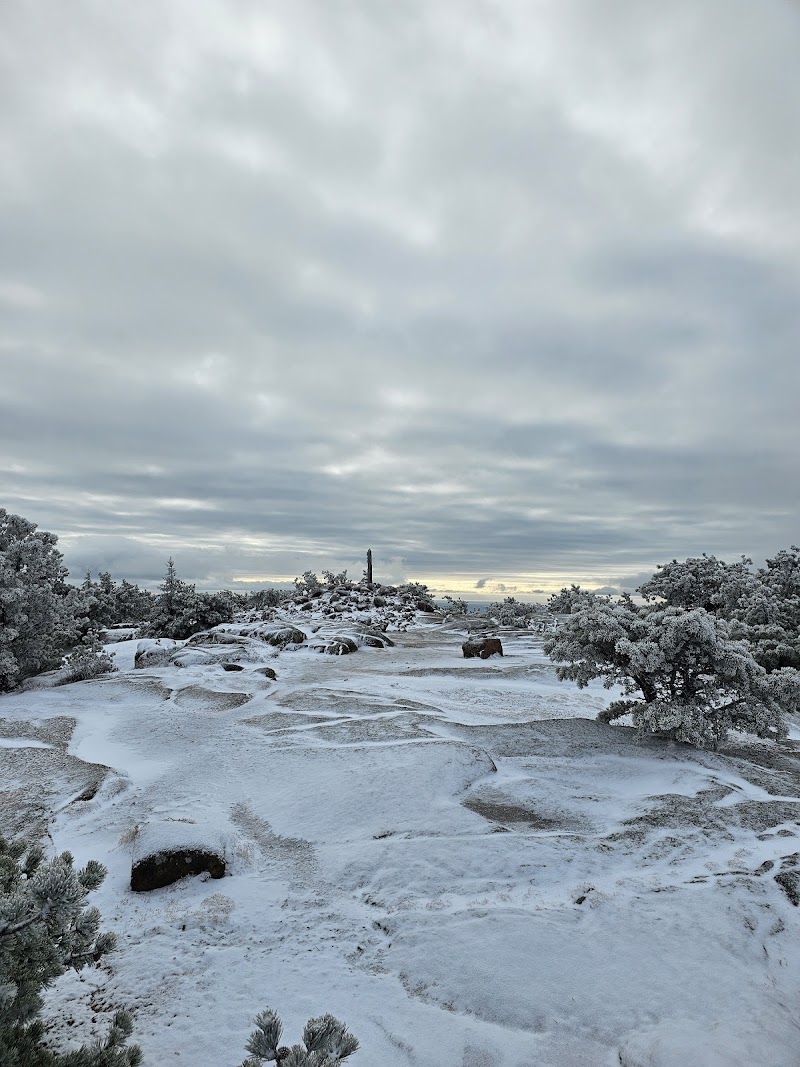
Snowy rocky trail in Acadia National Park with frost-covered boulders in winter conditions

Microspikes / Traction Devices

$70–$90price
1.1 lbsweight/pair
Spring & Winterseason

Alpine parksSpringWinter
Why it’s essential: Ice on high-elevation trails is the #1 winter hazard in national parks. Spring at Glacier, RMNP, and Yosemite means icy hard-packed snowfields that look passable but send hikers sliding. Microspikes slip over any boot in 30 seconds and transform a dangerous slip into a sure step.

The Kahtoola MICROspikes (~$80) are the gold standard — stainless steel spikes, durable chain links, and a stretchy frame fitting boots from size 4 to 16. They roll up to baseball size in your pack. Don’t substitute slip-on Yaktrax — those are fine for sidewalks, not for mountain terrain. At Glacier, microspikes are recommended on most high routes before mid-June.

Insider tip: Pack them even for summer alpine trips. A July morning on Logan Pass at Glacier can have black ice at 6 AM after a cold night — you’ll use them more often than expected.

Disclosure: This article contains affiliate links. If you make a purchase through these links, we may earn a small commission at no extra cost to you. This helps support YourNPGuide.com.

By Season: What to Add

Some links below are affiliate links.
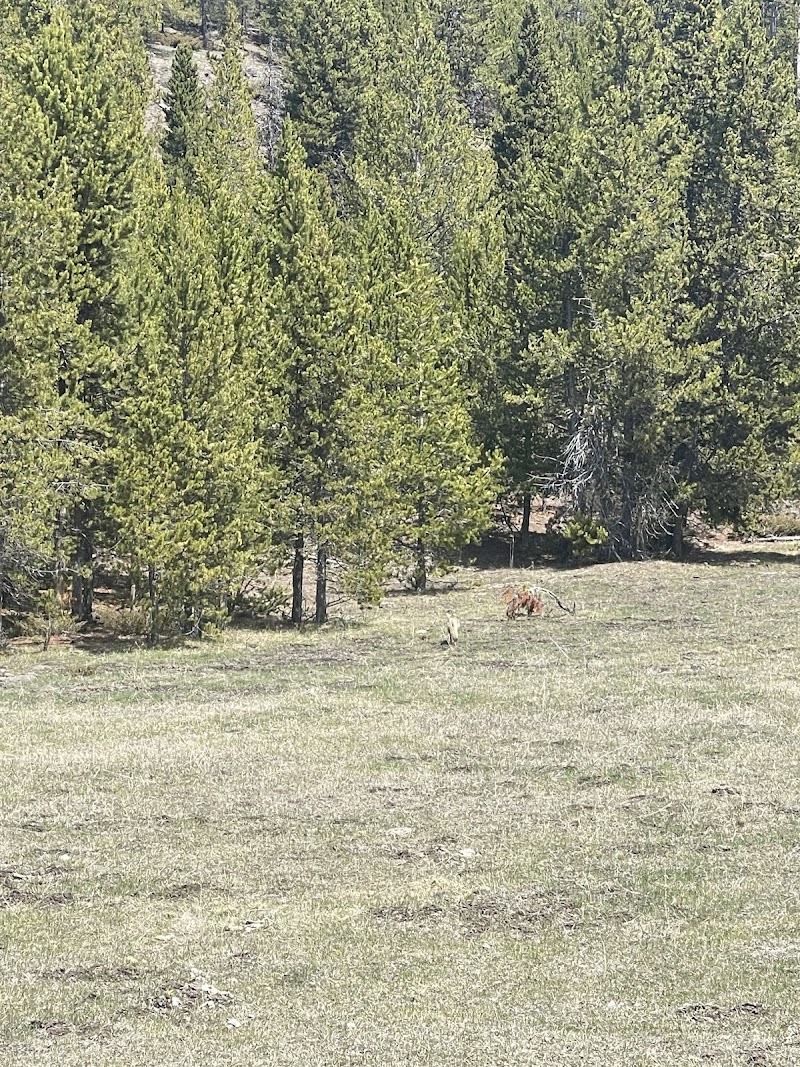
Summer meadow at Purple Mountain Trailhead in Yellowstone National Park with wildflowers and pine trees
Summer meadow at Yellowstone’s Purple Mountain Trailhead. Summer hiking requires extra water, electrolytes, and afternoon storm awareness.

The 12 items above cover all parks year-round. Add the following based on your travel season:

Bear Safety Gear by Park

Bear safety requirements vary significantly by park. Using the wrong approach — or the wrong gear — can result in fines or worse.

ParkBear SpeciesBear SprayBear CanisterKey Note
Glacier National ParkGrizzly + Black BearStrongly recommendedRequired at many backcountry sitesHike in groups of 4+; make noise at blind corners
Yellowstone National ParkGrizzly + Black BearStrongly recommendedRecommended; hanging food also acceptedHighest grizzly density in the lower 48; rent spray at park
Grand Teton National ParkGrizzly + Black BearStrongly recommendedRequired in backcountryShares bear population with Yellowstone
Great Smoky MountainsBlack Bear onlyILLEGAL (superintendent prohibited)Use provided cable systems + bear poles~1,500 black bears; never feed or approach
Yosemite National ParkBlack Bear onlyLegal, rarely neededRequired in Yosemite Valley overnightFood storage is the key habit; black bears rarely aggressive
Olympic National ParkBlack Bear onlyLegalRecommended for backcountryKeep food secured; encounters are uncommon

Maintain 100 yards distance from bears and wolves, 25 yards from all other wildlife per NPS.gov. For more Glacier National Park safety tips, including trail timing and bear encounter protocols, see our full guide.

What NOT to Bring

ItemWhy Prohibited or Inadvisable
Drones / UAVsProhibited in all NPS units without a specific permit; disturb wildlife and other visitors
Bear spray (Great Smoky Mountains)Explicitly banned by park superintendent; results in fines
Firearms in NPS buildingsFederal law prohibits them in visitor centers, ranger stations, and offices
Plants, rocks, or natural objectsFederal law; removing them from parks is a criminal offense ($5,000+ fines)
Cotton clothing for hikingNot prohibited but dangerous — loses all insulation when wet, takes hours to dry at altitude
Wildlife foodFederal offense; habituates animals, leads to their euthanasia, and results in $5,000+ fines

FAQ

Is the $80 America the Beautiful Pass worth it?
Yes, if you visit 3 or more fee-charging parks in a year. Most popular parks charge $35/vehicle per visit — at 3 parks, the pass pays for itself. It covers the driver plus all passengers in one vehicle. Non-U.S. residents pay $250. Buy through REI and 10% of proceeds go to the National Park Foundation per NPS.gov.
How much water should I bring hiking in a national park?
NPS recommends at least 2 liters per day for general visits and 0.5–1 liter per hour of active hiking per NPS.gov. In desert parks (Grand Canyon, Death Valley, Arches) in summer, 4–6 liters per person per day is appropriate. Start drinking before you feel thirsty — thirst means you’re already 1–2% dehydrated. Add electrolytes in hot weather to prevent hyponatremia.
Do I need a permit to day hike in national parks?
Most day hikes don’t require permits. However, high-demand trails require timed entry permits: Angels Landing in Zion, The Wave at Vermilion Cliffs, Half Dome in Yosemite, and The Subway in Zion. Apply through Recreation.gov months in advance. Check your specific park’s “Plan Your Visit” page — permit requirements change year to year at popular trailheads.
Is there cell service in national parks?
Cell service is unreliable or absent in most backcountry areas and on many popular trails. Download the NPS App and offline park maps before you leave town. For backcountry trips, carry a satellite communicator — the Garmin inReach Mini 2 (~$350 + $15/month) provides two-way messaging and SOS from anywhere, even where no cell towers exist.
Do I need bear spray at every national park?
No — it depends entirely on the park. Strongly recommended at Glacier, Yellowstone, and Grand Teton where grizzlies are present (92% effective in stopping attacks per peer-reviewed research). It is explicitly illegal in Great Smoky Mountains National Park. At parks with only black bears, proper food storage and noise-making are the critical habits. Always verify rules at your specific park’s NPS.gov page before packing.
YourNPGuide Team
National Parks Research Team

Our team researches national park gear, regulations, and conditions year-round. We cross-reference NPS.gov, ranger-issued guidance, and current trail reports across dozens of parks to keep every packing list accurate and 2026-current.

How We Researched This Guide

Sources

  • NPS.gov — Ten Essentials, health and safety guidelines, park-specific bear regulations
  • NPS entrance passes page — 2026 fee structure and America the Beautiful pass pricing
  • Great Smoky Mountains superintendent order prohibiting bear spray
  • Peer-reviewed research on bear spray effectiveness (Herrero et al., Journal of Wildlife Management)
  • Gear manufacturer specifications for Merrell, Salomon, Osprey, Sawyer, Kahtoola, Garmin
  • Switchback Travel and GearJunkie 2026 gear roundups for current pricing verification
Data Checked
March 2026
Research Type
Synthesis of official NPS sources, gear manufacturer specs, and current regulations
Limitations

Gear prices fluctuate and product models update. Bear spray regulations can change — verify rules at your specific park’s NPS.gov page before every trip. Permit requirements at high-demand trailheads also change year to year.

Planning a visit to Glacier National Park? See our complete guide for parking, shuttles, reservations, and trail tips for 2026.

Glacier National Park Tips 2026

Similar Posts