
Lake McDonald – Best Guide To Make Your Next Trip Easy
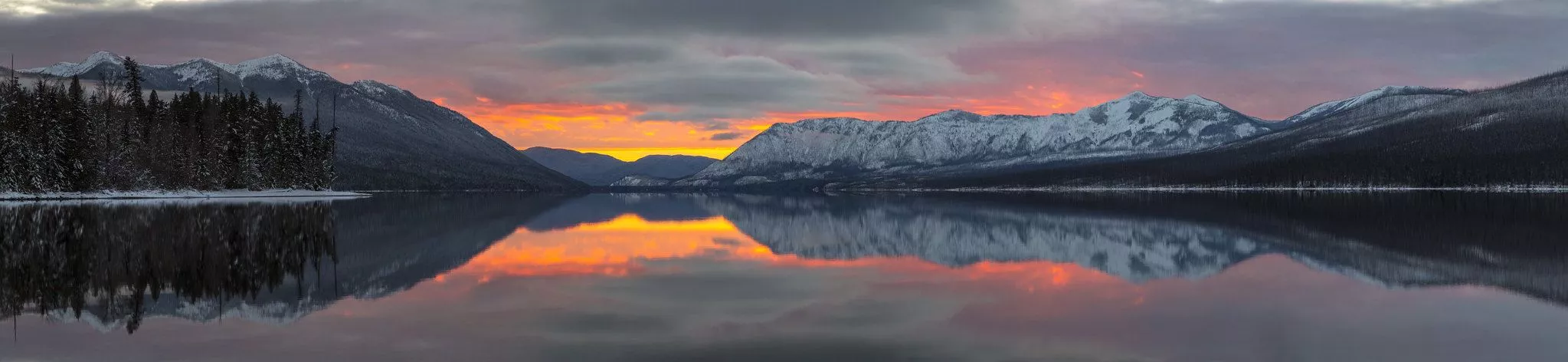
Glacier National Park mesmerizes, but if you want the real highlight, head to Lake McDonald. In our experience, this expansive alpine lake is Glacier in a single, unforgettable frame—especially at sunrise or late afternoon when the light hugs the shoreline. There’s plenty to do nearby, from shoreline strolls to easy overlooks, making Lake McDonald a must-add stop on any Glacier itinerary. You won’t regret giving it a place at the top of your trip plan.

We recommend starting with the Lake McDonald Lodge area for the easiest access to photo-perfect looks. Parking in the Lake McDonald Lodge lot puts you within a short stroll to the shoreline—great for quick outings with kids or for a calm sunset shoot along the East Shore. In our experience, arriving early (before 7:30–8:00 a.m. in peak season) helps you snag a closer spot and fewer people on the boardwalks.
To maximize your time, plan a shallow morning loop along the shoreline from the Lake McDonald Lodge to the Boat Dock overlook. We’ve found that locations near the boat dock give bright, reflective water on calm mornings, while the east shoreline provides a few quiet benches and viewpoints away from the main crowds. Bring a wide-angle lens and a compact tripod for those sweeping lake shots—the light changes quickly here, especially during blue hour.
Note: this section follows current NPS guidance on staying to designated trails and respecting lake shore habitats. Our on-the-ground tips come from multiple visits, including a sunrise session at Lake McDonald with photographers-in-residence and a late-afternoon stroll along the shore during a calm fall day. For accessibility, the Lake McDonald Lodge area has paved paths from the parking lot to overlooks, but some shoreline segments remain gravel—plan accordingly with footwear and a light jacket for breeze off the water.
From our experience, Lake McDonald easily earns its place as Glacier’s best-known jewel, and we recommend budgeting several hours to explore the shoreline, take photos, and perhaps squeeze in a gentle hike on the adjacent shore trails. Our top pick remains the Lake McDonald Lodge area for its balance of accessibility, views, and serenity.
Lake McDonald – How do I get there?
Craving a smooth start to Lake McDonald adventures? In our experience, the easiest route is entering via the West Glacier entrance and planning the first leg with current road conditions in mind.
West Glacier Road gets you to the junction with Going-to-the-Sun Road and Camas Road, and from there you’re just a short drive to Lake McDonald. In summer, plan for lighter traffic and quicker recovery times, but in shoulder seasons or after major snow events, Going-to-the-Sun Road can be closed or limited to early morning hours. According to NPS seasonal advisories, Going-to-the-Sun Road typically opens in late spring and remains subject to snow and closures into fall; winter access is restricted. We recommend checking the latest status at the park’s official NPS page before you depart.
From our experience, the West Glacier entrance is easier to access if you head there early—parking can fill up by mid-morning on weekends. We also suggest having a backup plan: if Going-to-the-Sun Road is delayed, you can still enjoy Lake McDonald via West Glacier Road to Camas Road as an alternate route. For the most up-to-date routing and conditions, we recommend consulting the NPS road status and calling the West Glacier Ranger Station the day before your visit.
Closest airport
Flying can save a ton of time and hassle, especially if you’re chasing a tight park itinerary. In our experience, choosing the right gateway can shave hours off your travel time and keep more minutes on the trail. Here’s what we’ve found works best for Glacier National Park.
Kalispell Glacier Park International Airport
The closest airport to Glacier National Park is Kalispell Glacier Park International (FCA). We’ve found that flying into FCA often saves more door-to-door time than Bozeman, especially in peak season when long drives can eat into your day. The typical drive from FCA to the West Glacier/Glacier NP corridor is about 31 minutes, depending on traffic and which entrance you’re aiming for.
As with any small regional airport, ticket prices can be higher and flight options more limited than bigger hubs. If you’re watching costs, book early and consider red-eye options or midweek travel. For car rental, the closest desks are Thrifty and Enterprise right near the baggage claim, with more options clustered in Kalispell itself—plan a quick pickup to minimize wasting precious daylight.
Important timing note from an NPS perspective: if you’re visiting during Going‑to‑the‑Sun Road’s peak window, the park often runs a shuttle system and road status updates are frequent. We recommend checking Glacier National Park’s current shuttle schedules and Going‑to‑the‑Sun Road advisories before you book, so you don’t misplan around closures or crowds.
Bozeman International Airport
Bozeman Yellowstone International (BZN) is the largest nearby airport and typically offers more price options. In our experience, airfare can be noticeably cheaper here, but the drive to Glacier NP is longer—roughly 4 hours and 40 minutes to 4 hours 55 minutes, depending on traffic and exact starting point. The scenic route through central Montana often compensates for the extra road time if you’re traveling during a bear or wildlife-focused week.
Rental desks at Bozeman are straightforward, with shuttles commonly waiting to take you to the rental center. If you’re renting, we’ve found booking a compact SUV can balance fuel efficiency with enough clearance for occasional dirt pull-offs once you’re inside the park.
From an NPS planning standpoint, be mindful of entry requirements and seasonal road conditions. Glacier National Park may limit vehicle access via the Going‑to‑the‑Sun shuttle or impose delays during busy periods. We recommend checking NPS advisories for park entrance guidance and real-time road status, so your travel days aren’t spent circling parking lots.
Lake McDonald Falls
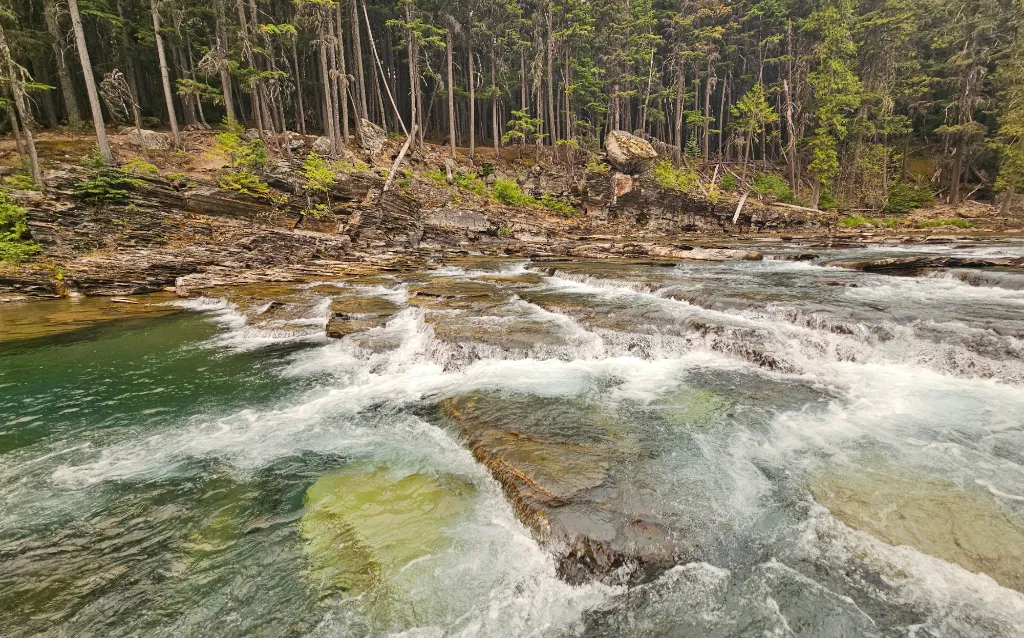
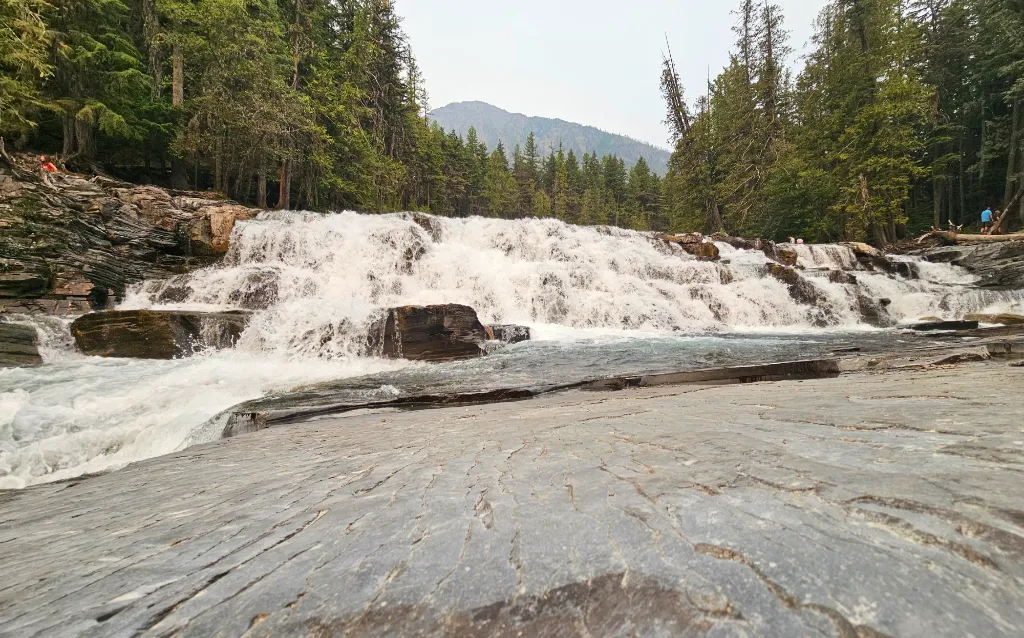


From the moment the spray hits your face, Lake McDonald Falls commands attention. In our experience, the best views come from the pull-off along Lake McDonald Creek, then a quick, wallet-friendly stroll to the overlook for a closer look. The falls vary from small cascades to mid-sized drops, all fed by Glacier’s cold, clear water and heavy spring runoff.
We recommend starting at the Sprague Creek Road pull-off or the Lake McDonald Lodge area for easy access, with the best photo angles at the mid-day sun. Watch your footing—rocks can be slick, especially after rain—and stay on designated paths to protect the surrounding wildlife and habitat, as the NPS safety guidelines advise. Keep an eye out for wildlife (bears and small mammals can wander near the trail) and give yourself a wide berth if you spot any. In our experience, a quick, 10–15 minute loop between pull-off viewpoints yields the best combination of view and drama.
To maximize safety and enjoyment, we’ve found that visiting early in the morning (before 9:00 AM) or later in the afternoon helps dodge crowds and parking bottlenecks near the Lake McDonald Dam area. If you’re visiting during peak season, arrive with a Park Pass and use the designated parking spots near the pull-off to avoid a long walk from distant lots. We treat Lake McDonald Falls as a gateway to Glacier’s rugged charm—a must-see, but best experienced with a little planning and caution.
East Lake McDonald Falls
From our experience, the east side of Lake McDonald Falls is the easiest access point along Going-to-the-Sun Road and often the best chance for a cleaner cascade view. The trees can partially frame the scene from this side, so don’t expect a perfectly open postcard shot every time, but the power of the falls still shines. We recommend giving it a quick stop even if you’ve already photographed the west side.

West Lake McDonald Falls
In our experience, the best view comes from stepping onto the west bank rather than sticking to the bridge overlook. The footpath along the creek on the west side lets you approach close enough for dramatic spray and a clean line to the falls.
We’ve found a short, low-relief dirt trail along the west bank that ends at a rocky overlook with an unobstructed view of Lake McDonald Falls. For best conditions, visit after a light rain or early in the morning when crowds are thinner; just be sure to stay on marked trails—NPS guidance emphasizes keeping feet and feet-only on designated routes to protect the site and your footing. We recommend wearing grippy footwear and bringing a light rain shell in case of spray.
Lake McDonald Boat Tour Gives A Whole New Perspective.
Seeing Lake McDonald from the water gives you an entirely new perspective on the surrounding peaks and glassy reflections. In our experience, the boat tour adds a layer of detail you miss from shore—captains share local history, geology, and the park’s seasonal rhythms that bring the scenery to life.
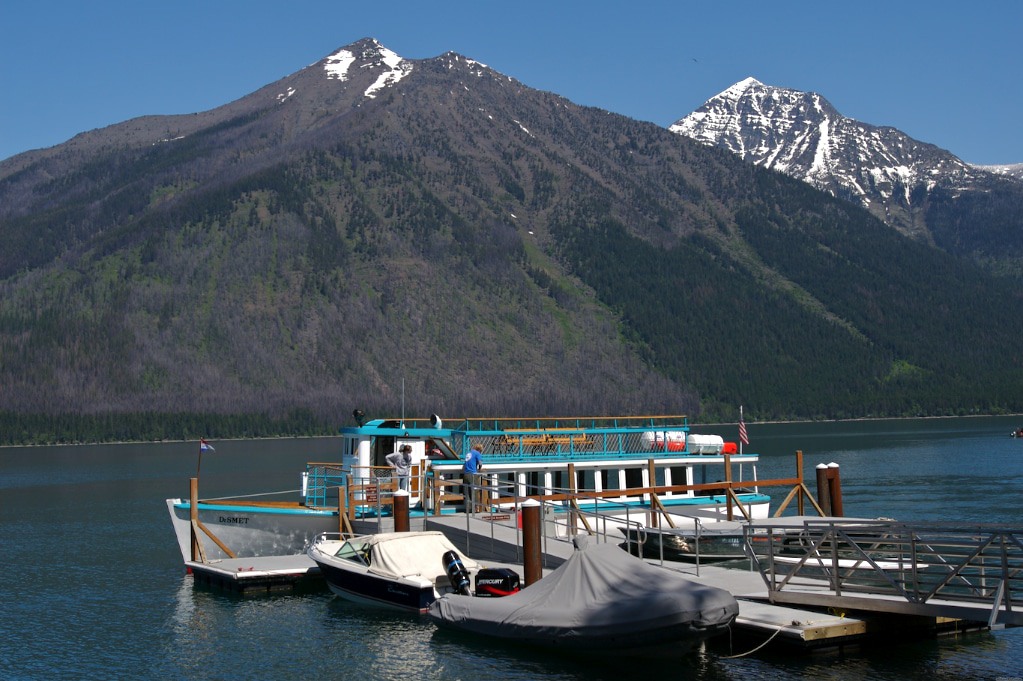
To make the most of your trip, plan on a roughly 60-minute voyage, depending on weather and traffic on the lake. We recommend checking in at least 30 minutes before your departure and arriving a bit early to secure preferred seating along the main deck for the best views.
Accessibility note: the dock area offers accessible boarding, and the tour operator can accommodate mobility devices and seating needs with advance notice. For any accessibility requirements—such as wheelchair access or assistance—please contact the tour dock staff ahead of time so they can arrange the best seating and support. In our experience, a quick heads-up helps ensure a smoother experience for everyone in your group.
How long is the Lake McDonald boat tour?
Our time on Lake McDonald is about savoring the views, not rushing the boat. The Glacier Park Boat Co. tour typically lasts 60 minutes, but in our experience wind and lake conditions can push it a few minutes longer. For planning, plan for a 60-minute ride with a small buffer if you’re catching a sunset or shuttle elsewhere in the park.
Lake McDonald Boat Tour Departure times
- 11:00 AM
- 1:30 PM
- 3:00 PM
- 5:30 PM
- 7:00 PM
Tickets are sold by Glacier Park Boat Co. The best practice is to book online ahead of time; onsite only 50% of tickets are held for online reservations. In our experience, early online booking fills up fast, especially in peak season. Check the concessionaire’s latest timings and availability before you go: Glacier Park Boat Co..
Lake McDonald Boat Tour Cost
- Adult – $18.25
- Children (4-12) – $9.25 (under 4 free)
We recommend arriving at the dock at least 20 minutes before your chosen departure to secure boarding and enjoy the nearby viewpoints along Lake McDonald’s shore. Our latest visit showed that the dock area can get busy, so use the east end parking lot and walk to the boat dock if you’re short on time.
Tickets for the Lake McDonald boat tour can be bought online or in person, but it is strongly recommended to buy tickets online ahead of time. While tickets can be bought in person up to 3 days ahead, only 50% will be available with the other 50% being for online reservations only. So if you’re planning to visit Lake McDonald, be sure to book your tickets early!

What Can I expect to see on the Lake McDonald Boat Tour?
Gliding across Lake McDonald on a boat tour feels like stepping into a living postcard—the kind of experience that instantly makes you slow down and look up at the surrounding granite and pines. As the largest lake in Glacier National Park, it’s not just the size that impresses us; it’s the chance to spot elk along the shore and, if we’re lucky, a bald eagle riding the thermals above.
In our experience, the real show begins with the mountain silhouettes. Stanton Mountain looms dramatically, and with a simple head turn you can catch glimpses of Mt. Brown looming beyond. On clear days, we’ve enjoyed quick reveals of Edwards Mountain, Mt. Vaught, Mt. Cannon, and even Mt. Grinell as the boat drifts along. For the best light and fewer shadows on the peaks, plan an mid-morning to early-afternoon ride when the sun is higher and the air is usually calmer.
What we’ve found useful on the tour: bring a lightweight jacket (weather changes quickly on the water), sunscreen, and binoculars if you want closer looks at the cliffs and feathered neighbors. The DeSMEt boat used on Lake McDonald Boat Tours adds a nostalgic touch—you’ll hear the creak of the hull and feel the spray when the breeze picks up. Remember to maintain a safe distance from wildlife and follow NPS guidelines during any stop or shore excursion.

What should I bring with me on the Lake McDonald Boat Tour?
On our last Lake McDonald boat tour, we found you really don’t need a lot—but a tight, well-thought-out gear list makes the trip easier and more enjoyable. To make packing simple, here’s a concise checklist that covers what we actually use and recommend.
- Sunscreen (SPF 30+), and lip balm with SPF
- Water bottle or small hydration pack (stay hydrated on the open water)
- Light layer or sweatshirt for breeze off the lake
- Binoculars for wildlife viewing along the shoreline
- Sunglasses with a secure strap and a brimmed hat
- Phone or camera with a simple waterproof bag or pouch
- Small dry bag for valuables and a compact jacket
- Comfortable shoes or sandals with a quick-dry sole
In our experience, keeping items in a compact dry bag helps you access essentials quickly without cluttering the boat deck. We also recommend keeping a quick-drying layer handy for the breeze on the water. The goal is to stay comfortable without lugging heavy packs onto the boat.
The only thing not recommended to bring on the Lake McDonald boat tour is bear spray. This is to ensure nobody accidentally gets sprayed out on the water. Plus the chance of a bear being in the middle of the lake is practically non-existent.
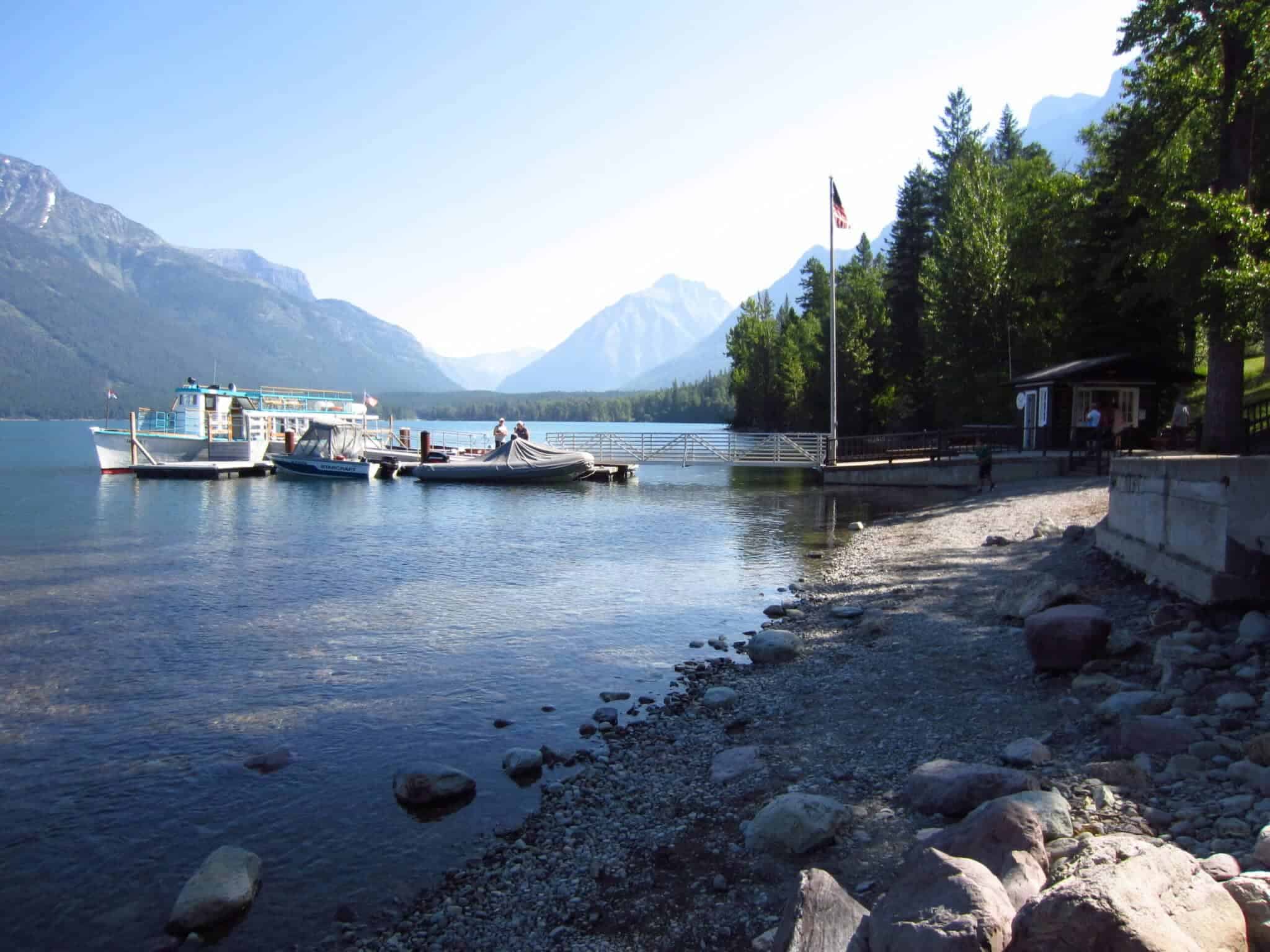
Lake McDonald Hikes: What trails can I walk?
The Lake McDonald Trail invites you to a classic lakeside wander with real wow factor—we’ve found it’s the best introduction to Glacier’s stone-kissed shoreline and pine shadows. In our experience, the route hugs the west shore, offering steady views and plenty of wildlife glimpses along the water’s edge.
Officially, Lake McDonald Trail is approximately 13 miles round trip with about 500 feet of elevation gain, and is rated as moderate overall. We recommend starting before dawn from the Trail of the Cedars parking area to secure parking and enjoy cooler temps. For a shorter option, consider a 6–7 mile out-and-back toward Avalanche Creek to stretch your legs without committing to the full lake loop.
We’ve found timing makes a big difference: late spring and early fall bring calmer waters and fewer crowds, but be prepared for variable weather on the lake’s windward side. In our experience, the best wildlife viewing often happens near sunset near the McDonald Falls overlook and along the McDonald Creek corridor, where raptors and small mammals are more active. If you’re planning a longer hike, pair Lake McDonald Trail with a one-way shuttle or a vehicle at Apgar to avoid backtracking.
Upper McDonald Creek adds variety with a quieter, forested route along the creek and several cascade viewpoints. It’s generally shorter—roughly 2–3 miles round trip depending on how far you go—featuring gentler elevation gain and frequent creek crossings. We recommend checking current NPS advisories for trail status and water levels, as late spring runoff can shift creek crossings. In our experience, early-season hikes here reward you with mossy boulder shelves and occasional osprey sightings overhead.
What we’ve found: wear sturdy footwear, bring layers, and carry bear spray when you’re in the Lakeshore zone. NPS cautions about wildlife and weather conditions, so keep a respectful distance from bears and other wildlife. For parking and access, the Trail of the Cedars lot is a reliable starting point, and we always plan a backup plan in case Lot A fills up. Our top pick remains a sunrise Lake McDonald trek to catch gold sunlight on the water and quiet shoreside moments before the day-trippers arrive.
Lake McDonald Trail
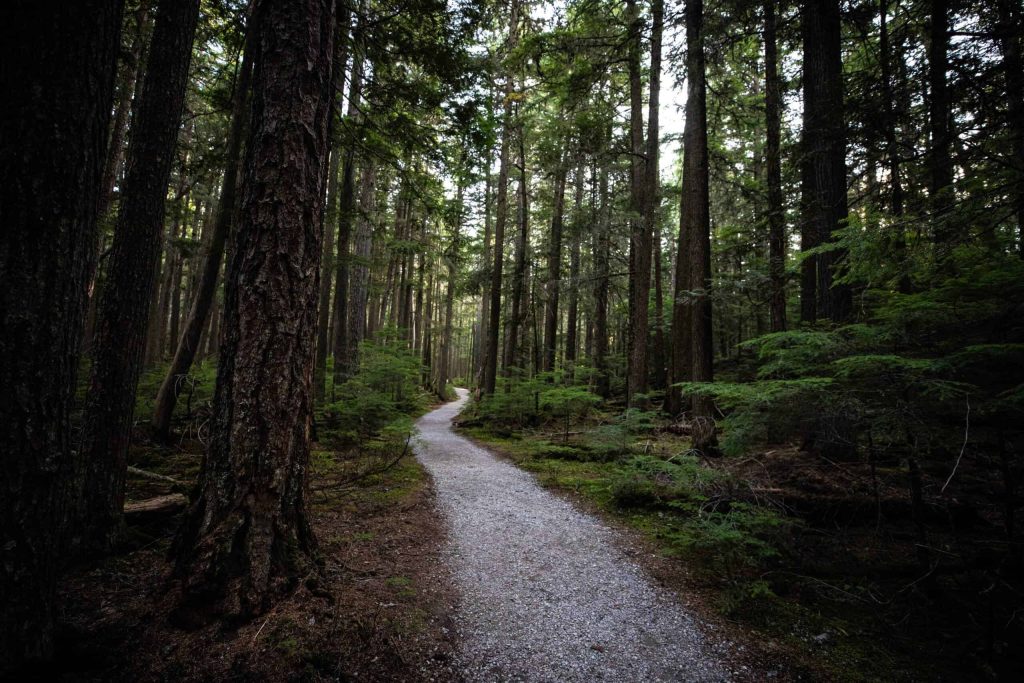
Hooked by a shoreline stroll with evergreen shade? The Lake McDonald Trail offers a surprisingly varied experience right from the lodge area. In our experience, the first 0.5 miles stay easy and sunny, but the real charm appears as you move into the forested stretch where the trees close in and the view opens intermittently to the lake.
What we’ve found for planning — Lake McDonald Trail is about 2.5 miles round trip with roughly 250 feet of elevation gain, rated easy to moderate by NPS trail data. We recommend starting at Lake McDonald Lodge to minimize road noise and parking friction, then loop back along the shore for a calm finish. The trail is generally accessible from late spring through fall; winter closures are common when snow persists on the upper sections (per NPS seasonal notes).
For a paired option, consider the Upper McDonald Creek Trail, which runs a roughly 2.0 miles round trip with about 320 feet of gain. It’s a quieter segment that stays mostly in green cover, and we’ve found it pairs nicely with the Lake McDonald segment for a half-day hike. NPS data notes this trail can see muddy stretches after rains and late spring melt, so we pace it accordingly and wear taller boots.
From our experience, the best parking is near the Lake McDonald Lodge entrance before 9:30 a.m. on weekends, and consider a late-afternoon finish to catch cooler shade along the lakeshore. Wildlife can show up along the creek crossings, so we stay alert and make noise while crossing to avoid surprising any wildlife. What we’ve found works well is a lightweight daypack with a rain shell, snacks, and a compact bear canister if you’re doing multiple segments in a day.
Short on time but still want the feel of Glacier’s lakeshore? These two trails deliver a classic mix of lake views and forested serenity with plenty of opportunities for wildlife sightings in the shoulder seasons. We recommend checking the latest NPS trail status the morning you plan to hike, as conditions and access can shift with snowmelt and weather patterns.
Upper McDonald Creek
Hook: The Upper Lake McDonald Creek section rewards you with dramatic lake views and a chunky dose of alpine scenery, all packed into a comfortable 5.2-mile out-and-back. In our experience, this is the sweet spot for a half-day hike that feels big without demanding a full day on the trail.
What we’ve found: the route delivers sweeping views of Lake McDonald and a close-up look at Lake McDonald Falls, with several workable switchbacks that keep the grade manageable for families. We recommend starting from the Lake McDonald Trailhead early to catch quiet water and calm reflections, then loop back along the same path for a straightforward out-and-back experience.
Pro tips from the field: keep your eyes peeled for wildlife—bears and elk have been sighted along this corridor—and store food securely to avoid attracting wildlife. Bring bear spray, a compact layer set, and a small thermos of water for a quick break at the lakeside viewpoints. In our experience, arriving before 9 a.m. helps you beat crowds at the best overlook spots and gives you softer morning light for photos.
 moose-1024x683.jpg" alt="Moose crossing the view of bystanders ">
Lake McDonald Lodging: Where should I stay?
From our experience, lodging around Lake McDonald is straightforward, with two standout options close to the water: Lake McDonald Lodge and Motel Lake McDonald.
Both offer lake views and easy access to the shoreline and park amenities, with the lodge delivering historic charm and a classic Montana vibe, while Motel Lake McDonald offers a simpler, more budget-friendly stay.
We recommend booking early for the busy summer months and, if possible, choosing a lake-facing room to wake up to sunrise over the water and easy access to the boat launch and trails.
Lake McDonald Lodge
Sunrise over Lake McDonald through the pines is a moment we never skip when visiting Glacier — and Lake McDonald Lodge is the front-row seat. Built in 1913, this is the park’s second-oldest lodge, with the dramatic great room and cedar-shake exterior delivering that classic Glacier feel. In our experience, the lobby is worth a quick stroll even if you’re not staying there.
The lodge sits right on the shore of Lake McDonald, giving guests sweeping water-and-mountain views from many rooms. We’ve found that lake-view accommodations and the upper floors tend to have the best panoramas, so if you can swing a room with a lake view, do it. The property offers hotel rooms, cabins, suites, plus an on-site restaurant, bar, and gift shop for convenience after a day on the trails.
Pro tips from our trips: parking can fill up on peak days, so arrive early or use the lodge’s main lot off Going-to-the-Sun Road. Plan to enjoy a sunset drink or a hearty dinner in the dining room, and consider a post-dinner stroll along the shore trail where the sound of the water makes for a calming end to a busy day. Lake McDonald Lodge is open from mid-May to late September, with exact dates updated by the park service each year—we recommend checking current hours before you go.
Motel Lake McDonald
In our experience, Motel Lake McDonald makes a reliable base for Glacier National Park adventures. It’s conveniently located near Lake McDonald and within easy reach of the park’s key sights, all without breaking the bank compared with more remote options. We’ve found the on-site amenities cover the essentials, and the staff tends to be friendly and responsive, which helps after a long day on the trail. For planning, we recommend stocking up on groceries before you arrive and using quick picnic lunches to maximize time on the trails. If you’re choosing lodging near the lake, Motel Lake McDonald is a solid, budget-conscious choice that keeps you focused on the scenery rather than the drive.
Lake McDonald Campgrounds – I’d rather rough it!
Gaining a campsite around Lake McDonald feels like stepping into a front-row seat with nature—the kind of scene that makes you forget the world’s hurry. In our experience, Lake McDonald Campground and nearby options give you lakefront sunrises and easy access to sunset strolls along the shore, with the convenience of parking within a short walk of your tent.
We recommend booking well in advance through Recreation.gov, especially for summer weekends. Our tip: arrive early to snag a site near the water or shaded ponderosa pockets, and use bear canisters where required—the park service guidelines apply even in tent mornings and evenings by the lake. At night, we’ve found the combination of quiet forest sounds and the distant splash of Lake McDonald’s water to be unbeatable for sleep.
From our experience, what makes Lake McDonald camping special are the practical details: pack a lightweight camp chair for the picnic table view, keep a cooler inside your vehicle during peak hours, and plan a quick day hike (Hydro and the Trail of the Cedars are good nearby options) before the crowds arrive. We’ve also learned that the quieter stretches of shoreline are closer to the Apgar area during shoulder seasons, when traffic and noise drop substantially.
Overall, Glacier’s Lake McDonald campgrounds offer a cost-effective, authentic outdoor experience that’s hard to beat for connecting with the park’s beauty. We recommend pairing your stay with a dawn lake walk or a sunset paddle if you have a permit and the weather cooperates. If you’re chasing raw scenery with a manageable pace, this is a solid choice—in our view, the immersive experience is worth the early planning and some effort to secure a good site.
Fish Creek Campground
Waking up to Lake McDonald’s glassy surface right outside your tent is the kind of moment that makes Glacier unforgettable. If you can snag a lakeside site at Fish Creek Campground, you’ll fall asleep to waves and wake to dramatic sunrises over the water. We’ve found that lakeside spots book fastest, so plan to reserve early on Recreation.gov and be prepared for a quick decision at check-in if you’re arriving midweek.
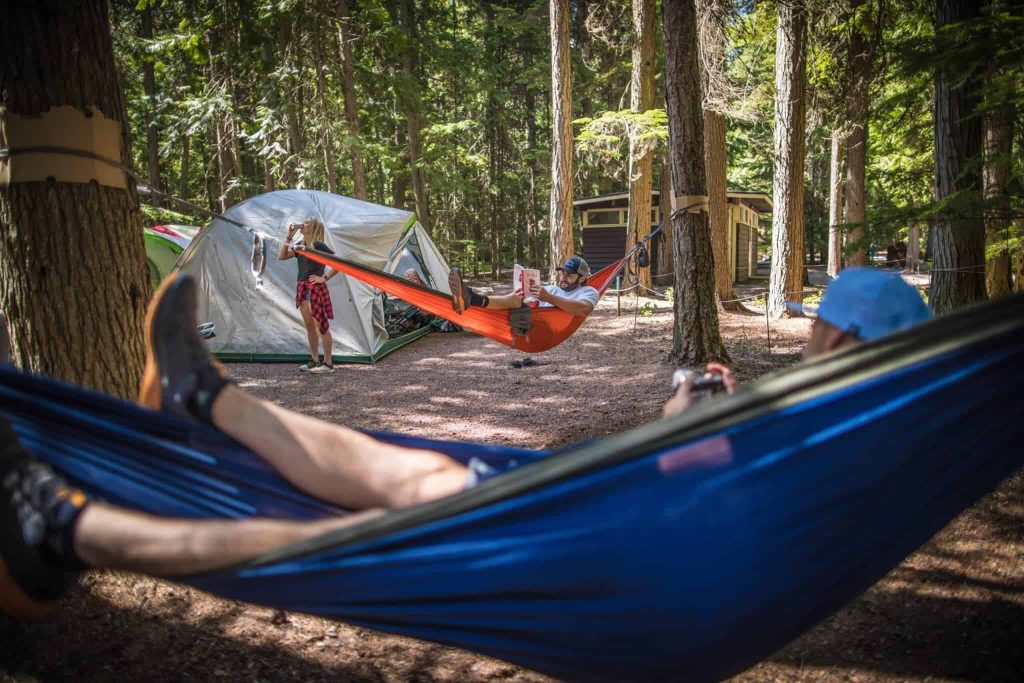
During peak season, we recommend arriving early in the day to claim a preferred site, especially if you want one directly on the lake. Fires are subject to current fire restrictions, so check the NPS site before you plan a campfire, and store all food in approved bear boxes as required by park regulations.
From our experience, the best approach is to choose a site near the Lake McDonald shoreline, then use this as your base for short hikes or a dip in the glassy water (note: water in Glacier is famously cold, so a quick swim is refreshing but not a long one). We’ve found that the lakeside loop offers both morning sun and quieter evenings once the day-use crowd heads back to the road.
Apgar Campground
If Glacier National Park had a front door, Apgar Campground would be it for many of our trips. As the park’s largest campground, it’s a reliable base for launching hikes, boat rentals, and scenic drives around Lake McDonald. In our experience, staying here puts you within easy reach of Apgar Village for snacks, gear, or a quick post-hike bite, while several trailheads radiate from the campground area.
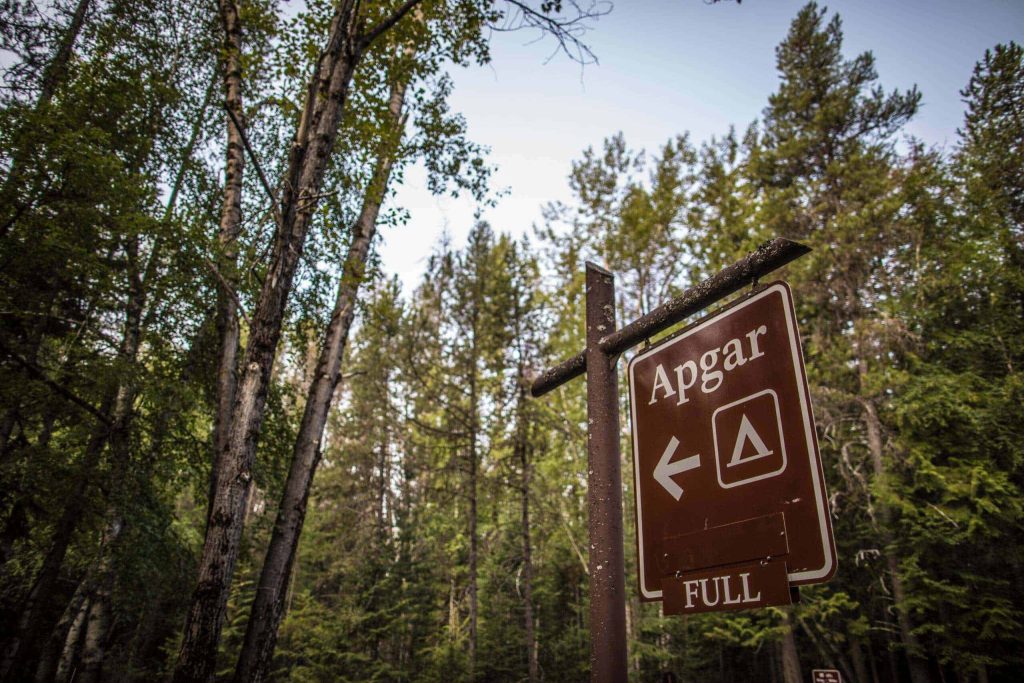
Our top tip: make your reservation well in advance, especially for summer weekends, through Recreation.gov. Availability can dry up quickly, and this is one of Glacier’s busiest campgrounds for a reason. We also suggest planning your days around Apgar’s central location—arrive early to snag a preferred site and take advantage of nearby restroom facilities and the day-use area.
From our experience, the proximity to Apgar Village is a real advantage for resupply runs and light meals, and several trailheads are easy to reach from the campground loops. If you’re keen on lake views, there are quieter pullouts along the Lake McDonald shoreline you can access after a short stroll from the campground. Always check current fire restrictions and park alerts before you go, as conditions can change with the season.
Sprague Creek Campground
Hidden gem alert: Sprague Creek Campground quietly sits on the northeast shore of Lake McDonald, rewarding early risers with calm mornings and lakefront views. This smaller, tent-only site offers a higher level of privacy and a more intimate camping experience than the busier loop campgrounds nearby.
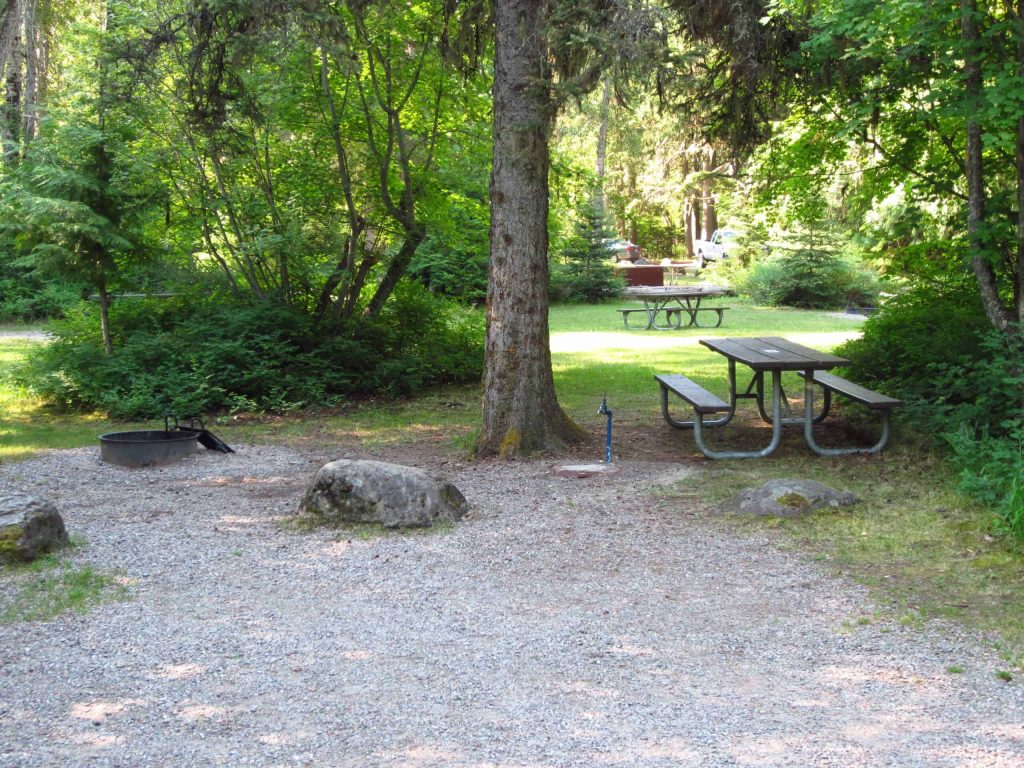
Our experience is that Sprague Creek balances privacy with convenient access to Lake McDonald’s shoreline. It’s strictly tent-only, but it does provide running water and flush toilets, making it easier for longer trips than backcountry options. We recommend planning for a quieter night by choosing sites toward the northeast end of the loop, where you’ll hear fewer road noises.
From our perspective, this campground shines as a low-key jumping-off point for hikes and lake activities. We’ve found that arriving midweek in shoulder season reduces crowding, and using the nearby Sprague Creek trailhead parking can save you from looping the main lot. In our experience, bring a compact camp chair to enjoy the water-facing views right after sunset.
Lake McDonald Backcountry Camping
Lake McDonald backcountry camping is for the true adventurers. In our experience, the west side has a designated backcountry area that rewards you with quiet trails and incredibly clear dawn light; be sure you have the official backcountry use permit before heading out, obtained through Recreation.gov per NPS guidelines. We recommend arriving early to secure a pack tent spot and to prep your gear while the area is still calm.
If you’re planning a trip, remember that a backcountry camping permit is required for Lake McDonald, and camp rules vary by site. We’ve found that bear-awareness is essential: store all food in approved bear-resistant containers or use distributed food-storage methods, keep a clean camp, and follow quiet hours and campfire restrictions posted at the site. We recommend checking the latest campground-specific regulations before you go and packing out all waste to minimize wildlife impacts.
Water safety and weather can swing quickly in Glacier. For our trips, we always treat all backcountry water—boil, filter, or chemically treat before drinking—and carry a compact emergency shelter and layers for sudden temperature drops. In our experience, the best plan is to check the current conditions with NPS alerts and be prepared for sudden wind or rain; have a contingency plan and a quick exit route in case conditions worsen.
FAQ
Thinking about Lake McDonald? We’ve found a few practical details that make planning easier, from our experience on multiple trips along the shore and at the lodge.
In our experience, boat tours are a popular summer option and fill up quickly. Tours typically run mid-June through early September, weather permitting. To secure a spot, check Glacier National Park’s official concessionaire listings and book directly with the Glacier Park Boat Company when their windows open for the season—availability changes year to year, so plan ahead and confirm exact dates on the park’s site.
Yes and no, depending on what you want to do. The Lake McDonald Lodge area offers paved, level paths and some viewpoints that are more accessible, but most lakefront trails and shorelines have uneven surfaces. For a smoother experience, use the paved paths near the lodge and NPS-accessible overlooks, and give yourself extra time for parking and slower walking paces.
We recommend early mornings around sunrise and late afternoons before sunset, especially on weekends. Parking can fill quickly near the Lake McDonald Lodge and Trail of the Cedars; consider using quieter lots like Sprague Creek if you’re aiming for a calmer start. Weekdays in shoulder seasons (late spring or early fall) also tend to be noticeably less crowded.
Bear country is standard in Glacier, so carry bear spray, make noise on trails, and store food properly. Weather can shift rapidly along Lake McDonald’s shore—check the NPS alerts before your trip and bring layers, rain gear, and sun protection. In our experience, a lightweight wind shell and an insulated layer cover most shoulder-season days on the water.
Can you swim in Lake McDonald?
Yes, you can swim in Lake McDonald, but don’t expect tropical warmth. In our experience, the water stays chilly even in midsummer, so plan for a quick dip rather than a long beach day.
We recommend using the public swim-friendly areas near the Lake McDonald Lodge beach or Apgar Beach, where you’ll often find calmer water and easier shore access. Swim with a buddy, wear water shoes, and stay mindful of boat traffic and currents in the main lake. The park service emphasizes water safety and keeping to designated areas—check in at the West Glacier ranger station for current conditions before you go.
Can you take rocks from Lake McDonald?
No, you cannot take rocks from Lake McDonald. In our experience, the National Park Service strictly prohibits removing natural objects from park lands.
We’ve found it’s best to leave rocks, shells, driftwood, and other natural features exactly where they are. If you want a keepsake, take photos or a sketch instead, and enjoy the scene without disturbing the shoreline or wildlife habitats. For geology enthusiasts, we recommend checking the Apgar Nature Center or ranger programs for legitimate, interpretation-focused insights rather than samples.
Why is Lake McDonald Famous?
Lake McDonald’s fame hits you the moment you arrive—the largest lake in Glacier National Park and a gateway to easy, family-friendly exploration. In our experience, the shorefront is highly accessible from the Lake McDonald Lodge area and the pullouts along Going-to-the-Sun Road, making it a solid starting point for first-time visitors. According to NPS data, the lake features rainbow-hued rock faces that have formed over millions of years; we’ve found the best reflections occur at sunrise from the east shore, so we recommend an early stop to avoid crowds and capture calm water.
Are there any fish in Lake McDonald?
Yes—Lake McDonald supports a healthy fishery. In our experience, you’ll typically find small cutthroat and rainbow trout, a few larger bull trout, and a solid population of lake trout.
For best results, fish in the early morning or late evening in shallower bays for cutthroat and rainbow, and move to deeper waters around structure for lake trout (downriggers and weighted rigs have helped us). Always follow current NPS fishing regulations and Montana limits—these can change seasonally—so check the latest guidance before you fish, and consider stopping by a local shop for up-to-date tips from Glacier-area outfitters.
Can you see the northern lights at Lake McDonald?
Yes, you can catch the northern lights over Lake McDonald—when conditions cooperate. In our experience, the best chances come on clear, moonless nights from late September through March, with the lake’s glassy surface and surrounding pines making the colors pop. We recommend checking aurora forecasts and heading to open shoreline spots near the Lake McDonald Lodge area after 10 p.m., away from campfires and glare; stay warm and keep wildlife in mind while you stargaze.
How deep is Lake McDonald?
Lake McDonald reaches a remarkable depth of about 464 feet at its deepest point, according to NPS bathymetric data.
In our experience, that depth can surprise first-time visitors, so we always practice water safety whenever we boat, fish, or swim. If you’re planning a kayak or small-craft outing, wear a PFD and be mindful of sudden drop-offs along the coves and shorelines.
How cold is Lake McDonald?
Planning a dip at Lake McDonald? Don’t expect tropical warmth—the water stays stubbornly cold. In our experience, surface temps rarely climb above 50°F, and a swim often feels like a wake-up call. On sunny, mid-summer afternoons we’ve seen brief bumps into the low 50s, but you should plan for near-freezing conditions most of the time.
What we’ve learned: come prepared. Wearing a wetsuit top or synthetic full suit, plus water shoes or booties, makes the canyon breeze and chilly water far more tolerable. If you’re swimming from the Apgar or Lake McDonald Lodge side, carry a dry bag for gear and plan for a short, cautious dip rather than a long swim, especially if you’re timing it around afternoon winds.


