Is Glacier National Park Worth Visiting? (Honest 2026 Review)
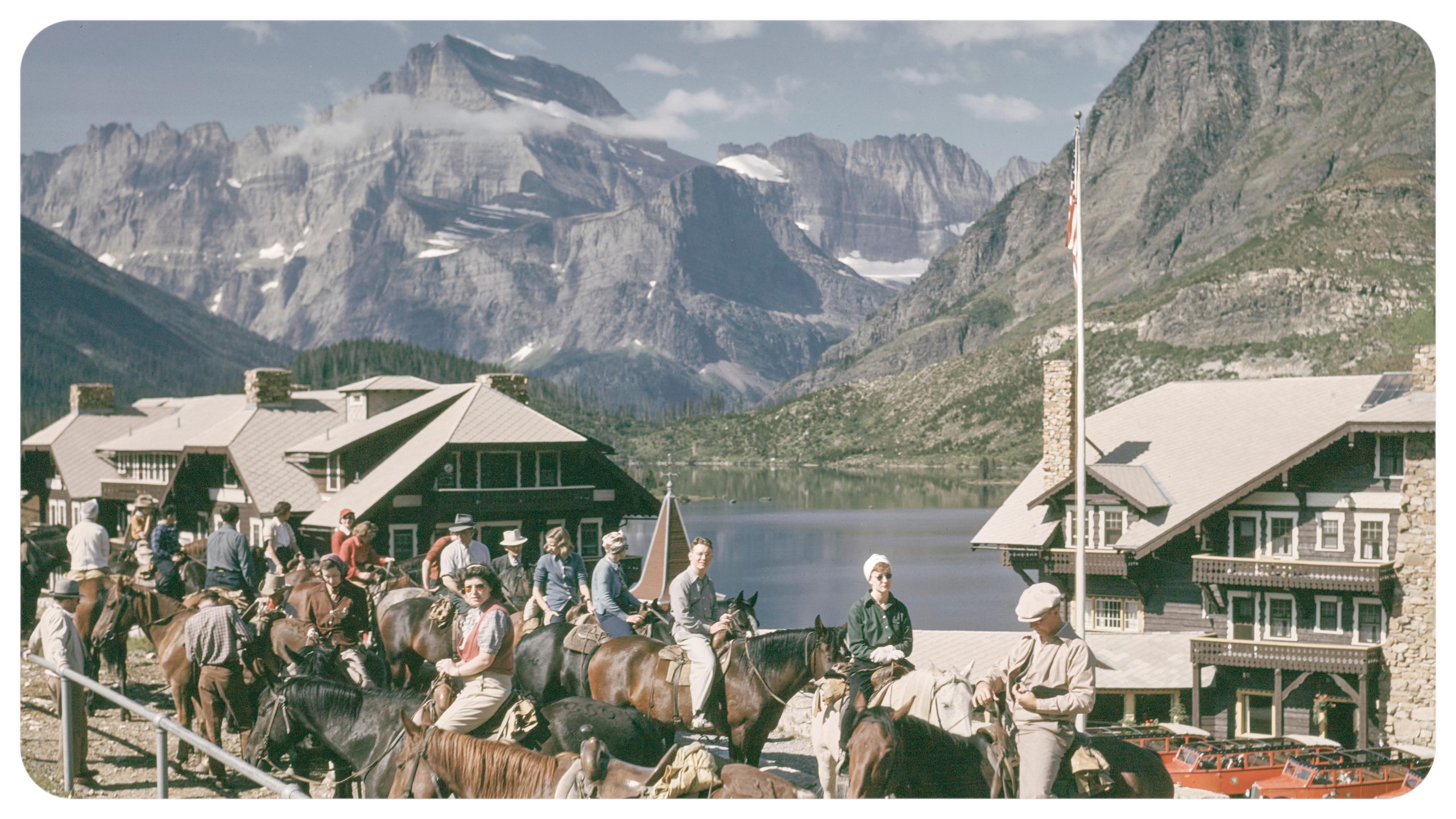
Yes, Glacier National Park is absolutely worth visiting. With over 750 miles of trails, a 50-mile National Historic Landmark road cutting across the Continental Divide, grizzly bears, mountain goats, and some of the most dramatic alpine scenery in North America, Glacier earns its reputation as the “Crown of the Continent” per NPS.gov.
That said, 2026 brings specific changes you need to know before booking: no vehicle reservation requirement, new Logan Pass parking limits, and a ticketed shuttle system for alpine hikers. Here’s the complete, honest picture.
- Glacier spans over 1 million acres with 750 miles of trails across 158 routes—one of the most trail-dense parks in the U.S.
- No vehicle reservations required in 2026, but Logan Pass parking is limited to 3 hours beginning July 1.
- Entrance fee is $35 per private vehicle; the America the Beautiful annual pass ($80) pays for itself in 3 visits.
- 3,136,931 visitors came in 2025—the 3rd busiest year on record. Peak crowds hit July and August hardest.
- Best low-crowd windows: May, early June, and post-Labor Day September.
- Wildlife is exceptional: 71 mammal species including grizzly bears, wolves, and mountain goats per Glacier Conservancy.
- Only 27 named glaciers remain—visiting now means seeing them while they still exist.
- The Going-to-the-Sun Road is a National Historic Landmark and one of the most scenic drives in the world.
What Makes Glacier National Park Special?
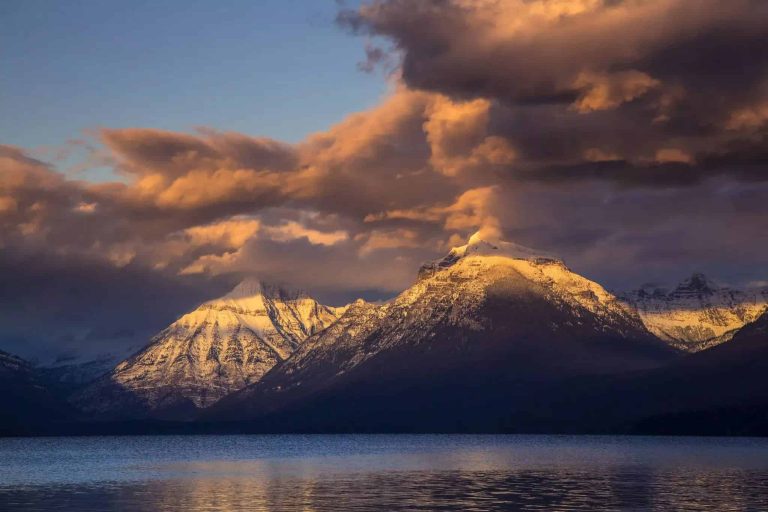
Glacier covers 1,013,572 acres in northwestern Montana, bordering Canada’s Waterton Lakes National Park. Together they form Waterton-Glacier International Peace Park, a UNESCO World Heritage Site. Per NPS.gov, the park protects one of the largest intact ecosystems in the temperate world.
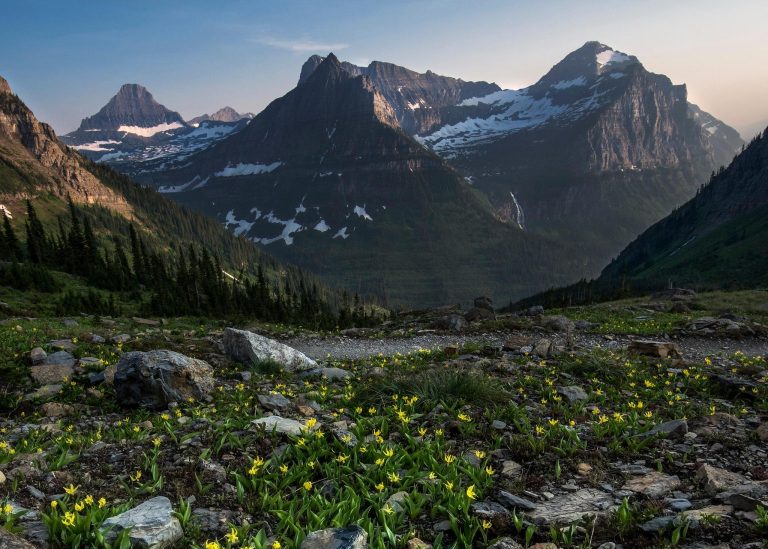
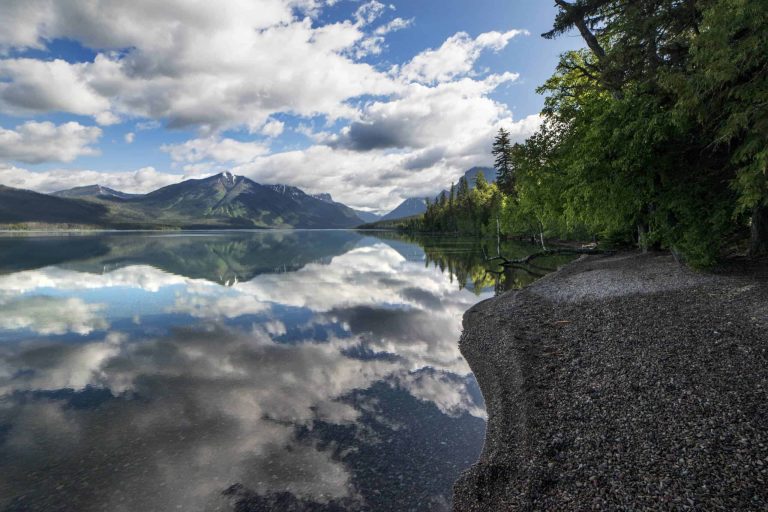
The statistics tell part of the story: 158 named trails covering 750 miles, 762 lakes, over 200 waterfalls, and 175 mountains. The park’s terrain spans from dense cedar forests at 3,000 feet to barren alpine tundra above 9,000 feet—all within a single day’s itinerary.
What separates Glacier from other top-tier national parks is its accessibility. Unlike parks where iconic views require long strenuous hikes, Glacier’s most dramatic scenery—mountain goats on cliff faces, turquoise glacial lakes, wildflower meadows—is often visible from roadside pullouts or after a 2-mile walk.
Some links below are affiliate links.
Is the Going-to-the-Sun Road Worth the Hype?
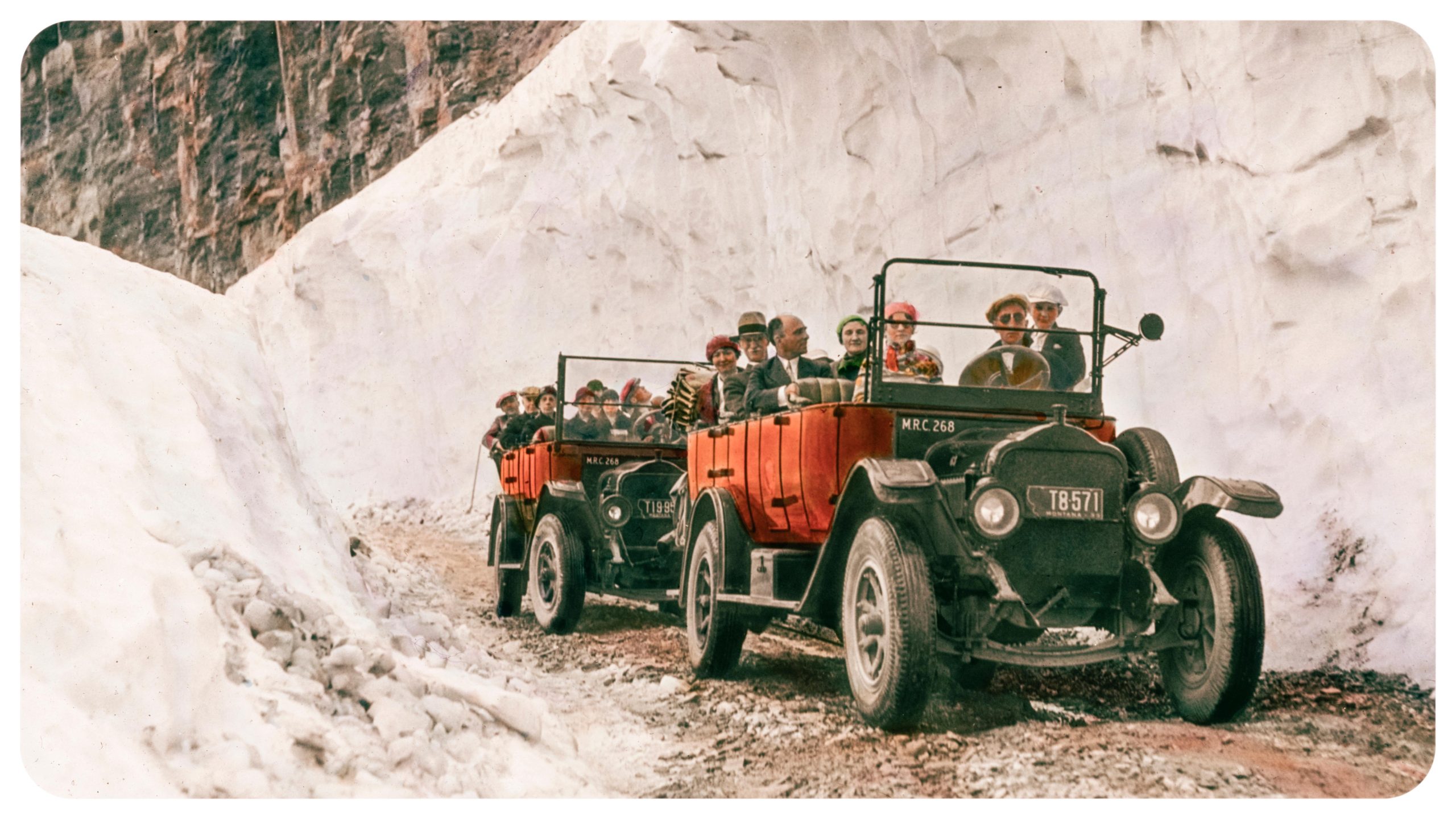
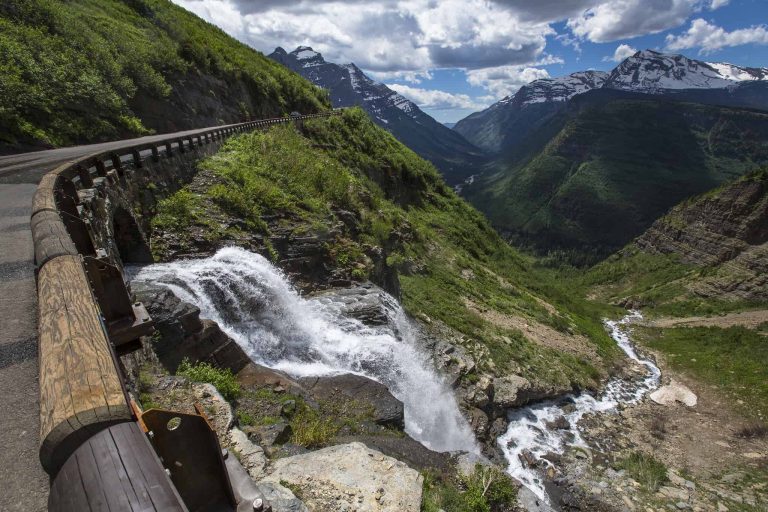
Yes. Going-to-the-Sun Road is a 50-mile paved highway that crosses the Continental Divide at Logan Pass—widely considered one of the most scenic drives in North America. Per NPS.gov, it was designated a National Historic Landmark in 1997 and took 14 years to construct (1919–1933), using 490,000 pounds of explosives to carve through the mountain.
The road climbs from Lake McDonald at 3,153 feet to Logan Pass at 6,646 feet, hugging sheer cliff walls with open drop-offs on many sections. Views include hanging valleys, glacial cirques, cascading waterfalls, and in July—wildflower fields covering entire mountainsides. The drive alone takes 2–3 hours with stops; budget half a day minimum.

2026 Going-to-the-Sun Road Updates
Per NPS.gov, three key changes affect the 2026 season:
| Change | Details | Effective Date |
|---|---|---|
| No vehicle reservations | Timed-entry system discontinued for 2026 | Full season |
| Logan Pass parking limit | Maximum 3-hour stay at Logan Pass trailhead | July 1, 2026 |
| Ticketed Logan Pass shuttle | Advance tickets on Recreation.gov for hikers wanting full-day access; first release May 2, 2026 | June 30, 2026 |
The road typically opens fully to Logan Pass between mid-June and early July depending on snowpack. Check the NPS road conditions page before your trip—the current season’s closure is listed in real time.
What Are the Best Hikes in Glacier National Park?
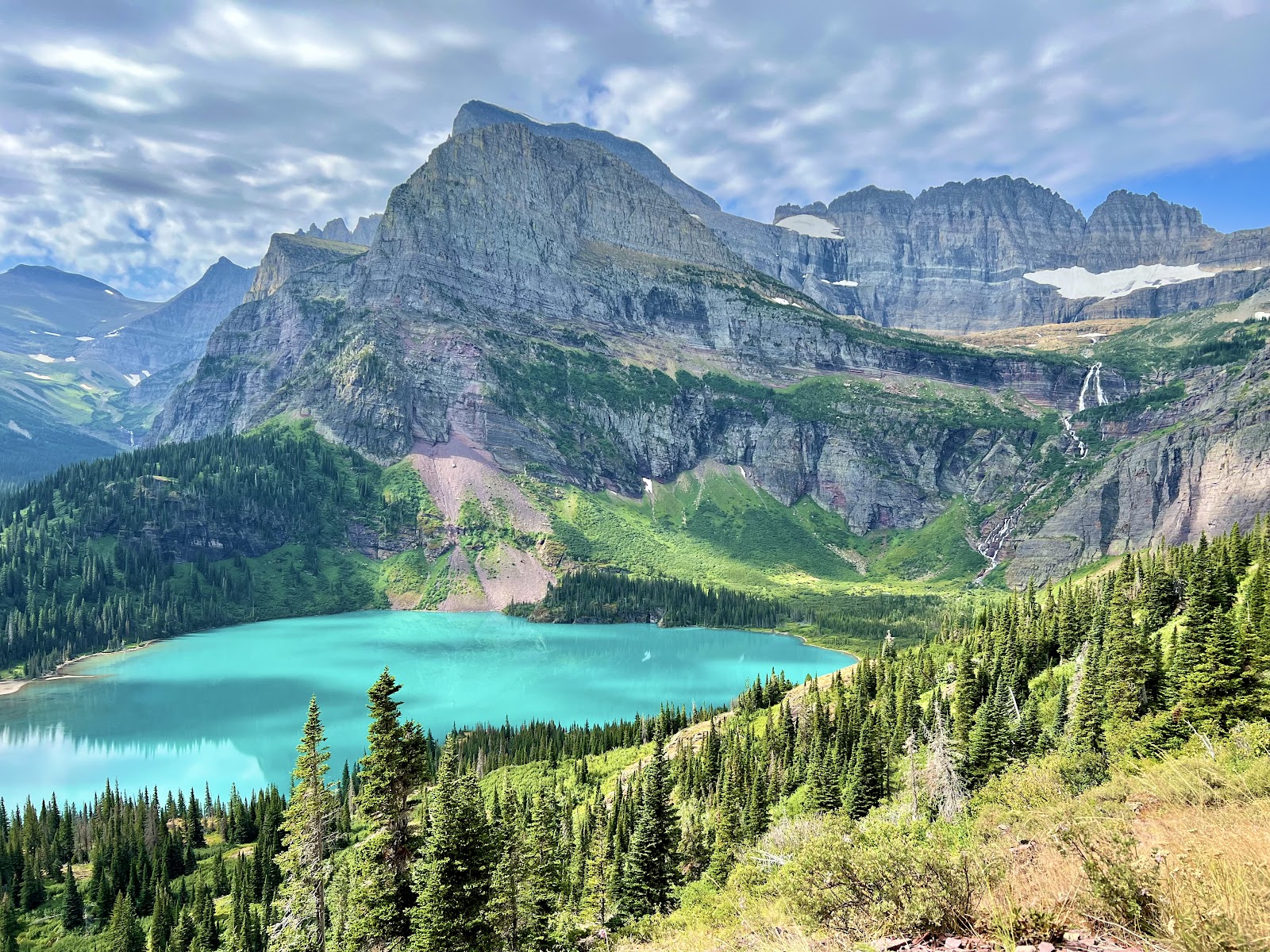
Glacier’s 750 miles of trails range from 0.3-mile accessible boardwalks to 100-mile backcountry routes. Per NPS.gov, trails span every fitness level. Here are the four most celebrated day hikes:
| Trail | Distance | Difficulty | Why It’s Worth It |
|---|---|---|---|
| Highline Trail | 11.8 mi one-way | Moderate | Traverses the Garden Wall cliff face; no comparable viewpoint in the park |
| Grinnell Glacier | 10.6 mi round trip | Moderate–Strenuous | Reaches an active glacier with turquoise meltwater pools |
| Hidden Lake Overlook | 2.8 mi round trip | Easy–Moderate | Starts at Logan Pass; mountain goats are almost always visible |
| Iceberg Lake | 9.6 mi round trip | Moderate | Icebergs float in the lake year-round; wildflower-lined trail in July |
The Highline Trail is accessible only when the full Going-to-the-Sun Road is open—start at Logan Pass and arrange a shuttle pickup at the Loop trailhead to hike it one-way. The Grinnell Glacier hike can be shortened by 4.8 miles round-trip by taking the boat tour across Swiftcurrent Lake and Lake Josephine (~$30/person).
For families and first-time visitors, the Trail of the Cedars (0.9 miles, fully accessible boardwalk) and Avalanche Lake (4.5 miles round trip, 500 ft elevation gain) near Avalanche Creek are the top picks—both are accessible well before the Sun Road opens to Logan Pass.
What Wildlife Will You See in Glacier National Park?

Glacier supports 71 mammal species and 276 bird species per the Glacier National Park Conservancy—one of the best wildlife viewing destinations in the contiguous United States. Unlike Yellowstone where animals are often distant across wide valleys, Glacier’s terrain funnels wildlife to predictable spots close to trails.

Where to See Key Species
| Animal | Best Location | Best Season |
|---|---|---|
| Mountain goat | Logan Pass, Hidden Lake Overlook | June–October |
| Grizzly bear | Many Glacier Valley, Two Medicine | May–October |
| Bighorn sheep | Going-to-the-Sun Road east of Logan Pass | July–September |
| Moose | Bowman Lake, North Fork area | May–September |
| Black bear | Lake McDonald Valley, Avalanche area | May–October |
| Gray wolf | North Fork Valley | Dawn and dusk, year-round |
Mountain goats at Logan Pass are near-guaranteed in June through September. These animals are habituated to hikers and routinely walk within 30 feet of the Hidden Lake trail. Carry bear spray on every trail—grizzly encounters are rare but possible anywhere in the park.
When Is the Best Time to Visit Glacier National Park?
Glacier saw 3,136,931 visitors in 2025—the third-busiest year on record per Flathead Beacon. Crowds concentrate heavily in July and August. Here’s what each season delivers:
| Month | Crowds | Access | Highlights |
|---|---|---|---|
| May | Low | Lower elevations only | Wildlife peak activity, lush green valleys, no parking issues |
| June | Moderate (rising) | Sun Road opens mid-to-late June | Waterfalls at maximum flow, wildflowers beginning |
| July | Peak | Full access | Full wildflower bloom, all trails open; expect 2–3 hr Logan Pass waits |
| August | Peak | Full access | Warmest temperatures, all amenities open; busiest period |
| September | Low–Moderate | Mostly full access | Larch trees turn gold late September; huckleberries ripe; bears very active |
| October | Very low | Partial; many facilities close | Larch peak color; near-zero crowds; most services closed |
Best overall pick: mid-September. The Going-to-the-Sun Road typically stays open through mid-October. Crowds drop roughly 60% after Labor Day, temperatures remain mild (40–60°F), and the larches in the Bowman Lake and Many Glacier areas turn gold—a spectacle very few visitors plan around.
How Much Does It Cost to Visit Glacier in 2026?
Per NPS.gov, the 2026 entrance fees are:
| Pass Type | Cost | Valid For |
|---|---|---|
| Private vehicle | $35 | 7 consecutive days |
| Motorcycle | $30 | 7 consecutive days |
| Individual (walk-in/bike) | $20 | 7 consecutive days |
| America the Beautiful Annual Pass | $80 | All federal recreation sites, 12 months |
| Senior Pass (age 62+) | $20 annual / $80 lifetime | All federal recreation sites |
If you’re visiting more than 2 national parks in a year, the America the Beautiful Pass pays for itself. Purchase at any park entrance station or at Recreation.gov.
Additional Cost Estimates
| Item | Typical Cost |
|---|---|
| NPS campsite | $10–$23/night |
| Glacier historic lodge (peak season) | $180–$350/night |
| Whitefish hotel (20 min from west entrance) | $120–$250/night peak |
| Boat tour (Swiftcurrent/Josephine) | ~$30/person |
| Red Bus tour (full day) | $65–$85/person |
| Bear spray rental | $8–$12/day |
What Are the Downsides of Visiting Glacier National Park?

Glacier is exceptional, but no destination is without trade-offs. Here’s what actually frustrates first-time visitors:
Peak Season Crowds Are Severe
In July and August, Logan Pass fills by 8–9 AM and vehicles are turned away. Glacier appeared on Condé Nast’s “No List” for 2026 alongside warnings about overtourism. With timed-entry reservations discontinued, there’s no cap on daily vehicle entries in 2026—the 3-hour Logan Pass parking limit is the only management tool in place for peak season.
The Glaciers Are Disappearing
Only 27 named glaciers remain, down from approximately 150 in the early 1900s. Scientists estimate the remaining glaciers could disappear by 2030. This is both a reason to visit now and a sobering reality about what future visitors will find.
Two Medicine Campground Is Closed in 2026
Per NPS.gov, Two Medicine Campground will not be available in 2026 due to construction. Plan alternatives at Many Glacier, Apgar, Fish Creek, or St. Mary campgrounds—all book up months in advance on Recreation.gov.
Cell Service Is Limited Throughout the Park
Most of the park has no cell coverage. Download offline maps (Gaia GPS or AllTrails offline) and save the NPS Glacier app data before you arrive. West Glacier, Apgar, and St. Mary have limited service at best.
Frequently Asked Questions
How many days do you need in Glacier National Park?
3 days is the minimum to drive Going-to-the-Sun Road and do 2–3 notable hikes. 5 days allows you to explore Many Glacier, Two Medicine, and the North Fork—areas most 3-day visitors miss entirely. Plan for 7 days if you want to hike multiple serious trails and see both the east and west sides of the park.
Do you need reservations to visit Glacier National Park in 2026?
No vehicle reservations are required to enter Glacier in 2026. However, Logan Pass parking is limited to 3 hours starting July 1, and if you want full-day hiking access at Logan Pass, you’ll need a ticketed shuttle reservation through Recreation.gov (tickets release on a rolling basis beginning May 2, 2026). Campsite reservations are required for all NPS campgrounds—book 6 months in advance as peak dates sell out fast.
Is Glacier National Park better than Yellowstone?
They’re fundamentally different experiences. Glacier is a hiker’s park—dramatic mountain terrain, glacial lakes, and close wildlife encounters on trails. Yellowstone is a geothermal park centered on geysers, hot springs, and wide valleys where most wildlife viewing happens from your car. Most visitors who do both say Glacier offers more dramatic scenery; Yellowstone has more predictable large wildlife viewing and unique geologic features found nowhere else on Earth. If forced to choose one: Glacier first.
Is Glacier National Park safe to visit?
Yes, with preparation. Carry bear spray on all trails ($8–12/day rentals available near entrances). Check trail conditions at the visitor center—snow patches on trails above 6,000 feet are common through July. Afternoon thunderstorms are frequent in July–August; plan to be below treeline by 2 PM on ridge hikes like the Highline. Per NPS, the park sees approximately 3 million visitors annually with very few serious incidents.
What is the closest airport to Glacier National Park?
Glacier Park International Airport (FCA) in Kalispell, Montana is 30 miles from the west entrance at West Glacier. Direct flights operate from Seattle, Denver, Salt Lake City, Minneapolis, and other hubs during summer. Great Falls International (GTF, 150 miles) and Missoula Airport (MSO, 150 miles south) are alternatives with sometimes lower fares and more year-round service.
How We Researched This Guide
- NPS.gov official Glacier National Park pages (fees, road conditions, 2026 visitor guidelines)
- Glacier National Park Conservancy wildlife species data
- Flathead Beacon 2025 annual visitation report (Jan 2026)
- Recreation.gov 2026 ticketing and campsite data
- Glacier Park Collection lodging and boat tour pricing
- NPS trail database (158 trails, 750 miles)
Lodging prices are estimates based on publicly available rate ranges and vary by availability and booking timing. Road opening dates depend on annual snowpack and are confirmed by NPS—always verify current conditions before travel.
Ready to plan your Glacier trip? Browse campsite availability, boat tours, and historic lodge reservations through Recreation.gov—peak season…