How To See The Northern Lights In Glacier National Park
The northern lights in Glacier National Park, Montana, are truly breathtaking—but you have to know where to look and when to be patient. In our experience, the best shows come after dark, under dark skies, and when the wind isn’t rattling the trees. On our last visit, we stood along the Lake McDonald shoreline and watched the curtains ripple above the silhouettes of the peaks; it felt like the mountains themselves were breathing. Last updated: 2026-02.
.kb-table-of-content-nav.kb-table-of-content-id2177_3241a8-7e .kb-table-of-content-wrap{padding-top:var(–global-kb-spacing-sm, 1.5rem);padding-right:var(–global-kb-spacing-sm, 1.5rem);padding-bottom:var(–global-kb-spacing-sm, 1.5rem);padding-left:var(–global-kb-spacing-sm, 1.5rem);}.kb-table-of-content-nav.kb-table-of-content-id2177_3241a8-7e .kb-table-of-contents-title-wrap{padding-top:0px;padding-right:0px;padding-bottom:0px;padding-left:0px;}.kb-table-of-content-nav.kb-table-of-content-id2177_3241a8-7e .kb-table-of-contents-title{font-weight:regular;font-style:normal;}.kb-table-of-content-nav.kb-table-of-content-id2177_3241a8-7e .kb-table-of-content-wrap .kb-table-of-content-list{font-weight:regular;font-style:normal;margin-top:var(–global-kb-spacing-sm, 1.5rem);margin-right:0px;margin-bottom:0px;margin-left:0px;}
What Are The Northern Lights?
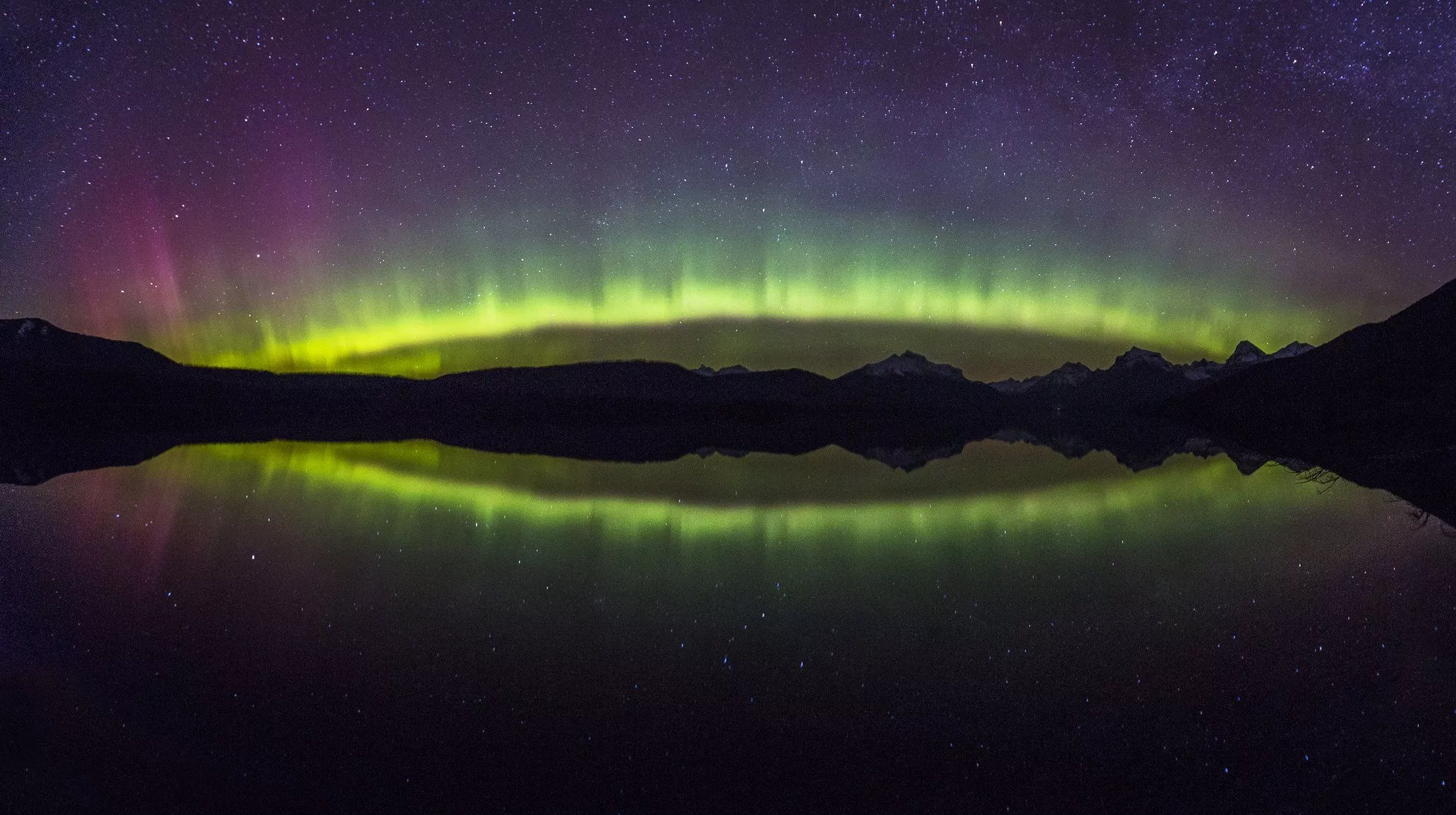
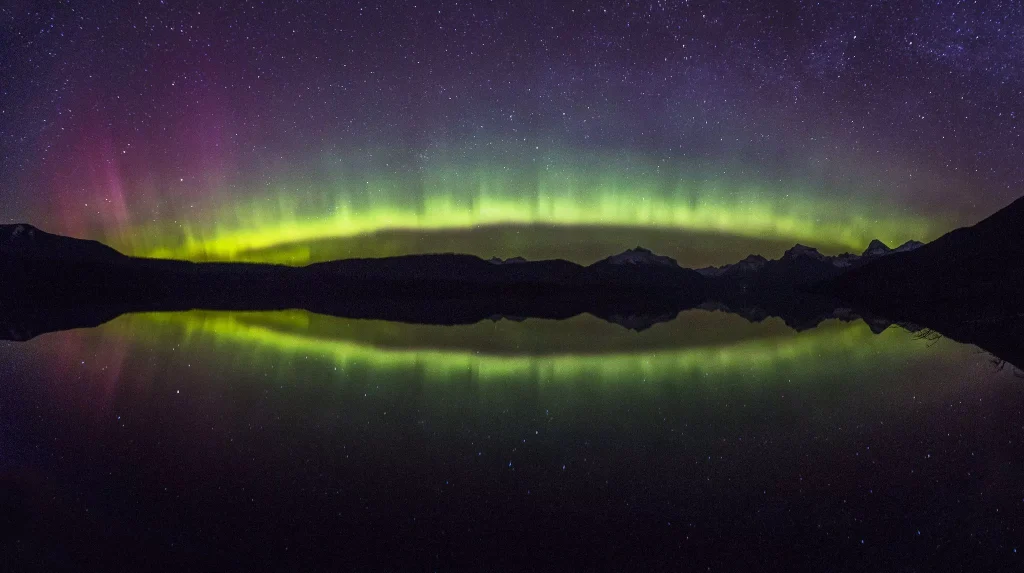
The northern lights, or aurora borealis, light up Glacier National Park’s skies with ribbons of green, pink, purple, and blue. In our experience, the best displays come after moonset in the dark, cloud-free window between late September and mid-April.
According to NOAA aurora forecasts and NPS safety guidance, aurora activity is driven by sunspot activity and solar wind. We’ve found that a KP index of 5+ typically yields vivid curtains, but even moderate activity can be stunning if you’re patient and away from the brightest city lights.
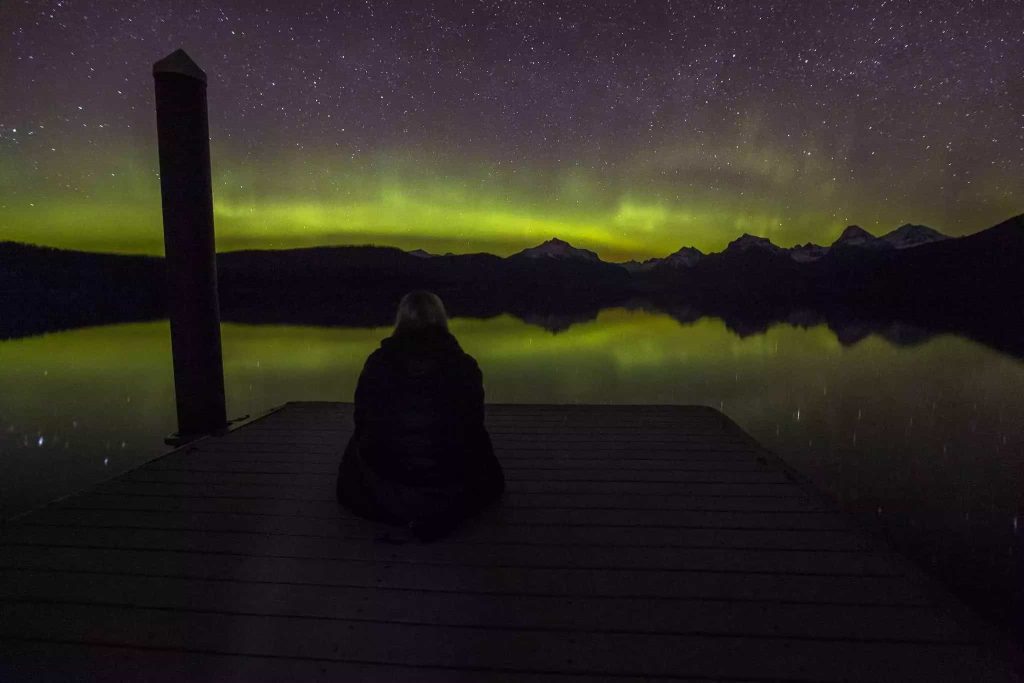
We recommend scoping Lake McDonald’s shoreline or the flat dock area near Apgar Village for clear, low-light viewing. In our experience, arriving an hour after astronomical twilight ends and staying for 30–60 minutes often yields the best color displays—and it doubles as a quiet, accessible vantage from the dock at Lake McDonald Lodge when crowds aren’t present.
Safety note: Glacier’s evening temps drop quickly, and wildlife can wander near popular overlooks. Check NPS advisories and park rangers for latest conditions. We always bundle extra layers, headlamps with red settings, and a thermos of hot cocoa for a comfortable, safer aurora chase.
Can You See The Northern Lights In Glacier National Park?
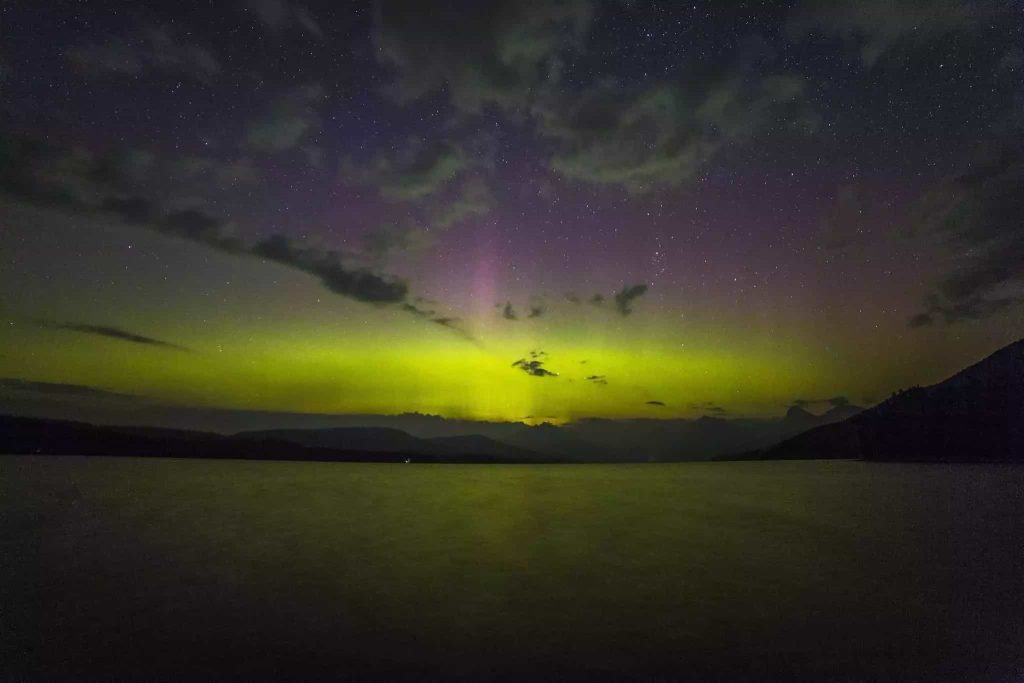
Yes, the northern lights can be seen in Glacier National Park. Being so far north, this is a great place to see the aurora borealis.
During the day, visitors of all ages can enjoy the wide range of activities available, such as hiking and riding in historic red buses.
But when night sets in, an enchanting display of wonder awaits – to witness the majestic northern lights dancing across a starry night sky.
Seeing them come to life amidst this outstanding landscape is a once-in-a-lifetime experience.
With its ideal location and clear skies away from city lights, Glacier National Park offers one of the best places to see the northern lights in all their glory!
How To See The Northern Lights In Glacier National Park
Hook: When the sky finally clears in Glacier National Park, the aurora can turn a quiet winter night into a silent, shimmering show we’ll remember for years. In our experience, the best shots happen during deep‑dark nights with little moonlight and clear high‑latitude skies—conditions you can plan around with a little prep.
Timing matters. We’ve found late September through March offers the most reliable dark skies in Glacier, especially during new or crescent moons. Check NOAA Space Weather forecasts and space‑weather apps for KP indices and aurora alerts; when a strong solar storm hits, the park’s remote latitudes respond with brighter curtains than you’d expect in Montana’s winter air.
Where to go for a good view. We recommend starting around Lake McDonald Lodge and the Lake McDonald area for easy access and dark skies away from the main park hubs. If you’re up for a short drive and a longer walk, the McDonald Creek viewpoint along the West Glacier entrance provides a clear, northward horizon with minimal light pollution.
More spots to consider on a clear night include the Going‑to‑the‑Sun Road viewpoints near Logan Pass, where shoulder seasons offer fewer crowds and expansive skies above snow‑glazed peaks. If the road is open and safe, a quick pullout at a designated overlook gives you sweeping northern‑sky views without venturing far from your vehicle.
Gear and safety we’ve found essential. Bring a sturdy tripod, a wide‑angle lens if you have one, and a warm, layered kit since Glacier nights stay cold well after sunset. Our team always brings headlamps with red filters, extra batteries, and a thermos of hot tea—the kind of simple comfort that makes the 30–60 minute wait between aurora bands bearable.
Practical tips from our experience. Book a stay near dark‑sky zones or plan parking near Lake McDonald Lodge for easy access back to your car after a late show. Keep wildlife awareness in mind and avoid lingering near roadways; bear safety guidelines from the park remain critical, especially after dark when critters may be more active. Finally, plan for road closures and weather: winter access can change quickly, and the park service notes that some roads may close seasonally or be subject to winter conditions.
Bottom line: if you want Glacier’s night skies to do the talking, pick a new‑moon night, head to Lake McDonald or a Go‑to‑the‑Sun overlook, bring the right gear, and stay flexible with your timing. From our experience, a 30–60 minute aurora session often yields the best results—longer if the aurora intensifies and the winds are calm. We recommend checking in with NPS alerts for any park‑level advisories before you head out.
1. What Is The Best Time Of Year To See The Northern Lights In Glacier National Park?
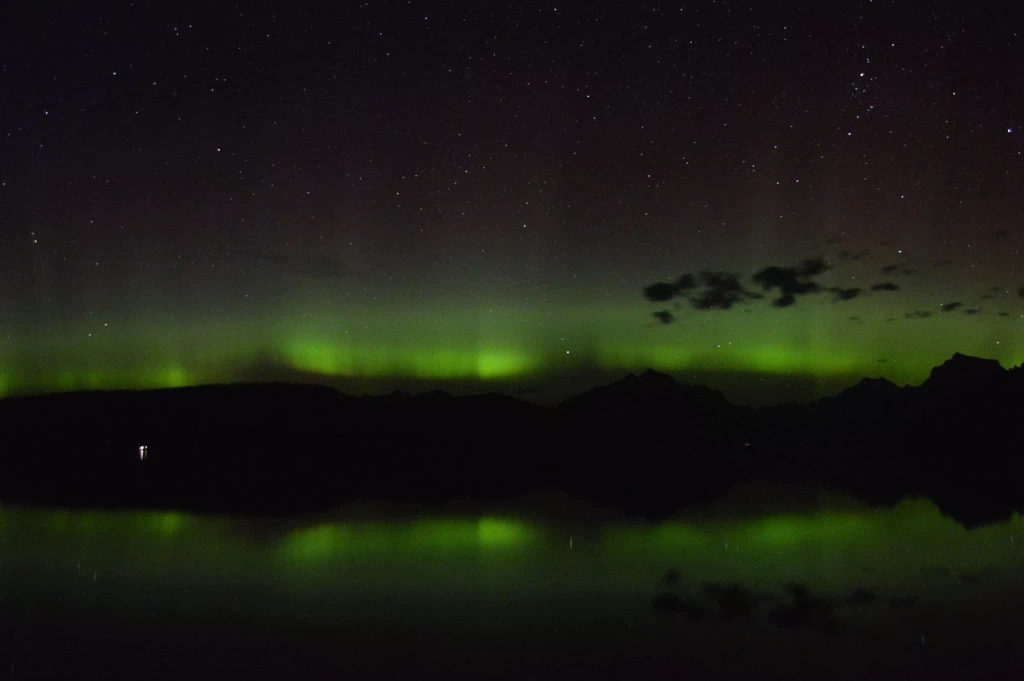
The best time to see the northern lights in Glacier National Park is during the spring and autumn equinoxes. Earth’s magnetic field lines up with the sun’s solar winds, creating aurora activity when nights are long and skies are dark.
In our experience, September and early October offer the most reliable conditions for clear, dark skies and longer nights. Plan for nights around new moon phases to reduce light pollution, and monitor local weather forecasts for clear skies. We also recommend checking the park’s aurora alerts and NPS weather updates before you go.
What we’ve found works best: chase aurora opportunities after local sunset, stay put for 60–90 minutes of potential activity, and bring a thermos of cocoa, a warm blanket, and a tripod-friendly camera setup. If you can, base yourself near Lake McDonald or the Going-to-the-Sun Road corridor to maximize dark-sky observations away from typical campground lights.
From our experience, combining a night of aurora watching with a scenic dusk visit to Logan Pass or the Two Medicine area can yield unforgettable reflections in the water and a sky full of color. For those pressed for time, even a single clear, moonless night in late September can deliver a memorable show.
2. What Is The Best Place To See The Northern Lights In Glacier National Park
From our experience, Glacier’s northern lights are best viewed when you give yourself a dark, expansive stage with minimal light pollution and a clear sky after moonset.
.kb-image2177_3ff01f-34 .kb-image-has-overlay:after{opacity:0.3;}
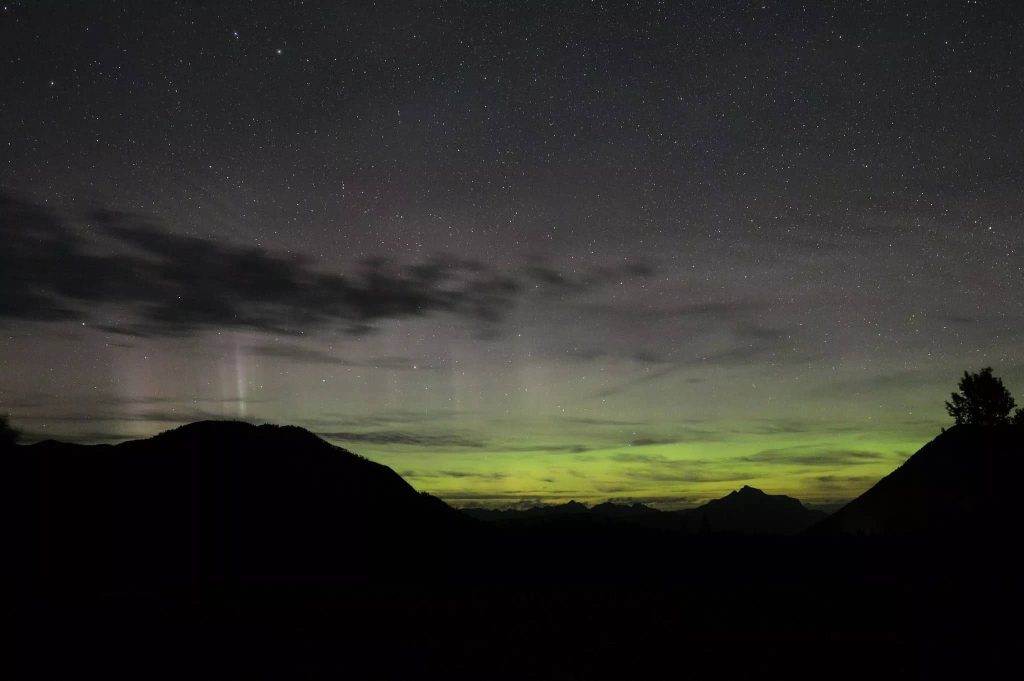
Lake McDonald
Our top pick remains Lake McDonald, just inside the West Glacier entrance. The wide-open shoreline gives you a clean, unobstructed view and the aurora often dances low over the water. We’ve found the best reflections happen when the lake is calm after midnight—check the weather and wind forecast before you head out.
For a convenient, less-windy vantage, we recommend parking near the Lake McDonald Lodge area and walking a short stretch to the shore. If you’re staying nearby, consider the mature pines around the North Lake McDonald Road access for a darker approach to the horizon.
Tip: per NPS night sky guidance, use a red-light headlamp to preserve dark adaptation. We also suggest coordinating a late arrival with a breakfast stop in West Glacier the next morning to maximize your aurora window.
Logan Pass
Logan Pass on Going-to-the-Sun Road is another excellent, unobstructed option. From the high alpine saddle, you can watch aurora glow through gaps in the peaks, with the lights appearing over distant valleys rather than from the water. In our experience, clear, moonless nights after a dry, windless day deliver the most vivid color.
One caveat from our trips: there aren’t lakes here to reflect the lights, so you won’t get the dancing water effect you might hope for. If reflections are a must for you, pair Logan Pass viewing with Lake McDonald or Bowman/Kintla later in the night.
We recommend arriving well after dark and parking at the Logan Pass lot early enough to secure a spot, then stepping a short distance away from the road for the best perspective away from headlights. Remember, staying warm and having a thermos of tea helps the long waits behind the winter winds.
Bowman & Kintla Lakes
If the clouds break late, Bowman Lake and Kintla Lake offer stellar, low-light skies with minimal light pollution. Kintla Lake, in particular, is a favorite for photographers due to its expansive, dark surroundings and far horizons. We’ve found these spots deliver striking aurora colors and generous foregrounds for long-exposure shots.
Access can be more remote—check current road status and snowpack conditions before heading in, and bring a reliable headlamp and extra layers. For many, Bowman Lake’s point-to-water vantage provides a straightforward, accessible option with the best chance of a serene night sky without crowds.
3. Plan When To See The Northern Lights In Glacier National Park
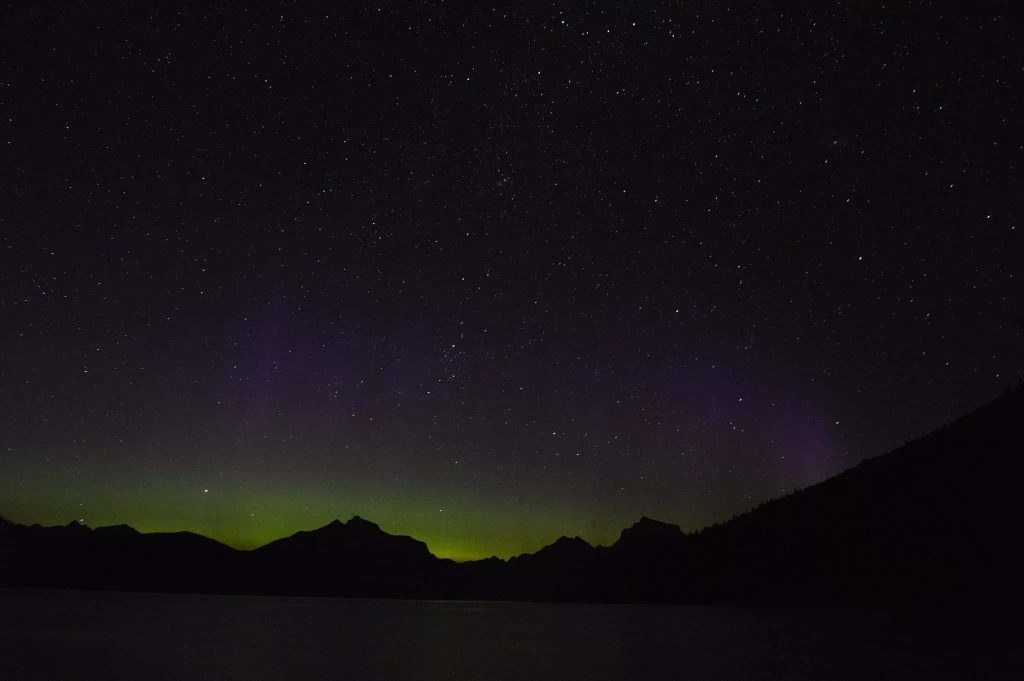
There’s something magical about spotting the aurora ripple above Lake McDonald on a quiet, moonless night. In our experience, clear, cold skies after astronomical twilight give the best odds for a show that feels almost unreal. If you’re hoping for curtains of green, plan for a multi-night visit in the heart of winter when the nights are longest.
We’ve found the most reliable strategy is to check the SpaceWeather aurora forecast and pair it with local cloud and wind trends. The park’s darkest late-evening windows—often between 9:00 p.m. and 2:00 a.m.—are your best bets, especially away from the Apgar and West Glacier light domes. For a simple plan, pick a low-traffic overlook near Lake McDonald and stay put for at least 60–90 minutes if the sky looks promising.
From our experience, bring a sturdy tripod, warm layers, and a scarf or face mask for the deep chill. If you’re staying in the Polebridge or West Glacier corridors, we recommend keeping your camera warm between shots to prevent lens fog and battery drain. If the aurora fades quickly, have a backup plan to enjoy the night sky with a quick peek at Polaris and the Milky Way—Glacier’s dark skies are stunning even without a full aurora display.
For planning, always consult SpaceWeather’s Aurora Forecast and local NPS advisories before you go. The park service reminds visitors to practice safe, responsible stargazing—stay on designated roads and trails, respect wildlife, and follow quiet-hour guidelines in campgrounds. In our experience, the combination of a clear forecast, minimal light pollution, and patience is what turns a good night into a once-in-a-lifetime memory.
4. Go Out Nightly For The Best Chance At Witnessing The Northern Lights

Heading outside at night is a great way to experience Glacier National Park’s beauty, especially if you hope to glimpse the dazzling aurora.
In our experience, a steady routine from 8 pm to midnight gives you the best chance. Find a dark spot away from crowds, and give yourself 30–60 minutes of patience—the lights can pop up suddenly or fade quickly.
We recommend checking local aurora forecasts before you head out, and planning to move between viewpoints if clouds roll in. Allow extra time to savor the surrounding scenery—the park’s deep silence and starlit skies amplify the moment when the colors appear.
5. Check The Weather For The Park
Clear skies don’t just happen by luck—we plan our aurora outings around reliable forecasts. In our experience, the best approach is to check hourly NWS/NOAA forecasts and a clear-sky chart for the West Glacier area, not just the park-wide outlook. If your window shows a high probability of low clouds or light wind, shift to a later night or a darker, higher-elevation spot to maximize visibility.
We recommend using a lightweight, warm layering system and arriving at your chosen vantage early enough to set up with minimal disruption. At Lake McDonald shoreline viewpoints or along the length of the Inside Trail as night falls, we’ve found that pockets of sky clarity can appear suddenly—so have a backup site in mind (e.g., the Trail of the Cedars overlook or the Apgar area) and a plan to move quickly if skies clear. If you’re hoping for a once-in-a-lifetime show, aim for late-season sessions (late fall to early spring) when aurora activity is more frequent and crowds at popular overlooks are typically quieter.
Tips To Maximize Your Northern Lights Adventure
If the northern lights decide to make an appearance in Glacier National Park, you’ll want to document every moment rather than just smile and wave hello from memory.
Make sure your camera settings are up to the task, whether you’re using a dedicated camera or a mobile phone. In our experience, a sturdy tripod, manual focus, and exposure settings that start around 8–12 seconds at ISO 800–1600 and an aperture near f/2.8–f/4 give you a solid starting point. If you’re using a phone, enable pro mode if available and lock focus to infinity, then experiment with longer exposures and stabilizing with a small tripod or monopod.
That way, when your friends ask to see what you saw in Glacier National Park, you’ll have photos that truly capture the quiet drama of the aurora. We recommend practicing a few test shots before the sky lights up, so you’re not fumbling with settings in the dark.
From our experience, the key is patience and preparedness: bring extra batteries, a headlamp with red light, and a warm, windproof layer. Check the aurora forecast and cloud cover in advance, and choose a dark spot away from obvious light sources—pullouts along the park’s quieter lanes often offer better skies than busier overlooks. What we’ve found works best is to set up near Lake McDonald’s shorelines or the remote pullouts with a clear, north-facing view, then let the sky do the talking.
FAQ
When is the best time to see the aurora in Glacier NP? In our experience, aurora activity is most likely during the heart of winter (October through March) and around periods of geomagnetic activity. Clear, moonless nights maximize visibility, so check moon phase and cloud cover for the exact night you plan to go.
What should I bring for aurora viewing? Pack a sturdy tripod, spare batteries, a remote shutter or intervalometer, warm layers, and a thermos of something hot. A small lens cloth helps with dew, and a collapsible chair can make long waits more comfortable. NPS parking rules apply—use designated pullouts and avoid stopping on the road unsuitable for pedestrians.
Conclusion
In our experience, witnessing the northern lights over Glacier National Park feels almost otherworldly—a rare, electric display that makes a dark night feel cinematic. When the sky clears and solar activity cooperates, Lake McDonald offers the most reliable foreground with sweeping, reflection-ready views.
We recommend watching from the Lake McDonald shoreline near the Lodge area or the pier access at the north end of the lake, where low light pollution and an unobstructed horizon minimize distractions. To maximize your chances, check NOAA aurora forecasts and park visibility indicators, and plan for a window between 9:00 pm and 2:00 am—peak displays tend to occur in the heart of the night in fall through winter. Dress warm, bring a tripod, and set your camera long-exposure settings ahead of time to avoid fumbling in the cold.
From our experience, the best sessions happen on clear, calm nights after a cold front passes and the wind dies down. Our top pick is Lake McDonald Lodge shoreline around the Bell Crossing area on crisp, moonless nights. As a concrete next step, we’ve put together a practical aurora planning checklist (gear, timing, and safety notes) in our Glacier planning resource—it’s helped us narrow down the perfect night and stay prepared for whatever the park throws at us.