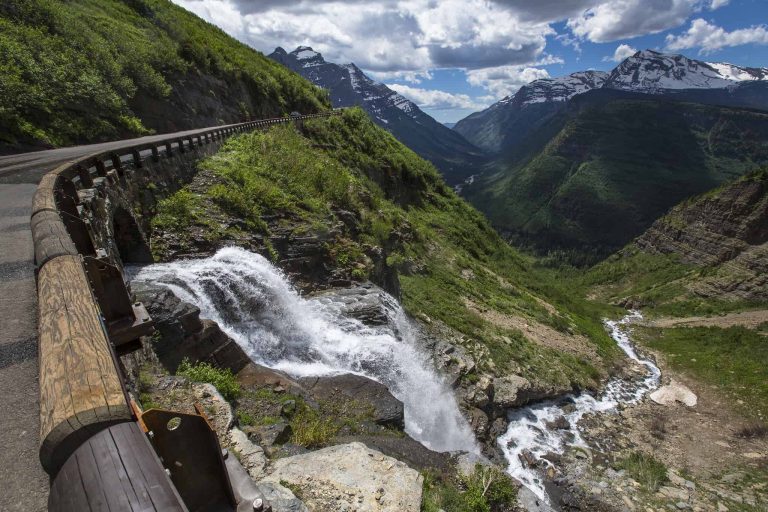
Glacier vs Yellowstone: Which National Park Should You Visit?
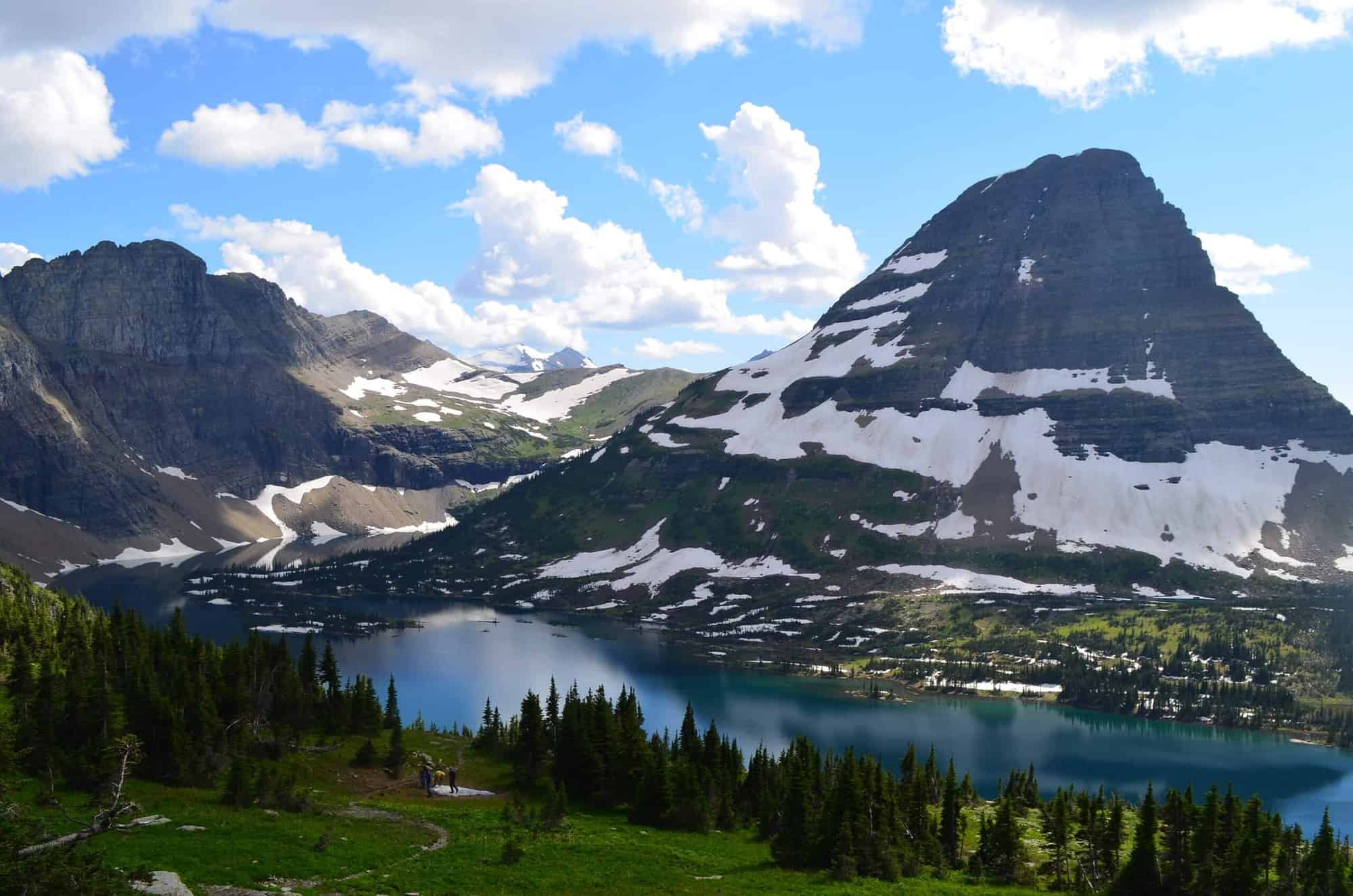
Choose Glacier if you want dramatic alpine scenery and world-class hiking with fewer crowds. Choose Yellowstone if geothermal wonders, massive bison herds, and flexible year-round access are your priority. Both parks charge $35 per vehicle, but they deliver completely different experiences — and most visitors are better served by one over the other.
Glacier drew 3.2 million visitors in 2024. Yellowstone drew 4.7 million. That gap reflects real differences in accessibility, appeal, and infrastructure — all covered in detail below.
- Glacier (1,583 sq mi) is 20% smaller than Yellowstone (2,221 sq mi) but just as rewarding in 3–5 days
- Yellowstone gets 50% more annual visitors — Glacier is meaningfully less crowded in July–August
- Glacier is best for alpine hiking, glacial scenery, and grizzly bear sightings at elevation
- Yellowstone is best for geysers, bison herds, accessible boardwalks, and historic lodges
- Both cost $35/vehicle for a 7-day pass — the America the Beautiful Pass ($80) covers both
- Going-to-the-Sun Road is Glacier’s centerpiece; Yellowstone has a 142-mile loop with year-round partial access
Quick Comparison: Glacier vs Yellowstone
| Category | Glacier NP | Yellowstone NP |
|---|---|---|
| Size | 1,583 sq miles | 2,221 sq miles |
| 2024 Visitors | 3.2 million | 4.7 million |
| Entrance Fee (vehicle) | $35 / 7 days | $35 / 7 days |
| Trail Miles | 700+ | 1,100+ |
| Signature Drive | Going-to-the-Sun Road (50 mi) | Grand Loop Road (142 mi) |
| Wildlife Highlight | Grizzlies, mountain goats, wolves | Bison herds, elk, wolves |
| Natural Feature | 25 named glaciers, 130+ alpine lakes | ~60% of world’s geysers, supervolcano |
| Historic Lodge | Lake McDonald Lodge (1913) | Old Faithful Inn (1903) |
| Best Season | July–September | June–August, May, September |
| Recommended Stay | 3–5 days | 4–7 days |
| Difficulty Level | Moderate–Strenuous | Easy–Strenuous |
| Year-Round Access | Limited (GTSR closed Nov–Jun) | Partial (some roads open in winter) |
| States | Montana | Wyoming, Montana, Idaho |
Some links below are affiliate links.
Natural Features & Scenery
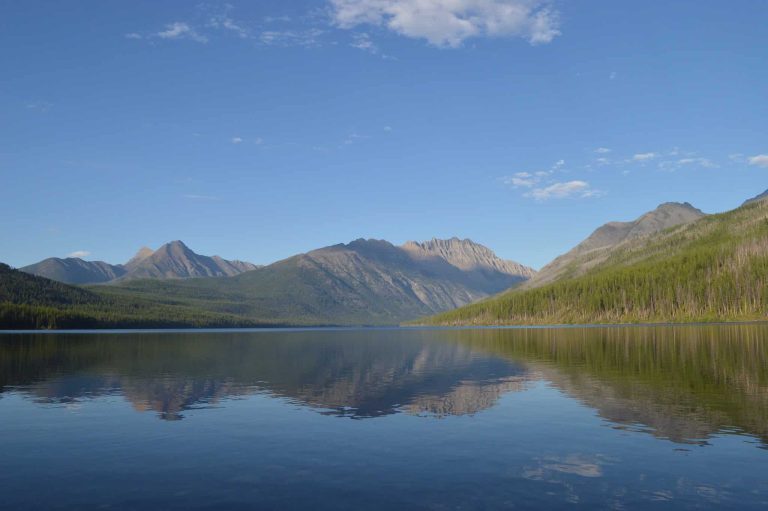
Glacier and Yellowstone are geological opposites. Glacier National Park is a study in ice-carved terrain: U-shaped valleys, cirque lakes, hanging valleys, and jagged arêtes sculpted over tens of thousands of years. The park has 130+ named lakes and 200+ waterfalls, per NPS.gov.
Yellowstone sits atop an active supervolcano caldera and holds roughly 60% of the world’s active geysers — around 500 of them — per NPS.gov. Grand Prismatic Spring, at 370 feet wide, is the third-largest hot spring on Earth.
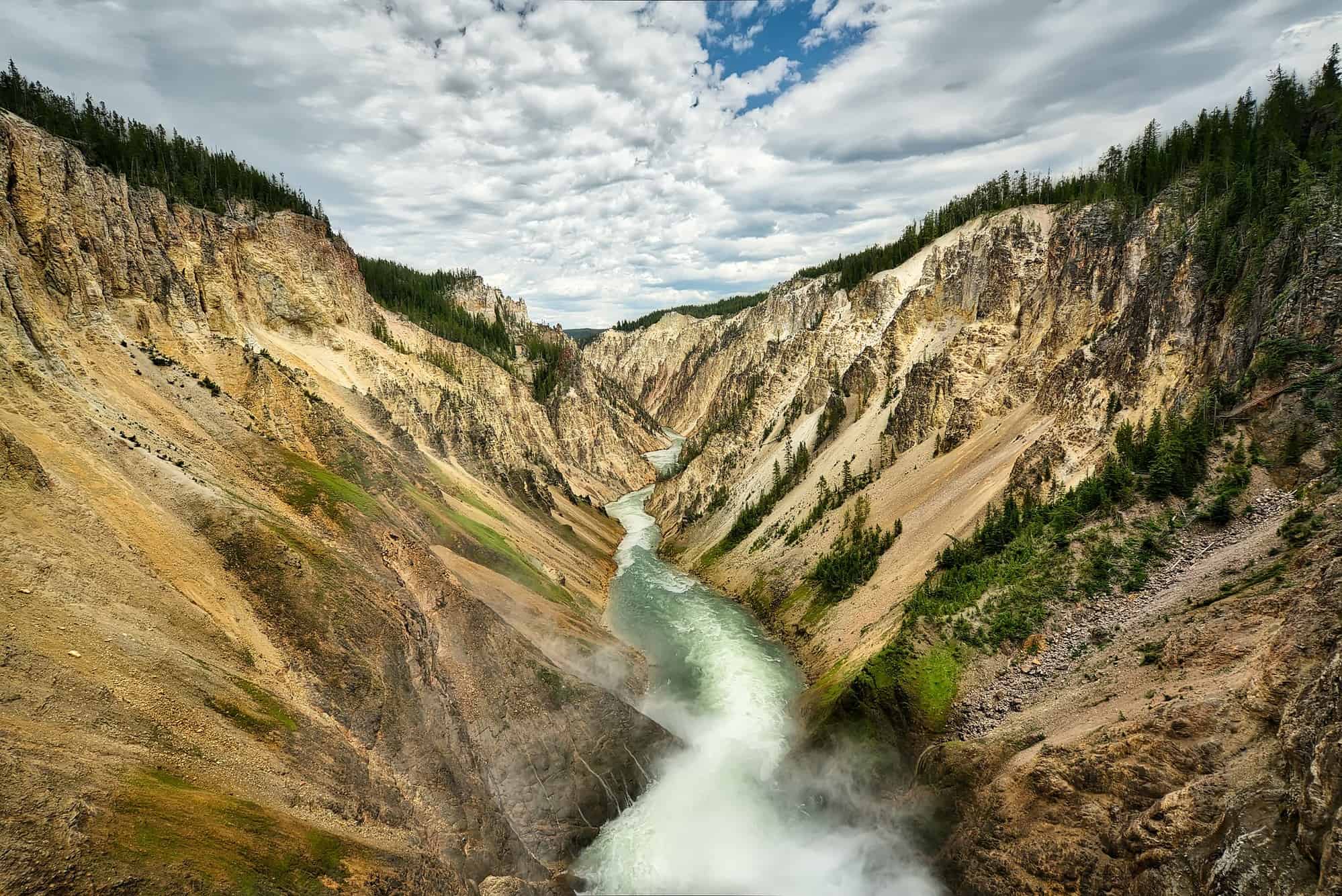

The Grand Canyon of the Yellowstone drops 1,200 feet and stretches 24 miles — a scale that rivals anything in Glacier. However, Glacier’s named glaciers (25 remain, down from 150 in 1850 per NPS.gov climate data) are disappearing. Visiting now matters.
Edge: Tie. Choose Glacier for ice-age geology and mountain drama. Choose Yellowstone for geothermal spectacle and the world’s most active geyser basin.
Wildlife Viewing
Both parks are world-class wildlife destinations, but they specialize in different species and settings. Glacier is one of the best places in the lower 48 to see grizzly bears in alpine habitat — especially on the Grinnell Glacier Trail and along the Many Glacier Road in early morning hours.
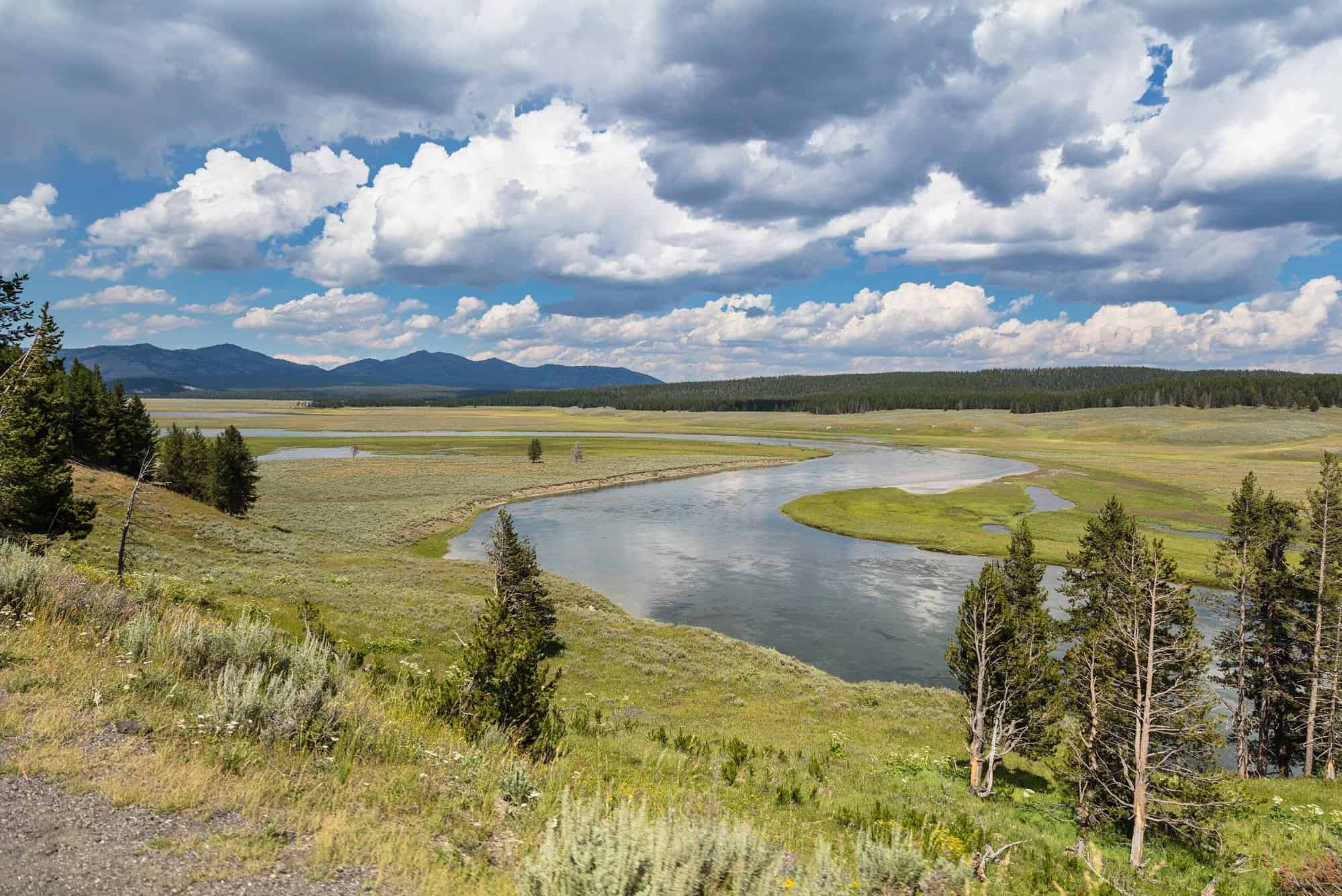
Yellowstone’s Lamar Valley and Hayden Valley are legendary for large mammal density. The park has the largest free-roaming bison herd in the world — over 4,500 animals, per NPS.gov. Wolf packs are also reliably spotted here, particularly at dawn and dusk in Lamar Valley.
Glacier counters with mountain goats on cliffsides (especially near Hidden Lake Overlook), moose in wet meadows, and bighorn sheep on high ridges. Glacier’s wolf population has recovered in recent years. The alpine setting makes sightings feel more intimate and dramatic.
Edge: Yellowstone for sheer volume and variety of large mammals. Edge: Glacier for dramatic alpine wildlife encounters and grizzly bear density at high elevations.
Hiking & Trails
Glacier has 700+ miles of trails; Yellowstone has 1,100+ miles. But trail count does not tell the full story. Glacier’s trails go higher, steeper, and more remote. The Highline Trail (14.9 miles) traverses the Continental Divide with 6,000+ feet of elevation exposure. Grinnell Glacier Trail (10.6 miles roundtrip) ends at an actual glacier.
Yellowstone’s trail network is more varied in difficulty. Geothermal boardwalk loops — like Upper Geyser Basin near Old Faithful — are ADA-accessible and require no hiking fitness. Mount Washburn (6.4 miles roundtrip, 1,400 ft gain) represents Yellowstone’s strenuous end. Most visitors do more boardwalk than trail.
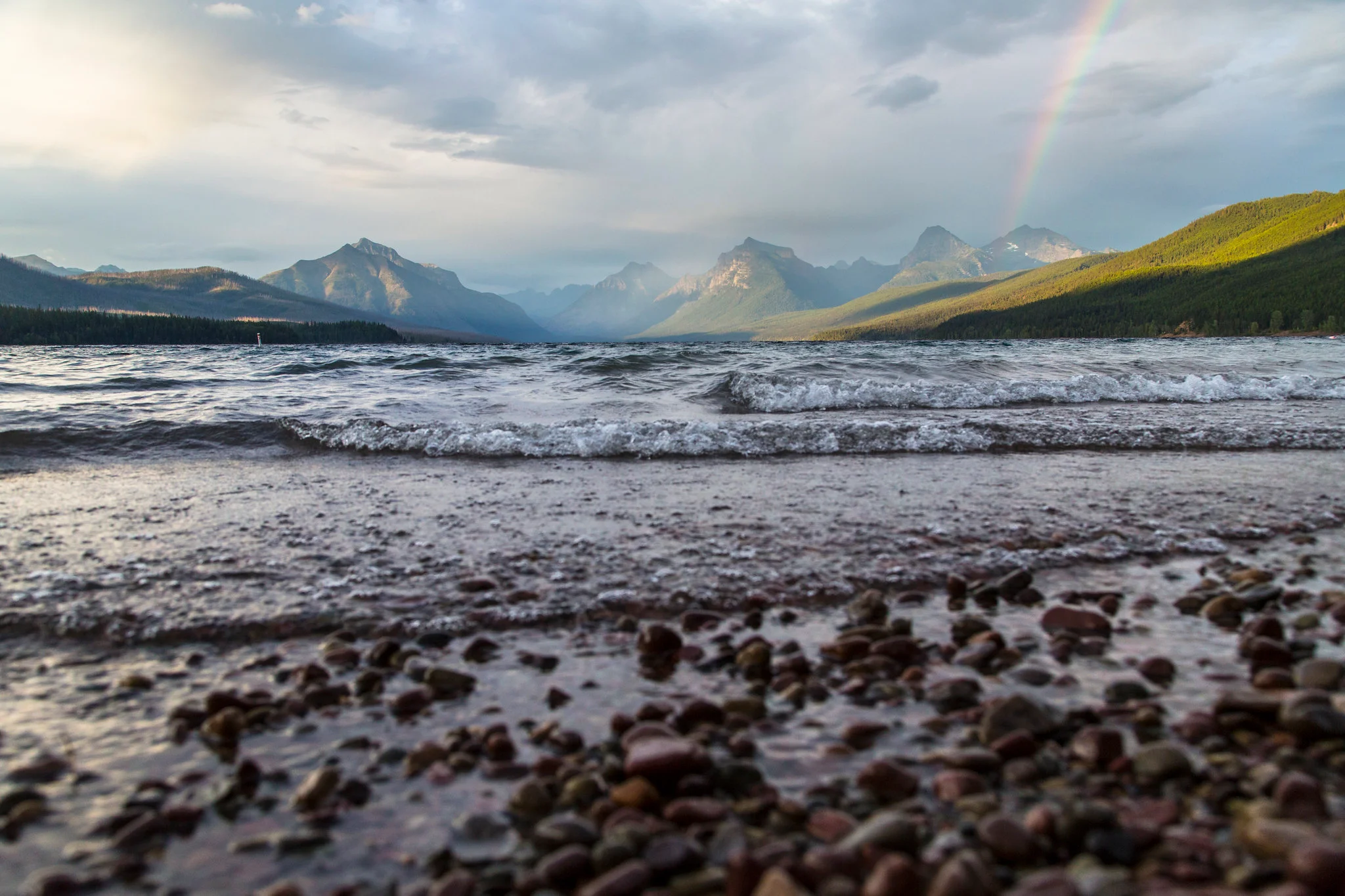

Glacier’s Going-to-the-Sun Road corridor puts dozens of trailheads within minutes of the pavement — making it easy to do hard hikes without long approach drives. The top mistake first-time visitors make is underestimating how quickly Glacier’s trails gain elevation.
Edge: Glacier for serious hikers. Edge: Yellowstone for families, older visitors, and anyone prioritizing easy access over trail challenge.
Crowds & Best Time to Visit
Yellowstone receives roughly 50% more annual visitors (4.7M vs 3.2M in 2024, per NPS.gov). That difference is most noticeable in July and August, when Yellowstone pullouts fill by 9 AM and Old Faithful crowds number in the thousands. Glacier’s peak crowds are substantial but more manageable.
Both parks reward shoulder-season visits. Glacier’s sweet spot: late September through early October — wildflowers are gone but the elk rut is active, trails are uncrowded, and aspen colors appear in the valleys. Yellowstone’s sweet spot: mid-September through early October for the elk rut and cooler temperatures, or early May when most roads have just opened and crowds have not yet arrived.
| Month | Glacier Crowds | Yellowstone Crowds |
|---|---|---|
| May | Low (GTSR still closed) | Low–Moderate (roads opening) |
| June | Moderate (GTSR opens mid-month) | Moderate–High |
| July–Aug | High (peak season) | Very High (busiest months) |
| September | Moderate (shoulder) | Moderate (elk rut starts) |
| October | Low (shoulder) | Low |
| Nov–Apr | Very Low (mostly closed) | Low (limited road access) |
Edge: Glacier for avoiding crowds. As of 2026, Glacier’s vehicle reservation system for Going-to-the-Sun Road has been eliminated — no advance booking is required to drive the road, per NPS.gov.
Lodging, Camping & Cost
Entrance fees are identical: $35 per vehicle for a 7-day pass at both parks, per NPS.gov. The America the Beautiful Annual Pass ($80) covers both parks and pays for itself in a single combined trip. Note: international visitors now pay a $100 surcharge at both parks in 2026.
Glacier’s signature lodges — Lake McDonald Lodge (1913), Many Glacier Hotel (1914), and Glacier Park Lodge — are managed by Glacier Park Collection. Lake McDonald Lodge books out 12 months in advance. Budget options include the Rising Sun Motor Inn and in-park campgrounds at $15–$30/night.
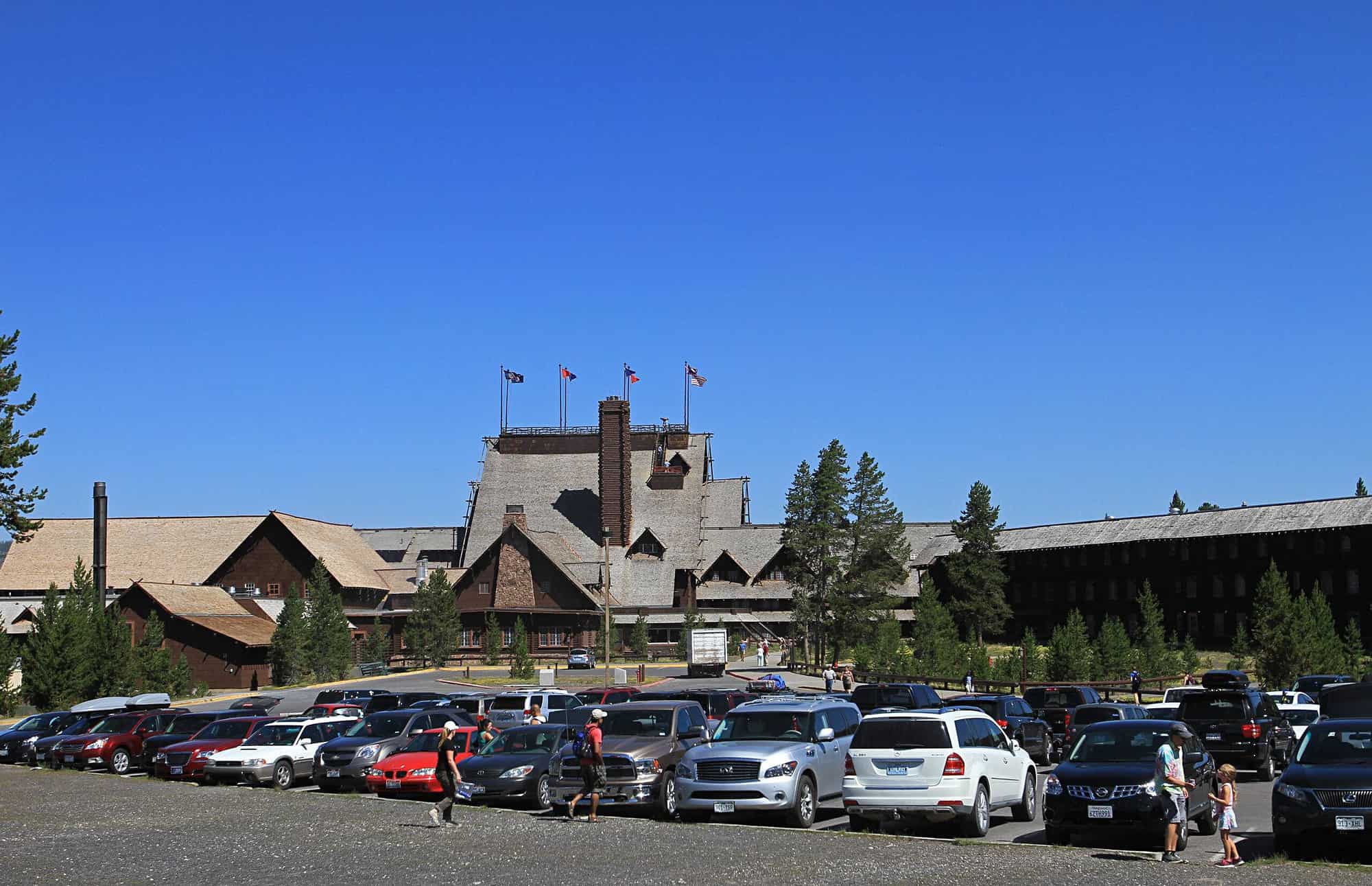
Yellowstone’s historic lodges are more architecturally significant. Old Faithful Inn (1903) is a National Historic Landmark with a seven-story log lobby. Lake Yellowstone Hotel (1891) is the oldest hotel in any U.S. national park. Both fill months in advance. Yellowstone has nine lodges and multiple campground options at similar price points to Glacier.
Edge: Tie on cost. Yellowstone wins on historic lodge prestige. Glacier wins on campground variety and a more intimate in-park lodge atmosphere.
Accessibility & Difficulty
Yellowstone is significantly more accessible for visitors with mobility limitations, families with young children, or those who prefer not to hike. Paved boardwalk loops through geyser basins require no physical fitness and deliver the park’s most dramatic features at ground level. Ranger-led programs are available near parking areas throughout the season.
Glacier’s best experiences require walking. Even the relatively accessible Hidden Lake Overlook Trail (2.7 miles roundtrip, 460 ft elevation gain) involves stairs and uneven terrain. The most iconic viewpoints — Logan Pass, Grinnell Glacier, Highline Trail — all require moderate to strenuous effort. The park offers adaptive programs but options are limited compared to Yellowstone.
Both parks have visitor centers, paved road access to key viewpoints, and interpretive programs for all ages. Glacier with young children is possible but requires planning around the limited flat terrain. Yellowstone with kids is genuinely easy by comparison.
Edge: Yellowstone for families, older visitors, and anyone with mobility considerations.
Our Verdict
Choose Glacier for world-class alpine hiking, grizzly bear sightings, and dramatic mountain scenery with 50% fewer crowds than Yellowstone. Plan for July through early October, book lodging 6–12 months out, and budget 4–5 days minimum.
Choose Yellowstone for geysers, massive bison herds, flexible park access, and iconic historic lodges. More forgiving for non-hikers. Plan at least 5–7 days to cover the full loop and major features.
Frequently Asked Questions
Is Glacier or Yellowstone better for families with kids?
Yellowstone is generally better for families with young children. Geyser boardwalk loops are flat, paved, and stroller-accessible. The park’s wildlife is also more visible from roads and parking areas. Glacier requires more walking to reach its signature views, though families with older kids (age 8+) who can hike will love it. See our Glacier with toddlers guide for planning tips.
Can you visit both Glacier and Yellowstone in one trip?
Yes — they are about 350 miles apart (roughly a 6-hour drive). The Beartooth Highway (US-212) connecting the two is one of the most scenic drives in America and is typically open from late May through October. A 10–14 day itinerary allows 4–5 days in each park. The $80 America the Beautiful Annual Pass covers both parks’ entrance fees.
Which park is less crowded?
Glacier is less crowded. In 2024, Glacier had 3.2 million visitors versus Yellowstone’s 4.7 million — roughly 50% more visitors at Yellowstone. Both parks peak in July and August. For the lightest crowds at either park, visit in late September or early October when shoulder-season traffic drops sharply but trails and roads remain open.
Which park has better wildlife viewing?
It depends on what you want to see. Yellowstone’s Lamar Valley and Hayden Valley offer the highest density of large mammals in North America — bison herds numbering in the thousands, wolf packs, and grizzly bears visible from roadside pullouts. Glacier is better for alpine wildlife: mountain goats on cliffsides, high-elevation grizzlies, and a more intimate encounter. Yellowstone’s wildlife is more reliably visible from the road; Glacier’s requires more effort but rewards it.
What is the best time to visit each park?
For Glacier, mid-July through mid-September is ideal — Going-to-the-Sun Road is fully open, all trails are accessible, and wildflowers peak in late July. Late September adds fall colors and far fewer crowds. For Yellowstone, late May through early June and September are the sweet spots: fewer crowds than peak summer, excellent wildlife activity, and mild temperatures. Winter visits are possible in Yellowstone via snowcoach but are very limited at Glacier.
Are dogs allowed at Glacier and Yellowstone?
Both parks restrict dogs to roads, parking areas, and campgrounds — not trails. At Glacier, dogs are allowed on paved roads and in developed areas but not on any backcountry trails. At Yellowstone, pets must be on a 6-foot leash within 100 feet of roads, parking areas, and campgrounds. See our Yellowstone pet policy guide for full details.
How We Researched This Guide
- NPS.gov official park pages for Glacier (GLAC) and Yellowstone (YELL)
- NPS annual visitation statistics for 2023 and 2024
- NPS climate and glacier data for Glacier National Park
- Yellowstone geothermal feature documentation from NPS
- Recreation.gov campground and lodging data for both parks
Road opening dates for Going-to-the-Sun Road and Yellowstone seasonal roads vary year to year based on snowpack. Always verify current conditions at NPS.gov before your trip. Entrance fee information is current as of March 2026 and may be updated annually.
Ready to plan your trip? Start with our complete Glacier National Park guide or explore more about both parks below.