Glacier vs. Grand Teton: Which National Park Should You Visit? (2026)
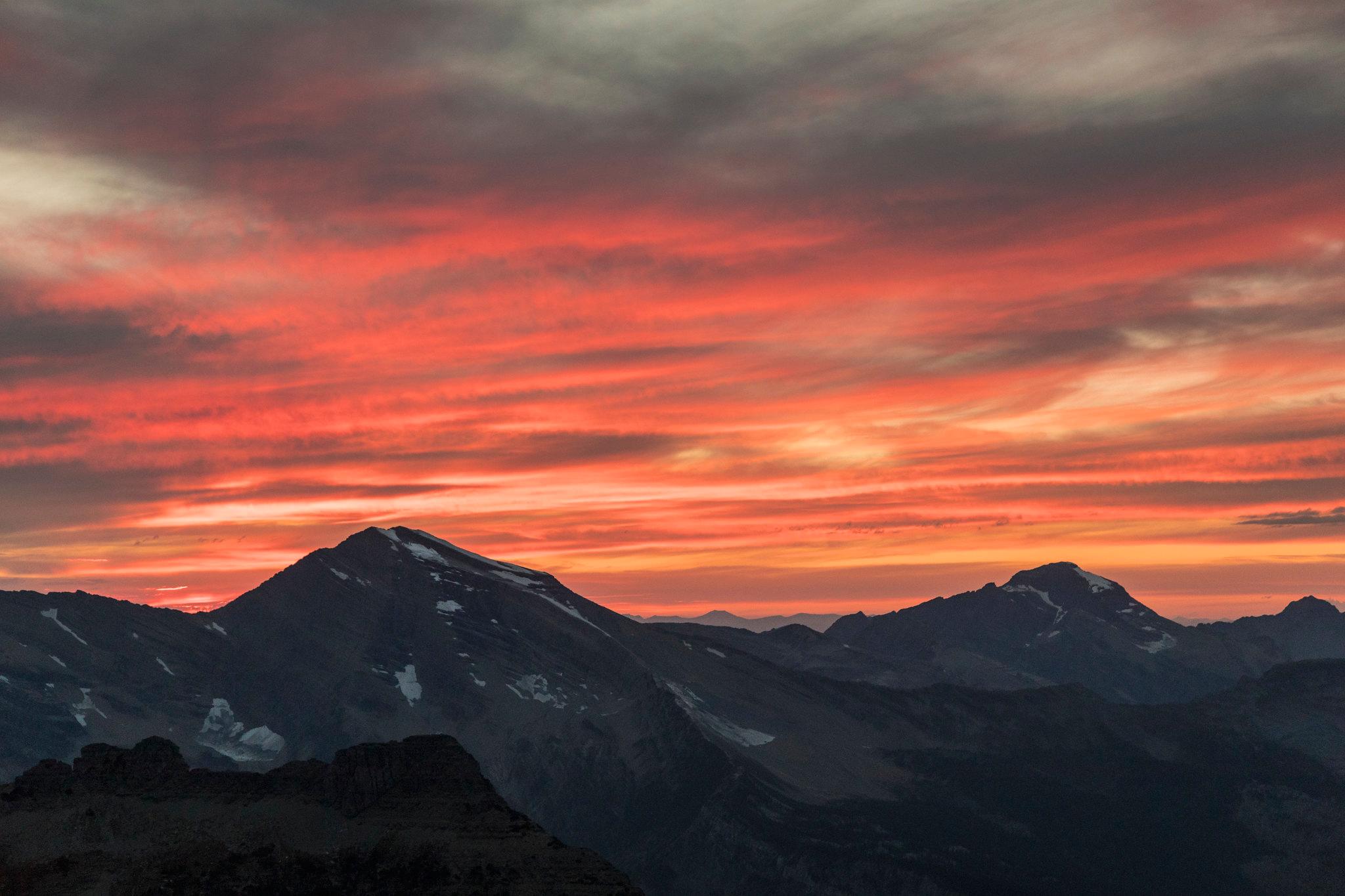
Choose Glacier if you want raw wilderness, a legendary mountain road, and an intact ecosystem where all native carnivores still roam. Choose Grand Teton if you want the most dramatic mountain front in North America, world-class wildlife visible from your car, and easy access to Jackson Hole. Both parks charge $35 per vehicle, draw over 3 million visitors annually, and deliver scenery that will stop you cold — but they are fundamentally different experiences.
- Both parks cost $35/vehicle (7-day pass). Grand Teton runs ~25% pricier per day once lodging is factored in.
- Glacier (1,013,126 acres) is more than 3× larger than Grand Teton (310,044 acres).
- Glacier’s Going-to-the-Sun Road is one of America’s great scenic drives. Grand Teton’s 42-mile Teton Park Road offers the most photogenic mountain skyline in the West.
- Grand Teton has better wildlife-from-the-road viewing — bison, moose, and bears are routinely spotted in the valley. Glacier’s wildlife is wilder and harder to predict.
- Grand Teton is easier to reach: Jackson Hole Airport (JAC) sits inside the park. Glacier’s nearest hub is Glacier Park International (FCA), ~40 minutes from the west entrance.
- No vehicle reservations required at either park in 2026. Logan Pass (Glacier) enforces a 3-hour parking limit starting July 1.
Quick Comparison
| Category | Glacier NP | Grand Teton NP |
|---|---|---|
| Entrance Fee (vehicle, 7 days) | $35 | $35 |
| Annual Visitors (2024) | 3.2 million | 3.6 million |
| Total Acreage | 1,013,126 acres | 310,044 acres |
| Highest Point | Mt. Cleveland, 10,448 ft | Grand Teton, 13,770 ft |
| Hiking Trails | 745 miles (151 trails) | 250+ miles |
| Iconic Road | Going-to-the-Sun Road (50 mi) | Teton Park Road (42 mi loop) |
| Best For | Wilderness, road trips, backcountry | Wildlife viewing, photography, mountaineering |
| Wildlife Highlight | Mountain goats, grizzlies, wolves, wolverines | Bison, moose, bears, pronghorn from roadside |
| Nearest Airport | FCA — 40 min to West Entrance | JAC — inside the park |
| Peak Season | July – August | June – August |
| Vehicle Reservation (2026) | None required | None required |
| Park UNESCO Status | World Heritage Site (Waterton-Glacier) | None |
| Avg. Daily Cost (all-in) | ~$148/person | ~$196/person |
| Named Glaciers | 26 (all shrinking) | Minimal |
| Yellowstone Proximity | ~500 miles (separate trip) | ~90 miles (easy add-on) |
Size & Scenery: Crown of the Continent vs. America’s Mountain Front
Some links below are affiliate links.
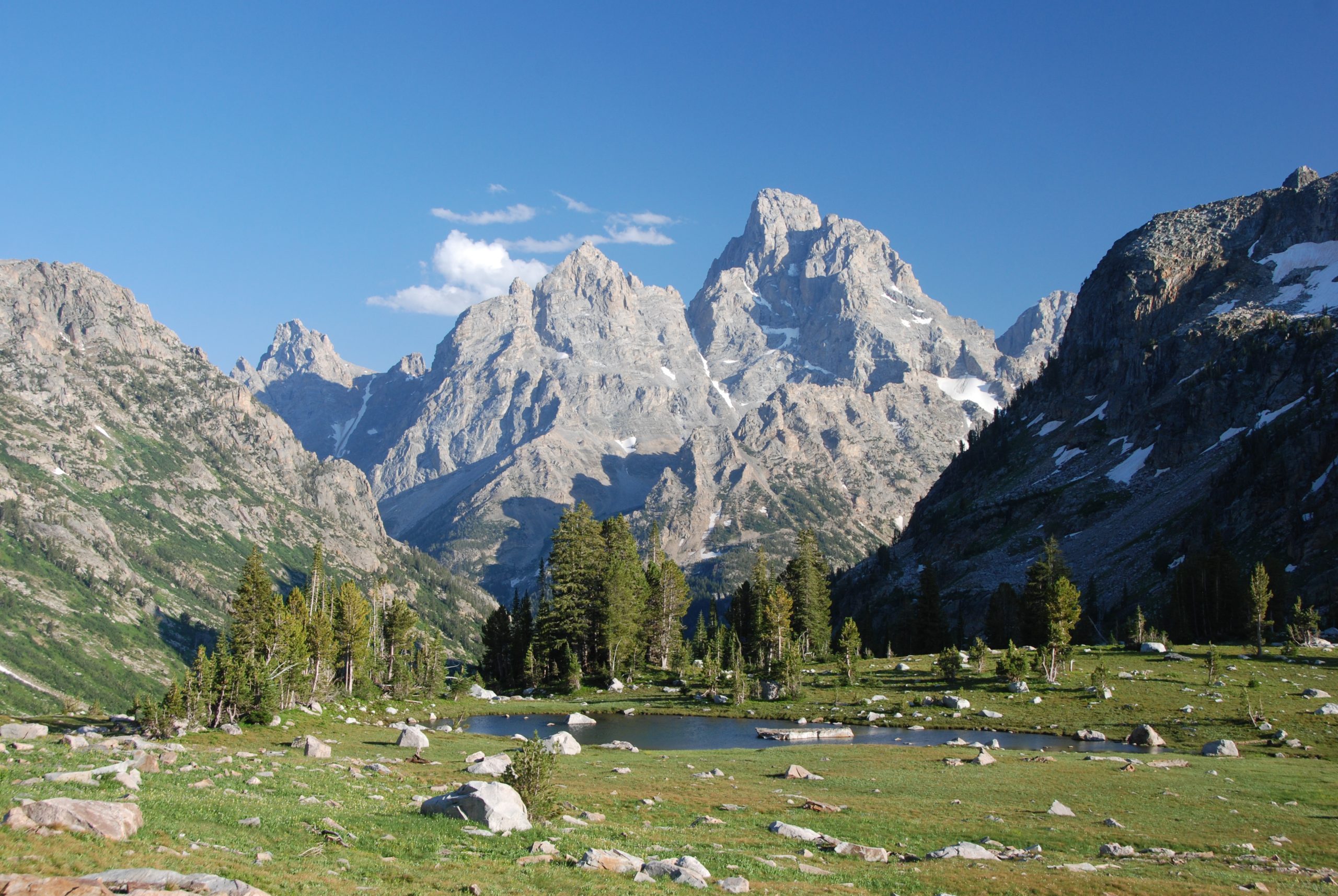

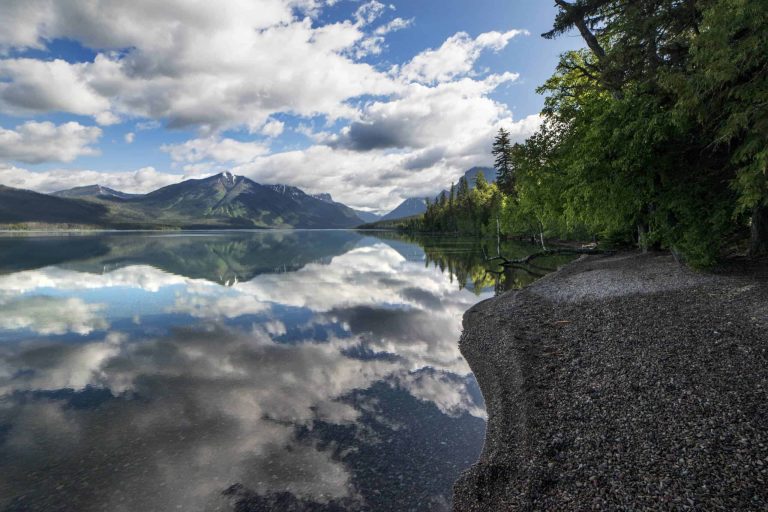
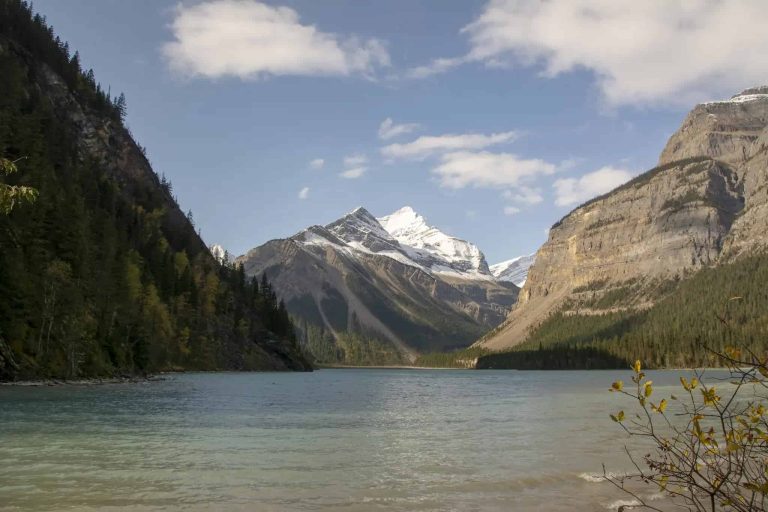
NPS.gov lists Glacier at 1,013,126 acres — more than three times Grand Teton’s 310,044 acres. That extra land translates directly into more remote terrain, longer trails, and more places where you feel genuinely alone in the wilderness. Glacier holds 762 lakes, 563 streams, and 26 named glaciers (down from 150 in 1850), making it a living document of climate change.
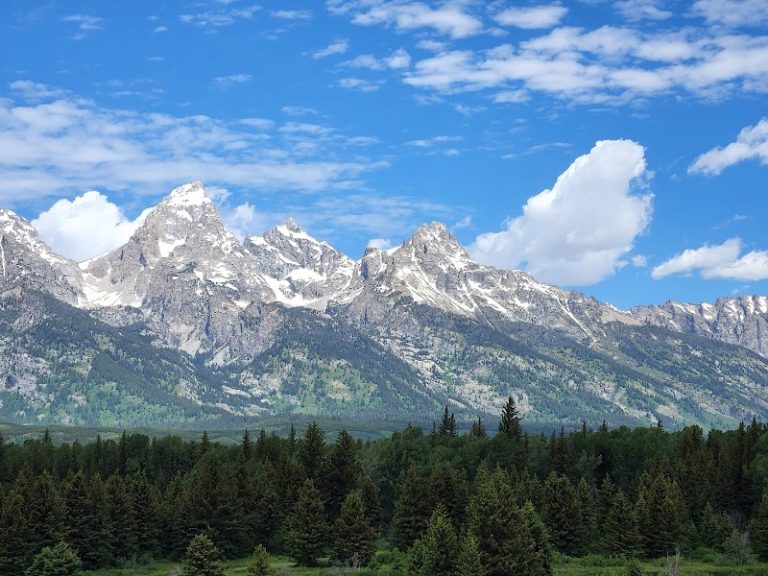
Grand Teton’s signature is not size — it’s drama. The Teton Range rises 7,000 feet from the valley floor with no foothills whatsoever, creating one of the most arresting skylines anywhere in the world. The highest peak, Grand Teton at 13,770 ft, is nearly 3,300 feet taller than Glacier’s highest point (Mt. Cleveland, 10,448 ft). For pure vertical impact in a single glance, Grand Teton wins.
Glacier’s Going-to-the-Sun Road — a 50-mile engineering marvel completed in 1932 — is one of the great drives on the continent, climbing to Logan Pass at 6,646 ft through hanging valleys, past waterfalls, and along cliff-edge traverses. Grand Teton counters with its 42-mile Teton Park Road loop, which frames the entire range against Jackson Lake and offers some of the most photographed mountain reflections in any national park.
Hiking & Trails: 745 Miles vs. 250 Miles
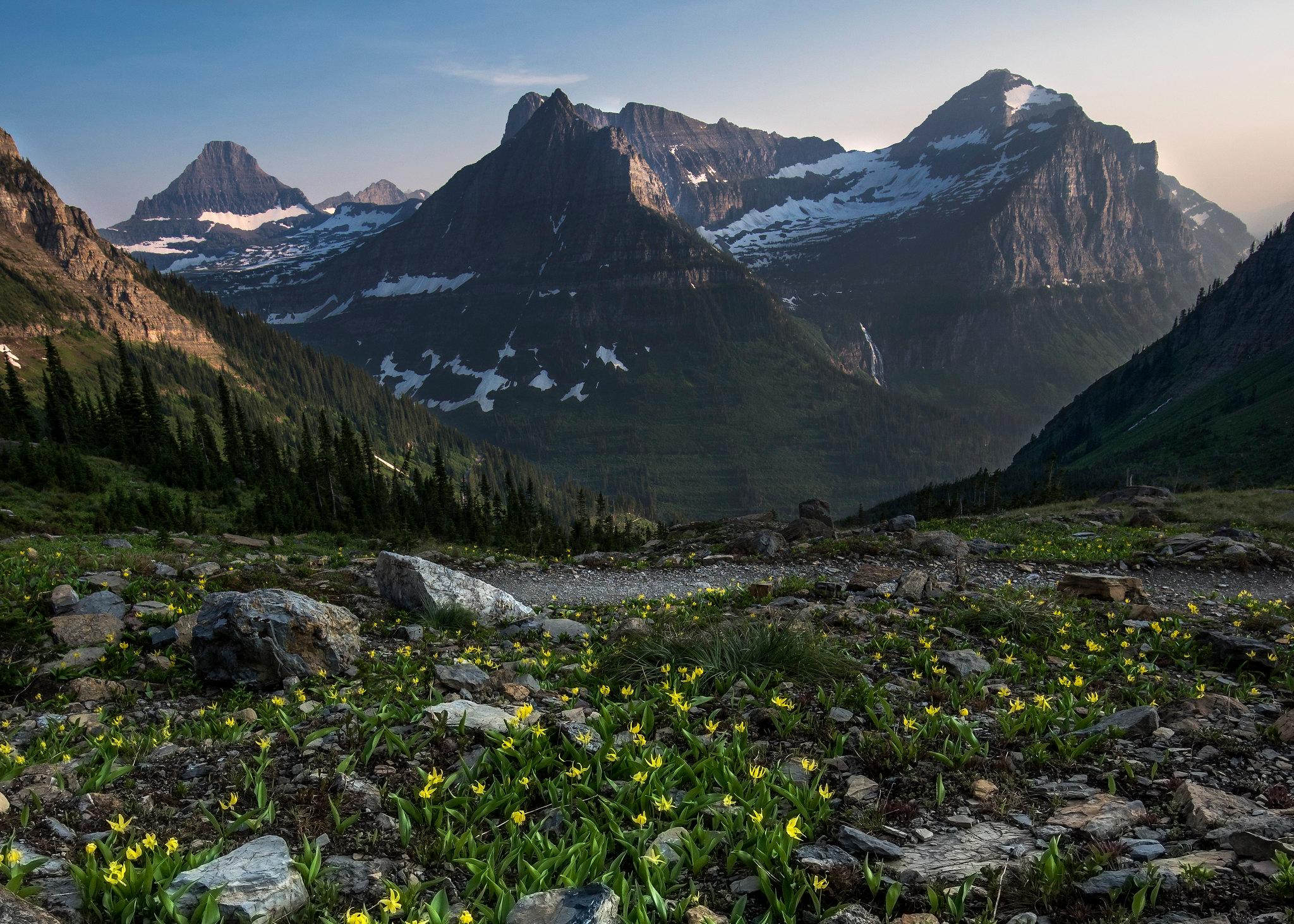
Glacier offers 745 miles of maintained trails across 151 routes, per NPS.gov. The iconic hikes — Highline Trail (11.6 miles, cliffside traverse), Grinnell Glacier (11 miles RT, active glacier with turquoise lakes), and Iceberg Lake (9.7 miles RT, floating icebergs year-round) — require planning. Logan Pass parking has a 3-hour limit starting July 1, 2026, so arrive before 8 AM or use the shuttle. Read our Glacier tips guide to avoid common errors.
Grand Teton’s 250+ miles of trails are fewer in number but loaded with variety. The Cascade Canyon Trail (9.4 miles RT, or 8.8 miles with the Jenny Lake boat shuttle) delivers a punch of Teton views unmatched in the park. Hidden Falls and Inspiration Point (2–4 miles RT from the west boat dock) is the most popular short hike. Note: Death Canyon Trailhead is closed all summer 2026 for road construction, and the Taggart Trail north section is under reconstruction — check NPS.gov before you go.
| Hike | Park | Distance | Difficulty | Highlight |
|---|---|---|---|---|
| Highline Trail | Glacier | 11.6 mi | Moderate | Cliffside alpine traverse, wildflowers, wildlife |
| Grinnell Glacier | Glacier | 11 mi RT (7.6 w/ boat) | Strenuous | Active glacier, turquoise lakes |
| Iceberg Lake | Glacier | 9.7 mi RT | Moderate | Floating icebergs, year-round |
| Hidden Lake Overlook | Glacier | 2.7 mi RT | Easy-Moderate | Mountain goats, starts at Logan Pass |
| Cascade Canyon | Grand Teton | 9.4 mi RT | Moderate | Teton Range views, Jenny Lake boat shortcut |
| Hidden Falls + Inspiration Pt | Grand Teton | 2–4 mi RT | Easy-Moderate | 100-ft waterfall, panoramic overlook |
| Jenny Lake Loop | Grand Teton | 6.6 mi | Easy | Flat loop, stunning Teton Range backdrop |
Wildlife: Intact Ecosystem vs. Greater Yellowstone
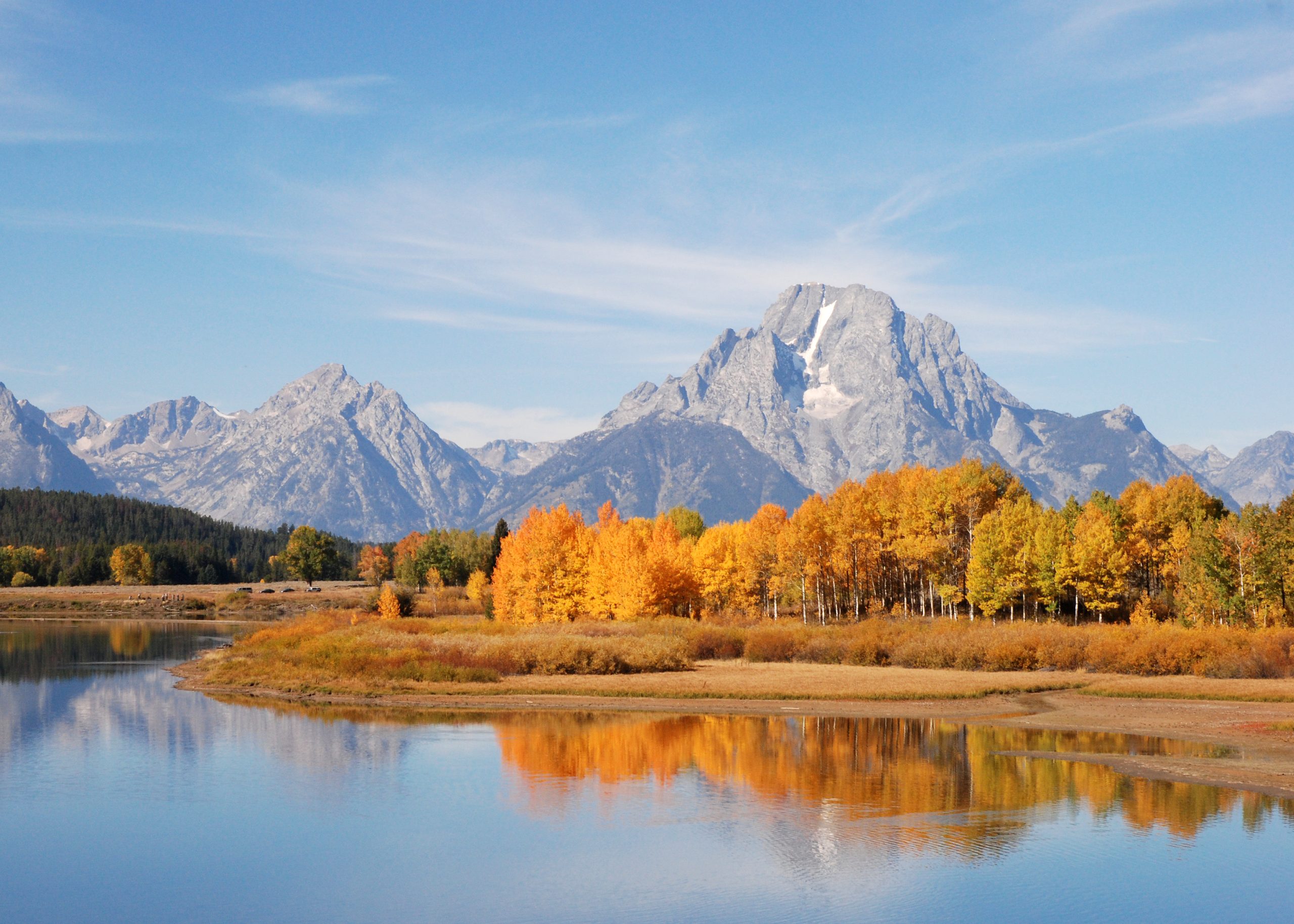
Glacier is one of the last places in the contiguous United States where all native large carnivores — grizzly bear, black bear, gray wolf, mountain lion, wolverine, and lynx — still exist together. Per NPS.gov, the park supports 71 mammal species and 276+ bird species. Mountain goats are routinely seen on the Hidden Lake Overlook trail from Logan Pass. Wildlife here is wild — sightings are genuine surprises, not guaranteed drives.
Grand Teton’s advantage is predictability. The park sits within the Greater Yellowstone Ecosystem — the largest essentially intact temperate-zone ecosystem on Earth — and wildlife density is extraordinary. Bison herds graze along Antelope Flats Road. Moose frequent the willows near Oxbow Bend. Grizzly bears and wolves are spotted regularly by travelers who know to scan the meadows at dawn and dusk. Per NPS.gov, Grand Teton supports ~60 mammal species and ~300 bird species including bald eagles and trumpeter swans.
For wildlife photographers or families hoping to see large animals from the car, Grand Teton is the stronger choice. For backcountry wilderness wildlife encounters in one of the last intact ecosystems in the lower 48, Glacier delivers something rarer.
Crowds & Getting There
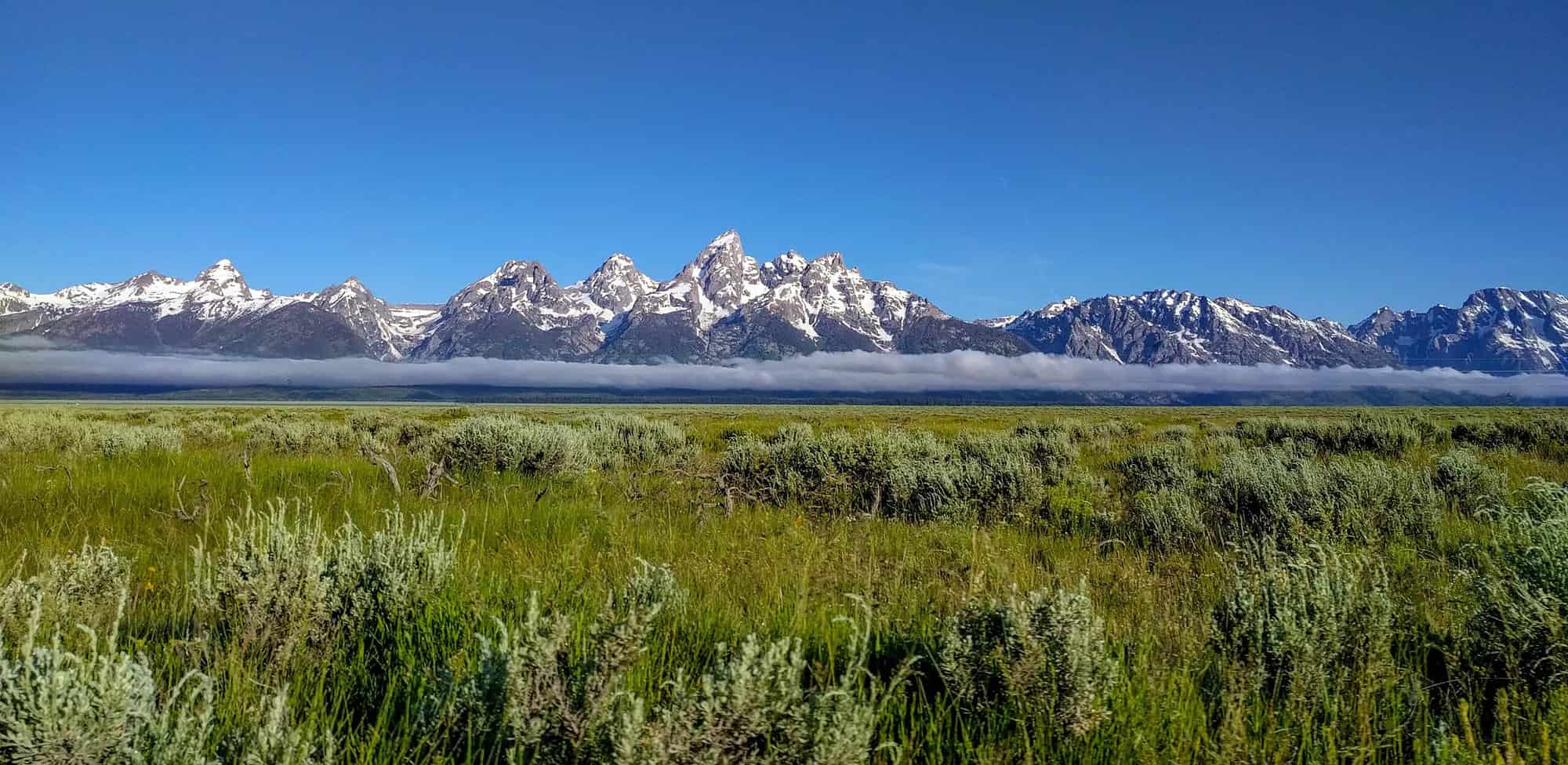
Grand Teton drew 3,628,222 visitors in 2024 versus Glacier’s 3,208,755, per visitation data from Idaho Capital Sun and East Idaho News. Both parks feel crowded in July–August, particularly at Logan Pass (Glacier) and Jenny Lake (Grand Teton). Neither park requires vehicle reservations in 2026 — a significant change from recent years.
Access is easier at Grand Teton. Jackson Hole Airport (JAC) — the only commercial airport inside a U.S. national park — is served by American, Delta, and United, placing travelers just 7 miles from Jackson town. Glacier’s nearest hub, Glacier Park International (FCA) in Kalispell, is ~40 minutes from the West Entrance. Salt Lake City (SLC) serves as the major hub for Grand Teton, at 306 miles away. For Glacier, Missoula (MSO) is 132 miles; Great Falls (GTF) is 220 miles.
Both parks have poor cell service in backcountry areas. Grand Teton has better connectivity in the Jackson Hole valley and developed areas. At Glacier, expect no reliable signal inside the park — download offline maps before you arrive.
Cost & Logistics
Both parks charge $35 per private vehicle for a 7-day pass, per NPS.gov and NPS.gov. Pedestrians and cyclists pay $20 per person (age 16+). Note: a new 2026 non-U.S. resident surcharge of $100 applies at both parks for non-Americans ages 16+. The America the Beautiful Annual Pass ($80) covers both parks and pays for itself in 2–3 visits.
| Cost Item | Glacier | Grand Teton |
|---|---|---|
| Vehicle entry (7 days) | $35 | $35 |
| Motorcycle (7 days) | $30 | $30 |
| Walk-in / bicycle | $20/person | $20/person |
| Avg. all-in daily cost/person | ~$148 | ~$196 |
| Budget day trip (no lodging) | $60–$80/person | $75–$100/person |
| Winter vehicle rate | $25 (Nov 1 – Apr 30) | N/A |
Grand Teton runs roughly 25–30% pricier per day, largely driven by Jackson Hole area lodging and dining costs. In-park lodges at both parks are similarly priced ($150–$400+ per night), but the Jackson Hole resort economy pushes area hotels significantly higher than the Flathead Valley around Glacier. If budget is a priority, Glacier wins on overall trip cost.
Lodging: Historic Chalets vs. Full-Service Lodges
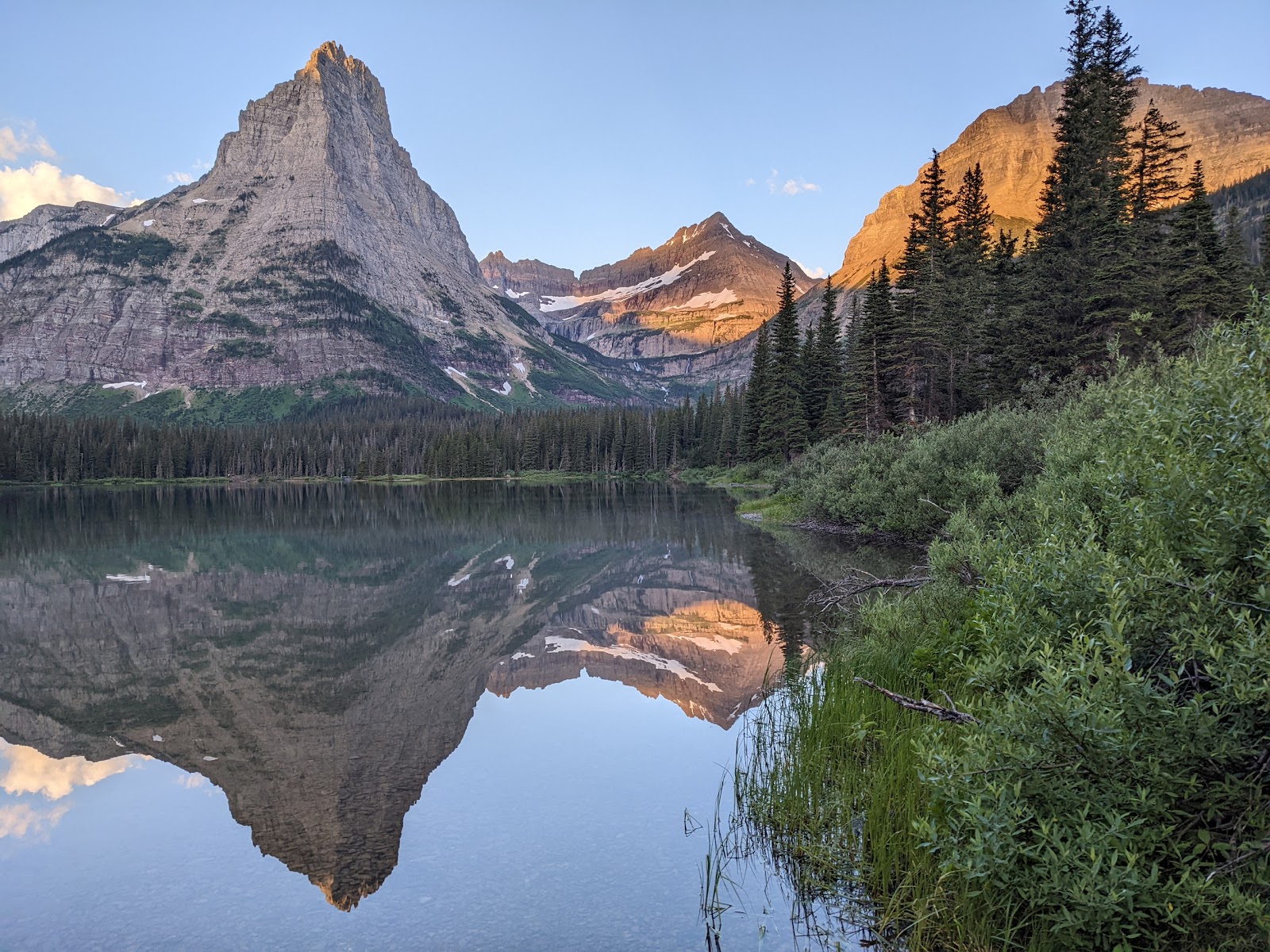

Glacier has 5 in-park lodges operated by Pursuit/Glacier National Park Lodges. The standout is Many Glacier Hotel (built 1914), a 207-room Swiss chalet-inspired lodge on Swiftcurrent Lake — one of the most beloved historic lodges in the National Park System. Lake McDonald Lodge, Rising Sun Motor Inn, and Swiftcurrent Motor Inn fill out the options. All 5 lodges plus 13 campgrounds (1,004 total sites) must be booked via Recreation.gov well in advance.
Grand Teton’s flagship is Jackson Lake Lodge (385 rooms), with 60-foot picture windows framing the entire Teton Range — one of the great hotel views in the country. Jenny Lake Lodge is the most exclusive option (AAA Four-Diamond; rates include dinner and breakfast). The Grand Teton Lodge Company also operates Colter Bay Village for budget travelers. Five developed campgrounds serve tent and RV campers; Jenny Lake Campground fills weeks in advance and has a 7-night maximum stay.
Our Verdict
Glacier National Park
Glacier edges out Grand Teton for the traveler who wants a singular, hard-to-replicate wilderness experience. The Going-to-the-Sun Road alone is worth the trip, and the sheer scale of the park — 26 glaciers, 762 lakes, intact carnivore ecosystems — delivers something increasingly rare on Earth. It’s also significantly more affordable than the Jackson Hole area.
Grand Teton wins for families and first-time visitors who want guaranteed wildlife encounters, easier logistics (airport inside the park), and the ability to add Yellowstone (90 miles north) to the same trip. The Teton Range skyline is arguably the most dramatic single mountain view in the lower 48.
| Choose Glacier if… | Choose Grand Teton if… |
|---|---|
| You want a legendary mountain road | You want dramatic mountain-meets-valley scenery |
| Budget is a priority | You’re combining with a Yellowstone trip |
| You prioritize remote wilderness hiking | You want wildlife visible from the road |
| You want to see actual glaciers before they’re gone | You want the easiest airport access |
| You love historic railway-era lodges | You want fly fishing or guided mountaineering |
FAQ
Is Glacier or Grand Teton better for families?
Can you visit both Glacier and Grand Teton in one trip?
Do you need reservations for Glacier National Park in 2026?
Which park has better hiking — Glacier or Grand Teton?
What is the best time to visit Glacier vs. Grand Teton?
How We Researched This Comparison
- NPS.gov official park pages for Glacier and Grand Teton (fees, trail data, wildlife, lodging)
- NPS Glacier Fact Sheet and Grand Teton Student Study Guide for acreage and geographic data
- 2024 visitation statistics (Idaho Capital Sun, East Idaho News) based on NPS data
- BudgetYourTrip.com for cost-per-day estimates
- Recreation.gov for reservation and permit requirements
- Grand Teton Lodge Company (gtlc.com) for lodging details
- Parks Collecting and Earth Trekkers for 2026 trail conditions
Trail conditions, lodge availability, and seasonal schedules change annually. Always verify current status at NPS.gov before your trip. Cost estimates are averages and will vary based on lodging choices, group size, and season.
Ready to plan your Glacier trip? Read our insider tips guide to avoid the most common mistakes visitors make.