Glacier National Park: How to Prepare — Essential Guide
How to Prepare for Glacier National Park in 2026
Glacier National Park drew 2,851,999 visitors in 2024 (NPS IRMA data) across 1,013,322 acres of rugged alpine terrain. Preparing correctly makes the difference between a safe, rewarding trip and a frustrating one. This guide covers the four pillars of Glacier preparation: timing your visit around seasonal access and crowding patterns, securing permits and reservations through Recreation.gov booking windows, packing the right gear for rapid weather swings and wildlife encounters, and understanding the safety rules that NPS.gov enforces for backcountry travel.
Key action items for 2026: Going-to-the-Sun Road shuttle tickets launch July 1 on Recreation.gov (book 60 days ahead), Logan Pass parking is capped at 3 hours starting summer 2026, and backcountry permits require entering the early-access lottery. Start here, then dive into each section for specifics.
What to Know Quickly
- Park data shows 2,851,999 annual visitors and 1,507 documented species; 13 campgrounds and 41 activities mean book early, follow NPS.gov rules, and pack bear spray and layered clothing for 2026.
- Best months: July and August for trail access; January is quiet but very cold (per Open-Meteo climate data).
- Permits: A wilderness use permit is required for all overnight backcountry trips per NPS.gov.
- Safety: Keep 100 yards from bears and wolves and 25 yards from other wildlife; carry and know how to use bear spray.
- Logistics: Going-to-the-Sun Road shuttle tickets launch July 1, 2026; book on Recreation.gov in the 60-day window.
- Packing: Expect rapid weather swings; bring layers, rain gear, and a water treatment method.
When Is the Best Time to Visit?
Best time: NPD crowding data flags July and August as peak; January is the quietest month but very cold. Best months: July, August, January · Avoid: November –3 April (most high-elevation roads closed)
Moderate — noticeable crowds, short waits
High — busy, expect parking and trail congestion
Very High — peak season, reservations essential
Closed — area inaccessible or seasonally closed
Glacier National Park Packing List
Quick Capsule
- Visitors report rain and cold as top hazards; pack layers, rain gear, and bear spray per NPS.gov and visitor review themes.
Hiking Essentials
- Sturdy waterproof hiking boots
- Daypack (20–30L) with rain cover
- Bear spray (and holster) – required for backcountry
- Trekking poles
- Trail map or offline GPX downloads
- Headlamp with extra batteries
Clothing
- Moisture-wicking base layers
- Insulating fleece or puffy jacket
- Waterproof rain shell
- Convertible hiking pants
- Wool socks (2–3 pairs)
- Sun hat and sunglasses
Safety & Navigation
- First aid kit with blister care
- Whistle and signal mirror
- Personal locator beacon or satellite communicator if solo
- Water filter or purification tablets
- Map compass and knowledge to use them
Family & Kid-Friendly
- Extra snacks and electrolyte mix
- Warm layers for kids (temps drop fast)
- Child-size life jackets for boat shuttles
- Lightweight emergency blanket
Electronics & Food
- Fully charged phone and power bank
- Camera with extra memory
- Skip the overpriced cafeteria – pack a lunch to save money and time
- Reusable water bottle (treat water as needed)
Leave at Home
- Unnecessary scented items (use scent-free toiletries)
- Food stored in unlocked vehicles – secure it per NPS.gov guidance
- Excessive single-use plastics
Backcountry Camping Permit
Wilderness use permits apply year-round to all overnight trips; park data shows heavy summer use so request permits early via Recreation.gov lotteries and walk-up windows.
$7/person/night
Early access lotteries and standard bookings via Recreation.gov; two early-access lotteries run annually, and additional sites release per Recreation.gov schedule
Year-round for permit requirement; peak demand May–September
Limited – many popular zones fill quickly during July and August
Per NPS.gov, set multiple alternate dates, enter the early-access lottery, and have backup camps selected. We recommend logging in right when Recreation.gov opens 60 days out for shuttle tickets and the March lotteries for backcountry.
Glacier National Park – At a Glance
- Annual Visitors (2024–2025 trend)
- 2,851,999 visitors (NPS IRMA, annual figure)
- Park Area
- 1,013,322 acres (NPS data)
- Documented Species
- 1,507 species (NPSpecies, early 2026)
- Campgrounds
- 13 total campgrounds (NPS API), Apgar: 194 sites; Many Glacier: 109 sites
- Primary Activities
- 41 activities listed by NPS (hiking, boating, ranger programs, tours)
- Phone
- (406) 888-7800 (NPS)
- Notes
- Shuttle tickets for Going-to-the-Sun Road begin July 1, 2026; Logan Pass parking limited to three hours as of July 1, 2026 (NPS guidance).
What Most Guides Miss
Visitor reviews often flag Logan Pass parking as the single biggest limiter to a day trip; park data shows Logan Pass fills by 7–08 AM during July and August, so plan accordingly.
Here are operational tips many guides omit:
- Arrival windows: For Logan Pass, aim for arrival before 6:30 AM or after 4 PM to beat the 3-hour parking crunch that began July 1, 2026.
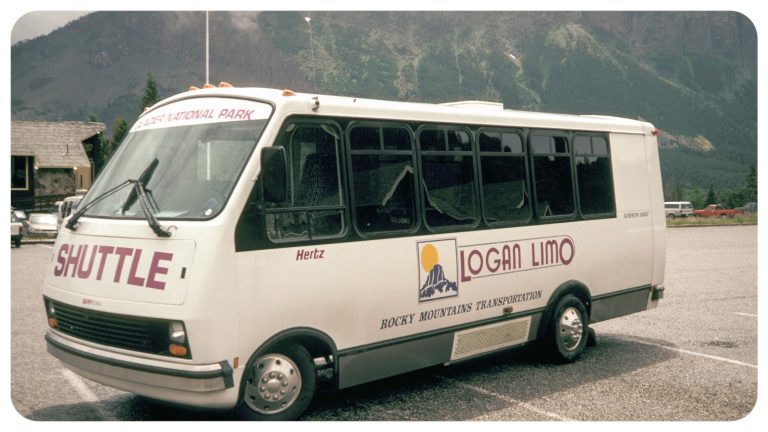
- Shuttle strategy: Book Recreation.gov shuttle tickets 60 days ahead for July–August. West-side riders should target Apgar Transit Center departures for earlier runs.
- Kids on alpine trails: Shorten routes and plan multiple rests; trailhead-to-overlook loops like Hidden Lake are 2.6 miles round-trip and suit families better than full Highline segments.
- Micro-weather: Expect a 30–40°F drop above tree line; always carry an insulating layer even on warm mornings.
- Avoid the busiest viewpoints: Visit popular overlooks in late afternoon or choose alternate viewpoints on the opposite side of main pullouts.
- Parking fallback: Many Glacier and Two Medicine often have later-day availability; consider basing there for longer hikes if Going-to-the-Sun Road is congested.
Editorial inference: Based on crowding data, consider a shoulder-season plan in late September for fewer people while still accessing most trails. Review themes suggest visitors who pack lunches and start very early report the smoothest days.
How Many Days Needed?
| Trip Length | Key Stat | What You Can Do | Recommended Base | Tradeoffs / Verdict |
|---|---|---|---|---|
| One Day | 50-mile Going-to-the-Sun Road | Drive GTSR highlights, visit Logan Pass, short hike like Hidden Lake (2.6 mi RT). | West side (Apgar/Lake McDonald) | Good for a snapshot; expect full parking and limited stops. |
| Two Days | Highline (7.6–11.6 mi segments) | Do GTSR plus a major hike such as Highline half or Avalanche Lake (4.5 mi RT). | West side or St. Mary for balance | Requires careful timing or shuttle tickets; better trade of hiking and views. |
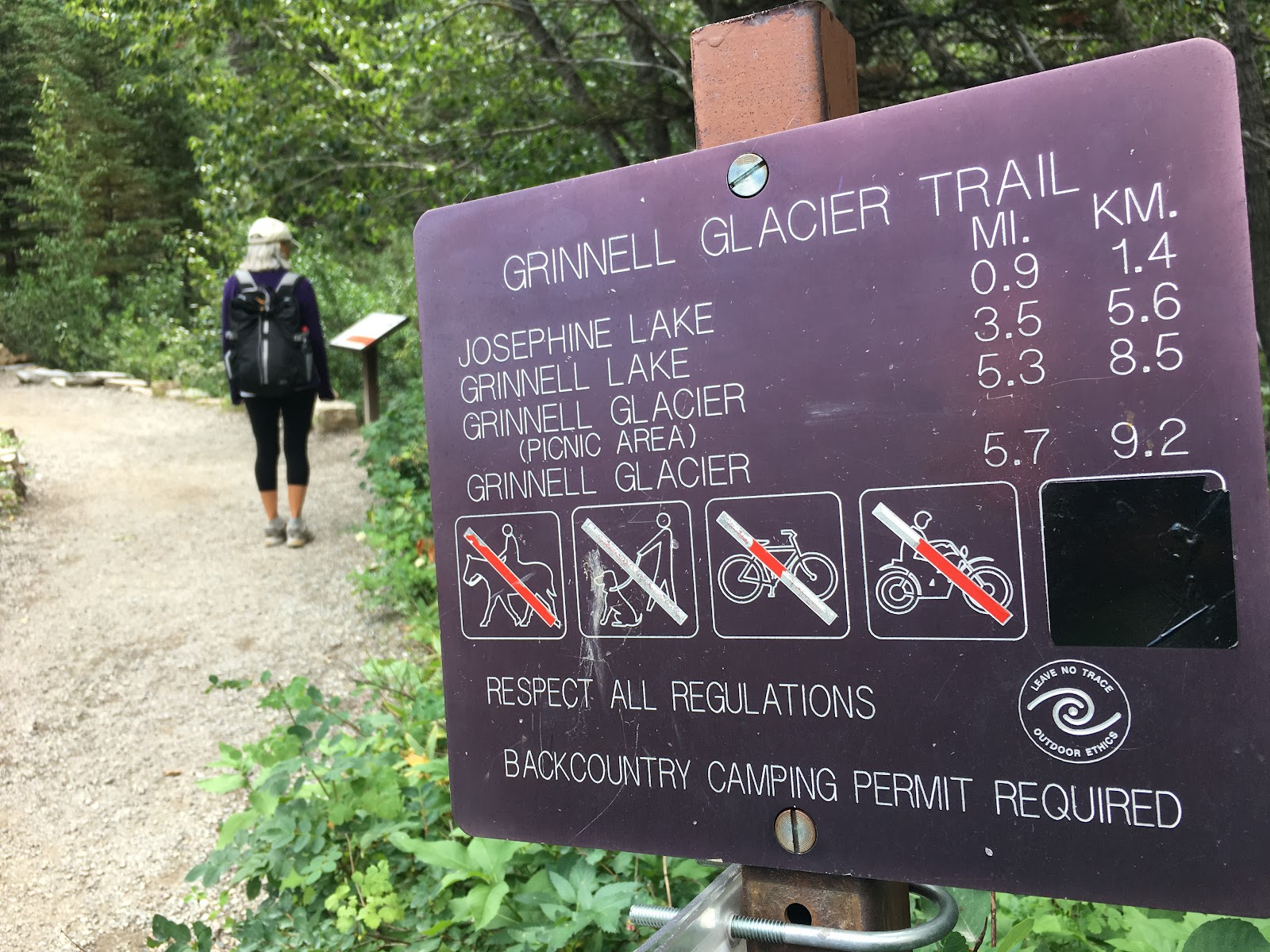
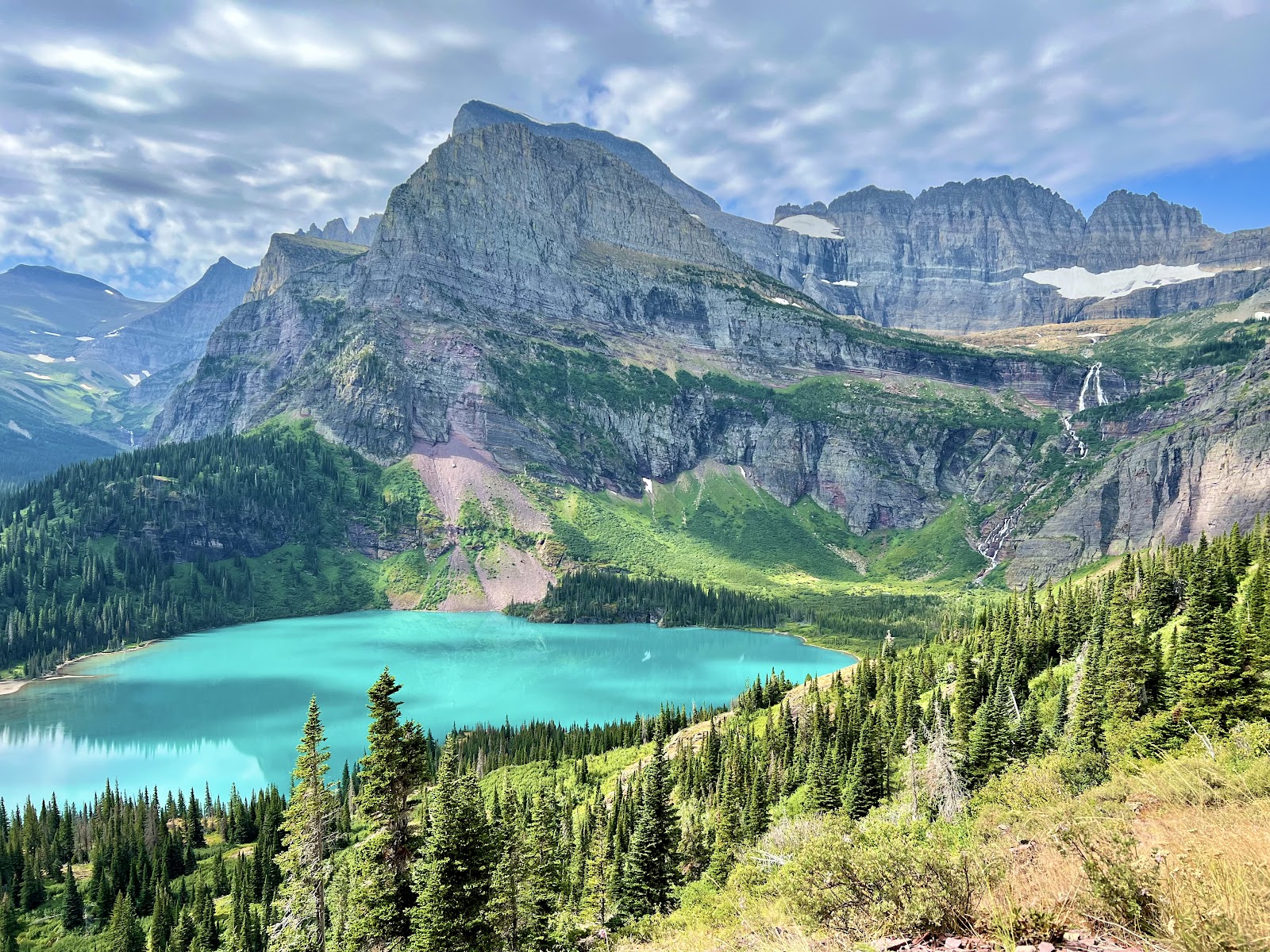
| Three–Four Days | Grinnell Glacier 10–13 mi RT (1,600–,500 ft gain) | Combine GTSR, a major day hike like Grinnell or Iceberg Lake, and a secondary area (Many Glacier). | Many Glacier area | Ideal first-timer plan; allows weather buffer and avoids rushing. |
| Five+ Days | Multiple long hikes and backcountry options | Multi-day hiking, backcountry permits, and exploring North Fork or Two Medicine. | Mix West and Many Glacier bases | Best for experienced hikers; requires permits and advanced reservations. |
Glacier National Park Access Points and Campgrounds
Park data lists 13 campgrounds and primary visitor centers; key access points include Apgar Visitor Center, Logan Pass Visitor Center, St. Mary Visitor Center, and Many Glacier. Use the Google Maps links below to plan arrivals and timing.
Locations shown on this map:
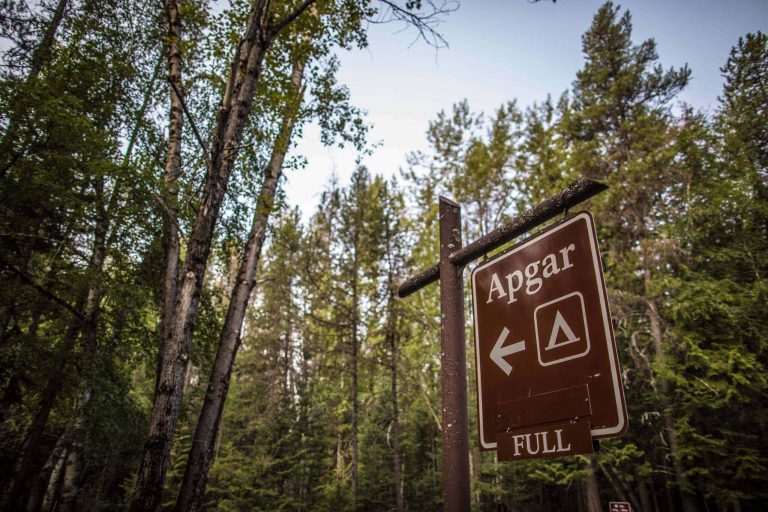
- Apgar Campground
— 194 sites, $30.00 - Avalanche Campground
— 87 sites, $30.00 - Many Glacier Campground
— 109 sites, $30.00 - St. Mary Campground
— 148 sites, $20.00 - Two Medicine Campground
— 100 sites, $30.00 - Apgar Visitor Center
- Logan Pass: Causes & Consequences Exhibit
— Upright tri-panel exhibit behind the Logan Pass Visitor Center. - St. Mary Visitor Center
- Apgar Lookout Trailhead
- Apgar Village
- Camas Road Gate Parking
— Parking allowed only during the winter (per marker data). - Going-to-the-Sun Road West Side Winter Gate Closure
— The Going-to-the-Sun Road closes to vehicle traffic in the winter. - Grinnell Glacier Trailhead
- Hidden Lake Trailhead
- Highline Trailhead
Major Trailheads
Campgrounds (reservations & fees shown)
Parking & Road Closures
How We Researched This Guide
- NPS.gov – official park pages, fees, and trail alerts
- NPSpecies database – verified wildlife and plant records
- Recreation.gov – reservation and permit windows
- NPS IRMA / Park data – visitor statistics
- Open-Meteo and weather.gov – monthly climate averages and forecasts
- Visitor review synthesis (public reviews) – crowding and comfort themes
Conditions change rapidly; road openings, shuttle policies, and campsite releases can vary. This guide does not replace real-time alerts or official park notices.
Key Takeaways for Preparation
Plan permits, parking, and safety first; park data shows 2,851,999 annual visitors, so early booking matters for 2026.
- Book backcountry and campground reservations as early as allowed on Recreation.gov.
- Pack bear spray and know how to use it; NPS.gov requires proper food storage.
- Check trail conditions before hiking and expect snow at high elevations through June.
- Match trip length to goals: 3–4 days covers main highlights; 5+ days enables serious backcountry.
- Bring layered clothing and water treatment for safety and comfort.
- Set alarms for shuttle ticket release windows and campsite openings.
With 13 campgrounds and 41 park activities, plan reservations and safety measures now; shuttle tickets for Going-to-the-Sun Road use Recreation.gov and backcountry permits use Recreation.gov as well.
Check nps.gov for current conditions.