Glacier National Park Weather by Month (2026 Guide)
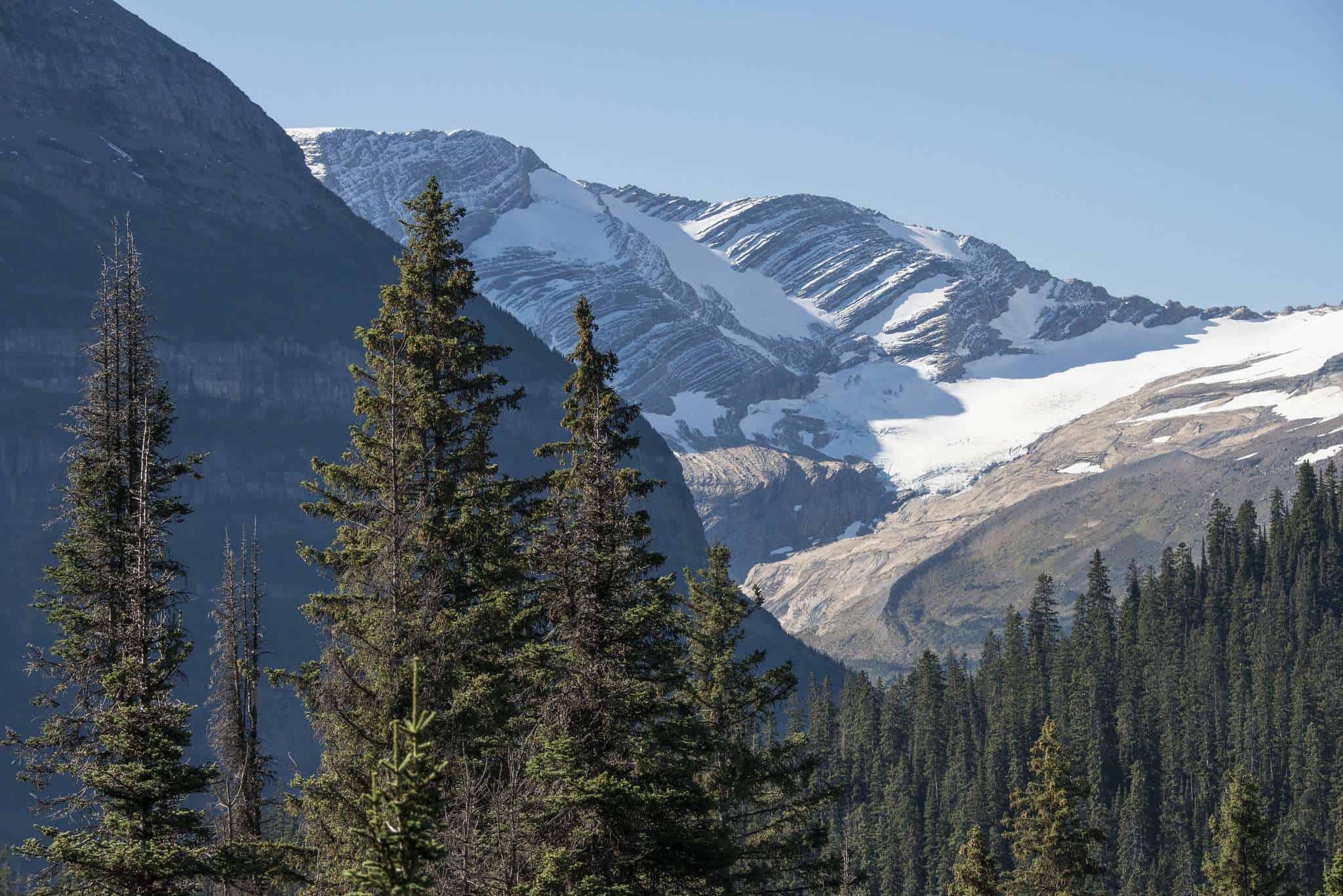
Glacier National Park’s weather varies dramatically by season: July and August deliver sunny 80°F days with full trail access, while January averages highs near 30°F with 200+ inches of annual snowpack. Planning around weather is essential — the difference between late June and early July can mean having access to Logan Pass or not.
This guide covers average temperatures, precipitation, trail conditions, and what to expect at Glacier National Park every month of the year, per NPS.gov and long-term climate records.
- Best weather for hiking: July–September — all trails open, warm days, minimal rain
- Going-to-the-Sun Road opens to Logan Pass: typically mid-June to early July (snowpack-dependent)
- June is the rainiest month; August is the driest but carries wildfire smoke risk
- West side (Apgar/Lake McDonald) is warmer and wetter; east side is windier with more sunshine
- Temperatures drop 10–15°F per 3,000 ft of elevation gain — bring layers year-round
- Entrance fee: $35/vehicle year-round, even when entrance stations are unstaffed
Some links below are affiliate links.
Monthly Weather Overview
The table below shows climate averages for West Glacier (elevation 3,154 ft), the park’s primary west entrance. High-elevation areas like Logan Pass (6,646 ft) run 15–20°F cooler and receive significantly more snowfall, per NPS.gov. The park receives approximately 42 inches of annual precipitation, with the west side wetter and the east side drier and windier.
| Month | Avg High | Avg Low | Precip | Conditions Summary |
|---|---|---|---|---|
| January | 30°F / -1°C | 16°F / -9°C | 3.5 in | Snow, quiet, roads limited to lower areas |
| February | 35°F / 2°C | 18°F / -8°C | 2.8 in | Cold, snowy, snowshoe and ski season |
| March | 44°F / 7°C | 23°F / -5°C | 2.0 in | Variable — can snow heavily or warm quickly |
| April | 54°F / 12°C | 30°F / -1°C | 1.6 in | Mild, lower trails clearing, GTSR opens to bikes |
| May | 63°F / 17°C | 37°F / 3°C | 1.9 in | Warm, wildflowers at lower elevations, waterfalls peak |
| June | 71°F / 22°C | 44°F / 7°C | 2.5 in | Rainiest month, GTSR typically opens to Logan Pass |
| July | 81°F / 27°C | 49°F / 9°C | 1.5 in | Peak season, all trails open, mostly clear |
| August | 82°F / 28°C | 49°F / 9°C | 1.2 in | Hottest, driest month — wildfire smoke possible |
| September | 70°F / 21°C | 38°F / 3°C | 1.5 in | Excellent conditions, crowds drop sharply |
| October | 56°F / 13°C | 30°F / -1°C | 1.8 in | Larch color peak, first snowstorms mid-month |
| November | 40°F / 4°C | 24°F / -4°C | 2.3 in | Winter arrives, most facilities closed |
| December | 32°F / 0°C | 17°F / -8°C | 3.2 in | Deep winter, cross-country skiing, very quiet |

Winter: December–February
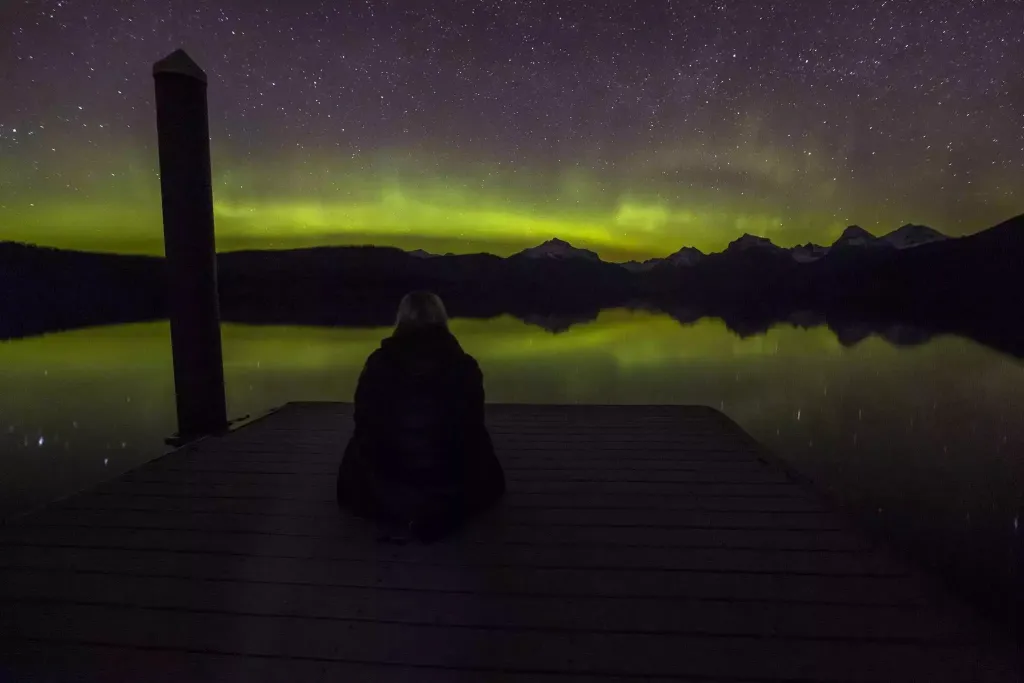
December through February is Glacier’s coldest and quietest period. Valley temperatures average highs between 30–35°F, while Logan Pass can see sub-zero temperatures with wind chill. The park accumulates roughly 225 inches of snowfall annually, with the heaviest snowfall occurring October through March, per NPS.gov.
The Going-to-the-Sun Road is closed to vehicles beyond Lake McDonald Lodge (west entrance) and St. Mary (east entrance). The park itself remains open 24/7 year-round. Access is by foot, cross-country skis, or snowshoes only. The Apgar–McDonald Creek corridor and lower Lake McDonald trails remain accessible on most winter days.
Crowds are minimal. Most lodges, campgrounds, and visitor facilities close by late fall. The Apgar Visitor Center operates limited weekend hours only. For winter visitors, this season offers total solitude and a dramatically different landscape — deep snow, frozen lakes, and wildlife tracks that are impossible to find in summer.
Spring: March–May
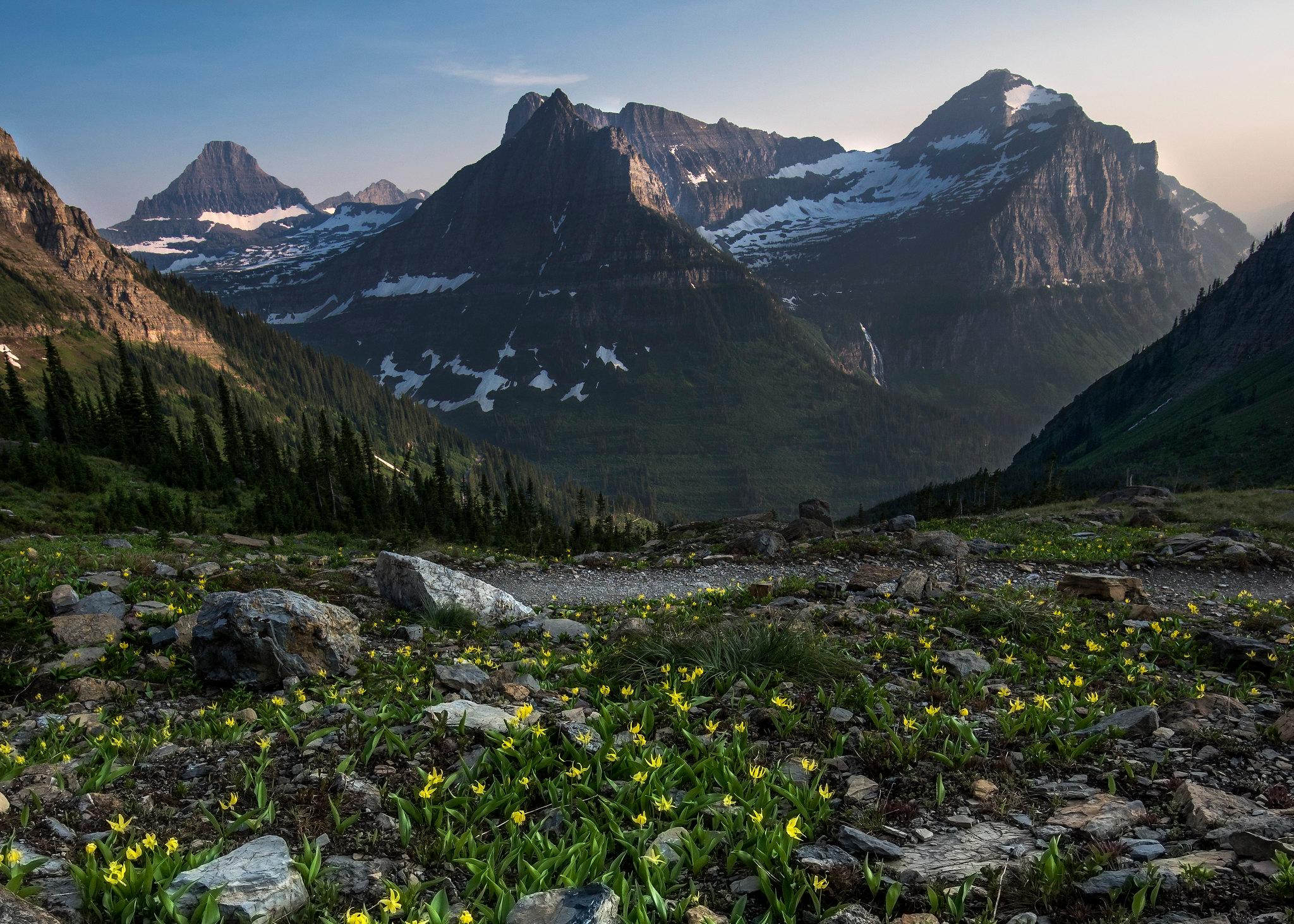

Spring is Glacier‘s most unpredictable season. March can still deliver blizzards with overnight lows in the teens, while May afternoons regularly reach the mid-60s°F. The Continental Divide position means the park catches weather systems from both the Pacific and the Great Plains — pack snow gear, rain gear, and sunscreen for any spring visit.
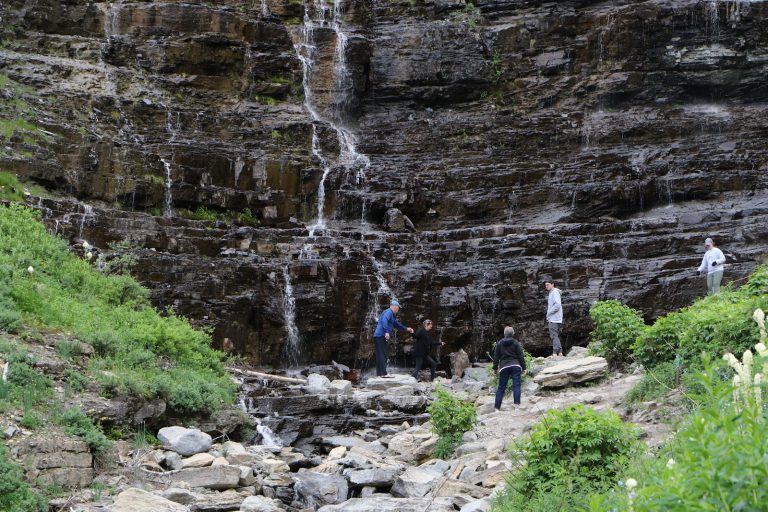
Lower-elevation trails at Lake McDonald Valley, Two Medicine, and St. Mary typically clear by mid-April. By May, the park’s waterfalls are at peak volume from snowmelt, and wildflowers emerge at lower elevations. The GTSR opens to bicyclists from Apgar to the Avalanche Creek trailhead in April — before vehicles are allowed — making this a unique early-season experience, per NPS.gov.
May is one of the best months for wildflower viewing at lower elevations. Campgrounds and most lodges open in late May, crowds are a fraction of summer levels, and the park feels alive without the July pressure. Families visiting in spring should review the Glacier with toddlers guide for trail and facility planning tips.
Summer: June–August
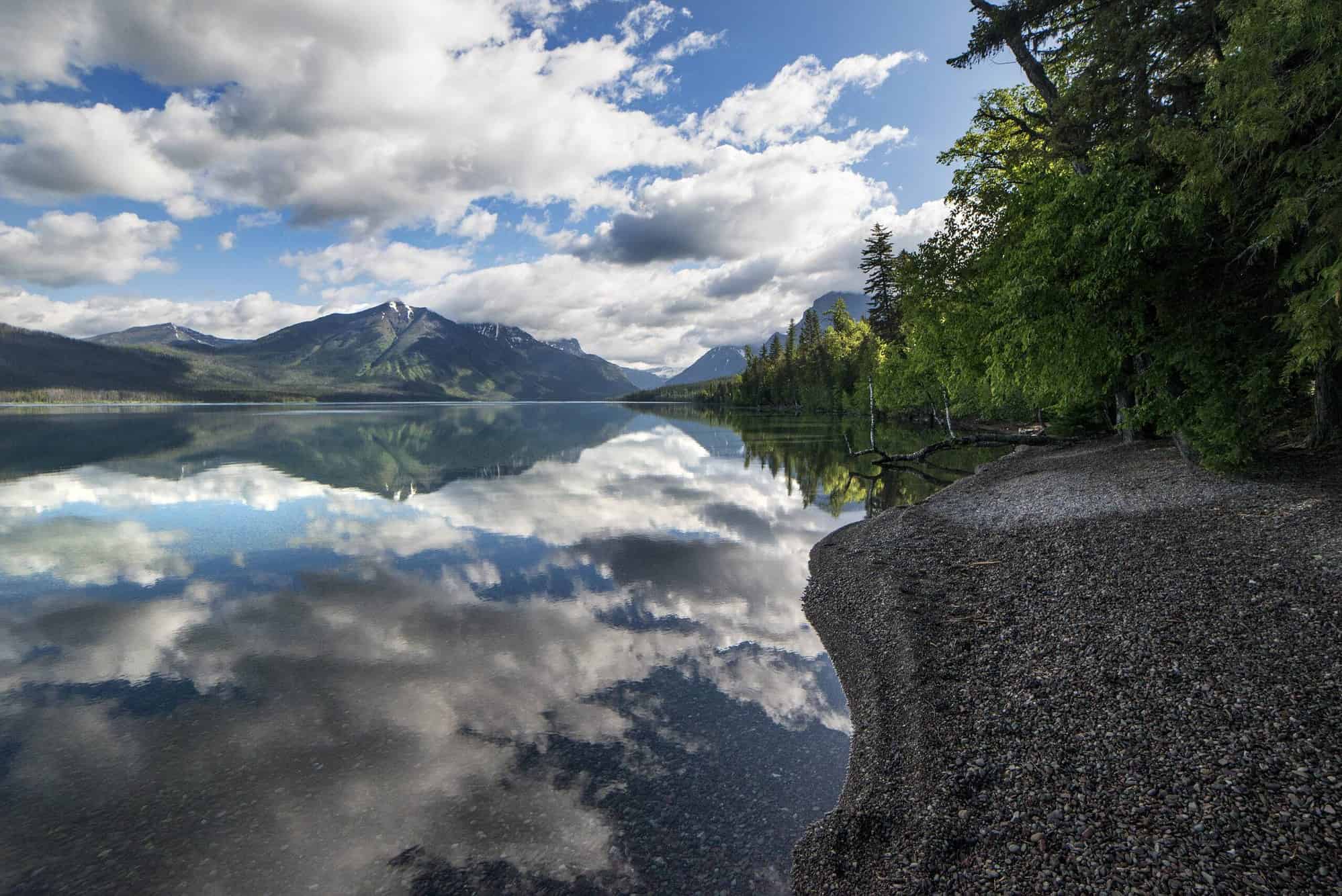
Summer is peak season for both weather and crowds. July and August deliver the best conditions: average highs in the low 80s°F, mostly clear skies, and every trail in the park accessible. The full 50-mile Going-to-the-Sun Road is typically open by early July, per NPS.gov.
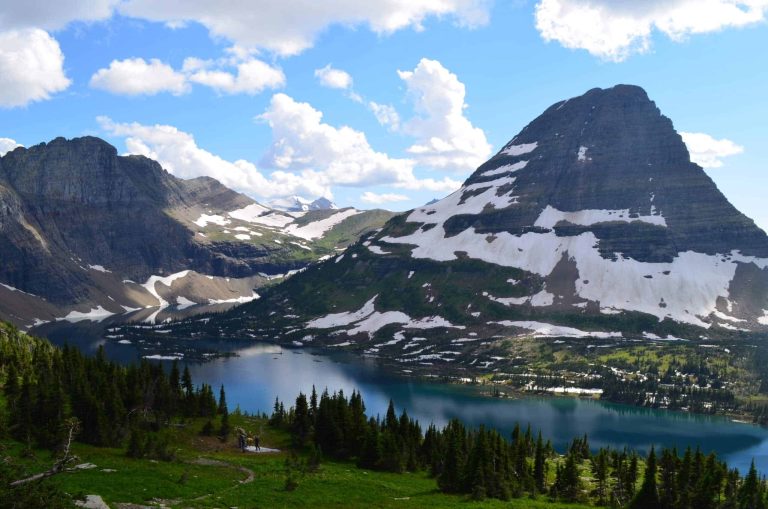
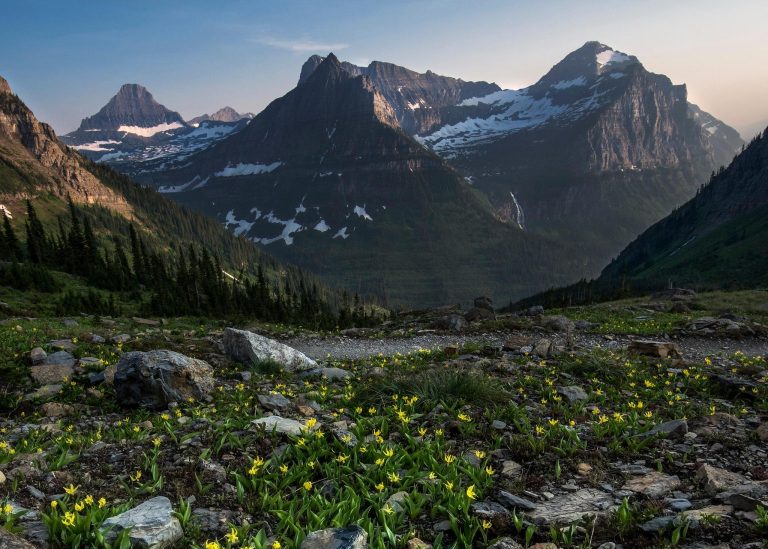
June is the rainiest month, with frequent afternoon thunderstorms at higher elevations. Mornings are cool (40s°F) and afternoons warm (~71°F). Snowfields still cling to high peaks, waterfalls are thundering from snowmelt, and mid-elevation wildflowers are near peak bloom. Logan Pass usually opens sometime in mid-to-late June, though exact dates vary each year.
July is the clearest and most reliably warm month. Average highs hit 81°F, occasional hot days reach 90°F, and the park is in full operation. The vehicle reservation system (required for GTSR entry, Apgar to St. Mary) is actively enforced — book through Recreation.gov up to 90 days in advance.
August is nearly identical to July in temperature (highs ~82°F) but carries one significant caveat: wildfire smoke. It is historically the driest month in the park, which increases wildfire risk across the Northern Rockies. In some years, smoke can reduce visibility and degrade air quality for days to weeks. In smoke-free years, August is exceptional. Check AirNow.gov before finalizing late-summer plans.
Fall: September–November
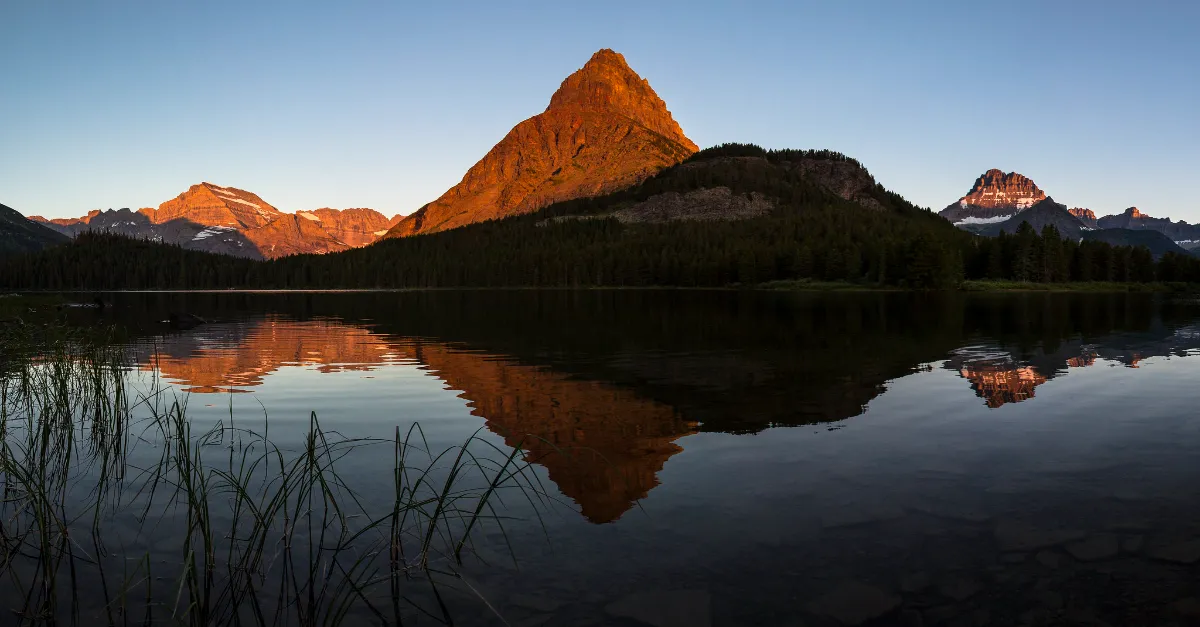
September is widely considered Glacier‘s best month. Crowds drop sharply after Labor Day, temperatures are ideal for hiking (highs ~70°F), wildfire smoke has typically cleared, and grizzly bears are hyperactive — gorging on berries and huckleberries before hibernation. The vehicle reservation system usually ends by early September, so GTSR access is reservation-free for the fall shoulder season.

Late September brings the park’s most spectacular seasonal event: western larch trees turn golden. These rare deciduous conifers — which drop their needles each fall — glow bright yellow against dark evergreens at Many Glacier, Two Medicine, and the North Fork Valley. Peak color typically occurs in the last week of September and first week of October, though it varies by year and elevation.
October begins with some of the best conditions of the year — larch at or near peak, comfortable hiking temperatures (highs mid-50s°F), and no crowds. By mid-month, the first significant snowstorms arrive and the Going-to-the-Sun Road closes to vehicles on the third Monday of October, per NPS.gov. Most lodges and campgrounds close for the season. Late October requires full flexibility — snow can end access without warning.

November transitions fully into winter. Temperatures drop to the 20s°F overnight, services shutter, and visitor volume falls to near-zero. The park remains open for prepared winter travelers, but this is not a casual shoulder-season visit. For east vs. west side considerations at any time of year, the east side vs. west side comparison breaks down the differences in detail.
Best Time to Visit Glacier National Park
The right month depends on your priorities. Each season offers a distinct experience — and each has trade-offs:
| Priority | Best Months | Why |
|---|---|---|
| All trails + GTSR access | July–September | Full road and trail access, best weather window |
| Peak wildflowers | Late May–Early July | Lower elevations first, alpine meadows by July |
| Larch fall color | Late September–Early October | 1–2 week peak, highly weather-dependent |
| Fewest crowds | October, April–May | Shoulder season — facilities open, access good |
| Wildlife viewing | September–October | Bears pre-hibernation; mountain goats at Logan Pass |
| Photography | September, Late May | Golden light, minimal haze, dramatic skies |
| Budget travel | April–May, October | Lower lodging rates, open campsites |
| Winter adventure | January–February | Snowshoeing, cross-country skiing, total solitude |
For most first-time visitors, late August through mid-September delivers the best blend of weather, full access, and reasonable crowds. The vehicle reservation system typically winds down, smoke risk decreases from its August peak, and trail conditions remain excellent through mid-October.
What to Pack by Season
Glacier’s weather can shift rapidly at any elevation. Even on warm summer days, Logan Pass (6,646 ft) typically runs 15–20°F cooler than the Apgar Valley. The NPS recommends the 10 Essentials on all hikes, per NPS.gov. Bear spray is mandatory on all backcountry trails.
| Season | Essential Gear | Key Notes |
|---|---|---|
| Summer (June–Aug) | Rain jacket, insulating mid-layer, sun protection, bear spray | Afternoon thunderstorms common; Logan Pass 15–20°F cooler than valley |
| Fall (Sep–Oct) | Insulated jacket, waterproof boots, traction devices (late Oct) | Early snowfall possible above 5,000 ft by late September |
| Spring (Mar–May) | Waterproof everything, gaiters, microspikes | Postholing through snow common on mid-elevation trails in April |
| Winter (Nov–Feb) | Snowshoes or skis, avalanche awareness gear, warm base layers | Register with rangers for any backcountry winter travel |

FAQ
What is the best month to visit Glacier National Park?
How cold does Glacier National Park get in winter?
When does the Going-to-the-Sun Road fully open?
Does Glacier National Park get wildfire smoke?
Is Glacier National Park open in winter?
What is the weather like in Glacier National Park in June?
How We Researched This Guide
- NPS.gov — Glacier National Park weather, conditions, operating hours, and seasonal road closure pages
- Long-term climate averages for West Glacier, MT (NOAA historical records and WeatherSpark data)
- Glacier Tourbase month-by-month visitor guides and seasonal field reports
- AllGlacier.com weather and seasons reference data
Temperature and precipitation figures are historical averages for West Glacier (3,154 ft elevation). Actual conditions vary significantly by year and elevation — Logan Pass runs 15–20°F cooler than the valley floor. Road opening dates shift annually based on snowpack. Always verify current conditions at nps.gov/glac before visiting.
Ready to plan your trip? Check current road conditions, closures, and active alerts on the official NPS website before you head to Glacier.