
Glacier National Park Itinerary: 1–7 Days & Longer Stays

Glacier National Park · Plan your days
A trip with room to enjoy it.
Choose a length, then adapt the days to your arrival side, accommodation and priorities. These are starting plans—not a promise to fit every stop.
How many days do you have?
Showing all 7 days. Pick a length to see only the days that fit.
Last updated September 6, 2026 How we research
Named pins show available locations. Lines are schematic, not driving directions; this map may not include every stop.
Choose one, two, three, four, five or six exploring days—or seven plus extra ideas for a longer stay. Each length uses the day-by-day sequence below. Add the outline to My trip, or save individual places without adopting the whole route. The outing cards include alternatives, not a checklist to finish.
This sequence assumes a west-side arrival, an east-side overnight after the road day and the relevant seasonal roads open. Reverse or adapt it for an east-side arrival. Arrival and departure days are not automatically full sightseeing days. Decide the overnight bases and return transport before copying the sequence.
Pick one main commitment per day. A substantial hike replaces other outings; a long transfer uses part of the day. The linked cards are choices to investigate, not instructions to complete every place shown. Read current road and trail notices before using any plan.
Day 1 The road corridor
One day: let Going-to-the-Sun Road be the experience
Forest, lakeshore and high mountain views—with a few chosen stops, not every stop.
- 1 focusroad and selected stops
- Chooseovernight endpoint
- Flexibleturnaround and fallback
Start with the endpoint. If continuing this multi-day sequence, arrange an east-side overnight and use the road day to move toward it. If your only night is on the west side, plan an out-and-back and choose a turnaround; the return journey is part of your day.
Begin with a brief orientation or shore stop around Apgar if it fits your arrival. Then choose a few safe, legal pullouts along the road. Logan Pass is an optional stop when parking and conditions allow, not a fixed appointment the entire day depends on.
Do not attach Avalanche Lake, Hidden Lake and a boat booking to a full crossing. If a hike is your priority, shorten the drive or give the hike another day. Keep time for meals, queues, breaks and the journey to your accommodation.
If the alpine crossing is unavailable, choose an accessible lower-elevation area on your arrival side instead. A Lake McDonald shore visit can be a complete west-side introduction without reaching Logan Pass. Check access to the actual place rather than assuming the whole park is either open or closed.
- No vehicle reservation is required in Glacier in 2026. Entrance fees and separate bookings still apply.
- Road, trail and service access are separate checks. Confirm the current official status before the outing.
With kids: Choose one brief outing that fits the group, with food and rest breaks. A lakeshore visit does not need to include entering the water.
Overnight plan after day 1
For this multi-day sequence, book suitable east-side accommodation in advance. For a west-side return, use your existing west-side booking and reduce the drive.
Day 2 Many Glacier
Day two: give Many Glacier its own day
Choose a lakeside visit or one substantial hike—not all the valley’s famous trails.

- Choose onemain outing
- East sidebase to compare
- Checktrail and return
From an east-side base, approach Many Glacier as a separate valley day. Confirm access and parking before committing to a trail. A west-side overnight changes this plan: include the transfer explicitly or choose a closer outing instead.
For a lighter day, focus on the valley and a walk matched to your group. For a hiking day, choose one trail, check its current condition and allow time at your own pace. Grinnell Glacier and Iceberg Lake are alternatives, not a pair to tick off.
If a concession boat would shorten a hike, confirm the exact service, operating dates and ticket arrangements. Do not make an unverified boat departure essential to returning safely.
Leave energy for the return to your base. If the lot or trail is unavailable, reduce the commitment rather than circling indefinitely or parking where it is not allowed. Take the scenery as a worthwhile result without needing a wildlife sighting.
- Check the current trail report and closures; a past visit or open road does not establish trail access.
With kids: A valley visit can be worthwhile without a demanding mountain hike. Choose the route for the least experienced person and keep children close near water.
Overnight plan after day 2
Many Glacier CampgroundCheck this property’s dates, location and booking terms.Open the stop →
Stay on the east side if tomorrow also focuses there. The campground is one option to check, not a claim of availability or a reservation.
Day 3 St. Mary and the eastern road
Day three: a walk, a viewpoint and time to breathe
Keep the eastern side together, or use part of the day to return west.

- One outingplus nearby stops
- Allow timeif returning west
- Separateoverlook from lake
Choose a St. Mary-area walk or a Logan Pass outing according to conditions and your priorities. These are alternatives for the main part of the day. A waterfall walk still involves terrain and a return journey; check the specific trailhead rather than borrowing a distance from another starting point.
If choosing Hidden Lake Overlook, plan for a climbing walk, not a quick flat boardwalk stroll. The overlook and the lake below it are different outings. Match the turnaround to your own pace and to any parking or transport deadline.
If this is your last day and you must return west, protect time for that transfer. Drop an outing rather than rushing the hike to meet an evening commitment. If staying longer, an east-side overnight can keep tomorrow’s Two Medicine approach more manageable.
Prefer a quieter day? Keep to a viewpoint and a short outing that are actually accessible. A day does not need a major trail to justify being in Glacier.
- Logan Pass private-vehicle parking is limited to three hours during July 1–September 7, 2026. Read the official permit and shuttle rules.
With kids: Choose one walk with a realistic turnaround. Treat waterfall edges and slippery surfaces seriously; a short distance is not a safety rating.
Overnight plan after day 3
Rising Sun CampgroundCheck this property’s dates, location and booking terms.Open the stop →
Compare an east-side booking that fits the next day. Check the exact campground’s current operation and reservation requirements; do not assume a same-day site.
Day 4 Two Medicine
Day four: a different valley, not a detour
Make Two Medicine the day’s destination and check construction before selecting a walk.

- One valleydedicated day
- Check first2026 construction
- Choosewalk or boat
Use Two Medicine as a dedicated southeast-area day. Choose a shore-focused visit, a shorter walk or a longer trail according to the group. Scenic Point is an alternative hiking commitment, not an automatic addition to a relaxed lake day.
Check current construction and trailhead notices before choosing a route. In 2026, the North Shore trailhead is affected by construction; use the official instructions rather than following an old starting point or improvising a stream crossing.
If a boat outing appeals, verify its actual season, departure point, booking and return arrangements. Decide how it changes the rest of the day before paying for it.
Choose the overnight location around tomorrow’s move west. Do not assume a campground is operating because its valley is accessible, and do not postpone finding somewhere to sleep until after a long outing.
- Check the current trail report and closures; a past visit or open road does not establish trail access.
With kids: A shore visit or a short suitable walk can be enough. Check the exact path and conditions; construction detours may change the commitment.
Overnight plan after day 4
Book a suitable southeast/east-side base or arrange the westward transfer. Check the specific overnight provider rather than using a general area pin.
Day 5 West-side return and Lake McDonald
Day five: move west, then slow down
Let the transfer and the lakeshore be enough—or give a hike its own full day.
- Transferuses part of the day
- Or hikewhen you have time
- West sideovernight focus
Move to the west side using a route that is open and appropriate for your vehicle. Include packing, checkout and the transfer before choosing the afternoon. A lower-commitment shore visit is a useful arrival plan.
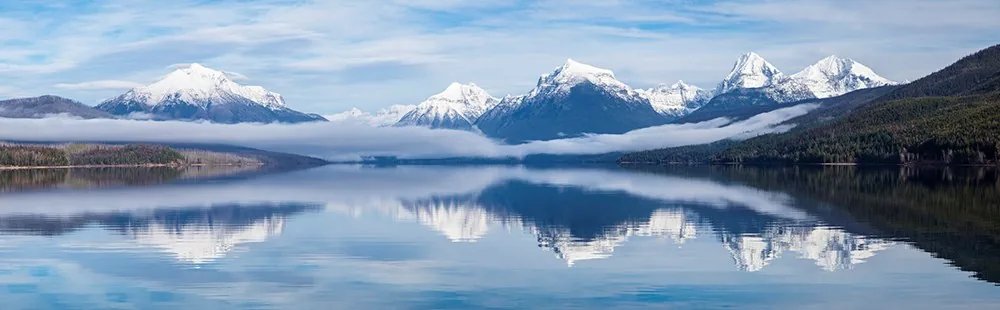
Apgar and Lake McDonald Lodge are different locations along the lake. Choose the place that fits the time you have instead of treating every lakeshore access point as one stop. Confirm seasonal services and use designated parking.
If you are already based west and have a full day, consider the Avalanche area instead of a transfer-day shore plan. Trail of the Cedars and the Avalanche Lake hike are different commitments. The latter climbs; it is not a nearly flat extension that every visitor can casually add.
The site owner’s August 2024 notes found the cedar forest memorable in its own right. Use that as a reason to notice the setting—not as proof of today’s trail condition, parking availability or how fast your group will finish.
- The 2026 Logan Pass shuttle does not serve Avalanche Lake or Trail of the Cedars.
With kids: Keep the lakeshore visit separate from any swimming decision. For the trail alternative, check accessibility and route details for the actual outing.
Overnight plan after day 5
Apgar CampgroundCheck this property’s dates, location and booking terms.Open the stop →
A west-side overnight supports this area and a possible North Fork day. Compare current campground or lodging availability and terms before relying on it.
Day 6 North Fork option
Day six: choose a remote-area day—or keep it local
A longer stay gives you choices, not an obligation to reach every corner.

- Optionalremote-area day
- One lakenot two by default
- Prepareoffline and fuel
Consider the North Fork only if the road conditions, your vehicle and your group suit a more remote day. Check current access and vehicle restrictions. Do not rely on cell service to solve the route or a breakdown after you arrive.
Choose one lake destination rather than automatically combining Bowman and Kintla. Travel on rougher roads, parking and time by the water can fill the day without a second remote drive.
Prepare food, water, fuel and downloaded information before heading out. Confirm any business hours you intend to depend on. Turn back or use a west-side alternative if road conditions or fatigue make the trip a poor fit.
If remoteness is not what you want, this can instead be a local lakeshore or town day. The extra time has value even when it produces fewer miles.
- NPS reports no fueling stations within Glacier’s boundaries. Fuel before entering.
With kids: Choose this only if the travel and facilities suit the family. A closer day can be a better choice than spending the day managing a tiring remote drive.
Overnight plan after day 6
Apgar CampgroundCheck this property’s dates, location and booking terms.Open the stop →
Use a confirmed west-side overnight unless a separate, verified remote camping plan is your intention. A lake visit does not imply permission or space to camp.
Day 7 Your flexible final day
Day seven: leave room for the trip you actually had
Return to a favorite place, enjoy a town or keep time for departure.

- Keep roomweather or rest
- Choose onerepeat or town
- Protectdeparture time
Keep this day flexible for a missed experience, a slower repeat visit or time in Whitefish. Select one that fits your overnight location, energy and departure plans. These are alternatives, not a final-day sweep of the region.
If returning to the road, select stops for your direction of travel and use only safe, legal access. Do not assume a stop is unavailable from one direction or safe to cross to without checking its actual layout.
For a paid activity or rental, check the operator’s current conditions and return deadline. For a flight or long onward drive, allow the departure itself to be the day’s main commitment.
A spare day may become necessary when weather, smoke or trail access changes. That is not a failed itinerary; it is why the plan leaves room to adapt.
With kids: Repeat a place the group enjoyed or choose a low-commitment outing near the base. Do not make the last day a catch-up race.
Overnight plan after day 7
Lake McDonald LodgeA different access point from Apgar; check seasonal services.Open the stop →
Choose the last overnight around your onward journey and confirmed booking. A lakeside stay is an option, not a requirement.
Check the pieces your plan depends on
References reviewed September 5, 2026. These are planning checks, not live conditions; follow the current official links before travel.
- No vehicle reservation is required in Glacier in 2026. Entrance fees and separate bookings still apply.
- Road, trail and service access are separate checks. Confirm the current official status before the outing.
- Check the current trail report and closures; a past visit or open road does not establish trail access.
- Logan Pass private-vehicle parking is limited to three hours during July 1–September 7, 2026. Read the official permit and shuttle rules.
- The 2026 Logan Pass shuttle does not serve Avalanche Lake or Trail of the Cedars.
- NPS reports no fueling stations within Glacier’s boundaries. Fuel before entering.
- Glacier water can be dangerously cold even in summer. A previous swim is not evidence that a lake is safe for your group.
- Check the official Going-to-the-Sun Road length, width and height guidance for your actual vehicle and route.
7+ DAYS / GO DEEPER, NOT JUST FASTER
Staying longer? Add a place that gives the trip something different.
Keep the seven-day outline as a starting point, then choose extra outings around your base, energy and current access. These are optional additions for a longer stay—not three more stops to squeeze into day seven.
Johns Lake Loop
Consider another west-side trail rather than making a second cross-park transfer. NPS lists a three-mile loop from Johns Lake Trailhead with 160 feet of elevation gain. Check the current route and trail notices before setting out.
How it fits: a separate walk on a west-side day; do not count it as part of an Apgar shore stop.
Rocky Point
Look into this Lake McDonald-area walk when you want a different shoreline perspective. NPS lists its trailhead north of Fish Creek Campground and a distance of 1.1 miles one way.
How it fits: compare it with your other lake outing, rather than assuming you need both.
Cracker Lake
For a longer Many Glacier stay, investigate this substantial hike from the south end of the Many Glacier Hotel parking lot. NPS lists 6.4 miles one way and 1,400 feet of elevation gain.
How it fits: give it its own hiking day. It is an alternative to another demanding hike, not an extra after Grinnell Glacier or Iceberg Lake.
Distances above are NPS route references, not live trail-status reports. Check current trail notices. Another lake afternoon, weather recovery or rest can be a better use of an extra day than adding distance.
Questions people ask before a Glacier trip
Is one day enough for Glacier National Park?
One day can be worthwhile when you choose one area or make the road the main event. It is not enough to promise the full drive, multiple substantial hikes and a timed boat outing. Decide the endpoint and leave room for the return.
How many days should I plan?
Use the experiences you most want to set the length. Three days can separate the road and an eastern valley; five or seven days can add areas and flexibility. These are editorial starting points, not a required minimum or a guarantee of access.
Do these days have to happen in this order?
No. The example assumes west-side arrival and planned overnight moves. Adapt it for your arrival side, bookings and road conditions. Group nearby outings and protect travel time rather than copying the numbering blindly.
What if Going-to-the-Sun Road is not fully open?
Choose accessible areas on your arrival side, or verify an outside route when moving between bases. Do not assume that an alpine closure closes the entire park or that an old cross-park plan still works.
Can I use this itinerary without a car?
Not unchanged. Verify every transfer, boarding point and return. The 2026 Logan Pass service is not a hop-on tour of all the listed stops and does not serve Avalanche or Trail of the Cedars.
Should I book accommodation on both sides?
Compare the travel saved with packing and check-in time. One move can help when several days genuinely use each side; one base can work better for a focused trip.
Planning guidance and linked official references were reviewed September 5, 2026. The specifically labeled cedar-forest impression comes from the site owner’s August 2024 visit. Other day suggestions are editorial planning judgments, not claims that the owner personally completed this itinerary or guarantees of conditions.
