Glacier National Park in September: Fall Shoulder Season Guide
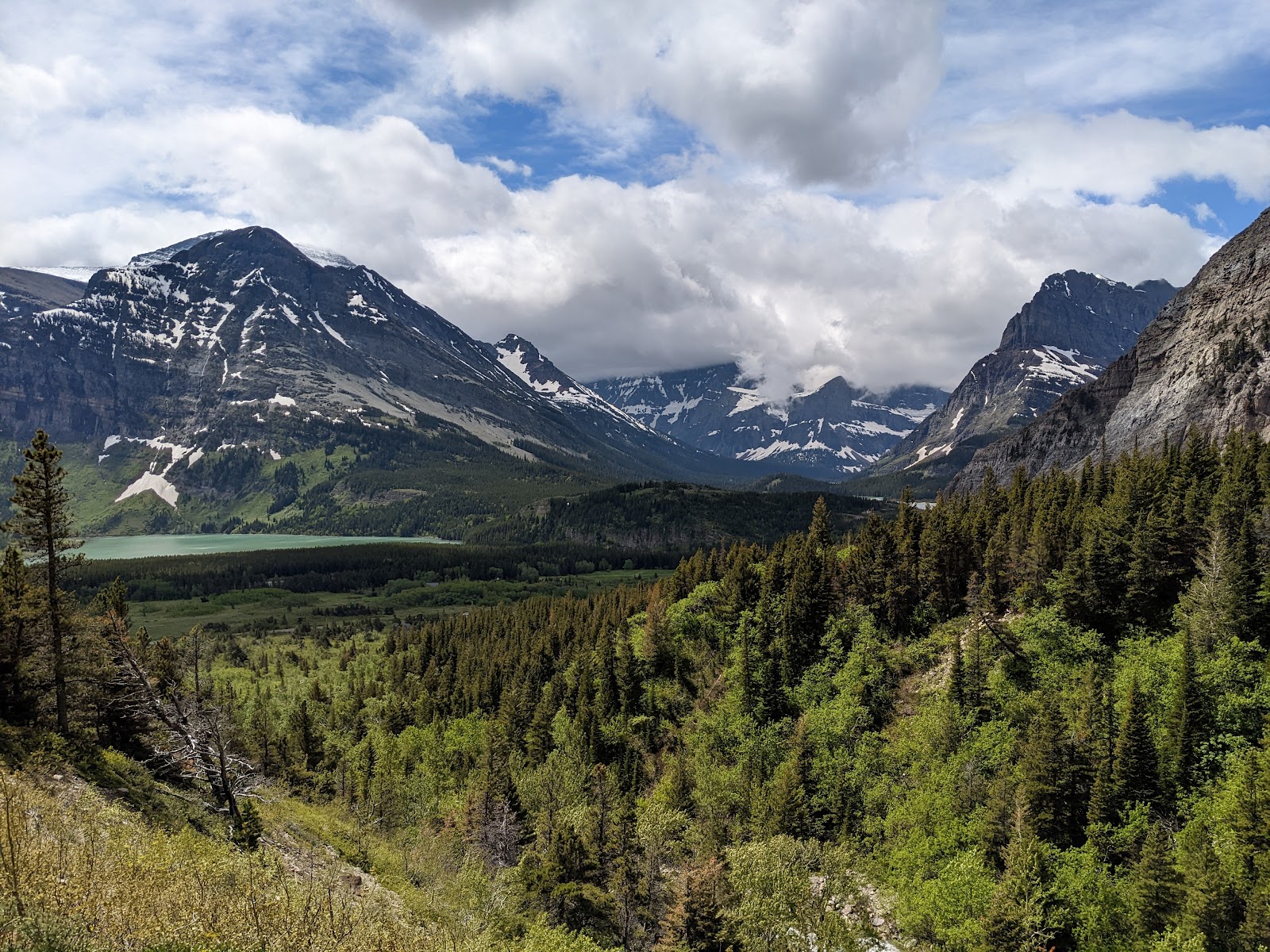
September is the best month to visit Glacier National Park if you want summer access with dramatically reduced crowds. Visitor numbers drop sharply after Labor Day, Going-to-the-Sun Road stays fully open, and the park’s famous western larch trees begin their golden transformation — all simultaneously.
Temperatures average 63°F during the day and 40°F at night, per NPS.gov. Precipitation averages just 1.7 inches for the month. Most hikers find these conditions ideal — cool enough to push hard, warm enough to enjoy the views without overheating on every climb.
- Entrance fee: $35 per private vehicle (America the Beautiful Annual Pass: $80/year)
- Going-to-the-Sun Road typically stays open through mid-to-late October — drivable all of September
- Crowds drop sharply after Labor Day — Logan Pass parking available at 7 AM mid-month
- Larch trees peak late September to early October along Lake McDonald Valley and Highway 2
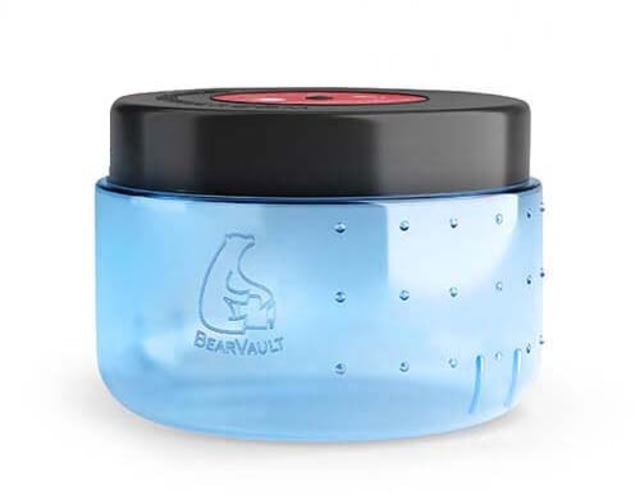
- Bears in hyperphagia (intensive feeding) — prime viewing month; carry bear spray
- Many Glacier Hotel closes September 21; Lake McDonald Lodge closes September 28
- Pack layers: highs to 70°F but Logan Pass can drop to 30°F with wind
September Weather at Glacier
Lower elevations average highs of 63°F (17°C) and lows of 40°F (4°C) in September. Logan Pass, at 6,646 feet, runs about 10–15°F colder — expect highs in the low 50s and lows in the mid-30s. Precipitation averages just 1.7 inches spread across about 3 days of measurable rain or snow, per NPS.gov.

| Location | Avg High | Avg Low | Snow Risk |
|---|---|---|---|
| West Glacier / Apgar | 63°F (17°C) | 40°F (4°C) | None early Sept; possible late Sept |
| Many Glacier Valley | 58°F (14°C) | 36°F (2°C) | Light snow possible after mid-Sept |
| Logan Pass (6,646 ft) | 52°F (11°C) | 32°F (0°C) | Possible any time in September |
| Two Medicine | 60°F (16°C) | 38°F (3°C) | Light dusting possible late September |
Weather shifts fast at any elevation. A sunny 68°F morning at St. Mary can turn to a 45°F rain squall at Logan Pass within hours. Early September is the most stable window; by late September, high-elevation trails may carry light snow that melts within a day. Wildfire smoke — common in August — typically clears by September.
Crowds and Parking
September 2024 set a visitation record with 602,339 visitors, per NPS Park Statistics. That said, post-Labor Day crowds drop dramatically versus July and August (749,000+ per month). The critical difference: Logan Pass parking has available spots at 7 AM in mid-September. In August, that lot fills by 6 AM or earlier.
The Going-to-the-Sun Road corridor no longer requires timed-entry vehicle reservations in September (that system ended in 2024). Park at Logan Pass, Avalanche Creek, or St. Mary Visitor Center without the early-morning scramble that defines August visits. Apgar Visitor Center parking is far more relaxed after Labor Day.
Going-to-the-Sun Road in September
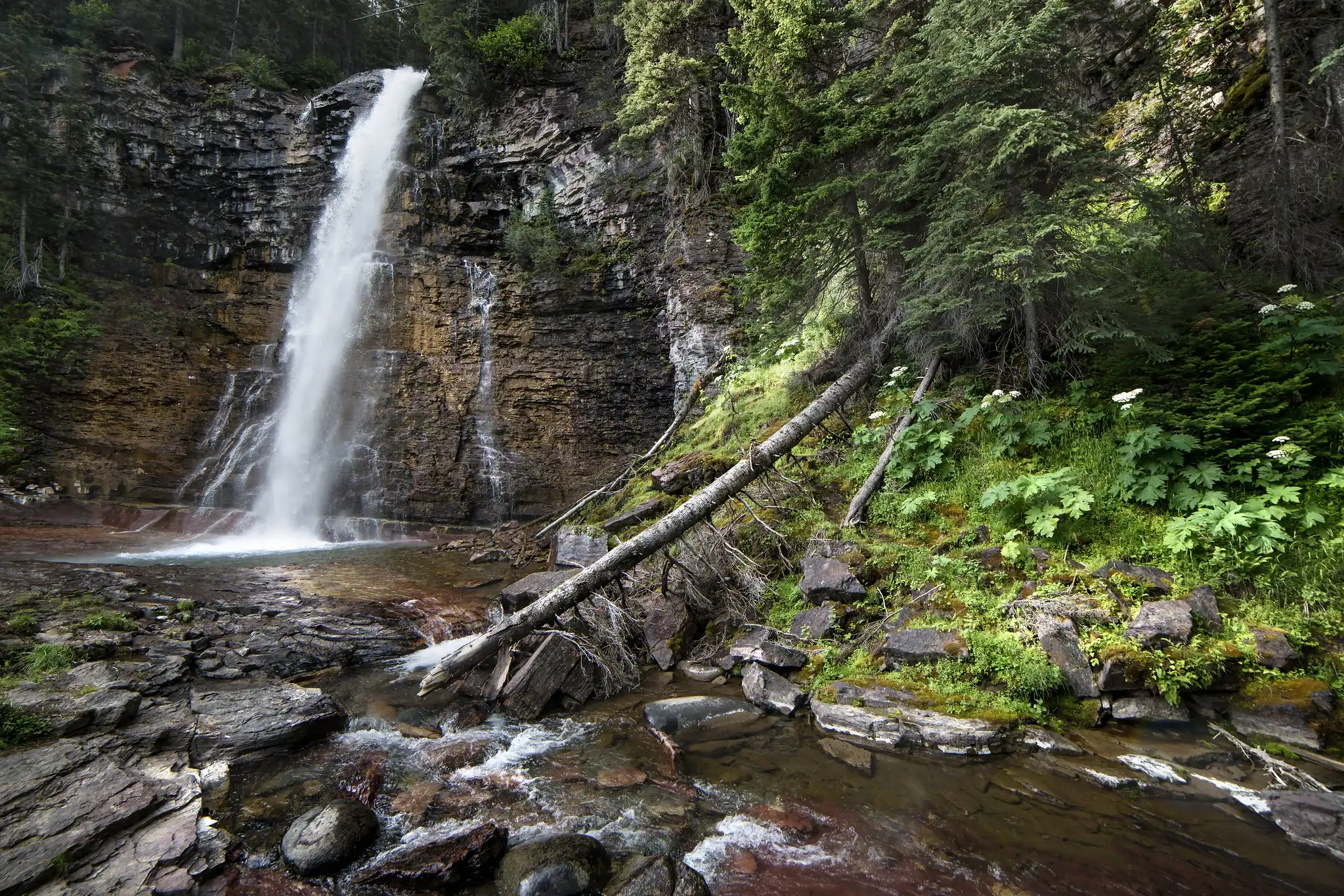
Going-to-the-Sun Road typically remains fully open throughout September and into mid-to-late October, weather permitting, per NPS.gov. An early-season snowstorm can cause a temporary closure, but the road re-opens once plowed. Check NPS Current Conditions or call 406-888-7800 before your drive.
Some links below are affiliate links.
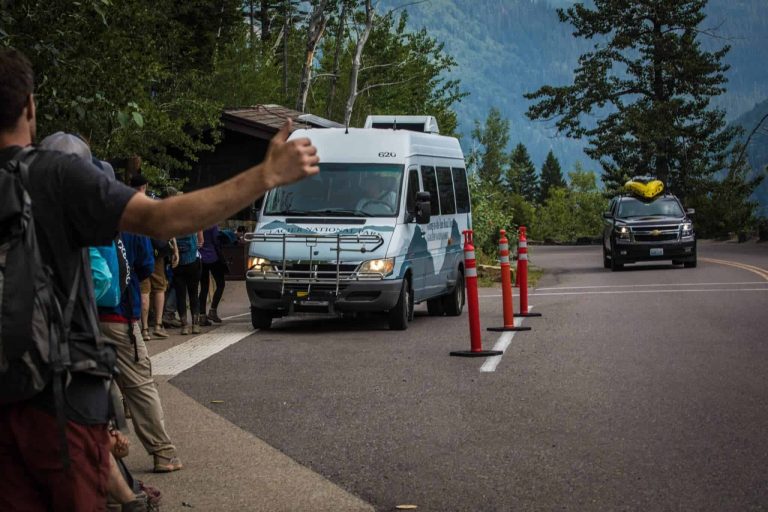
The NPS Going-to-the-Sun Road shuttle runs through late September. West Side shuttles operate through approximately September 28; the Many Glacier hiker shuttle runs through September 21. These dates are weather-dependent — confirm at the Apgar Transit Center on arrival. September shuttle frequency drops to 20–30 minute intervals versus 10–15 minutes in peak summer.

For visitors who prefer not to drive the narrow 52-mile alpine road, the shuttle strategy works well: board at the Apgar Transit Center (free), ride to Logan Pass, hike the Highline Trail in either direction, and catch a return shuttle. No parking anxiety on cliff edges required.
Fall Colors: The Golden Larches
Western larch trees (Larix occidentalis) are Glacier’s most dramatic fall feature. Unlike standard evergreens, larches are deciduous conifers — they turn brilliant golden yellow before dropping their needles each fall. Entire mountainsides transform almost overnight in late September, creating one of the most spectacular fall color shows in the American West, per the Glacier National Park Conservancy. Peak color runs from late September through early October.
| Location | Peak Color Window | Access |
|---|---|---|
| Lake McDonald Valley | Late Sept – Early Oct | Going-to-the-Sun Road |
| Highway 2 south corridor | Late Sept – Mid-Oct | Drive-by; no hiking required |
| Bowman Lake area | Early – Mid-Oct | Unpaved road, passable in Sept |
| Two Medicine Area | Late Sept – Early Oct | East side access road |
| Kintla Lake | Early – Mid-Oct | Remote; long dirt road |

Some links below are affiliate links.
Many of the best larch views require no hiking — the Lake McDonald Valley and Highway 2 corridor display large stands from the road. September visitors catch the very beginning of the transition; the full golden peak arrives in early October. In the last week of September, you will see patches of gold beginning to appear through the green canopy, intensifying daily.


Wildlife in September
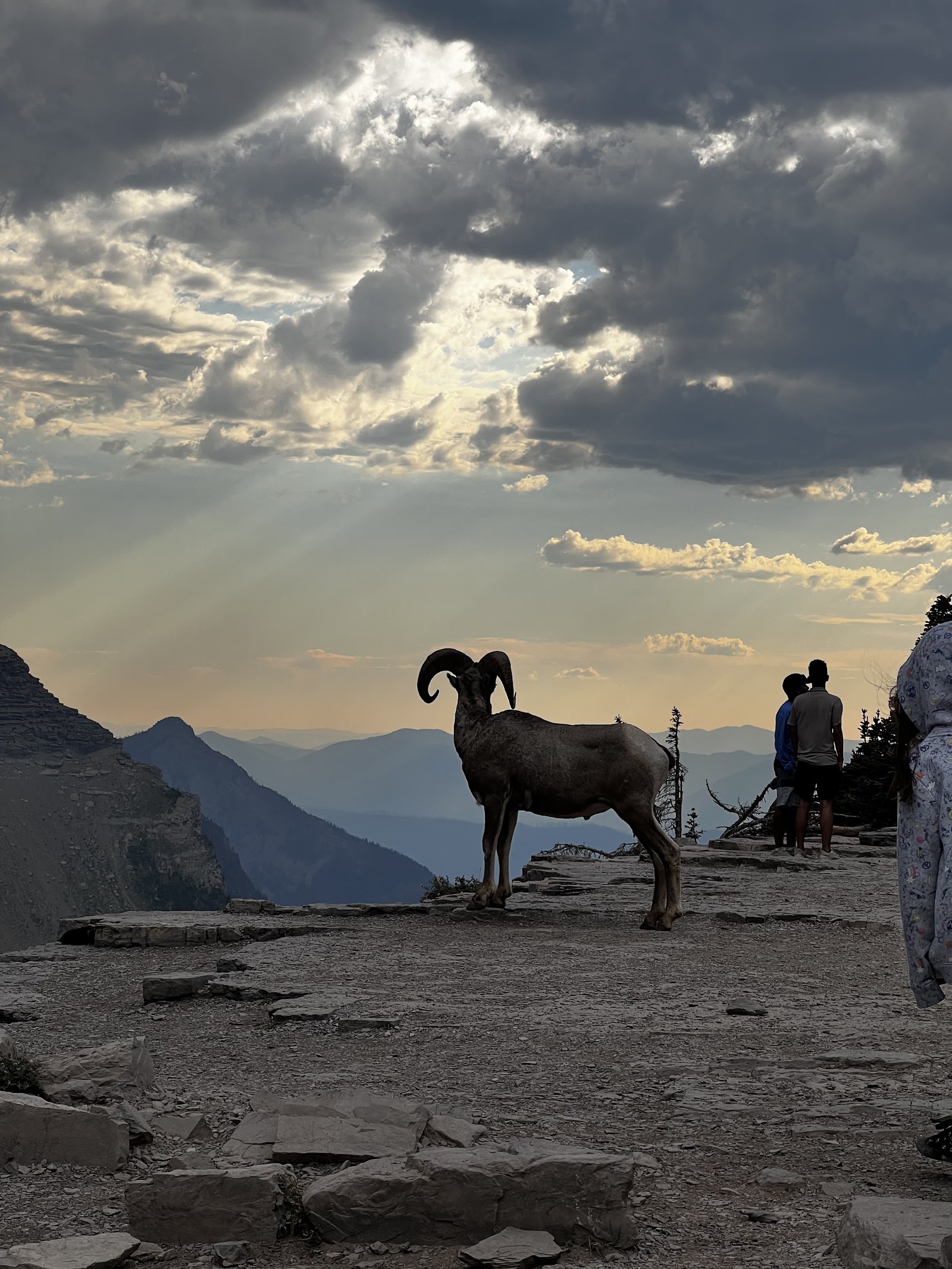
September is one of the most productive wildlife viewing months in Glacier. Grizzly bears and black bears are in hyperphagia — their intensive pre-hibernation feeding phase — making them more active and visible than at any other time of year, per the Glacier National Park Conservancy. Bears forage in berry fields near Logan Pass and throughout the Many Glacier Valley.

Elk and moose enter their breeding season (rut) starting mid-September through mid-October. Bull elk bugle at dawn and dusk — their calls carry across entire valleys. Moose are highly active near McDonald Creek (known locally as “Moose Alley”) and around Fishercap Lake in the Many Glacier area. Rutting animals are agitated; give them more space than usual and never approach.
| Species | September Activity | Best Locations |
|---|---|---|
| Grizzly Bear | Hyperphagia — most active and visible all year | Many Glacier Valley, Logan Pass meadows |
| Black Bear | Intensive berry feeding | Lake McDonald corridor, Two Medicine |
| Elk | Rut starts mid-month; bugling active at dawn/dusk | North Fork area, Two Medicine |
| Moose | Breeding season — most visible at dawn and dusk | McDonald Creek, Fishercap Lake |
| Bighorn Sheep | Active on rocky slopes | Logan Pass, Highline Trail |
| Mountain Goat | Active at higher elevations | Hidden Lake Overlook, Logan Pass cliffs |

Best Hikes for September
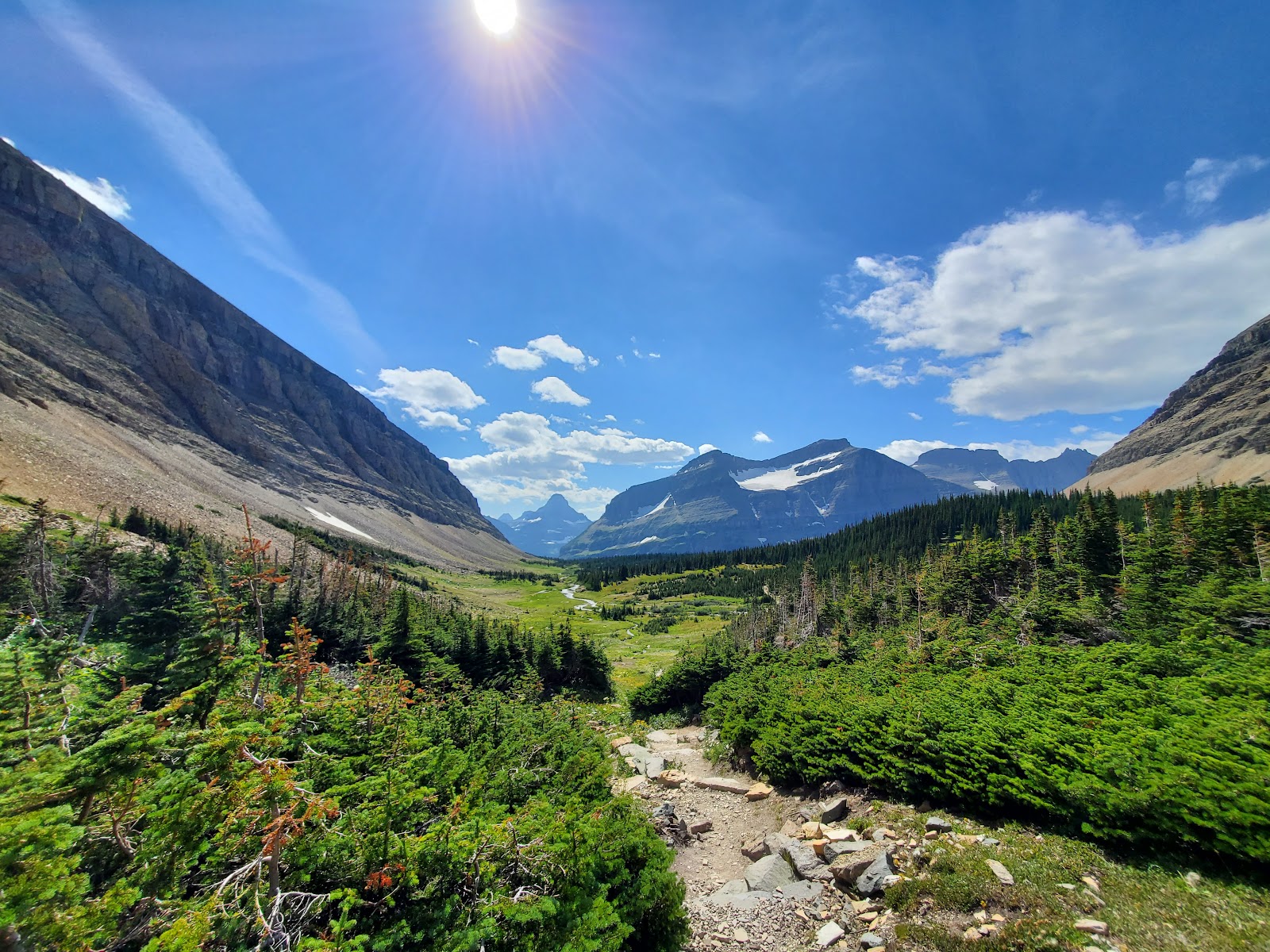
The vast majority of Glacier’s 700+ miles of trails remain fully accessible through September. Lower-elevation routes near Lake McDonald, Apgar, and Two Medicine are snow-free all month. High-elevation trails like the Highline and Siyeh Pass are generally clear through mid-September; light snow is possible late in the month but typically melts within a day. Check NPS Trail Status Reports for real-time conditions.
| Trail | Distance | Difficulty | September Highlight |
|---|---|---|---|
| Highline Trail | 11.4 mi one-way | Moderate | Mountain goat sightings, full views, manageable crowds |
| Iceberg Lake Trail | 9.7 mi RT | Moderate | Bear activity near trail; gorgeous alpine basin |
| Grinnell Glacier Trail | 10.6 mi RT | Moderate–Hard | Wildlife viewing; far fewer hikers than summer |
| Siyeh Pass Trail | 10.6 mi point-to-point | Hard | Best panoramic views in the park |
| Hidden Lake Overlook | 2.7 mi RT | Easy–Moderate | Alpine lake, mountain goats on the trail |
| Running Eagle Falls | 0.6 mi RT | Easy | Short walk through Two Medicine autumn scenery |
Backcountry permits for September are significantly easier to obtain than in summer. Walk-up permits are available at Apgar and St. Mary ranger stations most days. For advance reservations, Recreation.gov releases permits four months in advance. The fire lookout hikes are particularly rewarding in September — staffing has ended, so you often have the towers entirely to yourself. Many Glacier is the top pick for combining high wildlife density with manageable trail distances.
Lodging and Facilities: What Stays Open

Historic in-park lodges operate on a closing schedule in September. Many Glacier Hotel closes September 21, 2026. Lake McDonald Lodge closes September 28, 2026, per Glacier National Park Lodges. Book early — early September availability compresses as summer visitors extend into the shoulder season.
| Facility | September Status | 2026 Closing Date |
|---|---|---|
| Lake McDonald Lodge | Open all month | September 28 |
| Many Glacier Hotel | Open early Sept; closes mid-month | September 21 |
| Apgar Visitor Center | Open (reduced hours) | Late October |
| St. Mary Visitor Center | Open | October |
| West Side Shuttle | Running | ~September 28 |
| Many Glacier Shuttle | Running early Sept | September 21 |
| Apgar / Fish Creek Campgrounds | Open | Mid-October (varies) |
After in-park lodges close, base yourself in West Glacier (5 minutes from the west entrance) or Whitefish (30 miles west). Booking 3–4 weeks out is sufficient for late September — a sharp contrast to the 6–12 month advance booking required for peak summer lodge availability.
What to Pack for September
The core strategy is layering. Mornings at Many Glacier can start at 35°F with frost, warm to 60°F by noon, and drop again with afternoon wind at Logan Pass. A three-layer system — moisture-wicking base, fleece mid-layer, waterproof shell — handles the full range. Cotton loses insulation when wet; use synthetic or merino wool for all base and mid-layers.
| Category | September Essentials |
|---|---|
| Clothing | Moisture-wicking base layers, fleece jacket, waterproof/windproof shell, warm hat and gloves |
| Footwear | Waterproof hiking boots with ankle support for rocky terrain |
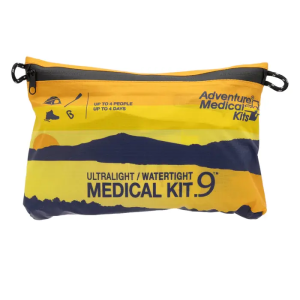
| Safety | Bear spray (backcountry required), first aid kit, headlamp with extra batteries |
| Navigation | Downloaded offline maps — cell service is spotty inside the park |
| Sun protection | Sunscreen SPF 50+, sunglasses, buff or sun hat |
| Water | Water filter or purification tablets, minimum 2L capacity |

FAQ
Is September a good time to visit Glacier National Park?
Is Going-to-the-Sun Road open in September?
When do the larch trees turn golden in Glacier?
How cold is Glacier National Park in September?
Do I need a reservation for Glacier National Park in September?
Which Glacier lodges are open in September?
How We Researched This Guide
- NPS.gov/glac — official weather, entrance fees, road and trail status data
- Glacier National Park Lodges (glaciernationalparklodges.com) — 2026 operating dates
- NPS Park Statistics — September 2024 visitation record (602,339 visitors)
- Glacier National Park Conservancy (glacier.org) — larch color timing and wildlife behavior
- NPS Logan Pass opening and closing date archives — historical road data
- NPS Trail Status Reports — seasonal trail condition data
Lodge closing dates and shuttle end dates are subject to change annually. Verify current dates at NPS.gov/glac or by calling 406-888-7800. Larch peak color varies by 1–2 weeks depending on annual temperatures and early frost timing.
Ready to visit Glacier in September? Browse our full trip-planning resources for trails, lodging options, and what to see first.