Glacier National Park in May: Weather, Trails & What to Expect
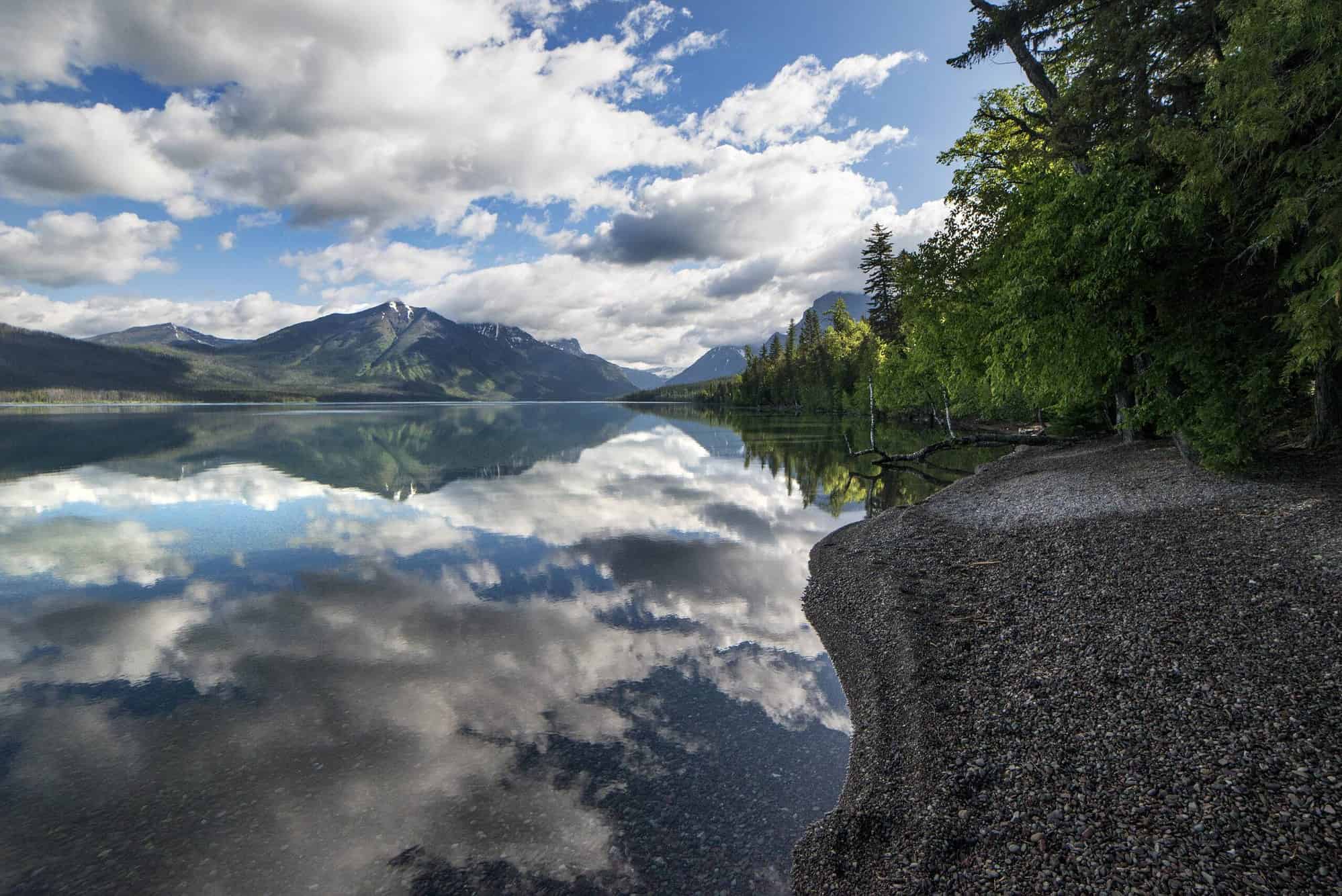
May is one of the best-kept secrets in Glacier National Park — you’ll have trails nearly to yourself, bears are actively foraging after hibernation, snowmelt-fed waterfalls roar at full volume, and cyclists claim Going-to-the-Sun Road before cars arrive. The trade-offs are real: most lodges inside the park stay closed until June, weather swings 30°F in a single day, and high-elevation trails remain buried in snow.
Entrance fees are $35 per vehicle per NPS.gov. No timed entry vehicle reservations are required in 2026 — the permit system was suspended this year, making May logistics simpler than recent summers.
- Entrance fee: $35/vehicle. No timed entry permits required in 2026.
- Going-to-the-Sun Road is plowed but closed to vehicles — peak window for cyclists.
- Temperatures: 48–67°F highs, 29–35°F lows. Layer for 30°F daily swings.
- Most park lodges and restaurants stay closed until June — plan food in gateway towns.
- 90%+ fewer visitors than peak season. Wildlife and waterfalls are at their best.
- Accessible trails: Avalanche Lake, Apikuni Falls, Swiftcurrent Nature Trail. High elevations still snow-covered.
Some links below are affiliate links.
Some links below are affiliate links.
Weather & Conditions in May
Glacier in May runs cold in the mornings and surprisingly warm by afternoon. Early May averages highs near 48°F and overnight lows around 29°F. By late May, afternoon highs climb to 67°F while nights still dip to 35°F. Any given day carries roughly a 38% chance of rain or snow per climate-data.org.
The defining challenge is the 30°F daily swing. A hike that starts frosty at 7 a.m. can end in shirtsleeves by noon — and turn back to sleet by 3 p.m. Layering isn’t optional; it’s the core strategy for staying comfortable all day.
| Period | Avg High | Avg Low | Rain/Snow Chance |
|---|---|---|---|
| Early May | 48°F (9°C) | 29°F (−2°C) | ~38% |
| Mid-May | 65°F (18°C) | 32°F (0°C) | ~38% |
| Late May | 67°F (19°C) | 35°F (2°C) | ~35% |


Going-to-the-Sun Road in May
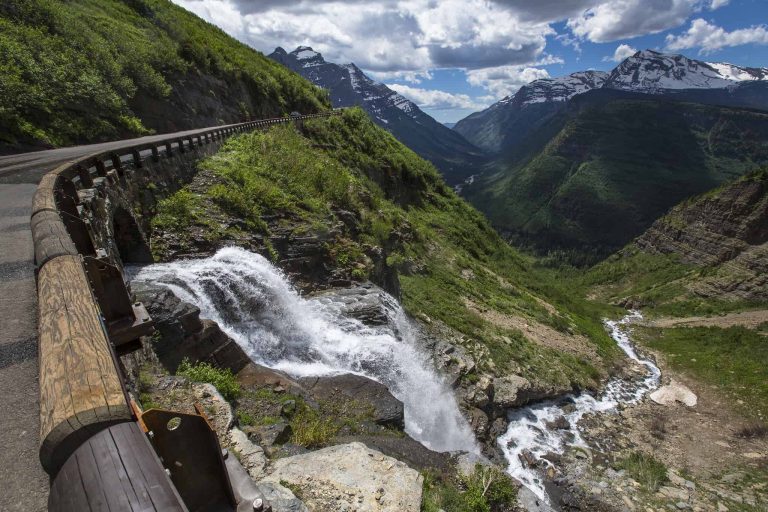
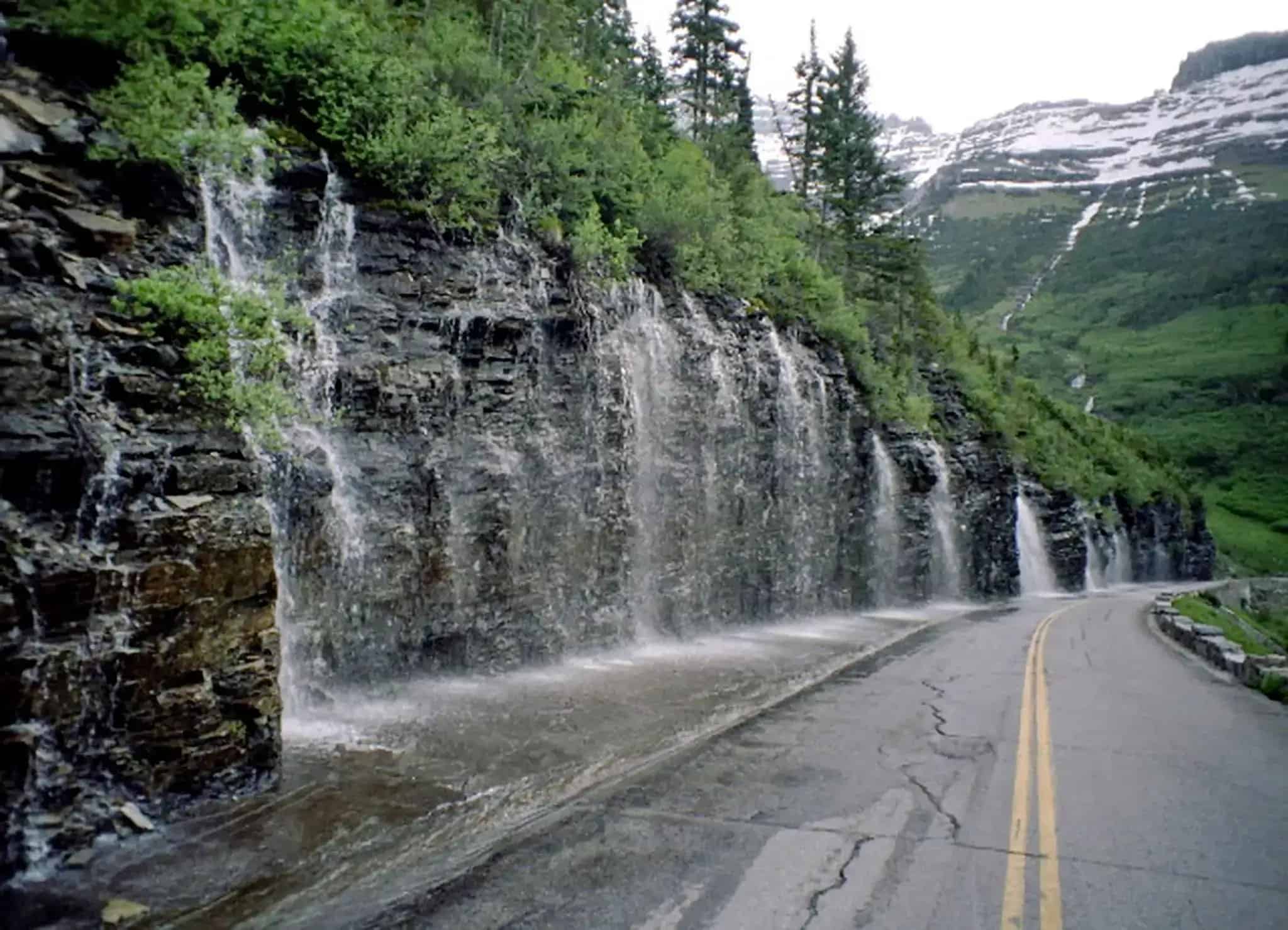
The 52-mile Going-to-the-Sun Road typically doesn’t open fully to vehicles until mid-June to early July, depending on plowing progress and snow depth. In May, park crews are actively clearing the road, but vehicle access is restricted past certain points on both sides.
For cyclists, this creates an unrivaled window. Once plowed sections are clear of snow, cyclists can ride the open stretch with zero car traffic, zero noise, and spring scenery that summer visitors never see. This is widely considered the best biking window in Glacier‘s entire year.
Lower road sections open to vehicles earlier in May. The west side (West Glacier to Lake McDonald Lodge) and east side (St. Mary to Rising Sun) typically allow vehicles in May. The upper Logan Pass section remains closed to all traffic until plowing is complete per NPS.gov.

Best Hikes Open in May
Most high-elevation trails remain buried under several feet of snow in May. Stick to lower-elevation routes where snowmelt-fed waterfalls are at maximum flow and the park feels freshly alive. These three trails are reliably accessible and consistently rewarding in May.
| Trail | Distance | Difficulty | Why Go in May |
|---|---|---|---|
| Avalanche Lake | 4.0 mi RT | Moderate | Cedar forest + waterfall at peak snowmelt volume |
| Apikuni Falls | 1.7 mi RT | Moderate | Dramatic waterfall at full spring power |
| Swiftcurrent Nature Trail | 2.5 mi loop | Easy | Prime wildlife viewing in Many Glacier valley |
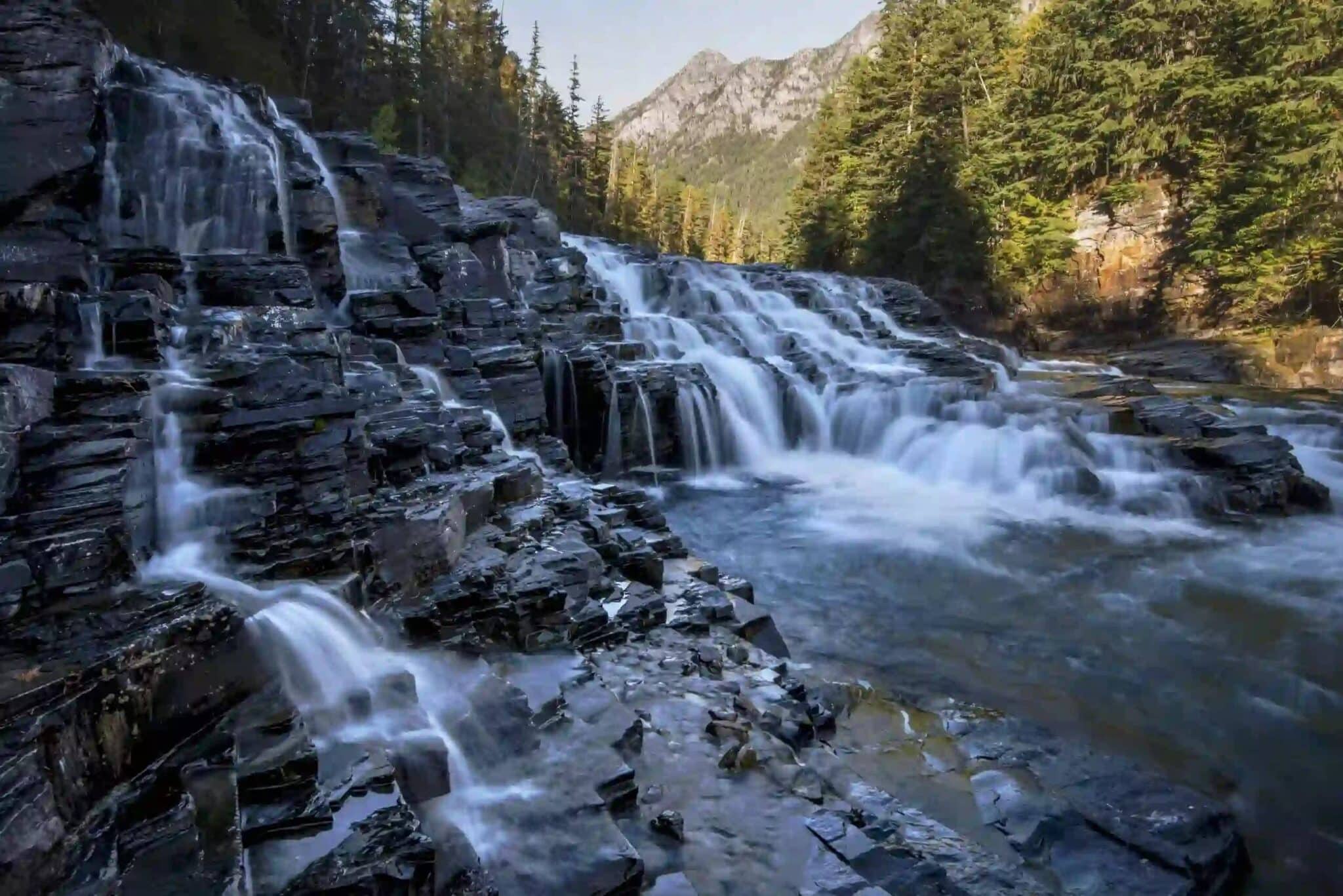
Avalanche Lake is the most rewarding May hike. The Trail of the Cedars section through old-growth cedar forest is lush from runoff, and the lake sits beneath dramatic cliffs with multiple waterfalls visible from the shoreline. Start before 8 a.m. to have it nearly to yourself even in late May.
Apikuni Falls (Many Glacier area) is a short but steep 1.7-mile round trip rewarded with a falls at full snowmelt force. The trail stays at lower elevation and typically opens before mid-May. Note that the Many Glacier area may have construction access restrictions through mid-May 2026 — confirm via NPS.gov before driving out.
Microspikes are worth packing even for lower trails — shaded sections can hold patchy ice through late May. Mud from snowmelt is the other constant: waterproof boots aren’t optional.


Wildlife Viewing in May
May is one of the highest-probability months for wildlife sightings in Glacier. Bears emerge from hibernation and forage actively at lower elevations. Cubs are newly born and visible alongside mothers. Ungulates — moose, elk, deer — are calving, meaning young animals appear in meadows. Fewer visitors mean less human disturbance and more natural animal behavior across the park.
| Animal | May Activity | Best Spot |
|---|---|---|
| Grizzly Bear | Foraging; cubs visible with mothers | Lower meadows, Camas Road morning/evening |
| Black Bear | Active foraging at low elevations | Throughout lower park |
| Mountain Goat | Kids visible on cliff faces | Oberlin Bend, Logan Pass area |
| Bighorn Sheep | Active on rocky slopes | Pollock Mountain scree fields |
| Moose / Deer | Calves born; dawn/dusk activity peaks | Many Glacier, North Fork area |
| Marmots | Foraging after hibernation ends | Logan Pass meadows |
The single best wildlife strategy: drive Camas Road at sunrise or sunset. This road crosses prime bear and deer habitat, and in May you’ll often cover it with almost no other vehicles. Pull over at wide spots and scan open meadows with binoculars before moving on. Early May morning drives along the lower open sections of Going-to-the-Sun Road — particularly between the Apgar area and Lake McDonald Lodge — also regularly produce bear sightings. Keep speed low and eyes on open slopes above the treeline.


What’s Open in May
May is a transitional month. Some facilities open mid-month; most full-service amenities wait until June. Plan around this gap rather than hoping for things to be open that aren’t.
| Facility | May Status | Notes |
|---|---|---|
| Apgar Visitor Center | Open (limited hours) | Ranger info, maps, restrooms |
| St. Mary Visitor Center | Opens mid-May | East entrance gateway |
| Logan Pass Visitor Center | Closed | Opens mid-June with full GTSR |
| Lake McDonald Lodge | Closed | Typically opens June |
| Many Glacier Hotel | Closed | Opens June |
| Glacier Park Boats | Opens mid-May | Lake McDonald cruises begin |
| Apgar / Sprague Creek campgrounds | Some sites open | Lower elevation, first to open |
| High-elevation campgrounds | Closed | Many Glacier, Two Medicine — snow-covered |
The practical implication: bring your own food. Dining options inside the park are almost nonexistent in May. Stock up in Whitefish (30 minutes from the west entrance), Columbia Falls, or St. Mary before driving in. For overnight stays, West Glacier area lodging and Whitefish are the most reliable options.
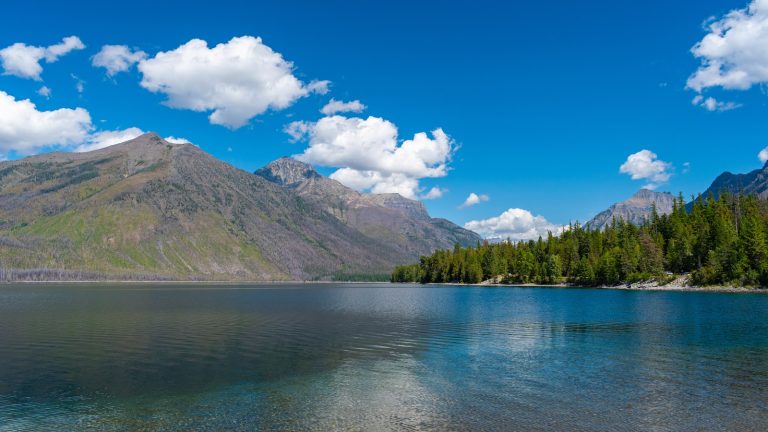
For campground reservations, use Recreation.gov. Demand in May is far lower than summer, but popular campgrounds like Sprague Creek can still fill on holiday weekends. Glacier Park Boats launches Lake McDonald cruises around mid-May — a ranger-narrated cruise that’s an excellent alternative when trail conditions are uncertain.
Wildflowers in May
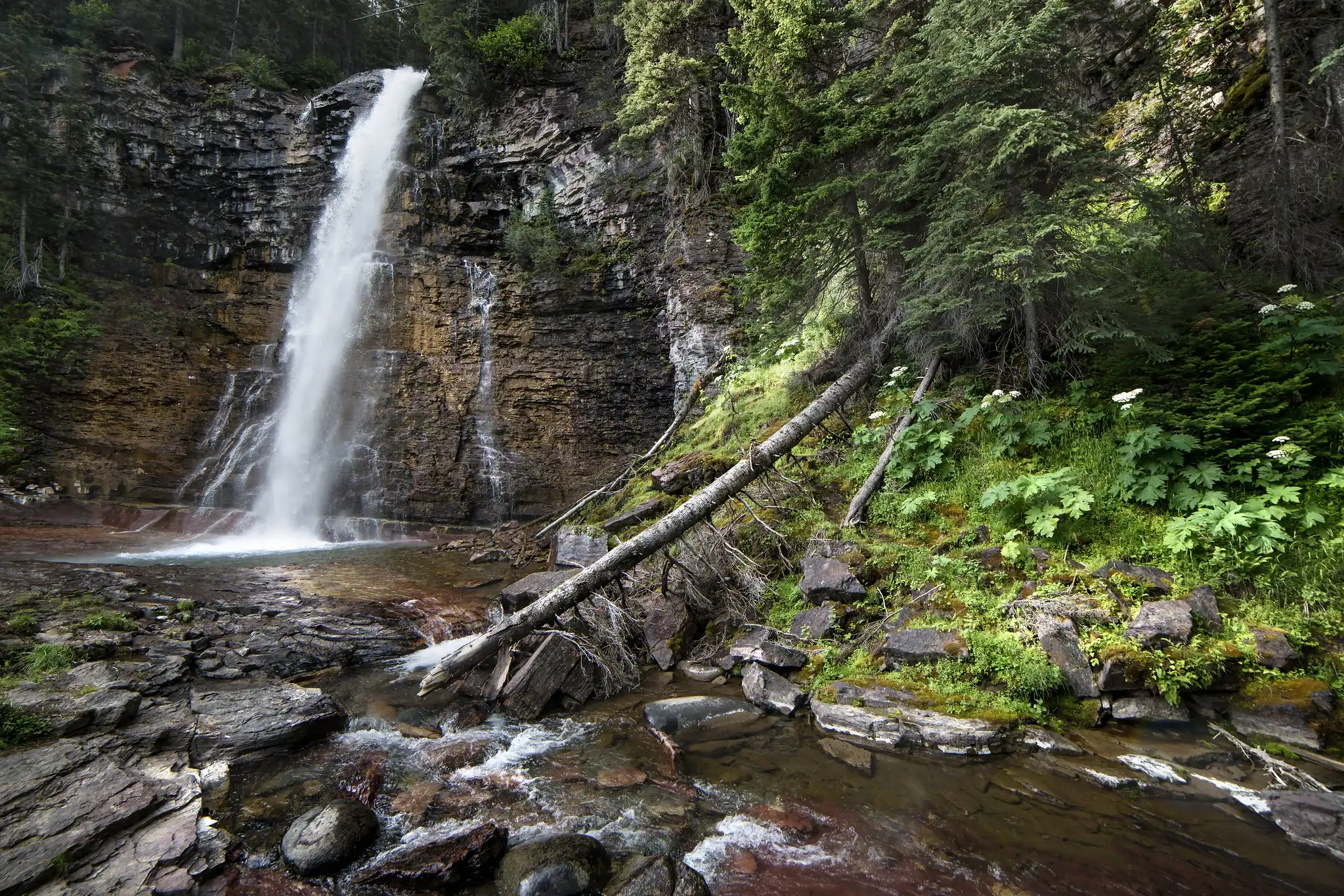
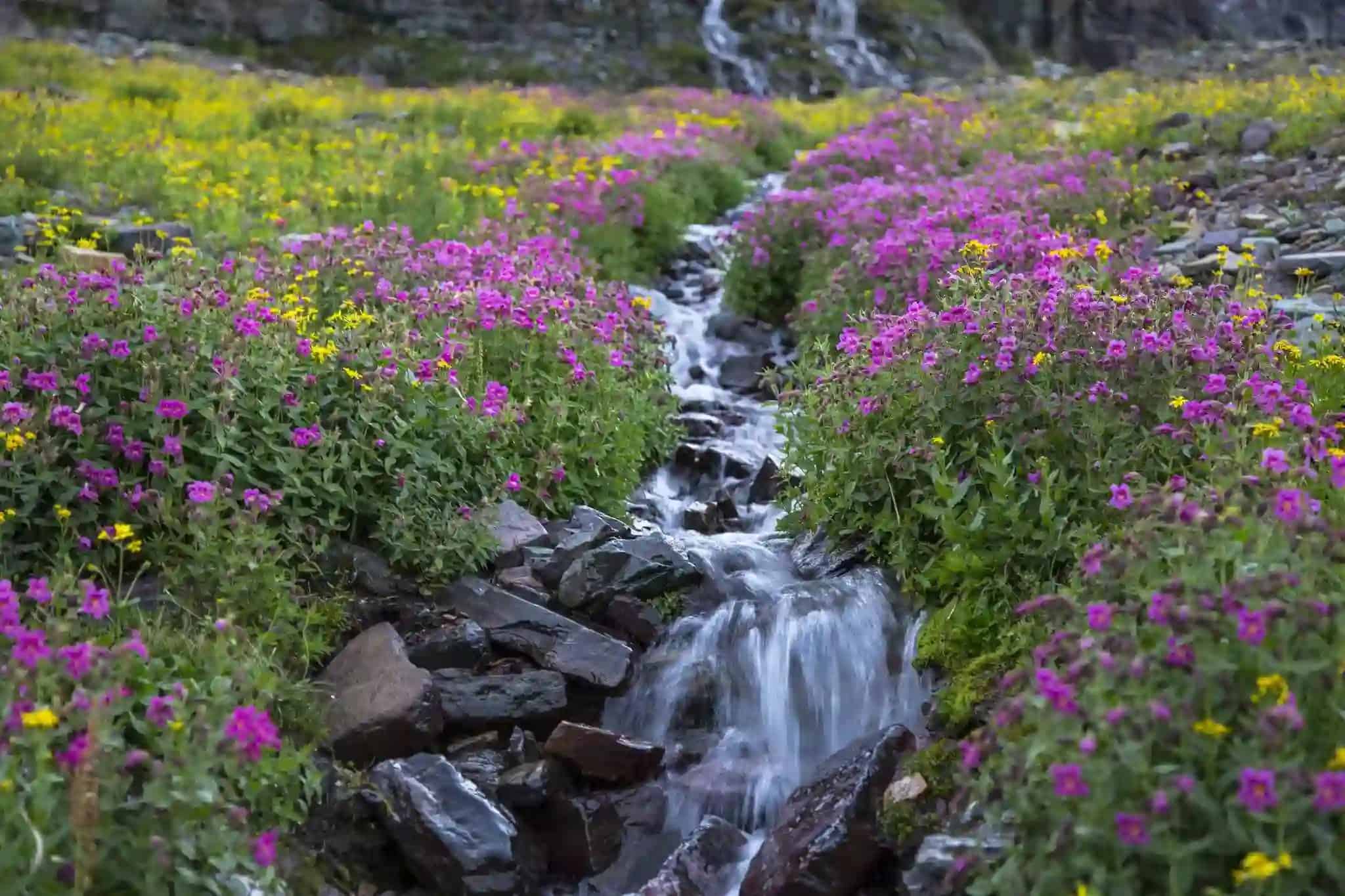
May wildflowers in Glacier are early bloomers at low elevations — emerald meadows fresh from snowmelt, vivid and uncrowded. Peak wildflower season runs July–August at high elevations, but May delivers its own payoff: the saturated green of spring that crowded summer months never quite replicate.
Beargrass — Glacier’s most iconic wildflower, with its tall white plume — begins emerging in late May at lower to mid elevations. For a detailed breakdown of bloom timing by elevation, see where and when to see wildflowers in Glacier National Park.
The Trail of the Cedars near Avalanche Creek and the lower sections of the Many Glacier valley are the best May wildflower targets. Both are accessible by early May and offer dense spring vegetation with reliable parking before summer crowds arrive.
What to Pack for May
Packing for Glacier in May means planning for sunshine, rain, sleet, and cold — potentially all in one hiking day. The layering system is non-negotiable. Cotton retains moisture and kills body heat in wet conditions; use synthetic or merino wool throughout.
| Category | What to Bring |
|---|---|
| Clothing | Moisture-wicking base layer, mid-weight fleece, waterproof rain jacket, convertible pants, wool or synthetic hat and light gloves |
| Footwear | Waterproof hiking boots (ankle support for mud/snow), microspikes for patchy ice, gaiters optional |
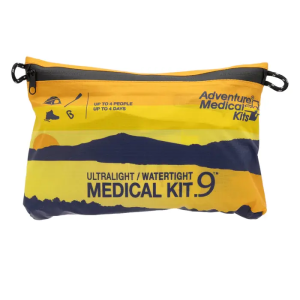
| Safety | Bear spray in hip holster (mandatory), bear bell, headlamp, basic first aid kit |
| Essentials | High-SPF sunscreen (intense UV at elevation), sunglasses, insulated water bottle, extra snacks plus full day’s food |
| Navigation | Downloaded offline maps (Gaia GPS or AllTrails Pro), paper park map from Apgar Visitor Center |
For a complete breakdown of what rangers and repeat visitors recommend, see our 15 Glacier National Park tips and mistakes to avoid.


FAQ
Is May a good time to visit Glacier National Park?
Is Going-to-the-Sun Road open in May?
Do I need a timed entry permit for Glacier in May 2026?
What trails are open in Glacier in May?
Are lodges open at Glacier National Park in May?
How cold is Glacier National Park in May?
How We Researched This Guide
- NPS.gov — Official Glacier National Park fees, current conditions, road status, and campground openings
- NPS.gov — Going-to-the-Sun Road plowing updates and seasonal access guidelines
- Recreation.gov — Campground availability and opening date data
- Climate-data.org — May temperature averages and precipitation frequency data
- AllTrails — Trail distance, difficulty, and seasonal access data
- Glacier Park Boats — Boat tour seasonal launch date information
Road opening dates, facility hours, and campground openings change annually based on snow conditions and staffing. Always verify current status at nps.gov/glac before your visit.
Ready to plan your May trip to Glacier? Check current road conditions and trail status before you go