Glacier National Park in June: What to Expect & How to Plan
June is the transition month at Glacier National Park — waterfalls roar at full force, wildflowers carpet lower meadows, and the park is noticeably less crowded than the July–August peak. Going-to-the-Sun Road typically opens in the final week of June, so the timing of your visit within the month dramatically shapes what you can do.
- Going-to-the-Sun Road typically opens late June (historically June 16–25) — check NPS conditions before you travel
- Entrance fee: $35/vehicle or $80 America the Beautiful annual pass; June 14, 2026 is a fee-free day
- No vehicle reservations required for 2026 — just pay the entrance fee
- Valley temperatures reach the mid-60s°F; Logan Pass stays near 40°F with possible snow
- Early June: lower trails, waterfalls, wildlife. Late June: GTSR opens, Logan Pass accessible
- Daylight runs nearly 16 hours — sunset around 9:37 PM for evening hikes and photography
Going-to-the-Sun Road in June
The single most important planning question for a June trip is whether Going-to-the-Sun Road (GTSR) is open. Historically, the full 50-mile corridor opens between June 16 and June 25, per NPS.gov. Crews must clear nearly 40 avalanche paths before vehicles can pass — a weather-dependent process that shifts by weeks year to year.

Before GTSR opens, the entire western side of the park is accessible, and hikers and cyclists can ride the closed road without vehicle traffic — a rare, spectacular experience. The road opens in stages from both ends; check current conditions at NPS.gov before arrival.
Once open, Logan Pass (elevation 6,646 feet) is the crown jewel of the drive. But plan for alpine conditions: daytime highs barely hit 40°F in early June and snowstorms can drop 10–18 inches mid-month, per NPS.gov. Starting July 1, 2026, parking at Logan Pass is limited to 3 hours.
June Weather & What to Pack
June is Glacier’s rainiest month, averaging 3.7 inches of precipitation with a 43% daily chance of rain, per Wanderlog. Valley temperatures are comfortable — highs in the mid-60s°F (17–22°C), lows around 42°F — but conditions shift rapidly above 5,000 feet.
| Elevation | June High | June Low | Snow Risk |
|---|---|---|---|
| Valley (Apgar, West Glacier) | 65°F / 18°C | 42°F / 6°C | None |
| Mid-elevation (Many Glacier) | 55°F / 13°C | 35°F / 2°C | Possible early June |
| Logan Pass (6,646 ft) | 40°F / 4°C | 25°F / -4°C | High — mid-June storms common |
The summer solstice falls on June 21, giving you about 16.1 hours of daylight. Sunrise hits around 5:33 AM, and sunset lingers near 9:37 PM — ideal for evening photography without a headlamp. Bring layers regardless of the valley forecast; conditions change within minutes at elevation.
Some links below are affiliate links.
Some links below are affiliate links.
Best Hikes in June
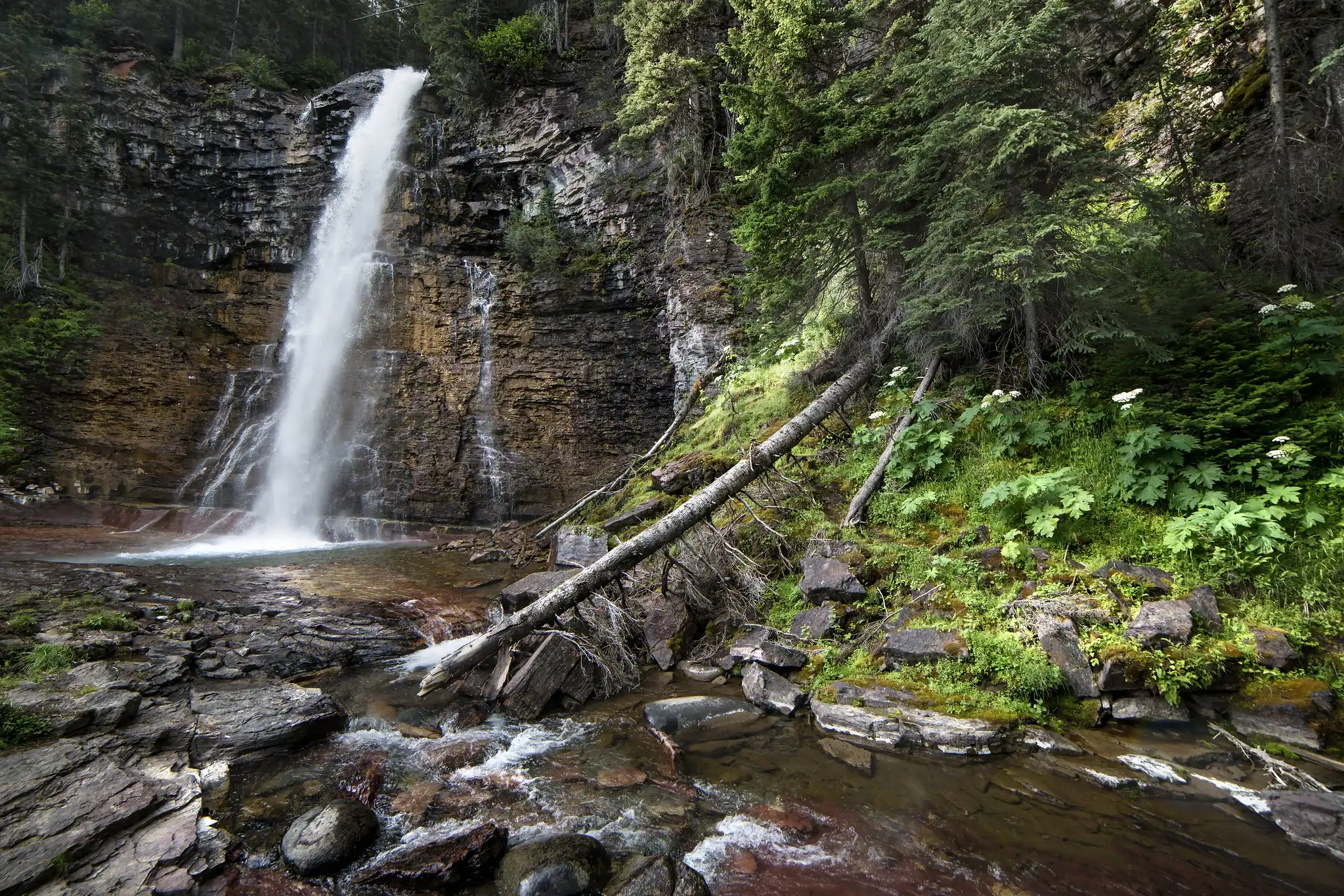
Lower-elevation trails are fully open and at their most dramatic in June — waterfalls peak from snowmelt and wildflowers blanket valley meadows. Most trails above 5,000 feet require microspikes or snow travel experience until late June.


| Trail | Distance | Difficulty | June Conditions |
|---|---|---|---|
| Trail of the Cedars | 0.9 mi loop | Easy | Open all month; wheelchair accessible |
| Avalanche Lake | 4.6 mi RT | Moderate | Open; waterfall at peak flow |
| St. Mary Falls & Virginia Falls | 3.8 mi RT | Moderate | Open; best waterfall conditions of year |
| Iceberg Lake | 9.7 mi RT | Moderate | Open; icebergs still floating in lake |
| Two Medicine Lake area | Variable | Easy–Moderate | Open; less crowded than west side |
| Highline Trail | 11.6 mi one-way | Hard | Snow likely until late June; check conditions |
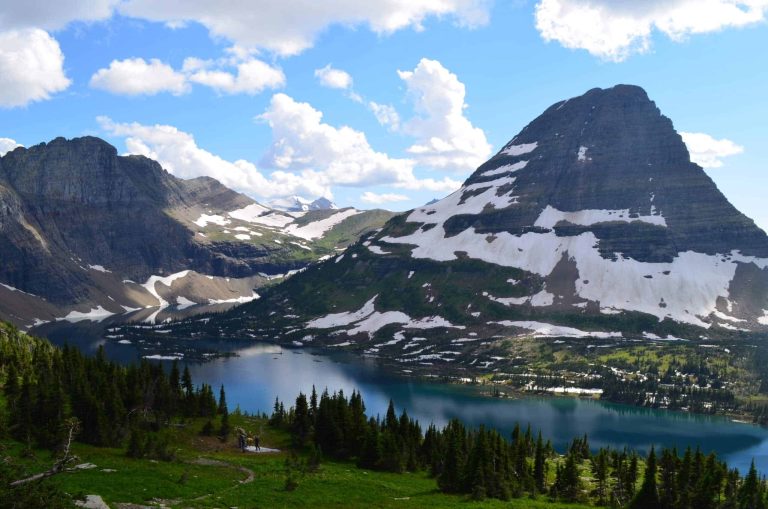
| Hidden Lake Overlook | 2.9 mi RT | Moderate | Snow before late June; GTSR must be open |
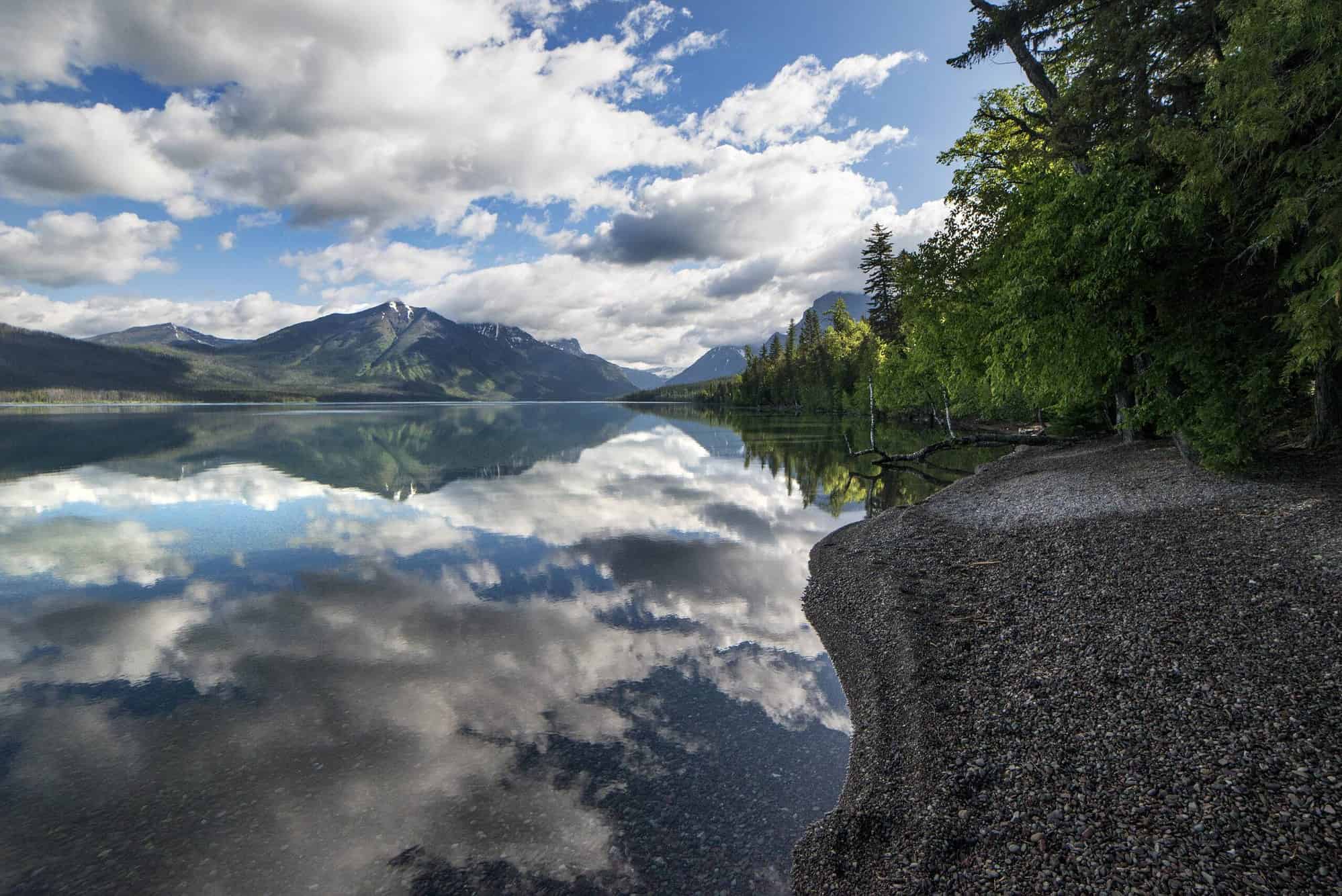
The fire lookout hikes at lower elevations open by mid-June. For families, the Apgar Village trails along Lake McDonald are fully open throughout June and require no special gear. Always carry bear spray — bears are highly active in June.


Wildlife You’ll See in June
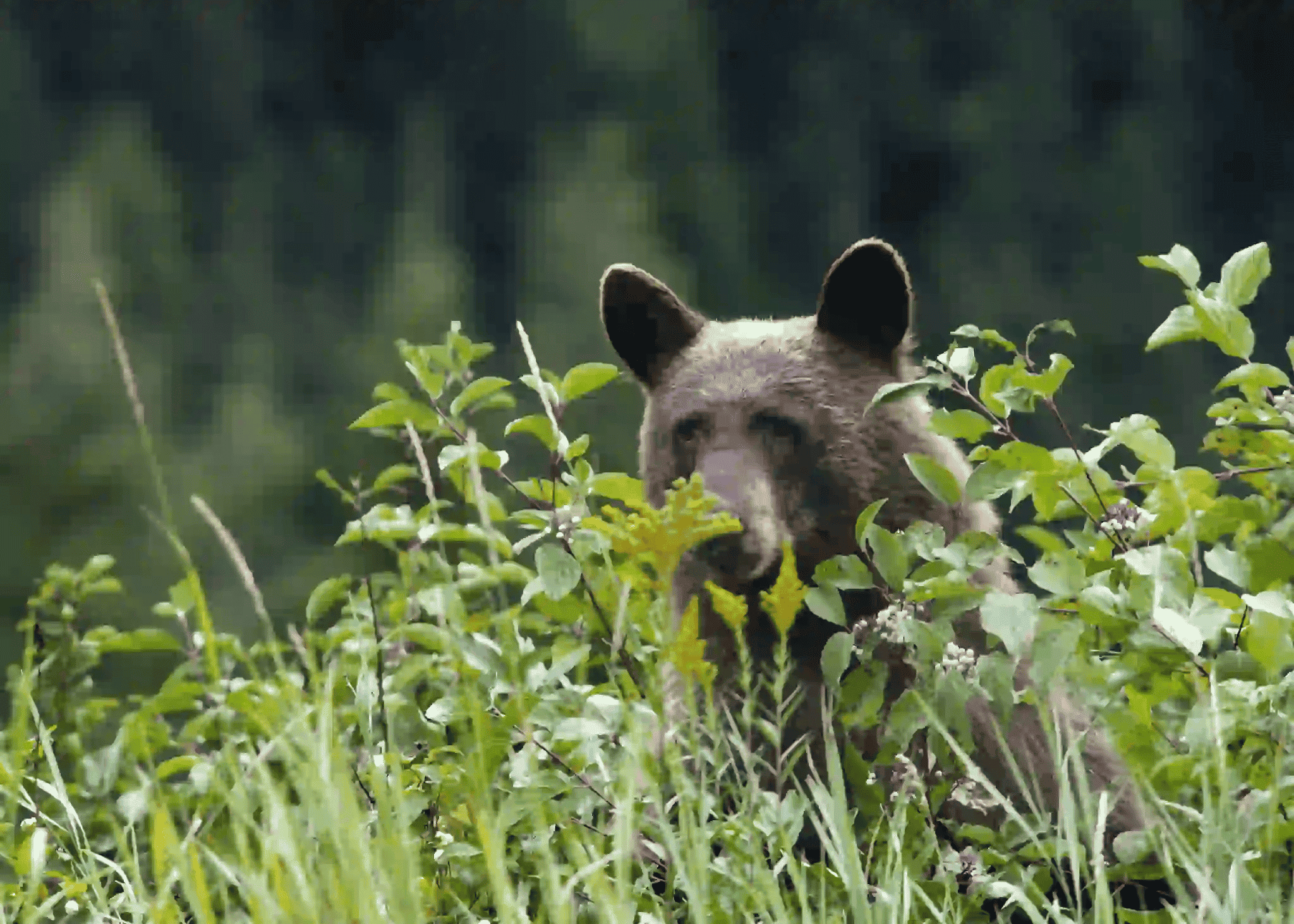

June is arguably the best month for wildlife viewing in Glacier. Bears — both black and grizzly — are actively foraging after emerging from hibernation, according to Glacier Conservancy. Green spring vegetation brings them to roadsides and lower meadows where sightings are frequent and sustained.
| Animal | June Activity | Best Locations |
|---|---|---|
| Grizzly Bear | Active foraging; high visibility | Many Glacier, Two Medicine meadows |
| Black Bear | Active; often near roads | West side valleys, Apgar area |
| White-tailed Deer | Does with fawns | Lake McDonald, St. Mary area |
| Elk | Calves visible late May–early June | North Fork, Two Medicine |
| Mountain Goat | Peak activity begins late June | Logan Pass (once open), Highline area |
| Bald Eagle | Nesting and soaring | Lake McDonald, St. Mary Lake |
Glacier hosts over 70 mammal species and 270 bird species, per NPS.gov. Dawn and dusk are peak activity windows. Maintain at least 100 yards from bears and wolves, 25 yards from all other wildlife. Carry bear spray on every trail — it is required by best practice and strongly recommended for all visitors.

Activities & Experiences in June
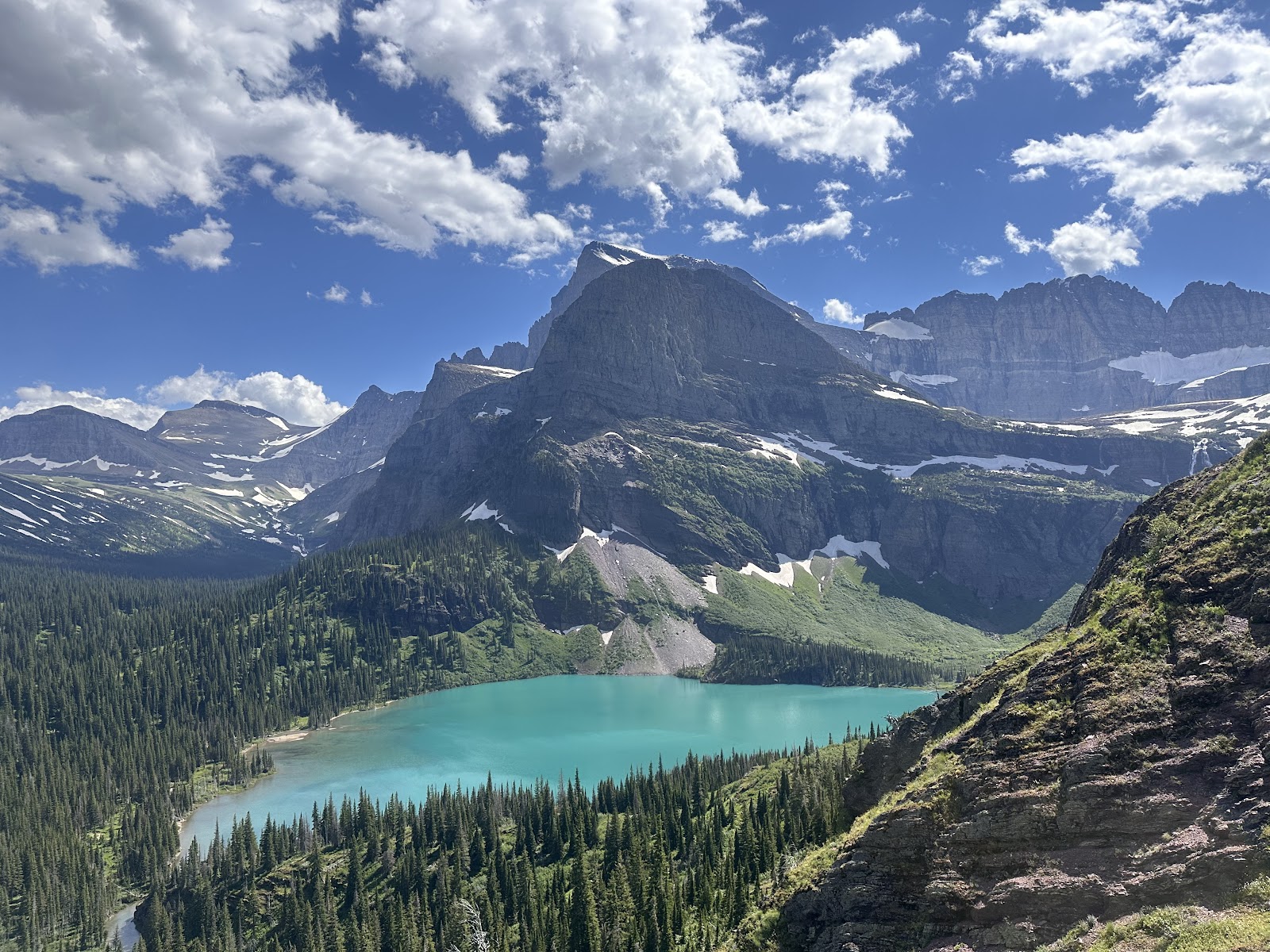
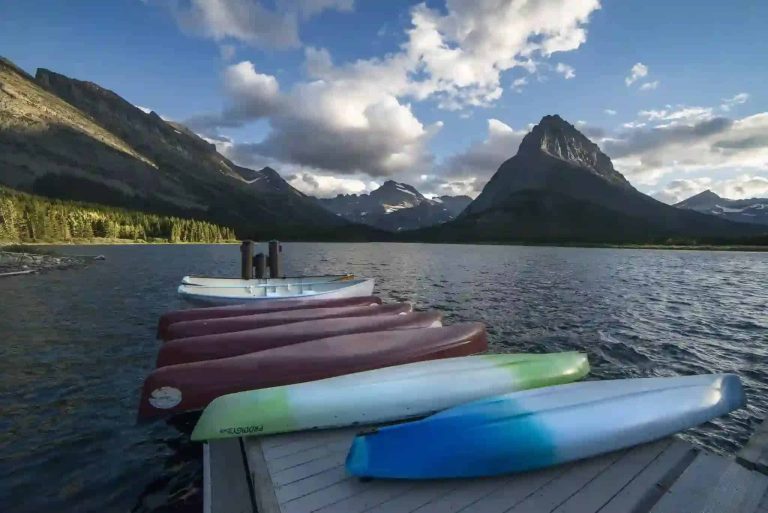
June’s combination of peak snowmelt, 16-hour daylight, and manageable crowds creates experiences not available any other month. Historic boat tours begin service mid-to-late June, including the 1930 DeSmet on Lake McDonald and Rising Sun tours on St. Mary Lake (starting June 20, five daily departures).
| Activity | June Availability | Notes |
|---|---|---|
| Lower-elevation hiking | All month | Waterfalls at peak; beargrass blooming |
| Cycling the closed GTSR | Early–mid June | Traffic-free until road opens to vehicles |
| Whitewater rafting | Early–mid June | Middle Fork Flathead at peak flow from snowmelt |
| Boat tours | Mid–late June | DeSmet, Rising Sun, Many Glacier, Two Medicine |
| Ranger programs | Late June onward | Full schedule begins when GTSR opens |
| Photography | All month | Snow peaks + full waterfalls + 16-hr daylight |
| Horseback riding | Late June | Corral Creek rides near Apgar and Mule Shoe |

Ranger-led programs ramp up as the season opens. Free programs cover geology, wildflowers, and wildlife at Apgar, St. Mary, and Many Glacier visitor centers. Check the schedule online before your trip. For photography, see our wildflower photography guide for bloom timing and best locations.
Entrance Fees & Planning Tips
The standard entrance fee is $35 per vehicle (valid 7 days); motorcycles pay $30 and per-person entries (hikers, cyclists) cost $20, per NPS.gov. The America the Beautiful Annual Pass ($80) covers Glacier and all other national parks — a clear value if visiting two or more parks in the same year.
| Pass Type | Cost | Coverage |
|---|---|---|
| Private Vehicle | $35 | 7-day vehicle entry |
| Motorcycle | $30 | 7-day motorcycle entry |
| Per Person (foot/bike) | $20 | 7-day individual entry |
| America the Beautiful Annual Pass | $80 | All national parks, 12 months |
Key 2026 planning notes: No vehicle reservations required (timed-entry program ended). The park is cashless — pay by card at entrance booths. June 14, 2026 is a fee-free entry day for U.S. residents. Starting July 1, 2026, Logan Pass parking is limited to 3 hours.

In-park lodging (Lake McDonald Lodge, Many Glacier Hotel) books months in advance. If unavailable, base yourself in West Glacier or St. Mary for easy access to both park entrances. See the common mistakes guide for booking and logistics tips from experienced visitors.
Frequently Asked Questions
Is Going-to-the-Sun Road open in June?
How crowded is Glacier National Park in June?
Do I need a vehicle reservation for Glacier in June 2026?
What is the weather like in Glacier in June?
Are wildflowers blooming in Glacier in June?
What is the entrance fee for Glacier National Park in 2026?
How We Researched This Guide
- NPS.gov/glac — official entrance fees, road conditions, weather, wildlife guidelines
- Glacier Conservancy (glacier.org) — wildlife information and conservation data
- Glacier Park Boat Company — boat tour schedules and vessel history
- Wanderlog — June precipitation and temperature statistics
- Glacier Guides (glacierguides.com) — June activity and itinerary recommendations
Going-to-the-Sun Road opening dates vary annually. Always check NPS conditions at nps.gov/glac/planyourvisit/conditions.htm before travel. Fee amounts and park policies confirmed as of March 2026.
Ready to plan your June trip to Glacier? Check the park’s official conditions page for the latest road and trail status before you book lodging or…