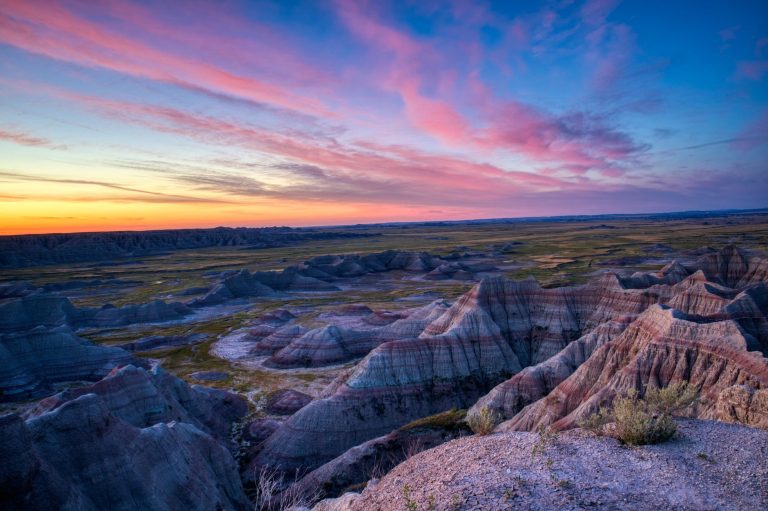
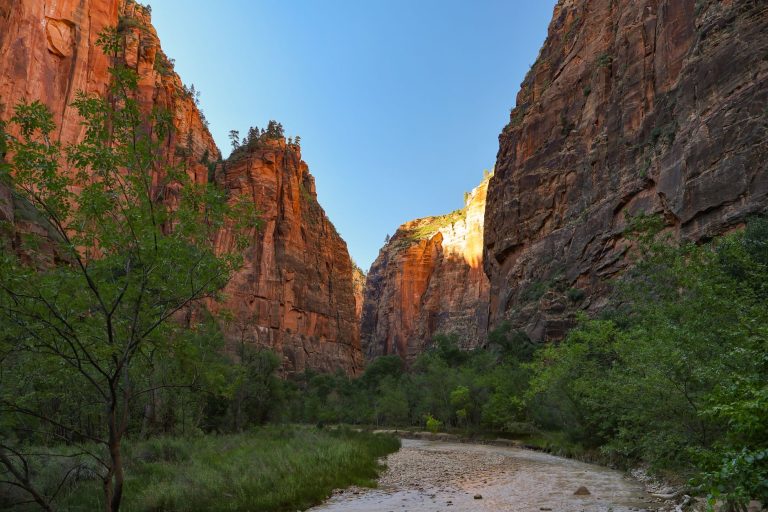
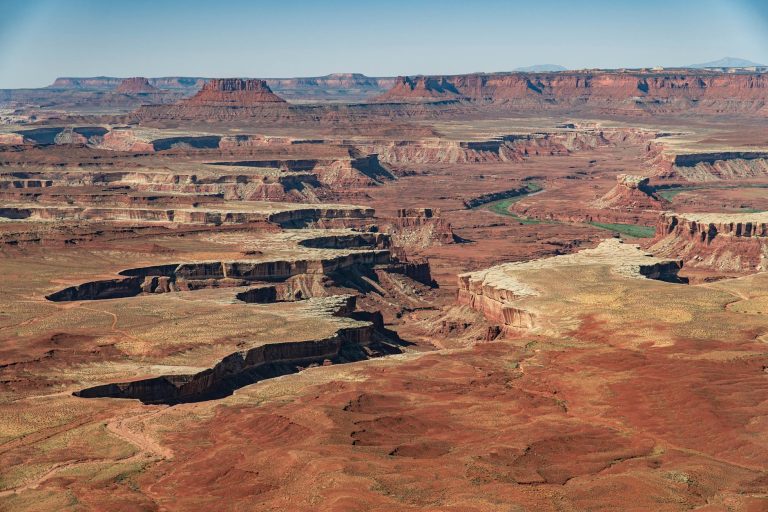
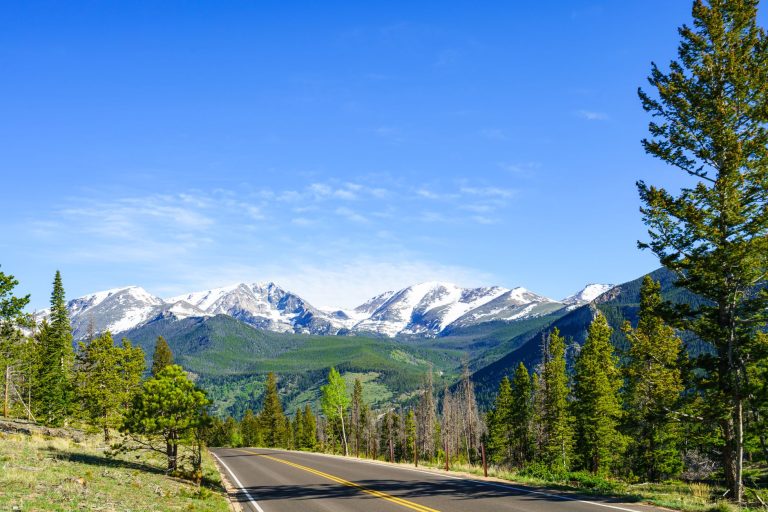
Glacier National Park alpine dawn light
| |

East Side vs. West Side of Glacier National Park: Which Should You Visit?
/* Table scroll wrapper for mobile */
.pb-table-scroll{overflow-x:auto;-webkit-overflow-scrolling:touch;margin:1.25rem 0;border-radius:8px;border:1px solid #e2e8f0}
.pb-table-scroll table{margin:0;border:none;border-radius:0}
/* Base table styles */
.pb-content table,.pb-prose table{width:100%;border-collapse:collapse;margin:1.25rem 0;font-size:.95rem}
.pb-content thead,.pb-prose thead{background:#f1f5f9}
.pb-content th,.pb-prose th{padding:.75rem 1rem;font-weight:600;text-align:left;color:#334155;font-size:.88rem;text-transform:uppercase;letter-spacing:.03em;border:1px solid #e2e8f0;position:sticky!important;top:0!important;background:#f1f5f9!important;z-index:10!important}
.pb-content td,.pb-prose td{padding:.7rem 1rem;color:#475569;border:1px solid #e2e8f0;vertical-align:top;line-height:1.5}
.pb-content tbody tr:hover,.pb-prose tbody tr:hover{background:#f8fafc}
.pb-content tbody tr:nth-child(even),.pb-prose tbody tr:nth-child(even){background:#fafbfc}
/* FTC disclosure styles */
.pb-ftc-disclosure{background:#f8f9fa;border:1px solid #e0e0e0;border-radius:6px;padding:12px 16px;margin:16px 0;font-size:13px;color:#666}
.pb-ftc-inline{font-size:11px;color:#999}
.pb-ftc-mid-reminder{font-size:12px;color:#999;font-style:italic;margin:8px 0}

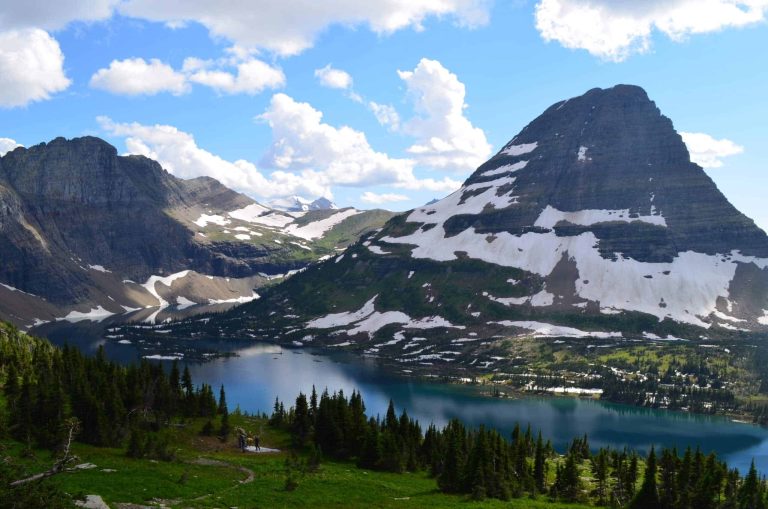
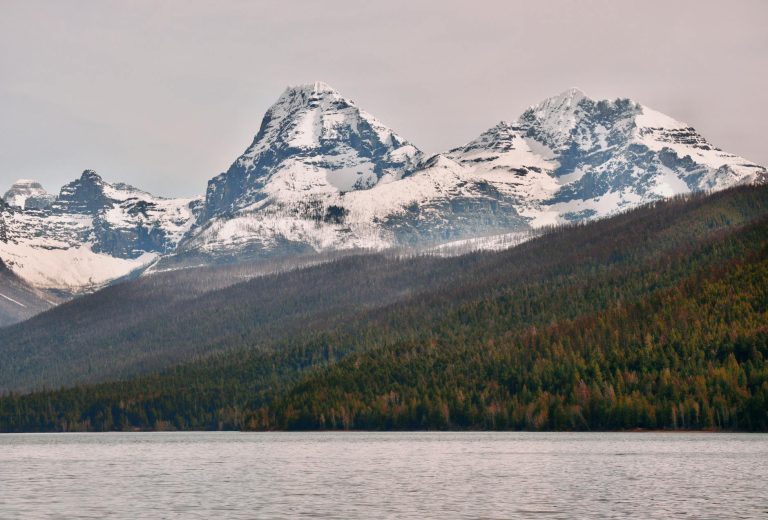
Alpine dawn light over Going-to-the-Sun Road corridor in Glacier National Park, Montana
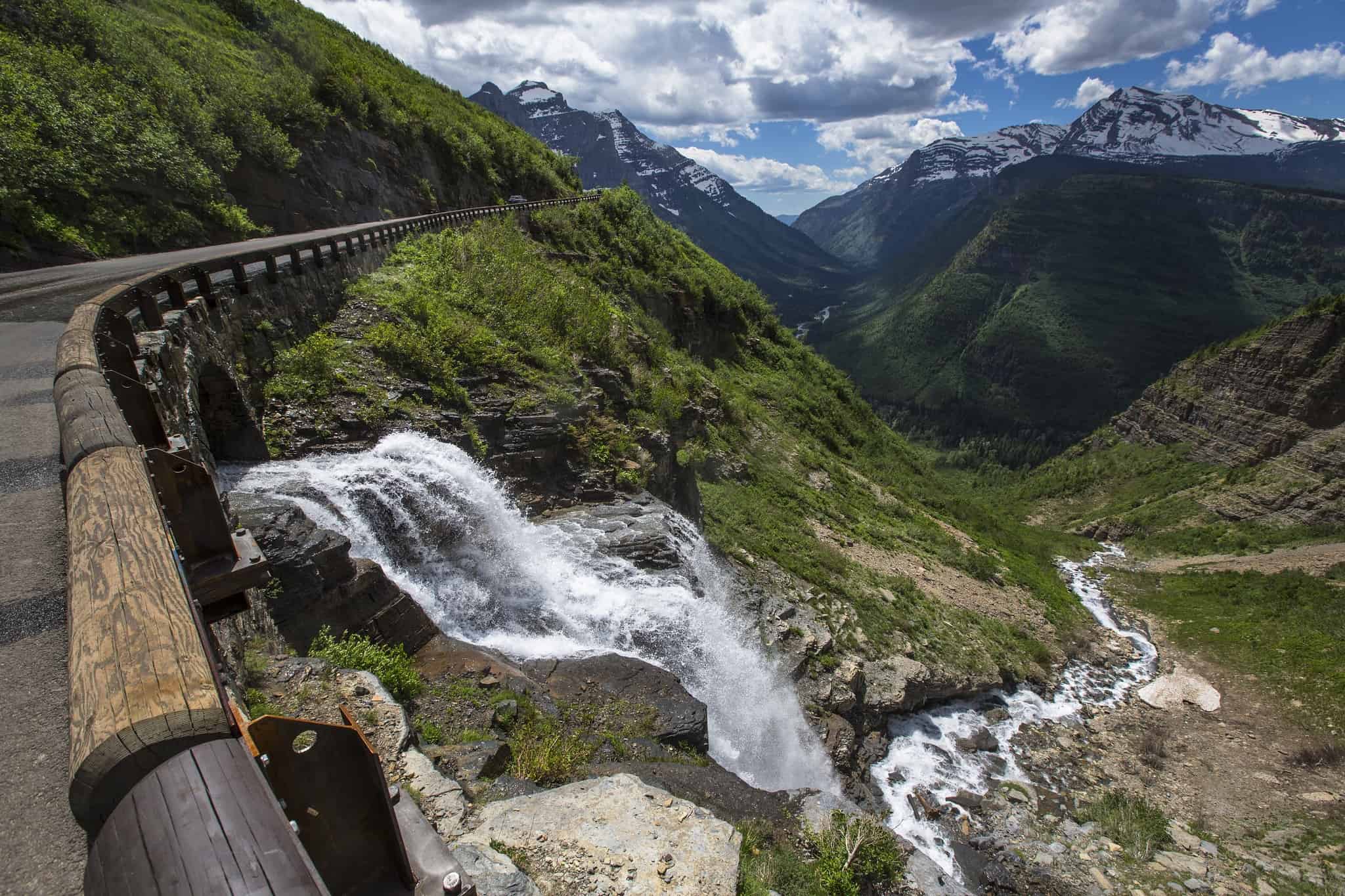
Going-to-the-Sun Road crosses the Continental Divide at 6,646-foot Logan Pass, connecting the forested west side to the open alpine east side.

The east side wins for most visitors. Many Glacier Valley delivers the park’s most dramatic scenery, best day hikes, and highest concentration of wildlife — all with lighter crowds than the west entrance corridor. If you only have one or two days and came to Glacier for the iconic postcard shots, head east.

That said, the west side is the better base for families, first-timers flying into Glacier International Airport (FCA), and anyone who wants lakeside relaxation with easier trail access. The Continental Divide separates two fundamentally different experiences — different weather, ecosystems, crowds, and vibes — connected by a single 50-mile road. Here is how the two sides compare across every category that matters for trip planning in 2026.

Key Takeaways
  • The east side (Many Glacier, St. Mary) has Glacier’s most dramatic alpine scenery, top-tier hiking, and the best wildlife viewing — with noticeably fewer crowds than the west.
  • The west side (Apgar, Lake McDonald) is 30 minutes from FCA airport, has more restaurants and services, and offers the most family-friendly trail options.
  • Going-to-the-Sun Road (50 miles) connects both sides over Logan Pass. No vehicle reservation required in 2026, but a 3-hour parking limit at Logan Pass starts July 1.
  • New for 2026: a ticketed shuttle system replaces the old vehicle reservation. Tickets available on Recreation.gov starting May 2, 2026.
  • Many Glacier Campground reopens mid-May 2026 after a full season of construction. Swiftcurrent area now has 339 parking spaces (171 more than before).
  • Two Medicine campground is closed for 2026 (water system replacement). The campstore and boat tours remain open during concession season.
  • Entrance fee: $35/vehicle (May–Oct), valid 7 days, covers both sides.
Disclosure: This article contains affiliate links. If you make a purchase through these links, we may earn a small commission at no extra cost to you. This helps support YourNPGuide.com.

East Side vs. West Side: Side-by-Side Comparison

CategoryWest Side (Apgar / Lake McDonald)East Side (Many Glacier / St. Mary)
SceneryDense cedar-hemlock forests, 10-mile Lake McDonald, waterfall hikesOpen alpine valleys, exposed ridgelines, glacial cirques, prairie-to-peaks vistas
Access30 min from FCA airport (Kalispell); year-round road access to Apgar1.5–2 hrs from FCA via US-2 and US-89; Many Glacier Rd opens late May
CrowdsHigher — most visitors enter from the westModerate — further drive filters out casual visitors
Top HikesAvalanche Lake (4.5 mi), Trail of the Cedars (0.7 mi), Apgar Lookout (7.2 mi)Grinnell Glacier (11.2 mi), Iceberg Lake (9.1 mi), Ptarmigan Tunnel (10.6 mi)
WildlifeBlack bear, mule deer, Columbian ground squirrels along Lake McDonaldGrizzly bear, moose, bighorn sheep, mountain goats — highest density in the park
Lodging (In-Park)Lake McDonald Lodge (historic, 1913), Motel Lake McDonald, Apgar Village cabinsMany Glacier Hotel (Swiss-chalet style), Swiftcurrent Motor Inn, Rising Sun Motor Inn
DiningRussell’s Fireside Dining Room, Jammer Joe’s, Eddie’s Café at Apgar; Whitefish (25 mi) has 50+ restaurantsPtarmigan Dining Room at Many Glacier Hotel, Two Dog Flats Grill; St. Mary has limited options
Family-FriendlinessExcellent — flat lakeside paths, boat rentals, junior ranger programs at ApgarGood for older kids — longer hikes, rougher terrain, fewer flat stroller paths
WeatherWetter, milder — Pacific moisture creates lush rainforestDrier, windier, colder springs — plains weather from the east
Gateway TownsWhitefish (vibrant dining/nightlife), Columbia Falls, West GlacierSt. Mary (small), East Glacier Park, Browning (Blackfeet Nation)
Best ForFamilies with young kids, short trips, lakeside relaxation, easy airport accessSerious hikers, wildlife photography, solitude seekers, bucket-list scenery
2026 NotesNo major closures; shuttle departs from Apgar Transit CenterMany Glacier Campground reopens mid-May; Two Medicine campground closed all year; 339 parking spaces at Swiftcurrent

Data sourced from NPS.gov and Glacier National Park Lodges. Updated March 2026.

Some links below are affiliate links.

Scenery

The west side feels like the Pacific Northwest dropped into Montana. Old-growth cedar and hemlock forests crowd the shore of Lake McDonald, the park’s largest lake at 10 miles long. Morning mist on the lake, colored rocks visible through clear water, and dense green canopy define the mood. It is beautiful in a quiet, enclosed way.

The east side is the opposite — wide open and vertical. Many Glacier Valley frames Grinnell Point, Mount Gould, and the Garden Wall in a single panorama. Glacial cirques hold turquoise lakes at their bases. Swiftcurrent Lake reflects the peaks like a mirror on calm mornings. The landscape here is why Glacier earned the nickname “Crown of the Continent.”

Edge: East side. The open alpine scenery on the east gives you more unobstructed mountain drama per mile than almost anywhere in the lower 48.

Access & Getting There

Glacier Park International Airport (FCA) in Kalispell sits roughly 30 minutes from the West Glacier entrance. You can land, pick up a rental car, and be inside the park within an hour. Year-round road access to Apgar Village makes the west side the path of least resistance for first-timers.

The east side requires more effort. From FCA, it is a 1.5-to-2-hour drive around the southern edge of the park on US-2 and US-89 to reach St. Mary or Many Glacier. Amtrak’s Empire Builder stops at East Glacier Park Village — a genuine alternative if you are coming from the Midwest. Many Glacier Road typically opens in late May depending on snow.

Edge: West side. Faster airport access and year-round road availability make the west entrance the easiest starting point, especially for short trips.

Crowds

The west entrance handles the bulk of Glacier’s 3+ million annual visitors. Apgar Village, Lake McDonald Lodge, and the lower Going-to-the-Sun Road corridor can feel congested by mid-morning in July and August. Parking lots at Avalanche Creek often fill by 9 AM on peak weekends.

The east side naturally filters visitors through distance. Many Glacier Valley sees strong use on trails like Grinnell Glacier, but the overall density stays lower because fewer people make the longer drive. Two Medicine remains one of the least-visited developed areas in the park.

Edge: East side. The extra drive time keeps casual day-trippers away, giving you more breathing room on trails and at viewpoints.

Hiking

West side trails tend to be shorter and more forested. Avalanche Lake (4.5 miles round trip, 730 ft gain) follows a creek through old-growth cedar to a lake ringed by waterfalls — one of the park’s most popular and accessible hikes. Trail of the Cedars is a flat 0.7-mile boardwalk loop, perfect for families and wheelchair users. Apgar Lookout adds a moderate option at 7.2 miles.

The east side is where Glacier’s hiking reputation was built. Grinnell Glacier Trail (11.2 miles, 2,180 ft gain) takes you face-to-face with one of the park’s namesake glaciers. Iceberg Lake (9.1 miles, 1,459 ft gain) ends at a turquoise basin where icebergs float year-round. Ptarmigan Tunnel (10.6 miles) punches through a mountain wall to reveal views of the Belly River valley.

Edge: East side. If you came to Glacier for marquee day hikes, the east side has the three or four trails that belong on every hiker’s bucket list.

Wildlife

Both sides have healthy populations of black bears, but the east side consistently delivers better wildlife encounters. Grizzly bears are more frequently spotted on the open slopes below Apikuni Mountain in Many Glacier. Moose wade through the willows around Swiftcurrent Lake and Fishercap Lake. Bighorn sheep graze the meadows near Rising Sun.

The west side offers black bear, mule deer, and white-tailed deer along the Lake McDonald corridor, but dense forest limits visibility. Mountain goats and bighorn sheep concentrate at Logan Pass (the midpoint between both sides), making that area a wildlife hotspot accessible from either direction.

Edge: East side. Open terrain plus large ungulate populations make the east side the best place in the park for wildlife photography and sightings — especially grizzlies and moose.

Lodging

The west side’s flagship property is Lake McDonald Lodge, a 1913 Swiss-chalet-style building with 82 rooms across the main lodge, cabins, and Snyder Hall. Motel Lake McDonald and Apgar Village Lodge add more casual options. Outside the park, Whitefish (25 miles) offers everything from boutique hotels to budget motels, plus a walkable downtown.

The east side’s crown jewel is Many Glacier Hotel, perched on the shore of Swiftcurrent Lake with direct views of Grinnell Point. It is widely considered the most scenic hotel location in any U.S. national park. Swiftcurrent Motor Inn provides no-frills cabins and motel rooms nearby. Rising Sun Motor Inn sits along the eastern shore of St. Mary Lake. Outside the park, options are more limited — small motels in St. Mary and East Glacier Park Village, plus Glacier Peaks Hotel in Browning.

Edge: Tie. Many Glacier Hotel has the better setting; the west side has more variety and easier booking. Book either 6–12 months ahead — both sell out fast.

Dining

The west side wins on food variety. Inside the park, Russell’s Fireside Dining Room at Lake McDonald Lodge serves sit-down meals, Jammer Joe’s has pizza and burgers, and Eddie’s Café in Apgar Village is a 60-year-old institution known for huckleberry cobbler. More importantly, Whitefish is 25 miles away with 50+ restaurants ranging from Southern-inspired Tupelo Grille to lakeside dining at The Boat Club.

The east side’s dining options are thinner. Many Glacier Hotel’s Ptarmigan Dining Room offers the best sit-down meal on that side, and Two Dog Flats Grill at Rising Sun handles casual fare. Outside the park, St. Mary has a few seasonal spots and East Glacier Park has Serrano’s Mexican Restaurant and a couple of cafes. Nothing approaches Whitefish-level variety.

Edge: West side. If restaurant quality and variety matter to your trip, the west side and its proximity to Whitefish give you far more options.

Family-Friendliness

Families with kids under 8 will have an easier time on the west side. Trail of the Cedars is stroller-accessible. Lake McDonald’s rocky beach invites skipping stones and wading. Apgar Village has a camp store, boat rentals, and ranger-led programs. The shorter drive from the airport means less car time with restless kids.

The east side works well for families with older kids (10+) who can handle longer hikes. The boat-assisted shortcut across Swiftcurrent and Josephine Lakes trims 3.5 miles off the Grinnell Glacier hike — turning it into a doable challenge for fit tweens. Many Glacier Hotel’s lakeside setting gives families a scenic home base.

Edge: West side for young kids, east side for adventurous tweens and teens.

Weather & Seasons

The Continental Divide creates two distinct climate zones. The west side receives more precipitation from Pacific moisture — 30+ inches annually at Lake McDonald — which feeds the lush cedar-hemlock forests. Temperatures stay milder through spring and fall, and snow melts earlier on lower-elevation trails.

The east side is drier and more exposed. Wind is the defining feature: cold fronts sweep off the Great Plains, and sustained gusts of 30–40 mph are common in spring and fall. Summer days can be spectacular — clear skies and 75°F — but afternoon thunderstorms roll in fast. Many Glacier Road opens later and closes earlier than west-side roads.

Edge: West side for spring/fall visits; roughly equal in summer. The east side’s weather is more dramatic but less predictable.

Going-to-the-Sun Road: Connecting Both Sides

The 50-mile Going-to-the-Sun Road is the only route through the park interior, climbing from Lake McDonald (west) to Logan Pass (6,646 ft) and dropping to St. Mary (east). The alpine section typically opens in late June or early July depending on snowpack. In 2026, no vehicle reservation is required — the park replaced that system with a ticketed shuttle and time-limited parking.

Key 2026 changes: Logan Pass parking is capped at 3 hours starting July 1. A new shuttle system runs express routes from Apgar Transit Center and Lake McDonald Lodge (west) and from St. Mary Visitor Center and Rising Sun (east). Tickets cost $1 processing fee via Recreation.gov, with a 60-day advance booking window starting May 2, 2026.

The Highline Trail starts at Logan Pass and traverses the Garden Wall with panoramic views of both sides. Because this trail often holds snow into mid-July, check NPS trail status reports before planning your hike.

Our Pick

Best Overall
East Side (Many Glacier)

For most visitors planning 2–4 days in Glacier, the east side delivers more of what people come here for: towering alpine scenery, world-class day hikes to active glaciers and turquoise lakes, and the park’s best wildlife viewing — all with lighter crowds than the west entrance corridor.

The east side’s only real drawbacks are the longer drive from the airport and fewer dining options. If those matter to your trip, or if you are traveling with young children, the west side is the stronger pick. Ideally, split your time: 2 nights west side for arrival and Lake McDonald, then 2–3 nights at Many Glacier for the main event.

Runner-Up:
West Side (Apgar / Lake McDonald) — best for families with young kids, short trips, or visitors who prioritize dining and convenience

Frequently Asked Questions

Can you drive from the west side to the east side of Glacier?
Yes. Going-to-the-Sun Road is the only route through the park interior, running 50 miles from West Glacier to St. Mary. The alpine section over Logan Pass typically opens in late June or early July and closes in mid-October. When the road is closed, you must drive around the park’s southern boundary on US-2 and US-89 — about a 3-hour, 150-mile detour.
Do I need a reservation to enter Glacier National Park in 2026?
No. The park eliminated vehicle reservations for 2026. Instead, a new ticketed shuttle system provides access to Logan Pass from both sides of Going-to-the-Sun Road. Private vehicles can still drive the road, but Logan Pass parking is limited to 3 hours starting July 1. Shuttle tickets are available on Recreation.gov starting May 2, 2026, for a $1 processing fee.
Which side of Glacier is better for hiking?
The east side has the park’s most celebrated day hikes: Grinnell Glacier Trail (11.2 miles), Iceberg Lake (9.1 miles), and Ptarmigan Tunnel (10.6 miles) all start from the Many Glacier area. The west side offers shorter, easier options like Avalanche Lake (4.5 miles) and Trail of the Cedars (0.7 miles). Serious hikers should prioritize the east; casual walkers and families will find more suitable trails on the west.
Is Many Glacier Campground open in 2026?
Yes. Many Glacier Campground reopens in mid-May 2026 after a full-season closure in 2025 for the Swiftcurrent water system replacement project. The construction also added 171 new parking spaces to the Swiftcurrent area (339 total). Two Medicine campground, however, is closed for the 2026 season due to its own water system replacement project — though the Two Medicine campstore and boat tours remain open during concession season (late May through early September).
How far is Many Glacier from the west entrance?
When Going-to-the-Sun Road is open, it takes about 2–2.5 hours to drive from West Glacier to Many Glacier (roughly 75 miles via GTSR to St. Mary, then north on US-89 to Many Glacier Road). When the Sun Road is closed, the drive around the park’s southern boundary is about 150 miles and takes roughly 3 hours via US-2 and US-89.

How We Researched This Guide

Sources

Data Checked
March 2026
Research Type
Desk research combining official NPS sources, concessioner data, and visitor reports
Limitations

Road opening dates, shuttle availability, and construction timelines may shift. Always verify current conditions on NPS.gov before your trip.

Similar Posts