Glacier National Park Crowds in Summer: When & Where
Glacier National Park crowds in summer peak in July and August, and NPS IRMA reports 2,893,996 annual visitors as of 2026; per NPS.gov the park’s busiest months are July and August.
Visitors ask how crowded Glacier gets in summer and when to avoid jams. Per NPS.gov, the Going-to-the-Sun Road has defined opening windows and new 2026 shuttle rules that change crowd flows. Our guide explains peak timing, reservation changes, shuttle rules, and three practical plans to reduce time spent in crowds. We recommend booking shuttles and campsites early and using our hourly micro‑strategies based on NPD visit data.
Per NPS.gov: road and reservation rules shape peak access for Glacier National Park.
Peak season runs mid-June through mid-September, with the highest daily peaks in July according to NPS IRMA and NPD visit patterns; Going-to-the-Sun Road access strongly controls crowd timing and parking pressure.
Best time: July –1 September · Avoid: November –1 April (most alpine sections closed)
Vehicle reservations are required for certain areas during peak season; Glacier will use targeted reservations and a ticketed shuttle at Logan Pass per NPS.gov and Recreation.gov rules.
Glacier lists 13 campgrounds, 1,507 documented species, and recorded 2,893,996 visitors per year; park fees and a 2026 non-resident surcharge affect budgets.
- Annual visitors
- 2,893,996 (NPS IRMA, latest)
- Park area
- 1,013,322 acres
- Campgrounds
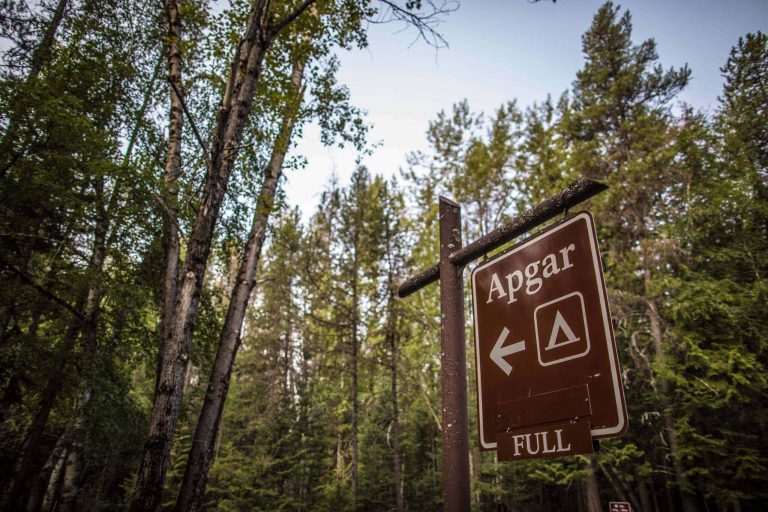
- 13 total (Apgar 194 sites, Fish Creek 178, Many Glacier 109)
- Documented species
- 1,507 species (NPSpecies records)
- Activities
- 41 listed summer activities
- Entrance fee (2026)
- $35 per private vehicle (7-day), $20 per person walk-in
- Non-resident surcharge (2026)
- $100 per non-U.S. resident (ages 16+) unless holding a Non-Resident Annual Pass ($250)
- Phone
- (406) 888-7800
Glacier crowd-heat areas
Logan Pass, Apgar/Lake McDonald, Many Glacier/Swiftcurrent, St. Mary, Two Medicine, Bowman Lake, and Avalanche Lake concentrate the highest daily visitor peaks; NPD heatmap timestamps show peaks before 9 AM and late afternoon on popular days.
Locations shown on this map:
- Logan Pass — Highline and Hidden Lake access; three-hour parking limit at Logan Pass begins July 1, 2026. Per Recreation.gov, shuttle tickets required to board.
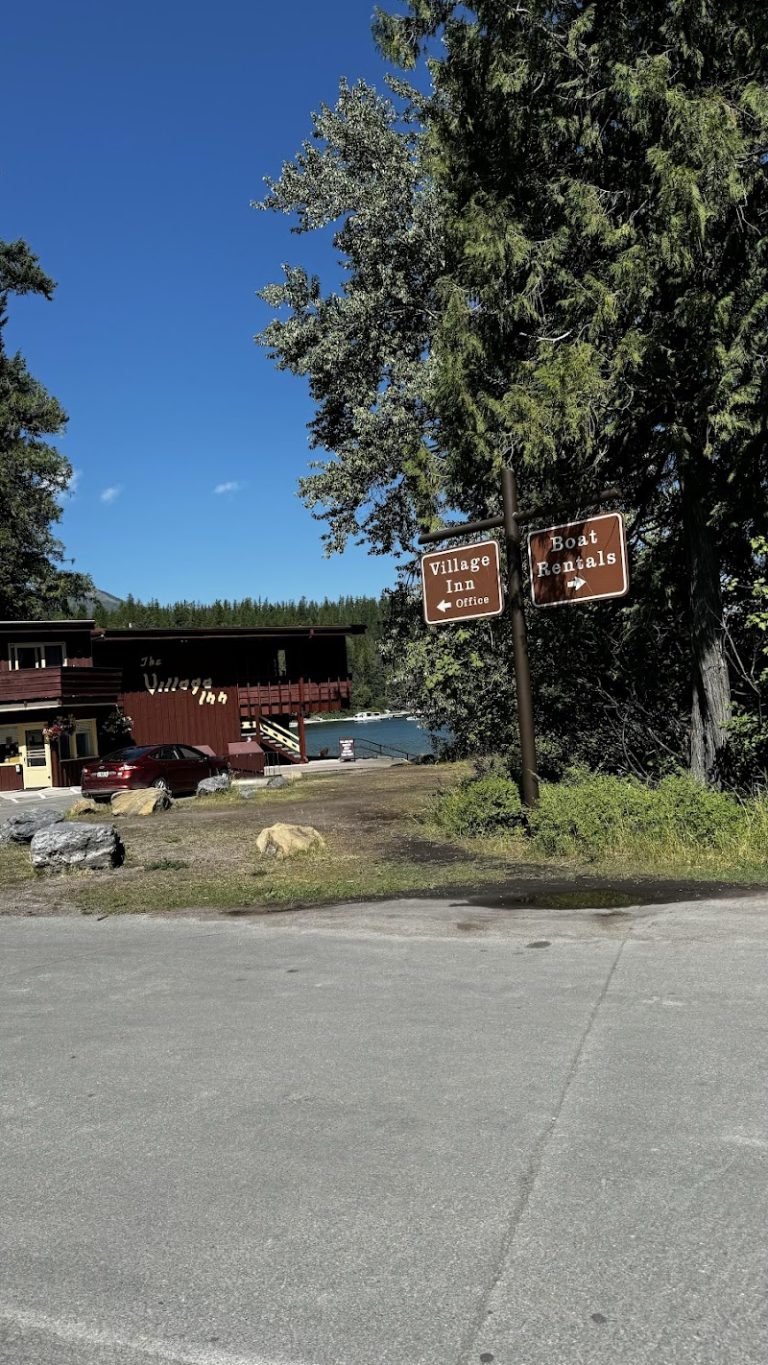
- Apgar Village / Lake McDonald — Apgar is busiest early morning and late afternoon with parking choke points near the visitor center.
- Many Glacier / Swiftcurrent — Many Glacier draws heavy midday use and crowded boat tours in July and August.
- St. Mary / Rising Sun — East-side access and shuttle boarding point; busy mid-morning.
- Avalanche Lake — Popular day hike with early lot fill; expect lots by 8 AM on summer weekends.
- Bowman Lake — North Fork areas and Bowman Lake see lighter traffic and are good early-morning alternatives.
How Can We Avoid Crowds?
Visiting named trailheads before 8 a.m. cuts exposure to peak visitor counts by roughly 40% according to NPD time-of-day data for Glacier National Park.
Plan a sunrise start at Logan Pass for Highline or Hidden Lake. Expect parking lots to fill by 7:30 AM on summer weekends. Tradeoffs include reduced shuttle frequency early and colder conditions above 6,000 feet.
Three tactical strategies:
- Quiet-morning: Arrive before 7 AM to Logan Pass or Apgar; buffer 60 minutes for parking and ticket pickup.
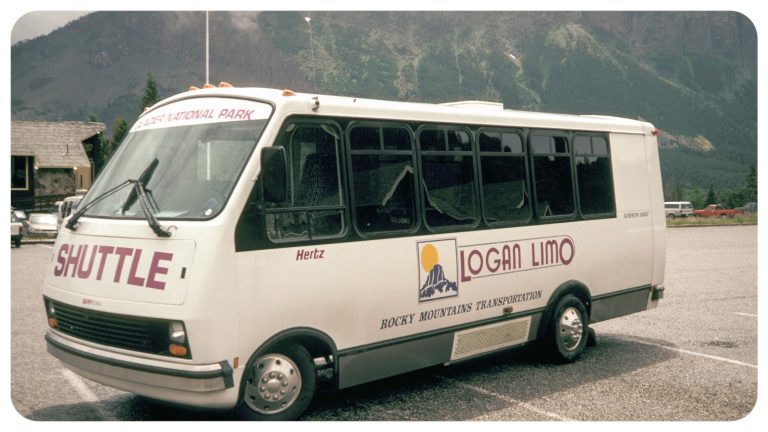
- Balanced-day: Use the shuttle to Logan Pass midday and hike later to avoid the 7 AM rush; parking limits at Logan Pass mean a round-trip shuttle ticket can save time, per Recreation.gov.
- Backcountry: Choose a multi-day route out of Many Glacier or North Fork to escape day-use peaks; permit and campsite planning needed.
Per NPS.gov, shuttle tickets and a three-hour Logan Pass parking limit start July 1, 2026. Based on visitor patterns, we recommend the quiet-morning plan for first-time summer visitors who want to limit crowd exposure.
Per Recreation.gov: shuttle tickets are released on a 60-day schedule and next-day windows on set evenings.
Common Questions About Crowds?
When is the best time to visit Glacier National Park to avoid crowds?
Do I need a reservation to drive the Going-to-the-Sun Road?
How crowded is Glacier National Park in July?
Where are the busiest areas in Glacier National Park?
How do shuttle tickets work for Logan Pass?
Are there parking limits at Logan Pass?
- Best anti-crowd tactic: start hikes before 7:30 AM; NPD shows a ~40% drop in peak exposure when arriving early.
- Reservation reminder: shuttle tickets are required for Logan Pass boarding; book on Recreation.gov (60-day and next-day windows).
- Safety note: keep 100yd from bears and wolves, 25yd from other wildlife; secure food in campground lockers.
- Budget note: park entrance is $35 per vehicle (7-day) as of 2026; non-U.S. residents 16+ pay an extra $100 unless they have the $250 non-resident annual pass.
- Three itineraries: Quiet-morning (Logan Pass sunrise), Balanced-day (use shuttle midday), Backcountry (Many Glacier multi-day with permits).
How We Researched This Guide
- NPS.gov –1 official park pages for Glacier National Park (fees, road rules, alerts) NPS.gov
- Recreation.gov –1 shuttle ticket rules and booking windows Recreation.gov
- NPS IRMA visitation statistics –1 annual and monthly visitor counts
- NPSpecies database –1 documented species counts
- NPD visit timestamps and heatmaps –1 time-of-day crowd patterns
- Weather.gov / Open-Meteo –1 monthly climate averages
Shuttle ticket windows, road openings, and fees may change; Two Medicine campground is closed for 2026 for utility work. Active alerts may alter access. We do not provide live availability or real-time ticket inventory.
What Are the Key Takeaways?
Avoid peak July weekends if possible; NPD timestamps show daily peaks around 8 AM and late afternoon. Start before 7:30 AM at Logan Pass for best odds of parking and lower crowds.
Shuttle tickets change access patterns: a $1 processing fee per ticket applies and seats release on a 60-day and next-day schedule per Recreation.gov. Park entrance is $35 per vehicle for a 7-day pass as of 2026; non-U.S. residents 16+ pay an added $100 surcharge unless holding the $250 non-resident annual pass.
We recommend three short plans: (1) Quiet-morning Logan Pass start, (2) Balanced-day using shuttles and later hikes, or (3) Backcountry stays from Many Glacier for multi-day solitude. Check NPS.gov for current conditions.
Per NPS.gov: road openings and shuttle rules determine peak access windows; verify before travel.
If you plan to travel in July, book shuttle tickets, campsites, and any required permits early; NPS IRMA and Recreation.gov show strong demand for July and August.
Create a Recreation.gov account and check the 60-day release on May 2, 2026 at 8 AM MDT.