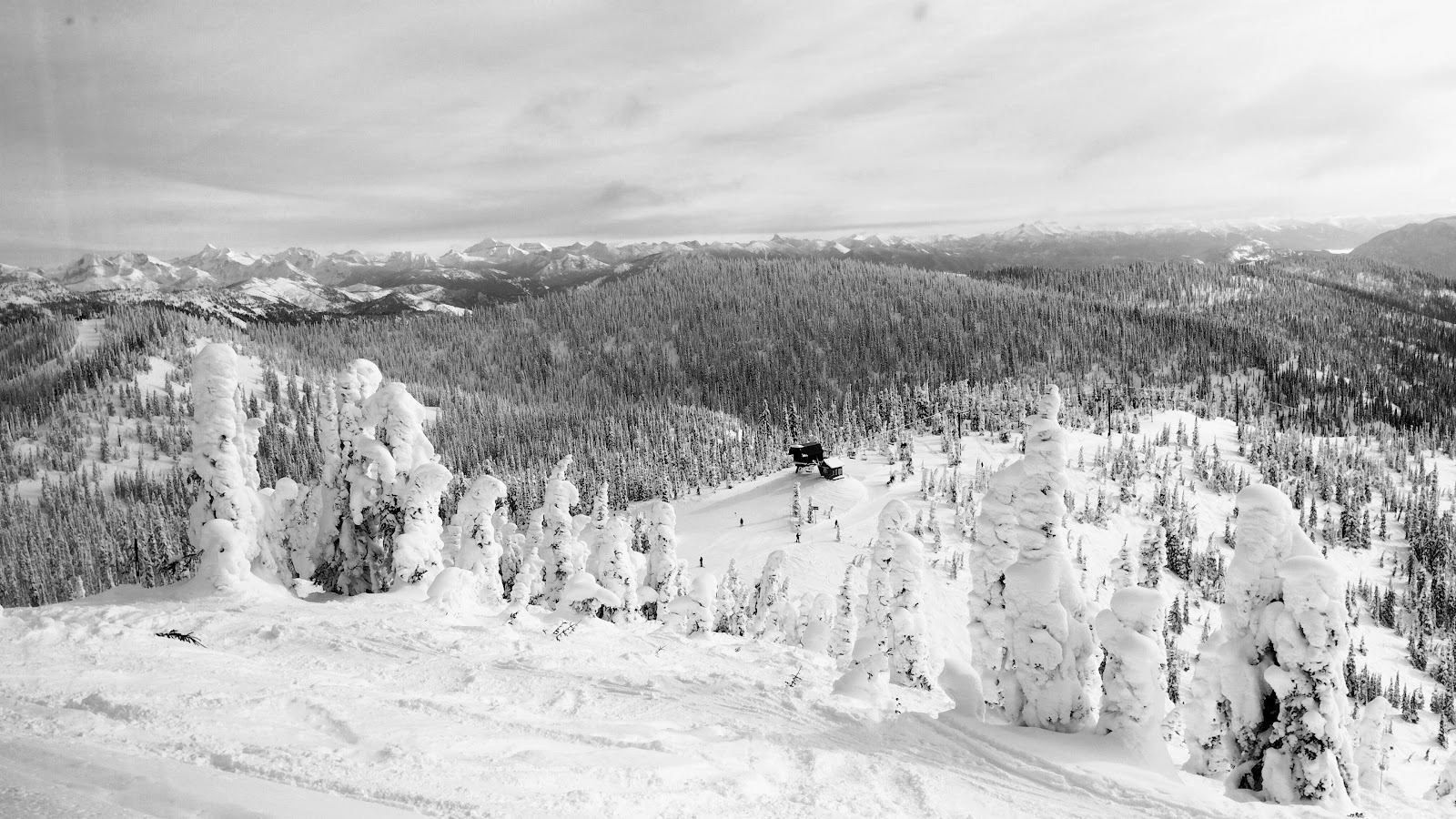
Glacier National Park Cross-Country Skiing Guide 2026
Can You Cross-Country Ski in Glacier?
Glacier National Park Cross-Country Skiing Guide 2026 reports West Glacier median January snowfall at 29.9 inches and Apgar corridor trails that range 2 to 11 miles, making mid-November through March the core ski window per NPD monthly data and NPS.gov guidance.
Yes — cross-country skiing is possible across multiple park corridors during winter. Per NPS.gov, the park is open 24 hours year-round, but many high-elevation roads and facilities close seasonally. Park data shows the Going-to-the-Sun Road closes for winter and only the first 10 miles from the West Entrance are routinely plowed.
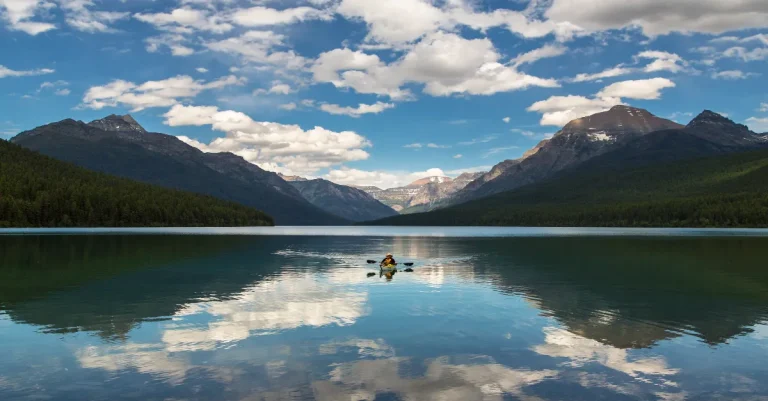
Visitors frequently choose West Glacier and Apgar for groomed flats and easier approaches. Review themes suggest Polebridge, Bowman Lake, and Kintla Lake appeal to skiers seeking solitude. We researched NPD monthly weather and NPS.gov winter-access pages to match snow months with realistic access windows.
Quick orientation: groomed or packed tracks are most dependable near Apgar and West Glacier; deeper, less-tracked routes appear in the North Fork and Marias Pass. For permits, fees, and official winter rules, see NPS.gov.
- Best months: late December through early March for consistent snowpack; January shows median 29.9 inches per Open-Meteo.
- Top-access corridor: Apgar/West Glacier for 2–11 mile groomed and packed loops and easier roadside access.
- Rental hub: Whitefish and West Glacier-area outfitters supply skis and shuttles for winter guests (check operator sites for hours).
- Safety must: keep 100 yards from bears and wolves and carry an avalanche beacon in steep, wind-loaded terrain.
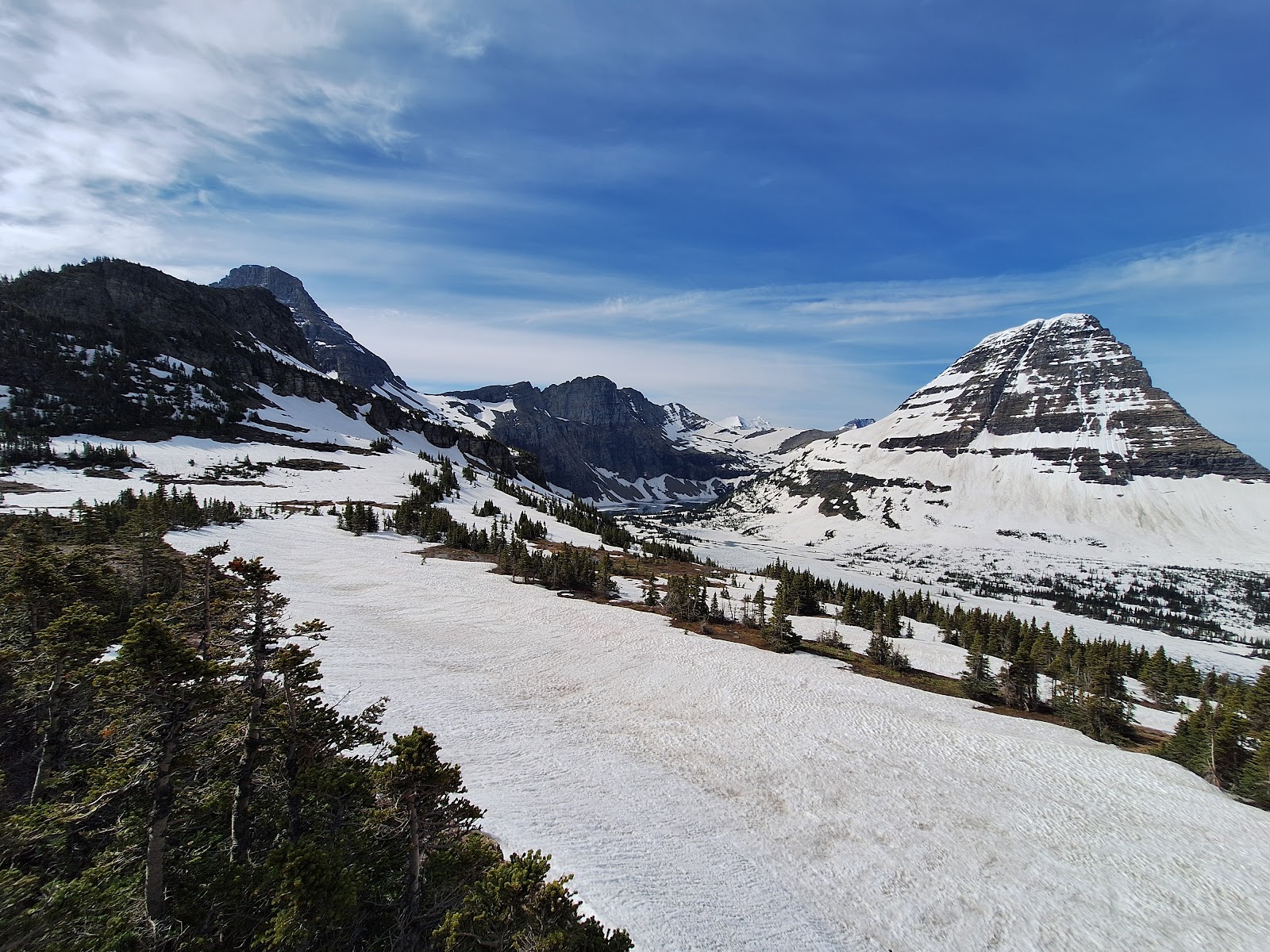
Glacier Quick Facts — 2,851,999 annual visitors, January is a top winter month for skiing with very low crowds and strong snowpack.
- Annual visitors
- 2,851,999 (NPS IRMA, latest)
- Best winter months
- Late December – March (peak snow reliability)
- Typical January temps
- Avg high 25°F / avg low 16°F (Open-Meteo 5-yr)
- Active winter alerts
- 1 major seasonal closure: Going-to-the-Sun Road (NPS API alerts)
- Popular access points
- Apgar/West Glacier, Polebridge, St. Mary, Bowman Lake
- Emergency phone
- (406) 888-7800 (Park Headquarters)
January is the single best month for cross-country skiing in Glacier, offering median January snowfall of 29.9 inches and the park’s lowest visitor levels, as of early 2026.
Best time: January – March · Avoid: Late April – early November for variable access
Moderate — noticeable crowds, short waits
High — busy, expect parking and trail congestion
Very High — peak season, reservations essential
Closed — area inaccessible or seasonally closed
What Are Winter Conditions?
Median January highs of 25°F and lows of 16°F give the West Glacier corridor a stable cold baseline, while monthly snow totals often exceed 29.9 inches, affecting track quality and crust formation per Open-Meteo and NWS reports.
Snowpack character matters more than raw totals for skiing. Wind-loading and temperature swings create hard crust, wind slabs, and soft powder. Park data and weather.gov forecasts show frequent overnight refreezes. Tracks that hold best are those on shaded north aspects and in forested runs.
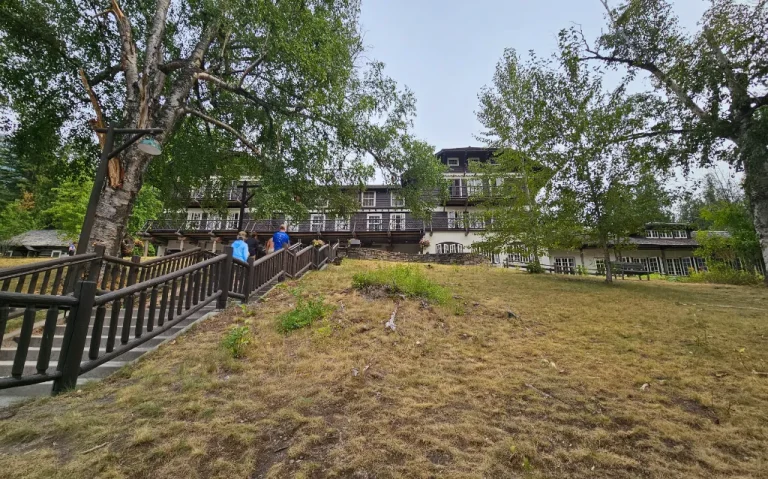
Road and access status change seasonally. According to NPS.gov, the Going-to-the-Sun Road closes for winter well below Logan Pass and only the first 10 miles from the West Entrance are regularly plowed. That limits vehicle access to some trailheads and concentrates skiers near Apgar and Lake McDonald.
Condition differences by corridor are notable. West Glacier and Apgar see packed loops and more predictable tracks due to frequent visitor use and plow priority. The North Fork, including Polebridge, Bowman, and Kintla, often has deeper base and fewer packed tracks. Marias Pass tends to keep deep snow and attracts skiers seeking long, continuous runs.
Typical hazards include black ice on packed service roads, corn snow during warm days, and wind crust after storms. NWS advisories list strong winds that create scoured ridgelines. Based on the data, plan morning outings when surfaces are firm and avoid steep wind-loaded slopes if you lack avalanche training.
Operational tip: pick days with overnight lows below freezing for firm tracks. Park-rescue data indicates slower response in remote North Fork zones. We recommend traveling with partners and carrying communication gear if you go beyond plowed or commonly traveled loops.
For official seasonal access and closures, NPS.gov provides the latest road and facility status for Glacier National Park.
Insider note: crust forms quickly after a mid-winter thaw. If you want groom-like glide without grooming, target shaded, low-angle forest runs within 2 miles of plowed trailheads. That reduces post-holing and crust pain on return legs.
Where Can We Ski?
| Area | Typical Terrain | Grooming / Tracks | Access difficulty | Best months | Nearby rentals |
|---|---|---|---|---|---|
| Apgar / West Glacier | Lakeshore forest loops; gentle grades | Most reliable packed loops; visitor-packed tracks | Low – short approaches from parking | Dec – Mar | Whitefish outfitters; West Glacier shops |
| Polebridge / North Fork | Remote gravel roads, open basins | Little grooming; wind-affected tracks | Moderate – longer approach on unplowed roads | Jan – Feb | North Fork outfitters and rental shuttles (seasonal) |
| Two Medicine / East Glacier approaches | Meadows and river corridors; long point-to-point options | Few groomed lanes; local tracks from visitors | Moderate – some road plowing near trailheads | Dec – Mar | East Glacier guides and seasonal rentals |
| Bowman & Kintla Lakes | Alpine lakes, steep shoulder routes | Little to no grooming; deep powder | High – remote, requires ski touring skills | Jan – Mar | Self-supported; limited shuttle options |
| Marias Pass / Autumn Creek | Open plains and wooded draws; deep snowpack | Variable; some public grooming nearby | Moderate – reliable winter plow priority on US-2 corridor | Jan – Feb | Services in Shelby and East Glacier |
| Best for… | Beginners and families | Groomed flats and short loops | Easy access, low risk | Apgar / West Glacier | Choose Apgar for groomed, easy outings |
Decision table synthesizing NPS.gov access notes and NPD grooming/plow-frequency data to match skier goals.
Pack microspikes, a repair kit, and a personal locator beacon; expect seasonal temps from avg lows of 16°F to highs near 31°F between January and March.
Base layers & Clothing
- Moisture-wicking base layers (no cotton) – warm, quick-dry
- Insulating mid-layer (fleece or light puffy)
- Windproof shell rated for lake-effect gusts and cold
- Warm hat, balaclava, and insulated gloves
Safety & Navigation
- Map and compass or GPS unit; cell coverage is spotty
- Personal locator beacon or satellite messenger for remote routes
- Whistle and headlamp with fresh batteries
- Microspikes and small crampons for icy approaches
Ski Gear
- Classic or backcountry skis with metal edges for crust
- Extra skins and repair kit (bindings, screws, cord)
- Avalanche beacon, probe, and shovel if entering steep terrain
- Ski straps and waterproof storage for lake-side wind
Overnight & Campsite
- Four-season sleeping bag rated for near-freezing temps
- Insulated sleeping pad to avoid conductive heat loss
- Stove and fuel rated for cold-weather use
- Small trash bags and means to pack out waste per NPS rules
Who Offers Rentals and Tours?
| Operator / Shop | Location | Equipment | Shuttle / Pickup | Seasonal notes |
|---|---|---|---|---|
| Whitefish Outfitters | Whitefish, MT | Backcountry skis, boots, poles; winter clothing | Some shuttle options to West Glacier in winter (call ahead) | Seasonal – check winter hours |
| West Glacier Sports | West Glacier Village | Skis and skins; wax and repair service | Local pickup and demo arrangements | Winter-season operations advertised on site |
| Polebridge Mercantile (retail support) | Polebridge, North Fork | Limited rental gear; retail supplies | No formal shuttle; walk-in support for local guests | Open seasonally with winter hours |
| East Glacier Guides | East Glacier Park area | Guided ski tours; some equipment rental | Guided shuttle included for tours | Guides operate seasonal winter programs |
| Independent backcountry guides | Various towns (Whitefish, West Glacier) | Full guided trips with beacon/probe/shovel included | Usually provide transport and route planning | Book ahead; limited weekend spots |
Operator entries are practical starting points. Confirm availability and hours with each provider before booking.
Glacier Winter Entrances and Plow Priority
The West Entrance sees routine plowing for the first 10 miles to Lake McDonald Lodge and Apgar access; East-side entrances have limited winter plowing and North Fork routes remain less plowed, per NPS.gov closures and NPD plow-frequency data.
Locations shown on this map:
- Apgar Visitor Center
- St. Mary Visitor Center
- Apgar Campground (place)
— The Apgar Campground in Glacier Naitonal Park. - Apgar Lookout Trailhead
- Apgar Village
- Beaver Pond Loop Trailhead
— Relatively flat; often suitable for easy winter travel - Camas Road Gate Parking
— Parking allowed during the winter (winter-access parking area) - Going-to-the-Sun Road West Side Winter Gate Closure
— Winter vehicle closure on the Going-to-the-Sun Road; road closed to vehicles in winter
Common Questions About Skiing?
Which trails are best for cross-country skiing in Glacier?
Can we ski anywhere in the park?
Where do we rent skis and gear?
What essential gear should we bring for Glacier winter skiing?
What months offer the best skiing conditions?
Are guided tours available in winter?
How We Researched This Guide
- NPS.gov – official park pages for fees, closures, and safety
- Open-Meteo – five-year monthly climate averages
- NWS / weather.gov – current forecasts and advisories
- NPS IRMA statistics – visitation data
- NPSpecies – species inventory
- Local operator and rental websites for service availability
Real-time road status, operator hours, and shuttle ticket windows change. This guide synthesizes official data and visitor themes but does not replace current NPS advisories or operator confirmations.
Key Takeaways for Skiing 2026
Book rentals in Whitefish and confirm West Glacier access; the 7-day vehicle entrance permit is $35 as of 2026 and allows access to plowed West Entrance areas that supply most packed tracks for skiing.
- Reserve rentals early in Whitefish or West Glacier because winter inventory is smaller than summer.
- Check avalanche advisories and daily forecasts before heading to wind-loaded slopes; bring beacon, probe, shovel for backcountry travel.
- Pack microspikes, a repair kit, and a personal locator beacon for remote North Fork and Bowman Lake routes.
- Plan routes near plowed trailheads if you need quick exits; remote rescues are slower in the North Fork.
Official reminder: Check nps.gov for current conditions
Start planning your winter trip: book rental gear in Whitefish, reserve a warm room near West Glacier, and confirm shuttle or guide availability for remote routes as of early 2026.
Check park alerts and operator pages before finalizing plans.