First Time Visiting Glacier National Park: What to Know
Planning your first trip to Glacier National Park starts with eight key steps — from buying your pass to knowing exactly what time to arrive at Logan Pass. Follow this guide and you’ll spend more time in the park and less time stuck in traffic or hunting for parking.
- Entrance fee: $35/vehicle (summer) or $20/person on foot/bike — no cash accepted at entry kiosks
- No vehicle reservations required in 2026 — but Logan Pass parking is limited to 3 hours (starting July 1)
- Arrive before 7 AM at Logan Pass in July–August; the lot fills by 7–8 AM on peak days
- Reserve shuttles on Recreation.gov — book 60 days out starting May 2, 2026
- Cell service is spotty to nonexistent inside the park — download maps and shuttle tickets before you enter
- Plan at least 3 days to cover Going-to-the-Sun Road, one or two hikes, and the Many Glacier area
Step 1: Learn the Park Layout Before You Arrive
Glacier covers 1 million acres across five main areas. Knowing the layout before you go prevents the most common first-timer mistake: spending half a day driving to the wrong entrance.
| Area | Entrance | Best For | Drive from Whitefish |
|---|---|---|---|
| West Side / Apgar | West Glacier | Lake McDonald, Apgar Village, trailheads | ~25 min |
| Going-to-the-Sun Road | West Glacier or St. Mary | Logan Pass, panoramic drives | ~25 min (west) / ~1 hr 30 min (east) |
| East Side / St. Mary | St. Mary | St. Mary Lake, Wild Goose Island Overlook | ~1 hr 45 min |
| Many Glacier | Babb (northeast) | Swiftcurrent Lake, Grinnell Glacier hikes | ~1 hr 50 min |
| Two Medicine | East Glacier | Quieter trails, fewer crowds | ~2 hrs |
Most first-time visitors base themselves near West Glacier or Whitefish, MT, and use the west entrance. If you only have one or two days, focus on Going-to-the-Sun Road and one area — trying to visit everything leads to burnout. Read the East Side vs. West Side comparison to decide which suits you best.
Step 2: Choose When to Visit
Some links below are affiliate links.
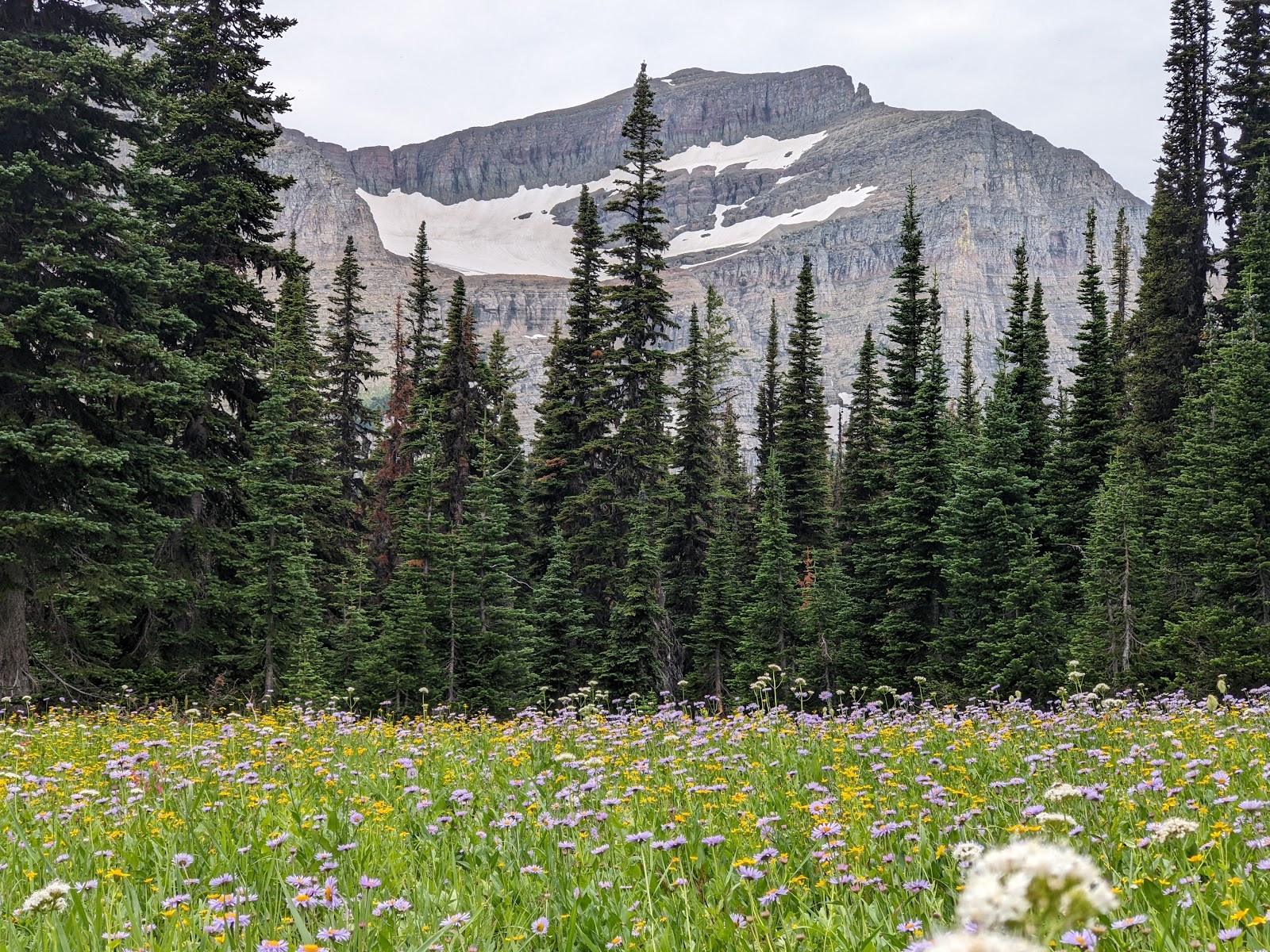

The best time for most first-time visitors is July through early September, when Going-to-the-Sun Road is fully open, all trailheads are accessible, and wildlife is active. Each season has distinct trade-offs.
| Season | Conditions | Crowds | Recommendation |
|---|---|---|---|
| May–June | Spring wildflowers, snowmelt, some road closures | Low–moderate | Good for wildlife; GTSR alpine section opens in July |
| July–August | Full access, warm days (low 80s), cool nights (40s) | Very high | Best overall access; arrive early or use shuttle |
| September | Crowds drop sharply after Labor Day, fall colors, bear activity | Low–moderate | Best-kept secret; near-perfect conditions |
| October–April | Road and trail closures, GTSR closed, winter recreation only | Very low | For experienced winter visitors only |
The east side of the park tends to be cooler and windier than the west. Snow is possible at higher elevations in June and July even during peak summer. Peak visitation hours are 10 AM–2 PM — plan around them or use the shuttle.

Step 3: Buy Your Entrance Pass Before You Go
Glacier National Park does not accept cash — purchase your entrance pass by card in advance online or at the entry kiosks. Having your pass ready reduces wait times at busy entry stations during peak hours.
| Pass Type | Summer Rate | Winter Rate (Nov 1–Apr 30) | Valid For |
|---|---|---|---|
| Private Vehicle | $35 | $25 | 7 days, driver + all passengers |
| Motorcycle (up to 2 bikes, 4 riders) | $30 | $20 | 7 days |
| Pedestrian / Cyclist (per person) | $20 | $15 | 7 days; children under 16 free |
| Annual Park Pass | $70 | $70 | 1 year from entry month |
| America the Beautiful Annual | $80 | $80 | All federal fee areas, 1 year |
| Senior Annual / Lifetime | $20 / $80 | Same | All federal fee areas |
If you plan to visit multiple national parks in the same year, the America the Beautiful Annual Pass ($80) pays for itself in one or two park visits. Military members and their dependents receive free admission. Children under 16 are always free regardless of pass type.
Step 4: Plan How to Get Around the Park
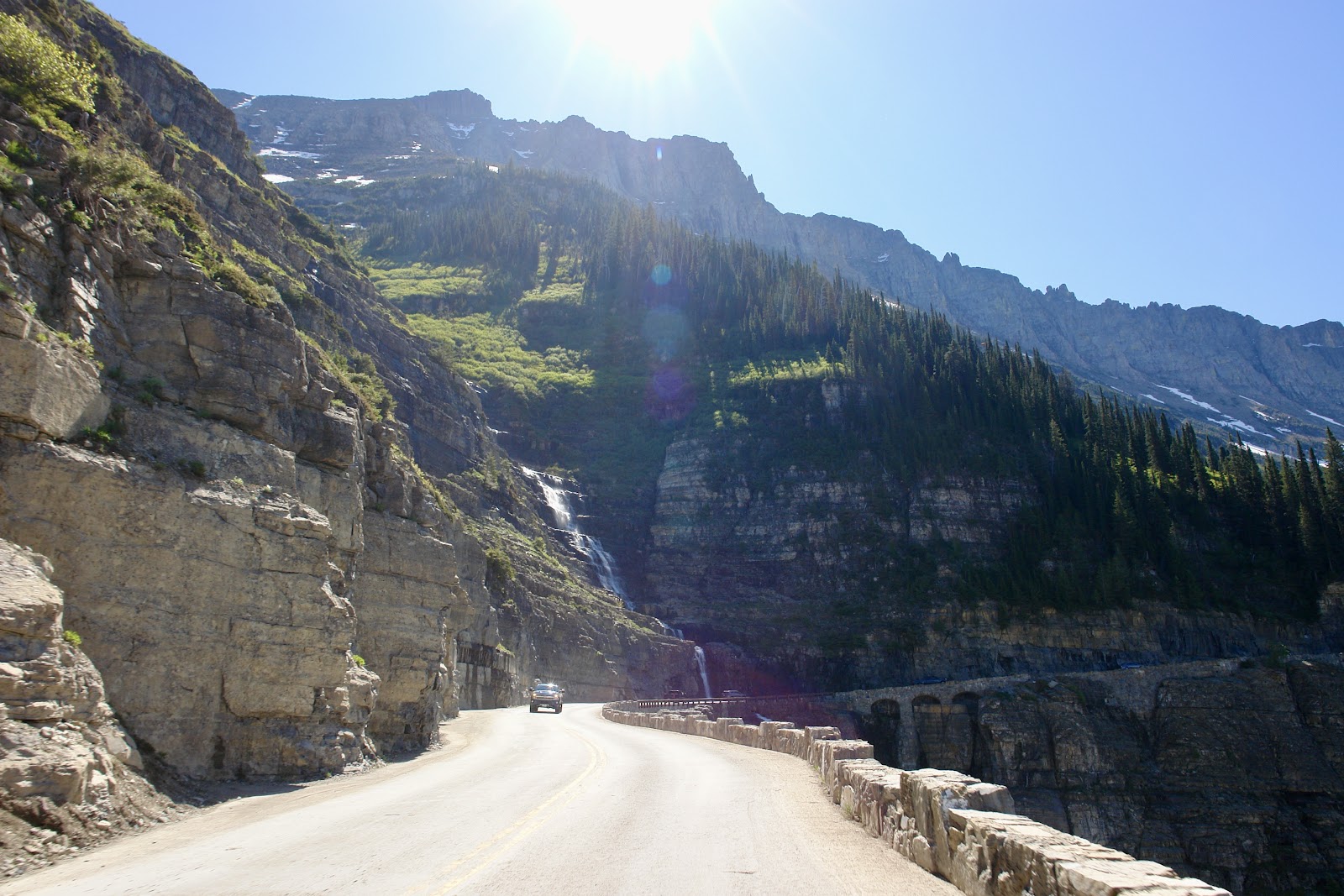
Getting around Glacier requires a plan. The main corridor is Going-to-the-Sun Road (GTSR) — a 50-mile scenic route crossing Logan Pass at 6,646 feet on the Continental Divide. In 2026, you can drive GTSR without a vehicle reservation, but Logan Pass parking rules have changed.
Driving Going-to-the-Sun Road
Plan 5–6 hours if you stop at overlooks and short walks. Vehicle restrictions apply: no vehicles longer than 21 feet (including bumpers) or wider than 8 feet (including mirrors) between Avalanche Campground and the Rising Sun picnic area — this eliminates most RVs and large trailers from the alpine section.
The 33-mile stretch between Lake McDonald Lodge and Rising Sun Motor Inn has no gas, food, or cell service. Fill your tank and pack water and snacks before entering, per NPS.gov. The alpine section typically opens in early July, weather permitting — check current status before your drive.
Shuttle System (2026)
Glacier is launching a ticketed reservation-only shuttle system to Logan Pass starting July 1, 2026. Tickets are $1 (Recreation.gov processing fee). Book up to 60 days in advance starting May 2, 2026 at 8 AM MDT, or same-day at 7 PM MDT for next-day service (starting June 30).
- West side: Departs Apgar Visitor Center and Lake McDonald Lodge; serves The Loop and Logan Pass
- East side: Departs St. Mary Visitor Center and Rising Sun; transfers at Logan Pass
- Note: Avalanche Lake and Trail of the Cedars are not accessible by park shuttle in 2026 — drive or walk in from the Avalanche trailhead
Step 5: Book Lodging and Campgrounds Early
In-park lodges and campgrounds book out months — sometimes a full year — in advance for peak summer. Do not assume you can find same-day accommodations in July or August.
| Option | Location | Reservation Method | Opens For Summer |
|---|---|---|---|
| Lake McDonald Lodge | West side, Lake McDonald shore | glacierparklodges.com | January–February |
| Many Glacier Hotel | Northeast, Swiftcurrent Lake | glacierparklodges.com | January–February |
| Granite Park Chalet | Backcountry, Highline Trail | Recreation.gov lottery | January |
| St. Mary Campground | East entrance | Recreation.gov | Spring |
| Fish Creek Campground | West side | Recreation.gov | Spring |
| Apgar Campground | West entrance | Mix of reserved + walk-in | Year-round (some sites) |
Gateway towns with more lodging options include Whitefish MT (~25 miles west), Kalispell MT (~35 miles), and East Glacier Park MT on the east side. These also book quickly in summer — reserve 3–6 months ahead for July and August.
Step 6: Pack for Alpine Conditions
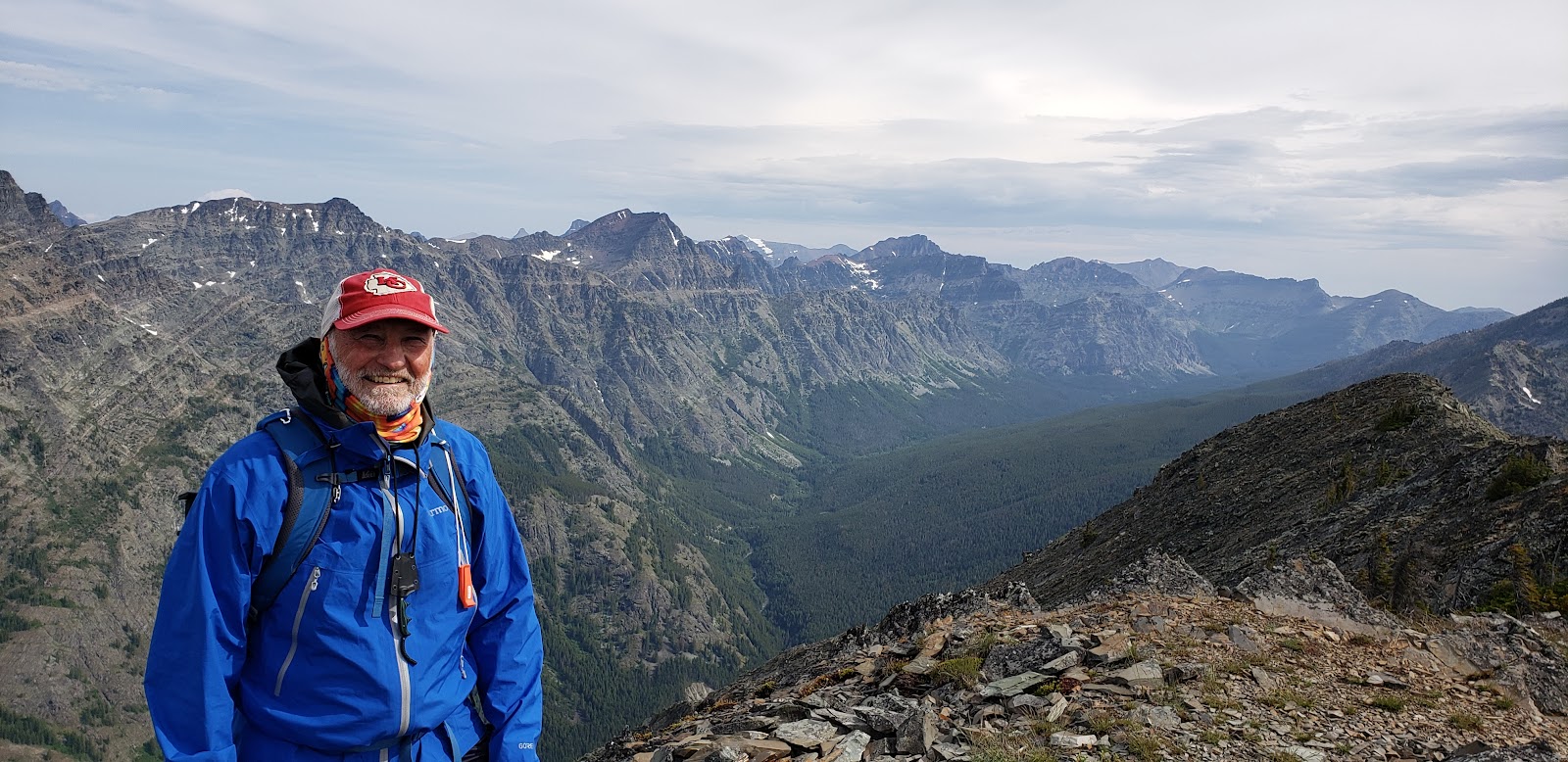

Alpine weather in Glacier changes fast. A sunny morning at Lake McDonald can become a hailstorm at Logan Pass by afternoon. Temperatures at Logan Pass (6,646 ft) run at least 10°F cooler than low-elevation entrances. Over-packing for weather is almost impossible here.
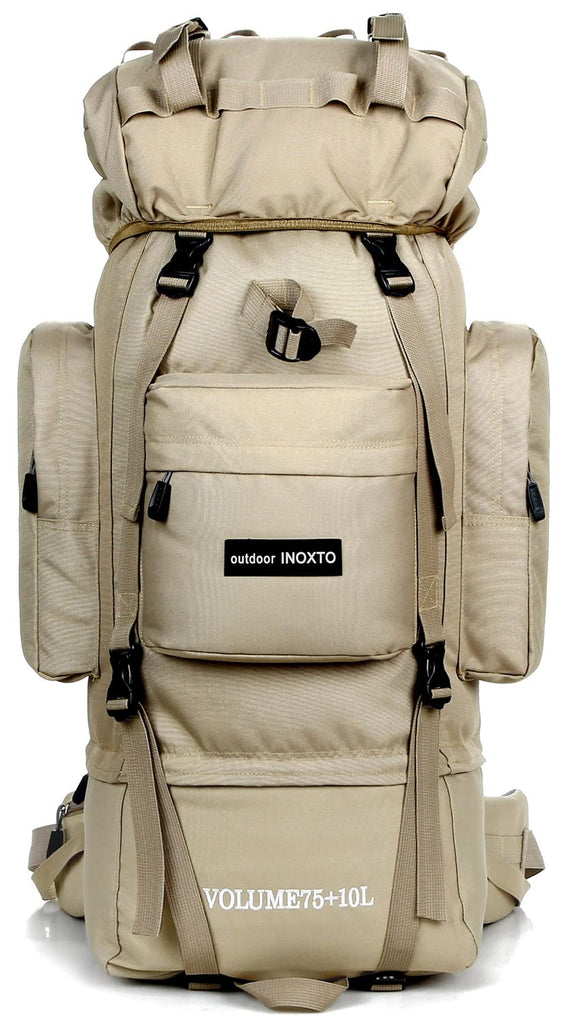
Glacier National Park Packing Checklist
Clothing (Layer System)
- Moisture-wicking base layer (top and bottom)
- Insulating mid-layer (fleece or down jacket)
- Waterproof rain jacket — essential even in July
- Sturdy hiking boots with ankle support
- Warm hat and gloves (Logan Pass can be cold any month)
- Sun hat or cap and sunglasses (UV is intense at elevation)
Safety and Navigation
- Bear spray (required backcountry; strongly recommended for all hikes)
- Offline maps downloaded (Gaia GPS, AllTrails, or NPS app)
- Whistle and basic first aid kit
- Headlamp with extra batteries
Day Pack Essentials
- Water — at least 2 liters per person (no services on 33-mile GTSR alpine stretch)
- High-energy snacks and lunch
- Sunscreen SPF 30+ and lip balm
- Reusable bags for trash (Leave No Trace)
- Portable phone charger / power bank
Step 7: Know the Essential Rules and Wildlife Safety
Breaking these rules can result in fines, injury, or emergency evacuation. Rangers enforce all policies actively during peak season — know them before you arrive.
| Rule | Detail |
|---|---|
| Wildlife distances | 100 yards minimum from bears and wolves; 25 yards from all other wildlife. Approaching wildlife is a federal offense. |
| Pets | Allowed on paved roads, campgrounds, and picnic areas only. Not permitted on most trails or in backcountry. |
| Leave No Trace | Pack out all trash. No food scraps or waste left on trails or at campsites. |
| Campfires | Subject to seasonal bans. Check current NPS alerts before building a fire. Never leave unattended. |
| Drones | Prohibited without a commercial filming permit issued by the park. No recreational use. |
| Natural materials | Prohibited to collect rocks, plants, antlers, or any natural objects from the park. |
For the full list of rules most visitors accidentally break, read 15 Mistakes to Avoid in Glacier National Park.
Step 8: Day-of Arrival — Start Early and Move Smart
Early arrival is the single most impactful strategy for a great Glacier experience in summer. Peak congestion is 10 AM–2 PM. Arriving before 7 AM changes everything.
| Arrival Time | Logan Pass Conditions | Best Strategy |
|---|---|---|
| Before 7 AM | Parking available, quiet trails, golden-hour light | Drive directly to Logan Pass trailheads |
| 7–9 AM | Filling fast — may still find a spot | Arrive with a plan B; have shuttle ticket ready |
| 9 AM–2 PM | Lot full, road congestion, peak crowds | Use shuttle or visit Many Glacier / Two Medicine instead |
| After 3 PM | Crowds thin slightly; evening light returns | Good window for a late afternoon visit |
Stop at the Apgar Visitor Center (west entrance) or St. Mary Visitor Center (east entrance) when you arrive — rangers provide real-time trail conditions, fire information, and wildlife sighting reports. Both open around 8–9 AM in season and offer free park maps.
Contact the park directly at 406-888-7800 or check NPS.gov/glac for same-day road conditions, fire restrictions, and ranger program schedules.
Frequently Asked Questions
Do I need a reservation to visit Glacier National Park in 2026?
What is the entrance fee for Glacier National Park in 2026?
When does Going-to-the-Sun Road open?
How many days do I need for a first visit to Glacier National Park?
Is there cell service inside Glacier National Park?
How We Researched This Guide
- NPS.gov — Visiting Glacier in 2026 (official shuttle, Logan Pass parking, and access updates)
- NPS.gov — Fees and Passes (2026 entrance fee schedule)
- NPS.gov — Going-to-the-Sun Road (vehicle restrictions, road access, seasonal closure)
- Glacier Park Collection — 2026 lodging dates and visitor guidance
- Recreation.gov — shuttle reservation procedures
- Montana Tourism — seasonal visitor guidance for 2026
- Glacier Tourbase — Logan Pass parking and shuttle tip compilation
Road opening dates, shuttle availability, and fire restrictions change rapidly. Verify current conditions at NPS.gov or call the park at 406-888-7800 before your visit. Logan Pass parking and shuttle policies are new in 2026 and subject to adjustment.
Ready to plan your first trip to Glacier? Browse our complete guides for trails, lodging, ranger programs, and the best scenic overlooks in the park.