Elk and Deer in Glacier National Park: Where to See Them

Glacier National Park has three members of the deer family (Cervidae): Rocky Mountain elk, Rocky Mountain mule deer, and northwestern white-tailed deer. All three are year-round residents, though elk are the easiest to spot — especially at Two Dog Flats near St. Mary Lake during dawn and dusk. The park’s 71 mammal species include these large ungulates spread across forested valleys, subalpine meadows, and open grassland corridors per NPS.gov.
This guide covers where to find each species, when to visit, what behaviors to watch for, and how to stay safe around large wild animals.
- Three cervid species live in Glacier: Rocky Mountain elk, Rocky Mountain mule deer, and northwestern white-tailed deer.
- Two Dog Flats near St. Mary Lake is the top elk spot — visit at dawn and dusk in spring and fall.
- Elk rut runs late August through December; bull bugles are audible from roadside pullouts along the St. Mary corridor.
- Mule deer are crepuscular (dawn/dusk active); white-tailed deer favor early morning and are common near Lake McDonald Lodge.
- NPS requires 75 feet minimum distance from all ungulates. Never approach or feed wildlife.
- Park entrance fee: $35/vehicle (2026). No separate wildlife permit required.
Elk in Glacier National Park
Rocky Mountain elk (Cervus canadensis) are the largest cervid in Glacier. Bulls average 700–1,000 pounds and carry a wide rack of antlers; cows average 500–600 pounds and are antler-free. Both sexes have a distinctive buff-colored rump patch, a short tail, and a thick neck mane — longer on bulls than cows per NPS.gov.
Elk range across forest and forest-edge habitat, grazing on grasses, forbs, shrubs, tree bark, and mineral licks. In summer they move to high subalpine meadows. By late fall they descend to lower valleys, sometimes migrating considerable distances to winter feeding grounds.
| Fact | Detail |
|---|---|
| Scientific name | Cervus canadensis |
| Bull weight | 700–1,000 lbs |
| Cow weight | 500–600 lbs |
| Diet | Grasses, forbs, shrubs, bark, mineral licks |
| Summer range | High subalpine meadows |
| Winter range | Low valley floors |
| Rut season | Late August – December |
Where to See Elk in Glacier
Some links below are affiliate links.
Some links below are affiliate links.
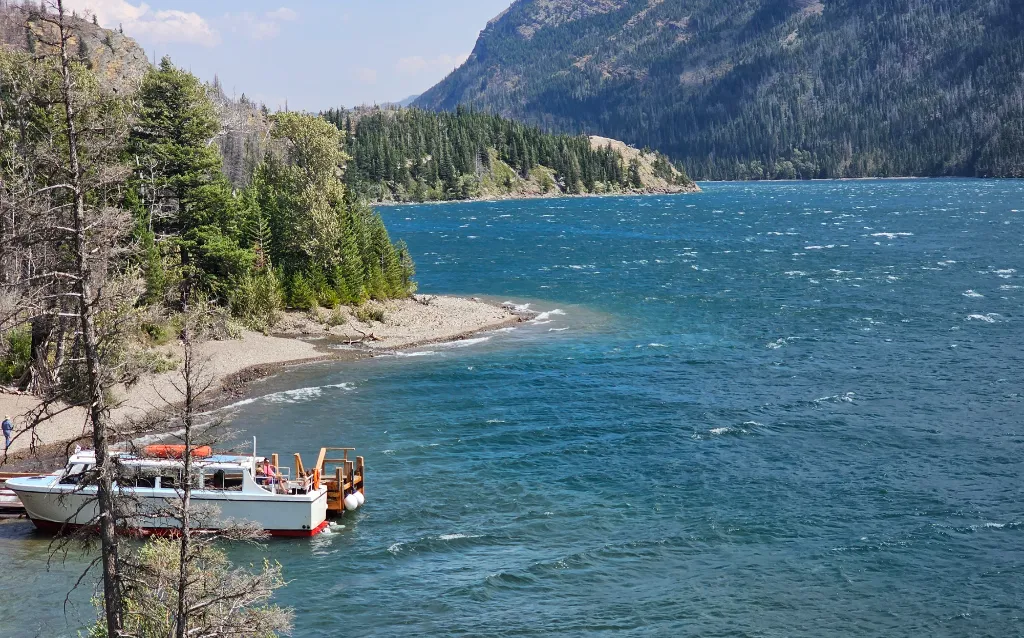

Two Dog Flats, a large sloping meadow on the north shore of St. Mary Lake near the east entrance, is the best single elk location in the park. Multiple roadside pullouts let visitors scan the meadow with binoculars. Elk herds gather here during spring and fall mornings, and coyotes or bears are sometimes drawn to the same open terrain per travel-experience-live.com.
Many Glacier Valley is considered the wildlife capital of Glacier. The road from Babb to Many Glacier Hotel passes through open valleys and wetlands where elk, grizzly bears, moose, and black bears all concentrate. Early morning drives in September and October yield the best results.
Two Medicine Valley on the park’s southeast corner is another reliable elk habitat. The valley’s grassland edges and forested ridges suit elk foraging patterns, with lower visitor traffic than the other two areas.
| Location | Why It’s Good | Best Time |
|---|---|---|
| Two Dog Flats (St. Mary) | Open meadow, multiple pullouts, reliable herd sightings | Spring & fall mornings |
| Many Glacier Valley | Wildlife capital — highest density of large mammals | Sept–Oct dawn |
| Two Medicine Valley | Quiet, forested edges, low visitor traffic | Fall mornings |
| Lake McDonald area | Forest corridors near lodge; elk less frequent but present | Early morning, dusk |
Elk Rut Season in Glacier
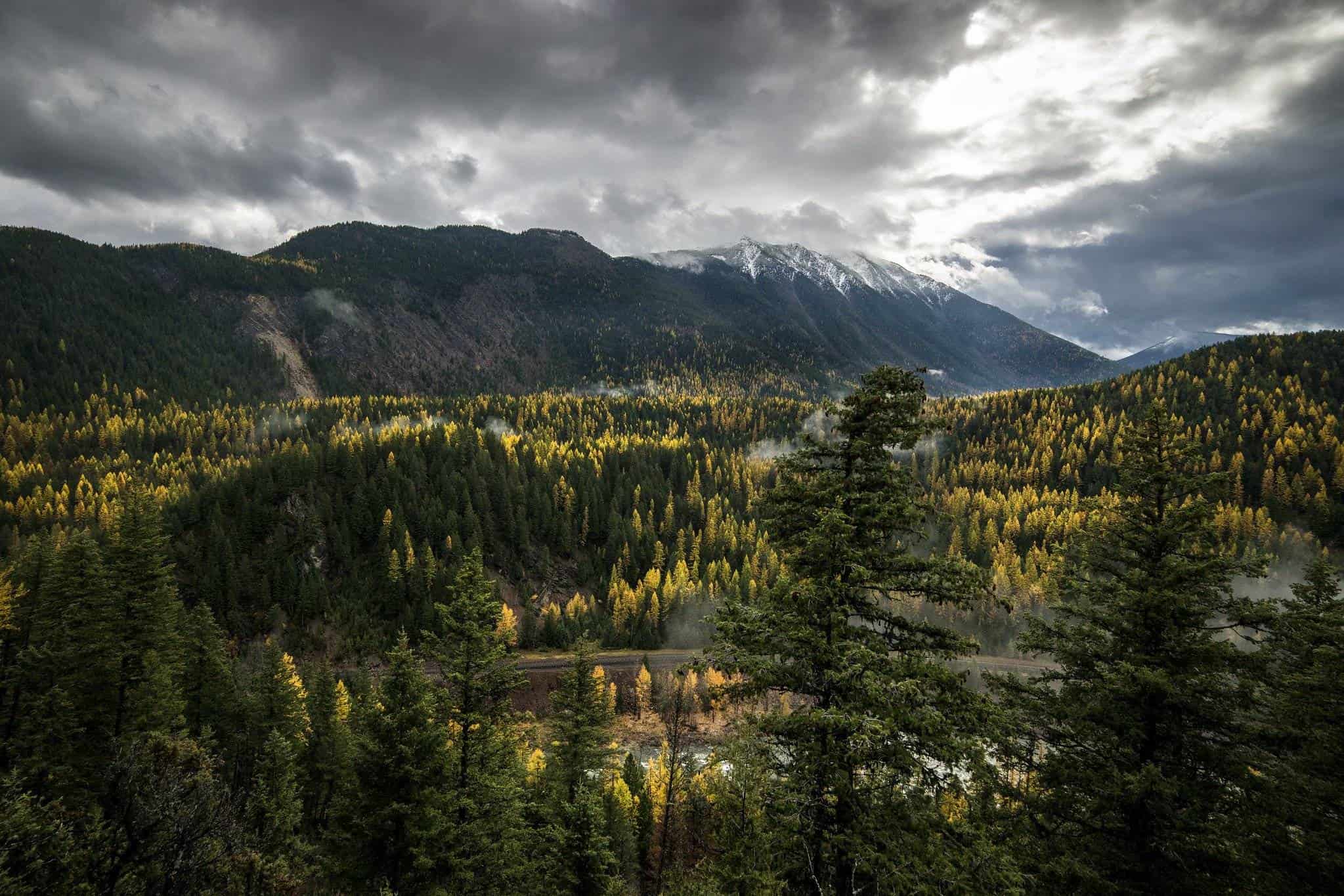

The elk rut (mating season) runs late August through December, peaking in September and October. During this period, dominant bulls gather harems of cows, display their antlers, and spar with rival males. Their distinctive bugle call — a rising whistle that drops into a deep grunt — carries far across open meadows and can be heard from roadside pullouts per NPS.gov.
This is the single best time to observe elk because bulls and cows mix in open terrain with reduced caution. Visit Two Dog Flats or Many Glacier at first light in September for the best chance of hearing and seeing active rut behavior. During the rut you’ll observe bulls mingling with cow groups — the reverse of their typical separate-sex behavior.
Mule Deer in Glacier National Park
Rocky Mountain mule deer (Odocoileus hemionus) get their name from their large, mule-like ears. Their coat shifts from brownish-gray in summer to blue-gray in winter. The most distinctive ID features: a white rump patch, a slim white tail with a black tip, and antlers that fork then fork again — typically four tines per side on mature bucks per glaciermt.com.
Mule deer are crepuscular — most active at dawn and dusk to avoid midday heat and peak predator activity. When alarmed, they perform a distinctive bounding gait called stotting (or “pronking”) where all four hooves leave the ground simultaneously. This eye-catching bounce confuses pursuing predators and signals danger to nearby deer.
| Feature | Mule Deer ID |
|---|---|
| Ears | Very large, mule-like |
| Tail | White with black tip (slim) |
| Rump | Large white rump patch |
| Antlers | Fork-on-fork pattern, ~4 tines per side on mature bucks |
| Coat | Brown in summer, gray in winter |
| Alarm behavior | Stotting — bounding with all four hooves leaving the ground |
| Active hours | Crepuscular (dawn and dusk) |
Best mule deer spots: Look along the Lake McDonald corridor near Lake McDonald Lodge, and along the Iceberg Lake trail near Swiftcurrent Inn in Many Glacier. The rocky terrain around Swiftcurrent suits mule deer habitat preferences per mmrvpark.com.
White-tailed Deer in Glacier National Park
Northwestern white-tailed deer (Odocoileus virginianus) are the most common deer in Glacier’s lower-elevation forest zones. Their reddish-brown summer coat fades to gray-brown in winter. The signature ID feature is their wide, white-bottomed tail — when alarmed, they raise it like a flag to warn nearby deer. White markings also appear on the throat, around the eyes, and along the belly per glaciermt.com.
Unlike mule deer, white-tailed deer maintain small home ranges and are largely nocturnal and solitary. They’re most reliably spotted during the first and last 30 minutes of daylight along forest edges. They appear frequently near Lake McDonald Lodge and the western park entrance corridor.
Wildlife Viewing Tips and Safety
The NPS requires a minimum 75 feet (23 meters) from all ungulates — elk, deer, and moose. For bears the minimum is 300 feet. If an animal changes its behavior because of your presence, you are already too close per NPS.gov.
| Tip | Details |
|---|---|
| Best time of day | Dawn and dusk — most deer and elk species are crepuscular |
| Move slowly | Noise and sudden movement cause animals to flee or become defensive |
| Use optics | Stay at your vehicle or pullout; use binoculars (8–10×) or spotting scope |
| Safe distance | 75 ft from all ungulates; 300 ft from bears |
| Never feed wildlife | Federal offense; conditioned animals become dangerous and are often euthanized |
| Keep escape routes clear | Never position yourself between an animal and its escape path |
Best Times to Visit for Elk and Deer
Spring (May–June) and fall (September–October) offer the most reliable wildlife sightings. In spring, elk and deer emerge from winter cover and feed actively in low meadows. In fall, the rut makes elk dramatically more visible, and fall in Glacier brings the highest concentration of large mammal activity across valley corridors.
Summer visitor traffic at Glacier peaks in July and August, but wildlife is active year-round. Arrive at Two Dog Flats before 7 AM — most elk activity ends by 9 AM as temperatures rise. The Many Glacier Road may require a vehicle reservation late June through Labor Day — check Recreation.gov before your trip.
| Season | Elk | Mule Deer | White-tailed Deer |
|---|---|---|---|
| Spring (May–Jun) | Active in low meadows post-winter migration | Good at dawn and dusk | Good at forest edges |
| Summer (Jul–Aug) | Move to high subalpine areas; harder to spot | Present; best at dawn/dusk | Present; mostly nocturnal |
| Fall (Sept–Oct) | Best season — rut, bulls bugling, open terrain | Active; bucks in their own rut | Active; regular dawn/dusk sightings |
| Winter (Nov–Apr) | Many migrate out; some remain in low valleys | Present in lower-elevation areas | Present near west entrance corridor |
FAQ
Where is the best place to see elk in Glacier National Park?
When is elk rut season in Glacier National Park?
Are there mule deer and white-tailed deer in Glacier National Park?
How close can I get to elk or deer in Glacier?
What is the difference between mule deer and white-tailed deer in Glacier?
Does Glacier National Park charge a fee to enter?
How We Researched This Guide
- NPS.gov — Glacier National Park mammals overview
- Visit Western Montana’s Glacier Country — elk and deer species profiles (glaciermt.com)
- Glacier National Park Conservancy — wildlife overview (glacier.org)
- Park Chasers — wildlife viewing location guide
- Mountain Meadow RV Park — Glacier wildlife reference
- NPS wildlife safety guidelines — distance requirements
Official population census data for elk, mule deer, and white-tailed deer is not publicly published for Glacier National Park. Viewing location recommendations are based on documented visitor experience and ranger guidance. Wildlife locations shift seasonally and annually — conditions may vary from year to year.
Plan your Glacier wildlife trip — check the Many Glacier Road guide for driving tips or see our ranger programs page for guided wildlife walks.