6 Seasonal Marine Wildlife Viewing Experiences at Channel Islands National Park
Six seasonal marine wildlife viewing windows—from winter seals to summer whales and kelp forests.
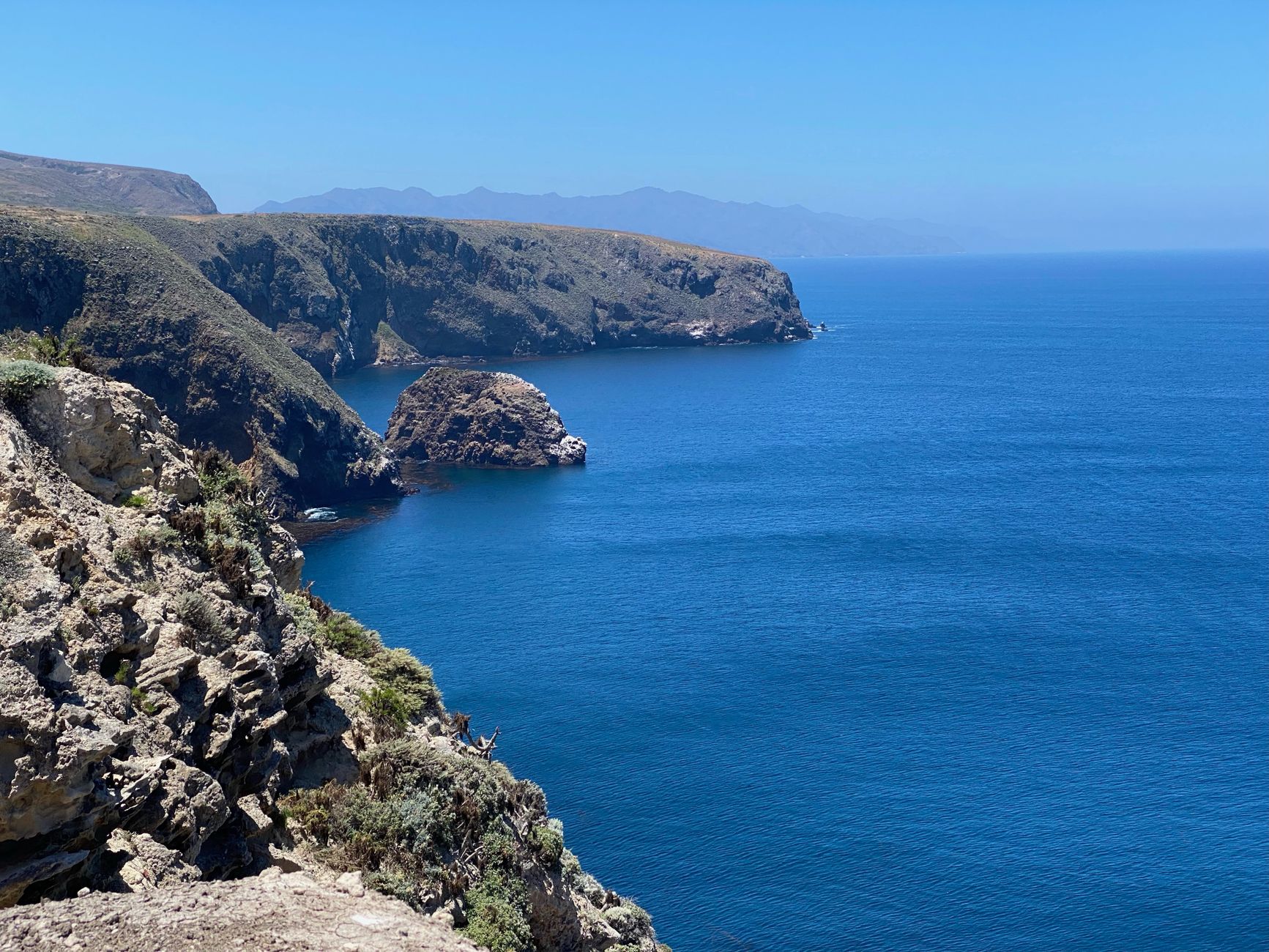
Channel Islands National Park protects five islands where marine wildlife congregates in unprecedented numbers. Isolation has created unique species found nowhere else, and the surrounding ocean supports migrating whales, breeding seals, and kelp forests teeming with life.
- Five Islands Marine Protected Ecosystem
- Mediterranean Climate Year-Round
- 1,470+ sq mi Marine Sanctuary
- 12 Seabird Species Breeding Colonies
Northern Elephant Seal Breeding at Point Bennett — San Miguel Island
Winter Peak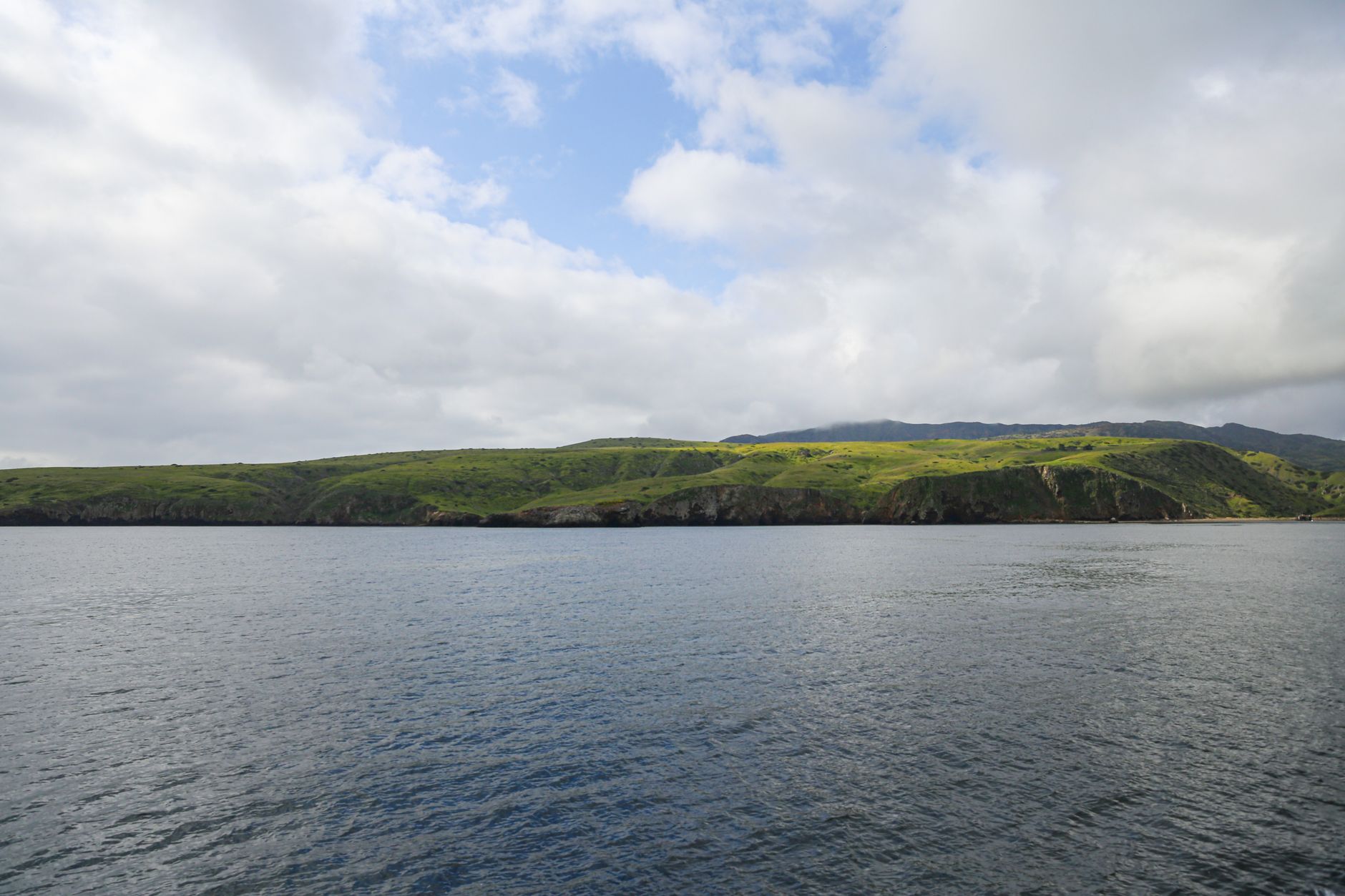
Massive seals emerge to breed during winter—one of Earth's most dramatic pinniped spectacles.
- Northern elephant seals breed December-March only on San Miguel Island
- Males weigh up to 5,000 pounds with inflatable proboscis
- Pups born weighing 75+ pounds; nursing lasts just 28 days
- Point Bennett hosts hundreds of thousands of pinnipeds simultaneously
- World's greatest concentration of diverse pinniped species
ACCESS
Northern elephant seals gather exclusively at Point Bennett on San Miguel Island, accessible only by boat tour December through March. Authorized outfitters depart from Ventura with trips lasting 4-6 hours roundtrip. The Santa Barbara Channel crossing can be rough; seasickness medication is recommended for rough ocean days. Park rangers and naturalists accompany tours to explain breeding behavior and answer questions about pinniped biology.
BREEDING BEHAVIOR
Males arrive first to establish dominance hierarchies, with battles over breeding rights creating dramatic vocalizations and physical confrontations. Females follow to give birth to pups weighing over 75 pounds. The nursing cycle is remarkably brief—just 28 days—during which females fast while transferring massive fat reserves to pups. After weaning, pups remain on beaches approximately two months, perfecting swimming and diving skills before departing to sea.
VIEWING STRATEGY
December and January offer peak aggregations when all animals are onshore simultaneously. By February-March, some adults disperse back to ocean feeding grounds. Boat tours approach from safe offshore distances (100+ feet) to avoid disturbance. Binoculars enhance the experience, revealing details from the males' inflatable proboscis to behavioral interactions within breeding hierarchies.
Gray Whale Spring Migration — Santa Barbara Channel / All Islands
Spring Peak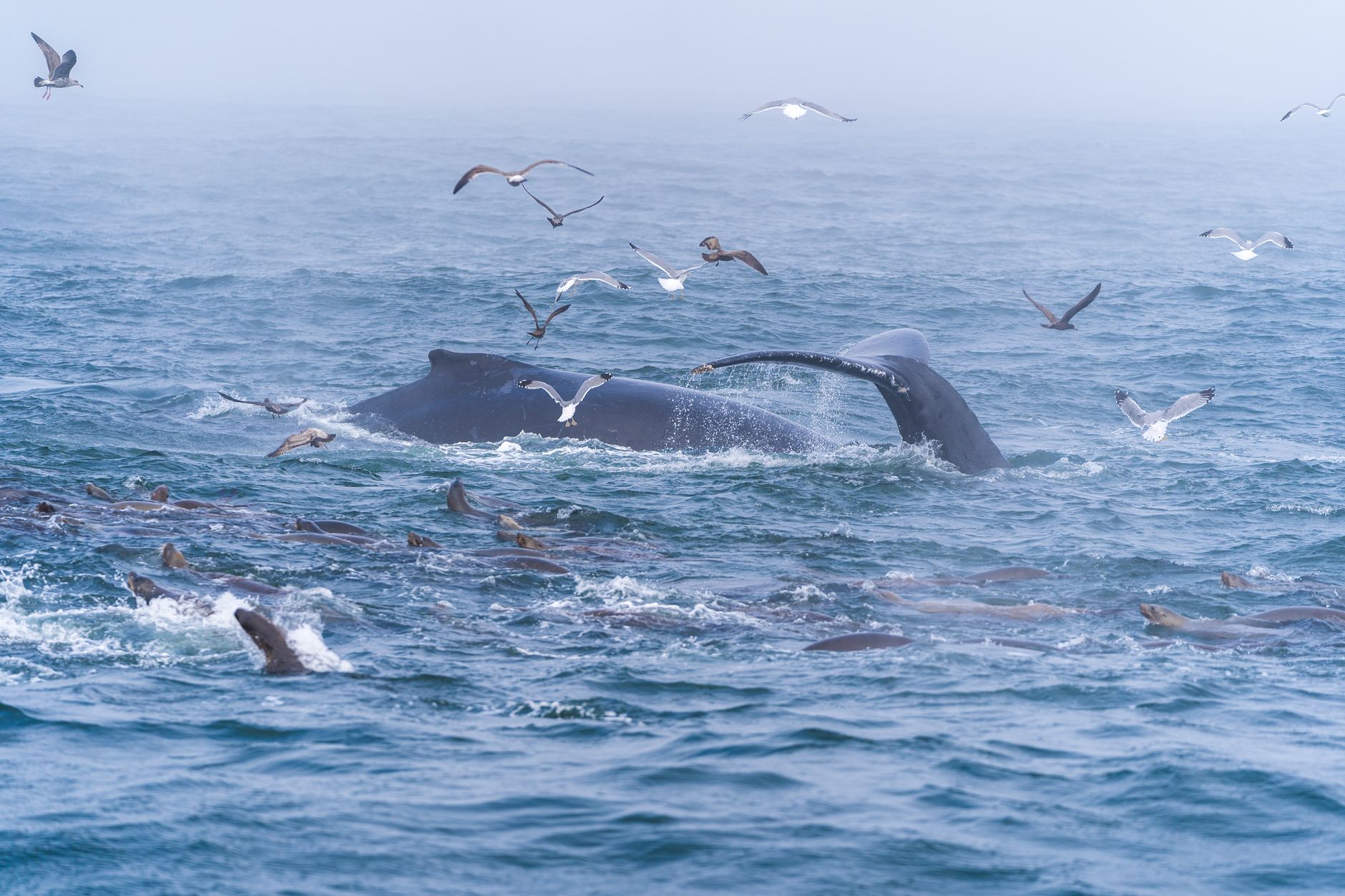
Gray whales undertake 10,000-mile journeys with peak visibility during northbound spring passage.
- 10,000-14,000 mile annual round-trip migration—one of Earth's longest animal journeys
- Northbound spring peak: February-May with peak visibility February-March
- Calves born January-February in Mexican breeding lagoons accompany mothers northbound
- Visible from island viewpoints and boat tours throughout Santa Barbara Channel
- Distinctive heart-shaped blows and fluking behaviors visible from miles away in calm conditions
SPRING MIGRATION TIMING
Each February, pregnant gray whales depart breeding lagoons off Baja California and begin a northbound journey lasting 6-8 weeks. Whales migrate along the California coast, moving through Channel Islands waters toward Arctic feeding grounds in the Bering and Chukchi Seas. Newborn calves—born January-February—accompany nursing mothers during the entire journey. Peak visibility at Channel Islands occurs mid-February through March when migration concentrates closest to shore.
VIEWING LOCATIONS
Island viewpoints on Anacapa and Santa Cruz offer opportunities to spot migrating whales from land without requiring a boat trip. Boat tours departing from Ventura position vessels along expected migration routes for closer encounters. Early morning departures typically offer calmer seas and better whale-spotting conditions. The Santa Barbara Channel's underwater topography naturally funnels migrating whales into viewing range of island-based observers.
WHAT TO EXPECT
Gray whales surface every 3-5 minutes to breathe, creating distinctive heart-shaped blow patterns visible from miles away on calm days. Individual whales may linger near islands for feeding or socializing, extending viewing windows. Mothers and calves travel together, offering rare opportunities to observe young animals in their first ocean migration. Avoid peak midday hours (11am-2pm) when sun angle creates water glare; early morning and late afternoon offer superior visibility.
Humpback Whale Migration & Acrobatic Behavior — Santa Barbara Channel / All Islands
Spring Peak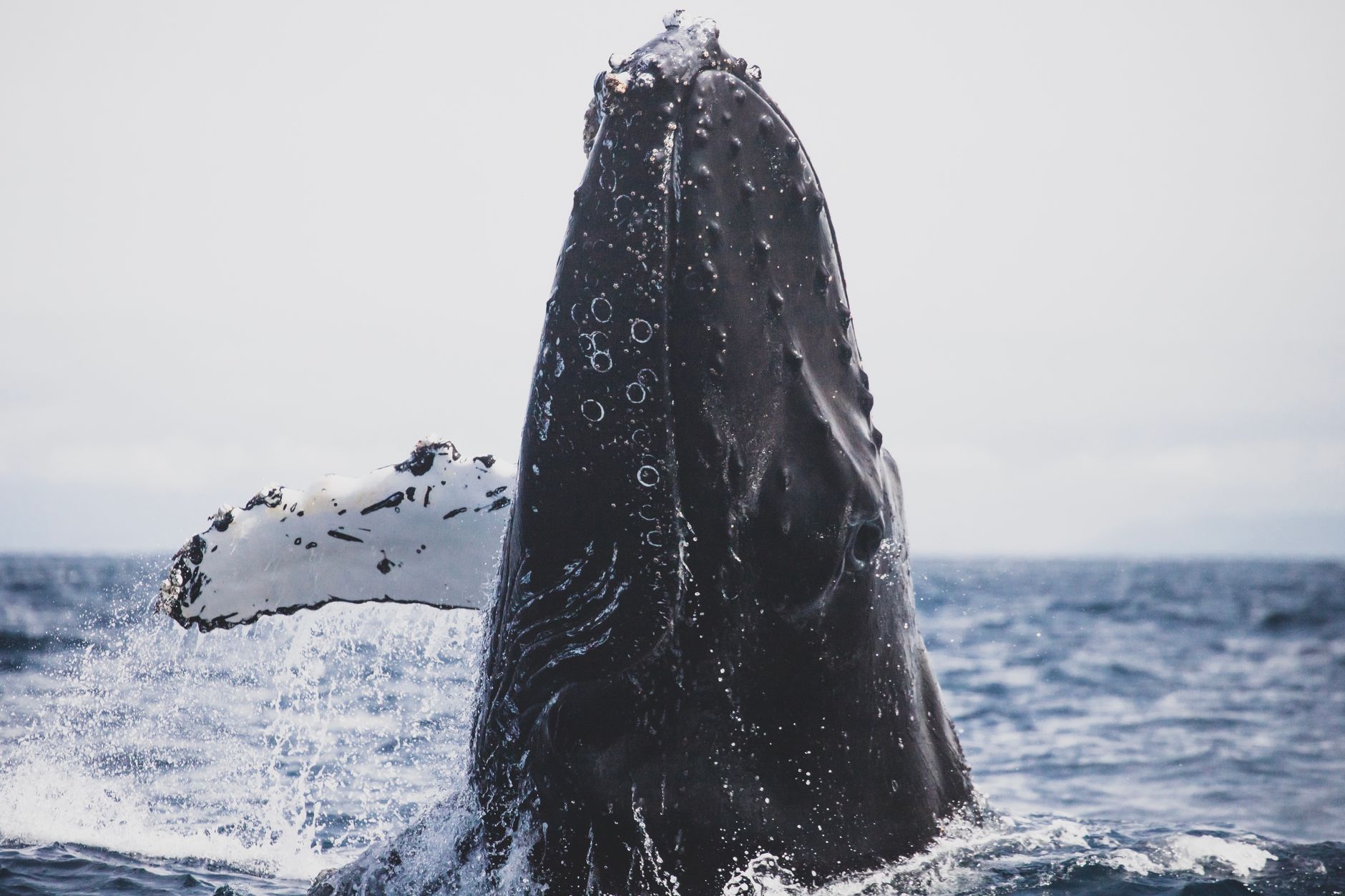
Acrobatic humpbacks breach and spy-hop during long-distance migration through island waters.
- 3,000+ mile migrations from tropical breeding areas to cooler summer feeding grounds
- Northbound spring peak April-May; southbound fall peak September-October
- Known for dramatic breaching—launching 40-ton bodies from water
- Active surface behavior (spy-hopping, tail fluking) throughout migration season March-October
- Multiple North Pacific populations transit California waters simultaneously
BEHAVIOR DURING MIGRATION
Humpbacks undertake biannual migrations between tropical breeding grounds (Hawaii and other warm-water locations) and cooler summer feeding areas off California. Unlike gray whales, humpbacks are notably active during migration, frequently breaching—launching entire 40-ton bodies from the water—and spy-hopping to observe their surroundings. The acrobatic behavior makes humpbacks exceptional whale-watching subjects compared to other species. California serves as both a transit route and seasonal feeding ground for multiple North Pacific populations.
SEASONAL WINDOWS
Northbound spring migration concentrates March through May, with peak activity April-May. Animals feed and socialize off California before continuing north to Arctic waters. Southbound fall migration peaks September-October as whales return to tropical breeding grounds. Each direction offers distinct advantages: spring features energetic northbound travelers, while fall brings southbound animals with accumulated fat reserves from summer feeding.
MAXIMIZING ENCOUNTERS
Humpback breaching and surface behavior increase during active feeding and migration travel. Boat tours lasting 6+ hours provide better close encounters than shorter trips, as guides can search wider areas and follow active whales. Warmer spring temperatures combined with high whale activity make April-May optimal for dedicated whale-watching. Individual whales may spend 30-60 minutes in a single area, creating extended viewing windows for patient observers.
California Sea Lion Breeding & Pupping Season — San Miguel Island / Point Bennett
Summer Peak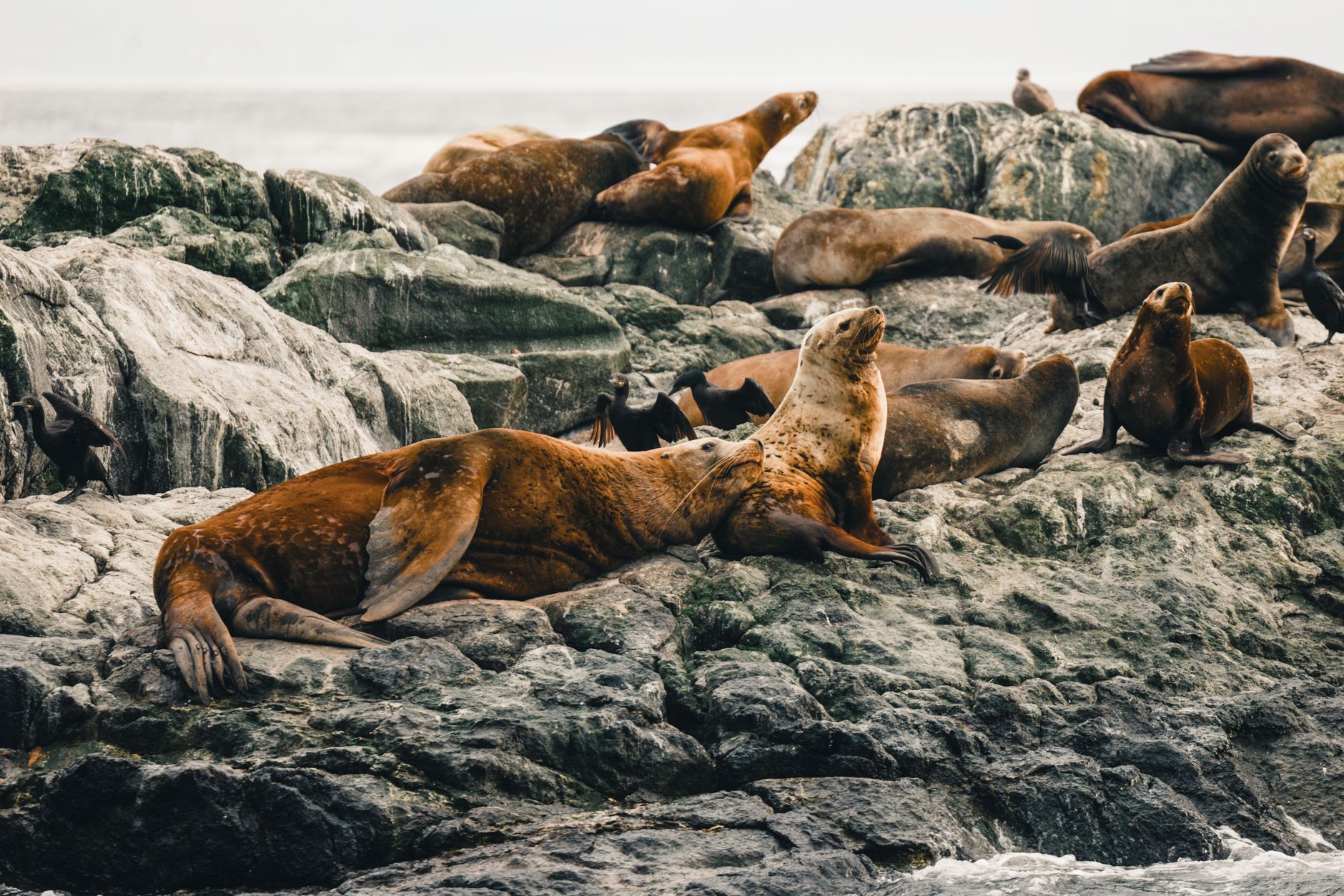
Hundreds of thousands of sea lions gather to breed—pups nurse surrounded by vocalization and activity.
- Peak breeding May-August on San Miguel Island at Point Bennett rookery
- Peak pupping June-July when newborn pups create chaotic beach activity
- Females nurse pups for approximately one year in a 10-day onshore, 2-3 day foraging cycle
- Distinctive barking vocalizations audible from 300+ feet create acoustic spectacle
- One of North America's largest mammal aggregations with hundreds of thousands individuals
ACCESS & VIEWING
California sea lions concentrate at Point Bennett on San Miguel Island during breeding season, accessible only by boat tour from Ventura. Outfitters navigate to viewing areas 150-300 feet offshore, far enough to avoid disturbance while maintaining close observation. The sheer acoustic volume—barking and vocalizations clearly audible across 300 feet of water—underscores breeding activity intensity. Most tours include naturalist commentary explaining social hierarchies and breeding behaviors.
BREEDING CYCLE
Peak pupping concentrates June-July when thousands of pups are born and begin nursing. Mothers remain onshore continuously for approximately 10 days to nurse pups, then depart for 2-3 days of ocean foraging to replenish energy reserves, returning to nurse again. This cycle continues for approximately one year, creating complex social dynamics on crowded beaches. Males establish and defend territories to mate with females, resulting in dramatic vocalizations and physical confrontations visible from tour boats.
POPULATION DYNAMICS
Sea lion populations show overall recovery trends but remain sensitive to El Niño events, which reduce food availability and force mothers to forage longer periods, reducing nursing frequency. Overall declining harbor seal populations at Point Bennett create space for expanding sea lion colonies. The concentration of hundreds of thousands of animals offers unparalleled observation of pinniped biology and behavior—from pup development to maternal care to breeding competition.
Blue Whale Summer Feeding — Santa Barbara Channel / All Islands
Summer Peak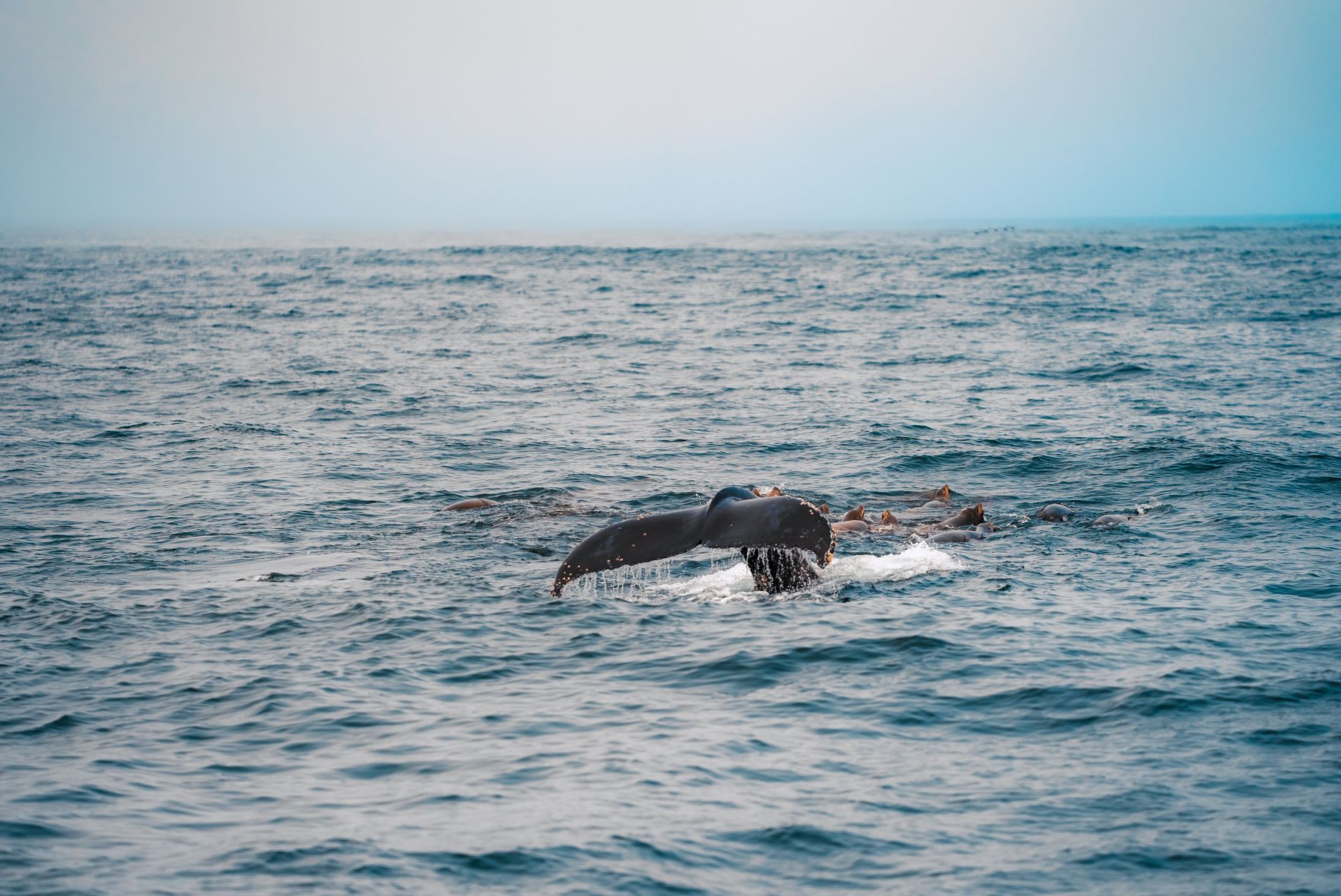
The planet's largest animals gather to feed on krill during peak summer season.
- Largest animal on Earth—blue whales reach 100+ feet in length
- Summer feeding June-August off California coast where krill concentrations peak
- Single blue whale consumes 4-6 tons of krill daily during feeding season
- Winter breeding/calving in Gulf of California December-March, then northbound migration
- Protected endangered species showing recovery trends from near-extinction through whaling
SUMMER MIGRATION & FEEDING
Blue whales migrate seasonally from winter breeding areas in the Gulf of California (December-March) to summer feeding grounds off the U.S. West Coast. Peak presence at Channel Islands occurs June-August when whales pursue massive krill concentrations—the small shrimp-like crustaceans comprising their entire diet. A single blue whale can consume 4-6 tons of krill daily during feeding season, requiring proximity to dense swarms. The abundance of krill in Channel Islands waters makes this a critical feeding ground for multiple individuals and populations.
OBSERVATION CHALLENGES & REWARDS
Blue whales feed in deeper offshore waters, requiring boat tours willing to venture 10-20 nautical miles from islands into open ocean. Unlike humpbacks' acrobatic breaching, blues feed subtly—surfacing to breathe with minimal disturbance. Identifying whales requires watching for characteristic blow patterns and enormous dorsal fins. The rarity of blue whale sightings compared to humpbacks or grays makes successful encounters especially rewarding.
CONSERVATION SIGNIFICANCE
As an endangered species recovering from near-extinction through whaling, every blue whale sighting represents a conservation success. Vessel strike reduction measures and marine sanctuary protections aim to minimize harm to feeding populations. The combination of endangered status and spectacular size makes blue whale encounters profoundly meaningful—witnessing the planet's largest animal feeding within miles of coastal islands.
Anacapa Island Kelp Forest Snorkeling — Anacapa Island
Summer Peak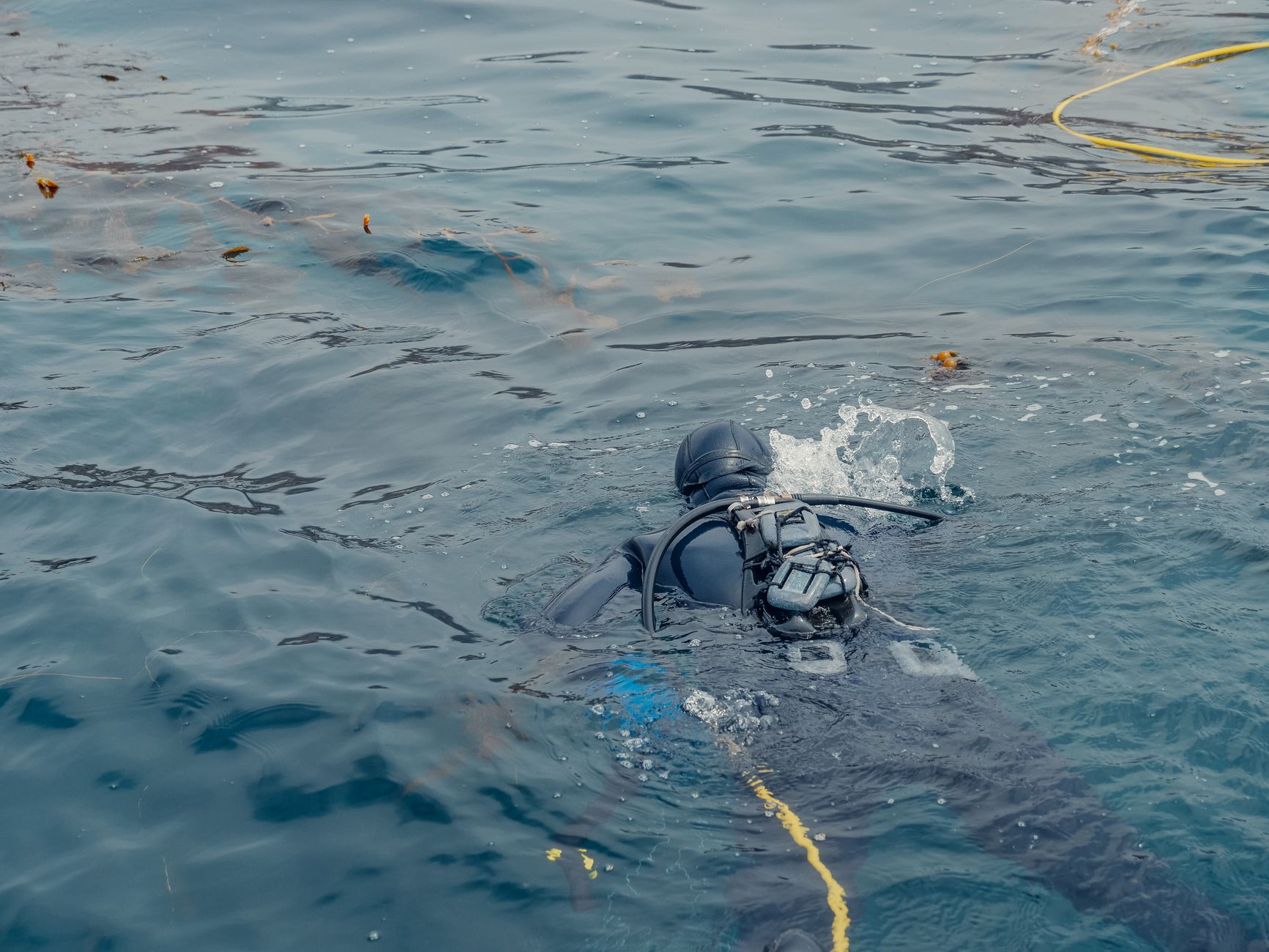
Snorkel kelp forests where sea lions, leopard sharks, and giant sea bass roam island waters.
- Premier snorkeling in kelp forest and rocky reef habitats with high species diversity
- Common sea lion encounters—animals approach snorkelers with curiosity
- Leopard sharks and giant sea bass patrol reefs; garibaldi, sheephead, and urchins visible in shallow water
- Iconic Arch Rock seabird colony and historic lighthouse nearby on island top
- Protected marine sanctuary with exceptional biodiversity and recovery habitats
SNORKELING ACCESS
Anacapa Island is accessible by passenger ferry or private boat from Ventura, with authorized outfitters offering guided snorkeling trips. The landing cove requires climbing 157 stairs and steel-rung ladders to reach the island top. Snorkeling occurs in shallow water near shore, typically 10-40+ feet deep, suitable for varied skill levels. Most guided tours provide marine naturalist interpretation identifying species and explaining kelp forest ecosystems.
MARINE LIFE ENCOUNTERS
Kelp forests create three-dimensional underwater habitats where sea lions glide with remarkable agility—often approaching snorkelers out of curiosity. Leopard sharks navigate sandy areas searching for crustaceans and small fish. Giant sea bass, once nearly extinct in California, have recovered in marine sanctuary waters and patrol rocky reefs. Smaller species—garibaldi, kelp bass, sheephead, sea urchins, and anemones—create complex ecosystems visible in surprisingly shallow water.
TIMING & PREPARATION
May-September offers optimal conditions, with June-August providing warmest water (55-60°F) still requiring wet suits for most visitors. Morning departures typically experience calmer water and clearer visibility. Snorkeling requires moderate swimming ability and comfort in ocean swells. The combination of sea lions' playful interactions and abundant marine life creates memorable experiences exceeding those of comparable mainland coastal snorkeling sites.
Common Questions
When is the best month to see marine wildlife at Channel Islands?
July offers overlapping opportunities—sea lion pupping peaks, blue whales feed on krill, and humpbacks remain active. Temperatures warm to 71°F, and water is typically calmer. June and August offer similar conditions with fewer crowds.
Do I need snorkeling experience for Anacapa Island?
No. Guided tours accommodate all skill levels in 10-40+ foot depths. Most snorkelers spend 30-60 minutes in the water with naturalist oversight. A 3-5mm wetsuit is essential year-round; water remains 55-60°F even in peak summer.
Can I see whales from the islands without boat tours?
Yes, occasionally. Gray and humpback whales migrating close to shore may be visible from Anacapa and Santa Cruz island viewpoints during peak migration windows (February-May for grays, April-May for humpbacks northbound). Boat tours offer significantly better odds.
Are elephant seals and sea lions the same animal?
No. Elephant seals breed exclusively December-March and are much larger (males to 5,000 lbs). Sea lions breed May-August with different social structures. Both share Point Bennett but at different seasonal windows.
What makes Channel Islands marine wildlife unique?
The park protects an isolated ecosystem where marine life concentrates in unprecedented numbers—from hundreds of thousands of pinnipeds to migrating whales to 12 seabird species breeding simultaneously. Marine sanctuary status and distance from shore create protection and biodiversity unmatched elsewhere in California.
Sources & Further Reading
- Marine Animals at Channel Islands National Park — National Park Service
- Northern Elephant Seals at Channel Islands — National Park Service
- Gray Whale - NOAA Fisheries — NOAA Fisheries
- Humpback Whale - NOAA Fisheries — NOAA Fisheries
- Blue Whale - NOAA Fisheries — NOAA Fisheries
- Channel Islands National Marine Sanctuary — NOAA
- Seabirds at Channel Islands National Park — National Park Service
- Point Bennett - Channel Islands National Park Places — National Park Service
- Anacapa Island Webcam - Channel Islands National Park — National Park Service
- Arch Rock - Channel Islands National Park Places — National Park Service