Going-to-the-Sun Mountain area in Glacier National Park features a rugged rock face with multiple small waterfalls and hikers along a rocky ledge.
| |

Best Waterfall Hikes in Glacier National Park

/* Table scroll wrapper for mobile */
.pb-table-scroll{overflow-x:auto;-webkit-overflow-scrolling:touch;margin:1.25rem 0;border-radius:8px;border:1px solid #e2e8f0}
.pb-table-scroll table{margin:0;border:none;border-radius:0}
/* Base table styles */
.pb-content table,.pb-prose table{width:100%;border-collapse:collapse;margin:1.25rem 0;font-size:.95rem}
.pb-content thead,.pb-prose thead{background:#f1f5f9}
.pb-content th,.pb-prose th{padding:.75rem 1rem;font-weight:600;text-align:left;color:#334155;font-size:.88rem;text-transform:uppercase;letter-spacing:.03em;border:1px solid #e2e8f0;position:sticky!important;top:0!important;background:#f1f5f9!important;z-index:10!important}
.pb-content td,.pb-prose td{padding:.7rem 1rem;color:#475569;border:1px solid #e2e8f0;vertical-align:top;line-height:1.5}
.pb-content tbody tr:hover,.pb-prose tbody tr:hover{background:#f8fafc}
.pb-content tbody tr:nth-child(even),.pb-prose tbody tr:nth-child(even){background:#fafbfc}
/* FTC disclosure styles */
.pb-ftc-disclosure{background:#f8f9fa;border:1px solid #e0e0e0;border-radius:6px;padding:12px 16px;margin:16px 0;font-size:13px;color:#666}
.pb-ftc-inline{font-size:11px;color:#999}
.pb-ftc-mid-reminder{font-size:12px;color:#999;font-style:italic;margin:8px 0}
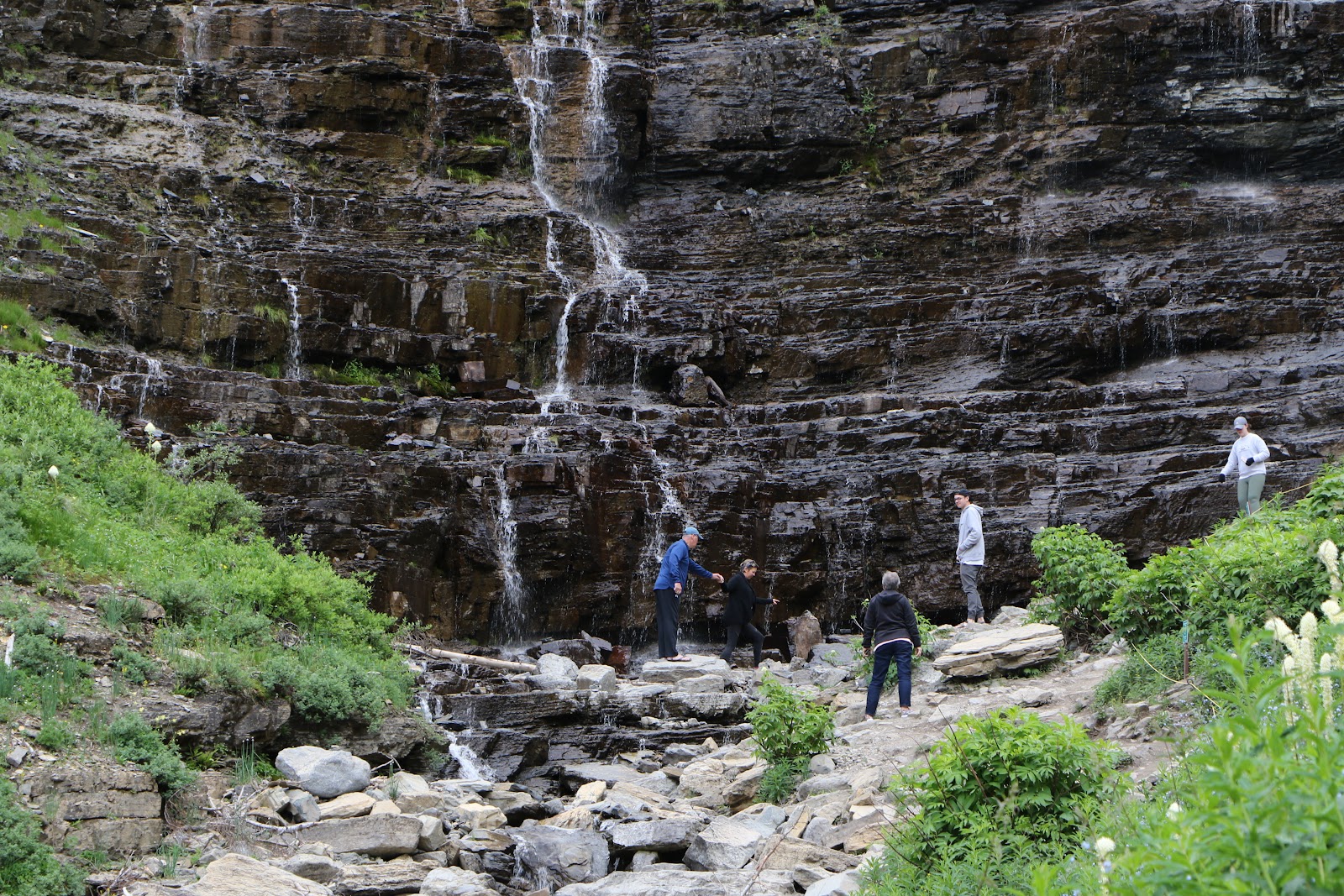
Hikers stand on rocky ledges beside a multi-tiered cliff waterfall in Glacier National Park
Glacier National Park waterfalls range from roadside marvels to backcountry gems hidden in glacially carved valleys.

Running Eagle Falls is the best waterfall hike for most visitors — flat, 0.6 miles, wheelchair-accessible, and does not require the Going-to-the-Sun Road. For something more dramatic, Virginia Falls delivers a multi-tiered 50-foot cascade at just 3.1 miles round trip.

Glacier National Park has more than 200 named waterfalls fed by snowmelt, glaciers, and alpine lakes. Nine are reachable on day hikes ranging from 0.3 to 6.7 miles. This guide ranks each by difficulty, tells you when it is accessible, and flags which ones need the GTTS Road open — a detail most guides omit.

Key Takeaways
  • Entrance fee: $35/vehicle (2026). Valid 7 days.
  • Going-to-the-Sun Road opens mid-June to early July — trails dependent on it are not accessible before then.
  • Running Eagle Falls, Apikuni Falls, Ptarmigan Falls, and Rockwell Falls are accessible without GTTS Road.
  • Bear spray is required at all Many Glacier and Two Medicine trailheads.
  • Vehicle reservations for GTTS Road eliminated in 2026 — ticketed shuttle system starts July 1.
#1
Best Easy Hike

Running Eagle Falls (Trick Falls)

0.6 miround trip
Minimalelevation gain
Easydifficulty
15-30 minest. time
Year-roundseason

Wheelchair accessible
No GTTS required
Two Medicine area
Why we picked it: The only waterfall hike in Glacier fully accessible to all abilities — plus the trick falls phenomenon (upper fall vanishes in late summer through underground limestone channels) makes it fascinating for all ages.

Running Eagle Falls is 1.1 miles west of the Two Medicine entrance station. The trail is paved, flat, and takes most visitors under 30 minutes. The falls are technically two in one: a year-round lower fall and an upper fall that appears only when spring snowmelt is high — hence “Trick Falls,” per NPS.gov.
Insider tip: Visit in late August to see the upper fall vanish as water dives underground. Come in June to see both tiers at full force.
NPS Trail Info

#2
Best Overall
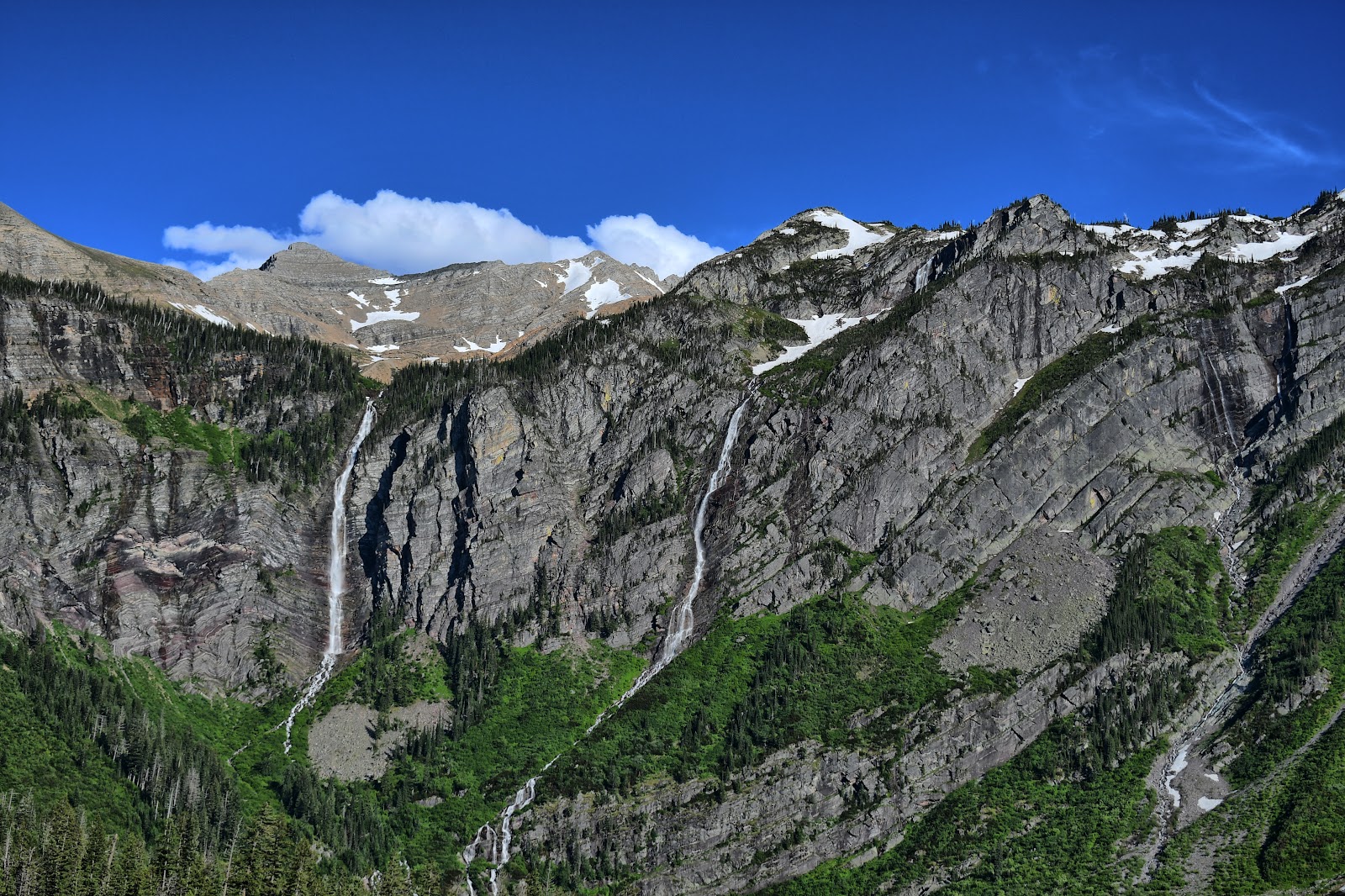
Rugged gray granite cliffs with multiple waterfalls cascading into emerald forests in Glacier National Park
Multi-tier waterfalls are the signature of Glacier National Park — Virginia Falls is one of the finest examples on the east side.

Virginia Falls

3.1 miround trip
472 ftelevation gain
Moderatedifficulty
1.5-2 hrsest. time
June-Sepseason

Passes St. Mary Falls
GTTS Road required
East side
Why we picked it: Virginia Falls delivers a spectacular multi-tiered cascade — 50-foot main drop plus secondary chute and lower cascade — and the route passes St. Mary Falls on the way, giving you two waterfalls in one hike.

The trailhead is at the St. Mary Falls shuttle stop, 10.6 miles west of the St. Mary entrance. St. Mary Falls comes first at 0.8 miles, then continue uphill 0.7 miles to Virginia Falls at 4,825 feet elevation. Peak flow is June through July, per NPS.gov.

Insider tip: The 2015 Reynolds Creek Fire removed tree cover — bring sun protection and extra water, as shade is minimal mid-day.
View on AllTrails

#3
Most Iconic

Trail of the Cedars and Avalanche Falls

5.9 miround trip
735 ftelevation gain
Moderatedifficulty
2-3 hrsest. time
July-Sepbest season

Old-growth cedar forest
GTTS Road required
West side
Why we picked it: The Trail of the Cedars boardwalk through ancient cedar-hemlock forest leads to turquoise Avalanche Lake ringed by dramatic cliffs and waterfalls — the signature west-side hike with 29,000+ AllTrails ratings.

The boardwalk section is 0.9 miles and takes 30 minutes. For the full payoff — Avalanche Lake with its waterfall backdrop — continue 2 more miles uphill. The lake turquoise color comes from glacial rock flour suspended in the water, per NPS.gov.
Insider tip: No shuttle service at Avalanche Creek Trailhead in 2026 — drive and park. Arrive by 7 AM on weekends in July/August to get a spot.
NPS Trail Info

#4
Best for Families
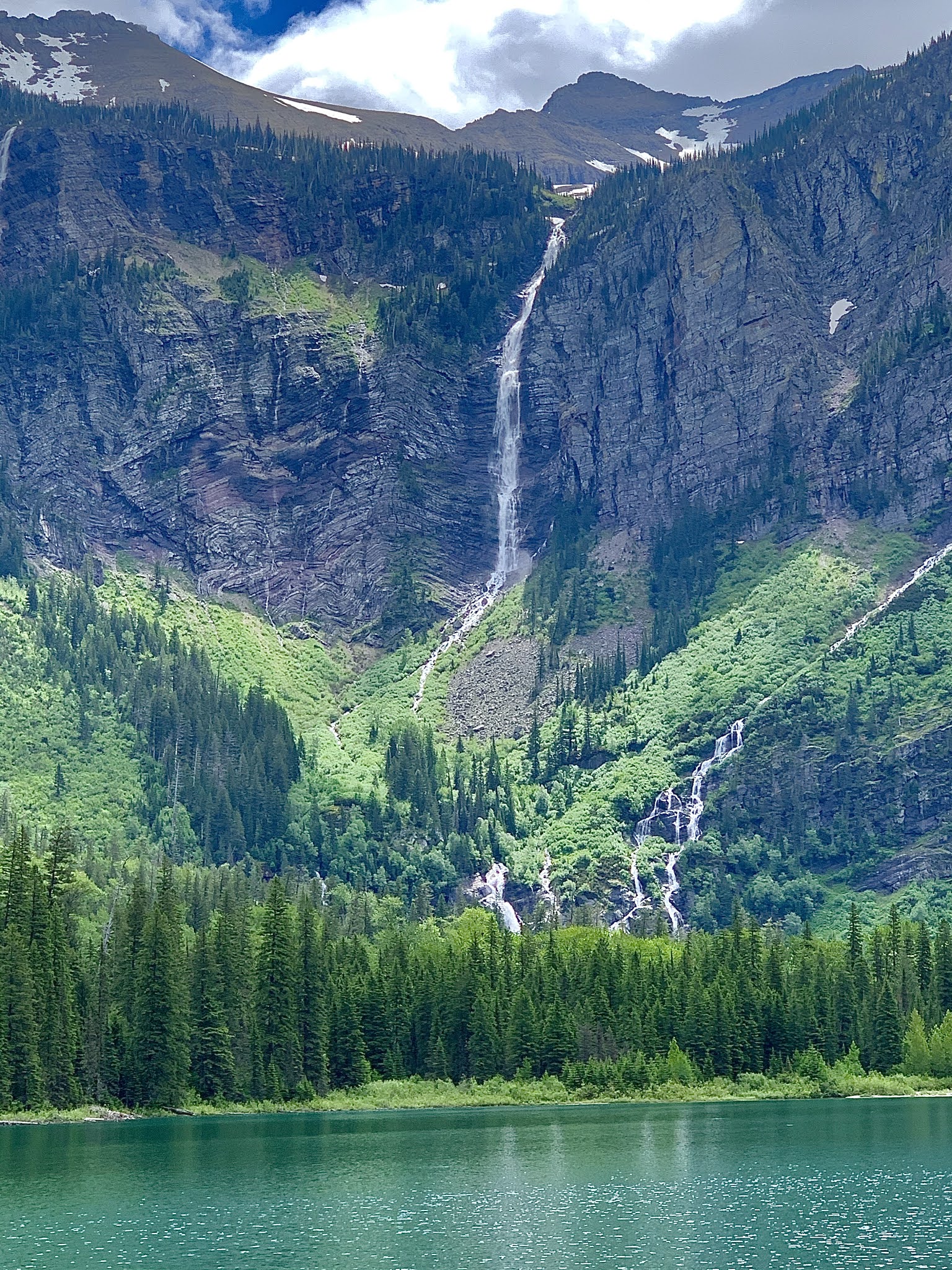
Gunsight Mountain waterfall cascades down rugged cliffs into an emerald lake backed by dense pines in Glacier National Park
Glacier glacially carved valleys funnel snowmelt into some of the most photogenic waterfalls in the Rockies.

St. Mary Falls

1.6 miround trip
260 ftelevation gain
Easydifficulty
0.5-1 hrest. time
June-Sepseason

Mostly downhill to falls
Shuttle accessible
GTTS Road required
Why we picked it: The path to St. Mary Falls is almost entirely downhill making it easy for families with young children. The return uphill is the only real effort — an ideal first waterfall hike for beginners.

Trailhead is at the St. Mary Falls shuttle stop on Going-to-the-Sun Road. The trail drops through forested terrain to the falls, where a footbridge provides a front-row view of the cascade, per NPS.gov. Extend easily by continuing uphill to Virginia Falls.

Insider tip: Take the boat tour from Rising Sun — it drops you closer to the trailhead and eliminates the parking scramble entirely.
NPS Trail Info

#5
Best in Many Glacier

Apikuni Falls

2.0 miround trip
700 ftelevation gain
Moderatedifficulty
1-1.5 hrsest. time
July-Sepseason

No GTTS required
Many Glacier area
Bear spray required
Why we picked it: Apikuni Falls is the best short-but-challenging option in Many Glacier — 700 ft of gain in just 1 mile feels genuinely earned, and it sees far fewer crowds than Iceberg Lake or Grinnell Glacier.

Trailhead is 2.8 miles west of the Many Glacier entrance at the Poia Lake Trailhead. The trail climbs steeply through mixed forest and wildflower meadows. Many Glacier is prime grizzly habitat — carry bear spray, per NPS.gov.
Insider tip: Many Glacier Road had construction closures through May 2026. Confirm road access on NPS.gov before driving out.
View on AllTrails

#6
Best Quick Stop
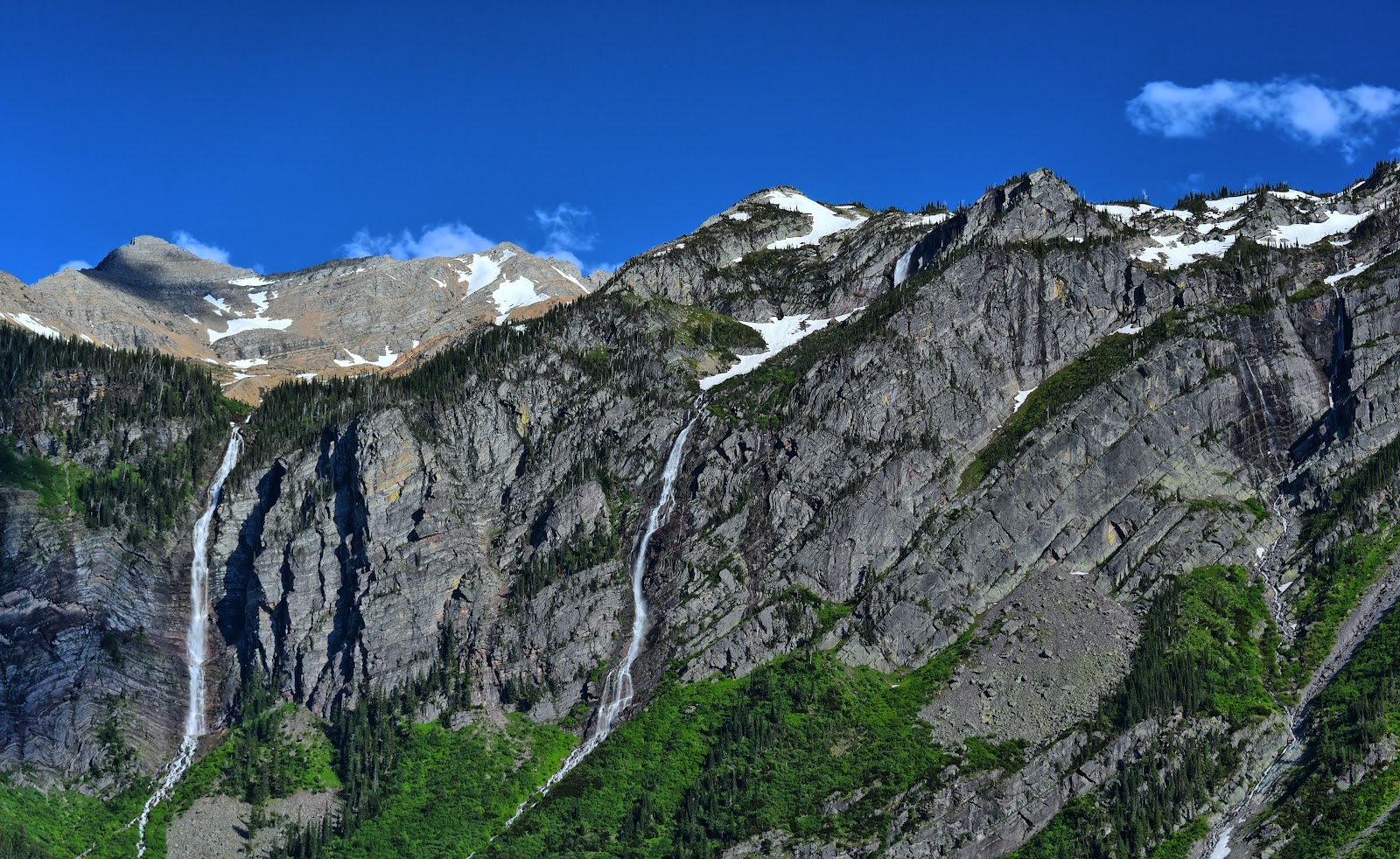
Monument Falls cascades down jagged gray cliffs amid evergreen slopes and snow patches in Glacier National Park
Glacier east-side valleys channel snowmelt into accessible waterfalls along the Going-to-the-Sun Road corridor.

Baring Falls

0.7 mishortest route
111 ftelevation gain
Easydifficulty
30-45 minest. time
July-Sepseason

GTTS Road required
Via Sunrift Gorge
St. Mary Lake views
Why we picked it: Baring Falls is the ideal 30-minute detour on the Going-to-the-Sun Road. A 25-foot cascade sits just 0.7 miles from the Sunrift Gorge pullout, with St. Mary Lake visible in the background.

Park at the Sunrift Gorge pullout on the Going-to-the-Sun Road. The short trail drops through pines to the base of the falls. A longer loop (2.8 miles) connects Baring Falls to St. Mary Falls via the lakeshore. Most visitors combine it with Sunrift Gorge as a single stop, per AllTrails.

Insider tip: The Sunrift Gorge pullout is a designated shuttle stop — ride the park shuttle and walk to both Sunrift Gorge and Baring Falls as a combined stop.
View on AllTrails

#7
Best Uncrowded Hike

Ptarmigan Falls

5.2 miround trip
757 ftelevation gain
Moderatedifficulty
2-2.5 hrsest. time
Late June-Sepseason

No GTTS required
Many Glacier area
Bear spray required
Why we picked it: Ptarmigan Falls sees a fraction of the crowds that pack Grinnell Glacier and Iceberg Lake, yet delivers the same above-treeline terrain and prime wildlife habitat that defines Many Glacier hiking.

Start from behind the Swiftcurrent Motor Inn in Many Glacier. The trail climbs steeply the first quarter-mile, then settles into a moderate grade to the falls at 2.5 miles. Grizzly closures are common through late June, per NPS.gov.
Insider tip: Check trail status at the Many Glacier Ranger Station before you go — this trail closes for bear activity more often than Apikuni Falls. Hike before 8 AM for best access and wildlife sightings.
View on AllTrails

#8
Best in Two Medicine
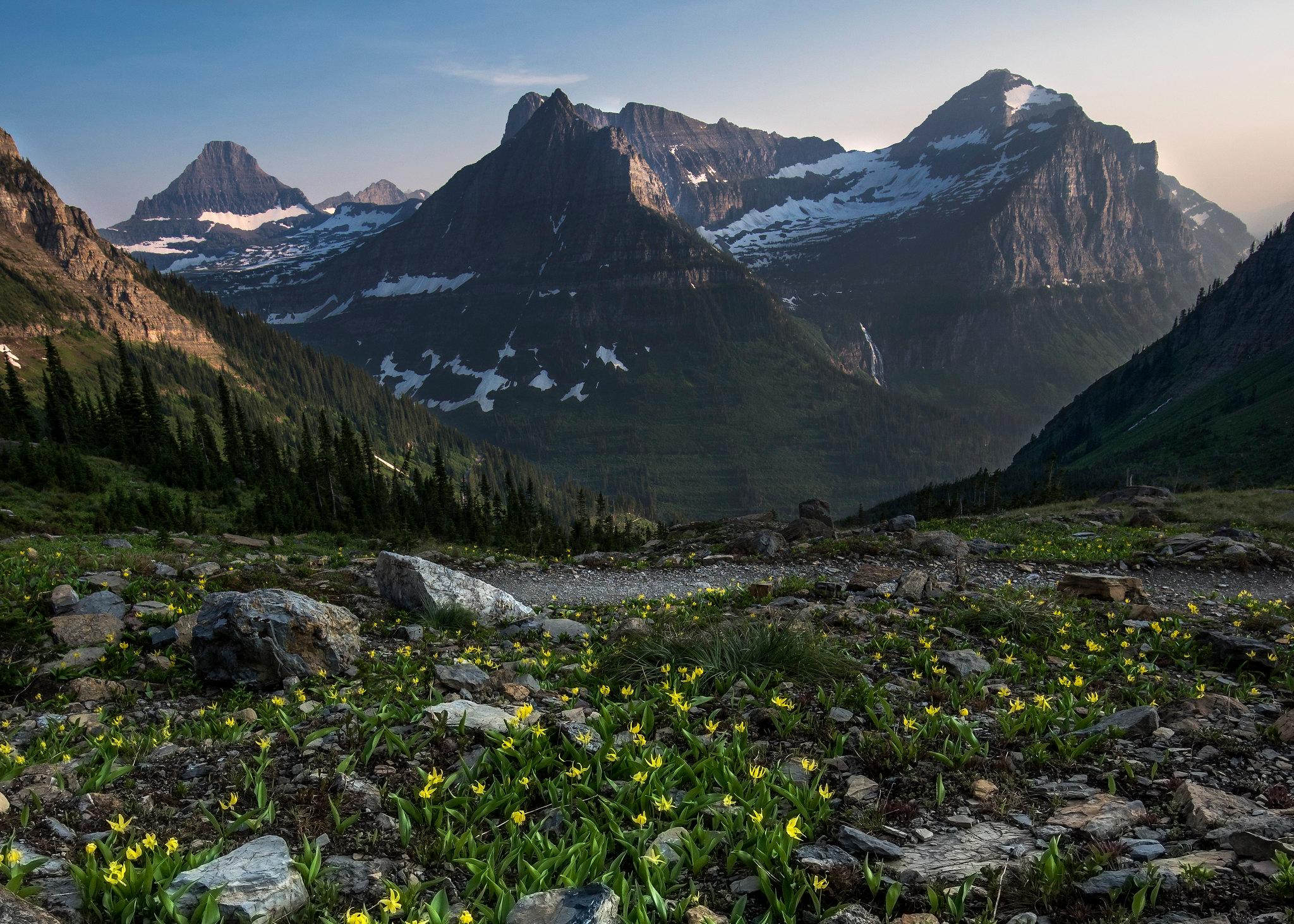
Alpine meadow with yellow wildflowers and scattered rocks in Glacier National Park facing snow-capped jagged peaks
The Two Medicine valley is one of Glacier most undervisited areas — and one of its most rewarding for hikers seeking solitude.

Rockwell Falls

6.7 miround trip
419 ftelevation gain
Moderatedifficulty
2.5-3 hrsest. time
July-Sepseason

No GTTS required
Two Medicine area
Dual waterfalls
Why we picked it: Rockwell Falls delivers two waterfalls — a 30-40 ft main drop plus a secondary 100-ft cascade — on one of Glacier longest flat-terrain hikes. Two Medicine valley is dramatically less crowded than comparable trails elsewhere.

Start from the Two Medicine area on the South Shore Trail. The route follows Two Medicine Lake shoreline before climbing gently to the falls, crossing Paradise Creek on a footbridge. Two Medicine is accessible without the GTTS Road, ideal for early and late season, per NPS.gov.

Insider tip: Take the Two Medicine Lake boat tour one-way and hike back to cut 3 miles off the distance and gain stunning lake views.
View on AllTrails

#9
Most Dramatic Viewpoint

Bird Woman Falls

492 ftwaterfall height
Minimalhiking required
Easydifficulty
10-15 minroadside viewing
June-Sepseason

GTTS Road required
Roadside viewpoint
2nd tallest in park
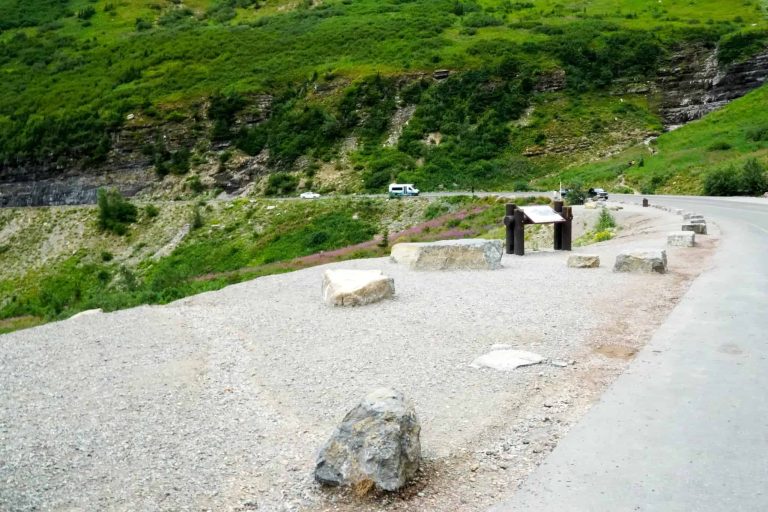
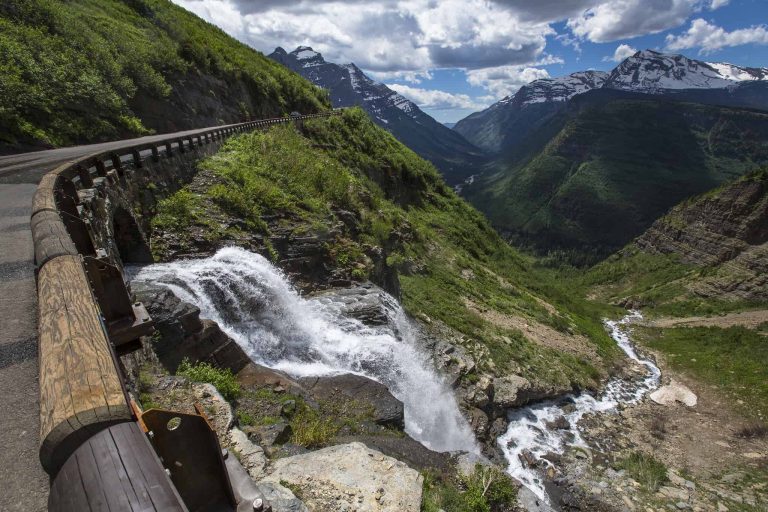
Why we picked it: At 492 feet, Bird Woman Falls is the second-tallest waterfall in Glacier and one of the most dramatic sights on the entire Going-to-the-Sun Road — visible from a roadside pullout with no strenuous hiking required.

Bird Woman Falls tumbles between Mount Oberlin and Mount Cannon, visible from a pullout west of Logan Pass on the Going-to-the-Sun Road. Peak flow is June and early July. Binoculars significantly improve the experience, per NPS.gov.

Insider tip: The GTTS Road does not open to Logan Pass until mid-June or later. Check road conditions at NPS.gov/glac before planning your trip around this viewpoint.
NPS Overlook Info

Disclosure: This article contains affiliate links. If you make a purchase through these links, we may earn a small commission at no extra cost to you. This helps support YourNPGuide.com.

Some links below are affiliate links.

Disclosure: This article contains affiliate links. If you make a purchase through these links, we may earn a small commission at no extra cost to you. This helps support YourNPGuide.com.

Some links below are affiliate links.

All 9 Waterfall Hikes at a Glance

WaterfallDistance (RT)Elev. GainDifficultyGTTS RequiredSeason
Running Eagle Falls0.6 miMinimalEasyNoYear-round
Virginia Falls3.1 mi472 ftModerateYesJune-Sep
Avalanche Falls5.9 mi735 ftModerateYesJuly-Sep
St. Mary Falls1.6 mi260 ftEasyYesJune-Sep
Apikuni Falls2.0 mi700 ftModerateNoJuly-Sep
Baring Falls0.7 mi111 ftEasyYesJuly-Sep
Ptarmigan Falls5.2 mi757 ftModerateNoLate June-Sep
Rockwell Falls6.7 mi419 ftModerateNoJuly-Sep
Bird Woman FallsRoadsideMinimalEasyYesJune-Sep

Planning Your Waterfall Hike Visit

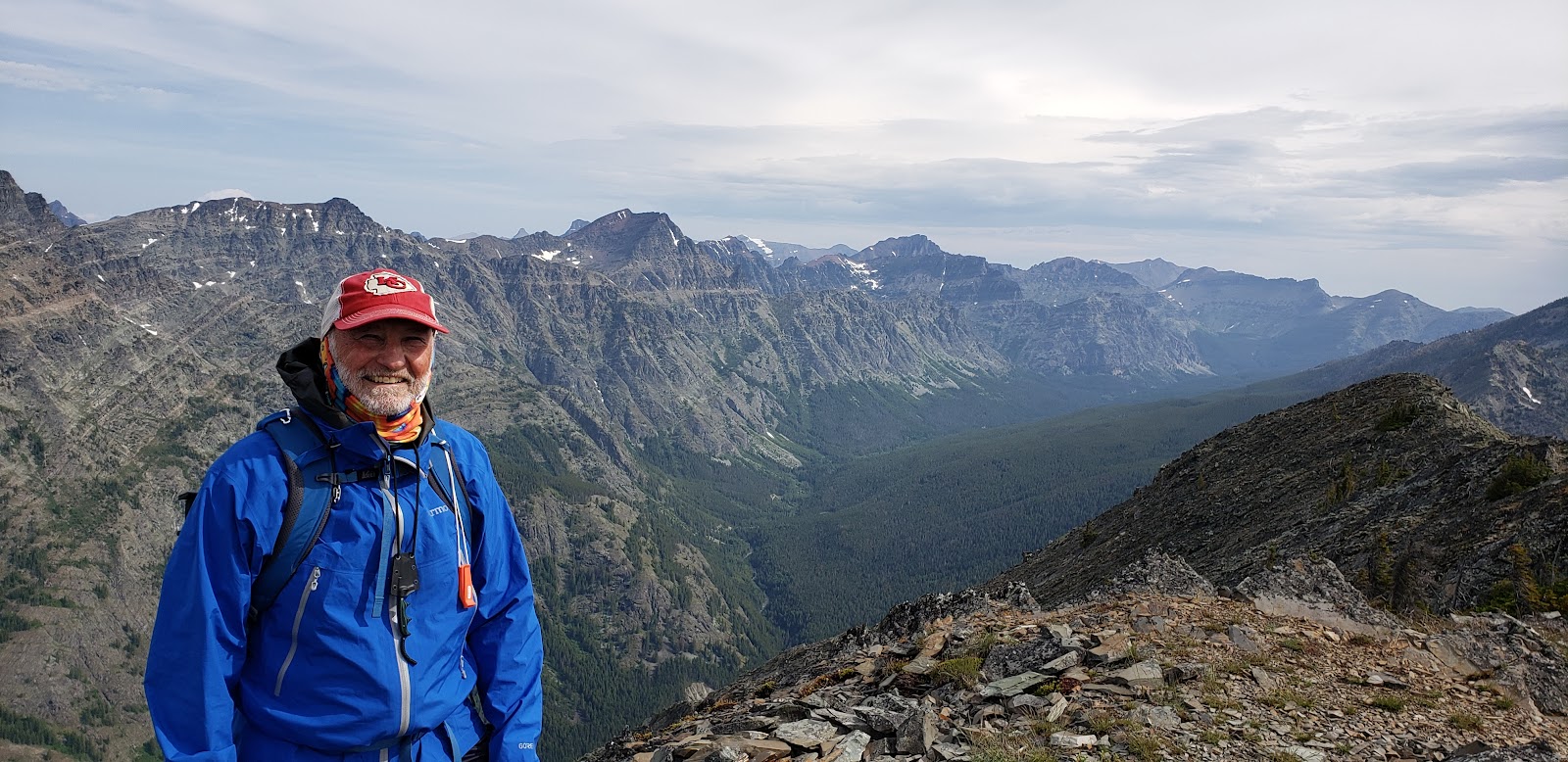
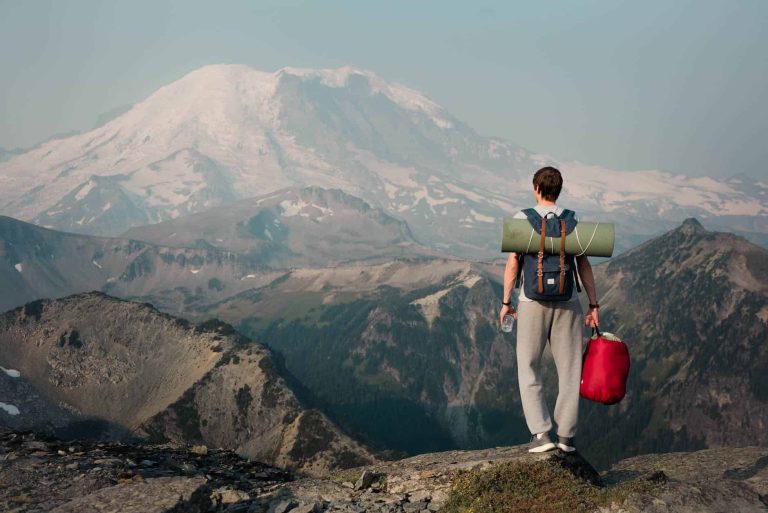
Hiker in a blue rain jacket and red cap stands on a rocky ridge above a forested valley with snow-dusted peaks in Glacier National Park
Many Glacier area trails — including Apikuni Falls and Ptarmigan Falls — require bear spray and offer prime wildlife-viewing opportunities.

The park entrance fee is $35 per vehicle (valid 7 days), per NPS.gov. No additional permit is required for any day hike on this list. Running Eagle Falls, Apikuni Falls, Ptarmigan Falls, and Rockwell Falls are accessible without the Going-to-the-Sun Road — essential for early-season (May-June) or late-season (October) visits.

Peak waterfall volume is June through mid-July, when snowmelt is at maximum flow. By August and September, flows decrease but trails are drier and less icy. Many Glacier and Two Medicine areas are accessible via their own roads, which typically open in late May or early June, per NPS.gov.

For visiting Glacier in June, St. Mary Falls and Virginia Falls can often be accessed before Logan Pass opens. For July visits, all nine trails are typically accessible. See also our Fire Lookouts in Glacier guide for more unique hikes.

Frequently Asked Questions

What is the easiest waterfall hike in Glacier National Park?
Running Eagle Falls (Trick Falls) in the Two Medicine area is the easiest — just 0.6 miles round trip on a flat, paved, wheelchair-accessible path. It does not require the Going-to-the-Sun Road and is suitable for all ages and abilities.
Which waterfall hikes do not require the Going-to-the-Sun Road?
Four hikes on this list are accessible without the GTTS Road: Running Eagle Falls and Rockwell Falls (Two Medicine area), Apikuni Falls and Ptarmigan Falls (Many Glacier area). These are your best options before mid-June and after the road closes in October.
When is the best time to see waterfalls in Glacier National Park?
Peak waterfall flow is June through mid-July when snowmelt is highest. Bird Woman Falls, Virginia Falls, and St. Mary Falls are most impressive in this window. By August, flows decrease but trails are drier. Most waterfalls are frozen by November, per NPS.gov.
Do I need bear spray for waterfall hikes in Glacier?
Bear spray is required (not just recommended) for all trails in Many Glacier — including Apikuni Falls and Ptarmigan Falls. It is strongly advised everywhere else in the park. Glacier has one of the highest grizzly bear densities in the Lower 48. Carry it accessible, not buried in your pack.
What is the entrance fee for Glacier National Park in 2026?
The 2026 entrance fee is $35 per private vehicle (valid 7 days), $20 per person on foot or bicycle, and $30 per motorcycle. An America the Beautiful annual pass ($80) covers entry to all national parks and pays for itself in 3 visits, per NPS.gov.
YourNPGuide Team
National Parks Research Team

Our team synthesizes NPS official data, ranger station reports, trail condition updates, and firsthand visitor accounts to produce accurate, actionable guides for every national park visit.

How We Researched This Guide

Sources

  • NPS.gov official trail and road condition pages for Glacier National Park
  • AllTrails trail data and verified user reports (2025-2026)
  • HikingInGlacier.com trail-specific distance and elevation data
  • NPS 2026 Visiting Glacier guidance (shuttle changes, road access)
  • Glacier National Park Conservancy road condition updates
Data CheckedMarch 2026
Research TypeSynthesis of official NPS sources and verified trail databases
Limitations

Trail conditions change seasonally. Bear activity closures are dynamic. Always confirm current trail status at a ranger station or NPS.gov before departing.

Planning your Glacier visit? Browse all of our Glacier National Park guides — from seasonal road conditions to campground reservations.

Official NPS Glacier Page

Similar Posts