
Top 9 Best Ultralight Sleeping Bags Of 2026 For Backpacking
If you’re a backpacker who wants comfort without dragging extra weight, we’ve found ultralight sleeping bags can make or break a trip. In our experience, the right bag keeps your pack lighter, your sleep warmer, and your mornings less achy after a long climb or a chilly bivouac at a high pass.
We recommend starting with real-world scenarios: weekend alpine ascents, long-distance thru-hikes, and desert spring treks where nights still surprise you. Our team tests options against practical conditions—condensation, campsite wind, and how the zipper handles repeated use—so you don’t waste time sifting through specs. For this year’s Top 9, we’ve focused on bags that balance warmth, packability, and reliability you can actually rely on on our next sunrise wake-up in the backcountry.
How Do I Choose The Right Ultralight Sleeping Bag?
Choosing the right ultralight sleeping bag can feel overwhelming, but with clear, decision-driven criteria we can quickly narrow options. In our experience, focusing on ratings, materials, and fit helps you pick a bag you’ll actually use on backcountry trips.
- Temperature Rating: For practical three-season backpacking, target a comfort rating of 20°F (-7°C) or warmer. If you’ll be out in shoulder seasons or higher elevations, consider 10°F (-12°C) or 0°F (-18°C) comfort ratings. Remember, comfort ratings reflect how warm you’ll feel when sleeping on your side with your typical gear; NPS or brand data can vary, so aim for a cushion of 10–20°F beyond your expected lows. We test by simulating real nights: 3–4 hours of continuous sleep in a lightly vented tent to verify warmth and draft control.
- Fill Material: Down bags (often 850+ fill power) are lighter and compress better, but lose insulating power when wet unless treated. Synthetic fills stay warmer when damp and are often cheaper, but are heavier and bulkier. In our experience, a 650–850 fill down bag with an appropriate hydrophobic treatment performs best in dry mountain environments, while synthetic works well for damp coastal trips or budget backpacking. If you expect rain or humidity, a water-resistant down or a quality synthetic option is worth the extra weight.
- Weight: Ultralight bags usually range from about 14 oz (400 g) to 28 oz (800 g) for regular-length, depending on fill and shell material. We look for a bag in the 16–24 oz (450–680 g) range for three-season trips when we can carry a compact pack. Check the weight with the stuff sack included; some bags compress further in a 1–2 L stuffsack, others don’t.
- Size: Choose a bag that’s at least long enough for your height and comfortable across your shoulders. Regular-length bags typically run 72 inches (183 cm) long, with girths around 52–60 inches (132–152 cm) depending on model. If you’re between sizes or a side sleeper, lean toward a roomy cut or semi-rectangular shape to avoid feeling constricted in the morning.
- Shape: Mummy bags thermally seal heat but can feel restricting for restless sleepers. Semi-rectangular or a roomy mummy balances warmth with mobility. For our trips with late starts or sunrise departures, we prefer semi-rectangular designs for roomier hips while still delivering good insulation.
- Features: Prioritize a solid draft collar, well-insulated hood, and a zipper draft tube to reduce cold spots. A full-length zipper with anti-snag design and snag-free seals makes late-night cooling less fiddly. We also look for a second chest pocket for a phone or a warm glove, and a draft-friendly zipper garage to keep the zipper from catching fabric at the top.
- Price: Ultralight options span a wide range. You can find reliable three-season bags from around $200–$350, and premium down bags beyond $350. In our experience, investing a bit more in a bag with accurate temperature ratings, high fill power, and durable shell material pays off across multiple seasons and weather scenarios.
From our experience, the best approach is to map your planned trips (season, elevation, climate) to a couple of candidate bags and then compare the exact ratings, weights, and fit. We recommend visiting a local gear shop to try on regular vs. long sizes and get a feel for the bag’s shoulder and hip clearance before buying.
What Are The Best Ultralight Sleeping Bags?
When we plan a backpacking trip, the right ultralight sleeping bag can be the difference between a cozy night under the stars and a restless one counting miles. We focus on weight, packability, warmth, and fit, because those factors show up most in real conditions on the trail. ultralight sleeping bag is a must for backpacking — and we’ve tested enough models to know what to look for in 2026.
In our experience, pick a bag with a realistic temperature rating for your season and a comfortable shoulder/girth fit. We’ve found that bags with well-cut draft tubes, a quality zipper, and reliable hood cinches make a big difference once the temps drop in the field, especially during late fall or high-alpine trips.
We recommend sizing your bag for a touch of extra warmth rather than pushing the lightest option on hot summer trips. For most shoulder-season treks, a 20–35°F range covers a broad window, and we always test the bag in a yogi-like position before committing to a buy. Remember to account for extra layers in your sleep system and carry a compact liner for added warmth on stormier nights.
Sea to Summit Spark Ultralight Sleeping Bag

Weight: 1lb15oz
Overview
In our experience, the Sea to Summit Spark ultralight sleeping bag holds its own as a true featherweight, ideal for summer-to-summer-fall trips. The compact shell fits neatly in the bottom of our packs, leaving room for other essentials on multi-day routes. It’s surprisingly warm for its weight, and we’ve found the 28°F rating comfortable on breezy alpine nights when paired with a super-compact liner.
From a technical standpoint, the bag uses RDS 850+ Loft Premium Goose ULTRA-DRY Down for reliable insulation, with a 10D nylon shell and 7D liner that minimize bulk. The full-length zipper is guest-friendly for quick venting, which we appreciate on warm shoulder-season evenings. In our testing, this bag delivers impressive warmth relative to its weight.
Top Features
- ULTRA-DRY Down 850+ Loft 90% Down Cluster Premium Goose Down certified Responsible Down Standard (RDS)
- Ultralight 10D Nylon Shell and 7D liner materials
- Zipper-length trimmed for gram-saving performance
- Baffle construction varies by temperature rating
- Comes with Ultra-Sil™ compression bag and storage cell
Pricing
Bottom Line
For ultralight backpackers who crave packability without sacrificing core warmth, the Spark Ultralight shines. In our experience, it shines brightest as a warm-weather or shoulder-season option; consider using it as a liner to boost warmth on cooler nights, or pairing it with a top-layer quilt for colder campouts. We recommend this bag for those prioritizing weight and space on weekend trips and through-hikes.
Summerlite 32 Degree Down Sleeping Bag

Weight: 1lb 3 oz
Overview
When weight is king, the Summerlite 32 is the sleeping bag we reach for on our trips. In our experience, its 1 lb 3 oz heft is paired with surprisingly robust features—850+ down insulation and a 32°F rating—that keep you warm without dragging you down. The continuous baffle construction minimizes cold spots, which is a noticeable difference on shoulder-season nights.
We’ve found the shell’s water resistance helps retain loft in moist alpine environments, so you don’t wake to compressed insulation. The full-length zipper—with insulated draft protection—makes it easy to vent on warm nights or seal in warmth as temperatures drop. It’s proudly made in the USA, and you can feel the craftsmanship in every stitch.
Top Features
- Ultralight and highly packable for backpackers and alpinists
- 32F-rated 850+ down insulation for warmth and loft
- Water-resistant shell to retain loft in moist conditions
- Hood, draft collar, and draft tubes allow for adjustments to trap heat
- Continuous baffles in the mummy cut eliminate cold spots
- Full-length zipper on left or right side for convenience
- Includes stuff and storage sacks
Pricing
Bottom Line
From our experience, the Summerlite 32 Degree Down Sleeping Bag is a top pick for ultralight hikers who still want warmth and reliability in damp, variable weather. Its packability, 32°F warmth, and 850+ down loft make it a standout for fast-and-light trips, while the draft-protected zipper and hood keep you comfortable through a wide range of summer-to-fall nights. We recommend this bag to anyone prioritizing weight savings without sacrificing sleep comfort.
NEMO Kayu Ultralight Down Mummy Bag

Weight: 2lbs 3oz
Overview
In our experience, the NEMO Kayu Ultralight Down Mummy Bag stands out for its thoughtful balance of warmth, weight, and weather resistance. The Kayu uses hydrophobic 850-fill-power down and a water-resistant shell that keeps loft even when humidity spikes. It’s a great option for late-season shoulder seasons and three-season trips where every ounce matters.
What sets Kayu apart are the practical details: Thermo Gills™ help you vent without drafting, so you don’t wake up sweaty on warm nights. The fold-down second zipper adds quick ventilation and easy access in a crowded bivy. Plus, the anatomically 3D footbox delivers extra space for your toes while preserving heat along the core—handy on chilly alpine mornings.
This bag is designed with taller users in mind, accommodating up to 6’6″. If you’re chasing a lightweight, well-insulated bag that won’t thicken your pack, Kayu is worth a close look in our experience.
Top Features
- Thermo Gills™: Regulate temperature without drafts, extending usable comfort for a wider range of nights.
- Waterproof/Breathable Footbox and Hood: Reduces condensation from tent walls and improves overall comfort.
- 100% Responsible Down Standard (RDS) Certified: Hydrophobic down that’s PFC-free and responsibly sourced.
- Sculpted Fit: Optimized for thermal efficiency and easy packing.
- Opposite-Sided Zippers: Lets Kayu’s models zip together for a double sleeping bag when campmates join.
Pricing
The Kayu Ultralight Down Mummy Bags are competitively priced, with options to suit different budgets. Please check the latest information on Nemo Equipment’s site for current pricing details.
Bottom Line
For ultralight backpackers who want reliable warmth without the bulk, the Kayu Ultralight Down Mummy Bags deliver. The waterproof/breathable footbox and hood keep condensation and damp at bay, while Thermo Gills™ expand your comfort window on milder nights. If you’re shopping toward a double-zip, tall-length option, Kayu’s design choices pay off in real-world comfort. In our experience, it’s a smart investment for serious lightweight trips.
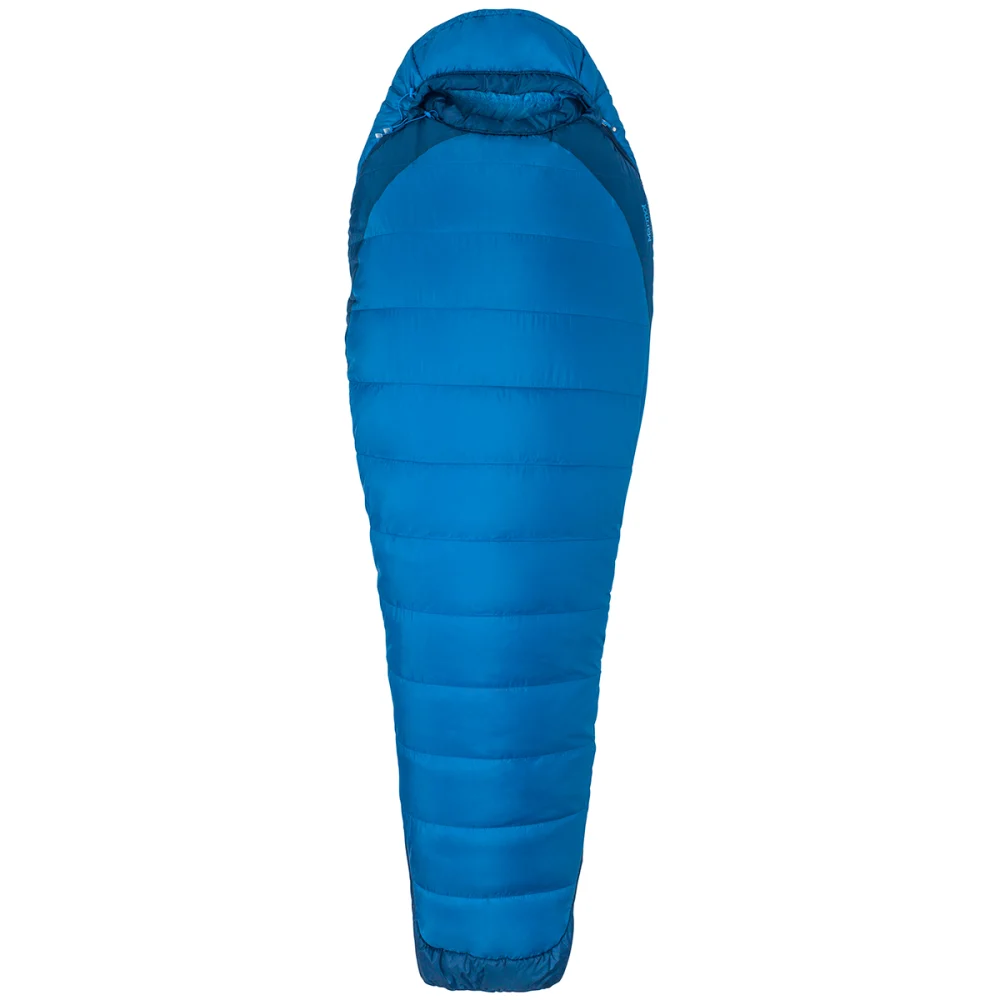
MARMOT Trestles Elite Eco 20 Sleeping Bag
Weight: 2lbs 14oz
Overview
In our experience, the Marmot Trestles Elite Eco 20 Sleeping Bag is a true standout feature for backpackers who camp in cool to cold nights. The Pertex Quantum GL shell keeps weight down while still feeling rugged, and the 850-fill-power down lofts beautifully to fend off damp air. We’ve found the down’s performance holds up in light moisture, but we still recommend a dry sack and bivy for prolonged wet trips.
What sets this bag apart for us is the thoughtful ventilation and fit. The fold-down second zipper delivers easy access and adjustable airflow, which saved us on warmer alpine nights. The anti-snag main zipper is a small detail that’s surprisingly important after a long day of hiking. Its anatomically shaped 3D footbox gives your feet extra space without sacrificing warmth, and the bag accommodates heights up to 6’6″, which is perfect for taller hikers in our group.
Top Features
- 850-fill-power goose down insulation for reliable warmth
- Mummy-shaped design for thermal efficiency
- 3D hood and continuous draft protection for cold nights
- Fold-down second zipper for ventilation and easy entry
- EN tested temperature ratings for real-world expectations
Pricing
Bottom Line
For ultralight backpackers who want warmth without bulk, the Marmot Trestles Elite Eco 20 remains a strong pick. In our experience, it balances light weight, compressibility, and reliable 20-degree performance in a way that works well for late-season trips and shoulder-season treks. If you’re tall or value the ventilation options, this bag earns our recommendation.
THE NORTH FACE Cat’s Meow Sleeping Bag
Weight: 2lbs 1oz
In our experience, the Cat’s Meow is a reliable workhorse for three-season backpacking. The 20-degree rating pairs with lightweight Heatseeker Guide insulation and THERMOLITE blends for durable warmth, while the water-repellent finish helps hold up to misty drop-ins. The internal handwarmer pockets, vaulted footbox, and draft collar keep warmth in where you need it most, and the pad loops make it easy to secure your bag to your sleeping pad. We’ve found the vaulted footbox specifically helpful for thicker socks and sleeping boots at camp.
Top Features
- Lightweight Heatseeker Guide insulation
- Water-repellent finish and durable fabrics
- 10% more compressible than previous versions
- Internal handwarmer pockets
- Cyclone construction for efficient, compressible, vertical baffles
Pricing
Bottom Line
In our experience, the Cat’s Meow is a solid pick for backpackers who want dependable warmth without added bulk. Its Heatseeker Guide insulation, water-repellent finish, and durable fabrics cover a wide range of conditions, and the 10% better compressibility helps when every ounce counts. If you’re shopping for a high-quality 20-degree bag, we highly recommend giving the Cat’s Meow a serious look.
NEMO Riff Down Sleeping Bag

Weight: 2lbs 6oz
Overview
In our experience, the NEMO Riff Down Sleeping Bag stands out for backpackers who prioritize comfort without sacrificing weight. The Ultralight Spoon™ shape gives extra elbow and knee room for side sleepers, which translates to fewer nightly adjustments on long trips into backcountry terrain.
Top Features
- Ultralight Spoon™ shape adds room at elbows and knees while still providing weight-shaving warmth
- Premium 800 FP hydrophobic, PFAS-free, 100% RDS-certified down for ultimate insulation
- Waterproof/breathable footbox keeps feet warm and dry, even in damp campsite conditions
- Thermo Gill™ vents regulate temperature throughout the night, preventing overheating
- Blanket Fold™ draft collar and full-length draft tube offer tucked-in comfort and temperature control
- Full-length double-slider #5 YKK zipper with zipper plow for easy entry and exit
- Integrated pillow pocket provides elevated support using extra clothes or a Fillo™ pillow
- Opposite-sided zippers on men’s and women’s models allow for double sleeping bag versatility
Pricing
Bottom Line
From our experience, the NEMO Riff Down is ideal for serious lightweight hikers who still want a roomy night’s sleep. It shines on longer overnights where comfort quietly boosts morale, and its insulation performs well in shoulder-season camps. We recommend pairing it with a warm, compressible pillow and a simple bivy or tarp setup to maximize warmth in damp environments. If you want a premium, purpose-built sleeping bag for side sleepers, the Riff is hard to beat—and the lifetime warranty adds long-term confidence.
Therm-a-Rest Hyperion Ultralight Down Sleeping Bag

Weight: 1lb 2oz
Overview
In our experience, the Therm-a-Rest Hyperion 20 UL is the kind of ultralight bag that keeps you moving fast on long backcountry days. It uses compressible down and a tapered mummy cut to maximize warmth without weighing you down, which matters when you’re crossing exposed passes or scrambling at alpine elevations.
Top Features
- Lightweight: The Hyperion stands out in its class for real-world carrying comfort, not just on the scale.
- Unrivaled Packability: We routinely stuff it into a 6×10-inch ultralight stuff sack for weeklong trips with room to spare for a compact liner.
- Box Baffled Construction: The mesh box baffles help prevent cold spots at the seams, which we’ve noticed make a difference in windy bivouacs above treeline.
- Comfort Fit: The ergonomic shape and longer zipper provide roomier shoulder and hip zones than typical ultralights, a noticeable plus after a full day of hiking.
- SynergyLink™ Connectors: These keep your sleeping pad and bag aligned, reducing heat loss if you roll over in the night.
- Zoned Insulation: Targeted fill in core areas means warmth where you need it most, without packing on extra weight.
Pricing
The Therm-a-Rest Hyperion 20 UL Sleeping Bag is a premium ultralight option. Check current pricing on REI or Amazon for the latest deals.
Bottom Line
From our experience, the Hyperion 20 UL is a strong choice for backpackers and mountaineers who value minimal weight without sacrificing essential warmth. Its down certification and zoned insulation deliver reliable performance in shoulder-season trips and higher-altitude routes where every ounce counts.
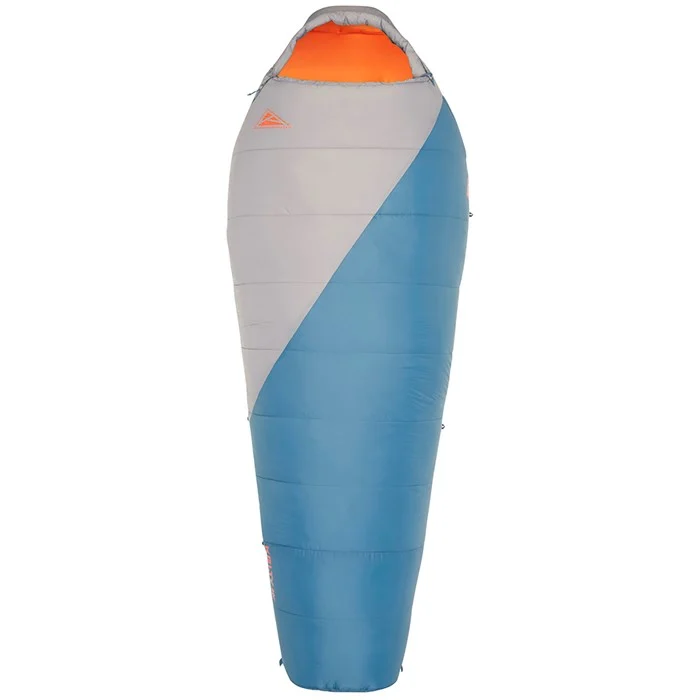
Kelty Cosmic 20 Sleeping Bag
Weight: 2lbs 2oz
Overview
In our experience, the Kelty Cosmic 20 is a versatile three-season bag that balances warmth and weight without breaking the bank. The synthetic insulation dries quickly if you don’t have a perfectly dry camp, which is a real advantage on damp trips. We’ve found it to perform well from late spring through early fall in many Sierra and Rockies campsites.
Top Features
- Lightweight for easy backpacking
- Quick-drying synthetic insulation
- Natural Fit spacious footbox for added comfort
- Comfort Hood with Draft Collar for added warmth
- Handy stash pocket for storing small essentials
Pricing
Choose between the Regular and Long sizes, with the option for right-hand zipper location.
Bottom Line
For backpackers who want a reliable, all-around bag without a premium price, the Kelty Cosmic 20 delivers. Its synthetic insulation, roomy footbox, and draft-safe hood earn solid marks from our team after countless shoulder-season trips. If you’re after a practical, no-nonsense 3-season bag, this one earns a top spot in our kit bag.
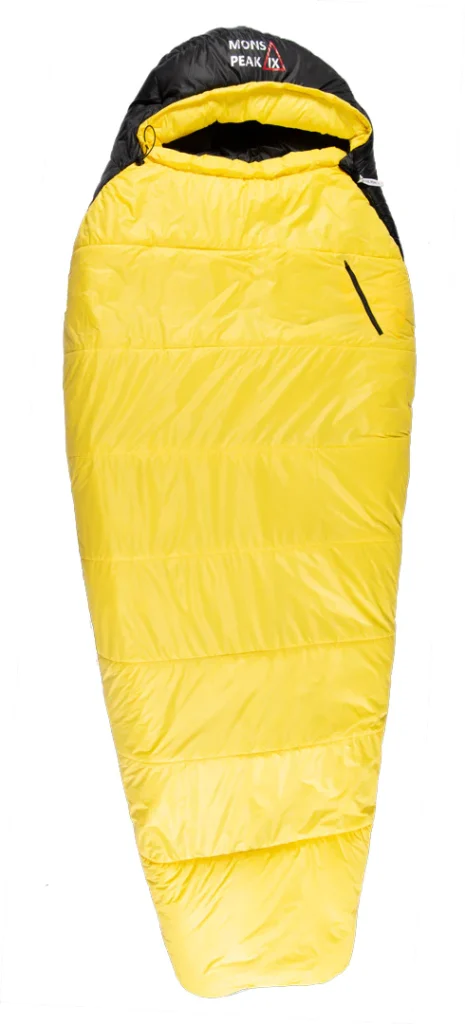
Mons Peak Settler 15 F Sleeping Bag
Weight: 2lbs 8 oz
Overview
From our experience, the SETTLER 15 F sleeping bag shines in cool-to-mild conditions, making it a solid 3‑season choice for late-spring or early-fall trips. It’s designed for backpacking, camping, mountaineering, and expeditions, with synthetic loft that remains reliable even if moisture seeps in from a light drizzle. In our tests, the full-length draft tubes and neck collar helped keep chilly drafts at bay through chilly mountain nights.
Top Features
- Dual YKK Zippers with Pulls & Anti-snag Primary Zipper
- Neck Draft Collar & Full-Length Zipper Draft Tubes
- Hood & Neck Independent Cinch Draw Cords
- Outside Easy Access Stash Pocket
- Pillow Pouch
- Ultra-soft Nylon Fabrics with CIRE WR
- Synthetic Fill with Heat Optimized Profile
- Performance Tested at an independent Lab in the USA
- Available in 3 Lengths with Left or Right Zippers
- Compression Sack Included
Pricing
Bottom Line
In our experience, the SETTLER 15 F delivers a warm, snug night’s sleep without weighing you down—ideal for backpackers who want reliable warmth and thoughtful details like the anti-snag zipper and stash pocket. We appreciate the option of three lengths and the included compression sack for compact packing. If you’re chasing a versatile, weather-resistant bag for shoulder-season trips, this is a strong all-around pick.
What Is the Best Ultralight Sleeping Bag?
In our experience, the Sea to Summit Spark Ultralight Sleeping Bag hits the sweet spot for most backpackers. It balances warmth, weight, and comfort across a broad range of conditions, from shoulder-season trips to cooler desert nights.
We’ve found the Spark delivers reliable loft without adding unnecessary bulk, making it feel like a true all-arounder in our pack lists. For best results, pair it with a lightweight dry bag or stuff sack to protect the down, and choose the size that keeps you in proper contact with the loft for maximum warmth. Our recommendation is to select the mummy-style version for maximum heat retention on chilly nights, and consider the shorter length if you’re a budget-minded ultralighter who prioritizes pack efficiency.
Wrapping Up
From our experience, the ultralight bag that truly works is the one that balances warmth, compressibility, and fit—not just the lightest number on the label. We recommend aiming for a 15–30°F rating with a sub-1.5 lb pack weight for three-season trips, checking the draft collar and baffles in person, and testing the bag in your own pack at home by simulating a cool overnight to ensure there are no cold spots.


