Best Time to Drive Going-to-the-Sun Road: Monthly Plan
Going-to-the-Sun Road is a 50-mile mountain highway that crosses the Continental Divide at Logan Pass (6,646 ft) in Glacier National Park. According to NPS.gov, the alpine section typically opens in mid-June and closes by mid-October, though weather can shift these dates. NPS IRMA data shows July as the busiest month across the park’s 2,893,996 annual visitors. Late June to early July is a better fit for waterfall seekers and wildflower photographers, compared to the crowded July peak when Logan Pass parking fills by 9:30 AM. Late September, an often overlooked window, delivers larch color with far fewer vehicles. This guide breaks down each open month by crowds, weather, road status, and trail access.
Quick answer: Best time?
Best Time to Drive Going-to-the-Sun Road: Monthly Plan opens with a decisive window: the full 50-mile Going-to-the-Sun Road usually runs from late June or early July through mid-October, per NPS.gov, and July is the peak month for visitors in 2026.
We recommend the late September window for fewer crowds and good alpine color. Logan Pass, Lake McDonald, and St. Mary are the key stops to plan around. According to NPS.gov and park data, driving the whole road without stops takes 2– hours, but plan a full day for views and hikes.
- Best week by season: first half of September for larch color and lower crowds
- Driving time: 2-3 hours without stops; plan a full day for overlooks and short hikes
- Road length: Going-to-the-Sun Road is 50 miles long
- Reservation tip: Shuttle tickets released via Recreation.gov in two windows; book 60 days ahead when available
June–2026 seasonal snapshot and week-level tips
Best time: The 50-mile Going-to-the-Sun Road usually opens late June or early July and runs through mid-October, per NPS.gov and park data. · Avoid: November – April (most high-country closures)
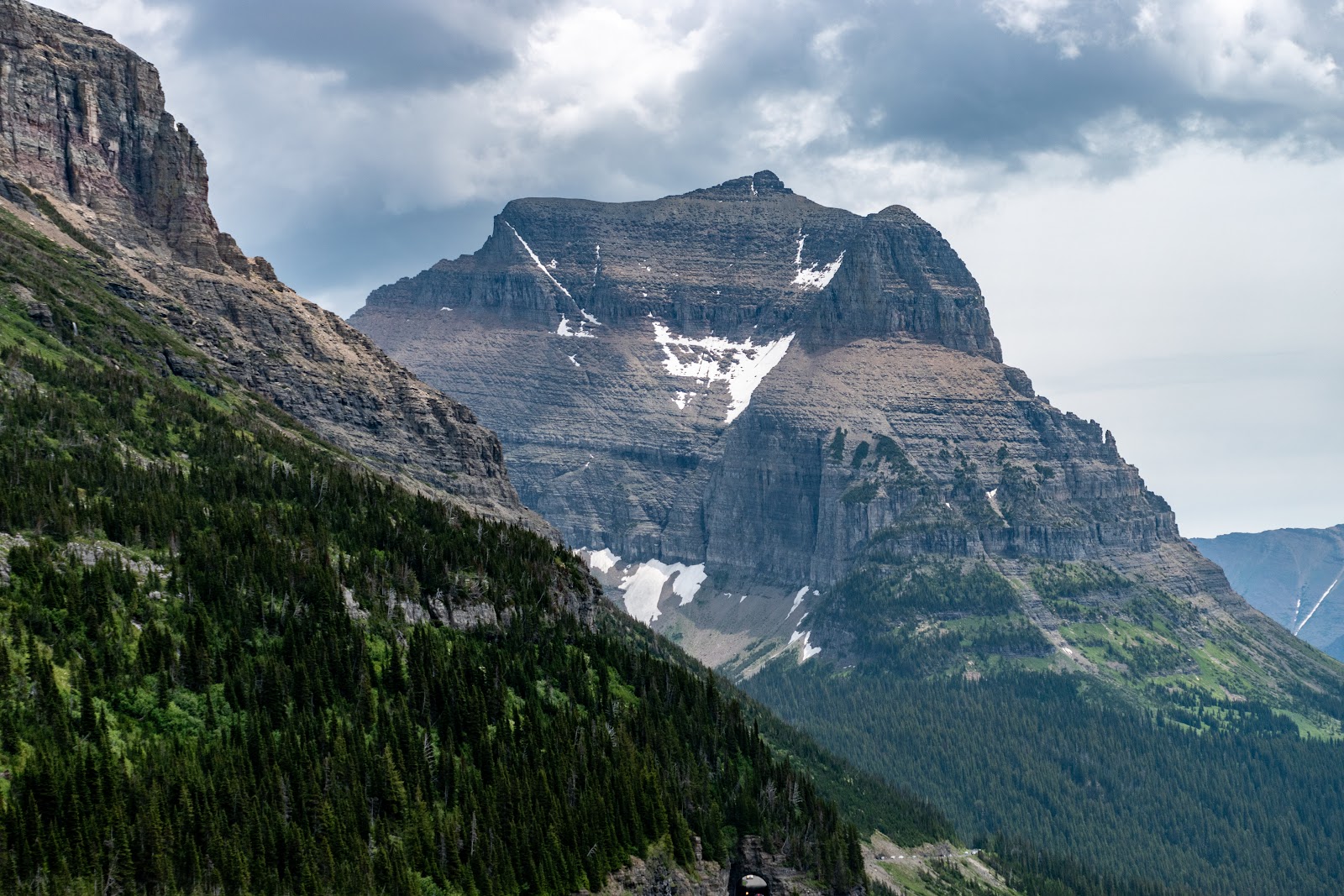
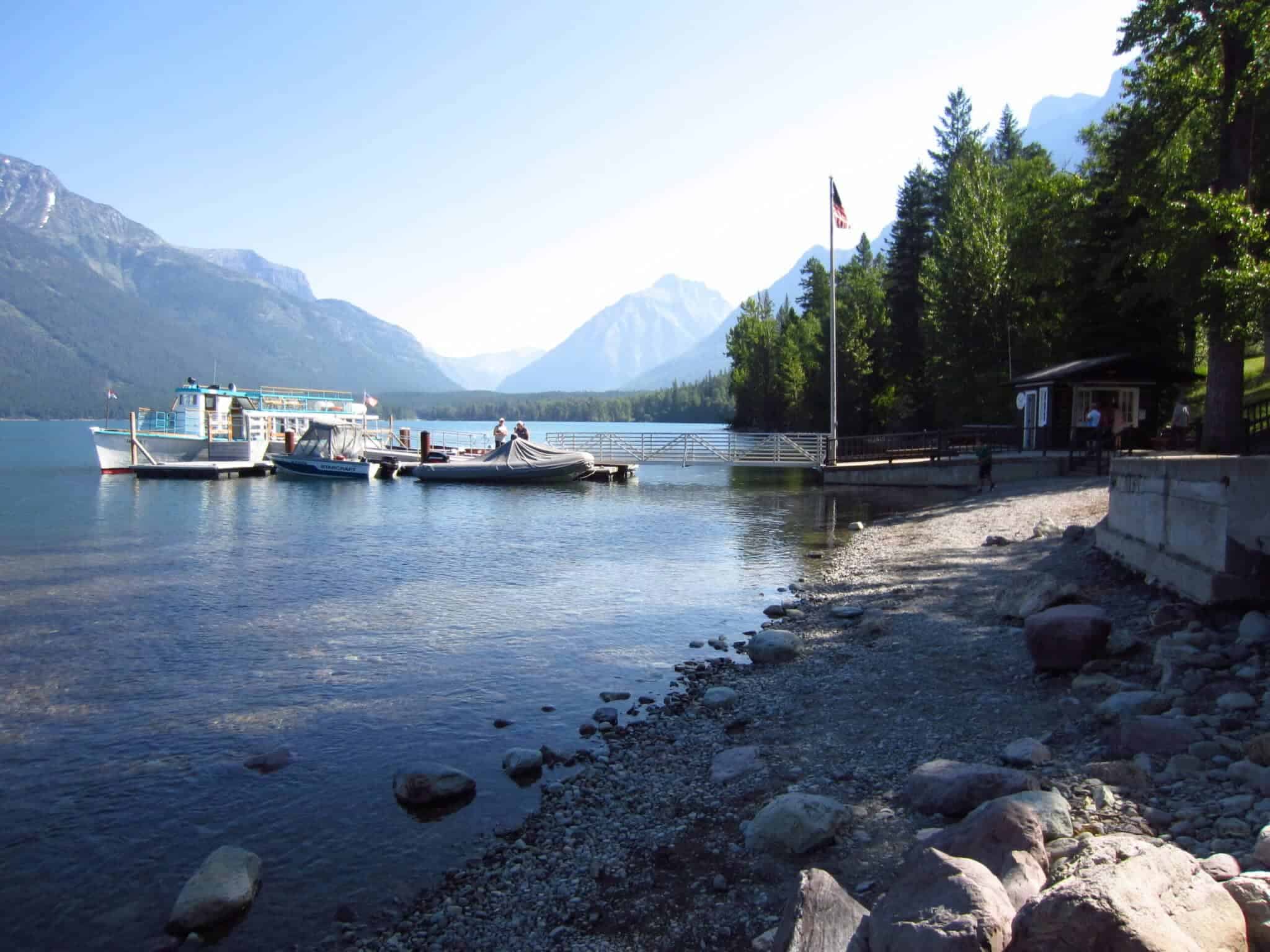
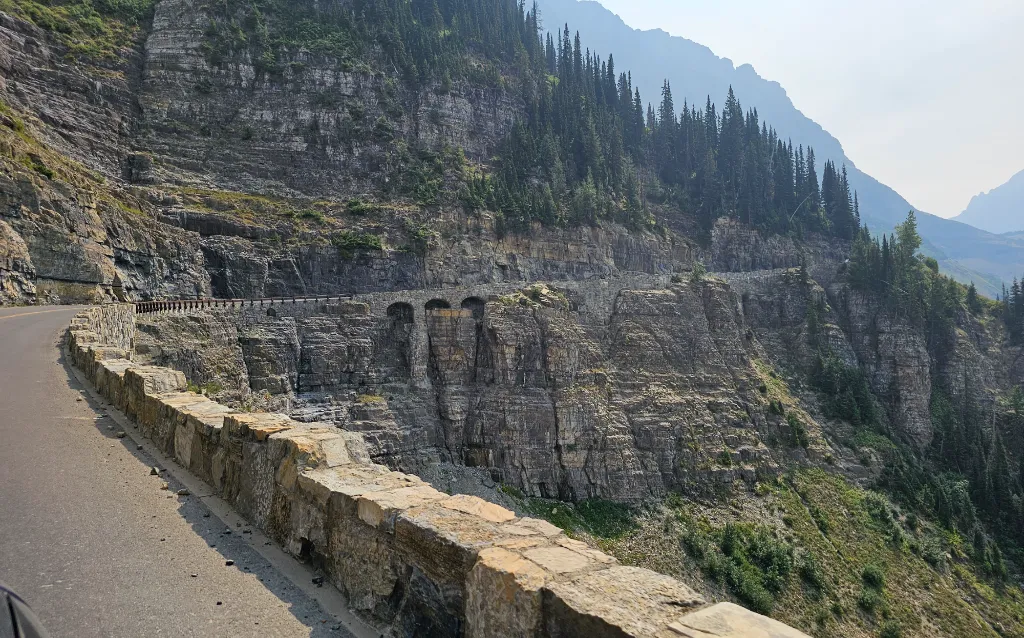
campground-reservations-2026″>Shuttle tickets and campground reservations (2026)
GTSR quick facts: 50 miles, Logan Pass 6,646 ft
- Full GTSR open window
- Late June/early July – mid-October (dates vary) –per NPS.gov
- Road length
- 50 miles
- Drive time
- 2-3 hours without stops; plan a full day
- Highest point
- Logan Pass at 6,646 feet (parking fills quickly)
- Vehicle limits
- No vehicles over 21 ft long or 8 ft wide on some sections
- Fuel
- No gas stations on GTSR
- Busiest months
- July and August
- Shuttle
- Free shuttle available; 2026 ticketed pilot in effect July–September per Recreation.gov
- Annual visitors
- 2,893,996 per NPS IRMA stats
- Campgrounds
- 13 campgrounds listed in NPS API; Apgar has 194 sites
Pack for season and gaps: no gas stations on the road
Driving essentials
- Full tank before entering (no gas on GTSR)
- Printed park map and Recreation.gov confirmations
- Cash or card for lodging and ferry fees
Weather layers by month
- Microspikes (early June and July if patches remain)
- Insulating midlayer and wind shell (June–Oct)
- Warm hat and gloves for Logan Pass (nights can drop below freezing)
Safety gear
- Bear spray and know-how to deploy it
- First-aid kit and headlamp
- Extra food and water; services close early in shoulder seasons
Accessibility items
- Accessible parking permit if needed
- Folding ramp or transfer aids for wheelchair users
- Contact park accessibility office ahead of travel
Is the road accessible?
Logan Pass Visitor Center and select pullouts have paved, wheelchair-accessible surfaces, and the 2026 ticketed shuttle includes ADA accommodations, per NPS.gov and shuttle operator guidance.
The Logan Pass boardwalk and the Trail of the Cedars are among the most accessible routes. Park data shows a 3-hour vehicle parking limit at Logan Pass effective July 1, 2026, which affects timing for accessible parking. Visitors and review themes suggest shuttle boarding areas at Apgar Transit Center and St. Mary are level but can be crowded; plan to arrive early for accessible spaces.
Based on the data, consider using the shuttle for point-to-point access if mobility limits make long walks difficult. For a lower-elevation, accessible viewpoint, try a paved pullout near Lake McDonald Lodge, and contact the park accessibility office before arrival for the latest accommodations.
Frequently Asked Questions
When is the best time to drive Going-to-the-Sun Road?
Do you need a reservation for Going-to-the-Sun Road?
How long does it take to drive Going-to-the-Sun Road?
Methodology
- NPS.gov –Glacier National Park official pages for road status, fees, and accessibility (https://www.nps.gov/glac/index.htm)
- Recreation.gov –shuttle and campground booking information (https://www.recreation.gov)
- NPS IRMA / Visitor Statistics –annual visitor counts
- Open-Meteo / Weather.gov –monthly climate averages
- NPSpecies / NPS API –species and campground records
Road opening dates vary yearly with snow removal and avalanche conditions. Shuttle schedules and ticketing are subject to change; always verify on NPS.gov before travel.
Key Takeaways for Best Time
Late June–mid-October is the full access window for Going-to-the-Sun Road, and July is the busiest month with peak crowds, per NPS.gov and NPS IRMA statistics.
Four final action items:
- Book shuttle tickets 60 days ahead when the window opens on May 2, 2026, via Recreation.gov.
- Choose early September for larch color and reduced traffic at Logan Pass.
- Fuel in West Glacier or St. Mary; there are no gas stations on GTSR.
- Pack microspikes for early-season patches and bear spray year-round.
We recommend printing confirmations and setting alarms for ticket releases to secure space during peak weeks.