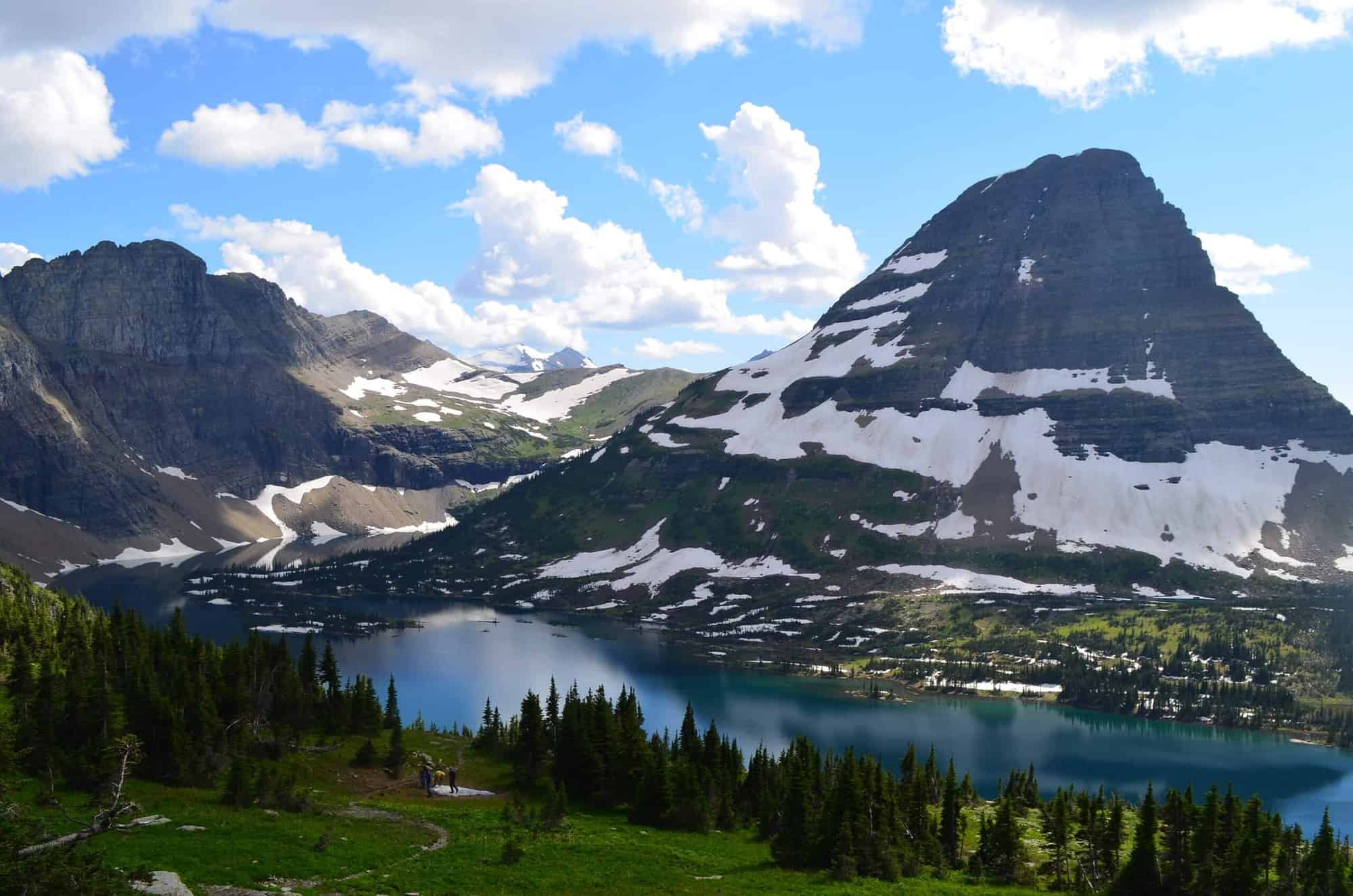
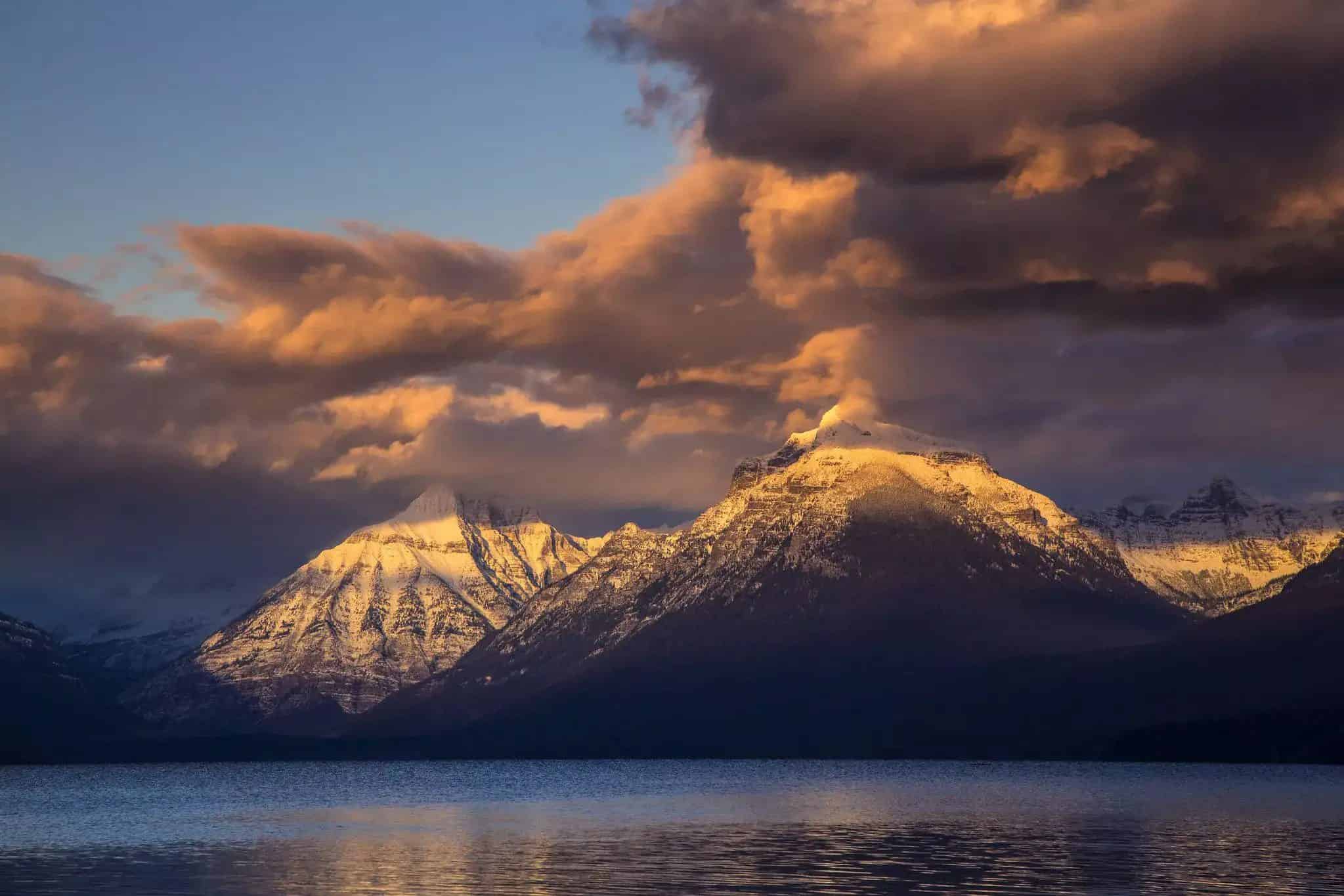
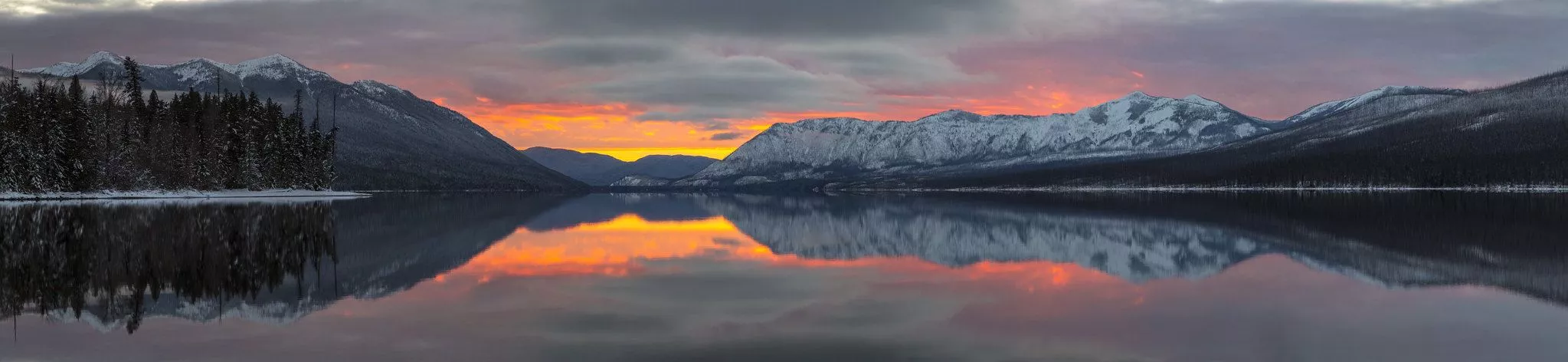
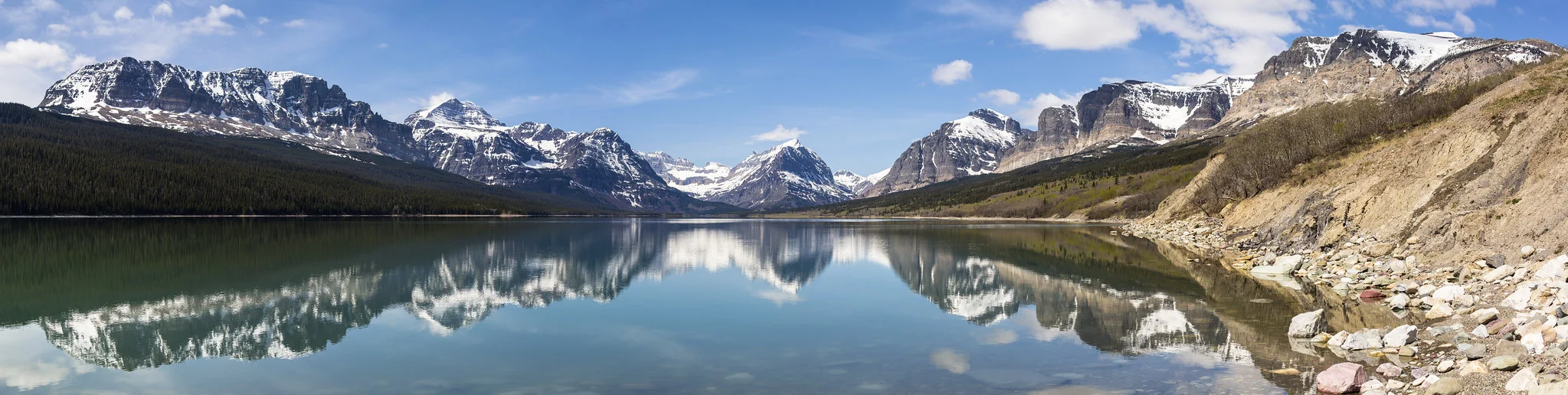
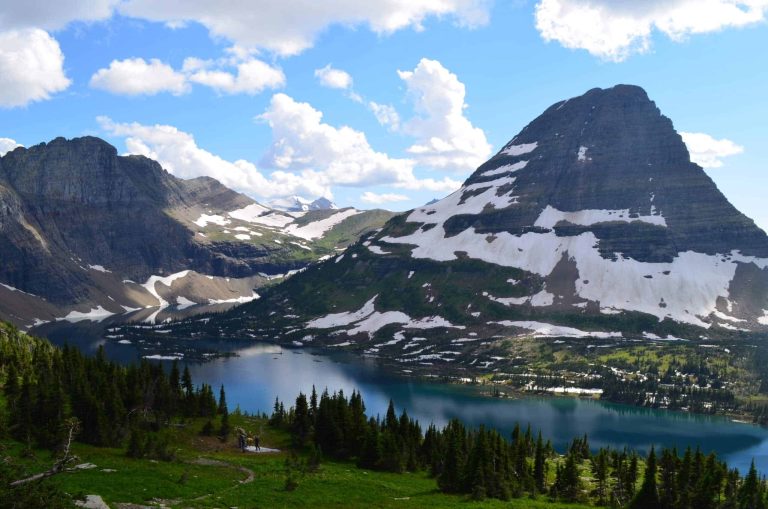
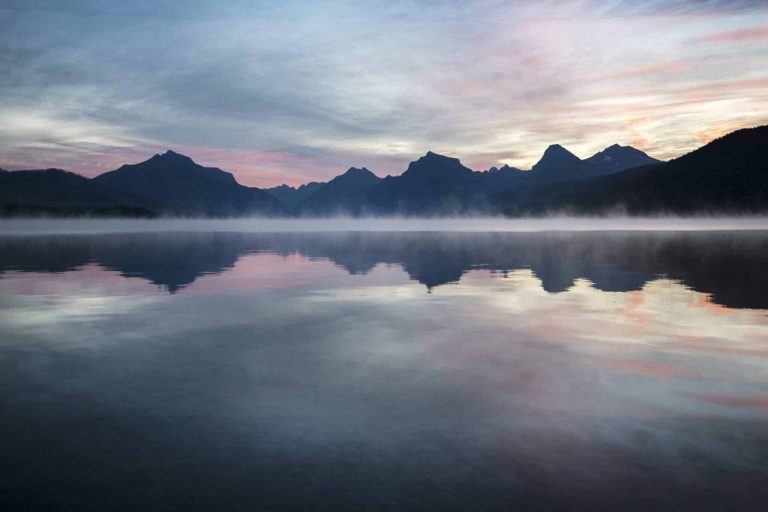
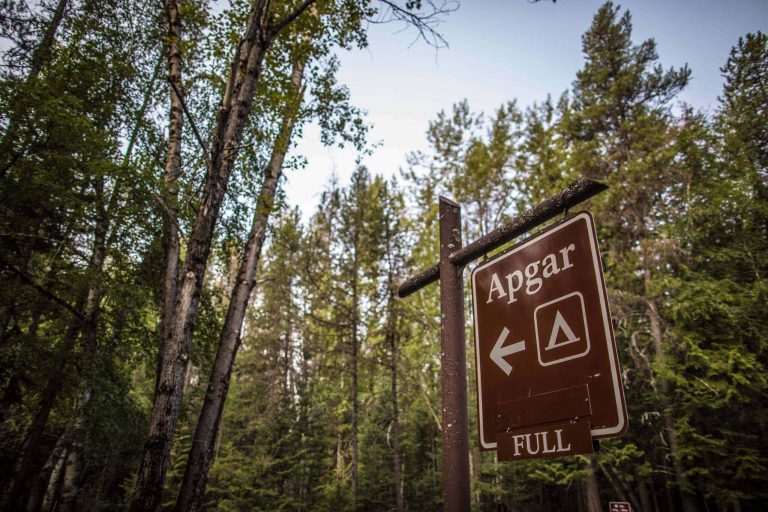
Hidden Lake Overlook is one of Glacier’s most rewarding short hikes — reached in 1.5 miles from Logan Pass. Photo: Jeff Ladderud / NPS.
The best scenic overlook in Glacier National Park is Logan Pass — highest point on Going-to-the-Sun Road at 6,646 feet — but you are not here for just one. Glacier packs more drive-up and walk-up viewpoints per road mile than almost any other national park in the country.
This guide covers 10 verified overlooks: seven you reach from your car, three that need a short walk. All include the exact road location, what you will see, and the insider detail that makes the difference between a quick stop and a memory you will keep.
Key Takeaways
Entrance fee: $35/vehicle summer (May-Oct), $25/vehicle winter per NPS.gov
Going-to-the-Sun Road vehicle restriction: vehicles over 21 ft long or 8 ft wide cannot drive above Avalanche Creek (west) or Sun Point (east)
Peak season (July-Aug): arrive before 9 AM or after 4 PM — Logan Pass parking fills by mid-morning
Wild Goose Island is the most-photographed single spot in Montana — and it is a free 30-second stop
Jackson Glacier Overlook is one of the last places to see a named glacier from the road in Glacier National Park
#1 Best Overall
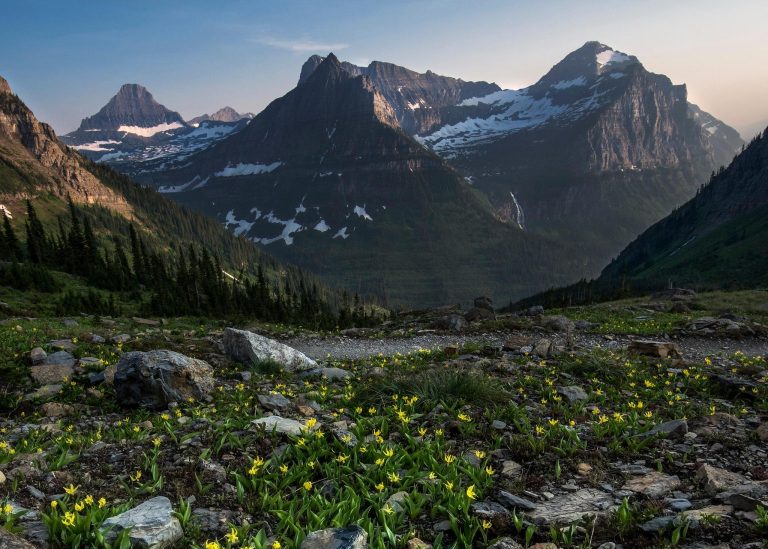
Logan Pass sits at 6,646 feet on the Continental Divide — the highest drivable point in Glacier National Park.
Logan Pass
4.9
6,646 ftelevation
Drive-upaccess
July-Septbest season
Visitor CenterWildlifeWildflowersShuttle Stop
Why it’s #1: Logan Pass is the crown of Going-to-the-Sun Road — the Continental Divide crossing at 6,646 feet, with panoramic views of the Garden Wall, Clements Mountain, and Reynolds Mountain from the parking lot alone.
Per NPS.gov, Logan Pass is the highest elevation point on Going-to-the-Sun Road and the only vehicle crossing of the Continental Divide in the park. The Logan Pass Visitor Center has ranger staff, restrooms, and a bookstore. Mountain goats are frequently spotted in the immediate parking area — no hike required to see wildlife.
Insider tip: The parking lot fills by 9-10 AM in July and August. Take the free Going-to-the-Sun Road shuttle from Apgar Transit Center or St. Mary — it runs every 15-30 minutes and drops you directly at the pass. No permit needed for shuttle riders.
Why we picked it: A boardwalk trail through subalpine meadows delivers a full payoff: turquoise Hidden Lake framed by Bearhat Mountain, a cirque of glaciated peaks, and mountain goats that will walk directly across the trail in front of you.
Starts at the Logan Pass Visitor Center. The first half of the trail follows a raised boardwalk across the alpine meadow — protecting the fragile vegetation while giving unobstructed wildlife views. At the overlook platform, Hidden Lake sits 755 feet below in a bowl carved by glaciers. The trail continues down to the lake if you want to extend the hike (3 miles total from Logan Pass, 1,360 ft gain).
Insider tip: Early July through mid-August, the meadows are carpeted with wildflowers — beargrass and glacier lilies peak first. In late June, the trail above the boardwalk may have snow. Wildlife viewing is best on weekday mornings before crowds arrive at Logan Pass.
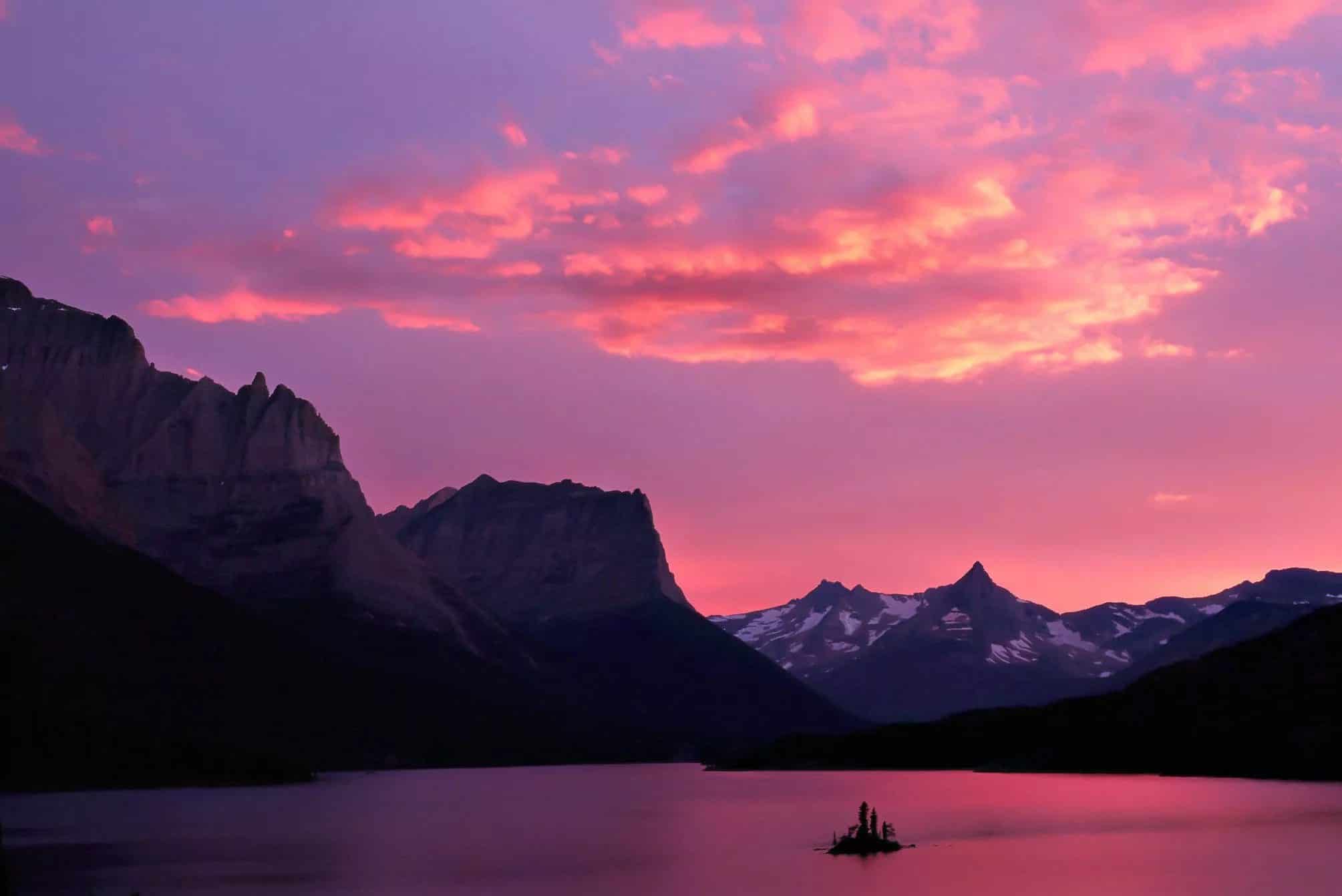
Wild Goose Island on Saint Mary Lake — a tiny forested island in a vast glacial lake backed by towering peaks. This is Montana’s most photographed scene.
Wild Goose Island Overlook
4.8
Drive-upaccess
East GTSRlocation
Year-roundroad access
PhotographySunriseSunset
Why we picked it: Wild Goose Island is arguably the most photographed view in Montana — a tiny forested island in the middle of 9-mile-long Saint Mary Lake, backed by a wall of snowcapped peaks. Takes 30 seconds to stop, produces a lifetime photo.
Located on Going-to-the-Sun Road on the east side of the park, just west of the Saint Mary entrance station. The pullout holds a few vehicles — if full, continue west a short distance and loop back. Sunrise and sunset are prime times: morning turns the peaks golden from the east; evening light paints them pink from the west. The lake is 9 miles long and the island sits near the center, framed by 8,000+ foot peaks on both sides.
Insider tip: Arrive 30 minutes before sunrise for glassy lake reflections before wind picks up. Eastbound (toward St. Mary) is the correct pullout side — it is signed on the right. On calm mornings in June, the reflections are mirror-perfect. Bring a wide-angle lens.
#4 See a Real Glacier
From Jackson Glacier Overlook, visitors can see one of Glacier National Park’s remaining named glaciers clinging to the high peaks above Going-to-the-Sun Road.
Jackson Glacier Overlook
4.7
Drive-upaccess
East of Logan PassGTSR location
July-Octbest season
Glacier ViewingInterpretive Signs
Why we picked it: Glacier National Park’s glaciers are shrinking rapidly — this overlook is one of the only places to see a remaining named glacier (Jackson Glacier) directly from the road, with interpretive panels showing historical ice loss since the 1800s.
Located on the east side of Going-to-the-Sun Road, just east of Logan Pass. NPS interpretive panels at the pullout compare historical photos to the current glacier extent. In peak summer the ice is clearly visible from the road. Binoculars reveal crevasses and blue ice in the upper cirque. Per NPS.gov, the park had 150 named glaciers in 1850; fewer than 25 remain active today.
Insider tip: Come in July or August for the clearest glacier views before summer snowmelt changes the visual boundary. Late morning gives the best light angle on this east-facing slope. Binoculars or a telephoto lens make a significant difference for seeing the glacier detail.
#5 Best West-Side Vista
The west side of Going-to-the-Sun Road delivers sweeping views down the Lake McDonald valley toward Heavens Peak — best experienced from The Loop pullout.
The Loop
4.6
Drive-upaccess
West side GTSRlocation
Shuttle Stoptransit access
Valley ViewsHeavens PeakTrail Access
Why we picked it: The Loop is the major hairpin turn on GTSR’s west ascent — a large pullout with sweeping views down the McDonald Creek valley toward Heavens Peak (8,987 ft), plus the trailhead for the hike up to Granite Park Chalet.
Located on Going-to-the-Sun Road about halfway up the west side, before the road enters the narrow upper section where large vehicles are restricted. The Loop pullout is a free shuttle stop, making it easy to use as a drop-off for the 4-mile hike up to Granite Park Chalet or as a pick-up point after descending from Logan Pass via the Highline Trail. The valley views from the guardrail are wide and largely unobstructed.
Insider tip: Watch for afternoon storms building over the Garden Wall by 1-2 PM in summer. Lightning on the exposed ridge above is a real hazard. If storm clouds are developing, plan to be back below the treeline by 3 PM. The Highline descent from Logan Pass ends here — a popular 11-mile point-to-point with the shuttle.
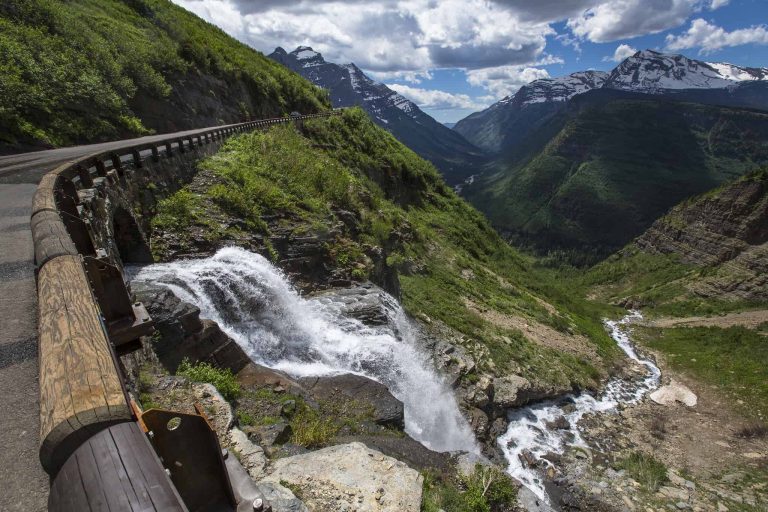
Why we picked it: Bird Woman Falls drops 492 feet down the cliff face above Going-to-the-Sun Road — one of the tallest waterfalls visible from a road pullout anywhere in the northern Rockies, with no hiking required to see it.
Located on the west side of GTSR above The Loop, the viewpoint is a small pullout on the mountain (inside) side of the road. The falls are fed by snowmelt from Bird Woman Cirque high above, so peak flow hits in June and July. By late August, the flow reduces significantly. Binoculars help because the falls are set back from the road — the cascade is visible but small without them.
Insider tip: Also visible from the road while driving — if you are eastbound (toward Logan Pass), scan the cliffs to your left as you climb. The pullout is small and easy to miss; look for cars stopped on the mountain side of the road with people pointing up at the cliff face above.
#7 Most Unique
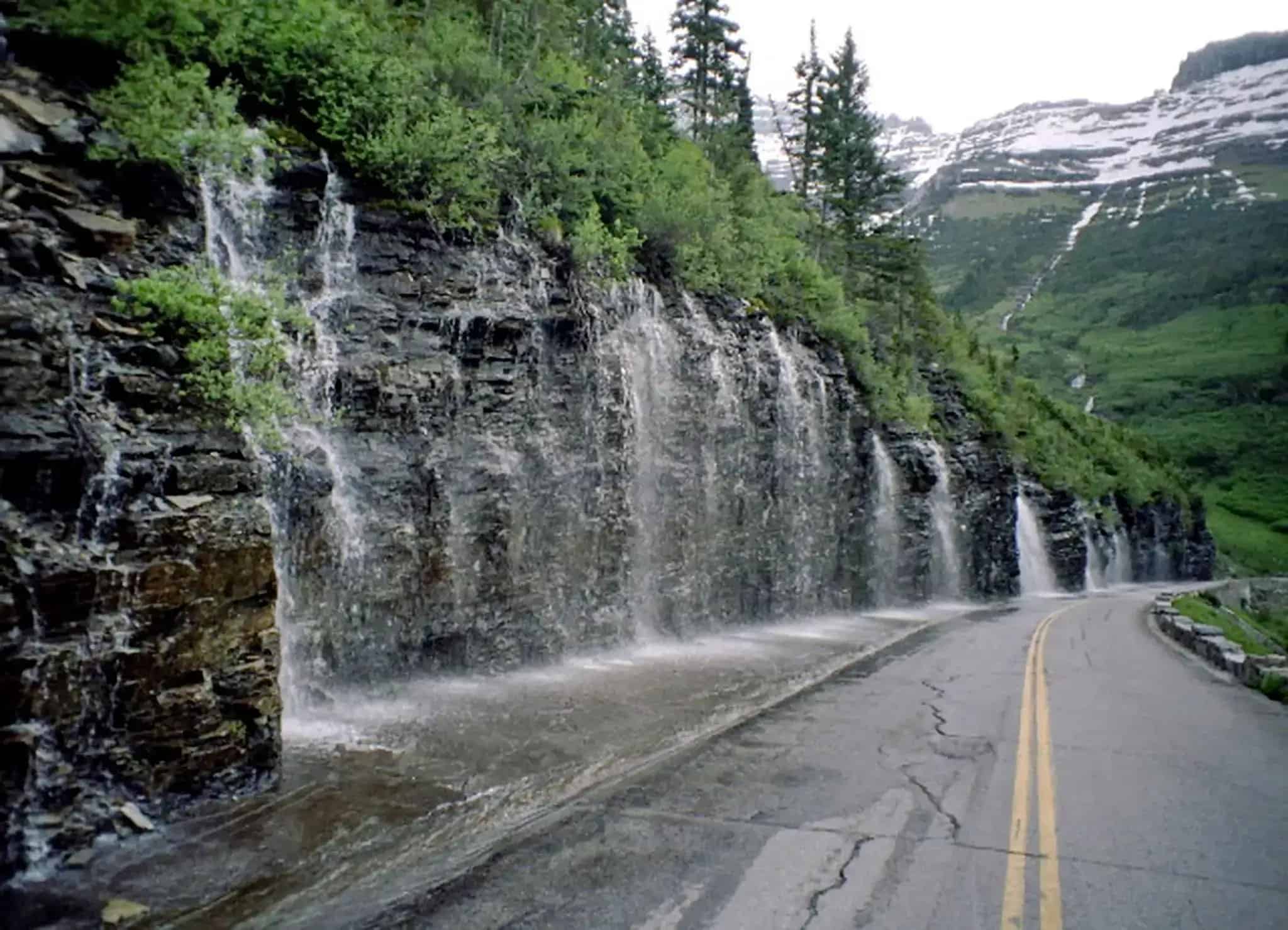
The Weeping Wall is unlike any other overlook in Glacier — a 200-foot cliff where groundwater seeps through rock year-round, showering the road below.
Weeping Wall
4.6
Drive-throughaccess
West side GTSRlocation
Year-roundactive
Natural WonderWalk-up OKIce in Winter
Why we picked it: The Weeping Wall is one of the most surreal roadside features in any national park — groundwater seeps through a 200-foot cliff face and rains down on the road below. In summer, hikers and cyclists cool off in the natural shower.
Located on the west side ascent of Going-to-the-Sun Road above The Loop, the Weeping Wall is a permanent geological feature — water filters through the porous rock year-round. In winter it becomes a massive ice formation when the road is closed. Summer visitors can park at nearby pullouts and walk under the cascade — it is cold, mineral-rich, and free. The flow is heaviest June through July.
Insider tip: Wear a light rain jacket or accept getting soaked — the spray reaches well across the road. Photographers: position yourself across the road facing the wall with the valley in the background for the most dramatic composition. Morning light from the east illuminates the cliff face best.
#8 Best Many Glacier View
The Many Glacier valley holds Lake Sherburne and Swiftcurrent Lake — backed by Grinnell Point and some of the most dramatic mountain scenery accessible by road in the park.
Swiftcurrent Lake — Many Glacier
4.7
Drive-upaccess
Many Glacier Roadlocation
June-Octroad open
Glacier ViewsBoat ToursWildlife
Why we picked it: Many Glacier is the “Switzerland of North America” section of the park — Swiftcurrent Lake sits directly below Grinnell Point with Grinnell Glacier visible on the slopes above. The lakefront views near Many Glacier Hotel are among the finest in the park.
Many Glacier Road branches northeast off US-89 and ends at the Many Glacier Hotel — a historic red-roofed lodge at Swiftcurrent Lake. From the shoreline you look straight up at Allen Mountain, Mount Grinnell, and the hanging glaciers above Grinnell Lake. NPS runs boat tours from this area daily during summer. See our Many Glacier Road scenic drive guide for the complete route breakdown and tips.
Insider tip: The trail from Swiftcurrent Lake to Grinnell Glacier is one of the park’s premier day hikes (11 miles round trip, 1,600 ft gain). Even walking just 2 miles reaches Lake Josephine, with glacier views far surpassing anything visible from the hotel.
Why we picked it: Sun Point delivers a 270-degree panorama of Saint Mary Lake and surrounding peaks from a rocky promontory — and the walk from the parking area is flat, mostly paved, and accessible to virtually all visitors.
The Sun Point trailhead is on the south side of Going-to-the-Sun Road near Saint Mary on the east side of the park. A 0.7-mile path follows the lakeshore to the rocky overlook. The views take in the full length of Saint Mary Lake, Divide Mountain, and the peaks of the Lewis Range in both directions. The trail continues to Baring Falls, an additional 0.7 miles through forest with a dramatic waterfall payoff.
Insider tip: Afternoon to evening is ideal for photography here — the low sun illuminates the lake surface from the west, and on calm evenings the lake mirrors the mountains perfectly. This spot is significantly less crowded than Logan Pass despite comparable views.
Why we picked it: Goat Lick Overlook is a natural mineral lick on a roadcut cliff above the Middle Fork Flathead River — mountain goats congregate here in large numbers every spring to get essential minerals after winter. No GTSR timed entry permit required.
Located on US Highway 2 on the south boundary of Glacier National Park, about 3 miles east of Essex, Montana. Mountain goats gather at the clay cliff face from May through early July to consume minerals — particularly sodium and calcium — that are scarce in their winter range. Per NPS.gov, this is one of the most reliable wildlife viewing spots in the park. Spotting scopes help — the goats are on the far cliff across the river.
Insider tip: Early morning (7-10 AM) sees peak goat activity before heat drives them off the exposed cliff. May is the single best month — herds of 15-20+ goats are common. By August, mineral needs are met and most goats have returned to higher elevations. Bring a 200mm+ telephoto lens or spotting scope.
Disclosure: This article contains affiliate links. If you make a purchase through these links, we may earn a small commission at no extra cost to you. This helps support YourNPGuide.com.
Some links below are affiliate links.
Planning Your Overlook Visit
Most of the top overlooks sit on Going-to-the-Sun Road, which requires a timed entry permit from late May through early September (usually 6 AM-3 PM westbound, 6 AM-4 PM eastbound). Book permits at Recreation.gov starting mid-March — they sell out within hours of release. Alternatively, enter before 6 AM or after 3 PM permit-free, or use the free park shuttle from Apgar or St. Mary.
What is the best overlook in Glacier National Park?
Logan Pass is the best overall overlook — at 6,646 feet on the Continental Divide, it delivers panoramic views of the Garden Wall, Clements Mountain, and Reynolds Mountain with no hiking required. For the single most iconic photo, Wild Goose Island Overlook on Saint Mary Lake is Montana’s most photographed scene.
Do you need a permit to reach the overlooks on Going-to-the-Sun Road?
During peak season (late May through early September), a timed entry permit is required to drive GTSR between Avalanche Creek and the Saint Mary area. Permits cost $2 per vehicle at Recreation.gov and sell out quickly. You can avoid the permit window by entering before 6 AM or after 3 PM (westbound). The free park shuttle does not require a permit.
Where can I see a glacier from the road in Glacier National Park?
Jackson Glacier Overlook on the east side of Going-to-the-Sun Road is the best drive-up spot to see a named glacier. From the Many Glacier area at Swiftcurrent Lake, you can see Grinnell Glacier and other ice on the upper slopes. As of 2026, the park has fewer than 25 active named glaciers remaining, down from 150 in 1850.
What is the entrance fee for Glacier National Park in 2026?
Per NPS.gov, the entrance fee is $35 per vehicle in summer (May-October) and $25 per vehicle in winter. Individual entry on foot or bicycle is $20. Annual park pass is $70. The America the Beautiful Interagency Annual Pass ($80) covers Glacier and all federal recreation sites for one year. The park does not accept cash.
Which overlooks in Glacier National Park do not require a GTSR permit?
Goat Lick Overlook (on US-2 near Essex) and the Swiftcurrent Lake area at Many Glacier (via Many Glacier Road off US-89) do not require a GTSR timed entry permit. Wild Goose Island and Sun Point are on the east side of GTSR and may be accessible without a permit outside the permit hours (before 6 AM or after 4 PM in summer).
How We Researched This Guide
Sources
NPS.gov — official Glacier National Park fees, road information, vehicle restrictions, and Logan Pass visitor center details
NPS historical glacier data — 150 named glaciers in 1850 vs. fewer than 25 active today
Recreation.gov — timed entry permit information for Going-to-the-Sun Road
Data Checked March 2026
Research Type Synthesis of NPS official sources and park documentation
Limitations
GTSR timed entry permit windows and vehicle restrictions change each season — verify current requirements at NPS.gov before your visit. Glacier viewing conditions vary by year and by season within a year.
YourNPGuide Team National Parks Research Team
Our team researches national park destinations using official NPS data, park documentation, and firsthand visitor accounts to deliver accurate, practical guides for every type of park visitor.
Ready to plan your Glacier trip? Check current road conditions and timed entry permit availability before you go
Hello! I'm Andy Smith, and my world revolves around exploring the great outdoors, particularly the majestic national parks. From the towering peaks to serene lakes, I've hiked, camped, and embraced the beauty of nature. Realizing the gap in information for such trips, I took it upon myself to guide fellow enthusiasts. My goal? To help you experience the joy and tranquility of nature, just as I have.