
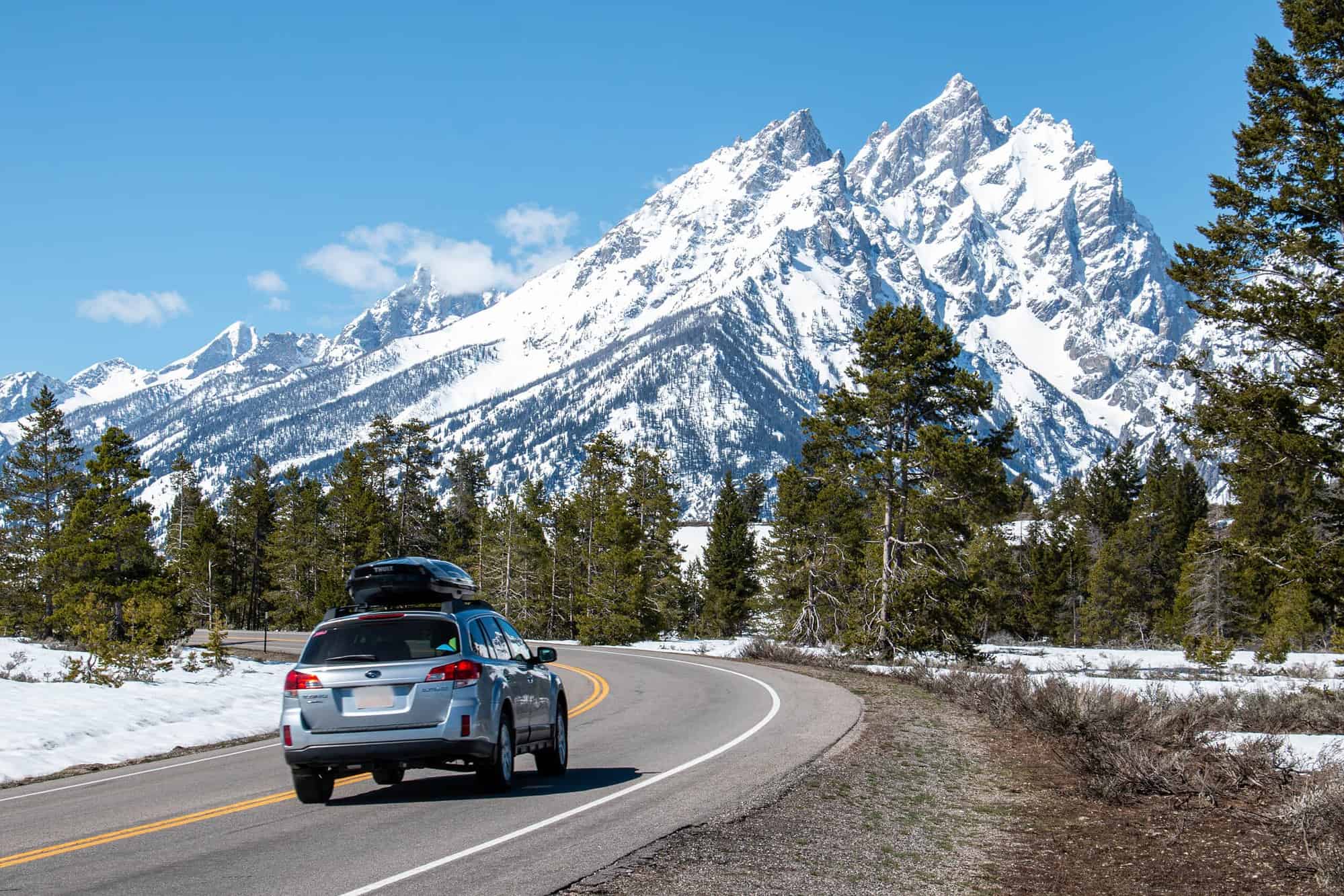
Top 9 Best Road Trip Destinations In America
Craving a road trip that doubles as a postcard from coast to coast? In our experience, the best journeys mix iconic drives with well-timed detours to hidden gems, giving you the scenery without the crowds.
We’ve found that pairing nine standout routes with strategic overnight stops keeps the adventure fresh and doable. From sweeping desert rims to misty mountain corridors and coastal byways, these itineraries are designed to maximize scenery, sound, and stretch breaks—without burning you out behind the wheel.
On our last visit, we relied on real-world timing: early spring for temperate passes, shoulder seasons to dodge peak traffic, and early-morning departures to snag parking at popular overlooks. We recommend mapping your days to reach key viewpoints at sunrise or golden hour, then pausing at a few pull-offs for quick leg-stretch hikes or wildlife watching.
For planning, we rely on official park guidance and seasonal advisories. The NPS reminds travelers to check road status and closure updates before you go, and we always verify campsite availability well in advance—especially near national parks and heritage corridors. Along the way, we’ll share exact trailheads and overlooks we love, along with our tried-and-true pit stops for fuel, snacks, and gear upgrades.
So grab your keys and our map-ready tips. With the right timing, a nine-route circuit across varied landscapes can become your most memorable American road trip—crafted by us, tested on the road, and tailored for real-life pacing and comfort.
Why Take A Road Trip Over Flying?
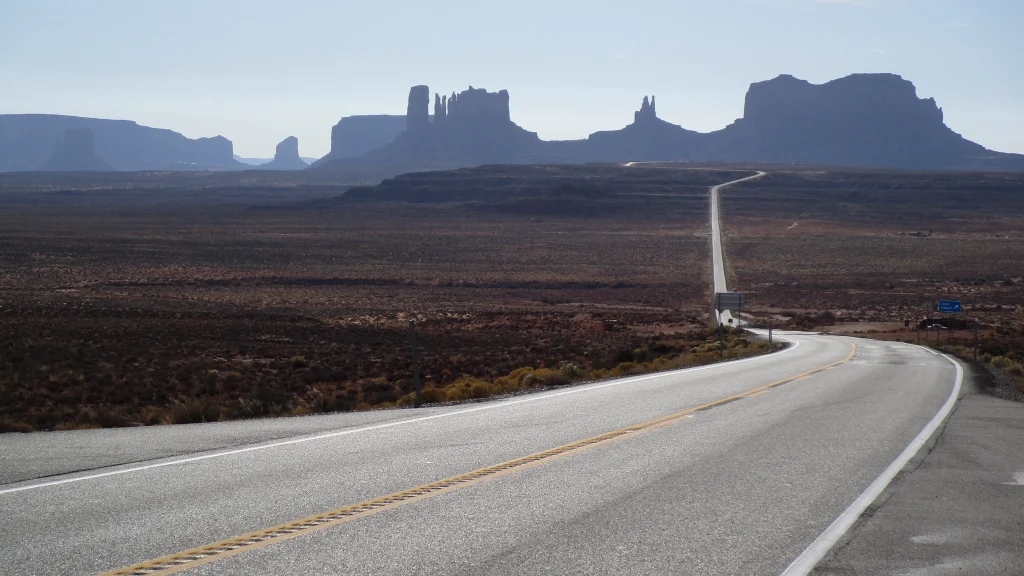
There’s nothing like hitting the road with the windows down and the scenery unfolding ahead.
From our experience, road trips offer unmatched flexibility—you can start early, linger at a overlook, or detour to a hidden trailhead that isn’t on any map. The payoff is time with friends and family, plus the chance to savor intimate moments in places flights can’t reach.
We’ve found that the best value comes from planning around shoulder-season weather and known crowd hotspots. In our experience, budgeting for fuel, snacks, and a few nights in RV parks or campgrounds with full hookups often beats peak-season hotel rates—and you’ll gain authentic moments you can’t capture from 30,000 feet.
According to NPS data and park advisories, some routes are best avoided during peak rush hours or severe weather windows. We recommend mapping a core route, but keeping a few backup pull-offs in mind—you’ll thank us when a traffic stall or sudden closure sends you to a quiet vista instead.
In our experience, the real perk is control—you choose when to stop, where to sleep, and how long to linger at your favorite vista. We recommend starting with a flexible plan, a reliable road-trip playlist, and a trusty cooler for those long scenic stretches.
How To Plan A Road trip

Planning a road trip doesn’t have to feel overwhelming. In our experience, the key is starting with a clear, flexible framework rather than a rigid itinerary.
First, define your window and priorities—nature, history, or small-town charm—and pair them with a realistic driving pace. We recommend carving 2–3 longer days per region plus lighter travel days for detours and weather changes, so you don’t burn out chasing perfection.
Next, map your route with built-in breaks and reserve-worthy stops to avoid peak crowds. We’ve found that aligning stays near park entrances or gateway towns helps you maximize early mornings and sunset views without fighting bumper-to-bumper traffic.
For accommodations, weigh hotels against camping or cabin rentals based on proximity to your key sights. From our experience, booking in advance for popular park gateways pays off, but leaving one or two nights open lets you chase weather or wildlife sightings without stress.
Finally, gather your essentials—water, high-energy snacks, a well-stocked first-aid kit, a roadside emergency kit, and reliable offline maps. We always rotate a small spare tire, a jack, and basic repair tools into our car kit for long drives through remote stretches.
If you’re looking for more, check out our 10 practical tips on planning a road trip for beginners. In our experience, a well-prepared plan—and a little flexibility—turns a great trip into an unforgettable one.
What Are The Top 9 Best Road Trip Destinations In America?

There’s nothing quite like starting a road adventure with the hum of tires and the open horizon ahead.
From our experience, the United States offers a huge variety of routes—from alpine passes to coastal byways—that are doable in a long weekend or a week-long loop. We’ve found that choosing a centerpiece and building your days around it makes all the difference.
To help you decide with confidence, we’ve compiled a curated list of memorable routes that balance scenery, accessibility, and comfort. Each spot includes our practical tips, insider parking ideas, and the best times to experience it without the crowds.
Take your pick from these standout itineraries and hit the road with a plan that keeps the drive as rewarding as the destination. We’ve tested these stretches, and we’re sharing what we’d map out for a satisfying trip.
Across our picks, you’ll find specific trailheads, scenic overlooks, and staying options that we personally prefer—paired with seasonal notes and safety pointers to help you travel smarter. And if a particular route isn’t your style, we’ve noted what makes it special so you can adapt with confidence.
Ready to roll? In our experience, starting early and packing for changing weather (especially in mountains or coastal fog) will save you a lot of stress and give you the best light for photos. We recommend keeping a flexible sunset plan to maximize wildlife or golden-hour views along the way.
1. Pacific Coast Highway – California
If ocean spray on your windshield and sunrise photos are what gets you going, the Pacific Coast Highway along California’s coast delivers in spades. In our experience, this stretch rewards slow cruising, ample pullouts, and a few well-timed stays in charming towns along the way.
We recommend starting in Monterey or Santa Cruz to ease peak-season traffic, then weaving south through the scenic corridor. Along the way, plan to pause at iconic spots like the Bixby Creek Bridge and the wide, sandy beaches that frame the road as it hugs the coastline.
Along this route you’ll be treated to rolling coastal hills, bold cliffs that drop straight to the sea, and a string of beach towns filled with fresh seafood, galleries, and small inns. The variety keeps each day feeling new, from foggy mornings to bright sunny stretches, all within a few hours’ drive.
The Big Sur section stands out for its dramatic scenery—sheer cliffs, towering Douglas-fir forests, and coastal overlooks that photograph beautifully under any light. In our experience, a morning stop at a pullout above the Pacific is worth the extra few minutes in the lineup.
Whether you’re a seasoned road tripper or new to one of America’s most legendary highways, this drive remains endlessly rewarding with the right planning and timing. We’ve found shoulder seasons deliver calmer roads, quieter viewpoints, and better chances for wildlife sightings along the coast.
2. Going-to-the-Sun Road – Montana
Few drives rival Going-to-the-Sun Road for alpine drama, especially when you’re chasing a sunrise or a golden alpine glow. In our experience, that 50-mile corridor delivers a crescendo of forests, open meadows, and snowcapped peaks—often in the same bend of the road.
The route links two dramatic entrances—West Glacier to the west and St. Mary’s to the east—and it’s built around the crown jewel: Logan Pass, perched at 6,646 feet (2,026 m). We’ve found that timing matters: the road is busiest in mid-morning, so consider an early start or a late-afternoon drive to enjoy fewer crowds and calmer wildlife viewing.
What we recommend on our last visit is to plan a couple of short stops at pullouts just before Logan Pass to stretch legs and snap views of the Garden Wall and the surrounding cirques. If you’re up for a walk, the Hidden Lake Overlook and the popular Highline Trailhead offer iconic perspectives, but arrive early to snag parking when the lot fills up fast.
Pro tips from our crew: check the official NPS conditions page before you go, as winter closures and spring melt can shorten the open window. Bring layers, water, and a small camera tripod for those long, sweeping vistas. And if you have flexibility, shift your plan to a weekday morning—you’ll thank us for the quieter pullouts and easier parking.
Bottom line: Going-to-the-Sun Road is a must-see stretch that rewards patience, good timing, and a bit of local know-how. In our experience, the best days feel longer than 50 miles because every bend reveals something new—so give yourself time to soak in the scenery rather than rush to the next overlook.
3. Olympic Peninsula – Washington
Who says a road trip can’t feel like a world of its own? The Olympic Peninsula delivers coast, rainforest, and alpine scenery in one unforgettable loop.
In our experience, the north-coast Olympic National Park areas near Port Angeles and Rialto Beach offer dramatic ocean stacks, while the Hoh Rain Forest and Hurricane Ridge deliver lush trails and alpine views within a few hours’ drive of each other.
We recommend starting at the Hurricane Ridge Visitor Center for easy elevation gain and sweeping panoramas, then looping to the Hoh Rain Forest to stroll the Hall of Mosses Trail (1.0 mile) when the weather is misty and magical. For a coastal highlight, spend a long afternoon at Rialto Beach and walk the somewhat rugged Olympic Beach Trail to Hole-in-the-Wall.
What we’ve found: the best wildlife and quiet moments tend to happen on weekdays, and the tide tables can dramatically change beach access. If you’re packing, bring waterproof layers, sturdy trail shoes, and a compact stove if you plan to camp or picnic along the way.
From our experience, a 3–4 day loop feels just right to cover the Hoh, Hurricane Ridge, and a couple of coastal stops without rushing. The park’s official data notes seasonal road openings and peak visitation times; plan to visit Hurricane Ridge in the morning to avoid crowds and clear summit visibility, especially in July and August.
We’ve found the Sol Duc area offers a quieter hike option with a famous hot spring hike, though it can be crowded on weekends. If camping, Kalaloch Campground provides oceanfront sites with stunning sunsets, but book early or choose Mora Campground for fewer people and closer proximity to Quinault Lake.
In our view, the Peninsula rewards those who mix short rainforest strolls with a longer ocean day—and the viewpoints along the Hoh River Road offer some of the most iconic scenes in Washington.
4. Route 66 – Illinois Through California
If you crave a driving experience that feels like a living postcard, Route 66 delivers in unforgettable fashion. From our perspective, this Illinois-through-California corridor rewards travelers who slow down, linger in a string of classic diners, and snap photos at legendary motels along the Mother Road.
In our experience, the best way to tackle the journey is to segment it into a few focused chapters: start in Chicago and veer through iconic stops like Galena, IL; St. Louis, MO; Oklahoma’s Clinton and Tulsa areas; Amarillo, TX; and Holbrook, AZ, before ending on the Santa Monica Pier. We’ve found that allocating 2–3 nights in several towns helps you actually see the nostalgia rather than rush past it.
Today, Route 66 is less about speed and more about storytime behind the wheel. The highway runs through a mix of big cities, quirky mother-and-pop cafes, old gas stations, and vintage motels that remind you why Americans fell in love with road trips. In our experience, a few longer stays in places like Santa Monica and Oklahoma’s historic towns give you the official “Route 66 experience” without sacrificing comfort or safety.
We’ve also learned to plan around weather and crowds. Spring and fall offer the most comfortable driving conditions and better chances to enjoy roadside attractions without the peak-summer heat. If you’re visiting during peak season, we recommend booking accommodations at least a month in advance in towns like Seligman, Williams, and Tucumcari to avoid sold-out nights and noisy motels. For safety and updates, check local advisories and the park service’s interpretive stops along the route for current closures or detours.
5. Blue Ridge Parkway – Virginia
Few byways rival the Blue Ridge Parkway for a first-hand immersion into Virginia’s mountains—the kind of drive that rewards slow, lingering sightseeing. In our experience, the 469 miles of twists, turnouts, and mountain views deliver a steady rhythm of wow moments and quiet pullovers that you can actually savor without rushing.
We recommend starting near the Peaks of Otter area for a gentle first-day warmup, then working north or south depending on crowds. On our last visit, weekday mornings at sunup offered the clearest views from milepost 320 and the Craggy Gardens overlook, where the air feels crisper and the trails beg for a short wander.
For direct route-and-sight tips, plan in advance with NPS trail data and campground maps. The Parkway isn’t just a drive—it’s access to hikes, picnic spots, and short nature trails near the byway. We’ve found that partnering a scenic drive with a 1–2 mile hike, like a quick loop near Grandfather Mountain or Mabry Mill, makes the day feel much richer than a pure car ride.
Seasonal nuance matters here: fall colors peak at different times each year, and we’ve seen best results with early October light and fewer weekend crowds. If you’re chasing color, aim for sunrise arrivals at overlooks like Crabtree Falls or the Linn Cove Viaduct area—the light can be magical, and parking tightness is often easier early in the day.
What we’ve found most rewarding is treating the Parkway as a moving scenic basecamp: plan a few short walks, then stop at a picnic area with a view, and save longer drives for midweek. Our top pick stays Craggy Gardens in spring and late fall for the sweeping ridge lines, but every season has its own carve-out moment on this byway.
From our experience, the Blue Ridge Parkway is at its best when you combine deliberate stops with small, intentional hikes. We recommend building in at least two pullovers with a short trail, plus one longer overlook stop. It’s not just about the road—it’s about the views, the fresh mountain air, and the quiet time between pullouts.
6. Brandywine Valley – Pennsylvania and Delaware
Brandywine Valley grabs you with quiet grandeur and a sense of pause you rarely find on a road trip. In our experience, the easiest way to soak it all in is a relaxed loop: start at Chadds Ford, ride along Brandywine Creek, and tuck in a visit to the Brandywine River Museum for a quick art fix before looping back to your hotel or campsite.
Art lovers in our group always make time for the Brandywine River Museum in Chadds Ford. According to local guides and park data, it houses one of the country’s premier landscape collections, and we’ve found the galleries pair perfectly with a stroll through the surrounding countryside. If crowds are light, we recommend parking at the museum lot early and walking the short connecting trail to the nearby scenic overlooks—just enough time to set the tone for the day.
Nature enthusiasts will feel at home with more than 200 miles of trails weaving through rolling hills, and Brandywine Creek offers a mellow alternative for a paddle near Wilmington. From our experience, a late-morning paddle downstream from Brandywine Creek State Park is calm and scenic, with chances to spot wildlife along the banks. Bring a dry bag, and plan to launch from the park’s boat launch to minimize crowding on busy weekends.
Tip-wise, our best advice is to visit in off-peak shoulder seasons and stay where you can walk out your door to the next highlight—Kennett Square, West Chester, or the Brandywine Valley’s quieter inns. We’ve found that snagging a parking spot at popular trailheads or the museum can be tricky on weekends, so go early or midweek if you can. Brandywine Valley truly offers a little something for everyone, any time of year.
7. Florida Keys Scenic Highway – Florida
The Overseas Highway isn’t just a drive—it’s a living postcard, connecting mainland Florida to the islands with dramatic blue horizons around every bend. In our experience, starting early and taking it slow turns a highway into a series of memorable moments rather than a checklist of stops.
At 113 miles, you’ll weave through mangrove corridors, past charming fishing villages, and over iconic spans like Seven Mile Bridge. We recommend budgeting 2–3 days if you plan to snorkel, fish, and explore a few state parks along the way, rather than blasting straight to Key West.
Plan your pullovers thoughtfully: the best overlooks are a short walk from the shoulder and provide calmer reflections at sunrise or sunset. We’ve found that stopping at Key Largo’s viewpoints for a morning glow and Islamorada’s mid-route stretches gives you a calmer pacing than the busier sections near Key West.
Snorkeling and watersports are plentiful, with options along the Overseas Highway—from John Pennekamp State Park in Key Largo to Looe Key and Molasses Reef near Marathon. If you’re chasing marine life, consider dedicating a day to a specific spot rather than rushing through multiple quick stops.
Some sections can be crowded, especially during winter holidays and weekends. In our experience, timing your drive to arrive at popular bridges like Seven Mile Bridge early or late in the day helps you dodge traffic and crowds while still catching those postcard-perfect views.
Ultimately, we recommend treating the Overseas Highway as a scenic route with a loose itinerary: a sunrise at Robbie’s while you’re in Islamorada, a beach afternoon at Bahia Honda or Largo’s state parks, and a sunset in Key West to cap your trip. This approach keeps the drive memorable and manageable, rather than just a long road between destinations.
8. Million Dollar Highway – Colorado
.kb-gallery-id-3404_812d25-ed .kadence-blocks-gallery-item .kb-gal-image-radius, .kb-gallery-id-3404_812d25-ed .kb-slide-item .kb-gal-image-radius img{border-radius:0px 0px 0px 0px;;}.kb-gallery-caption-style-bottom.kb-gallery-id-3404_812d25-ed .kadence-blocks-gallery-item .kadence-blocks-gallery-item-inner .kadence-blocks-gallery-item__caption, .kb-gallery-caption-style-bottom-hover.kb-gallery-id-3404_812d25-ed .kadence-blocks-gallery-item .kadence-blocks-gallery-item-inner .kadence-blocks-gallery-item__caption{background:linear-gradient(0deg, rgba(0, 0, 0, 0.8) 0, rgba(0, 0, 0, 0) 100%);}.kb-gallery-wrap-id-3404_812d25-ed.wp-block-kadence-advancedgallery{overflow:visible;}.kb-gallery-wrap-id-3404_812d25-ed.wp-block-kadence-advancedgallery .kt-blocks-carousel{overflow:visible;}
 Taken by u003ca href=u0022https://tinyurl.com/2czaa4dcu0022 target=u0022_blanku0022 rel=u0022noopener nofollowu0022 title=u0022Ken Lundu0022u003eKen Lundu003c/au003e
 Taken By u003ca href=u0022https://tinyurl.com/2p8r9nbeu0022 target=u0022_blanku0022 rel=u0022noopener nofollowu0022 title=u0022flamouroux u0022u003eflamouroux u003c/au003e
 Taken by u003ca href=u0022https://www.flickr.com/photos/lamouroux/6280989601/in/photolist-az2Hoa-8phPTq-8phQ1w-8p5QaM-8pfB3R-BGQXGb-AMJm56-8p8WCU-BBMDtD-AMGJfn-Bzqkxy-BGHncJ-AMzsHp-AMtm95-BK9gXc-BbBpDc-AMHe9p-8phHgY-AMJyCn-BzySfE-BK9Y5g-BK9QfD-BhSaCm-BBPVUk-BK88TD-AMzBGB-AMJjRe-Bi1CNN-AMtCrq-AMFeut-Bi1iQN-AMHPx4-Bi1Q2Q-AMtNNh-AMHxfp-BGQWzm-BBH5ii-BK18hx-BzxK97-AMA8L4-BK8SM4-BK1XP2-BBR9gn-AMAcz7-BK9fV2-BBSiGe-8pi9Aj-Bzxu61-BhYXR1-BhZk4Gu0022 target=u0022_blanku0022 rel=u0022noopener nofollowu0022 title=u0022flamourouxu0022u003eflamourouxu003c/au003e
- Taken by Kyle Harmon
 Taken by u003ca href=u0022https://www.flickr.com/photos/wkharmon/3851080525/in/photolist-6SiN56-az2Hoa-8phPTq-8phQ1w-8p5QaM-8pfB3R-BGQXGb-AMJm56-8p8WCU-BBMDtD-AMGJfn-Bzqkxy-BGHncJ-AMzsHp-AMtm95-BK9gXc-BbBpDc-AMHe9p-8phHgY-AMJyCn-BzySfE-BK9Y5g-BK9QfD-BhSaCm-BBPVUk-BK88TD-AMzBGB-AMJjRe-Bi1CNN-AMtCrq-AMFeut-Bi1iQN-AMHPx4-Bi1Q2Q-AMtNNh-AMHxfp-BGQWzm-BBH5ii-BK18hx-BzxK97-AMA8L4-BK8SM4-BK1XP2-BBR9gn-AMAcz7-BK9fV2-BBSiGe-8pi9Aj-Bzxu61-BhYXR1u0022 target=u0022_blanku0022 rel=u0022noopener nofollowu0022 title=u0022Kyle Harmonu0022u003eKyle Harmonu003c/au003e
The Million Dollar Highway in Colorado is an extraordinary road trip destination that has earned its spot among the top 9 best road trip destinations in America.
This stunning stretch of highway boasts some of the most breathtaking views in the country, complete with winding curves and the highest mountain pass in the United States.
Whether you’re seeking outdoor adventure or simply want to take a picturesque drive, Million Dollar Highway is one destination you won’t soon forget!
9. Hana Highway – Hawaii
The Hana Highway on Maui isn’t just a drive—it’s a slow-motion postcard you can actually linger in. In our experience, the best way to enjoy it is to treat it as a full-day outing with deliberate stops rather than a checklist drive.
We recommend starting from Kahului early in the morning and planning roughly 6–8 hours to savor roadside stops, short hikes, and scenic overlooks. Expect narrow lanes, one-lane bridges, and limited turnouts—allow extra time for slowdowns and parking near popular pullouts.
When you head south, make the most of key stops: Twin Falls is a common first stretch stop for a quick dip or a short trail; the Waianapanapa Black Sand Beach offers dramatic coastal scenery (note limited parking and potential crowds). In our experience, parking is tighter near mile marker 30–40, so arrive before mid-morning if possible and have a flexible plan for alternate overlooks along the coast.
For a satisfying loop, allocate time for a hike at the end of the road or a beach visit and plan to return via the same route to catch different light angles. We’ve found that taking the time to pull over at multiple pullouts and looking back toward the sea yields more memorable photos than rushing straight to Hana town.
From a safety and planning perspective, check with the Hawaii Department of Transportation and Maui County road advisories before you depart, especially during winter swells or rain. In our experience, a light vehicle with good clearance is ideal for the deeper, more winding stretches, and we always carry extra water, a snack, and a small first-aid kit for remote stops.
Taking Your Road Trip To The Next Level
There’s nothing like the thrill of a road trip with a world of scenery waiting just over the next ridge. In our experience, the magic happens not at the final stop but in the miles between, when we’re ready to improvise a little and chase a sunset over an overlook we hadn’t planned.
We’ve found that the real elevation comes from intentional pacing: book a couple of overnight stays near a big freeway corridor, then let the days unfold with pullouts, short hikes, and seasonal detours. For example, plan two nights near Glacier’s Going-to-the-Sun Road, the Blue Ridge Parkway, or California’s Pacific Coast Highway so you can ride the light and avoid crowds at peak times.
From our experience, the best road trips in America aren’t just the famous routes—they’re the in-between moments. We recommend pairing iconic drives with day hikes, gas-station snacks from a local shop, and a backup plan for weather so you don’t miss the best scenery just because clouds rolled in. Check NPS road status and park advisories, and keep a flexible schedule to swap in a lesser-known overlook or a forest service campground when it feels right.
Where you end up is really just the start. What we’ve learned is to set a few anchor sights, then let the journey unfold with quiet pullouts, quieter campgrounds, and early starts that reveal the park’s true quiet—the moments that turn a trip into lasting travel stories.
Wrapping Up
Overall, the top 9 best road trip destinations in America offer incredible views, exciting driving experiences and adventure filled routes.
From coast to coast and everywhere in between there is something special offered in each of these areas.
These locations are just a few of the great places you can visit on a road trip. So hop in the car and get ready for some amazing sites and long held memories that will live on forever.
While it’s wonderful to travel around our beautiful country it’s also good to know that there is plenty to explore just a short drive away from home.
Plan your next adventure today, gather up your friends, grab some snacks, music and hit the open road! If you’re feeling patriotic why not try them all!
Take a road trip to your favorite destination and have an unforgettable journey full of memorable moments!


