Best Bear Spray for National Parks
Affiliate disclosure: This page contains affiliate links. If you purchase through our links, we may earn a commission at no extra cost to you.
Bear spray is the most effective tool for stopping an aggressive bear — more effective than firearms according to the NPS and every major bear safety organization. Studies show bear spray deters charging bears in the vast majority of encounters. If you’re heading into Yellowstone National Park, Glacier National Park, Denali National Park Preserve, or any park with an active bear population, EPA-registered bear spray isn’t optional gear — it’s safety equipment.This guide covers the best bear spray options available through AvantLink-affiliated merchants, what specs to look for when choosing, and carry accessories that make your spray actually accessible when seconds count.Who Should Carry Bear Spray
Bear spray is appropriate for every visitor in bear country — solo hikers, families with kids, and full backcountry expeditions alike. You don’t need prior experience to use it effectively. It is required in certain zones in parks like Yellowstone and Denali, and strongly recommended on all backcountry trails wherever grizzlies or black bears are present. If your park trip includes any time on trails through bear habitat, carry bear spray. No exceptions.What Every Bear Spray Must Have
Not all bear sprays are equal. These are the minimum standards set by the EPA and NAEBA:- Canister Size: At least 7.9 oz — the EPA minimum. Smaller canisters may not provide enough spray duration to stop a charge.
- Capsaicinoid Concentration: At least 1% Major Capsaicinoids. Most quality sprays range from 1–2%.
- Spray Range: Minimum 25–30 feet. The Counter Assault 10.2oz reaches 40 feet — the longest range of any EPA-registered spray.
- Spray Duration: Minimum 6–7 continuous seconds. Short bursts may not be enough to deter a determined charge.
- EPA Registration: Mandatory for legal use in national parks. All products on this page are EPA-registered.
- Expiration Date: Bear spray expires after approximately 4 years. Check the date before every trip — expired canisters may not discharge at full pressure.
Best Bear Spray for National Parks — Our Top Picks



Our Verdict
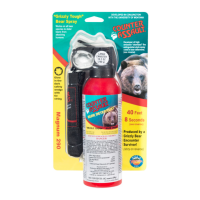
The Counter Assault 10.2oz is the definitive bear spray for serious national park use. Forty feet of range — the longest of any EPA-registered spray — gives you a meaningful buffer that minimum-spec canisters can’t match. A bear charges at roughly 35 mph. An extra ten feet of range buys you close to a second of additional reaction time.
For backcountry trips in Yellowstone, Glacier, Denali, or Grand Teton, this is the one to buy. If budget is the constraint, the Frontiersman at #3 covers every EPA minimum at $44.99 on sale — pair it with the Mystery Ranch holster and you have a full carry setup for less than the 10.2oz alone.
Bear Spray Specs Compared
| Product | Size | Range | Capsaicinoids | Price | Best For |
|---|---|---|---|---|---|
| Counter Assault 10.2oz | 10.2 oz | 40 ft | ~1% | $67.99 | Backcountry & multi-day trips |
| Counter Assault 8.1oz | 8.1 oz | 32 ft | ~1% | $57.49 | Day hiking |
| Frontiersman 7.9oz | 7.9 oz | 30 ft | 2.0% | $44.99 | Budget pick |
- Mystery Ranch Holster ($40.00) — Universal quick-draw holster for any standard canister. Best for hikers upgrading from a basic sleeve.
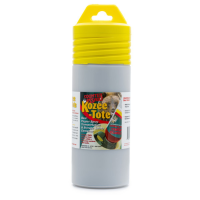
- Counter Assault Kozee-Tote ($28.99) — Insulated carrier for vehicle storage and travel. Best for road-trippers in hot climates.
Pros and Cons of Bear Spray
Pros- Proven to stop aggressive bear behavior — higher documented success rate than firearms in field studies
- Portable and lightweight — clips to hip belt for instant access
- Affordable relative to the risk: $45–68 is cheap insurance for any backcountry trip
- Legal in all 63 U.S. national parks; no license required
- Wind-dependent — always deploy downwind; a headwind can direct spray back toward you
- 4-year expiration; canisters left in storage need to be replaced before trips
- Cannot be carried on commercial aircraft (checked baggage only, in approved storage)
- Requires composure under pressure — knowing the deployment steps before you hike is essential
How Bear Spray Works in an Actual Encounter
Most bear encounters end without incident when hikers make noise and stay calm. But if a bear charges:- Hold your ground. Running triggers predatory pursuit — never run from a charging bear.
- Remove the safety clip when the bear is within 60 feet and closing.
- Aim slightly downward toward the bear’s face at roughly 45 degrees — create a cloud between you and the bear, not a direct stream at head height.
- Spray in 2–3 second bursts starting at 30–40 feet. Don’t wait until the bear is inside 10 feet.
- Back away slowly after the bear stops or turns. Do not pursue.