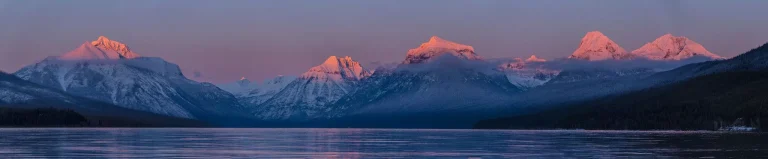
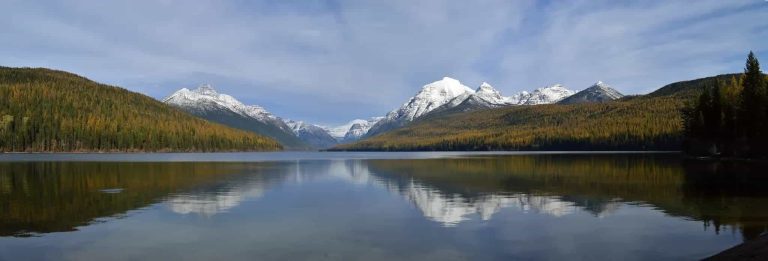
5 Tips on How To See Moose In Glacier National Park
Wildlife lovers know the thrill: a towering moose stepping from the lakeside reeds right before your eyes. In our experience, the best chances come from targeting moose habitat during low-traffic times and along wetlands that hold a steady supply of grasses and shrubs.
We recommend early mornings and late evenings when moose are most active, especially in spring and fall. According to NPS data, these animals feed heavily and move quietly near marsh edges at dawn and dusk, so plan for shaded, cooler hours to increase your odds without disturbing them.
Where to look? Start along the wetlands near McDonald Creek on the west side of Glacier National Park and then check the shallow ponds and cedar bogs near Polebridge and Bowman Lake. In our experience, these spots tend to hold moose longer than crowded pullouts, especially after a light rain when grasses flush and scent carries farther. Keep your distance and use a wide-angle lens or zoom to avoid spooking them; stay at least 100 yards away if you can—and never approach on foot if a moose is in the area.
What we’ve found works best is parked viewpoints with a clear line of sight and patience. Spend 20–30 minutes scanning shoreline edges and riparian zones; you’ll often see glimpses or silhouettes first, followed by a full view as they move between willows and alders. If you’re visiting during May or October, bring a layer or two—the mornings can be chilly, and quiet, slow movements help you blend in.
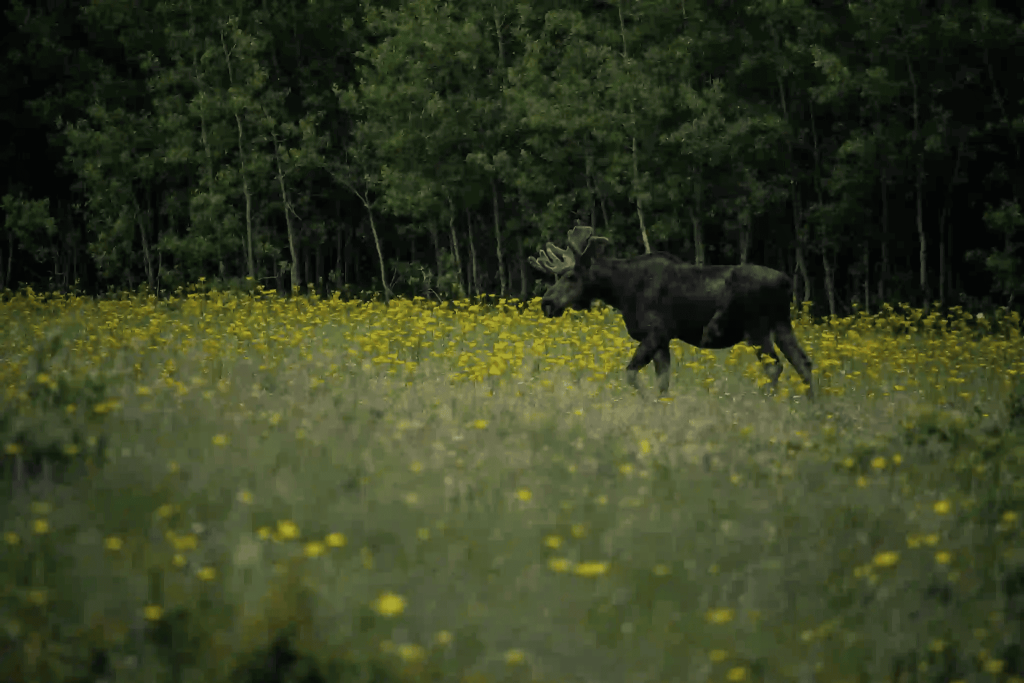
Are There Moose In Glacier National Park?
Yes, moose do wander Glacier National Park, but they’re quiet, elusive neighbors rather than a nightly parade. They’re not common sightings, yet they call these wild acres home in certain wetlands and willow flats.
In our experience, your best chances come at dawn or dusk along willow-rich edges on Glacier’s west side—around the Lake McDonald area and the North Fork/Flathead River valleys, with occasional sightings near Bowman Lake in late spring through early fall. We recommend scanning clearings in low light, watching for fresh tracks and bent saplings, and giving any moose plenty of space if you spot one.
How To See Moose In Glacier National Park
From our experience, Glacier’s moose reveal themselves best where willows meet open water, often around Lake McDonald shores and along streams near the Many Glacier area, just before dawn or at twilight. When you’re patient and quiet, you’ll notice their silhouettes slipping into the glow of the shoreline—worthwhile moments we never forget.
What we recommend: scout from established viewpoints, bring binoculars, and give moose plenty of space—no approach, no surprises. Park at Lake McDonald Lodge or the Swiftcurrent Trailhead early to minimize crowds, and look for fresh tracks along the shorelines after rain. In our experience, the most reliable sightings happen in low-traffic windows and when the light is soft; slow, deliberate moves beat rushing toward them every time.
1. Know The Best Spot For Seeing Moose In Glacier National Park
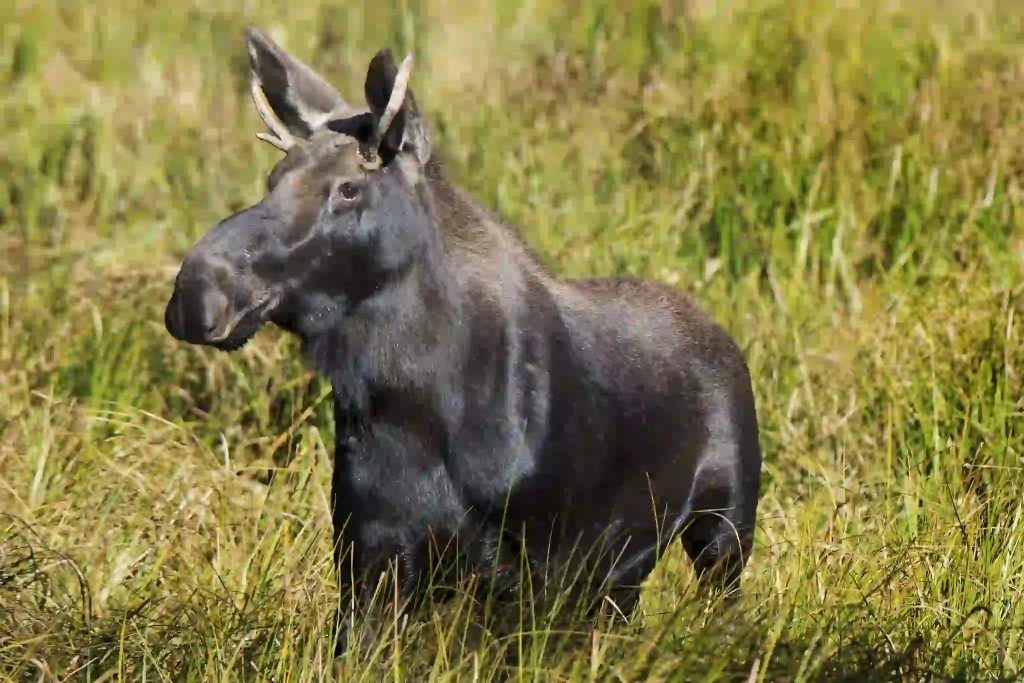
The best place to see moose in Glacier National Park is Fishercap Lake. In our experience, thick vegetation along the shore creates natural camouflage, giving moose a sense of security and making their appearances feel almost cinematic.
Fishercap Lake sits in the Many Glacier Valley, a favorite stretch for wildlife watching. To reach the lake, take the Swiftcurrent Pass Hiking Trail for about 0.8 miles; the lake will reveal itself as you crest the final rise. We recommend starting early in the day to catch moose near the margins before wind picks up and the light shifts.
Set up a discreet viewing spot along the shore and remain at a respectful distance. If you’re lucky, a moose or two will contract their gaze toward you—an experience we’ve found to be worth the quiet patience. Always keep a safe distance, and watch for calves during spring and early summer.
2. Plan Out The Best Time Of Day To Spot Moose In Glacier National Park
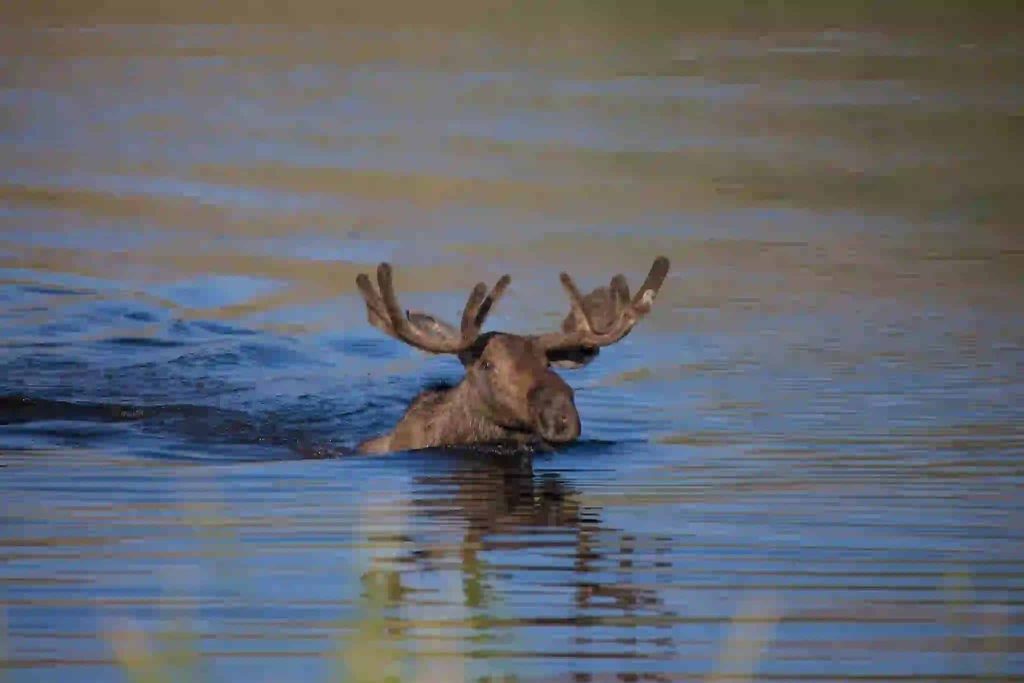
In our experience, dawn and dusk are your best bets for moose near Glacier’s lakes and willows. The creatures tend to emerge to feed, drink, and cool off along water edges during these quieter hours. We’ve found sightings most reliable in the first hour after sunrise and the last hour before sunset, especially around Fishercap Lake and nearby shorelines.
While moose can appear at various times, the odds rise during dawn and dusk when they’re feeding and moving between cover and open water. We’ve seen prime activity after a chilly night when grasses are dewy and the air is calm.
3. Expect To Wait A While

If a moose is on your list, plan for a patient, slow-wind routine rather than a fast-paced chase. In our experience, Glacier offers some of the best opportunities when light is soft and crowds are thinner—often at dawn or just before dusk along the McDonald Creek corridor and in the Many Glacier area.
Glacier hosts a healthy moose population, but these animals are wary and tend to keep their distance from people. We recommend moving slowly, speaking softly, and giving any moose ample space—no approaching calves, and no sudden movements if you spot them grazing near trail edges or quiet roadside pullouts.
Be prepared to spend several hours in quiet, undisturbed spots where moose are likely to be found, such as sheltered wetland edges or willow-lined meadows. With a little luck, you’ll be rewarded with a memorable encounter that feels almost alpine-magical.
4. Keep As Quite As Possible
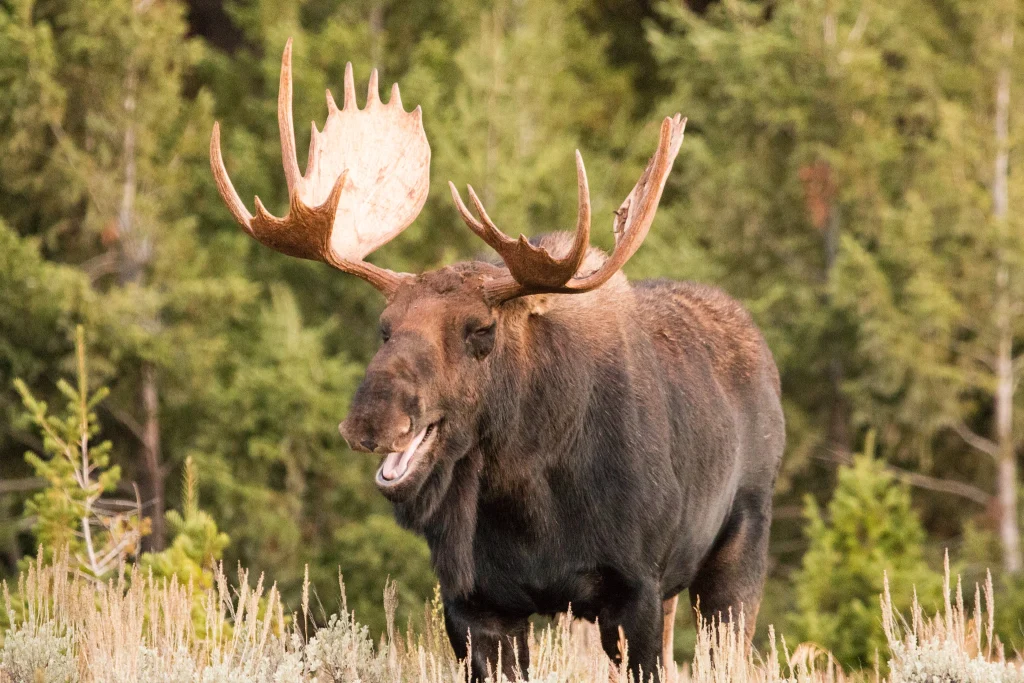
There’s nothing like catching a quiet moose moment in the wild to remind you why we chase wilderness experiences. In our experience, patience in early morning or late evening pays off when you’re hoping to observe these giants from a respectful distance.
We’ve found that moose tend to frequent wetlands, willow flats, and streams where water and forage meet, especially at dawn or dusk. When you’re scouting for wildlife, scan from a safe vantage point and move slowly—one careful step at a time—so you don’t startle a nearby animal.
Keep your distance, avoid sudden movements, and refrain from loud noises. To protect both you and the moose, we recommend using a longer lens from a parked vantage and giving animals ample space if they approach or your path intersects theirs.
From our experience, the best encounters come from quiet, attentive observation rather than attempts at close-ups. We recommend backing away if a moose lingers in your route, and always respect posted wildlife-viewing guidelines from the park service. By staying calm and respecting boundaries, you’ll increase the chances of a memorable, safe sighting for everyone—humans and moose alike.
5. If At First You Don’t Succeed, Try Again
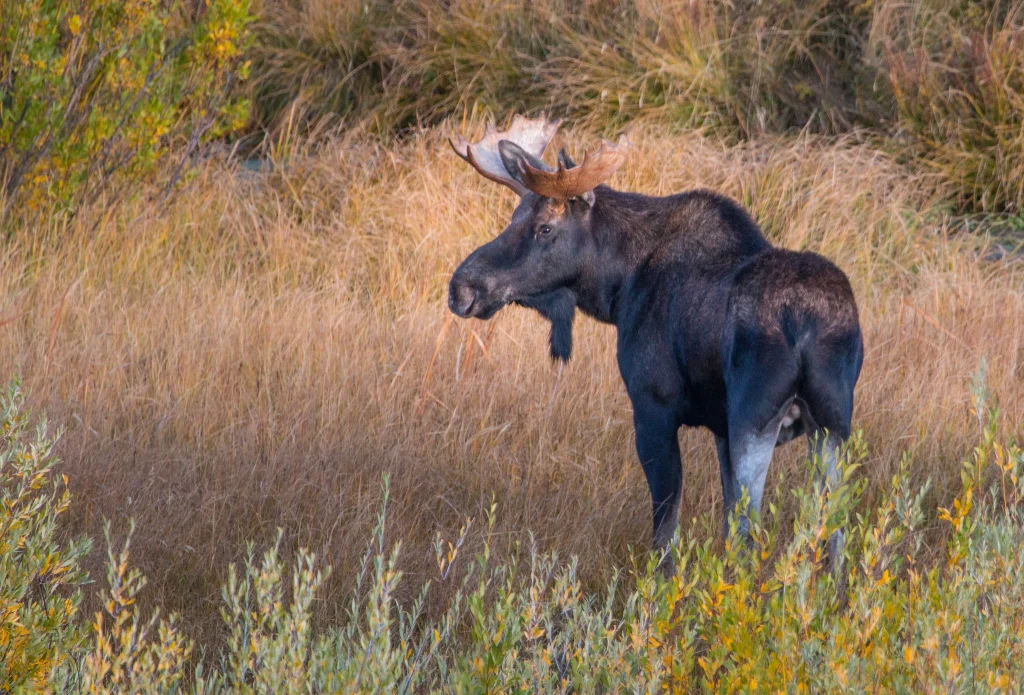
Wildlife sightings thrill us, but they can be unpredictable. Smaller creatures like squirrels and birds are easier to spot, but larger mammals require patience and a little luck.
If you’re hoping to spot a moose during your Glacier National Park adventure, the best approach is to combine early mornings or late evenings with quiet, keep-your-distance observation. In our experience, slow river corridors and wet meadow edges near the Many Glacier and Swiftcurrent Lake areas have yielded the most encounters. Always use binoculars and stay at least 100 feet away from wildlife, per NPS guidelines.
Conclusion
Fishercap Lake is one of the best places to see a moose in Glacier National Park. If you go at dawn or dusk, you have a higher chance of seeing one. However, don’t expect to see one right away- sometimes it can take a little while. And remember to stay quiet while you’re waiting! If you didn’t succeed this time, try again another time. I’m sure you’ll see a moose eventually if you keep trying!