
Sun Point
Glacial lake overlook with three trailheads. Historic alpine viewpoint on the valley wall.
Open to everything · Saved in this browser
A FEW CHOICES. A TRIP THAT FEELS LIKE YOU.
What could your Glacier trip look like?
Choose what excites you. We’ll use it to filter your Glacier ideas—not rewrite the guide you came to read.
What draws you here?
Choose as many as you like—or leave it open to see everything.
When might you go—and for how long?
We’ll point you to the matching trip length. Season choices add access reminders; they do not confirm anything is open.
Have you chosen a side to stay on?
We’ll flag ideas that need a transfer from your chosen side. This is a preference, not a hotel booking.
Choices save automatically in this browser only. No account. Your answers are not sent to our servers.
Ideas for your Glacier trip
Showing all Glacier experiences. Your saved places and essential access information are never filtered.
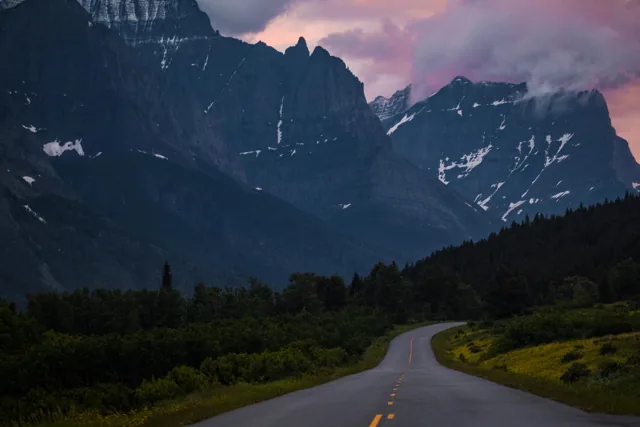
An idea to explore—not a must-do.
The full road crossing depends on seasonal access—even in summer.
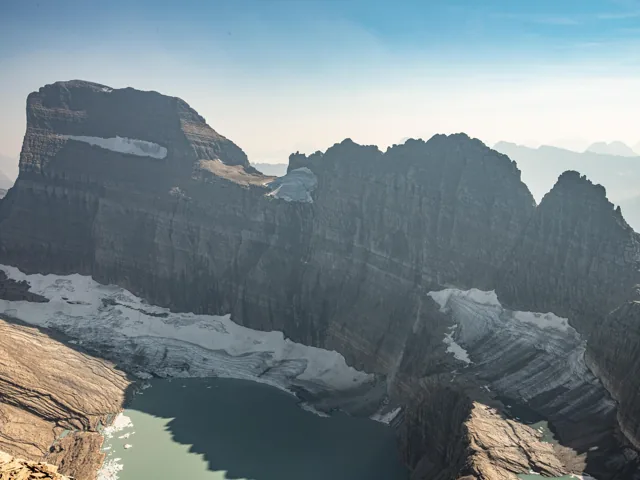
An idea to explore—not a must-do.
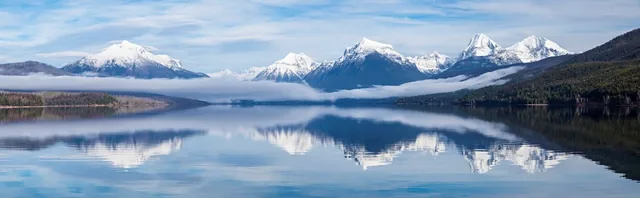
An idea to explore—not a must-do.
You are here · Going-to-the-Sun Road
Exceptional alpenglow on surrounding peaks at sunrise (6am–7am). Sunset reflections on St. Mary Lake face west across the water. Early morning light is clearest for mountain photo…
Steep dropoffs from the overlook viewpoint—fall hazard if you approach the edge unsupervised. Alpine exposure creates risks from rapid weather changes, afterno…
Natural Attraction
YOUR VISIT, YOUR WAY
What would you love to do here?
Sun Point combines a St. Mary Lake viewpoint with the site of the former Going-to-the-Sun Chalets. Keep it a scenic stop between other plans, or make more room in your day for the nature trail. Take care near water and steep drop-offs, supervise children, keep your distance from wildlife, and carry bear spray and weather-ready layers. Check current road access and trail closures before traveling; a saved visit does not secure parking.
Showing the complete guide. Access and safety stay visible.
Stop for the lake view
Keep the visit focused on Sun Point’s viewpoint over St. Mary Lake and the former Going-to-the-Sun Chalets site. Choose this when you want the viewpoint without committing to the longer nature trail.
With children
Supervise children closely near water and steep drop-offs, and keep wildlife at a safe distance.
Walk the Sun Point Nature Trail
Walk the Sun Point Nature Trail from Sun Point Picnic Area; it is 0.9 mi one way, or 1.8 mi round trip if returning the same way. Leave room for the walk rather than treating this as a quick roadside stop.
With children
Prepare children for changing mountain conditions, supervise them near water and drop-offs, and maintain wildlife distance.
Planning sources · checked September 7, 2026
St. Mary Lake spreads below this alpine overlook, its milky water colored by glacial flour from melting ice upstream. The site was once home to Going-to-the-Sun Chalets (1915, built by Great Northern Railway) and now serves as a scenic viewpoint and trailhead hub. Glaciation during the Pleistocene carved this U-shaped valley; the overlook sits on the valley wall above it. Three trails originate here: Sun Point Nature Trail (0.9 mi), St. Mary Falls (2.4 mi), and Virginia Falls (3.2 mi).
MAKE ROOM FOR A MEMORABLE STOP
Is this stop worth your time?
Why go
- What Youll See
- St. Mary Lake with milky glacial water (colored by silt from upstream glaciers), surrounding alpine peaks and ridges, U-shaped valley walls, mountain goats and bighorn sheep on rocky slopes, interpretive views into Glacier's glacial geology.
- Main Features
- U-shaped glacial valley with St. Mary Lake below, historic chalet site (1915), panoramic alpine overlook, three trail junctions, on-site parking and restroom facilities.
When to go
- Best Visit Times
- Early morning (before 8am) to secure parking and avoid crowds. September has smaller crowds than July–August while maintaining good weather and full road access.
- Seasonal Access
- Late June through mid-October. GTSR typically opens late June; exact opening date depends on snowplow completion. NPS does not publish a firm opening date. October approaching closure if early snow arrives.
Getting there and doing it
- How To Get There
- Located on Going-to-the-Sun Road (GTSR), midway between St. Mary Visitor Center and Logan Pass. Accessible late June through mid-October when GTSR is open. Drive to the signed parking area. Parking on-site; July 1–September 7, 2026: 3-hour timed parking enforced. Year-round entrance fee required: $35 per private vehicle (7-day pass).
- Parking Availability
- On-site paved parking. Typically fills 8am–10am during July–September peak season. July 1–September 7, 2026: Timed 3-hour parking enforced. Arrive by 7:30am or after 2pm for best availability.
Explore your choices Choose your visit options.
Getting there & parking
- Road Type
- Paved (Going-to-the-Sun Road)
When to go
- Sunrise Sunset Quality
- Exceptional alpenglow on surrounding peaks at sunrise (6am–7am). Sunset reflections on St. Mary Lake face west across the water. Early morning light is clearest for mountain photography.
- Best Season
- July through September offer full road access, stable weather, and minimal snow. June and October have partial or approaching-closure road conditions.
- Busiest Season
- July through September, with peak congestion mid-July through early September.
- Road Opening Dates
- Late June. GTSR opening date varies yearly depending on snowplow completion; NPS does not publish a firm opening date. Check NPS website for current status.
- Snow Lingering
- GTSR typically clear by early July. Late lingering snow possible until mid-June in some years. October approaching closure with early season snowfall.
- Winter Access
- Not accessible by vehicle in winter. GTSR is closed mid-October through late June. Winter access to Glacier requires entry at other points (e.g., west side).
- Weather Patterns
- Afternoon thunderstorms common July–August; lightning risk in summer. Rapid weather changes typical at high elevation. Wind accelerates at the open overlook. Early season (May–June) and late season (September–October) snow possible on approach roads. Morning fog clearing by 9am–10am typical.
What you will experience
- Attraction Type
- Glacial Lake Overlook
- Photo Opportunities
- Alpenglow on surrounding peaks at sunrise (6am–7am). St. Mary Lake reflections at sunset and early morning (before 8am) when water is calmest. Wildflowers foreground shots mid-July through August. Mountain goats on rocky slopes with lake backdrop.
- Common Wildlife
- Mountain goats, bighorn sheep, marmots, pikas, golden eagles, gray jays, elk (in lower valleys), possibly grizzly bears and mountain lions (rare at overlook).
- Best Wildlife Times
- Marmots and pikas most active 7am–10am. Bighorn sheep and mountain goats visible throughout the day. Birds (eagles, jays) active early morning. Bears more likely at dusk (though rare at this exposed overlook).
- Geological Formation Type
- Glacial trough (U-shaped valley from Pleistocene glaciation)
- Scientific Interest
- Textbook U-shaped glacial valley carved by Pleistocene ice sheets. Visible glacial flour in St. Mary Lake (silt from ongoing glacier melt upstream). Valley walls show evidence of glacial abrasion. Comparison site for understanding landscape-scale effects of ice-age glaciation in the Northern Rockies.
Facilities, fees & access
- Entry Fees
- $35 per private vehicle (7-day pass). Motorcycles: $30. Per-person walk-in: $20. America the Beautiful annual pass: $80 (covers all federal recreation sites). Winter rate (Nov 1–April 30): $25 per vehicle, though park is only accessible by foot/snowshoe winter.
- Permits Required
- No
- Restrooms Available
- Yes
- Restroom Type
- Vault toilet
- Accessibility Level
- Drive-up overlook with short walk from parking. Some steep terrain near the overlook edge; minimal elevation gain to the viewpoint itself.
- Family Friendly Notes
- Overlook has steep dropoffs—hold children's hands and keep them supervised away from the edge. Sun Point Nature Trail (0.9 mi) is the easiest option for families. Restrooms on-site. July–September crowds peak 9am–2pm; arrive early or late for fewer people. Stroller-accessible to the parking area but not to the viewpoint itself.
Safety
Nearby
- Nearby Attractions
- Sunrift Gorge, Rising Sun area, St. Mary Visitor Center (south of here)
- Connecting Trails
- Sun Point Nature Trail connects to Sunrift Gorge trailhead at its south end (can be walked in reverse). St. Mary Falls and Virginia Falls trails can be accessed from this point or from alternate trailheads near St. Mary Visitor Center.
- Trailheads Here
- Sun Point Nature Trail (0.9 miles, 284 ft elevation gain), St. Mary Falls Trail (2.4 miles, 621 ft elevation gain), Virginia Falls Trail (3.2 miles, 762 ft elevation gain)
Planning advice
- Tips Advice
- Arrive by 7:30am during July–September to secure parking; the lot fills quickly.
- St. Mary Lake's milky appearance is glacial flour (fine silt from melting glaciers upstream)—proof of ongoing glaciation.
- Look for mountain goats and bighorn sheep on the rocky slopes across the lake.
- Use the early morning light (before 8am) for photography; afternoon clouds often obscure the peaks.
- Sun Point Nature Trail offers interpretive signs explaining glacial valley formation.
More details
- Park Area
- Going-to-the-Sun Road corridor, St. Mary Lake basin
- Review Summary
- Visitors consistently recognize the geological story—the overlook makes the U-shaped glacial valley obvious. The milky water (glacial flour) fascinates many. Most appreciate the historic chalet context. Main challenge: parking fills early July–September; arriving early is essential. Most find the views justify the effort.
Continue the drive
Photos


Frequently asked questions
Will I find parking?
Yes, on-site paved lot. July–September: typically fills 8am–10am. Arrive by 7:30am or after 2pm. July 1–September 7, 2026: 3-hour timed parking enforced.
Why is the lake water cloudy or milky?
That's glacial flour—fine silt suspended in water from active glaciers melting upstream. It proves the valley is still shaped by ice-age processes.
Can kids handle the trails from here?
Sun Point Nature Trail (0.9 mi) is manageable for kids. The overlook itself has steep dropoffs—keep children supervised and away from the edge. Stroller access to parking only.
Is it worth stopping just for the viewpoint?
Yes, the overlook alone is exceptional. St. Mary Lake's glacial setting and historic chalet context make it memorable. Combine with Sun Point Nature Trail (0.9 mi) for a fuller experience.
When is the best time to visit?
Early morning (before 8am) for parking availability and clear mountain light. September has smaller crowds than July–August. June/October: GTSR access may be limited.
Are there restrooms?
Yes, a vault toilet is on-site at the parking area.
More at Glacier National Park

Pyramid Peak
Granite peak sharpened by glacial ice; scrambling to Pyramid Peak from Pyramid Pass.

Grace Lake
Grace Lake: glacial cirque lake at 3,966 ft, reached via the Logging Lake Trail.

Rising Sun Picnic Area
A practical east-side pause where Glacier’s mountains meet the prairies.

Two Medicine Picnic Area
Two Medicine’s lake and peaks reward a future picnic; road access is closed as of September 9, 2026.

Monument Falls
215 ft waterfall fed by glacial meltwater; view from Avalanche Lake shore.

Lake McDonald
A west-side lakeshore pause: choose Apgar or Lake McDonald Lodge, then leave room for a separate walk or boat outing.
Sources
- National Park Service
- YourNPGuide Editorial
Editorial review: YourNPGuide Editorial Team. Information is compiled from official sources, verified traveler reviews, and editorial research; no firsthand visit is implied unless explicitly documented. Learn how YourNPGuide works.
Last updated July 2026. Report an issue.