
Jackson Glacier Overlook
Best glacier view on Going-to-the-Sun Road. Receded 41% since 1966 (316→187 acres). Access July–Sept via shuttle ($1).
Open to everything · Saved in this browser
A FEW CHOICES. A TRIP THAT FEELS LIKE YOU.
What could your Glacier trip look like?
Choose what excites you. We’ll use it to filter your Glacier ideas—not rewrite the guide you came to read.
What draws you here?
Choose as many as you like—or leave it open to see everything.
When might you go—and for how long?
We’ll point you to the matching trip length. Season choices add access reminders; they do not confirm anything is open.
Have you chosen a side to stay on?
We’ll flag ideas that need a transfer from your chosen side. This is a preference, not a hotel booking.
Choices save automatically in this browser only. No account. Your answers are not sent to our servers.
Ideas for your Glacier trip
Showing all Glacier experiences. Your saved places and essential access information are never filtered.
An idea to explore—not a must-do.
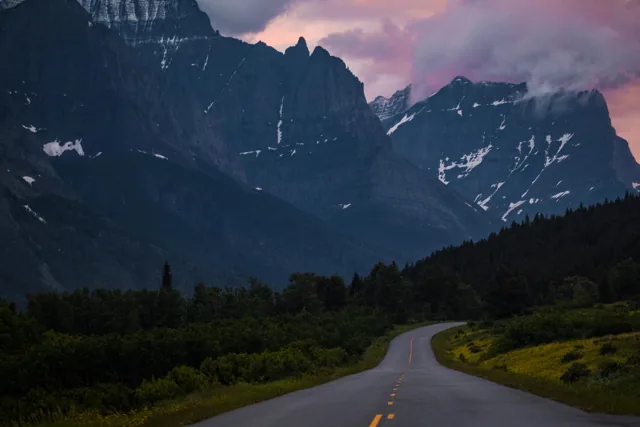
The full road crossing depends on seasonal access—even in summer.
An idea to explore—not a must-do.
An idea to explore—not a must-do.
Maintain safe distances from wildlife: 100 yards from bears and 25 yards from other wildlife species. Going-to-the-Sun Road is steep, narrow, and winding; driv…
July 1 – September 7, when Logan Pass shuttle service is operating and Going-to-the-Sun Road is reliably open. This period provides the most tourist services a…
Natural Attraction
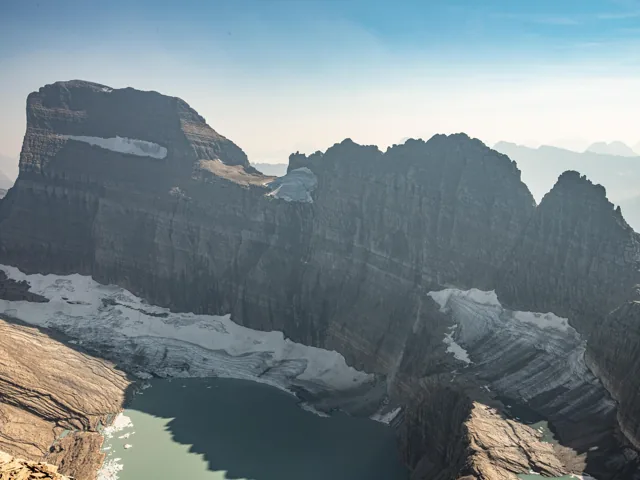
Jackson Glacier sits in a bright white basin visible across the valley from the parking area, framed by the peaks of the Continental Divide. This glacier is the best view of any glacier along Going-to-the-Sun Road, making it a key stop for most visitors driving the scenic corridor. Jackson Glacier has receded from 316 acres in 1966 to 187 acres by 2015—a dramatic 41% loss illustrating the impacts of changing climate on alpine environments. Visitors can view the glacier from the parking area or hike toward Gunsight Lake, which begins at this overlook.
MAKE ROOM FOR A MEMORABLE STOP
Is this stop worth your time?
Why go
- What Youll See
- Jackson Glacier—a bright white alpine glacier visible in a rocky basin across the valley. The surrounding peaks of the Continental Divide frame the glacier. Going-to-the-Sun Road corridor views with expansive mountain vistas. In summer (late June through September), the valley is typically snow-free. In early October, aspens and cottonwoods may show emerging fall color.
- Unique Characteristics
- Jackson Glacier's documented recession—from 316 acres in 1966 to 187 acres in 2015—makes this overlook a unique climate change documentation point. Unlike most park glaciers, Jackson Glacier is visible from a major, vehicle-accessible road, amplifying its public and educational significance as a climate marker.
When to go
- Seasonal Access
- Late June to mid-October (Going-to-the-Sun Road operating season). Shuttle service: July 1 – September 7, 2026. Timed parking limit (3 hours): July 1 – September 7, 2026.
- Best Season
- July through September, when Going-to-the-Sun Road and shuttle service are operating.
Getting there and doing it
- How To Get There
- Jackson Glacier Overlook is located on Going-to-the-Sun Road, accessible by private vehicle during the road's open season (typically late June to mid-October) or via Logan Pass shuttle service (July 1 – September 7, 2026; $1 per ticket, available through Recreation.gov). The overlook sits west of Logan Pass. Glacier views are visible from the parking area without additional hiking. A trail toward Gunsight Lake begins here for visitors seeking deeper exploration.
- Parking Availability
- Yes. Paved auto parking available. Fills by 10 AM most days July-September; arrive early or use shuttle service.
Getting there & parking
- Road Type
- Paved scenic highway (Going-to-the-Sun Road)
- GPS Coordinates
- 48.6785009453, -113.654290314
When to go
- Best Time To Visit
- July 1 – September 7, when Logan Pass shuttle service is operating and Going-to-the-Sun Road is reliably open. This period provides the most tourist services and accessibility.
- Busiest Season
- Mid-July through mid-August (peak summer visitation). July 1 – September 7 coincides with 3-hour parking limits.
- Road Opening Dates
- Going-to-the-Sun Road typically opens in late June and closes by mid-October. NPS does not publish a firm opening date annually; check current road status at the park website.
What you will experience
- Attraction Type
- Glacier overlook
- Main Features
- Unobstructed view of Jackson Glacier from paved parking area; documented glacier recession story (316 acres in 1966 → 187 acres in 2015); trailhead to Gunsight Lake Trail; designated scenic photograph spot; bus/shuttle stop (seasonal: July 1 – September 7); wide valley views framing the glacier.
- Photo Opportunities
- Jackson Glacier is one of the park's most photographed subjects, particularly for documenting glacial recession. The overlook offers clear sightlines for both wide-angle landscape and telephoto close-up shots. Morning and late afternoon light accentuates the glacier's features and surrounding peaks. Officially designated as a scenic view/photo spot.
- Best Viewpoints
- The paved parking area overlook itself provides the primary and most accessible glacier viewing without hiking. Hikers ascending the Gunsight Lake Trail will encounter additional perspectives of the glacier and surrounding alpine terrain.
- Geological Formation Type
- Alpine glacier
- Scientific Interest
- Jackson Glacier is actively monitored for glacial recession and serves as a key marker for understanding climate change impacts on Northern Rockies alpine ecosystems. Its documented shrinkage from 316 acres (1966) to 187 acres (2015) provides tangible evidence of climate-driven environmental change and is cited in park climate education programs.
Facilities, fees & access
- Entry Fees
- Glacier National Park entrance fee: $35 per private vehicle (7-day pass); $20 per person on foot or bicycle; $30 per motorcycle. Winter rates (November 1 – April 30): $25 vehicle, $15 person. America the Beautiful Annual Pass: $80. Shuttle tickets: $1 each (available through Recreation.gov).
- Accessibility
- The paved parking area is fully accessible and offers direct glacier views without hiking, making it suitable for visitors with mobility limitations, families with young children, and elderly visitors. Bus/shuttle service (July 1 – September 7) provides vehicle-free access for those who prefer not to drive Going-to-the-Sun Road.
- Nearby Facilities
- Paved parking area with scenic view. Bus/shuttle stop (seasonal: July 1 – September 7, 2026). No restrooms, water, or other facilities at this specific location.
- Family Friendly Notes
- Jackson Glacier Overlook is highly accessible to families and visitors of all physical abilities. The paved parking area requires no hiking and provides immediate glacier views, making it ideal for families with young children, older adults, and visitors with mobility considerations. Shuttle service provides an alternative to navigating the steep, narrow Going-to-the-Sun Road, and the 3-hour parking limit (July 1 – September 7) is ample for families to view and photograph the glacier.
Safety
Nearby
- Nearby Attractions
- Other scenic overlooks along Going-to-the-Sun Road include Logan Pass, Bird Woman Falls Overlook, Sun Point, and Sunrift Gorge. The St. Mary Visitor Center is located at the park's east entrance.
- Connecting Trails
- Gunsight Lake Trail (begins at Jackson Glacier Overlook)
- Trailheads Here
- Gunsight Lake Trail
Planning advice
- Tips Advice
- Arrive before 10 AM July–September to secure parking, or use the Logan Pass shuttle to avoid road congestion.
- Shuttle tickets ($1 each) release 60 days in advance on Recreation.gov (May 2, 2026 at 8:00 AM MDT window opens) or daily at 7:00 PM MDT for next-day rides.
- Weather at this elevation is highly variable; bring layers even in mid-summer.
- A camera with zoom lens is ideal for detailed glacier photography.
- The parking area offers glacier views without hiking, but the Gunsight Lake Trail provides extended alpine exploration for prepared hikers.
- Shuttle service avoids the stress of driving Going-to-the-Sun Road's narrow, steep curves.
Continue the drive
Location
Photos


Frequently asked questions
Is the glacier visible without hiking?
Yes. Jackson Glacier is clearly visible from the paved parking area. Hikers can take the Gunsight Lake Trail for deeper exploration.
How much has Jackson Glacier receded?
Jackson Glacier has shrunk from 316 acres in 1966 to 187 acres in 2015—a loss of 41% in 49 years, illustrating documented climate change impacts.
When can I access this overlook?
Late June through mid-October via Going-to-the-Sun Road. Shuttle service with more frequent runs: July 1 – September 7, 2026 ($1 tickets via Recreation.gov).
Is this a good stop for families with young children?
Yes. The paved parking area requires no hiking and offers immediate glacier views, making it ideal for young children and visitors with mobility limitations.
Should I use the shuttle service or drive Going-to-the-Sun Road myself?
The shuttle ($1) avoids the stress of driving narrow, steep, winding roads and provides consistent access July 1 – Sept 7. Self-driving requires comfort with mountain driving and offers more schedule flexibility when the road is open.
Will I see evidence of climate change at this site?
Yes. Jackson Glacier's shrinkage from 316 acres (1966) to 187 acres (2015) is one of the park's most documented climate change examples, visible in historical photographs.
More at Glacier National Park

Pyramid Peak
Granite peak sharpened by glacial ice; scrambling to Pyramid Peak from Pyramid Pass.

Grace Lake
Grace Lake: glacial cirque lake at 3,966 ft, reached via the Logging Lake Trail.

Rising Sun Picnic Area
A practical east-side pause where Glacier’s mountains meet the prairies.

Two Medicine Picnic Area
Two Medicine’s lake and peaks reward a future picnic; road access is closed as of September 9, 2026.

Monument Falls
215 ft waterfall fed by glacial meltwater; view from Avalanche Lake shore.

Lake McDonald
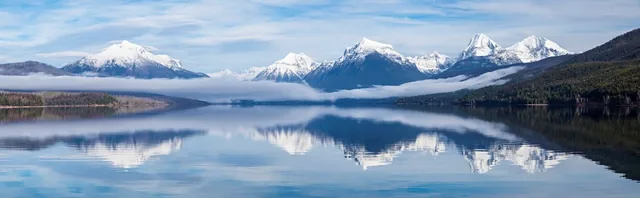
A west-side lakeshore pause: choose Apgar or Lake McDonald Lodge, then leave room for a separate walk or boat outing.
Recommended gear for Glacier National Park
Some booking links below are affiliate links, which may support YourNPGuide at no extra cost to you. Affiliate disclosure.


Sources
- National Park Service
- YourNPGuide Editorial
Editorial review: YourNPGuide Editorial Team. Information is compiled from official sources, verified traveler reviews, and editorial research; no firsthand visit is implied unless explicitly documented. Learn how YourNPGuide works.
Last updated July 2026. Report an issue.