
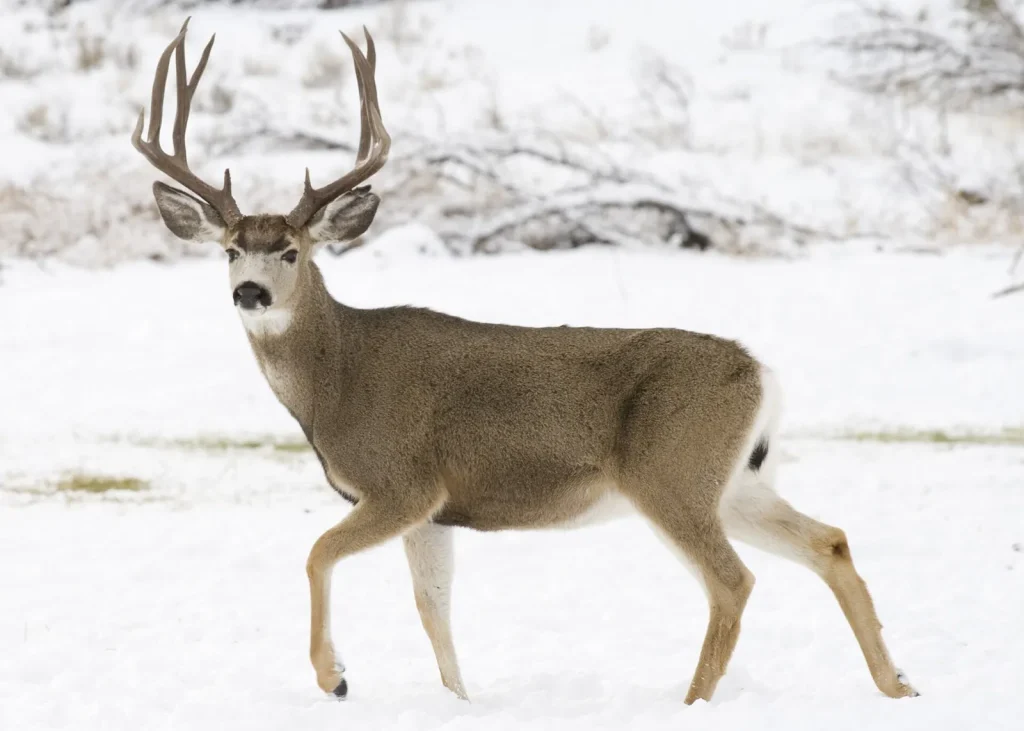
Photo: Oregon Department of Fish & Wildlife / CC BY-SA 2.0 (Wikimedia Commons)
Mammal Common Sightings: Occasional to common depending on season and elevation; more frequent May–October in lower zones; rarer at rim elevations in winter. Not dangerous — still wild
Mule deer are graceful browsers that thrive across Crater Lake's diverse terrain, from sagebrush flats to forest edges. Named for their impressively large mule-like ears—which excel at detecting threats and radiating heat—these herbivores are a hallmark of the western landscape. Respecting their 25-yard distance ensures unforgettable encounters with these cautious, elegant creatures.
📏 Keep your distance: 25 yards minimum (per NPS guideline for non-predator wildlife). This allows safe, respectful observation without stressing the animal.
Stay safe
Always maintain 25 yards distance. Never approach fawns (natural 'abandonment' while doe forages; mother is nearby watching). Do not feed or attempt to hand-tame. If approached by buck in rut, back away calmly and slowly. Make noise to alert deer and avoid surprise encounters.
If you encounter one
Slowly back away or hold your ground at safe distance. Do not run or make sudden movements. Mule deer typically flee; if one stands firm, you are too close—increase distance calmly and steadily. Does protecting fawns may be defensive; give them extra space.
Never feed or approach wildlife — it's dangerous for you and often fatal for them.
🦊 Species ID card
- Size & weight
- 3.5–6 feet tall (shoulder ~3.5 ft); females 150–200 lbs, males 150–300 lbs depending on season and nutrition.
- Identifying features
- Large mule-like ears (key field mark), slender dark legs, reddish-brown coat fading to gray in winter, small white rump patch bordered by black, black-tipped white tail. Bucks sport branching antlers fall/winter; females lack antlers.
- Habitat
- Open sagebrush, aspen groves, and mixed conifer forest edges. Mule deer prefer transitional zones between grassland and shrub-forest, especially at Crater Lake's lower elevations (below 7,000 ft).
- Diet
- Browse herbivore: shrubs, leaves, twigs, forbs, and grasses. Seasonal shifts with plant phenology; heavier browsing of conifers and woody plants in winter.
- Active
- Crepuscular (most active at dawn and dusk). May rest during mid-day summer heat.
- Lifespan (wild)
- 10–15 years
👀 Where & when to see them in Crater Lake National Park
Where to look
Sagebrush flats, aspen groves, and mixed conifer forest edges throughout the park's lower elevations. Most common away from heavy development, particularly along Scenic Rim Drive and approaches to Mazama Campground and Lost Creek Campground.
Best time
One hour before sunrise through mid-morning; again one hour before sunset through dusk. Fall rut (November–December) can extend daytime visibility and activity.
Spotting tips
- Early risers win—be in position before sunrise
- Scan open sagebrush from your vehicle using binoculars
- Listen for movement in brush; ears alert before body is visible
- Quiet approach yields more encounters than rushed driving
- Fall offers best daytime viewing during rut season
- Look for white rump patches bouncing when they flee—helps track direction
Accessibility
Yes. Mule deer can be seen from vehicles along Scenic Rim Drive and from pullouts; no strenuous hiking required. Binoculars or telephoto lenses enhance viewing. Rim Village areas offer accessible viewing points.
With kids
Safe for families to observe from distance. Teach children the 25-yard rule and never to approach, especially fawns. Use this as an opportunity to teach wild animal behavior and why we don't touch or feed wildlife.
📷 Photographing them
Best vantage points
Sagebrush flats near Rim Village, forest edges along Scenic Rim Drive at dawn, transitional zones near Mazama Campground. Early light backlights ears and captures movement beautifully.
Bring
Binoculars (8×42 preferred for distance viewing), camera with telephoto lens (200mm minimum), early-morning layers or fleece (park elevations stay cold at dawn).
Shoot ethically
Use telephoto lenses; never approach closer than 25 yards. Never bait, call, or block natural movement. Photograph natural behavior only; do not disturb rest or feeding.
🔭 Gear that helps you spot them
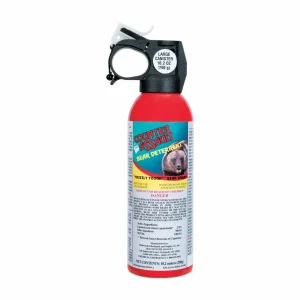
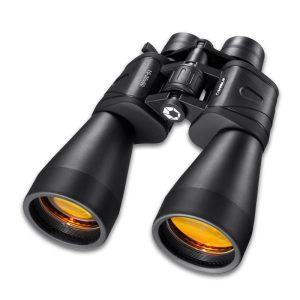
🌲 Natural history
- Breeding season
- Fall rut (November–December) when bucks compete for mates. Does give birth to fawns (usually twins) in May–June.
- Migration
- Dramatic seasonal elevation shifts: move to lower elevations and valleys in fall/winter to escape deep snow, return to higher slopes in late spring/summer as snow melts. Crater Lake's terrain creates ideal migration corridors.
- Winter
- No true hibernation. Winter activity is reduced; they enter torpor/dormancy with lowered metabolism to conserve energy during harsh weather and food scarcity.
🌍 Conservation
Threats
Habitat fragmentation from development in lower elevation zones; vehicle strikes along park roads; hunting pressure outside park boundaries.
Protection efforts
Crater Lake National Park protects habitat through wilderness designation and seasonal road closures that limit human disturbance in key migration and wintering areas.
How visitors help
Stay on designated roads and trails. Maintain safe viewing distance to prevent habituation and stress. Report injured or distressed wildlife to rangers. Drive slowly in wildlife-rich areas, especially dawn and dusk.
Report sightings
Report wildlife sightings to any ranger at Rim Village Visitor Center or call Crater Lake National Park main line at +1-541-594-3000. Photo and location data help park staff monitor populations and migration patterns.
❓ Questions people ask
Will I definitely see mule deer at Crater Lake?
No guarantee, but they're present year-round. Dawn and dusk in May–October offer the best odds. Fall rut (November–December) increases daytime visibility, though some roads may be closing for winter.
Are mule deer dangerous?
No. They're herbivores and naturally shy. Keep 25 yards back and they'll typically flee. Bucks in rut (fall) may be territorial but still avoid humans.
Can I feed mule deer?
Absolutely not. Fed deer lose natural fear, which increases vehicle strikes and disease transmission. Human food harms them. Feeding wildlife is illegal in national parks.
Why are their ears so large?
Those massive ears are exceptional hearing aids—they detect threats from great distances. The ears also radiate heat to help regulate body temperature in summer.
When are mule deer fawns born?
Does give birth to fawns (usually twins) in May–June. Fawns are hidden while mothers forage—this is natural behavior, not abandonment. Never approach or attempt to 'help' a fawn.
Do mule deer migrate seasonally?
Yes, dramatically. They move to lower elevations in fall/winter to escape deep snow and return to higher slopes in spring as snow melts. Crater Lake's terrain creates ideal migration corridors.


